
Industry News
Curation by industry experts
Hot Articles
Popular Tags
Environmental Regulations Impact Assessment: What to Review Before Project Approval
Environmental Regulations Impact Assessment: what deserves review before approval?
An environmental regulations impact assessment is not a paperwork formality. It is an early warning tool for schedule risk, capex drift, and approval uncertainty.
In complex projects, the real issue is rarely one permit. The challenge is how emissions, water, waste, land use, and reporting duties interact.
That is why many teams review technical design and commercial terms together with regulatory fit. A project can be technically sound and still fail the approval path.
For sectors such as water treatment, waste recovery, flue gas control, desalination, and nuclear waste management, this review becomes even more decisive.
Platforms such as ESD track this intersection closely. Their value is not only industry news, but also the stitching together of compliance change, equipment logic, and project timing.
Is an environmental regulations impact assessment only about permits?
Not really. Permits matter, but they are only the visible part of the approval landscape.
A useful environmental regulations impact assessment asks whether the project concept itself matches current and near-future compliance expectations.
For example, an industrial wastewater plant may meet today’s discharge threshold, yet still face rejection if local policy is shifting toward ZLD or stricter reuse obligations.
A waste recovery line may look efficient on paper, but approval can tighten if feedstock classification, odor control, ash disposal, or thermal conversion rules remain unclear.
In practical terms, the assessment should test four layers at once:
- Applicable laws, standards, and permit routes
- Technology fit against emission or discharge limits
- Monitoring, reporting, and traceability obligations
- Future policy pressure that may change economics
Simple projects can handle these items quickly. Large infrastructure or cross-border industrial projects usually cannot.
Which regulatory areas usually create the biggest surprises?
The biggest surprises often come from interfaces, not from headline rules. Teams may understand air permits, yet miss wastewater sludge classification or hazardous residue transport rules.
More often than not, hidden complexity appears in the following areas:
This is where an environmental regulations impact assessment becomes a decision filter. It shows whether a design is approvable, scalable, and defensible over time.
How early should this assessment start if the design is still moving?
Earlier than many teams expect. Waiting for a fixed design often means reviewing compliance after major commercial and engineering choices are already locked.
A better approach is staged review. Start with project definition, continue at concept design, and revisit before final approval submission.
At concept stage, the goal is not full documentation. The goal is to identify “approval-shaping parameters.”
- Expected effluent composition and peak loads
- Waste categories and off-site handling routes
- Fuel choice, energy demand, and carbon exposure
- Sensitive site conditions or community constraints
- Imported equipment subject to regional standards
In actual projects, these items influence vendor selection and layout more than many technical teams first assume.
For example, seawater desalination capacity may be feasible hydraulically, yet intake, brine discharge, and marine ecology conditions can reshape the entire concept.
The same applies to nuclear waste handling. Regulatory acceptance depends not only on containment technology, but also on traceability, long-term storage logic, and emergency governance.
What should be compared before choosing equipment or process routes?
An environmental regulations impact assessment should not stop at legal text. It should guide technical comparison before equipment is shortlisted.
A useful comparison asks whether the process route creates compliance resilience, not just nominal performance.
Look beyond nameplate efficiency
High removal rates are important, but regulators often care about stability, upset handling, secondary waste, and monitoring evidence.
That means one process route may look cheaper initially, yet generate harder sludge disposal, higher reagent volatility, or more reporting complexity.
Compare these decision points
- Can the system stay compliant under variable loads?
- Does it create regulated byproducts requiring licensed disposal?
- Will future standards demand retrofits within three to five years?
- Are local operators able to maintain monitoring accuracy?
- Does the process increase energy intensity or carbon reporting risk?
This is one reason specialized intelligence matters. ESD’s coverage of SWRO membranes, SCR catalyst behavior, recovery systems, and vitrification stability reflects how compliance and engineering are now inseparable.
Where do teams most often underestimate cost and schedule risk?
The common mistake is treating the environmental regulations impact assessment as a gate at the end, rather than a cost driver from the beginning.
Approval costs are not limited to application fees. They include redesign, additional studies, public consultation, third-party testing, and downstream treatment commitments.
Schedule risk appears when one unresolved issue holds the full package. A single waste classification dispute can delay civil work, equipment import, and financing release.
The more regulated the project, the more important it is to map “critical approval dependencies” early.
- Baseline sampling seasons and environmental monitoring windows
- Authority review cycles and document resubmission rules
- Public disclosure obligations and stakeholder objections
- Cross-border equipment certification or trade compliance checks
- Long-lead items tied to final permit conditions
If carbon exposure matters, CBAM-related developments should also be watched. They may not block approval directly, but they can weaken the investment case after commissioning.
So what does a solid pre-approval review actually look like?
A strong environmental regulations impact assessment is focused, evidence-based, and tied to design choices. It does not try to summarize every law in one document.
Instead, it answers the questions that determine approval confidence.
Before approval, it helps to build a short review pack with regulatory scope, technical assumptions, unresolved risks, and decision options.
That creates a clearer basis for comparing vendors, adjusting design, and deciding whether the project should move, pause, or be reconfigured.
In the end, an environmental regulations impact assessment works best when it is treated as part of project intelligence, not just compliance administration.
The next sensible step is to map the project’s main emission and waste streams, test them against likely approval conditions, and identify which technical choices carry the largest regulatory exposure.
From there, compare process routes, monitoring obligations, lifecycle cost, and policy sensitivity before locking the final approval strategy.
Recommended News
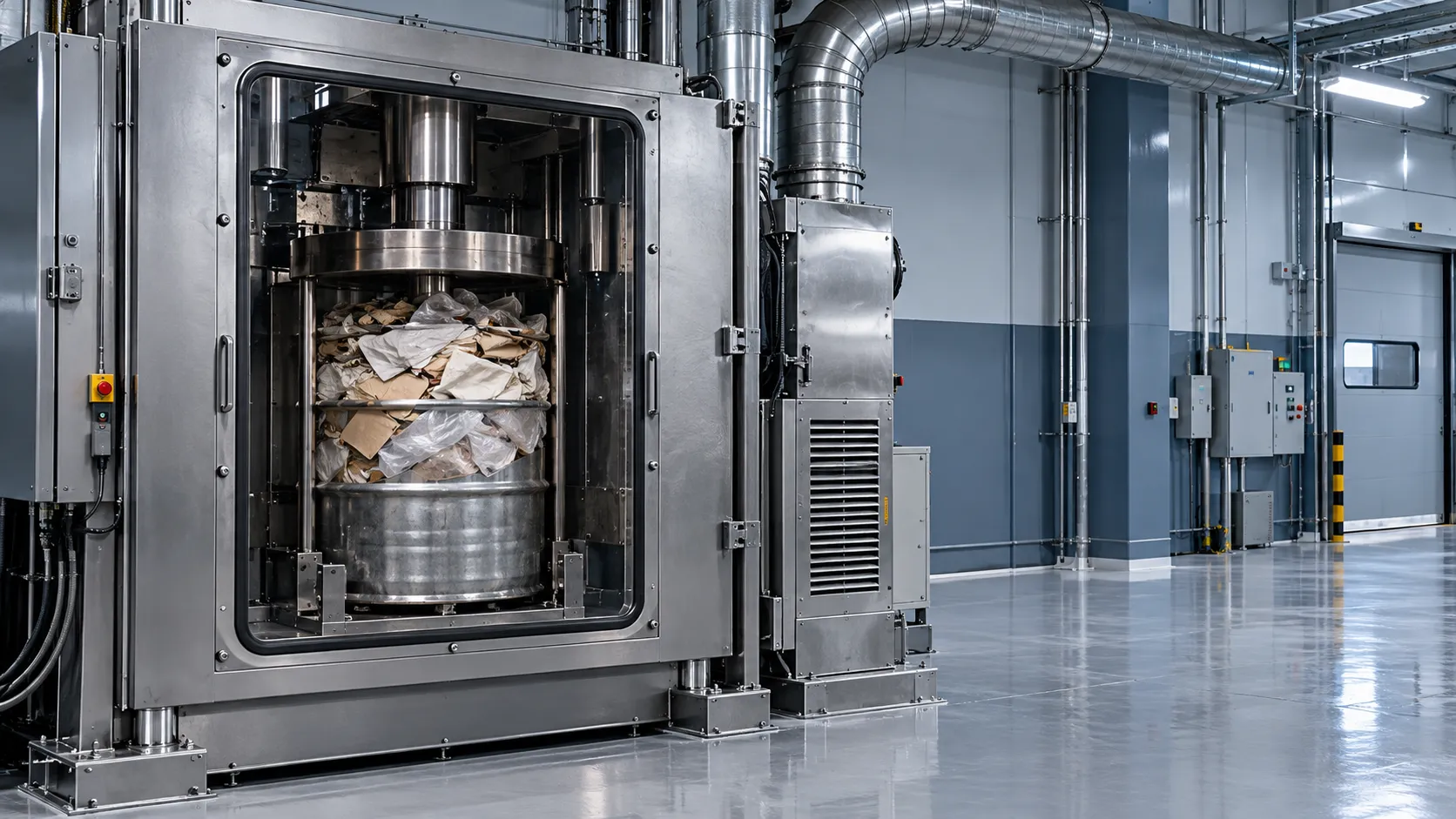
When is compaction suitable for solid nuclear waste treatment?
Is compaction right for solid nuclear waste treatment? Discover suitable waste streams, key safety checks, and disposal requirements to reduce package volume and optimize costs.
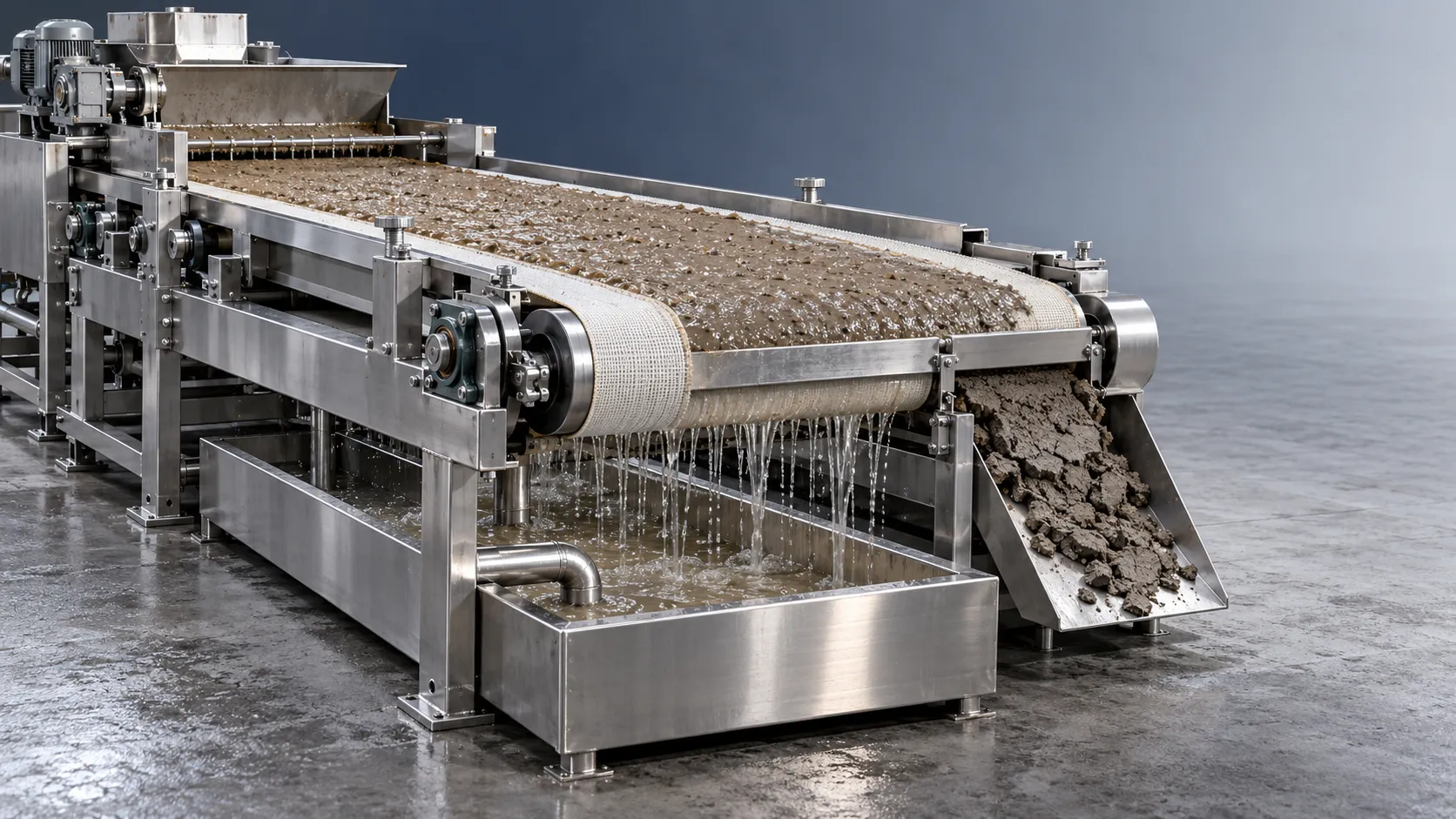
How solids concentration affects dewatering in waste recovery systems
Optimize waste recovery systems dewatering with insights on solids concentration. Learn to balance throughput, cake dryness, and solids capture while avoiding costly equipment overloads.
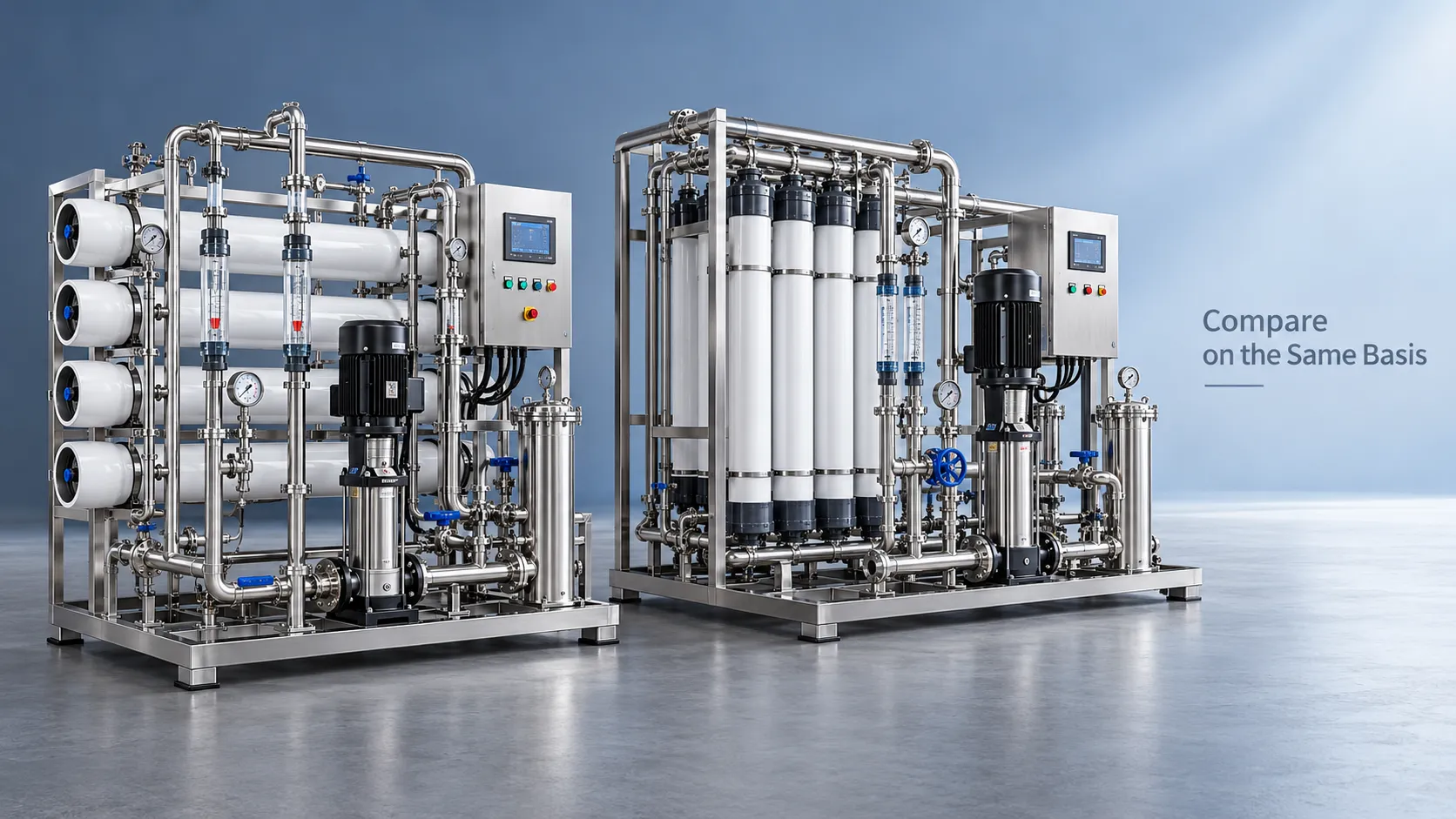
How to compare technical specs in an environmental equipment directory
Use this environmental equipment directory technical guide to compare capacity, energy use, compliance, and supplier evidence. Build a defensible shortlist and choose with confidence.
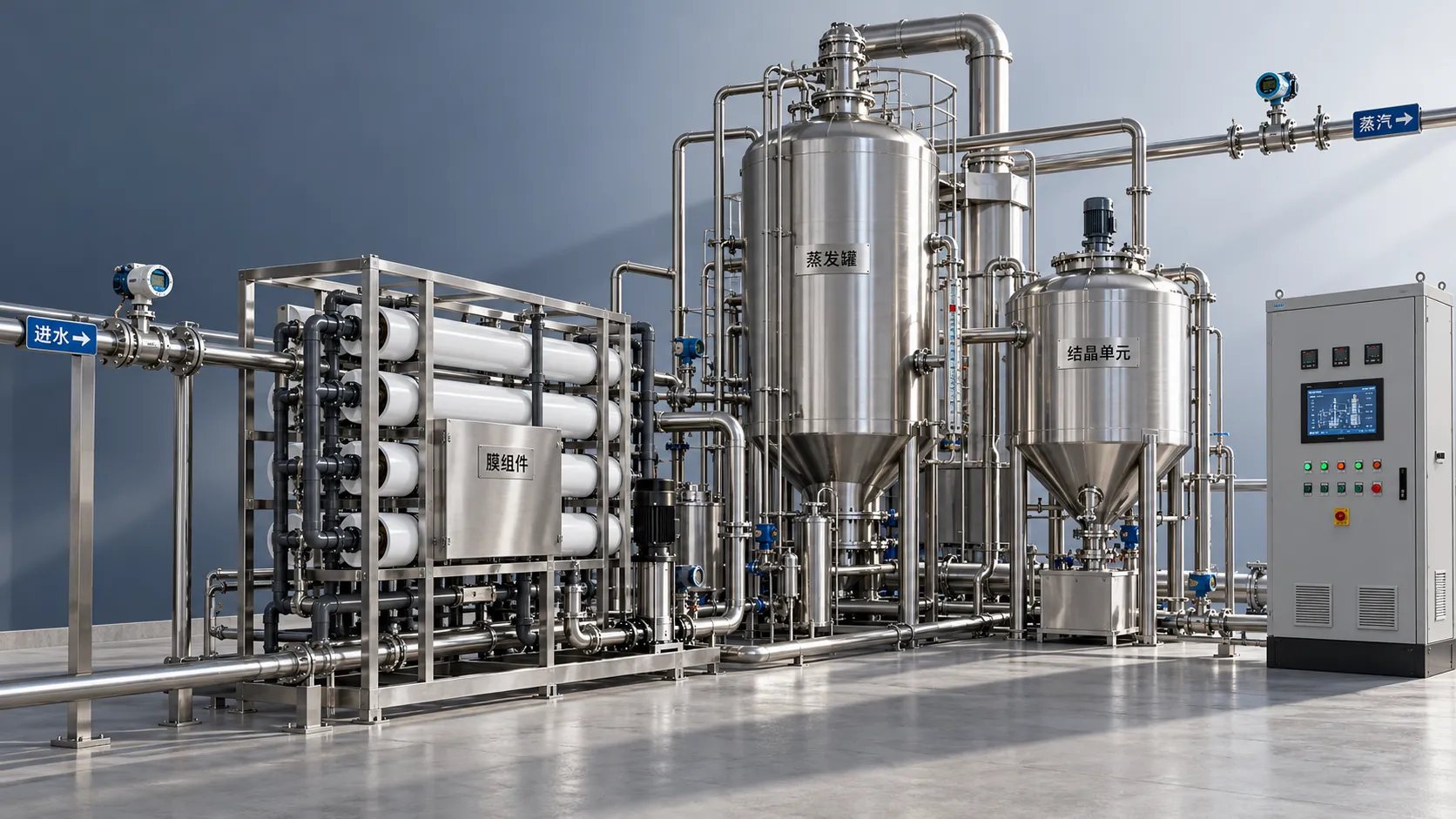
How to assess a zero liquid discharge equipment supplier’s energy claims
Assess a zero liquid discharge equipment supplier’s energy claims. Learn how to verify system boundaries, compare real costs, and demand testable guarantees before you buy.
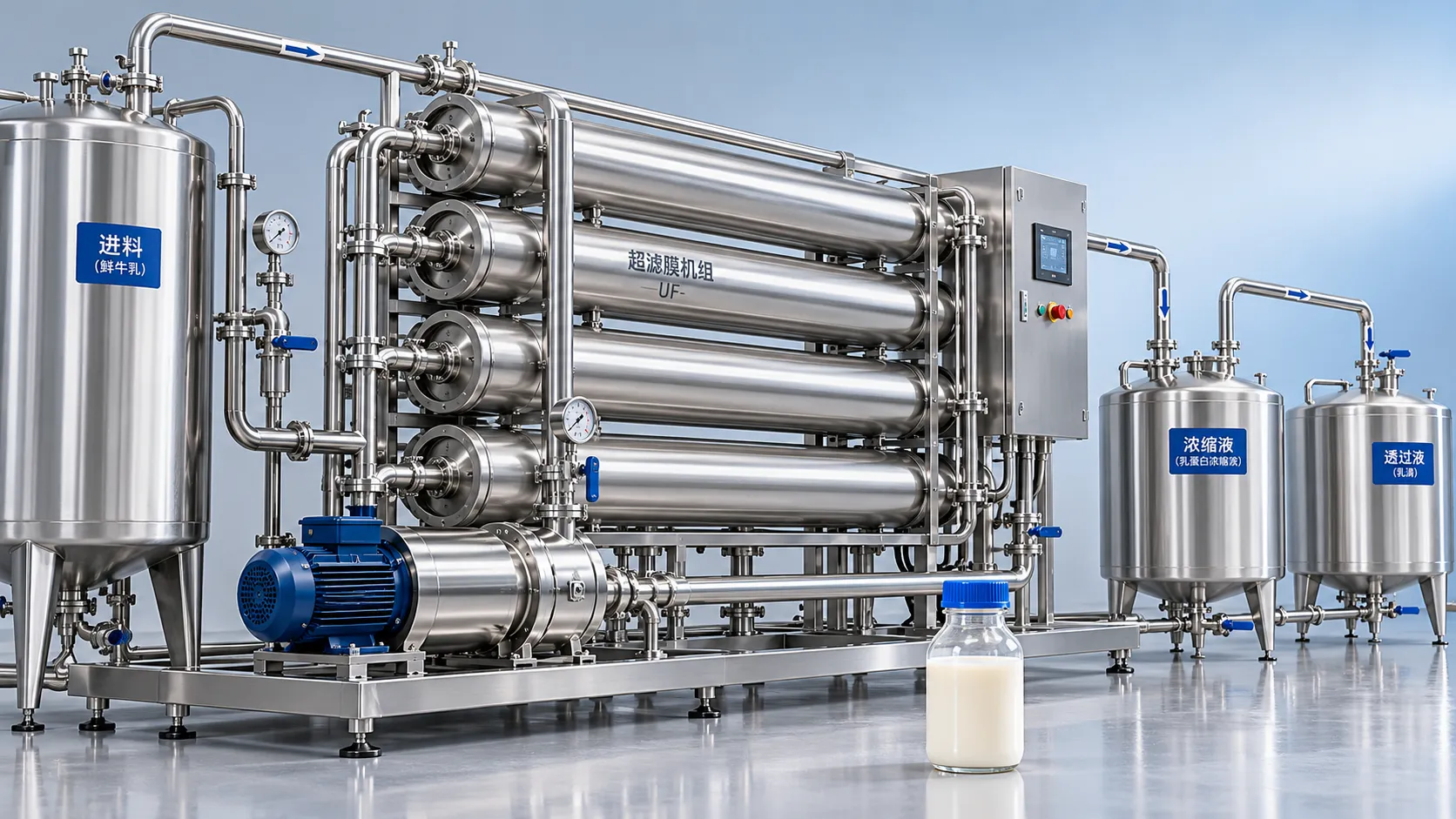
Which membrane filtration process suits dairy protein concentration?
Explore membrane filtration for dairy: compare UF, MF, and RO to select the right process for protein concentration, lactose reduction, and better recovery. Find your best fit.
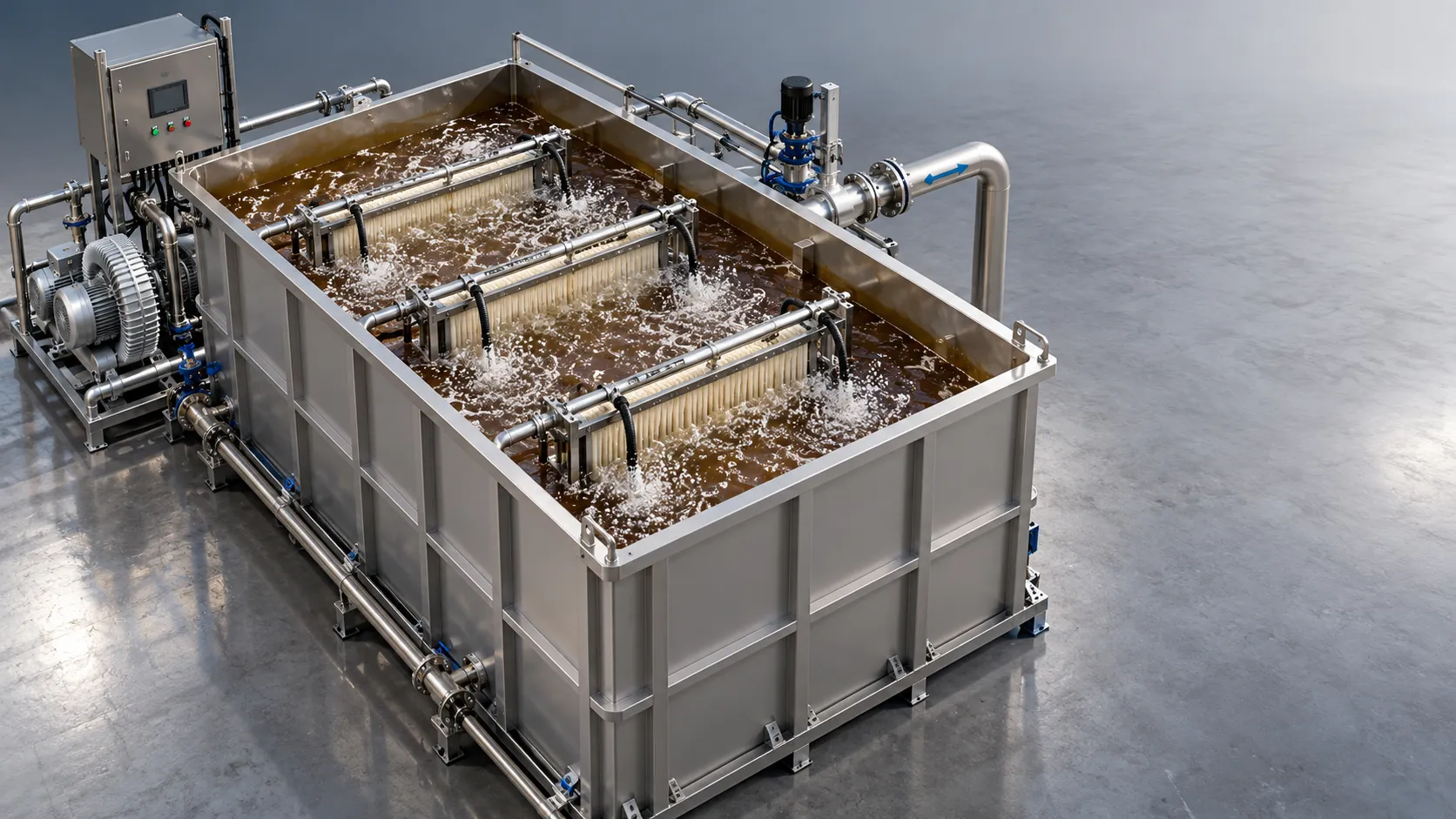
When is an MBR suitable for wastewater purification for bioprocessing?
For wastewater purification for bioprocessing, discover when an MBR fits your needs. Compare water quality, fouling risks, and lifecycle costs before investing.
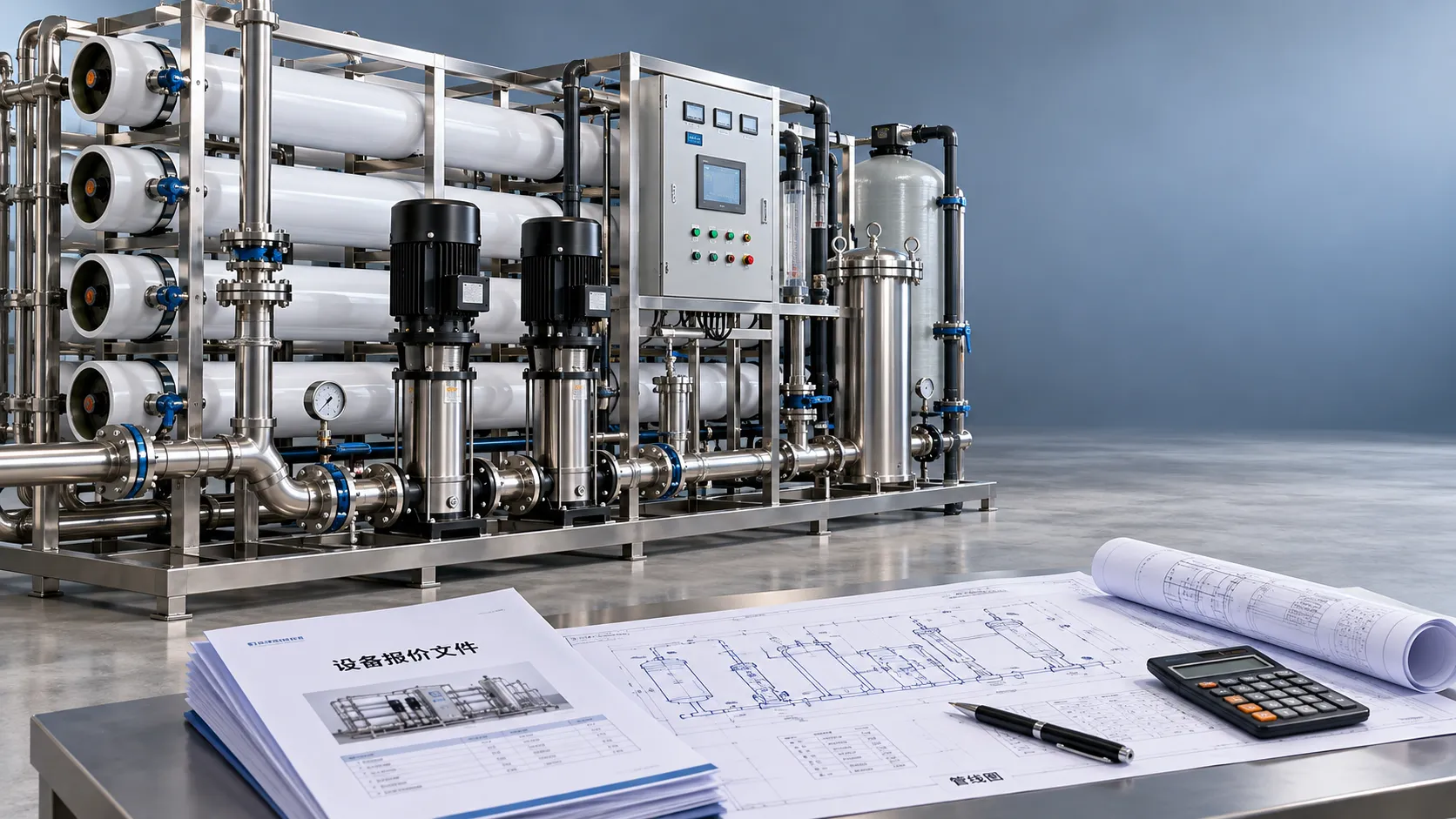
How to check a water treatment quotation for hidden project costs
Review your water treatment quotation for hidden costs, scope gaps, and operating expenses. Learn what to check before signing to protect your budget and avoid costly surprises.

How to vet ingredient processing equipment manufacturers using trials
Vet ingredient processing equipment manufacturers with real-world trials. Learn how to verify yield, cleaning, energy use, and scale-up before you invest.
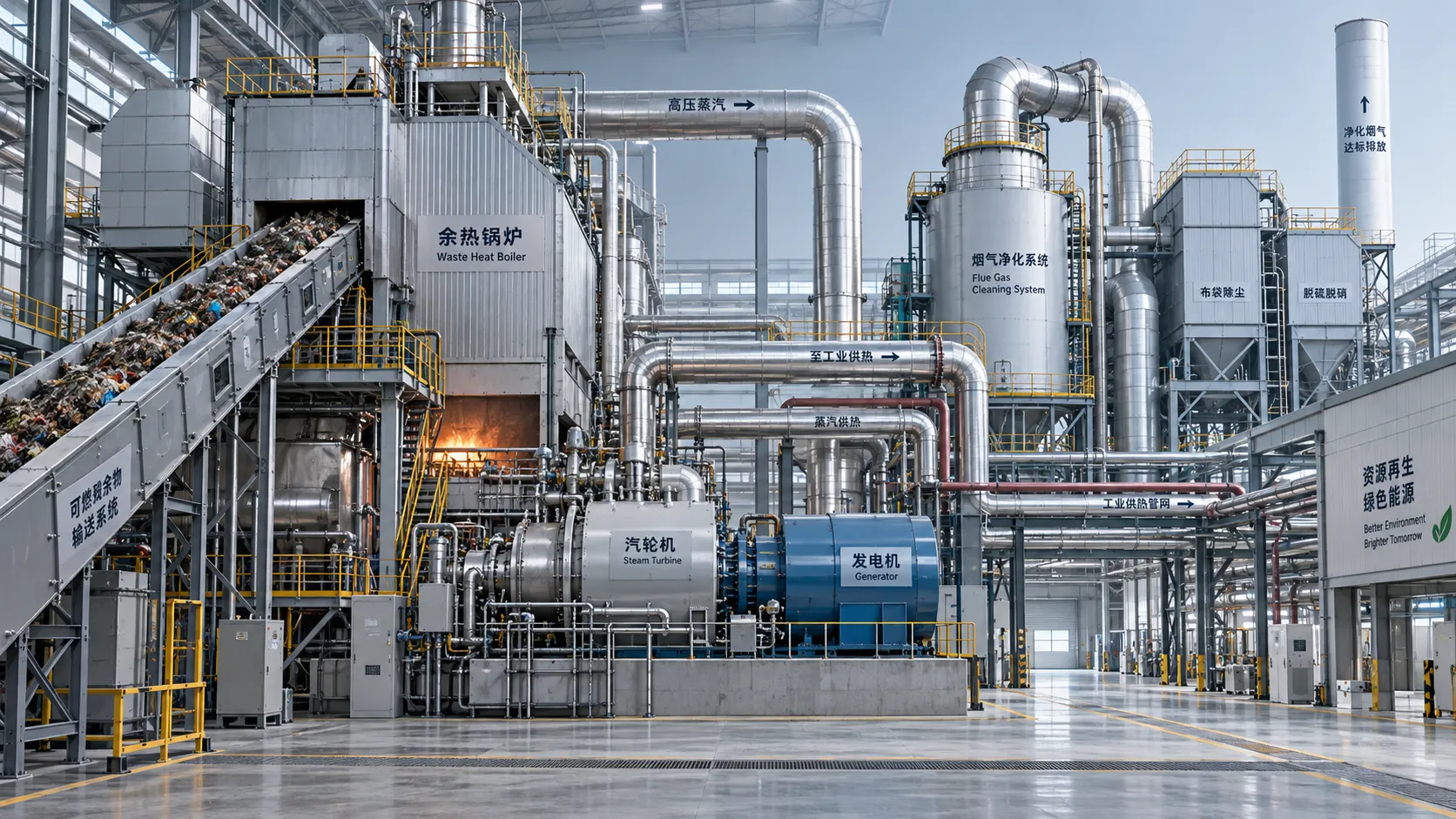
When is energy recovery viable in the solid waste recovery process?
When is energy recovery viable in the solid waste recovery process? Explore feedstock quality, net energy, emissions, and costs to assess feasibility and make smarter investment decisions.