
Industry News
Curation by industry experts
Hot Articles
Popular Tags
Carbon Neutrality Certification Standards: What to Check Before Approval
For finance approvers, carbon neutrality certification standards are not just a sustainability badge. They influence regulatory exposure, access to capital, supplier credibility, tender competitiveness, and the defensibility of long-term asset value.
Before approving a project, product claim, or procurement package, the key question is simple: does the certification reflect measurable emissions performance, or does it mainly package assumptions, exclusions, and weak offsets?
A sound approval decision depends on checking system boundaries, greenhouse gas accounting rules, baseline quality, residual emissions treatment, offset integrity, independent verification, and consistency with evolving international compliance frameworks.
This guide is written for financial decision-makers who need a practical review lens. It focuses on the checkpoints that reduce approval risk, strengthen internal governance, and support credible low-carbon investment decisions.
What finance approvers are really trying to confirm
When searching for carbon neutrality certification standards, finance approvers are rarely looking for a theory lesson. They want to know whether a certification is reliable enough to support budget approval, contract endorsement, or investment release.
Their core concern is not whether a certificate exists, but whether it can withstand audit, customer scrutiny, lender review, and future policy change. In practice, weak certification creates hidden liabilities, not strategic value.
For capital-intensive environmental sectors such as water treatment, waste recovery, flue gas control, desalination, and nuclear waste management, those liabilities can be especially significant because projects involve long lifecycles and public accountability.
The practical approval test is therefore broader than sustainability communications. Finance teams need evidence that the certification supports risk control, preserves commercial credibility, and will not later be challenged as incomplete or misleading.
Start with the most important question: what exactly is being certified?
One of the biggest approval mistakes is assuming that “carbon neutral” means the entire company, facility, or project has achieved neutrality. In reality, the claim may apply only to a product line, event, shipment, or reporting period.
Before approval, confirm the object of certification with precision. Is it a corporate entity, a manufacturing site, a treatment plant, a desalination unit, a waste handling service, or a single equipment model?
Finance approvers should also check the time boundary. Some carbon neutrality certification standards allow claims for a specific year, project phase, or delivery batch. That matters because short-term neutrality claims may not indicate durable performance.
If the scope is narrower than stakeholders might reasonably assume, the financial and reputational risk rises. A certificate with ambiguous scope can be interpreted as overclaiming, especially in regulated procurement or investor-facing reporting.
Boundary definition is where many certifications become weak
Among all carbon neutrality certification standards, boundary setting is one of the most decisive issues. A certificate may look credible until you discover that major emissions sources were excluded from the accounting framework.
Ask whether the certification includes Scope 1 and Scope 2 emissions in full. Then examine how Scope 3 is treated, especially for equipment manufacturing, logistics, chemicals, membrane replacement, waste transport, and end-of-life handling.
In environmental infrastructure sectors, omitted upstream and downstream emissions can materially change the picture. For example, desalination projects may appear efficient until electricity intensity, membrane lifecycle, or concentrate management is properly included.
For waste recovery systems, the treatment of avoided emissions is equally important. Some methodologies grant credit for recycling or energy recovery, but the assumptions behind those credits must be transparent and conservative.
A finance approver should not accept broad neutrality language without a boundary map. If boundaries are unclear, cost assumptions, compliance exposure, and commercial claims may all be mispriced at the approval stage.
Check the accounting methodology, not just the headline result
Reliable carbon neutrality certification standards rely on recognized greenhouse gas accounting rules. The certificate should clearly identify which methodology was used and whether it aligns with established international protocols or national schemes.
Look for consistency with frameworks such as the GHG Protocol, ISO-related carbon accounting approaches, or jurisdiction-specific standards that are accepted by customers, regulators, or financiers in the target market.
Do not stop at the standard name. Review how emissions factors were selected, how activity data were gathered, what assumptions were applied, and whether any estimates materially affect the final neutrality position.
For finance teams, methodology quality matters because accounting choices can alter the apparent return on decarbonization investment. A low-quality model can make weak performance look bankable until external review uncovers the distortion.
If the methodology is opaque, heavily estimated, or dependent on non-comparable assumptions, approval should be conditional at minimum. In high-value projects, methodological weakness can undermine commercial bids and post-award credibility.
Residual emissions tell you whether neutrality is operational or offset-driven
A critical checkpoint is the balance between actual emissions reduction and offset use. Many certifications permit carbon neutrality through a mix of reductions and purchased credits, but the ratio between the two matters greatly.
Finance approvers should ask how much of the claim comes from operational decarbonization. Has the company reduced energy use, electrified processes, optimized treatment chemistry, improved recovery rates, or procured low-carbon power?
Then ask how much remains as residual emissions. A certificate based mainly on offsets may still be technically valid, but it carries more policy risk, more reputational sensitivity, and often less strategic value over time.
This is especially relevant in energy-intensive sectors. For example, seawater desalination and advanced treatment systems may face increasing scrutiny if neutrality claims rely more on credits than on verifiable process efficiency or clean power sourcing.
As a financial rule of thumb, the stronger the internal reduction pathway, the stronger the approval case. Offsets should support a transition strategy, not replace it.
Offset quality is one of the most important approval filters
If offsets are part of the certification, review them with the same seriousness applied to any financial instrument. Not all carbon credits deliver equivalent integrity, permanence, or legal defensibility.
Key questions include whether the credits are additional, independently verified, not double-counted, and issued under respected registries or recognized market frameworks. Vintage year and retirement status also need confirmation.
Pay close attention to permanence risk. Nature-based offsets may carry reversal risk from fire, land-use change, or weak local governance. That does not invalidate them automatically, but it changes the risk profile.
Another issue is relevance to stakeholder expectations. In some markets, buyers or regulators view certain offset categories as weaker than others. A certificate accepted today may face stronger challenge under future disclosure rules.
Finance approvers should also confirm whether credits were retired specifically for the certified claim. Unretired or ambiguously allocated credits weaken the exclusivity and trustworthiness of the neutrality statement.
Independent verification should be substantive, not symbolic
Third-party review is central to credible carbon neutrality certification standards, but not all verification is equally rigorous. A recognizable logo does not automatically mean the verifier tested the underlying data in depth.
Check who performed the verification, what their accreditation status is, what assurance level was provided, and whether the opinion covered both emissions accounting and the neutrality claim itself.
Reasonable assurance generally carries more weight than limited assurance, though the appropriate level depends on the transaction and exposure. For strategic procurements or public commitments, stronger assurance is usually preferable.
Review whether any qualifications, exclusions, or material uncertainties were noted in the assurance statement. These details are often overlooked, yet they can materially change the reliability of the certification for approval purposes.
A strong verification package should include traceable data sources, sampling logic, document review scope, and clear conclusions. If verification language is vague, approval confidence should decrease accordingly.
Alignment with regulations matters as much as alignment with standards
Finance approvers should distinguish between a certificate that satisfies a voluntary market expectation and one that also fits the regulatory direction of the jurisdictions where the business operates or sells.
This distinction matters because climate claims are moving into a tighter compliance environment. Green claims directives, procurement disclosure rules, product reporting obligations, and carbon border measures all affect the value of certification.
For exporters and equipment suppliers, alignment with external regulatory expectations can be especially important. A carbon-neutrality claim that is acceptable in one market may be challenged in another if disclosure rules are stricter.
Where relevant, check consistency with procurement rules, investor reporting frameworks, supply-chain questionnaires, and customer decarbonization requirements. A certificate that does not map to these demands may have limited financial usefulness.
In practical terms, the best certification is not merely valid in isolation. It must also remain usable across compliance, tendering, financing, and commercial due diligence contexts.
Look for sector-specific materiality, especially in heavy environmental infrastructure
Generic carbon neutrality certification standards can overlook sector-specific emissions drivers. Finance approvers in industrial environmental sectors should insist on materiality analysis that reflects actual operating realities.
For large water treatment plants, material factors may include aeration energy, sludge handling, chemical dosing, pumping intensity, and methane or nitrous oxide assumptions where biologically relevant processes are involved.
For solid waste and resource recovery systems, the treatment of sorting efficiency, contamination rates, recovered material displacement factors, pyrolysis emissions, and avoided landfill assumptions can significantly affect the result.
For flue gas treatment systems, electricity demand, reagent production, waste by-products, and integration with host facility operations may all be material. Simplified accounting can understate lifecycle emissions exposure.
For desalination, the major approval concerns often include electricity sourcing, intake and pretreatment loads, membrane replacement cycles, brine management, and possible coupling with renewable energy or storage systems.
For nuclear waste management, finance teams should expect careful treatment of containment, conditioning, immobilization, storage infrastructure, and long-horizon operational assumptions. Simplistic neutrality claims are especially risky in this field.
Ask whether the certification supports a credible business case
Even technically sound carbon neutrality certification standards do not automatically justify spending. Finance approvers should examine whether the certification contributes to revenue protection, market access, pricing power, or lower cost of capital.
In some cases, the value is defensive. Certification may reduce procurement disqualification risk, support customer retention, or improve eligibility for green finance and sustainability-linked funding structures.
In other cases, the value is strategic. It may strengthen bidding authority in public infrastructure projects, differentiate a treatment technology in export markets, or support premium positioning with industrial clients under decarbonization pressure.
However, if the certificate offers little commercial leverage, relies heavily on fragile offsets, or requires repeated administrative spending without clear return, approval should be more cautious.
The right question is not “Is certification good?” but “What measurable business outcome does this certification enable, protect, or de-risk?”
Red flags that should pause approval
Several warning signs should trigger deeper review before funds are approved. The first is vague language about neutrality without a precise definition of scope, methodology, baseline, and residual emissions treatment.
Another red flag is an unusually low carbon footprint result compared with peer benchmarks, especially when the documentation does not clearly explain data sources or assumptions. Apparent outperformance may reflect exclusions rather than excellence.
Heavy dependence on low-cost offsets with weak transparency is also a concern. If the project achieved neutrality primarily through credits of uncertain quality, the claim may not hold up under stakeholder challenge.
Be cautious when assurance statements contain broad limitations, or when the verifier lacks clear accreditation or sector competence. Weak independent review reduces the practical value of the certificate in financial decision-making.
Finally, pause if the certification is disconnected from future compliance realities. A certificate designed only for marketing use may become obsolete quickly in a tightening regulatory environment.
A practical approval checklist for finance teams
Before signing off, confirm the certified object, reporting period, and organizational boundary. Make sure stakeholders cannot reasonably misinterpret the scope of the neutrality claim.
Verify that material emissions sources are included or clearly justified if excluded. Review the accounting methodology, emissions factors, data quality controls, and treatment of uncertainty or estimation.
Check the reduction pathway first, then the residual emissions, then the offsets. Confirm that any credits are high quality, retired, independently verified, and suitable for the relevant market context.
Review the verifier’s credentials, assurance scope, and any qualifications. Then assess alignment with procurement requirements, investor expectations, customer standards, and applicable regulatory direction.
Finally, connect the certification to business value. If it improves market access, financing options, tender competitiveness, or compliance resilience, approval may be justified. If not, further challenge is warranted.
Conclusion: approve the substance, not the slogan
For finance approvers, the real test of carbon neutrality certification standards is not whether a certificate looks polished. It is whether the claim is technically robust, independently validated, commercially useful, and resilient under future scrutiny.
The safest approvals are based on clear boundaries, sound emissions accounting, credible reduction efforts, strong offset quality, and verification that can withstand audit and market challenge.
In environmental infrastructure and industrial equipment markets, where projects are capital-intensive and publicly exposed, weak climate claims can create financial, contractual, and reputational consequences that last for years.
Approve carbon neutrality only when the evidence supports the claim at a level consistent with the scale of risk. In practice, disciplined review is not a barrier to sustainability progress. It is what makes that progress credible.
Recommended News
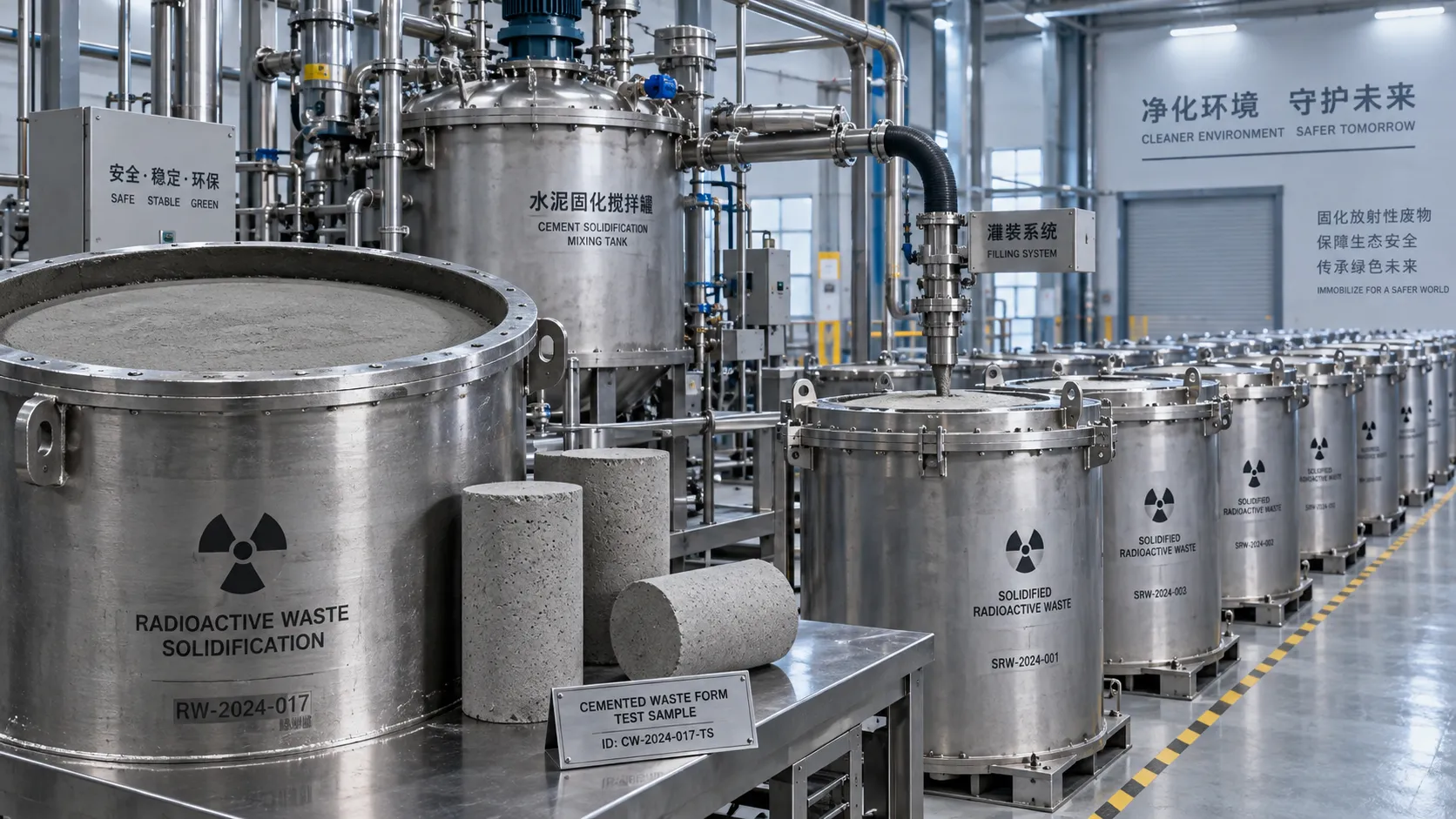
When is cementation suitable for nuclear decommissioning waste?
Explore nuclear waste treatment technology for decommissioning: learn when cementation fits, which risks to assess, and how disposal criteria guide an effective treatment choice.
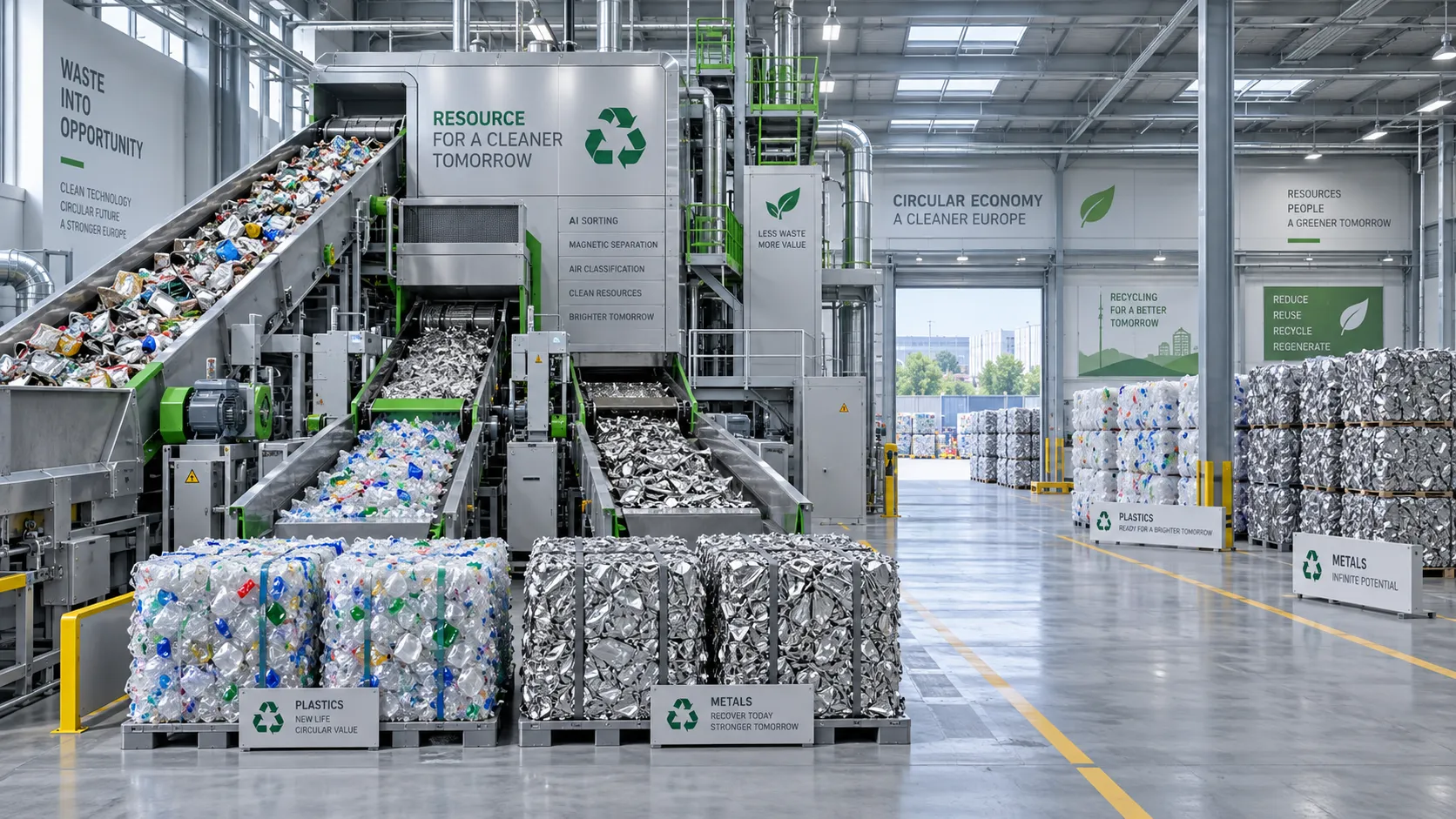
What determines payback for waste-to-resource systems in Europe?
Assess waste-to-resource systems Europe-wide: compare feedstock, recovery yields, costs and contracts to uncover payback drivers and make smarter investment decisions.

How to verify a water treatment system factory’s production capacity
Verify a water treatment systems factory’s production capacity through records, bottlenecks, component availability, and testing. Learn what to check before accepting a delivery promise.

When does EPC environmental project support reduce delivery risk?
EPC environmental project support engineering reduces delivery risk by aligning design, procurement, compliance, construction, and commissioning decisions.

How nuclear plants select a radioactive waste solidification method
Radioactive waste management for nuclear plants: compare vitrification, cementation, polymers, and ceramics to select a compliant, durable solidification solution.
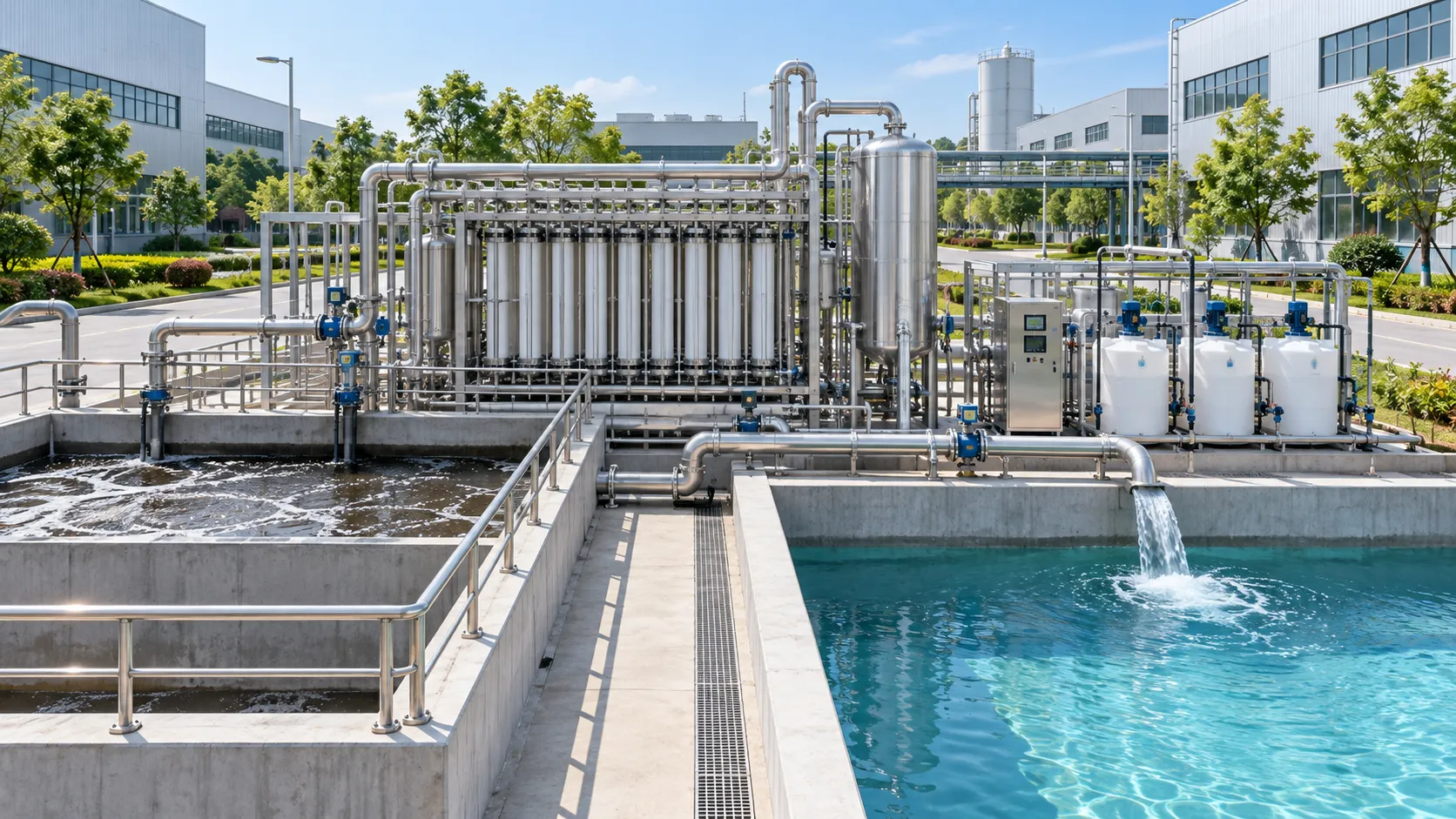
Comparing Upgrade Costs for Industrial Park Wastewater Treatment Systems
Compare costs for wastewater system upgrades in industrial parks with a lifecycle view of CAPEX, OPEX, compliance, resilience, and future expansion.
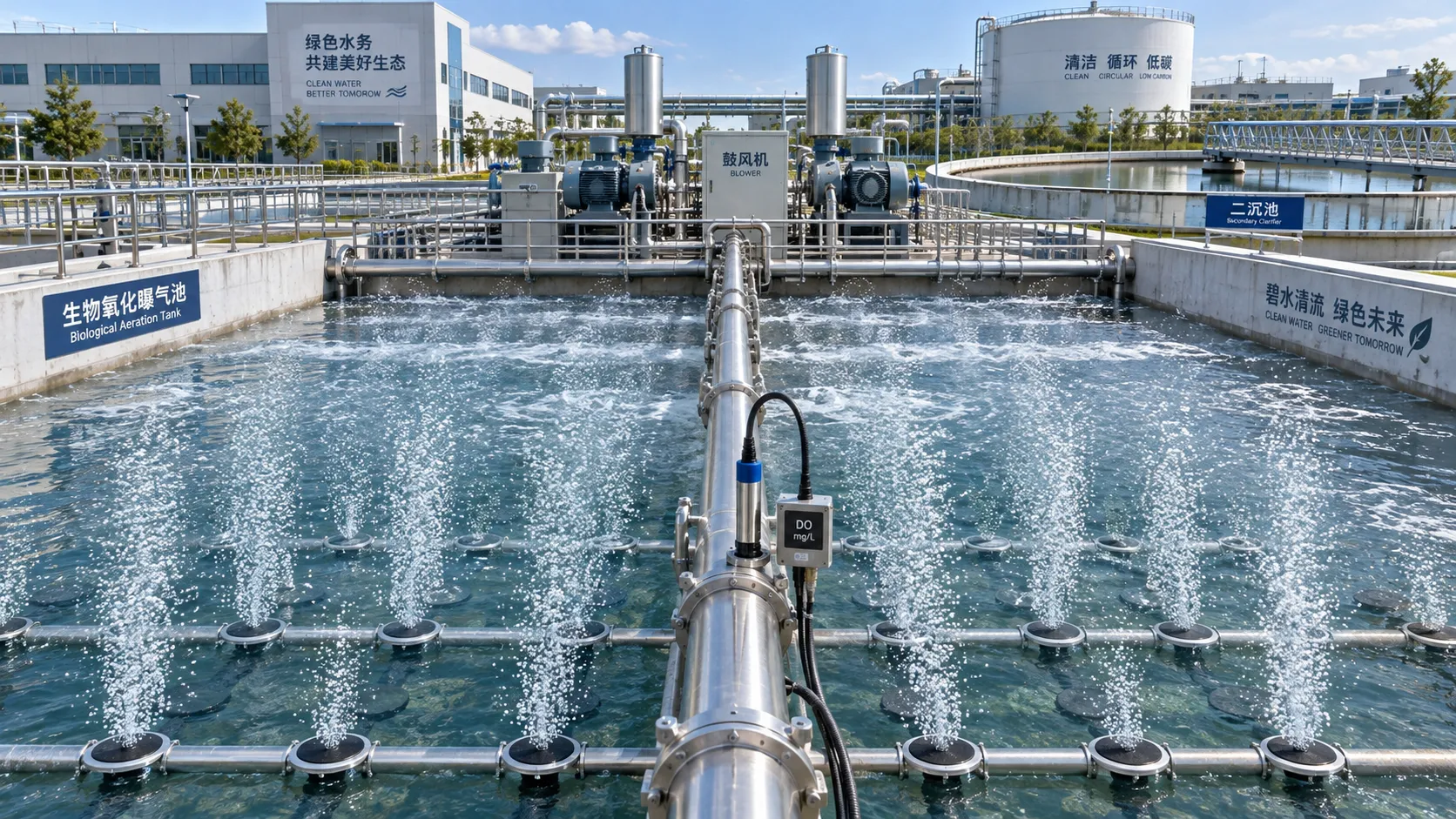
Biological Wastewater Oxidation Explained: Aeration Demand and Process Control
Biological wastewater oxidation explained: optimize aeration demand, DO control, nitrification, and sludge age for stable effluent quality and lower energy costs.
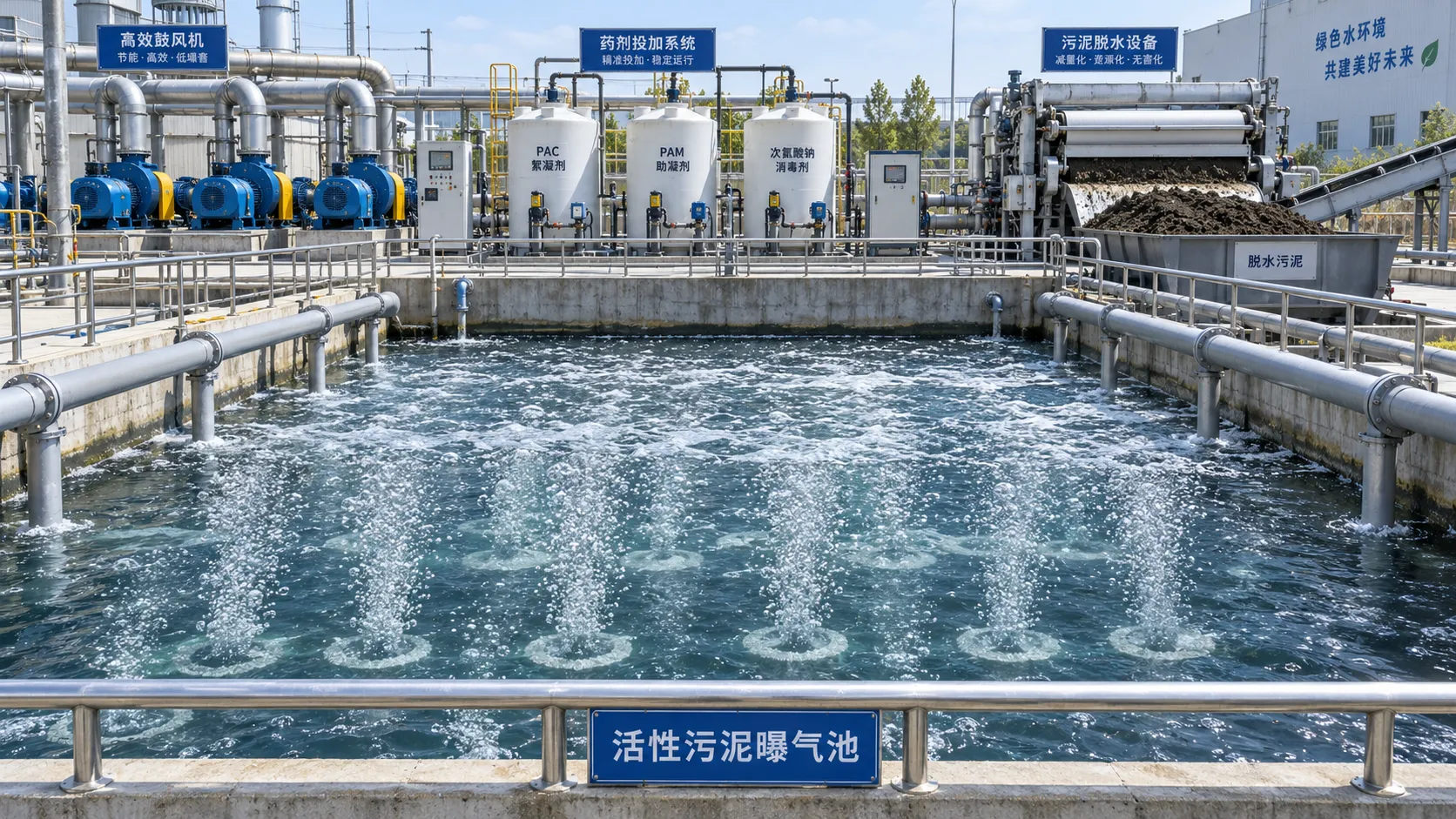
Activated Sludge Cost: Budgeting Energy, Chemicals, Sludge, and Labor
Activated sludge cost explained: compare energy, chemicals, sludge disposal, labor, and compliance risks to build a reliable lifecycle budget.

When Should Municipal Wastewater Plants Upgrade Treatment Capacity and Controls?
Municipal wastewater treatment upgrades: learn when capacity, controls, and resilient planning are needed to protect compliance and optimize plant performance.