
Industry News
Curation by industry experts
Hot Articles
Popular Tags
Urban Mining Technology Advancements Reshaping E-Waste Recovery
Urban mining technology advancements are rapidly changing e-waste recovery from a fragmented disposal task into a measurable resource strategy. For technical evaluation, the key issue is no longer whether e-waste contains value. It is how efficiently, safely, and compliantly that value can be extracted.
Within broader environmental engineering, urban mining technology advancements now connect AI sorting, robotic dismantling, hydrometallurgy, digital traceability, and circular compliance. These shifts matter because recovery systems must prove yield, emissions control, reliability, and long-term adaptability.
For intelligence platforms such as ESD, the topic sits naturally beside solid waste recovery, pollution control, and industrial decarbonization. E-waste recovery is no longer a niche recycling activity. It is a strategic part of the ecological immune system supporting resource security and environmental resilience.
What do urban mining technology advancements actually include?
Urban mining technology advancements refer to new methods used to identify, separate, recover, and purify valuable materials from discarded electronics. The goal is higher recovery value with lower contamination, labor risk, and environmental burden.
The field now combines mechanical, digital, and chemical systems. It also links front-end collection quality with downstream refining performance. That makes technology selection more interdisciplinary than traditional scrap handling.
Core technologies shaping current progress
- AI vision sorting for identifying devices, plastics, boards, batteries, and mixed fractions.
- Robotic dismantling for safer removal of batteries, displays, and hazardous parts.
- Sensor-based sorting using XRF, NIR, hyperspectral, and eddy current systems.
- Precision shredding with controlled particle size and dust suppression.
- Hydrometallurgical recovery for gold, copper, cobalt, nickel, lithium, and rare metals.
- Digital traceability platforms for chain-of-custody, reporting, and compliance evidence.
These urban mining technology advancements move the sector away from crude bulk processing. They support selective recovery, which increases metal purity and lowers the loss of strategic materials hidden in complex product assemblies.
Why are urban mining technology advancements becoming so important now?
Several pressures are converging. E-waste volumes keep rising. Devices are becoming more material-dense. Environmental regulations are tightening. At the same time, critical raw material supply chains are facing cost volatility and geopolitical risk.
Urban mining technology advancements offer a response to all four pressures. They improve local resource recovery while reducing dependence on virgin mining. They also help facilities align with stricter standards for emissions, worker safety, and hazardous fraction handling.
What has changed compared with older recycling models?
Older models often focused on bulk metals and exported mixed residuals. That approach created leakage, uncertain downstream treatment, and poor visibility into actual recovery rates. Valuable fractions were frequently diluted or lost.
Today’s urban mining technology advancements support granular separation and process monitoring. Instead of treating e-waste as one stream, advanced lines classify products by chemistry, hazard profile, and material value before extraction begins.
This is especially relevant for printed circuit boards, lithium-ion batteries, permanent magnets, and mixed engineering plastics. These fractions require controlled treatment, not generalized scrap processing.
How do AI sorting and precision dismantling improve e-waste recovery?
AI sorting improves consistency at the earliest stage. Computer vision systems can classify devices by model type, detect damage, and separate components that should be reused, dismantled, or sent to hazardous treatment streams.
Precision dismantling improves both safety and value capture. Removing batteries before shredding reduces fire risk. Isolating high-grade boards, connectors, and rare-earth components improves downstream metal recovery efficiency.
Main operational benefits
- Lower contamination between metal, plastic, and hazardous fractions.
- Better feedstock uniformity for chemical recovery stages.
- Higher throughput stability with less manual error.
- Reduced fire, dust, and toxic exposure risks.
- Improved traceability for compliance reporting.
Urban mining technology advancements in dismantling also support reuse decisions. Some assets should not be shredded immediately. Screening for refurbishment potential can deliver greater value than immediate materials recovery.
What should be checked during technical assessment?
Look at recognition accuracy, false sorting rates, adaptability to mixed loads, maintenance intervals, and data integration. A high-speed system means little if it fails on damaged or obsolete devices commonly found in real recovery streams.
Also check whether robotics can handle product diversity without excessive reprogramming. Urban mining technology advancements create value only when flexibility matches the volatility of incoming e-waste composition.
Which recovery routes are most effective for high-value materials?
There is no universal route. The best process depends on feedstock composition, contamination level, target metals, local regulation, and energy economics. Most advanced systems now combine several recovery methods instead of relying on one.
Typical route comparison
Urban mining technology advancements are especially strong where preprocessing is tightly connected to downstream refining. Better liberation and sorting at the front end reduce reagent use, improve selectivity, and cut residual waste volumes.
This systems view matters to ESD-style analysis. Material recovery cannot be judged separately from wastewater treatment, air pollution control, and residue stabilization. Recovery value and environmental control must advance together.
How should equipment performance and compliance potential be judged?
A common mistake is focusing only on throughput. Advanced e-waste recovery should be judged across value, safety, emissions, and resilience. Urban mining technology advancements are meaningful only when all four dimensions improve together.
Practical evaluation checklist
Urban mining technology advancements should also be reviewed against local permitting constraints. A technically strong line may still underperform if it requires water treatment, air control, or hazardous residue infrastructure that the site cannot support.
What risks and misconceptions still affect adoption?
One misconception is that automation alone guarantees better economics. In reality, poor inbound collection quality can undermine even advanced systems. Another misconception is that all e-waste streams justify deep recovery.
Urban mining technology advancements work best when feedstock is characterized, hazardous components are separated early, and downstream outlets are secured. Technology cannot compensate for weak logistics or unstable material channels.
Frequent risks to monitor
- Overestimating precious metal content in mixed streams.
- Ignoring wastewater and residue treatment costs.
- Choosing rigid equipment for highly variable input profiles.
- Treating compliance reporting as an afterthought.
- Underestimating fire risks from damaged lithium batteries.
These risks explain why urban mining technology advancements should be assessed as integrated infrastructure. The strongest projects align process engineering, environmental safeguards, digital control, and end-market strategy from the start.
What do urban mining technology advancements mean for future investment decisions?
They point toward modular, data-rich, compliance-centered recovery systems. Future competitiveness will come from facilities that can switch between feedstocks, capture more critical materials, and document environmental performance with confidence.
Urban mining technology advancements also support stronger links between e-waste recovery and broader circular industry planning. This includes industrial water reuse, flue gas control, residue stabilization, and carbon-aware process design.
For organizations tracking environmental equipment trends, the next step is clear. Compare systems not only by mechanical capacity, but by recovery intelligence, compliance readiness, and integration with full ecological engineering requirements.
In practical terms, start with a feedstock audit, map critical value fractions, test sorting accuracy, and evaluate downstream treatment burdens. That approach turns urban mining technology advancements from a trend topic into an actionable investment framework.
Recommended News
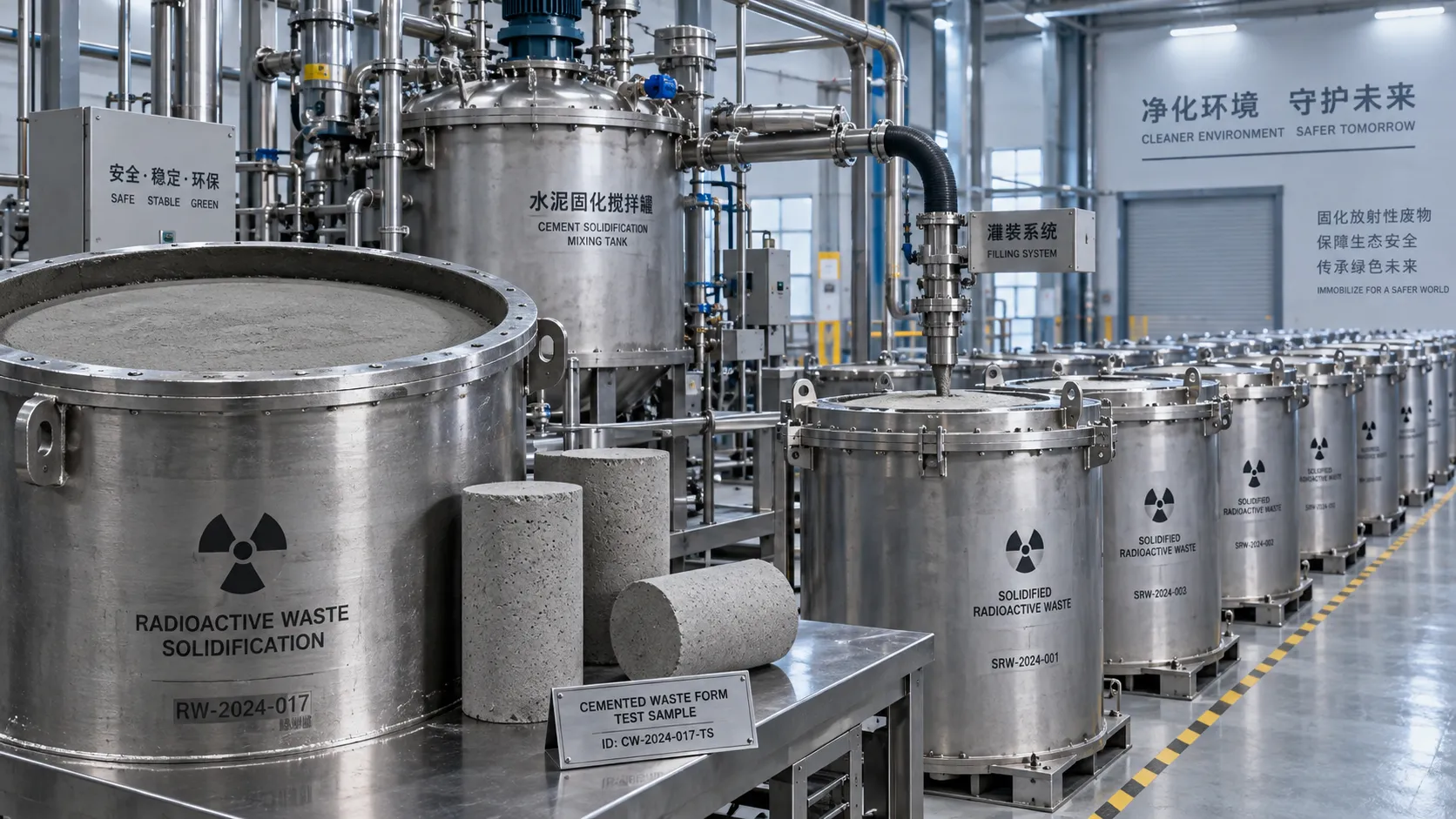
When is cementation suitable for nuclear decommissioning waste?
Explore nuclear waste treatment technology for decommissioning: learn when cementation fits, which risks to assess, and how disposal criteria guide an effective treatment choice.
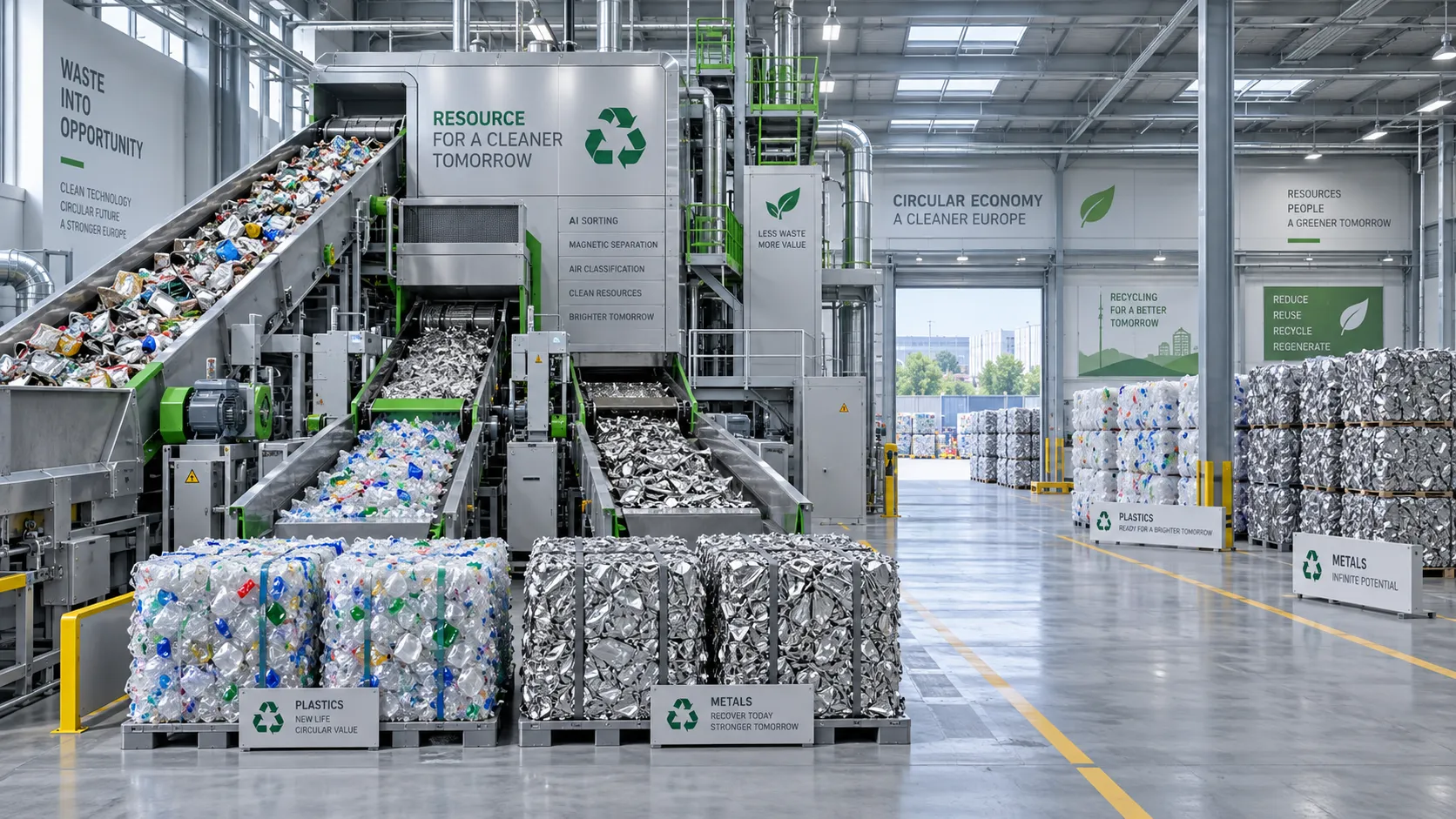
What determines payback for waste-to-resource systems in Europe?
Assess waste-to-resource systems Europe-wide: compare feedstock, recovery yields, costs and contracts to uncover payback drivers and make smarter investment decisions.
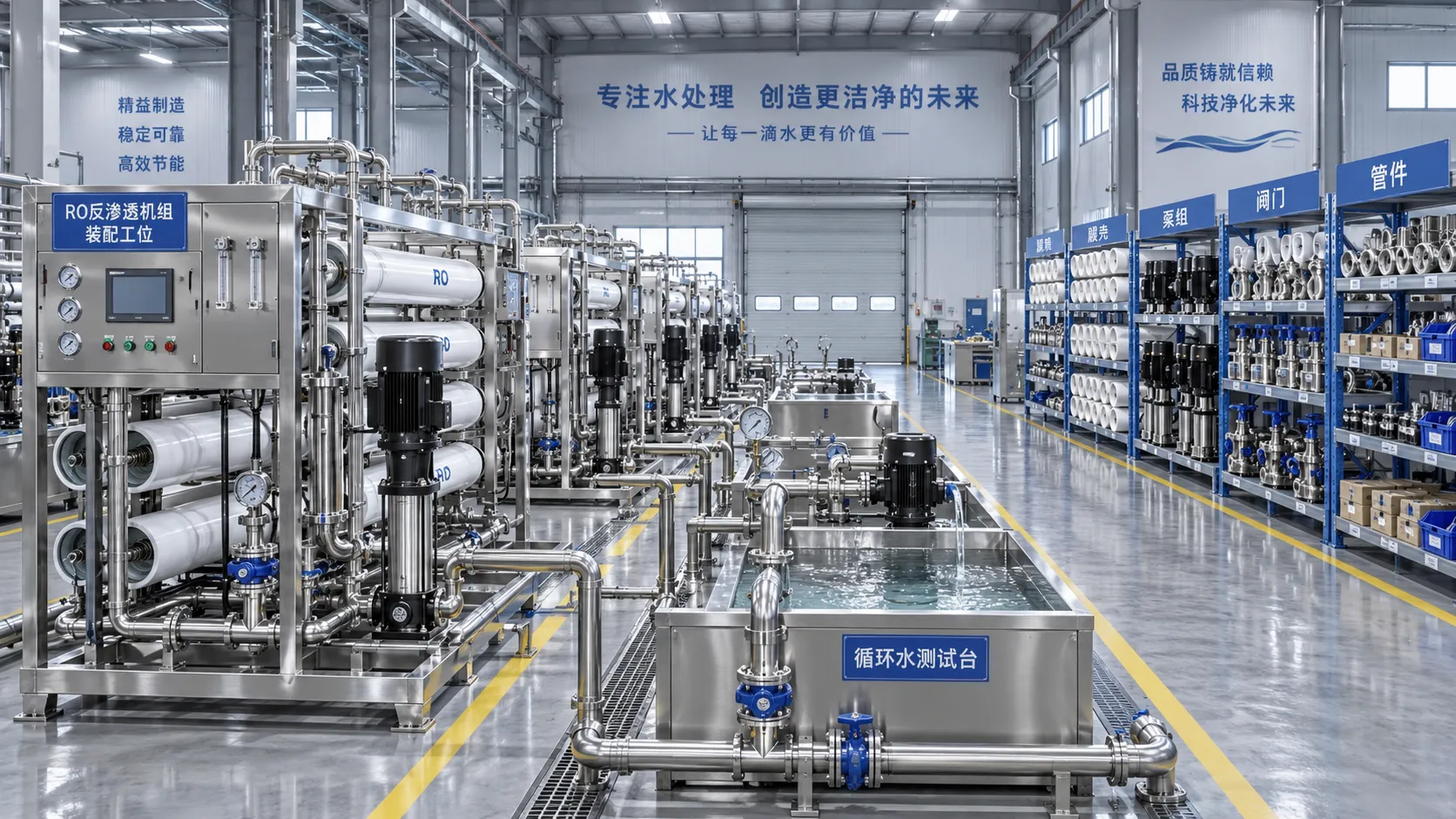
How to verify a water treatment system factory’s production capacity
Verify a water treatment systems factory’s production capacity through records, bottlenecks, component availability, and testing. Learn what to check before accepting a delivery promise.
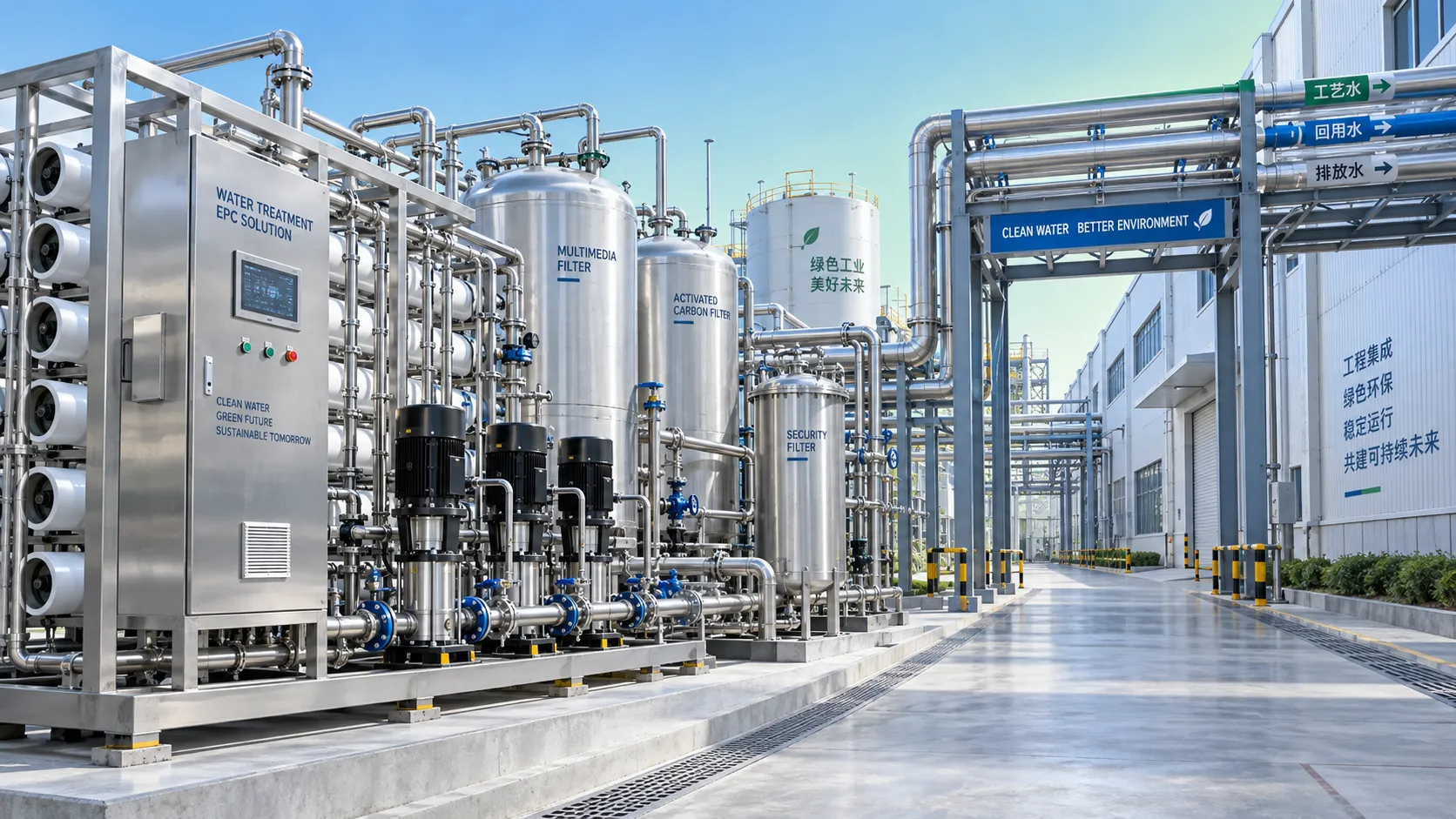
When does EPC environmental project support reduce delivery risk?
EPC environmental project support engineering reduces delivery risk by aligning design, procurement, compliance, construction, and commissioning decisions.
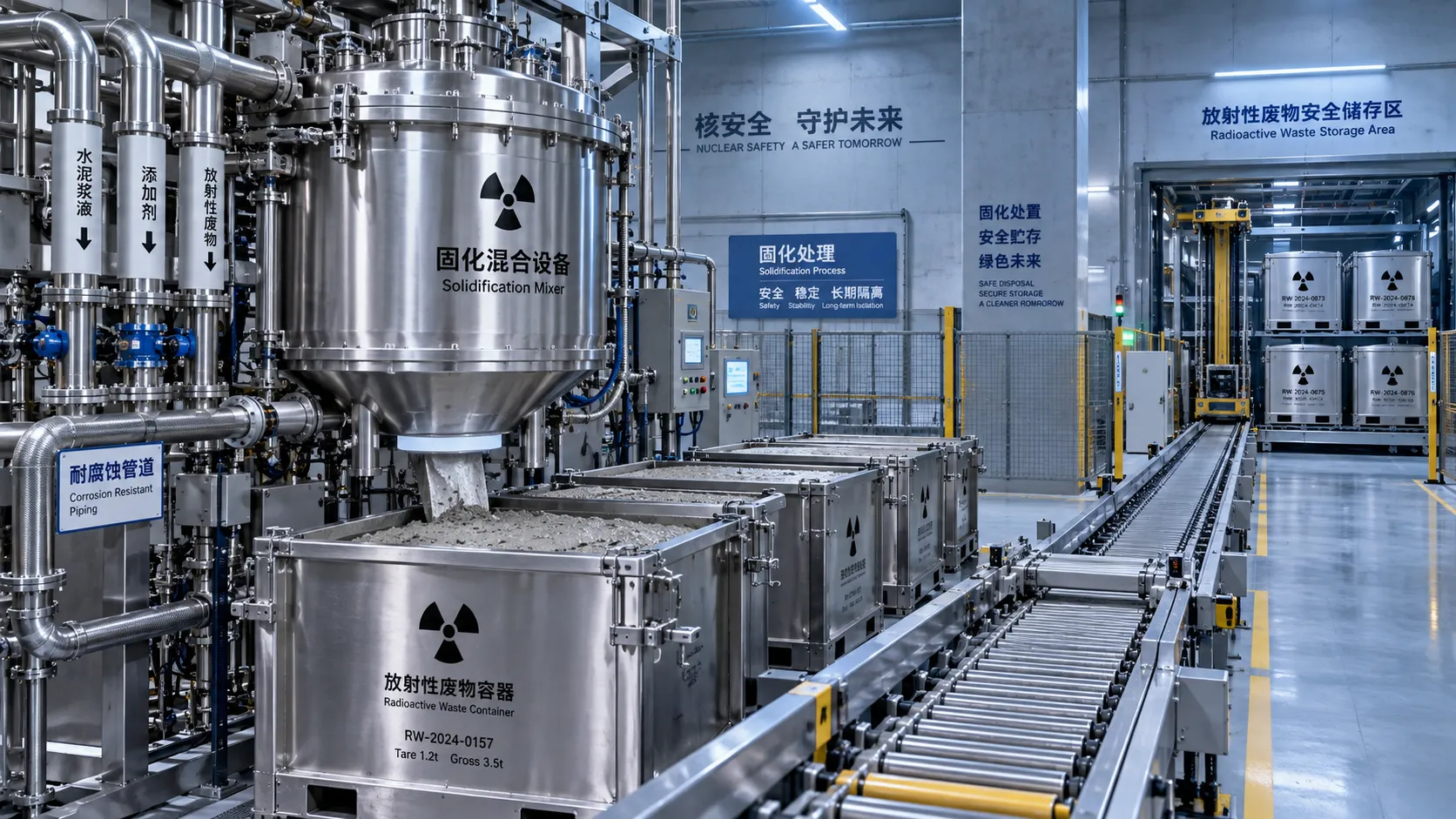
How nuclear plants select a radioactive waste solidification method
Radioactive waste management for nuclear plants: compare vitrification, cementation, polymers, and ceramics to select a compliant, durable solidification solution.
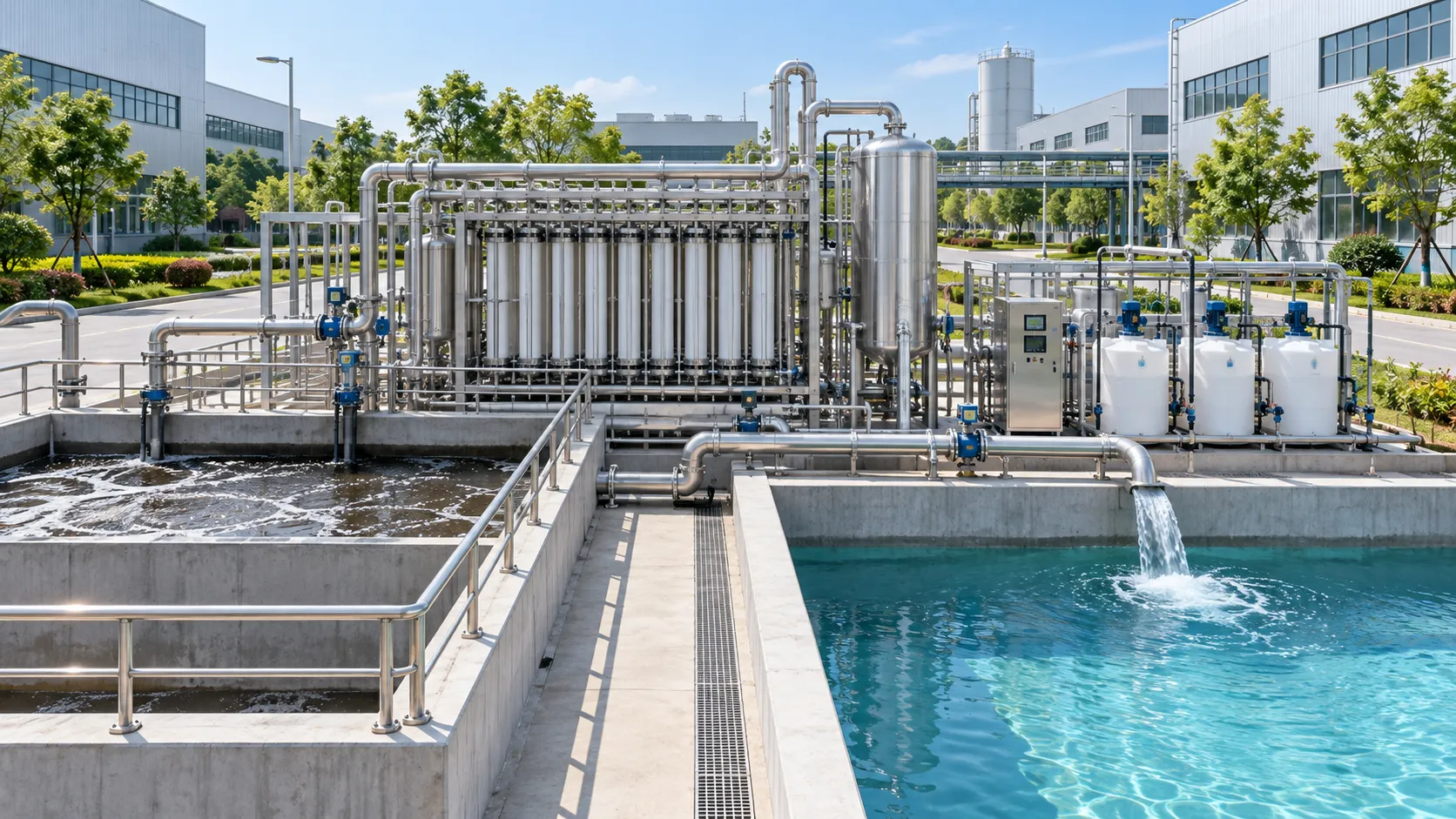
Comparing Upgrade Costs for Industrial Park Wastewater Treatment Systems
Compare costs for wastewater system upgrades in industrial parks with a lifecycle view of CAPEX, OPEX, compliance, resilience, and future expansion.
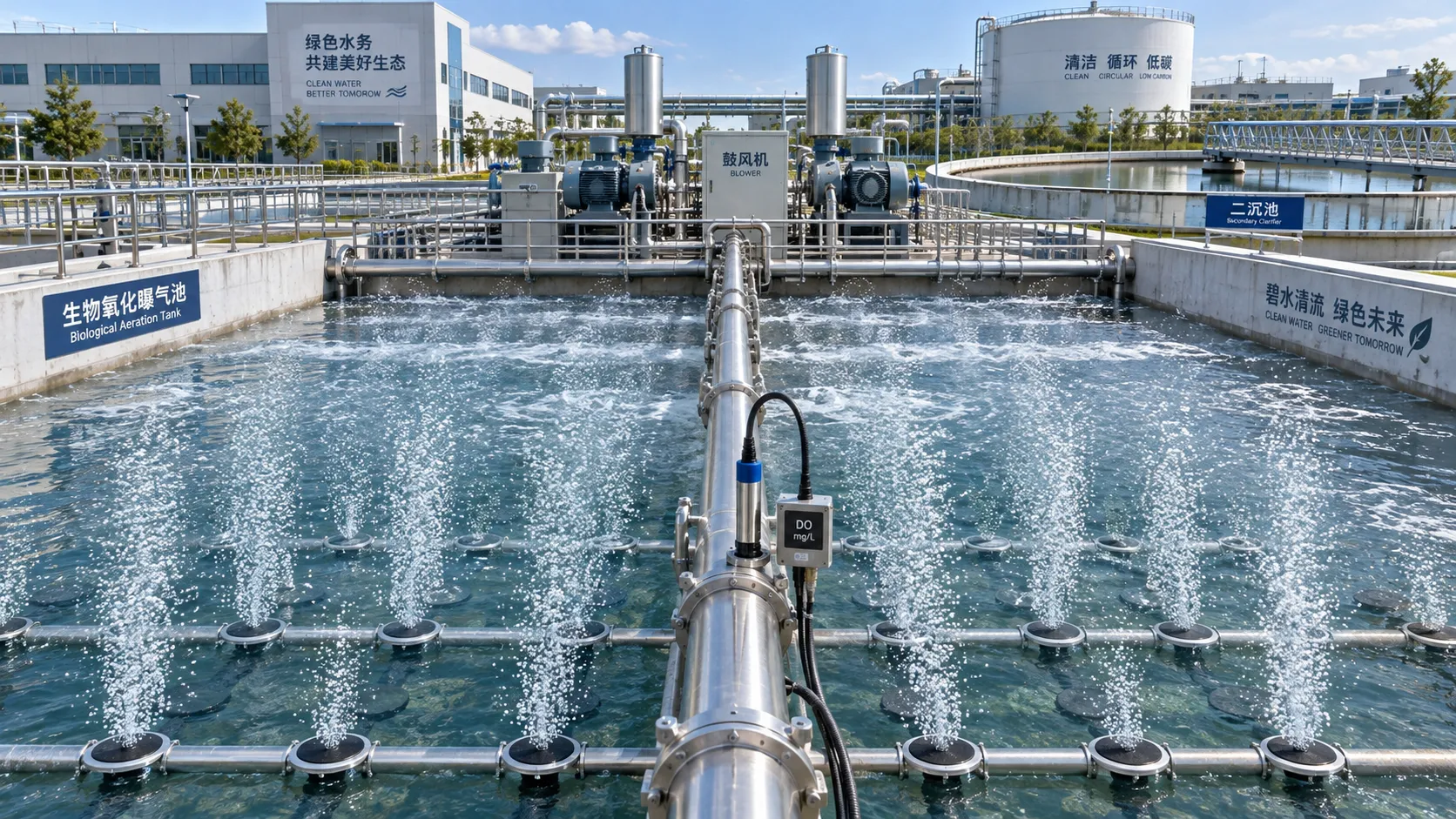
Biological Wastewater Oxidation Explained: Aeration Demand and Process Control
Biological wastewater oxidation explained: optimize aeration demand, DO control, nitrification, and sludge age for stable effluent quality and lower energy costs.
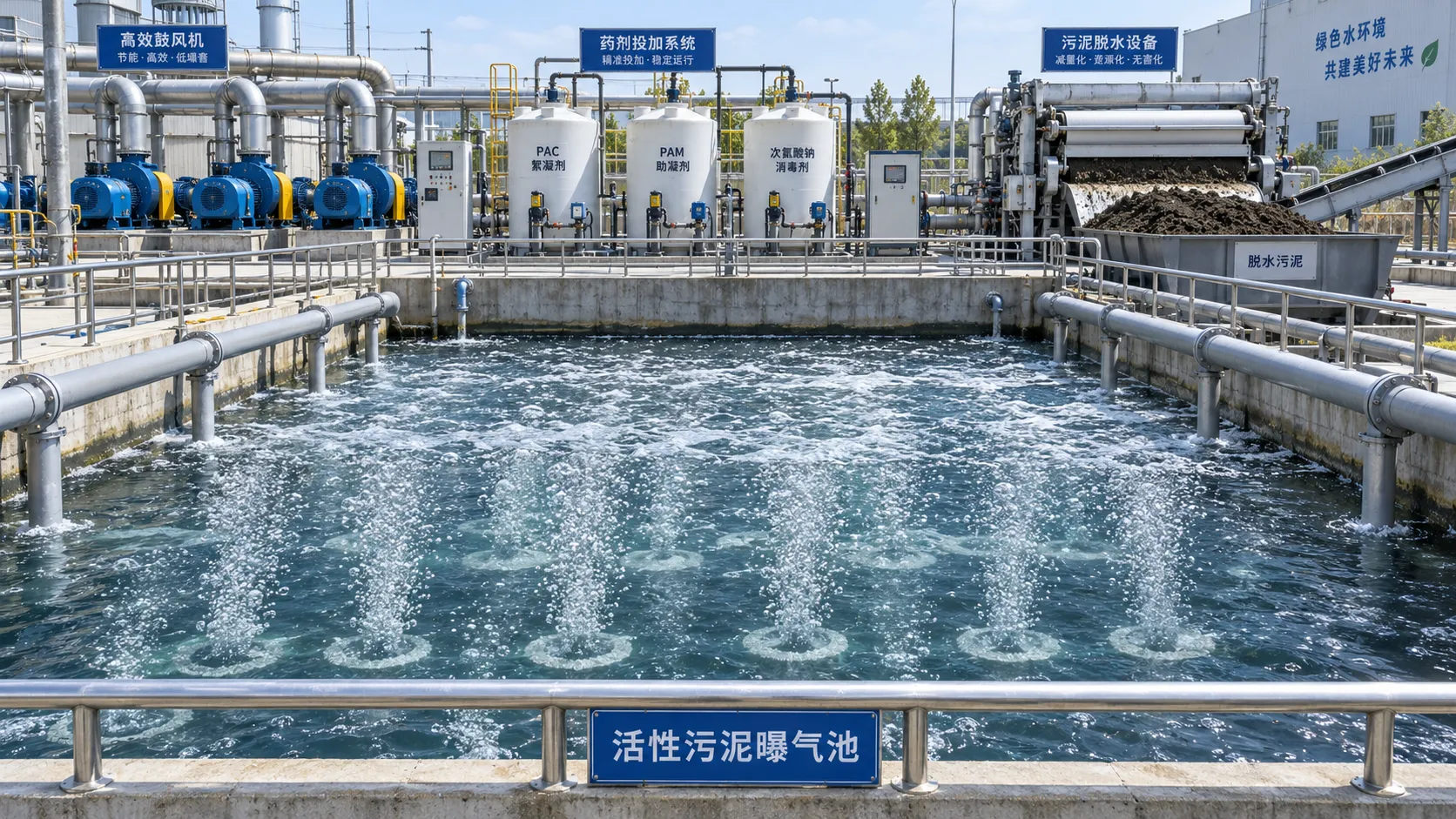
Activated Sludge Cost: Budgeting Energy, Chemicals, Sludge, and Labor
Activated sludge cost explained: compare energy, chemicals, sludge disposal, labor, and compliance risks to build a reliable lifecycle budget.
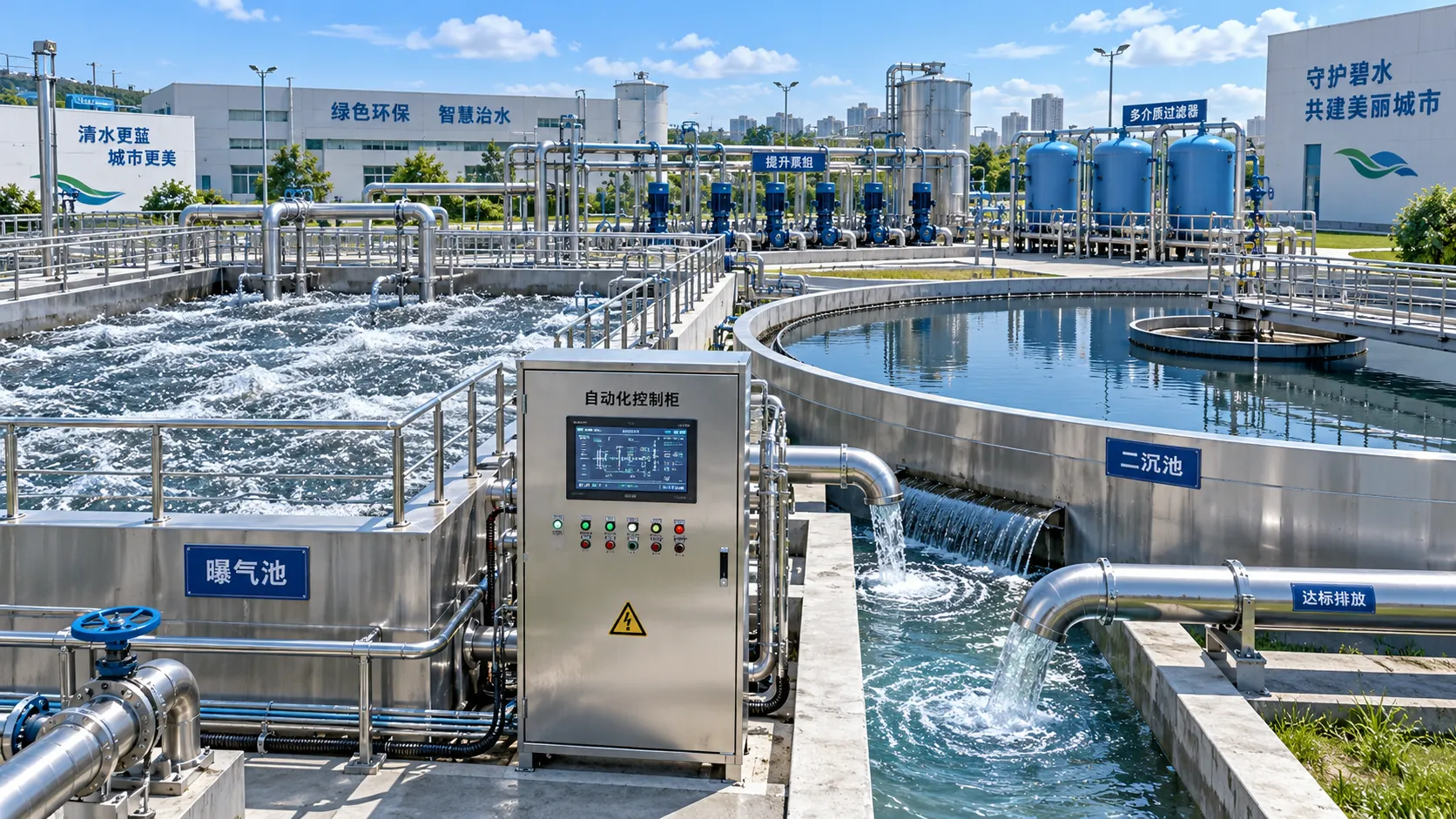
When Should Municipal Wastewater Plants Upgrade Treatment Capacity and Controls?
Municipal wastewater treatment upgrades: learn when capacity, controls, and resilient planning are needed to protect compliance and optimize plant performance.