
Industry News
Curation by industry experts
Hot Articles
Popular Tags
Decarbonization Roadmap for Manufacturing: Where ROI Appears First
Decarbonization Roadmap for Manufacturing: Where the First Returns Are Becoming Visible
A practical decarbonization roadmap for manufacturing starts where emissions, energy intensity, and compliance risk meet measurable financial returns.
Early ROI usually appears in efficiency upgrades, heat recovery, process control, and resource circularity.
That is especially true in water treatment, waste recovery, flue gas control, desalination support systems, and other utility-heavy operations.
Across industry, carbon strategy is shifting from distant ambition to near-term capital discipline.
The strongest decarbonization roadmap for manufacturing now favors staged decisions, fast feedback, and assets that improve both resilience and compliance.
Why the market is changing faster than many plants expected
Energy volatility has changed investment logic.
So have carbon disclosure demands, stricter wastewater and air rules, and growing pressure to prove supply-chain emissions performance.
In many facilities, utilities now represent the clearest bridge between carbon reduction and operating savings.
That matters because utility systems often hide large inefficiencies behind stable production output.
Pumps, blowers, compressors, thermal loops, membrane systems, scrubbers, and recovery lines can consume huge amounts of energy without obvious daily visibility.
As a result, the best decarbonization roadmap for manufacturing rarely begins with the most expensive technology.
It begins with the most measurable losses.
The strongest trend signals are practical, not theoretical
- Carbon cost exposure is expanding through trade and reporting mechanisms, including CBAM-linked pressure.
- Electricity price swings are making efficiency projects easier to justify.
- Water stress is raising the value of reuse, ZLD, and lower-energy treatment pathways.
- Waste is increasingly treated as a recoverable resource stream, not only a disposal cost.
- Environmental compliance now rewards traceable data, not broad sustainability claims.
Where a decarbonization roadmap for manufacturing usually finds the first ROI
The first returns usually appear where carbon and inefficiency overlap.
These areas often need modest capital compared with deep process redesign or full fuel switching.
Efficiency upgrades are still the fastest carbon payback tool
Variable frequency drives, high-efficiency motors, leak reduction, and compressed air optimization remain high-confidence moves.
They are common, but often underused.
In treatment plants and recovery systems, small control improvements can prevent oversized energy use during fluctuating loads.
Heat recovery is becoming central in a serious decarbonization roadmap for manufacturing
Thermal waste is one of the largest hidden losses across manufacturing.
Recovering low-grade or medium-grade heat can support preheating, drying, desalination auxiliaries, sludge treatment, or building services.
The economic case improves further when fuel prices are unstable.
Why water, waste, and emissions systems matter more than before
Environmental systems are no longer side assets.
They are increasingly operational carbon centers.
That is especially visible in sectors with heavy pumping, filtration, thermal separation, flue gas scrubbing, solids handling, and chemical dosing.
Water treatment can deliver both compliance value and carbon savings
Water treatment often looks like a compliance expense.
Yet it can be a major decarbonization lever when operators reduce recirculation losses, optimize membranes, or improve aeration efficiency.
Lower fouling means less pressure demand.
Better reuse design means lower intake and discharge costs.
For ZLD-oriented facilities, every avoided evaporation load can matter significantly.
Waste recovery shifts decarbonization from cost control to value creation
A mature decarbonization roadmap for manufacturing increasingly includes circularity metrics.
Pyrolysis, sorting automation, solvent recovery, metals recovery, and sludge valorization can reduce disposal and create secondary material streams.
The first ROI often comes from avoided hauling, lower raw material dependence, and improved environmental reporting.
Flue gas systems also influence the carbon equation
Flue gas treatment protects air quality, but it also consumes power, reagents, and maintenance resources.
Cleaner combustion, better fan control, catalyst performance optimization, and tighter temperature management can reduce both emissions and operating intensity.
What is driving this shift in investment priorities
Several forces are pushing decarbonization decisions toward practical, measurable actions first.
How the decarbonization roadmap for manufacturing affects different business functions
The shift is not limited to energy management.
It changes plant engineering, maintenance planning, compliance reporting, and long-cycle capital allocation.
- Operations gain from lower energy intensity and more stable process windows.
- Environmental teams gain stronger data for emissions, water, and waste reporting.
- Capital planning gains clearer sequencing between quick wins and structural upgrades.
- Commercial positioning improves when lower-carbon production can be demonstrated credibly.
For intelligence-led platforms such as ESD, this shift also expands demand for technical benchmarking and regulatory interpretation.
Decision quality now depends on linking equipment performance with carbon, compliance, and lifecycle cost signals.
What deserves immediate attention before larger investments begin
- Map energy, water, waste, and emissions by process step, not only by facility total.
- Identify equipment with long runtime, variable load, and recurring maintenance issues.
- Prioritize projects that cut both utility costs and compliance risk.
- Test digital monitoring before major hardware replacement where possible.
- Include circularity options in every waste and water upgrade review.
- Use staged investment gates to avoid locking into premature technology choices.
A practical path forward without losing strategic flexibility
A resilient decarbonization roadmap for manufacturing should move in three layers.
- Stabilize data and capture easy efficiency gains.
- Optimize thermal, water, waste, and emissions systems for integrated savings.
- Then evaluate deeper changes such as electrification, fuel switching, or major process redesign.
This sequencing protects cash flow while improving technical confidence.
It also creates cleaner baseline data for future carbon decisions.
The most effective decarbonization roadmap for manufacturing is rarely the most dramatic one first.
It is the one that finds operational losses early, converts them into verified gains, and builds toward deeper transformation with evidence.
Start with the systems that move water, manage heat, recover materials, and control emissions.
That is often where carbon reduction stops being abstract and starts paying back.
Recommended News
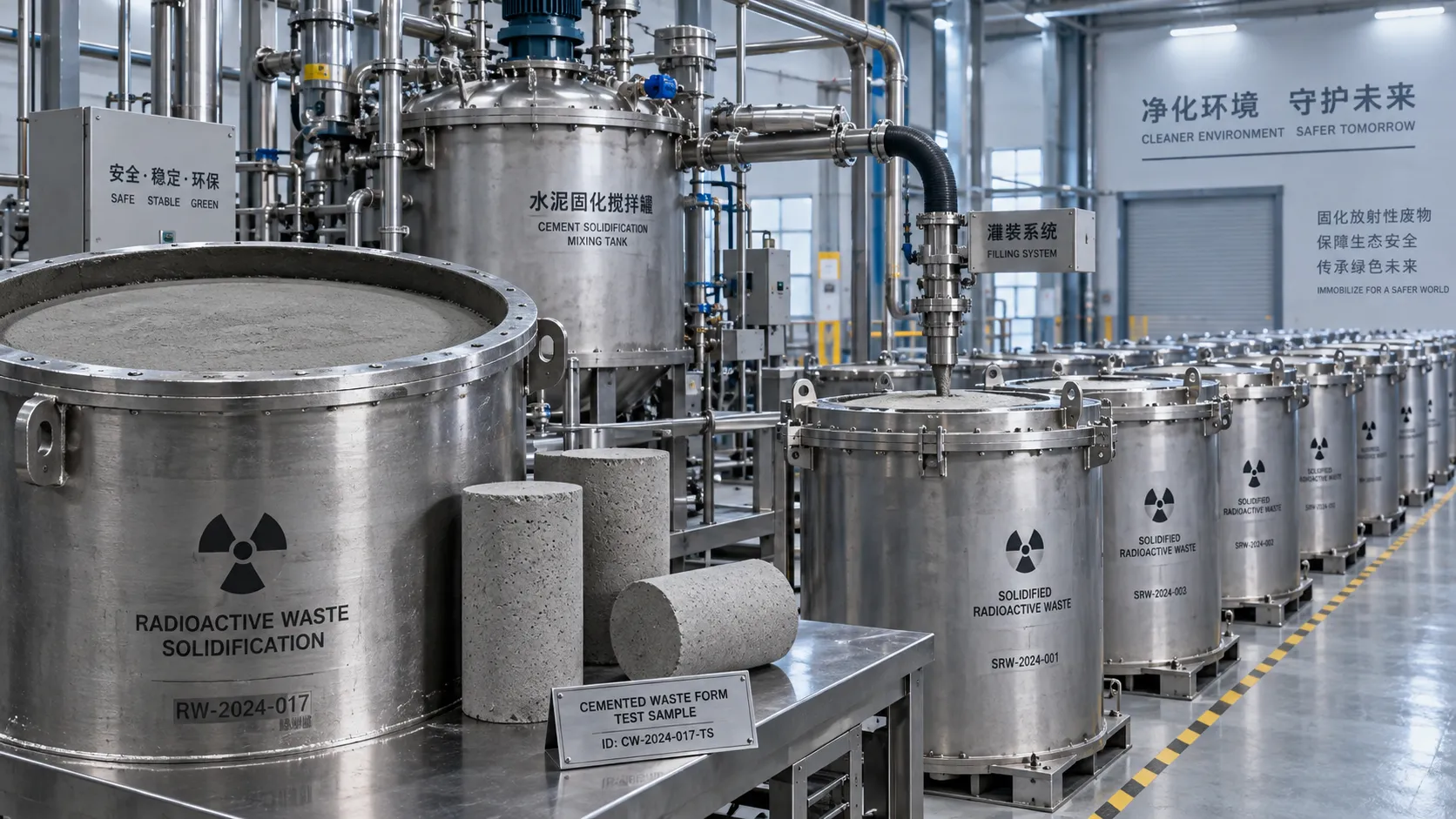
When is cementation suitable for nuclear decommissioning waste?
Explore nuclear waste treatment technology for decommissioning: learn when cementation fits, which risks to assess, and how disposal criteria guide an effective treatment choice.
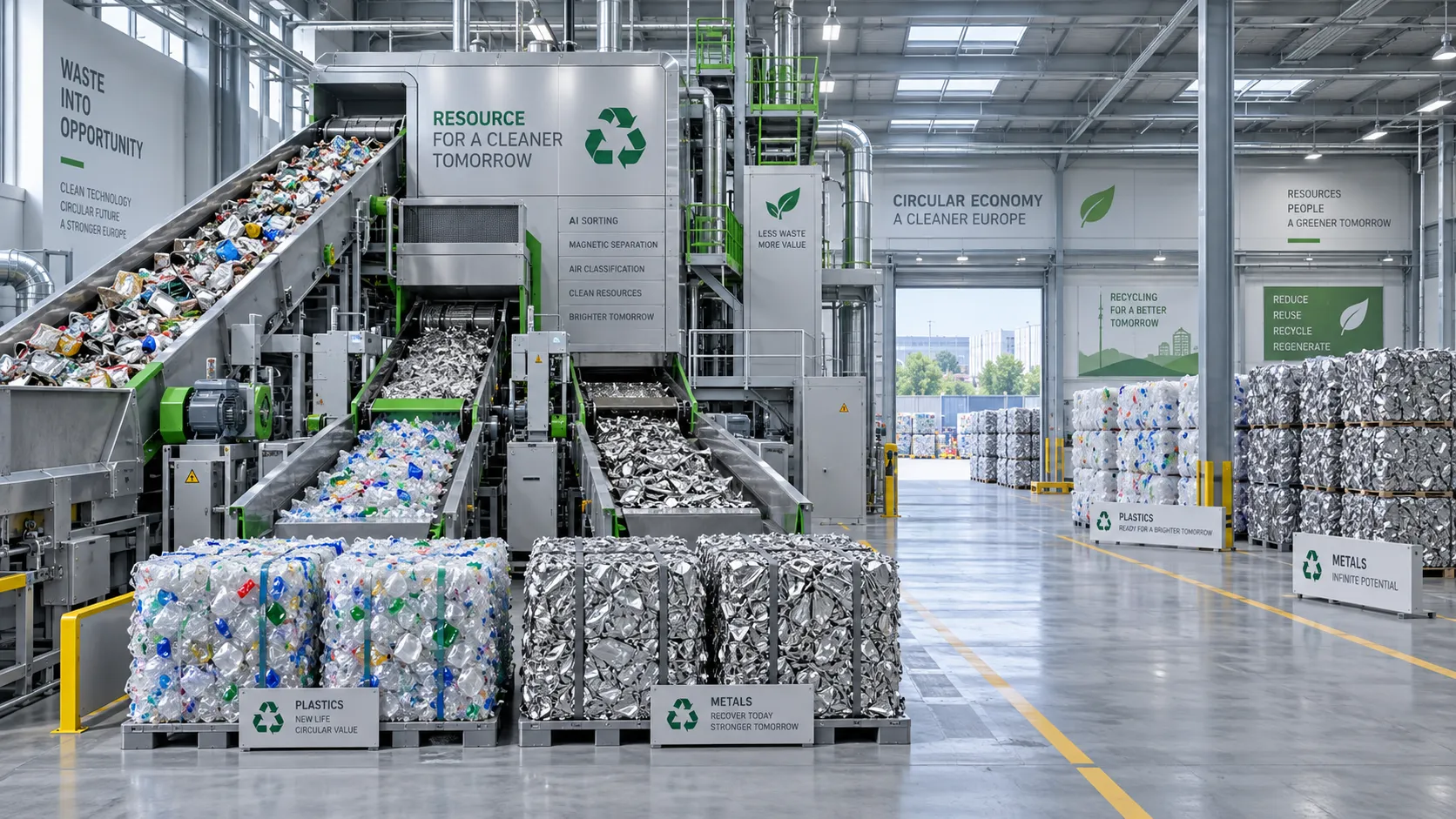
What determines payback for waste-to-resource systems in Europe?
Assess waste-to-resource systems Europe-wide: compare feedstock, recovery yields, costs and contracts to uncover payback drivers and make smarter investment decisions.
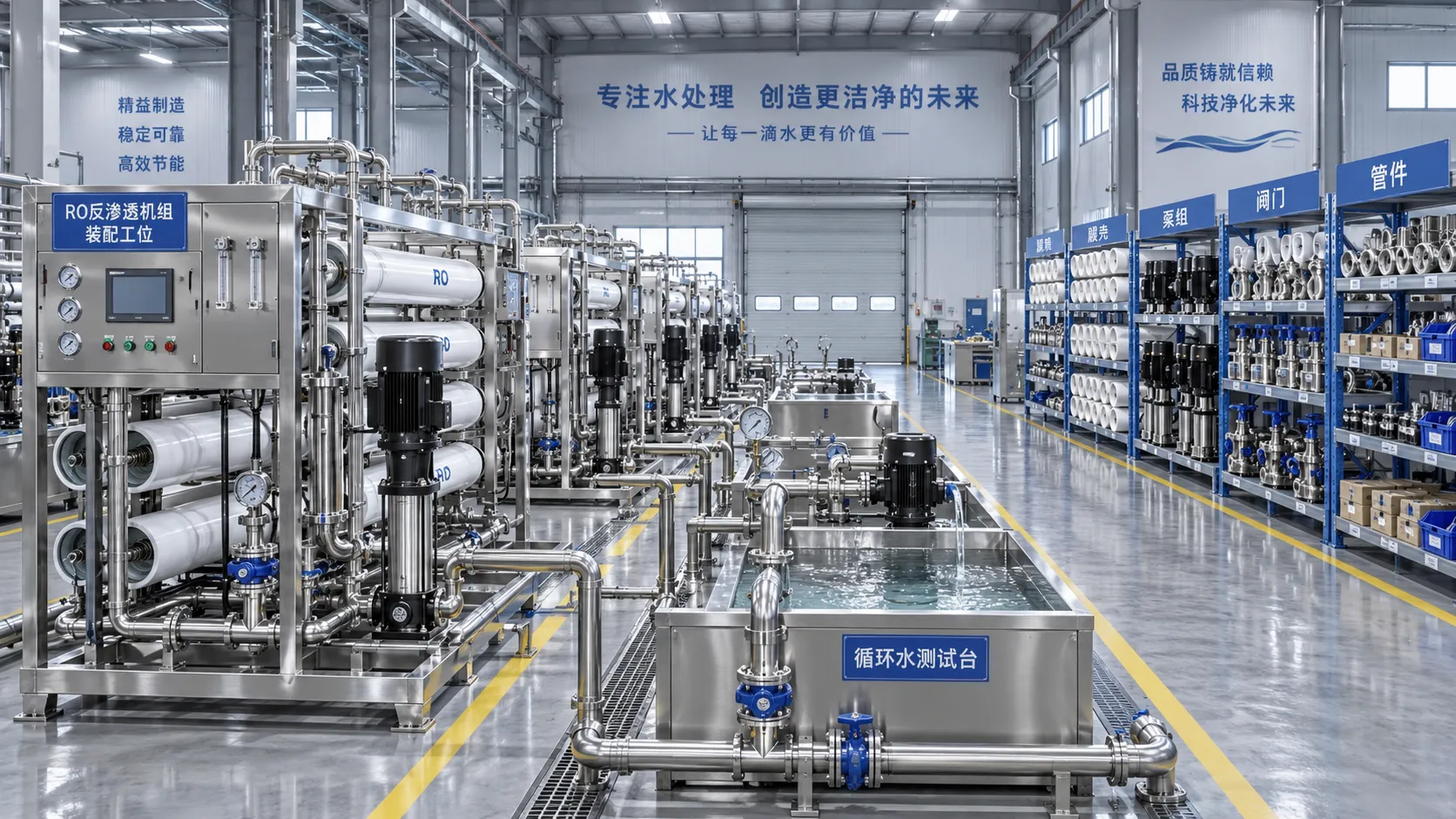
How to verify a water treatment system factory’s production capacity
Verify a water treatment systems factory’s production capacity through records, bottlenecks, component availability, and testing. Learn what to check before accepting a delivery promise.
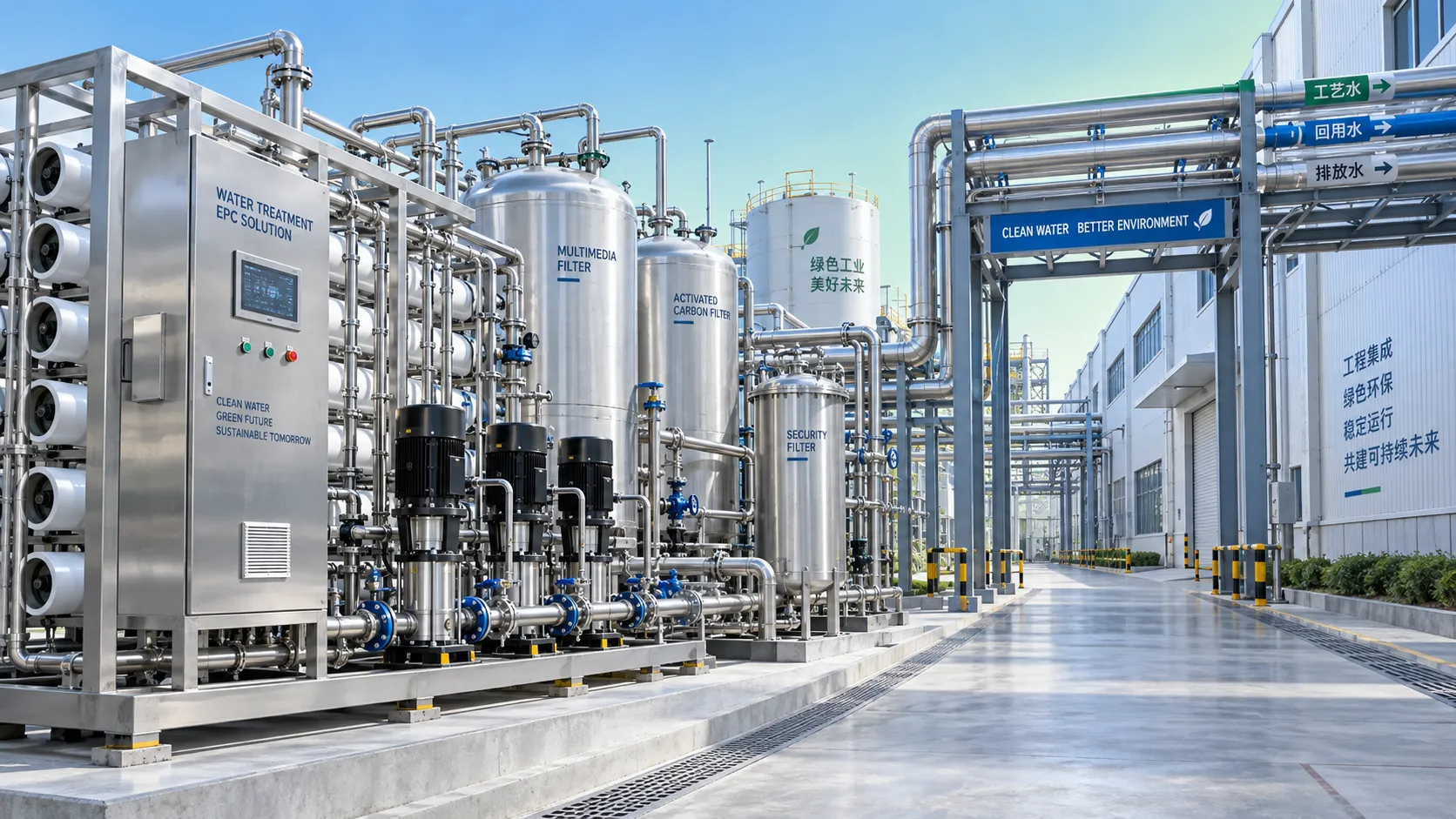
When does EPC environmental project support reduce delivery risk?
EPC environmental project support engineering reduces delivery risk by aligning design, procurement, compliance, construction, and commissioning decisions.
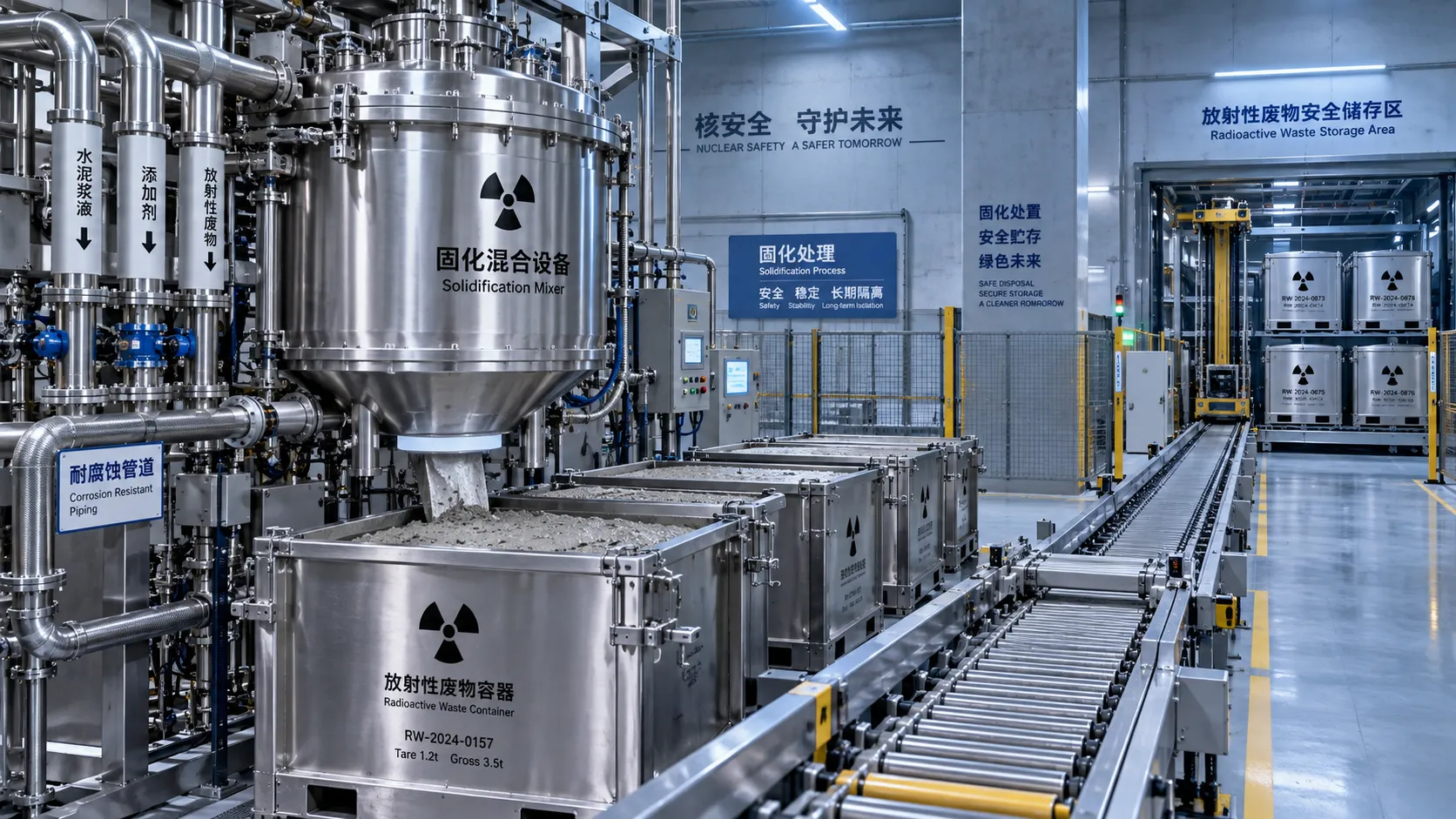
How nuclear plants select a radioactive waste solidification method
Radioactive waste management for nuclear plants: compare vitrification, cementation, polymers, and ceramics to select a compliant, durable solidification solution.
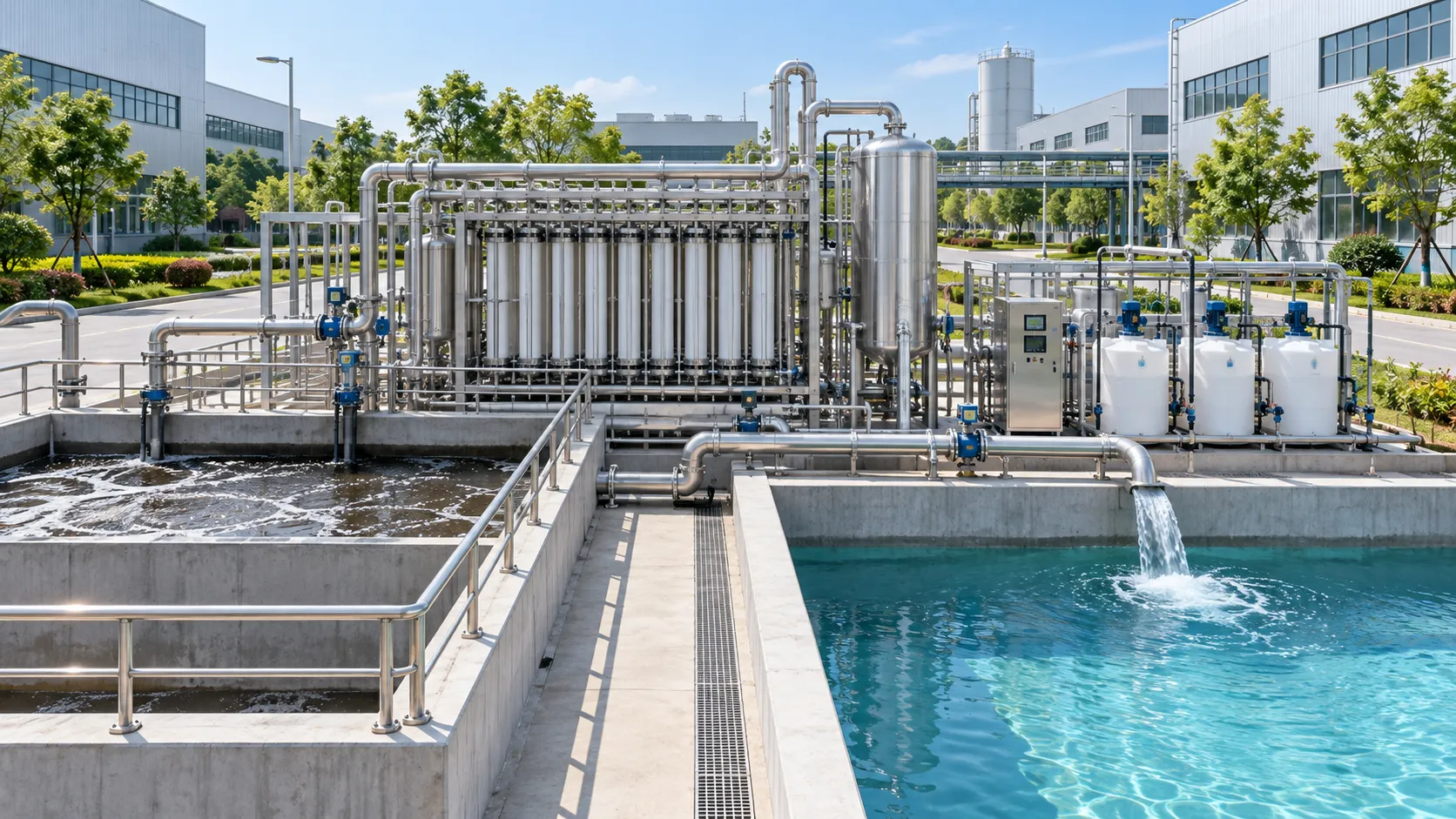
Comparing Upgrade Costs for Industrial Park Wastewater Treatment Systems
Compare costs for wastewater system upgrades in industrial parks with a lifecycle view of CAPEX, OPEX, compliance, resilience, and future expansion.
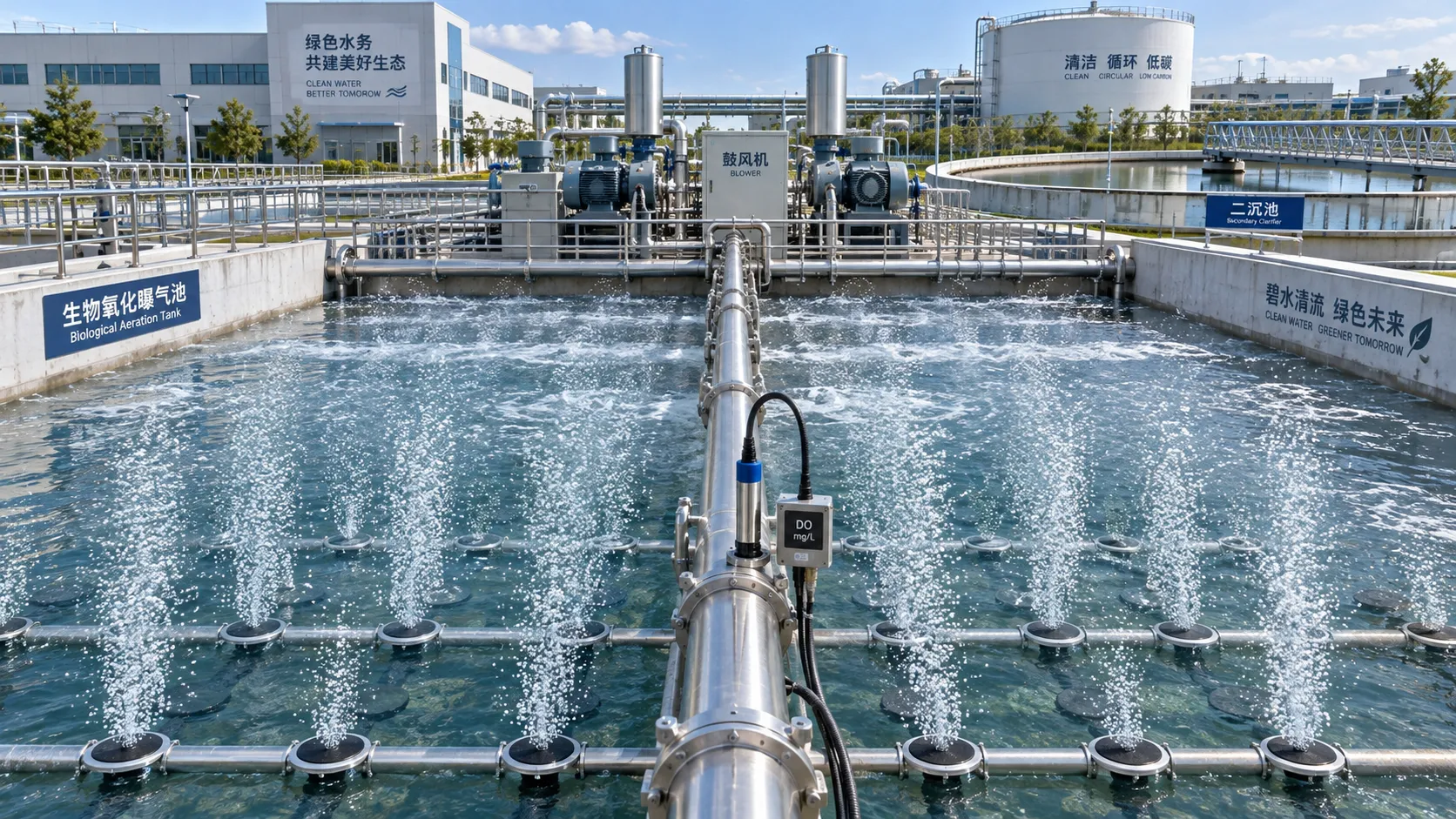
Biological Wastewater Oxidation Explained: Aeration Demand and Process Control
Biological wastewater oxidation explained: optimize aeration demand, DO control, nitrification, and sludge age for stable effluent quality and lower energy costs.
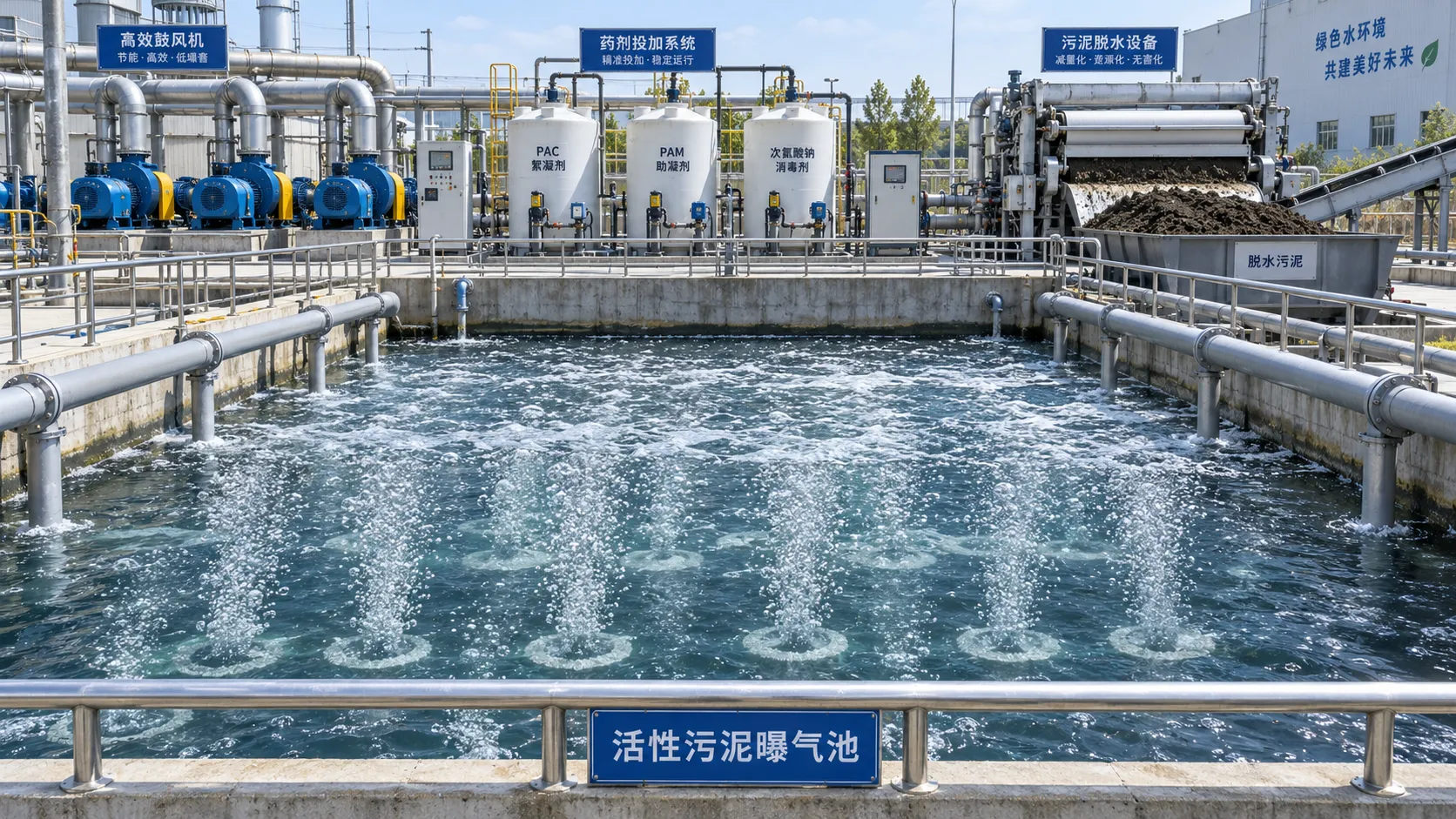
Activated Sludge Cost: Budgeting Energy, Chemicals, Sludge, and Labor
Activated sludge cost explained: compare energy, chemicals, sludge disposal, labor, and compliance risks to build a reliable lifecycle budget.
When Should Municipal Wastewater Plants Upgrade Treatment Capacity and Controls?
Municipal wastewater treatment upgrades: learn when capacity, controls, and resilient planning are needed to protect compliance and optimize plant performance.