
Industry News
Curation by industry experts
Hot Articles
Popular Tags
Carbon Neutrality Consulting Services: Cost, Scope, and Payback
For finance decision-makers, carbon neutrality consulting services are not just a sustainability expense—they are a capital allocation question involving compliance risk, operating efficiency, and long-term return.
In environmental infrastructure, the stakes are higher.
Water treatment, solid waste recovery, desalination, flue gas control, and nuclear waste systems all face rising carbon scrutiny, energy intensity, and investor pressure.
That makes carbon neutrality consulting services a strategic tool for cost control, compliance readiness, and project competitiveness.
This guide explains scope, pricing logic, timelines, and payback, with practical context for complex ecological engineering operations.
What do carbon neutrality consulting services actually include?
Carbon neutrality consulting services usually begin with measurement, then move toward reduction planning, governance design, and verification support.
The exact scope varies by asset complexity, reporting obligations, and whether the goal is disclosure, decarbonization, financing, or market access.
Typical service modules
- GHG inventory for Scope 1, Scope 2, and selected Scope 3 categories
- Facility-level energy and process emissions mapping
- Baseline creation for treatment plants, recovery lines, and utility systems
- Abatement opportunity analysis with cost curves
- Net-zero roadmap and phased investment planning
- Target setting aligned with regulations, customers, or investors
- Data system design, internal controls, and reporting workflow
- Third-party assurance and certification preparation
For ESD-relevant sectors, consulting often goes deeper than office electricity or standard fuel accounting.
It may assess membrane energy intensity, sludge handling emissions, thermal recovery yields, reagent consumption, and avoided emissions from circular resource loops.
In desalination, consultants may compare SWRO optimization, pressure recovery upgrades, and renewable power procurement.
In waste recovery, they may quantify pyrolysis carbon impacts, recycled output substitution value, and sorting-line electrification potential.
How is the cost of carbon neutrality consulting services determined?
Cost depends less on company size alone and more on operational complexity, data quality, geographic spread, and reporting depth.
A small organization with fragmented data can cost more than a larger one with strong controls.
Main cost drivers
- Number of sites, assets, and process boundaries
- Energy intensity and process diversity
- Need for Scope 3 screening or full-value-chain mapping
- Regulatory reporting and assurance requirements
- Availability of metering, ERP, and utility data
- Modeling detail for abatement and payback analysis
- Need for training, software setup, or implementation support
In practice, carbon neutrality consulting services may be priced as a one-time diagnostic, a roadmap engagement, or a retainer.
One-time work supports disclosure or funding preparation.
A roadmap package usually adds marginal abatement analysis and investment sequencing.
A retainer model supports ongoing compliance, target tracking, and annual updates.
Budget ranges by engagement depth
The lowest quote is rarely the lowest total cost.
Weak assumptions, missing process emissions, or unusable models often create rework, assurance delays, and poor investment choices.
Which organizations benefit most from carbon neutrality consulting services?
Any operation with energy-intensive assets, public reporting exposure, export-linked compliance, or infrastructure financing needs can benefit.
The value grows when carbon performance affects bid success, tariffs, permits, or debt pricing.
High-relevance scenarios
- Water treatment plants with high pumping and aeration loads
- ZLD systems with heavy thermal demand
- Desalination facilities managing power intensity and resilience
- Waste recovery platforms monetizing recycled output and energy recovery
- Flue gas treatment operations optimizing reagent and fan energy
- Nuclear waste management programs needing rigorous lifecycle framing
- EPC environmental projects facing carbon disclosure in tenders
For ESD’s audience, carbon neutrality consulting services can strengthen technical credibility in large government or cross-border projects.
A documented carbon baseline supports bid differentiation.
A credible reduction roadmap can improve lender confidence and reduce approval friction.
What does payback look like, and how should it be measured?
Payback should not be measured only by avoided emissions.
The real return from carbon neutrality consulting services often comes from operational savings, risk avoidance, pricing power, and capital access.
Common value channels
- Energy reduction through pumps, blowers, heat recovery, and controls
- Lower compliance risk under stricter disclosure and carbon border rules
- Improved procurement position in carbon-sensitive tenders
- Better capex sequencing, avoiding stranded or obsolete equipment
- Potential access to green finance or sustainability-linked structures
- Revenue upside from circularity claims backed by data
Many projects recover consulting spend quickly when the engagement identifies one or two high-confidence efficiency actions.
Examples include variable-frequency upgrades, membrane cleaning optimization, waste heat capture, or renewable procurement restructuring.
Payback also improves when consultants translate carbon findings into operational KPIs and capex priorities.
A practical payback framework
How do you choose the right carbon neutrality consulting services provider?
The best provider is not simply the best storyteller.
The right choice combines carbon accounting discipline, process engineering literacy, and implementation realism.
Selection checklist
- Can the team handle complex industrial boundaries?
- Do they understand water, waste, energy, and resource recovery interactions?
- Will they produce auditable data trails and clear assumptions?
- Can they rank actions by cost, feasibility, and payback?
- Do they support assurance, reporting, and internal capability transfer?
- Are they independent from equipment bias when evaluating solutions?
For high-end ecological engineering, generic sustainability advice is often insufficient.
A credible partner should understand ZLD energy penalties, desalination recovery ratios, flue gas treatment loads, and closed-loop materials logic.
That is where specialized sector intelligence creates stronger decisions.
What mistakes reduce the value of carbon neutrality consulting services?
Several common errors turn a useful engagement into a reporting exercise with little financial impact.
Frequent mistakes and better alternatives
Carbon neutrality consulting services deliver the best outcomes when they connect carbon data with engineering choices and commercial strategy.
That is especially true in industries where purification, recovery, and compliance performance already shape asset economics.
For organizations operating across water treatment, waste recovery, desalination, flue gas treatment, or nuclear waste management, the next step is straightforward.
Define the decision first.
Is the priority compliance, financing, bid competitiveness, or operating savings?
Then scope carbon neutrality consulting services around that outcome, require auditable data, and insist on payback-linked recommendations.
When done well, the engagement becomes more than a carbon study.
It becomes a disciplined investment lens for the ecological infrastructure transition.
Recommended News
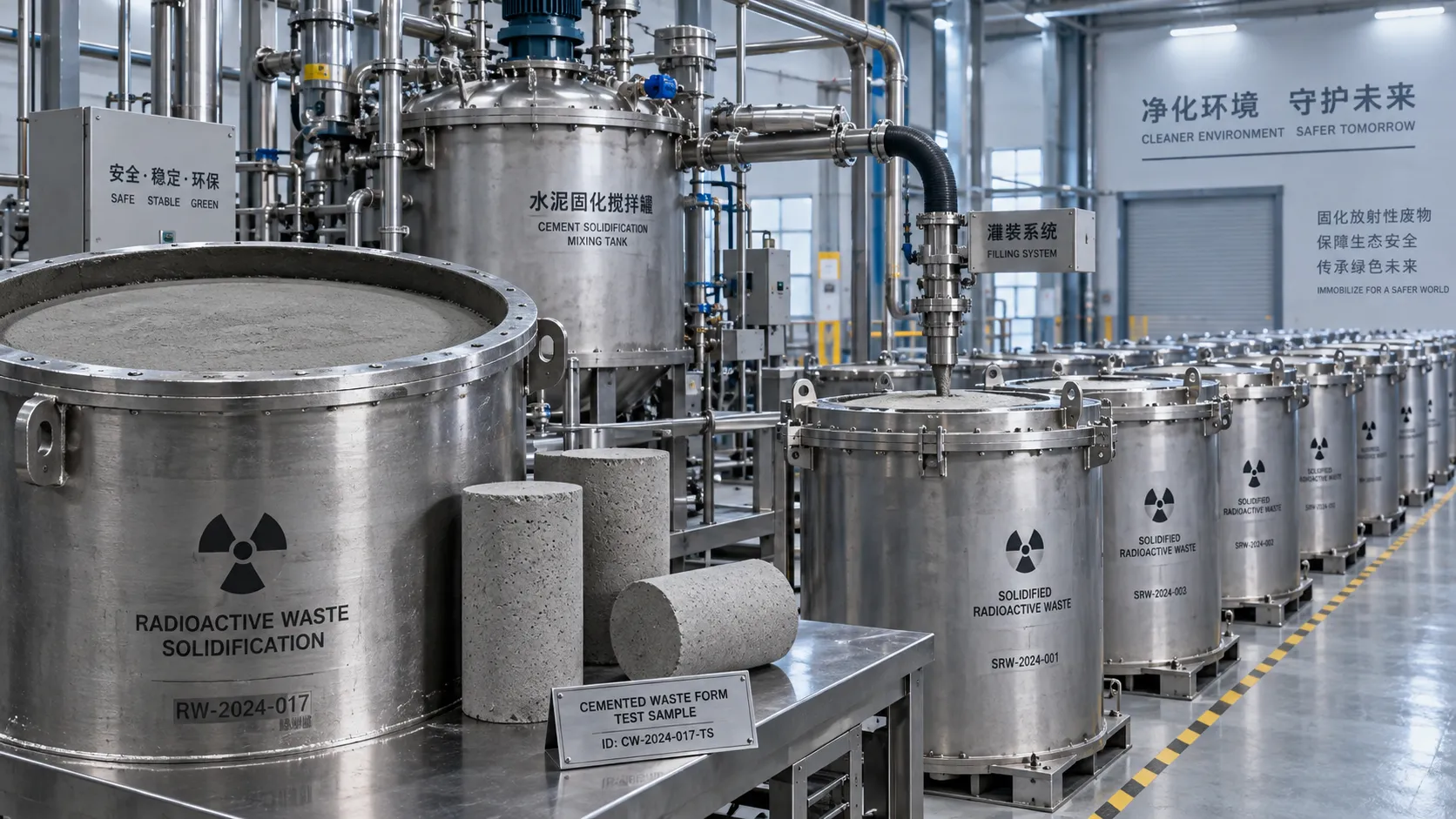
When is cementation suitable for nuclear decommissioning waste?
Explore nuclear waste treatment technology for decommissioning: learn when cementation fits, which risks to assess, and how disposal criteria guide an effective treatment choice.
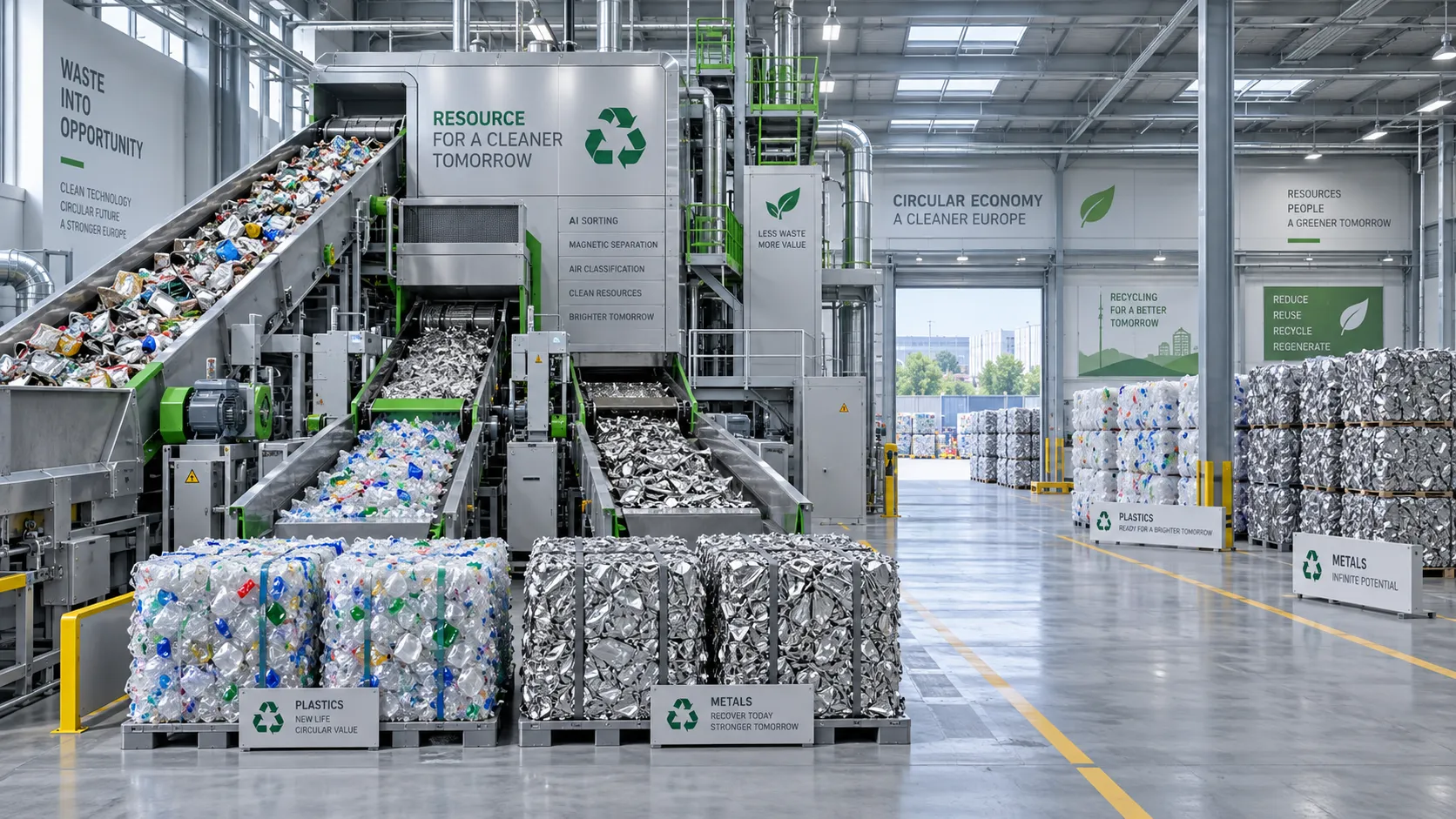
What determines payback for waste-to-resource systems in Europe?
Assess waste-to-resource systems Europe-wide: compare feedstock, recovery yields, costs and contracts to uncover payback drivers and make smarter investment decisions.
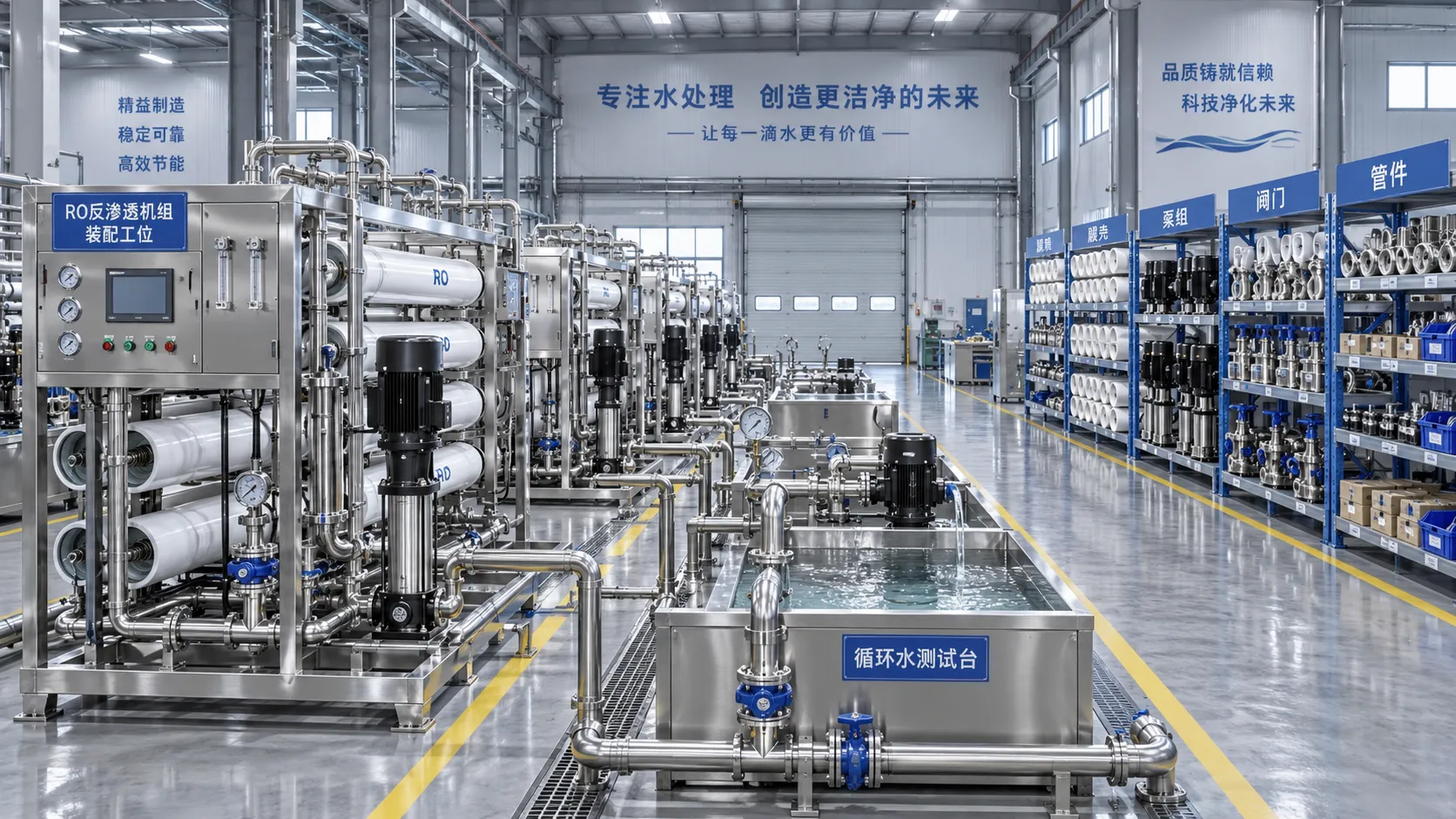
How to verify a water treatment system factory’s production capacity
Verify a water treatment systems factory’s production capacity through records, bottlenecks, component availability, and testing. Learn what to check before accepting a delivery promise.
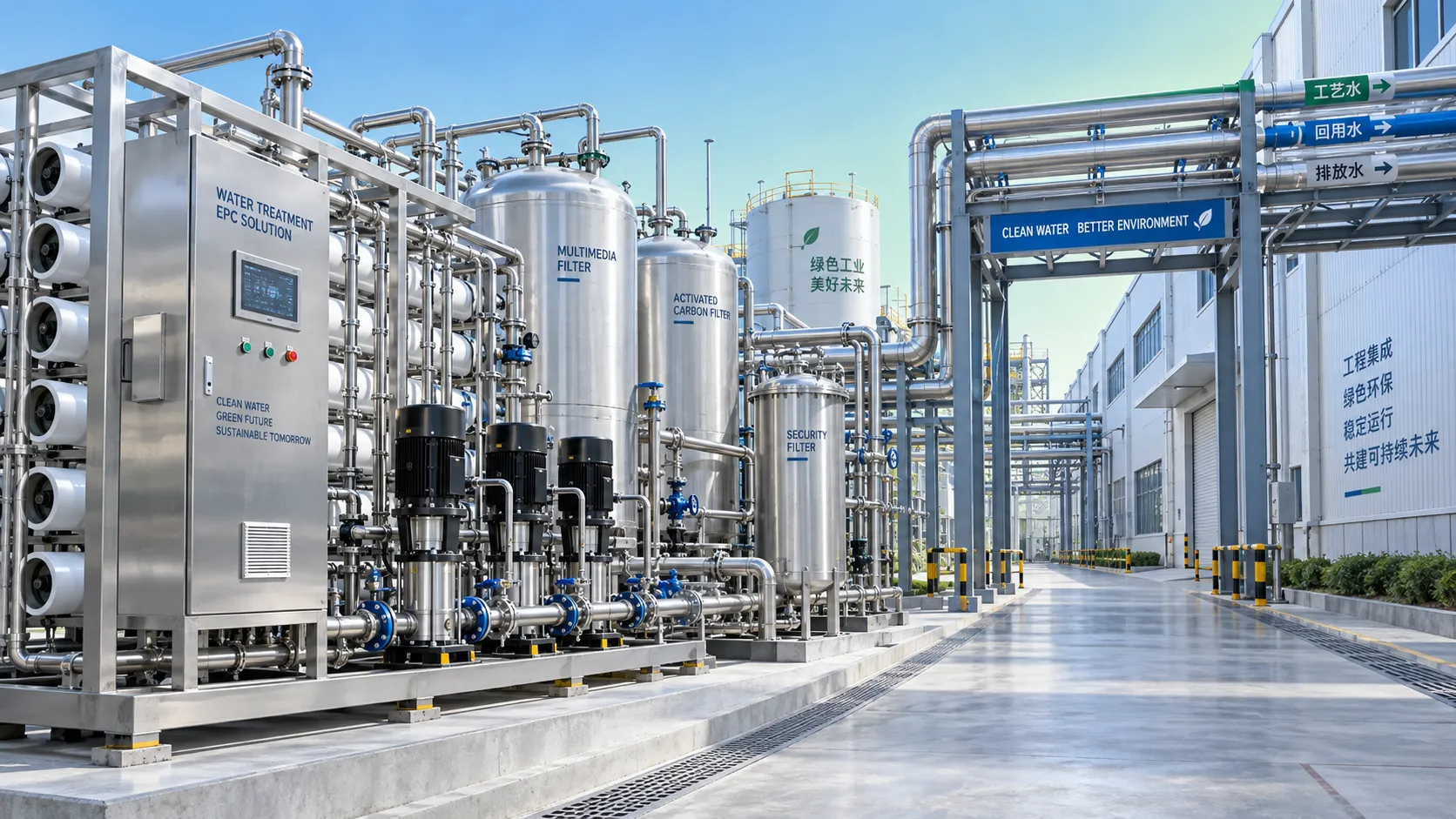
When does EPC environmental project support reduce delivery risk?
EPC environmental project support engineering reduces delivery risk by aligning design, procurement, compliance, construction, and commissioning decisions.
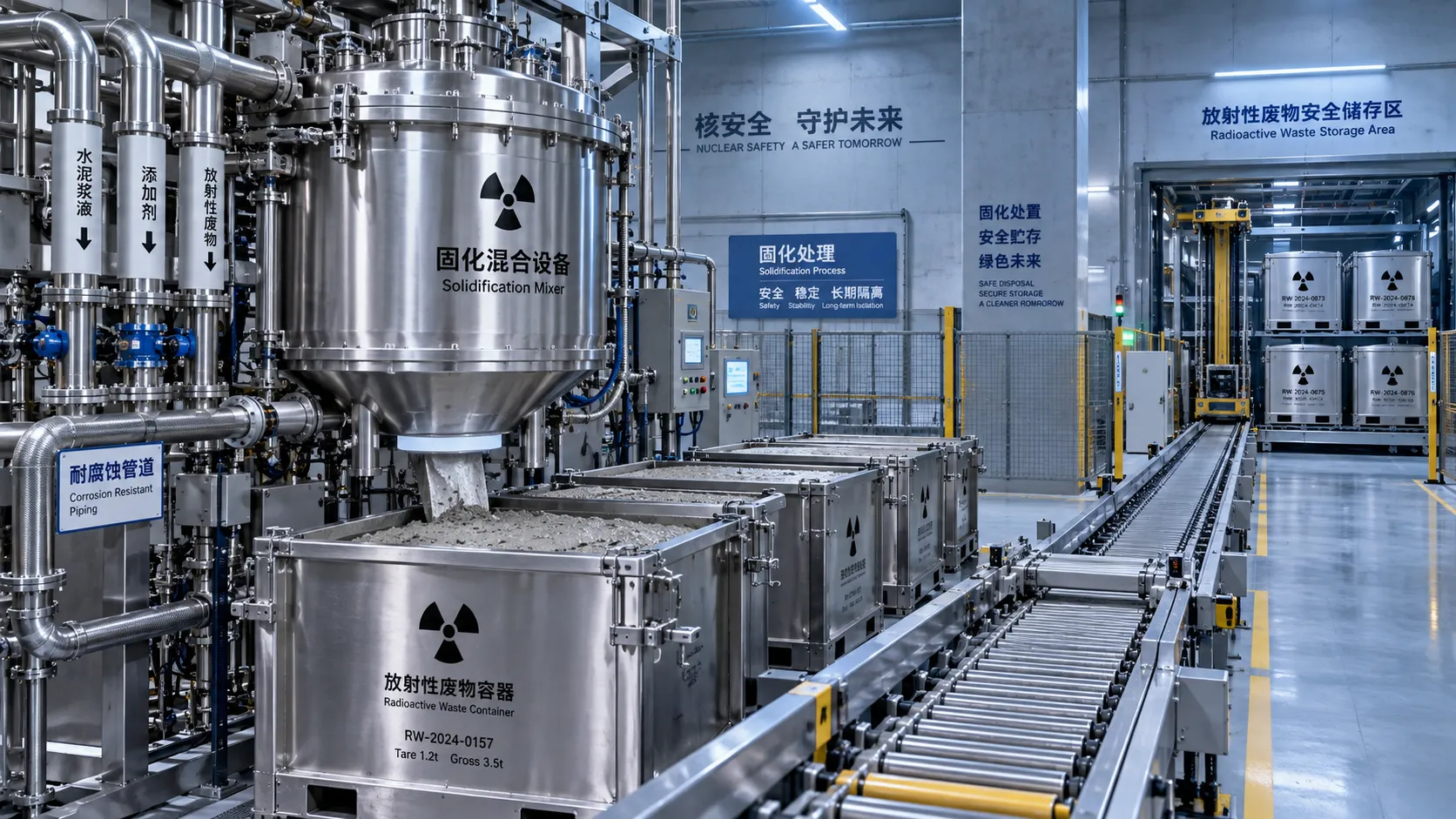
How nuclear plants select a radioactive waste solidification method
Radioactive waste management for nuclear plants: compare vitrification, cementation, polymers, and ceramics to select a compliant, durable solidification solution.
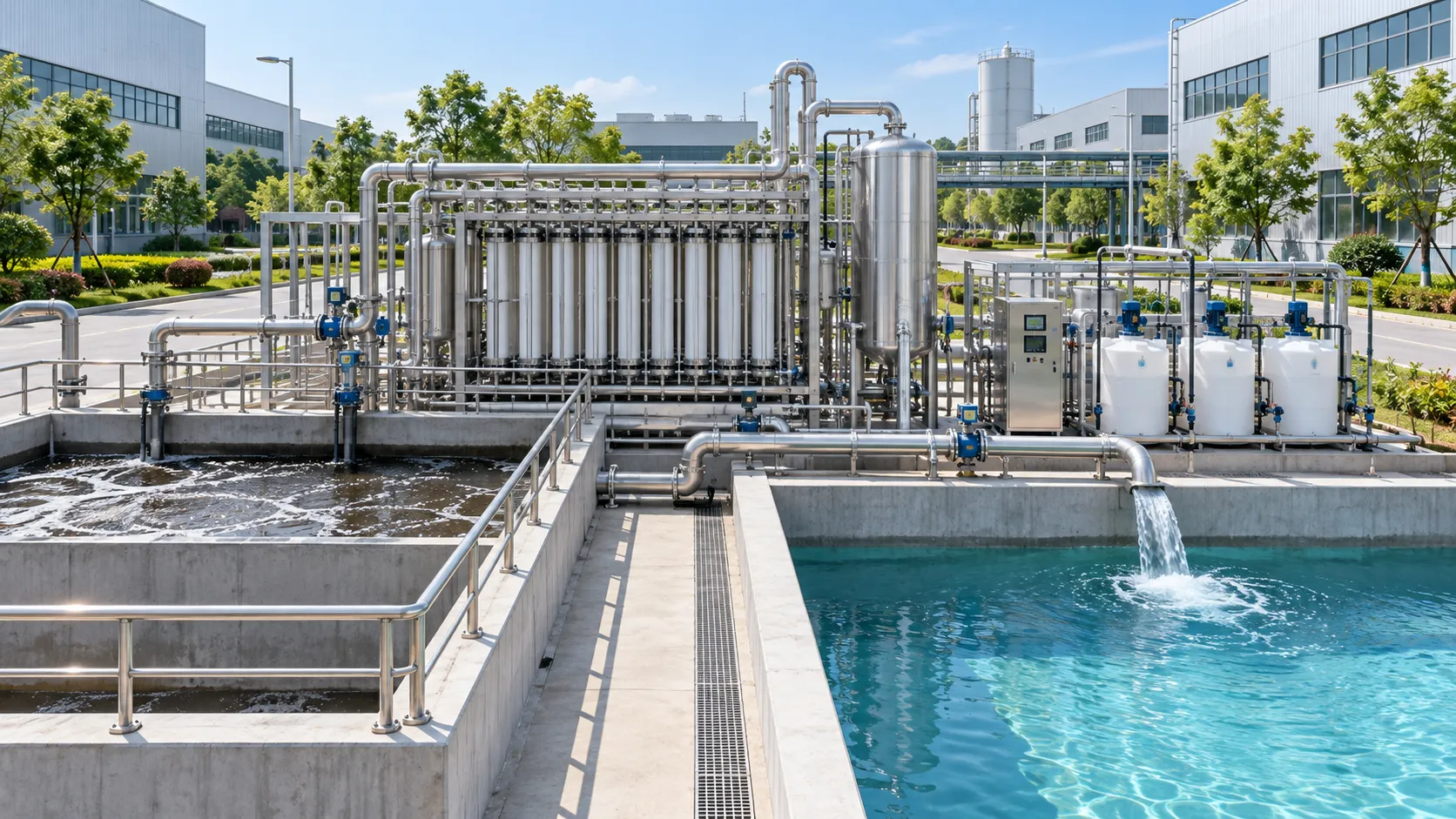
Comparing Upgrade Costs for Industrial Park Wastewater Treatment Systems
Compare costs for wastewater system upgrades in industrial parks with a lifecycle view of CAPEX, OPEX, compliance, resilience, and future expansion.
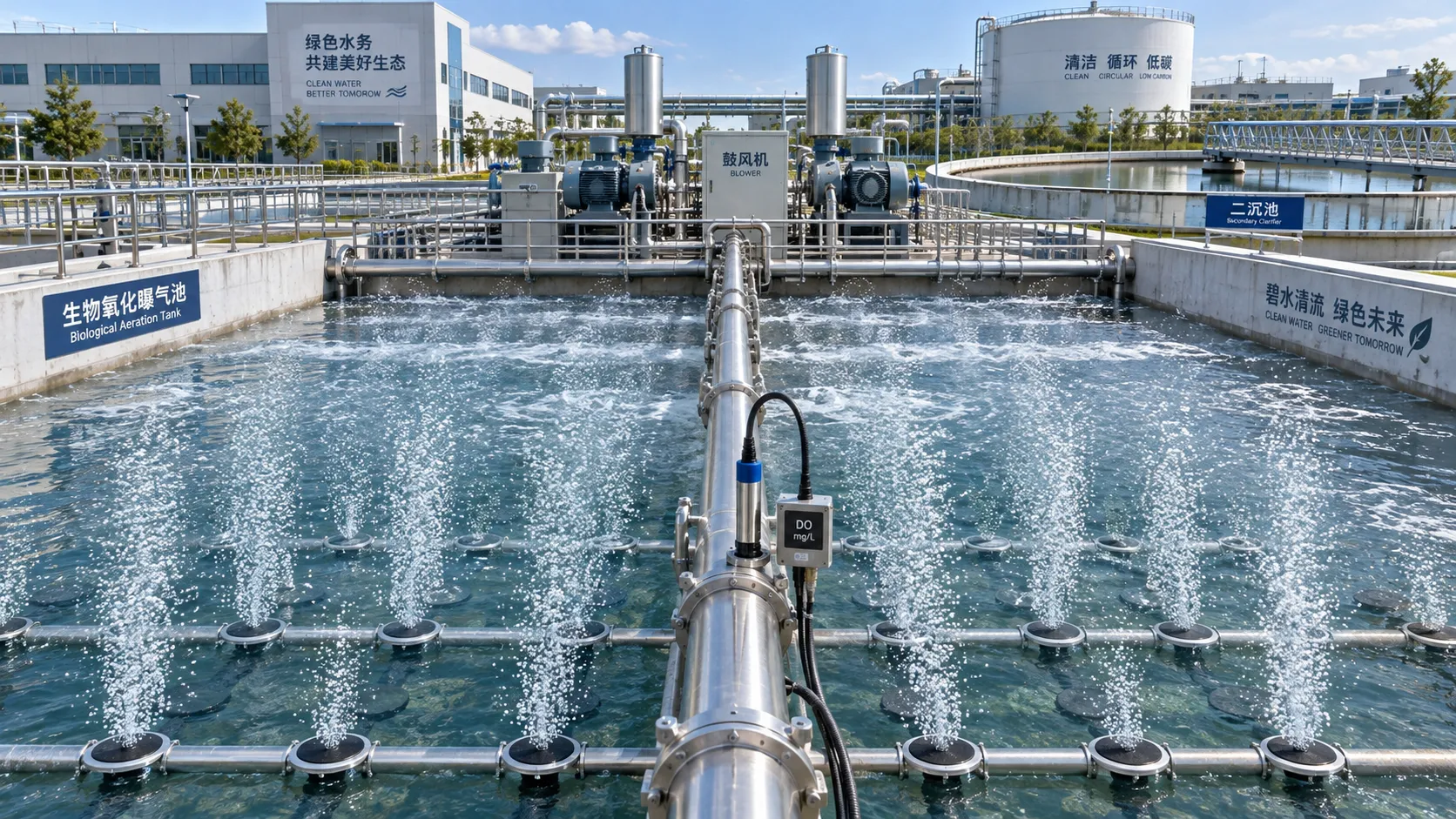
Biological Wastewater Oxidation Explained: Aeration Demand and Process Control
Biological wastewater oxidation explained: optimize aeration demand, DO control, nitrification, and sludge age for stable effluent quality and lower energy costs.
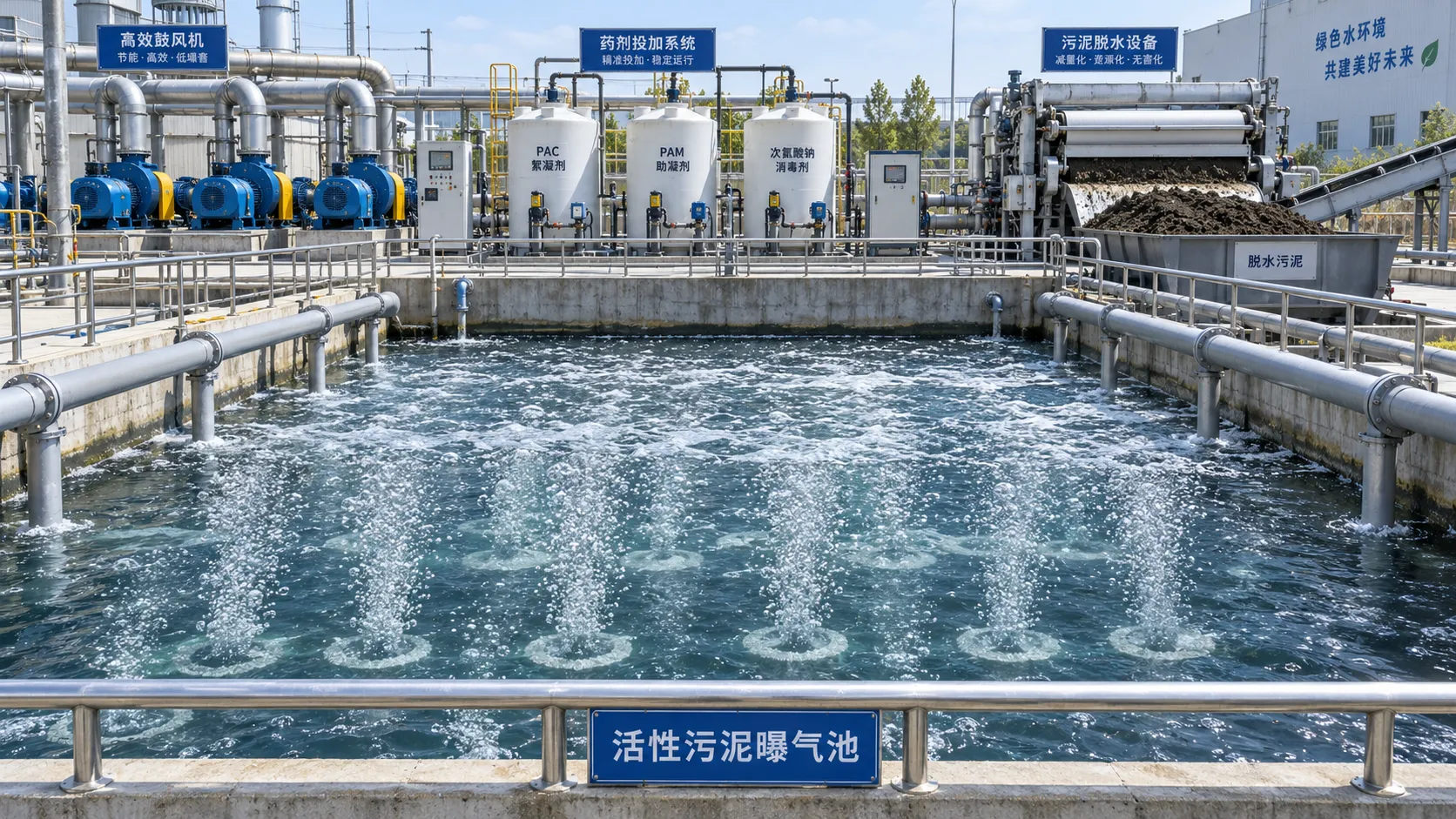
Activated Sludge Cost: Budgeting Energy, Chemicals, Sludge, and Labor
Activated sludge cost explained: compare energy, chemicals, sludge disposal, labor, and compliance risks to build a reliable lifecycle budget.
When Should Municipal Wastewater Plants Upgrade Treatment Capacity and Controls?
Municipal wastewater treatment upgrades: learn when capacity, controls, and resilient planning are needed to protect compliance and optimize plant performance.