
Industry News
Curation by industry experts
Hot Articles
Popular Tags
How to Compare Water Purification System Manufacturers in 2026
Choosing among water purification system manufacturers in 2026 requires more than comparing prices or product catalogs. Procurement teams must evaluate technical reliability, compliance readiness, lifecycle cost, after-sales support, and the supplier’s ability to meet evolving industrial water treatment demands. This guide outlines the key criteria buyers should use to identify dependable manufacturing partners in a market shaped by stricter regulations, efficiency targets, and long-term operational risk.
Why comparing water purification system manufacturers is harder in 2026
The supplier landscape is broader than it was a few years ago, but procurement risk is also higher. Many vendors can present attractive filtration specifications, yet fewer can prove stable performance under real feedwater variability, tightening discharge limits, and demanding plant uptime targets.
For buyers in municipal utilities, industrial wastewater treatment, desalination support, resource recovery, or EPC contracting, the real question is not simply who sells equipment. It is which water purification system manufacturers can support process continuity, documentation quality, and compliance across the full project lifecycle.
This matters even more in sectors observed closely by ESD, where large water treatment plants, high-salinity streams, zero liquid discharge planning, and energy-water tradeoffs create complex procurement decisions. A low initial price can become expensive if membranes foul early, controls are poorly integrated, or spare parts are difficult to source.
- Regulatory pressure is increasing, especially around water reuse, discharge quality, energy consumption, and traceability of process data.
- Procurement cycles are tighter, but technical due diligence still needs to cover pretreatment, operating window, materials compatibility, and service responsiveness.
- Cross-border sourcing adds questions about standards alignment, commissioning support, documentation language, and long-term maintenance access.
What procurement teams should compare first
Before reviewing individual brands, buyers should align internal priorities. The best water purification system manufacturers for one project may not fit another. A seawater desalination pretreatment line, a pharmaceutical process water unit, and a heavy industrial reuse system are not judged by the same success metrics.
The table below gives a practical framework for comparing water purification system manufacturers across the dimensions that most often affect bid outcomes and long-term operating cost.
A structured comparison helps procurement teams avoid overvaluing brochure claims. It also improves internal alignment between purchasing, engineering, EHS, and plant operations, especially when tender documents need to justify supplier selection beyond price alone.
Start with the water profile, not the product list
Strong manufacturers ask detailed questions early. They want to know turbidity, TDS, organics, hardness, silica, temperature range, seasonal variation, required output quality, and cleaning regime. If a supplier moves directly to a quote without these questions, buyers should be cautious.
In high-concentration industrial applications, minor design errors can cascade into major operating issues. ESD’s intelligence perspective is useful here because equipment decisions are increasingly tied to broader ecological engineering goals, including reuse targets, decarbonization pressure, and zero discharge pathways.
Which technical signals separate strong manufacturers from weak ones
When comparing water purification system manufacturers, technical credibility should be visible in how they define performance boundaries. Reliable suppliers explain where a system performs well, where it needs pretreatment, and what conditions may reduce efficiency or shorten component life.
Key technical indicators to examine
- Recovery rate assumptions and whether they are tied to actual feedwater chemistry rather than idealized test conditions.
- Membrane, resin, media, or oxidation unit selection logic, including fouling resistance and cleaning compatibility.
- Instrumentation depth, such as conductivity, pressure differential, SDI, turbidity, ORP, or remote monitoring options.
- Control architecture and whether the system can integrate with plant PLC, SCADA, or centralized reporting requirements.
- Material suitability for corrosive, saline, or high-temperature conditions, especially in desalination and industrial reuse settings.
Another differentiator is whether the supplier can discuss process interactions beyond a single skid. In many real projects, purification performance depends on upstream equalization, chemical dosing, sludge handling, concentrate management, or downstream polishing. Manufacturers with broader systems understanding often reduce integration risk.
Questions worth asking during technical review
- What feedwater variability has the system been designed to tolerate?
- What are the main failure modes, and how are they detected early?
- How often are major consumables replaced under typical operating conditions?
- What operator skill level is assumed for routine maintenance and troubleshooting?
- What documentation is delivered for FAT, SAT, O&M, and spare parts planning?
How to compare manufacturers by application scenario
Not all water purification system manufacturers are equally strong across all markets. Some focus on ultrapure water, others on municipal treatment, and others on high-salinity industrial wastewater or seawater desalination support. Procurement teams should compare vendors within the right application category.
This scenario-based table helps narrow the field before issuing RFQs or arranging technical calls.
The practical lesson is simple: shortlist by use case first. A manufacturer respected in one segment may still be a weak fit for another. This is especially true where water purification connects with broader eco-shield infrastructure such as ZLD, desalination, or industrial decarbonization projects.
What compliance and certification signals should buyers review
Compliance readiness is now a major screening factor. Buyers increasingly need suppliers that can support tender files, audit trails, and technical documentation suitable for public infrastructure, industrial environmental projects, and cross-border delivery.
Documents and standards worth checking
- Quality management and manufacturing consistency documentation, often requested in formal procurement processes.
- Applicable material and pressure vessel records, where relevant to the system configuration and destination market.
- Electrical and control documentation aligned with local installation and safety requirements.
- Performance validation records, FAT plans, commissioning protocols, and O&M manuals.
- For reuse or discharge-linked projects, evidence that process design considers local environmental permitting expectations.
Procurement teams should not treat compliance as a final paperwork step. It affects lead time, customs clearance, site acceptance, and legal exposure. ESD’s strategic intelligence model is relevant because regulation is no longer a background issue; it directly shapes equipment selection and bid competitiveness.
How to evaluate lifecycle cost instead of headline price
Comparing quotes from water purification system manufacturers by purchase price alone often leads to poor decisions. The better approach is to estimate total cost of ownership across energy, chemicals, consumables, labor, downtime, and replacement intervals.
The table below can be used in internal procurement reviews to test whether a cheaper bid is actually more expensive over time.
A disciplined cost review usually reveals whether a manufacturer is optimizing for durable plant economics or only for bid-stage competitiveness. Buyers should also ask for sensitivity scenarios, especially where influent quality, energy tariffs, or reuse targets may shift over time.
Common procurement mistakes when screening water purification system manufacturers
Several repeat mistakes appear across industrial and public-sector buying teams. Most are not caused by lack of technical knowledge, but by compressed schedules, incomplete design input, or overreliance on generic quotations.
- Treating all water purification system manufacturers as interchangeable even when project conditions differ significantly.
- Requesting price too early, before defining feedwater envelope, effluent target, automation level, and service scope.
- Ignoring concentrate, sludge, or reject management while focusing only on permeate quality.
- Underestimating the importance of operator training and local support for complex systems.
- Assuming every supplier can meet documentation standards required in regulated projects or international tenders.
In ESD-covered sectors, these mistakes are amplified because water treatment often interacts with broader resource recovery, emissions control, desalination economics, and environmental governance obligations. That is why supplier comparison should be technical, commercial, and strategic at the same time.
A practical procurement workflow for manufacturer comparison
Buyers can simplify evaluation by using a staged review process. This reduces time spent on unqualified suppliers and helps internal teams reach consensus faster.
- Define water characteristics, output targets, operating hours, utilities availability, footprint limits, and compliance constraints.
- Create a shortlist of water purification system manufacturers with relevant application experience, not just general equipment listings.
- Issue an RFQ that requests technical assumptions, exclusions, spare parts plan, lead time, and service scope in a comparable format.
- Run a technical clarification round to verify process logic, instrumentation, maintainability, and compliance documentation.
- Score bids by weighted criteria rather than price alone, including lifecycle cost and support capability.
- Confirm commissioning, training, and spare parts arrangements before final award.
This process is particularly useful for EPC companies and public infrastructure buyers managing multiple stakeholders. It also creates a documented basis for award decisions when scrutiny from finance, compliance, or project owners is high.
FAQ for buyers comparing water purification system manufacturers
How many manufacturers should be shortlisted for a serious comparison?
In most procurement cases, three to five qualified suppliers are enough. Fewer may reduce price tension or technical perspective. Too many often create noise, slow review, and make it harder to compare assumptions fairly. The key is qualification quality, not list size.
What matters more: membrane brand, system integrator, or after-sales support?
All three matter, but their weight changes by application. In stable high-purity systems, component quality may dominate. In variable industrial wastewater or desalination pretreatment, integration quality and service response often decide real performance. Buyers should assess the full package, not a single component label.
How can procurement teams verify performance claims without running a full pilot?
Ask manufacturers to state design assumptions, feedwater boundaries, expected cleaning frequency, and exclusions in writing. For higher-risk projects, request treatability review, reference process logic, or a phased validation plan. The goal is not to demand impossible certainty, but to expose weak assumptions early.
Are low-cost offshore suppliers always risky?
Not necessarily. The real issue is whether they can provide consistent manufacturing, compliant documentation, responsive technical support, and reliable spare parts logistics. A cost advantage is valuable only if delivery quality and operating continuity remain acceptable.
Why informed buyers use ESD as a decision support partner
For procurement teams operating in complex environmental infrastructure markets, the challenge is rarely a lack of supplier names. The challenge is deciding which manufacturers are technically aligned, commercially viable, and strategically safe under future regulation and operating pressure.
ESD supports that decision environment with sector intelligence rooted in large-scale water treatment, desalination, resource recovery, flue gas control, and nuclear waste governance. This broader view matters because modern water purification procurement is increasingly connected to carbon strategy, circular economy planning, and compliance evolution.
If you are comparing water purification system manufacturers for an upcoming tender or plant upgrade, you can consult ESD for parameter confirmation, scenario-based supplier screening, technology route comparison, delivery cycle discussion, compliance document preparation priorities, and commercial insight for complex environmental projects.
Contact us when you need support on product selection, technical specification review, lead-time evaluation, custom solution direction, certification-related questions, sample or data review strategy, and quotation comparison logic. A clearer procurement framework reduces risk before contracts are signed and improves confidence long after commissioning.
Recommended News
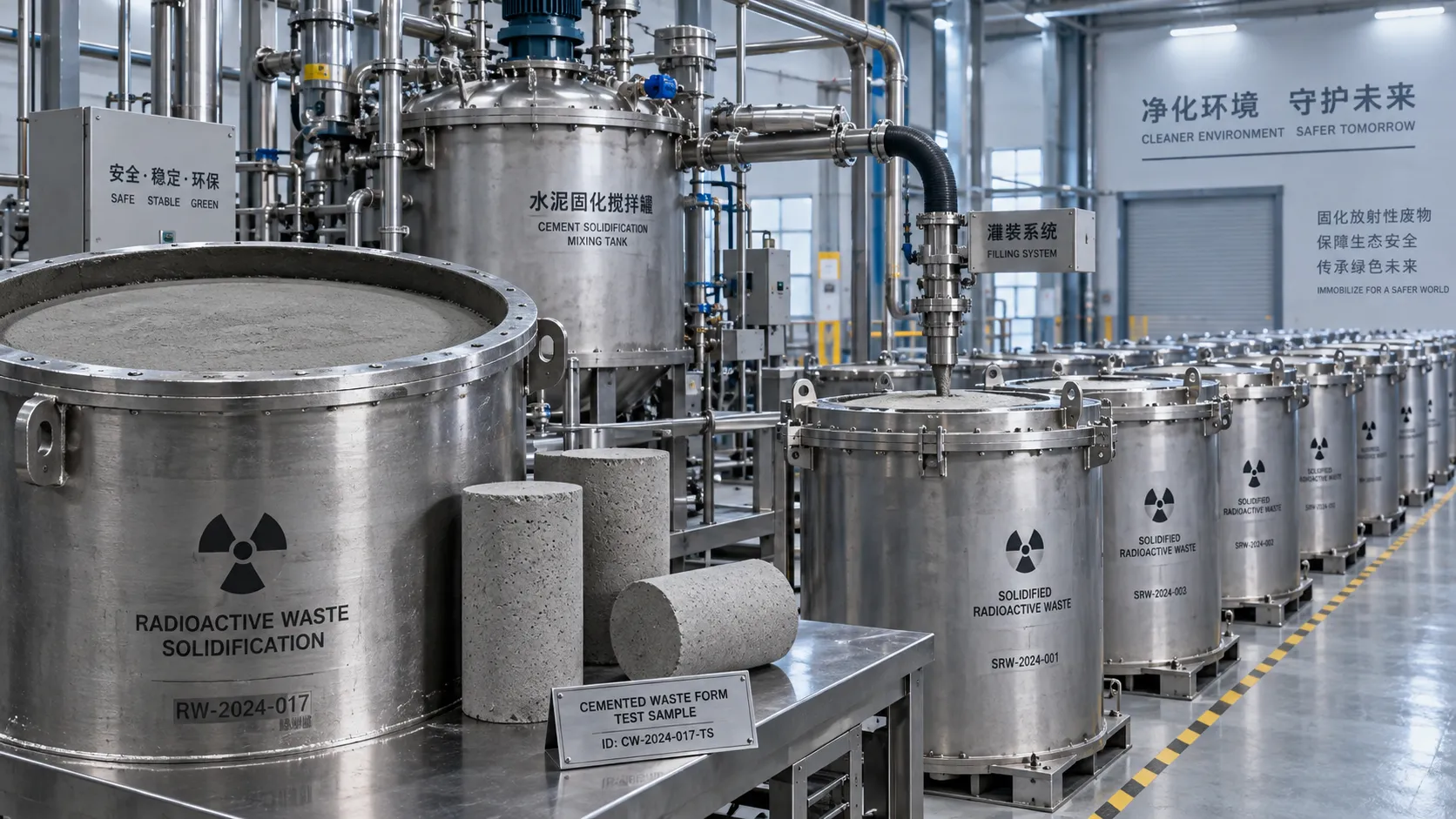
When is cementation suitable for nuclear decommissioning waste?
Explore nuclear waste treatment technology for decommissioning: learn when cementation fits, which risks to assess, and how disposal criteria guide an effective treatment choice.
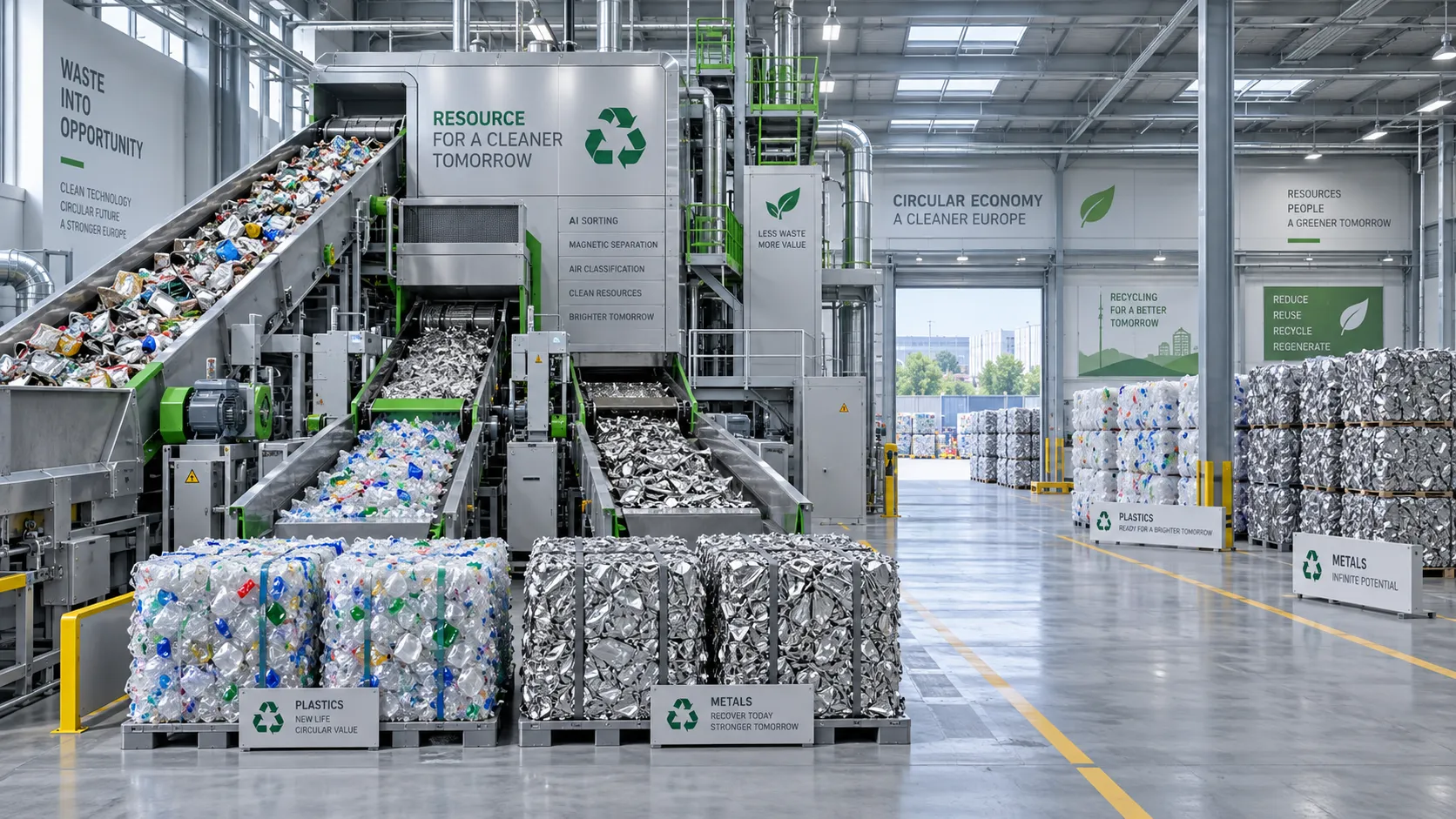
What determines payback for waste-to-resource systems in Europe?
Assess waste-to-resource systems Europe-wide: compare feedstock, recovery yields, costs and contracts to uncover payback drivers and make smarter investment decisions.
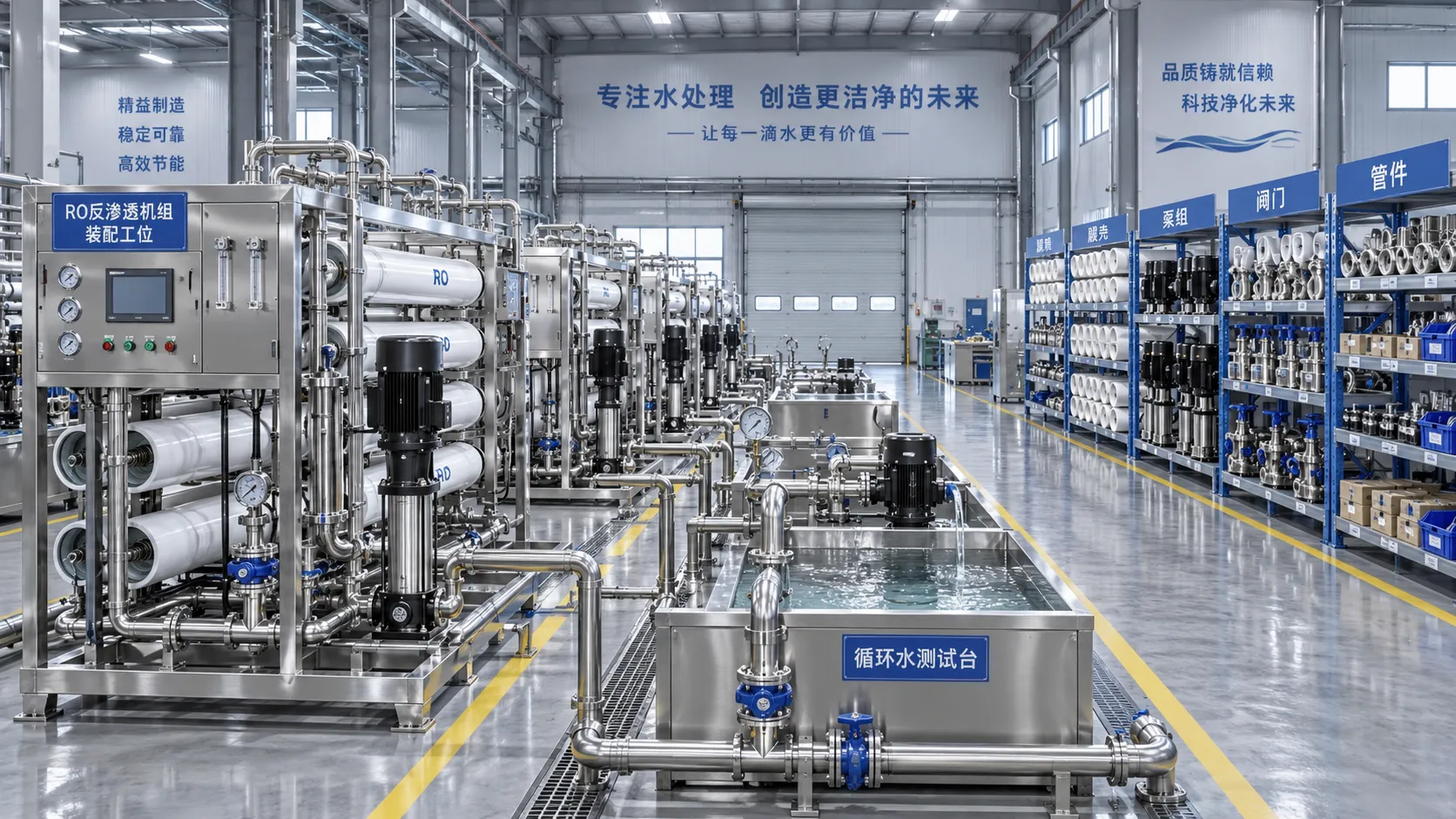
How to verify a water treatment system factory’s production capacity
Verify a water treatment systems factory’s production capacity through records, bottlenecks, component availability, and testing. Learn what to check before accepting a delivery promise.
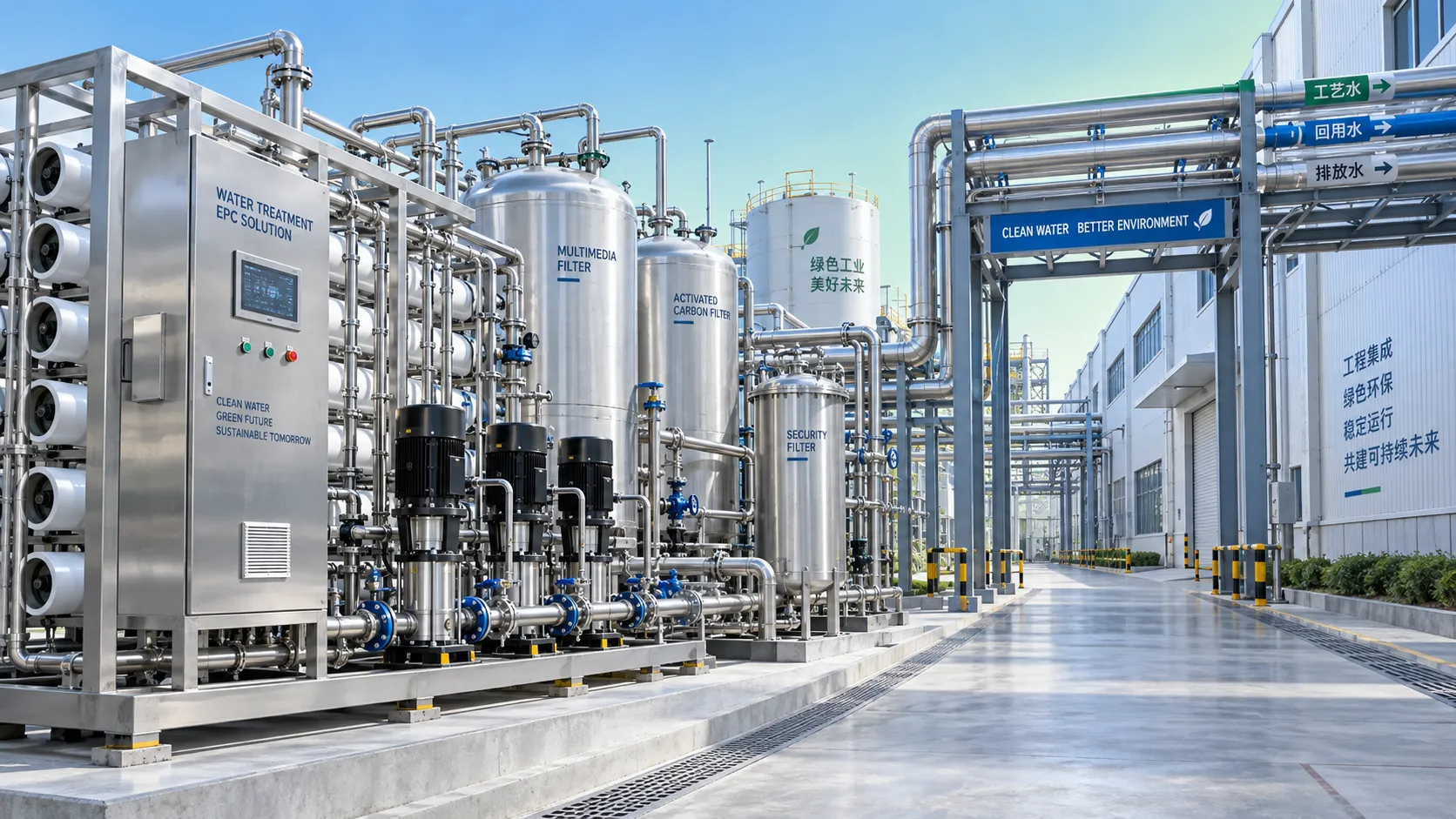
When does EPC environmental project support reduce delivery risk?
EPC environmental project support engineering reduces delivery risk by aligning design, procurement, compliance, construction, and commissioning decisions.
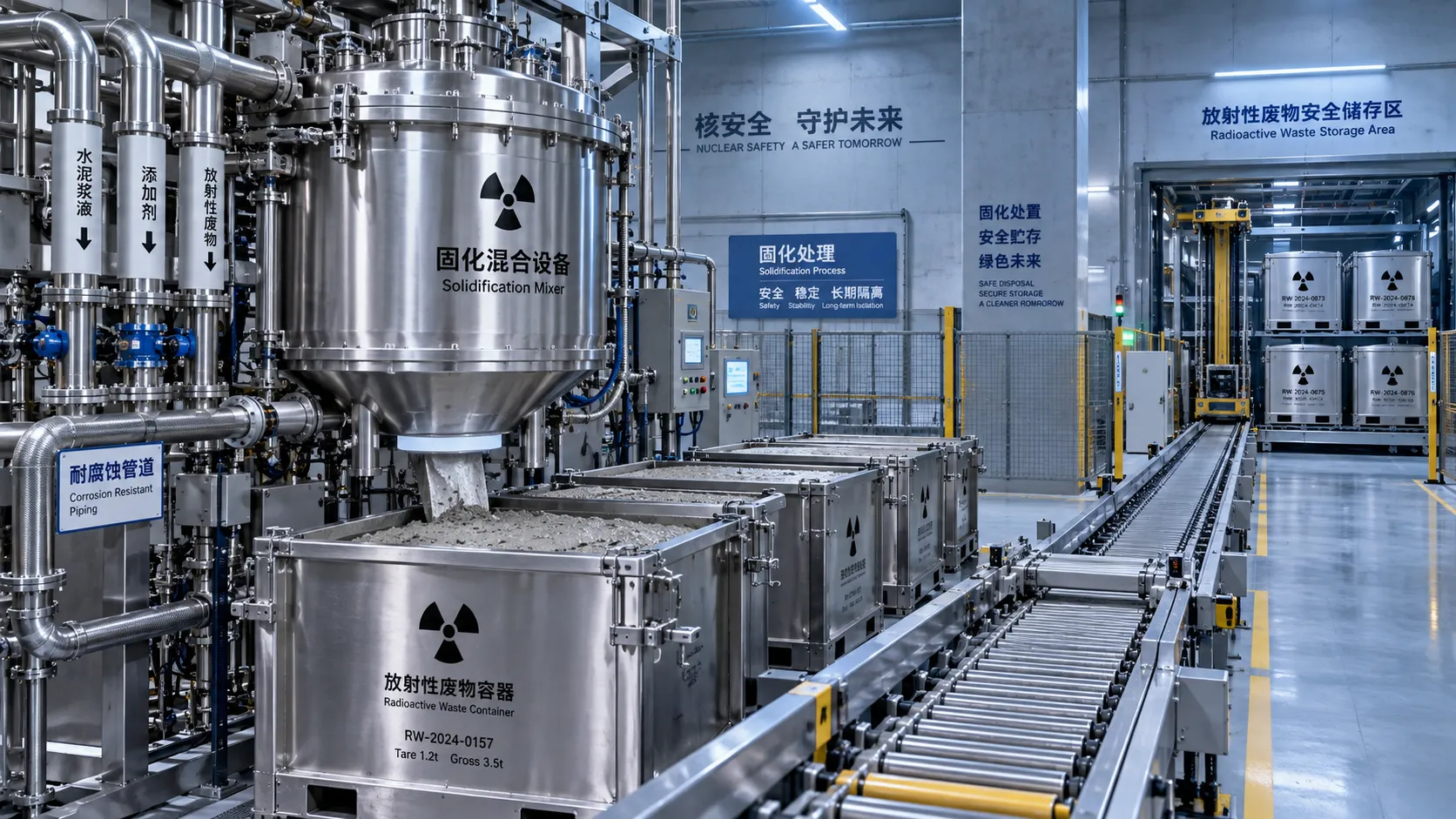
How nuclear plants select a radioactive waste solidification method
Radioactive waste management for nuclear plants: compare vitrification, cementation, polymers, and ceramics to select a compliant, durable solidification solution.
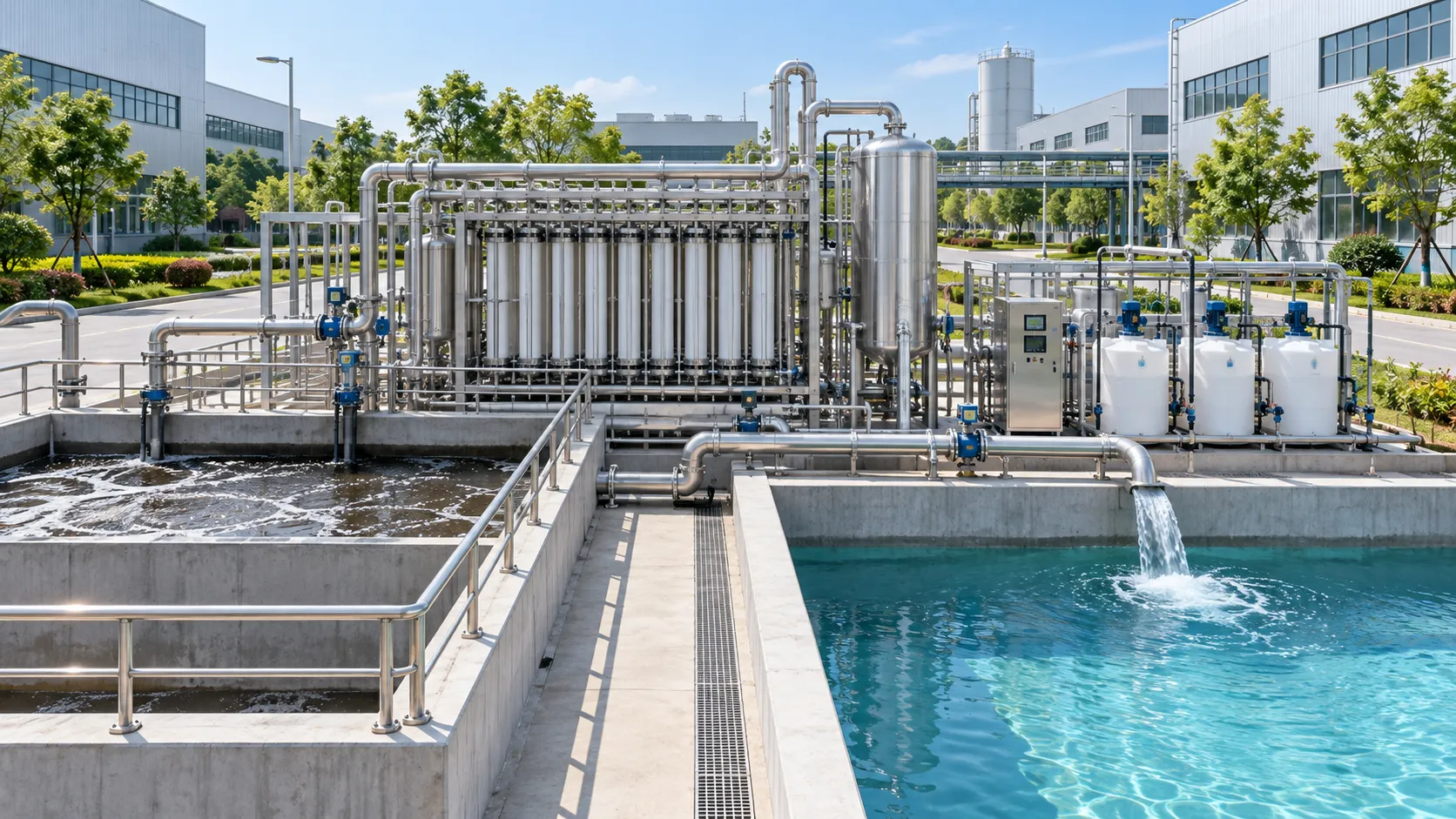
Comparing Upgrade Costs for Industrial Park Wastewater Treatment Systems
Compare costs for wastewater system upgrades in industrial parks with a lifecycle view of CAPEX, OPEX, compliance, resilience, and future expansion.
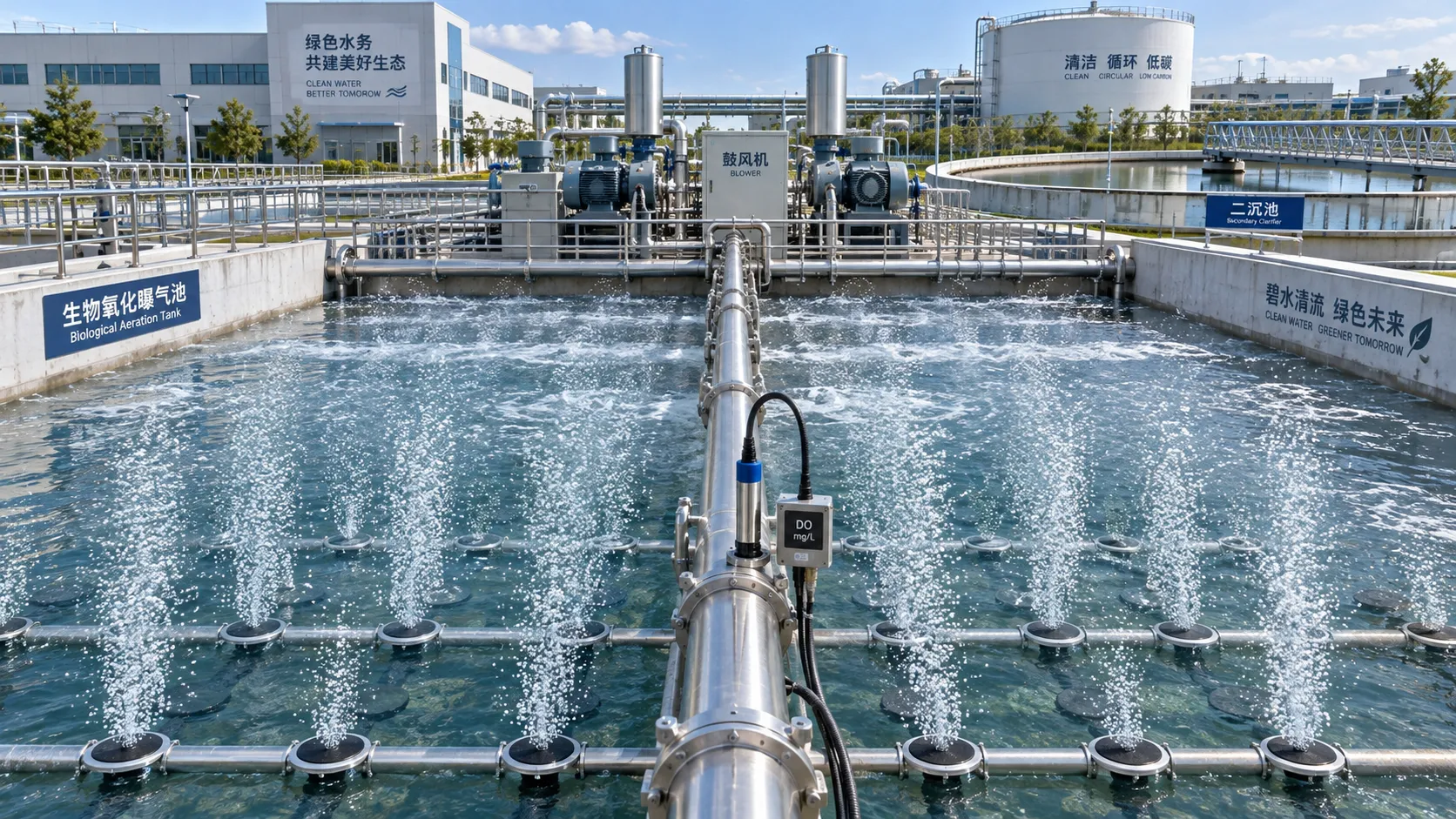
Biological Wastewater Oxidation Explained: Aeration Demand and Process Control
Biological wastewater oxidation explained: optimize aeration demand, DO control, nitrification, and sludge age for stable effluent quality and lower energy costs.
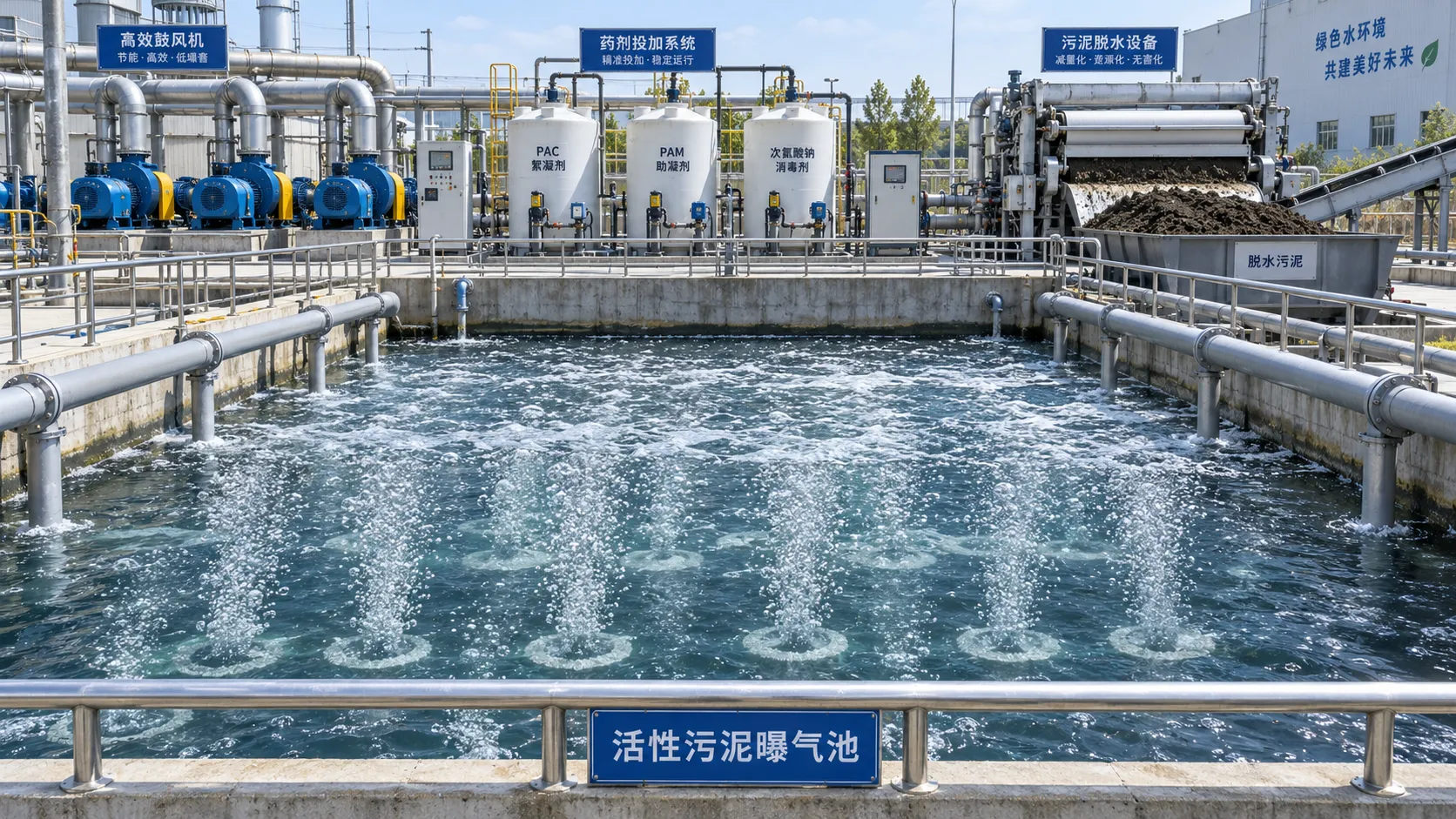
Activated Sludge Cost: Budgeting Energy, Chemicals, Sludge, and Labor
Activated sludge cost explained: compare energy, chemicals, sludge disposal, labor, and compliance risks to build a reliable lifecycle budget.
When Should Municipal Wastewater Plants Upgrade Treatment Capacity and Controls?
Municipal wastewater treatment upgrades: learn when capacity, controls, and resilient planning are needed to protect compliance and optimize plant performance.