
Industry News
Curation by industry experts
Hot Articles
Popular Tags
Green Tech Applications in Wastewater Treatment That Cut Energy Use
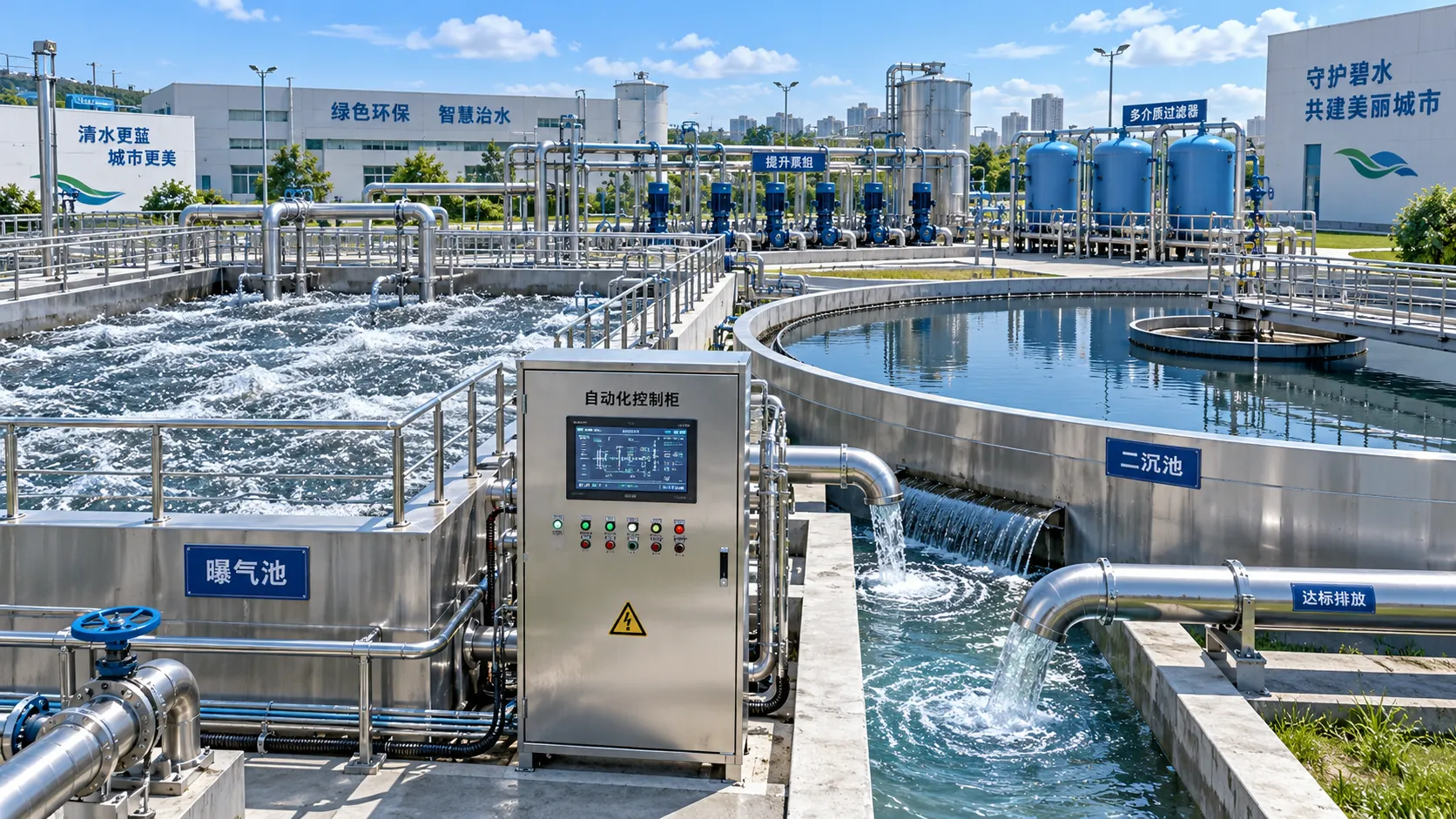
For technical evaluators balancing process performance, compliance, and lifecycle cost, green tech applications in wastewater treatment are becoming critical tools for cutting energy use without sacrificing treatment efficiency. From smart aeration control to advanced membrane systems and heat recovery, these solutions reshape how plants meet stricter environmental targets while improving operational resilience and long-term asset value.
In large municipal plants, industrial recycling loops, desalination-linked pretreatment lines, and high-strength effluent systems, energy often represents 25% to 45% of total operating expenditure. For evaluation teams, the challenge is no longer whether to adopt greener treatment technologies, but how to compare them against flow variability, fouling risks, discharge limits, retrofit feasibility, and payback expectations.
Within the broader environmental equipment landscape observed by ESD, wastewater systems are increasingly assessed as part of an integrated eco-shield: they must reduce kWh per cubic meter, stabilize compliance, support reuse targets, and fit into carbon-conscious procurement models. The most practical route is to focus on green tech applications in wastewater treatment that deliver measurable efficiency gains at process-unit level rather than relying on one single “breakthrough” technology.
Where Energy Is Lost in Wastewater Treatment
Before comparing solutions, technical evaluators need a realistic energy map. In conventional activated sludge plants, aeration can consume 45% to 60% of total electricity. Pumping, sludge handling, membrane separation, and thermal concentration can add another 30% to 40%, depending on influent load and reuse requirements.
This matters because green tech applications in wastewater treatment should be selected according to the dominant load center. Installing premium membranes in a plant where blower control is inefficient may deliver less value than optimizing dissolved oxygen control first. Likewise, heat recovery is attractive only when effluent temperature, runtime, and downstream thermal demand align.
Typical High-Consumption Nodes
- Aeration basins with fixed-speed blowers and manual dissolved oxygen adjustment
- Lift stations and recirculation pumps operating far from best efficiency point
- Membrane bioreactors with excessive air scouring or poor flux management
- Sludge dewatering lines with low solids capture and high polymer demand
- ZLD or high-salinity treatment systems using thermal processes without heat integration
The table below helps evaluators connect the largest energy sinks with practical green upgrade pathways and typical decision triggers.
A clear pattern emerges: the best-performing projects usually target the top 2 or 3 energy consumers first. For many plants, a 10% to 20% energy reduction is achievable through controls and equipment optimization before deeper process redesign is considered.
Core Green Tech Applications in Wastewater Treatment
Not all low-carbon technologies deliver the same value across municipal, industrial, or reuse-oriented plants. Technical evaluators should compare technologies by influent characteristics, treatment objective, footprint constraints, and maintenance maturity. The most effective green tech applications in wastewater treatment usually combine process intensification with digital control.
Smart Aeration and Biological Control
Smart aeration remains the fastest route to savings in conventional biological treatment. Using ammonia-based aeration control, dissolved oxygen setpoints can shift dynamically from 0.8 mg/L to 2.0 mg/L instead of staying fixed at conservative levels. Combined with VFD blowers and clean diffuser grids, many plants reduce aeration energy by 15% to 30%.
For evaluators, the key metrics are oxygen transfer efficiency, blower turndown ratio, sensor reliability, and control response under load swings. A plant with major diurnal variation may gain more from instrumentation and control upgrades than from simply replacing blowers.
What to Verify
- Sensor calibration interval, often every 30 to 90 days
- Blower efficiency curve at partial loads below 70%
- Diffuser fouling rate and cleaning method
- Nitrogen removal stability during temperature shifts of 5°C to 10°C
Advanced Membrane Systems
Membrane bioreactors, ultrafiltration, nanofiltration, and reverse osmosis can support reuse, ZLD pretreatment, and high-quality discharge goals. Their green value comes from higher water recovery, lower chemical demand in some process chains, and smaller footprints. However, energy performance depends heavily on flux design, fouling control, and cleaning strategy.
In many reuse projects, evaluating membranes only by nominal pore size or salt rejection is not enough. Teams should compare specific energy consumption in kWh/m³, target recovery rate, cleaning frequency per month, and expected permeability decline over 12 to 24 months. These indicators often determine whether the system remains efficient beyond commissioning.
Heat Recovery and Resource Loop Integration
Wastewater often carries recoverable thermal energy, especially in industrial parks, food processing, chemical clusters, and desalination-linked sites. Heat exchangers and heat pumps can capture low-grade heat from effluent streams in the 12°C to 30°C range. In sludge drying or building heating applications, this can offset fossil energy demand and improve total plant energy balance.
Resource-loop integration also includes anaerobic digestion for biogas generation, nutrient recovery, and internal water recycling. These measures may not always reduce electricity immediately, but they can lower imported energy, reduce sludge hauling, and strengthen resilience under carbon or discharge pricing pressure.
The following comparison table is useful when screening green tech applications in wastewater treatment for retrofit or new-build decisions.
For many facilities, the right answer is a layered portfolio: optimize aeration first, then address membrane efficiency, and finally integrate heat or resource recovery where process conditions justify the capital commitment.
How Technical Evaluators Should Compare Options
A solid evaluation framework should move beyond equipment brochures. In B2B wastewater projects, the most expensive mistake is choosing technology on peak performance claims while ignoring variability, maintainability, and utility interaction. A practical assessment model should cover at least 4 dimensions: process performance, energy intensity, compliance resilience, and lifecycle economics.
Key Selection Criteria
- Specific energy consumption under real operating load, not only design-point values
- Ability to handle influent variation of 20% to 50% in flow or contaminant concentration
- Downtime exposure, spare part lead time, and operator skill requirements
- Compatibility with discharge permits, reuse targets, or ZLD strategy
- Retrofit complexity, especially for plants with limited footprint or shutdown windows under 7 days
Lifecycle Cost Signals That Matter
When comparing green tech applications in wastewater treatment, capital expenditure is only one layer. Technical teams should model 5-year to 15-year cost exposure, including power, cleaning chemicals, membrane replacement, sensor upkeep, sludge disposal, and unplanned maintenance. A lower-CAPEX option may become more expensive if it locks the plant into higher kWh/m³ or more frequent shutdowns.
It is also useful to stress-test each option under three conditions: average load, peak seasonal load, and upset events. This quickly reveals whether efficiency gains are robust or only visible in stable operating windows.
A Practical Decision Matrix
The matrix below summarizes a decision logic often used in wastewater equipment screening and technology due diligence.
This approach is especially relevant for EPC teams, industrial owners, and public utilities managing multi-variable tender evaluations. It supports stronger comparison than simple payback-only screening.
Implementation Risks, Commissioning Priorities, and Common Mistakes
Even well-chosen technologies can underperform if implementation is rushed. Many energy-saving projects fail not because the core equipment is weak, but because baselines are incomplete, controls are poorly tuned, or operators are not trained to run the new system within its optimal envelope.
Frequent Pitfalls
- Using design influent data that is older than 12 months and does not reflect current load
- Ignoring upstream equalization, which causes energy spikes downstream
- Overdesigning membranes or blowers “for safety,” then operating permanently at inefficient partial load
- Tracking only total plant electricity instead of unit-level performance indicators
- Neglecting cleaning chemistry compatibility and membrane recovery after fouling events
Commissioning Checklist
- Establish a 30-day baseline for flow, load, energy, and compliance before retrofit
- Validate instrument calibration and SCADA data quality before activating control logic
- Run step tests at low, medium, and peak flow conditions
- Track performance for at least 8 to 12 weeks after startup
- Document operator actions that cause drift from optimal settings
For advanced plants handling industrial wastewater, desalination concentrate, or reuse polishing, commissioning should also include fouling surveillance, cleaning trigger validation, and contingency operating modes. These steps are essential when green tech applications in wastewater treatment are tied to strict discharge permits or production continuity.
Why Strategic Intelligence Matters for Technology Adoption
Technical decisions are increasingly shaped by more than process engineering. Carbon accounting, water reuse regulations, industrial localization requirements, and cross-border compliance pressures now affect technology selection windows. This is where intelligence-led evaluation creates value, especially for projects linked to desalination, ZLD, heavy industry, or high-risk waste streams.
ESD’s sector focus is relevant because wastewater efficiency does not exist in isolation. A membrane decision may affect desalination pretreatment reliability. A sludge-to-energy concept may alter solid waste recovery economics. A heat recovery upgrade may improve total plant resilience in energy-constrained industrial zones. Evaluators need integrated visibility across water treatment, resource recovery, flue gas strategy, and environmental compliance trends.
For organizations involved in billion-dollar public projects or complex industrial retrofits, the strongest evaluations combine process data, equipment intelligence, and regulatory foresight. That combination supports better tender positioning, lower lifecycle risk, and more defensible capital allocation.
From Screening to Action
The most effective green tech applications in wastewater treatment are rarely selected by trend alone. They are selected by fit: fit to load profile, fit to compliance targets, fit to plant infrastructure, and fit to long-term operating strategy. For technical evaluators, that means prioritizing measurable energy hotspots, comparing technologies on lifecycle performance, and validating implementation risk before procurement is finalized.
If your team is reviewing aeration upgrades, membrane retrofits, heat recovery integration, or broader resource-loop strategies, ESD can support deeper equipment intelligence and sector insight across large-scale water treatment and adjacent environmental systems. Contact us to get a tailored assessment framework, discuss product-level evaluation criteria, or explore more solutions for energy-efficient wastewater treatment.
Recommended News
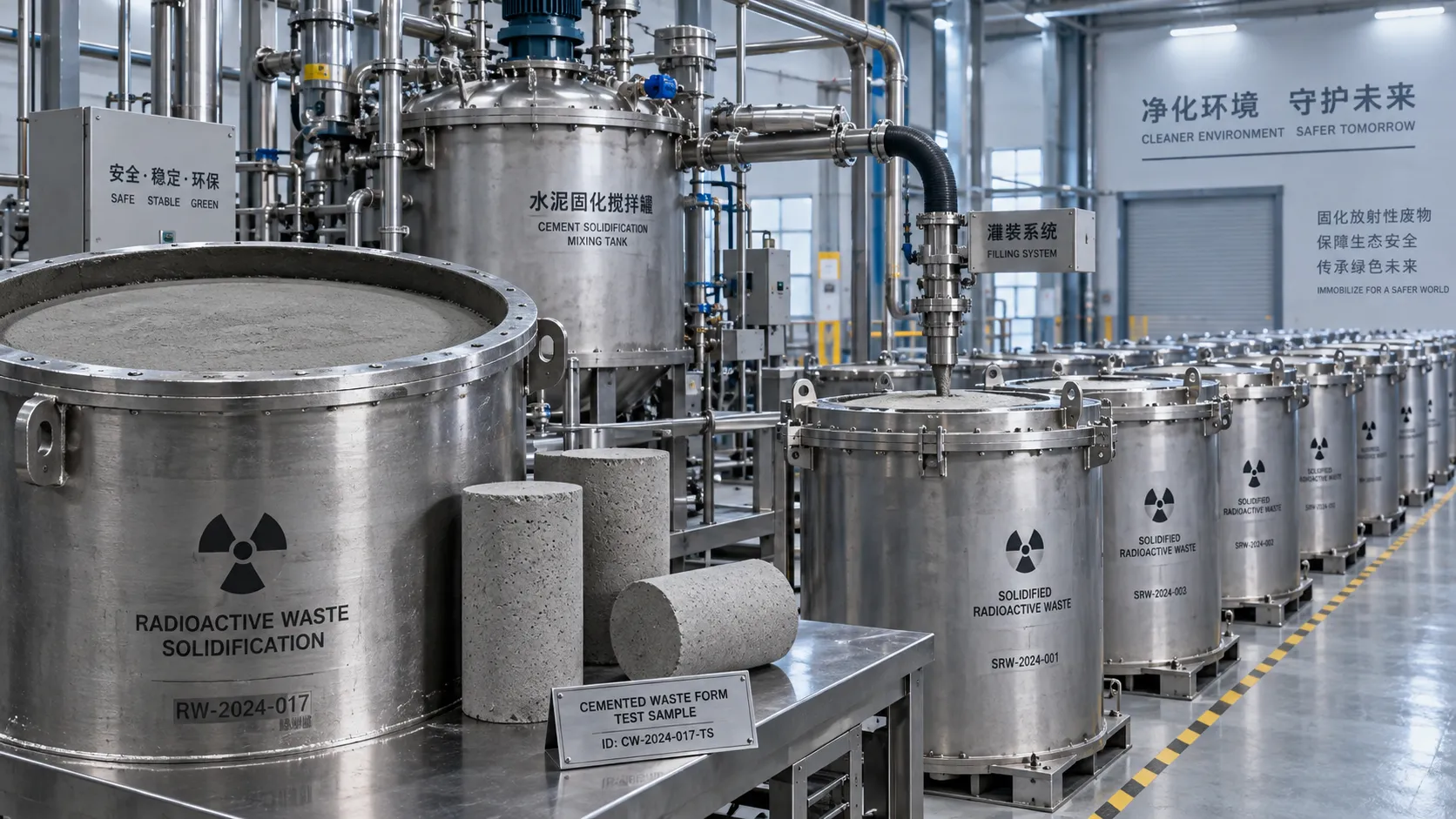
When is cementation suitable for nuclear decommissioning waste?
Explore nuclear waste treatment technology for decommissioning: learn when cementation fits, which risks to assess, and how disposal criteria guide an effective treatment choice.
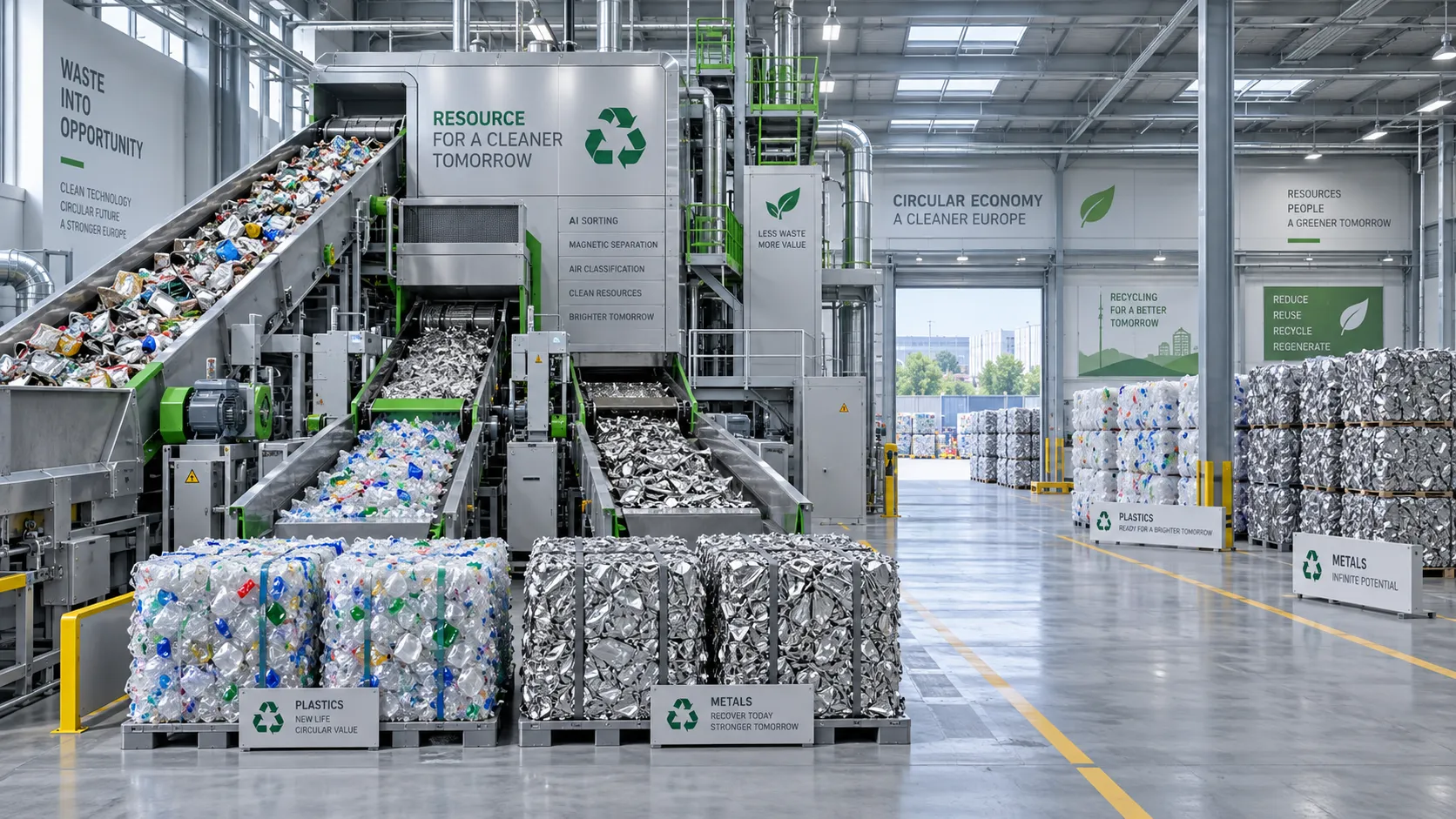
What determines payback for waste-to-resource systems in Europe?
Assess waste-to-resource systems Europe-wide: compare feedstock, recovery yields, costs and contracts to uncover payback drivers and make smarter investment decisions.
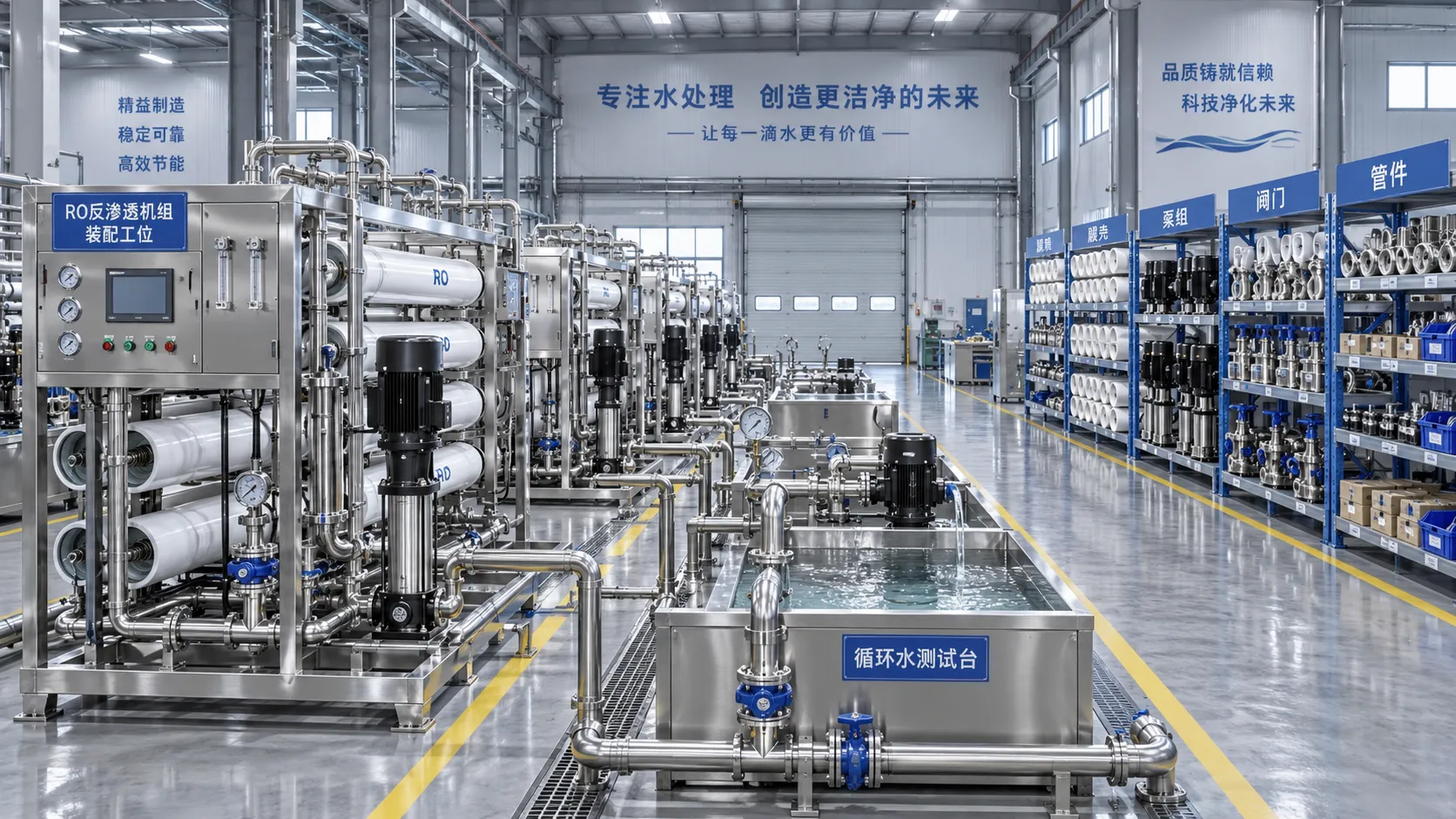
How to verify a water treatment system factory’s production capacity
Verify a water treatment systems factory’s production capacity through records, bottlenecks, component availability, and testing. Learn what to check before accepting a delivery promise.
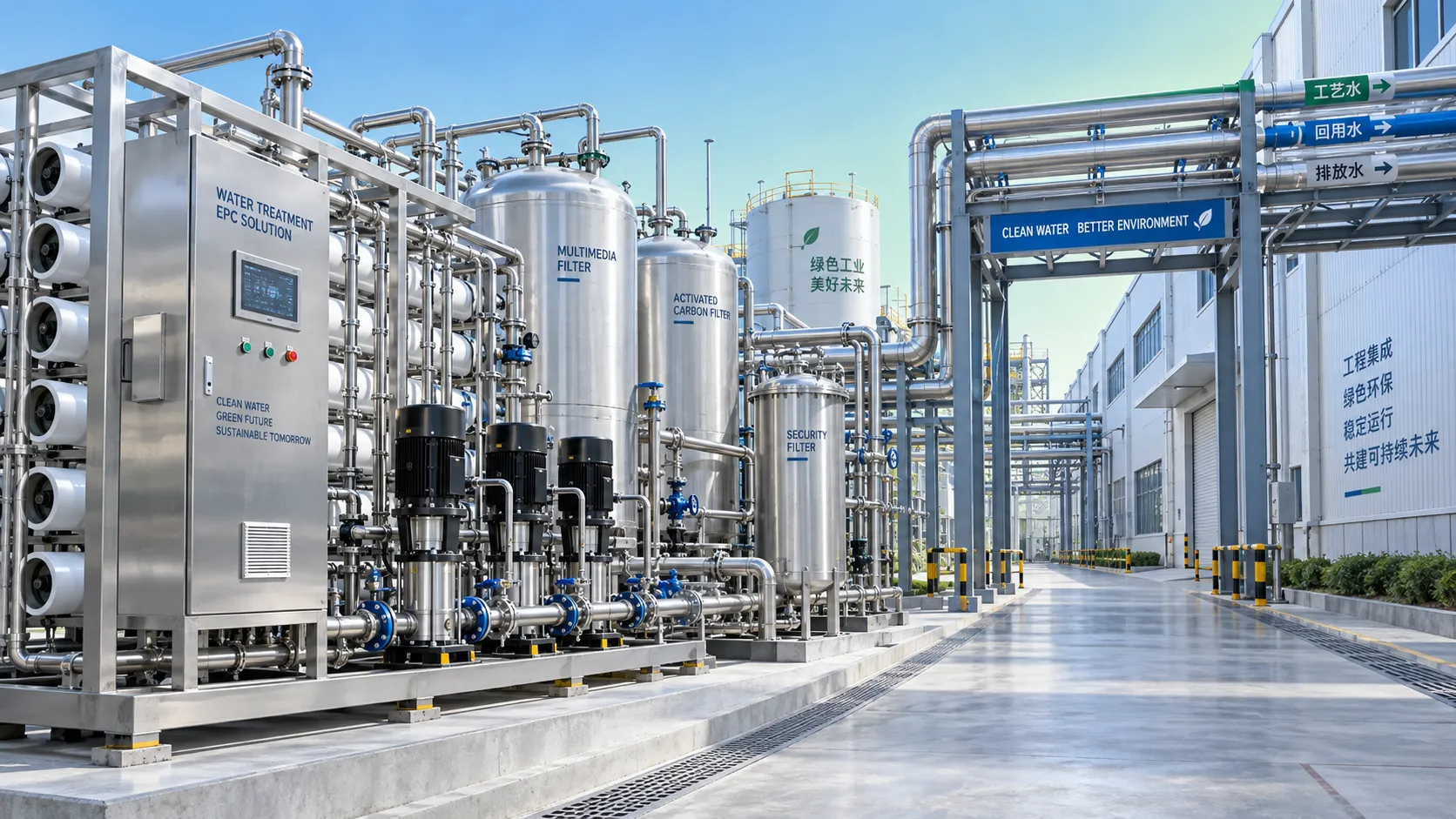
When does EPC environmental project support reduce delivery risk?
EPC environmental project support engineering reduces delivery risk by aligning design, procurement, compliance, construction, and commissioning decisions.
How nuclear plants select a radioactive waste solidification method
Radioactive waste management for nuclear plants: compare vitrification, cementation, polymers, and ceramics to select a compliant, durable solidification solution.
Comparing Upgrade Costs for Industrial Park Wastewater Treatment Systems
Compare costs for wastewater system upgrades in industrial parks with a lifecycle view of CAPEX, OPEX, compliance, resilience, and future expansion.
Biological Wastewater Oxidation Explained: Aeration Demand and Process Control
Biological wastewater oxidation explained: optimize aeration demand, DO control, nitrification, and sludge age for stable effluent quality and lower energy costs.
Activated Sludge Cost: Budgeting Energy, Chemicals, Sludge, and Labor
Activated sludge cost explained: compare energy, chemicals, sludge disposal, labor, and compliance risks to build a reliable lifecycle budget.
When Should Municipal Wastewater Plants Upgrade Treatment Capacity and Controls?
Municipal wastewater treatment upgrades: learn when capacity, controls, and resilient planning are needed to protect compliance and optimize plant performance.