
Industry News
Curation by industry experts
Hot Articles
Popular Tags
Carbon Neutrality Consulting Services: What Delays ROI Most?
For business evaluators, the biggest question about carbon neutrality consulting services is not whether decarbonization creates value, but what slows returns after the strategy is approved.
In capital-intensive environmental sectors, payback often stalls between ambition and execution.
Large water treatment, waste recovery, desalination, flue gas control, and nuclear waste systems face long asset cycles, strict compliance, and heavy data complexity.
That is why carbon neutrality consulting services must do more than publish targets.
They must shorten uncertainty, align technology with regulation, and turn carbon plans into measurable financial outcomes.
Carbon Neutrality Consulting Services in Practical Terms
Carbon neutrality consulting services help organizations identify, reduce, and compensate emissions across operations, assets, supply chains, and capital plans.
In comprehensive industrial settings, the work usually covers five linked tasks.
- Emissions accounting across Scope 1, Scope 2, and material Scope 3 sources
- Baseline validation using plant, energy, and process data
- Abatement pathway design based on technology, cost, and regulation
- CAPEX and OPEX modeling for phased implementation
- Disclosure and compliance support for investors, buyers, and authorities
Good carbon neutrality consulting services connect technical decarbonization with asset performance, bidding credibility, and future market access.
Weak consulting creates elegant reports but slow returns.
The true ROI question begins after approval, when assumptions meet engineering reality.
Why ROI Delays Are Common Across Environmental Infrastructure
Environmental infrastructure has a difficult investment profile.
Projects often require high upfront spending, long commissioning periods, and dependence on future regulation, tariffs, and carbon pricing.
This is especially visible in desalination, ZLD systems, flue gas retrofits, pyrolysis lines, and nuclear waste handling upgrades.
As a result, carbon neutrality consulting services must be built around decision speed, evidence quality, and execution discipline.
The Main Factors That Delay ROI Most
1. Fragmented emissions and operational data
The most common delay starts with data spread across meters, labs, ERP systems, contractors, and separate plant teams.
Without trusted baseline data, carbon neutrality consulting services cannot rank measures with confidence.
This leads to rework, disputed savings, and delayed financing decisions.
2. Compliance uncertainty across jurisdictions
Cross-border projects face moving standards, reporting rules, permit conditions, and carbon accounting boundaries.
When consulting teams do not translate regulation into clear investment triggers, projects wait.
The delay is not technical.
It is institutional.
3. Technology mismatch with site conditions
Some decarbonization technologies look strong in generic models but fail under real salinity loads, waste composition, flue gas chemistry, or radiation controls.
Carbon neutrality consulting services delay ROI when they recommend fashionable options instead of process-fit solutions.
4. CAPEX-heavy sequencing without quick wins
Many plans start with large retrofits and ignore low-cost operational measures.
That weakens early savings and extends internal skepticism.
A portfolio lacking quick wins almost always slows overall payback.
5. Weak implementation governance
Consulting recommendations often pass through engineering, procurement, compliance, operations, and finance.
If ownership is unclear, no one can protect timelines, validate savings, or manage change requests.
This is one of the most expensive hidden causes of delayed ROI.
Business Value of Faster, Better-Aligned Consulting
Effective carbon neutrality consulting services create value beyond emissions reduction.
They improve investment logic across the full environmental asset chain.
- Lower rework costs through stronger baseline accuracy
- Faster approvals through clearer regulatory interpretation
- Higher equipment utilization through process-specific technology choices
- Stronger bid competitiveness in public and EPC projects
- Better access to green finance, insurance confidence, and stakeholder trust
For intelligence-led platforms such as ESD, the strongest value comes from linking decarbonization analysis with engineering detail and policy evolution.
That connection reduces blind spots between strategy and equipment reality.
Typical Scenarios Where Payback Is Most Sensitive
Not every asset type experiences the same delay pattern.
Carbon neutrality consulting services should classify opportunities by technical risk, data maturity, and policy dependence.
Practical Measures to Reduce ROI Delay
Build one auditable carbon data backbone
Unify process, utility, production, and emissions data before ranking projects.
This single step often saves months.
Separate no-regret actions from policy-dependent bets
Operational efficiency, heat recovery, controls optimization, and leakage reduction usually move faster than large structural conversions.
Early wins strengthen funding confidence for later phases.
Use site-specific technology screening
Carbon neutrality consulting services should test technology against actual chemistry, temperature, load swings, residue handling, and maintenance capability.
This avoids elegant but impractical recommendations.
Model ROI under several market conditions
Base-case models are not enough.
Stress-test electricity prices, carbon costs, reagent costs, downtime, and financing rates.
Returns become more credible when downside cases are visible.
Assign implementation ownership early
Each initiative needs one accountable lead, one savings method, and one review rhythm.
Execution discipline is a financial tool, not just a project tool.
A More Reliable Next Step
The biggest delay to ROI is rarely decarbonization itself.
It is poor translation between carbon ambition, engineering evidence, and operating reality.
High-value carbon neutrality consulting services reduce that gap by combining verified data, regulatory clarity, and process-fit technology logic.
For organizations active in water treatment, resource recovery, flue gas control, desalination, and nuclear waste systems, this approach improves both timing and confidence.
Start with a structured review of current emissions data, asset constraints, policy exposure, and project sequencing.
That is usually the fastest way to identify what truly delays returns and what can accelerate them.
Recommended News
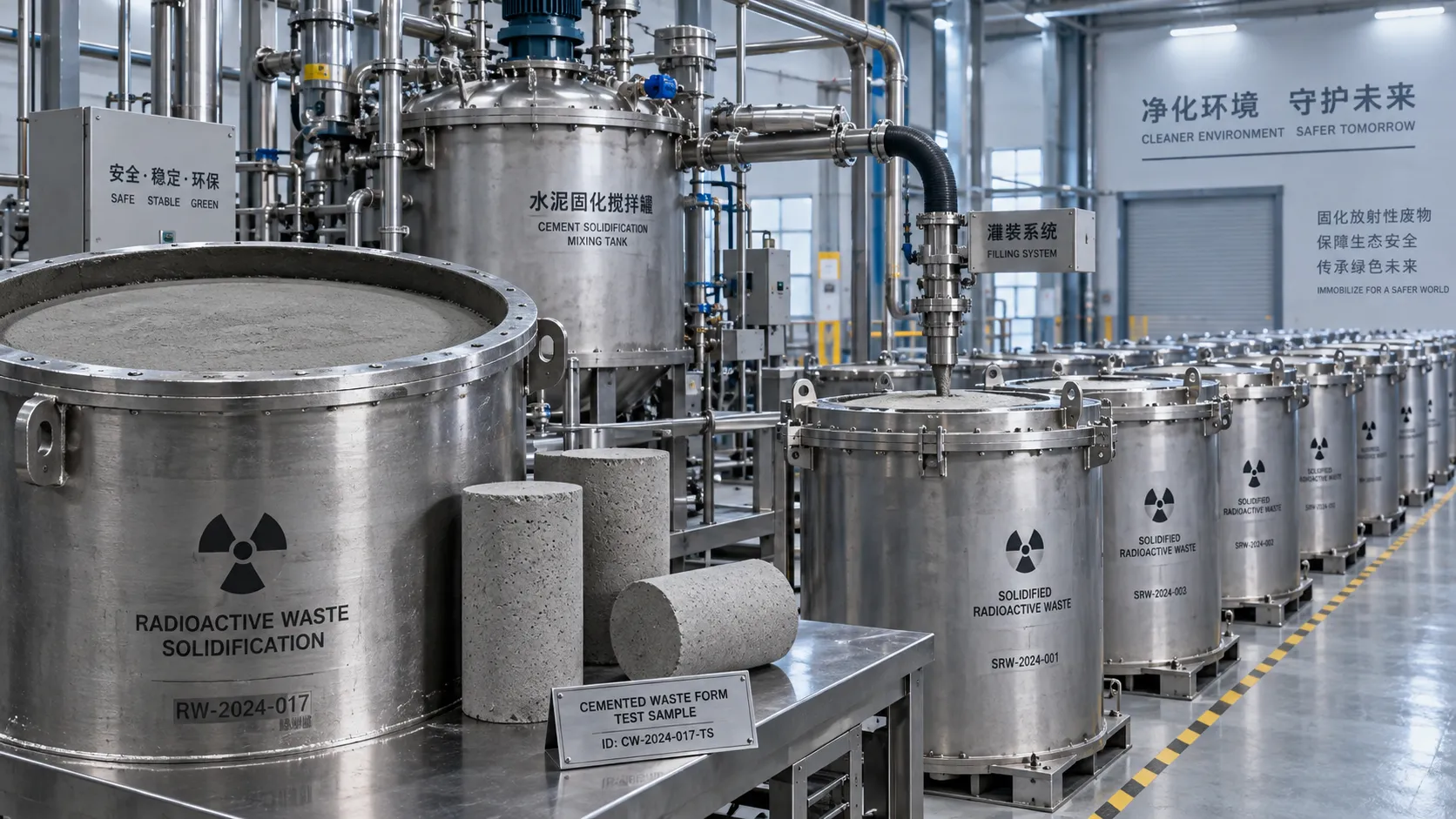
When is cementation suitable for nuclear decommissioning waste?
Explore nuclear waste treatment technology for decommissioning: learn when cementation fits, which risks to assess, and how disposal criteria guide an effective treatment choice.
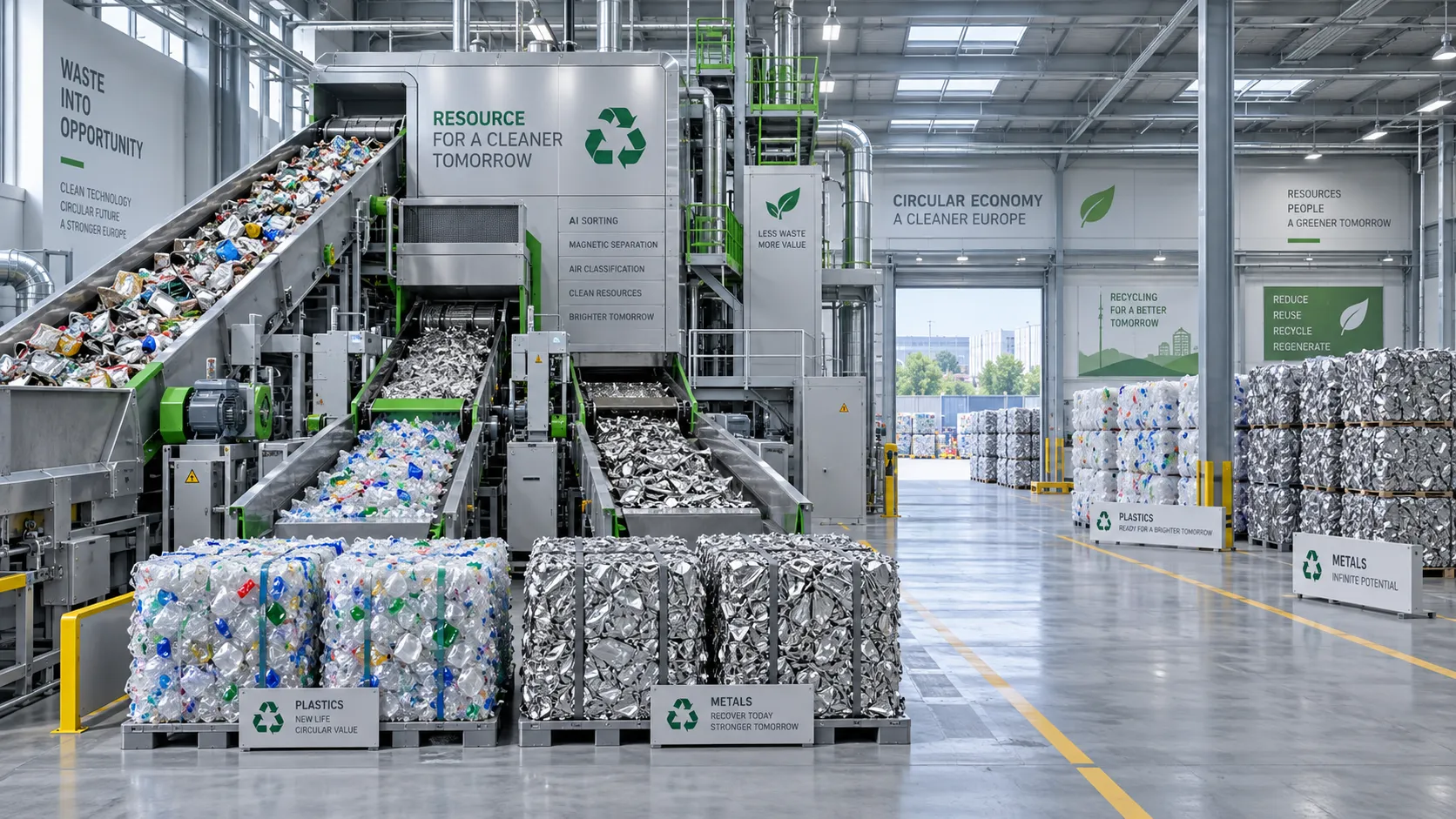
What determines payback for waste-to-resource systems in Europe?
Assess waste-to-resource systems Europe-wide: compare feedstock, recovery yields, costs and contracts to uncover payback drivers and make smarter investment decisions.
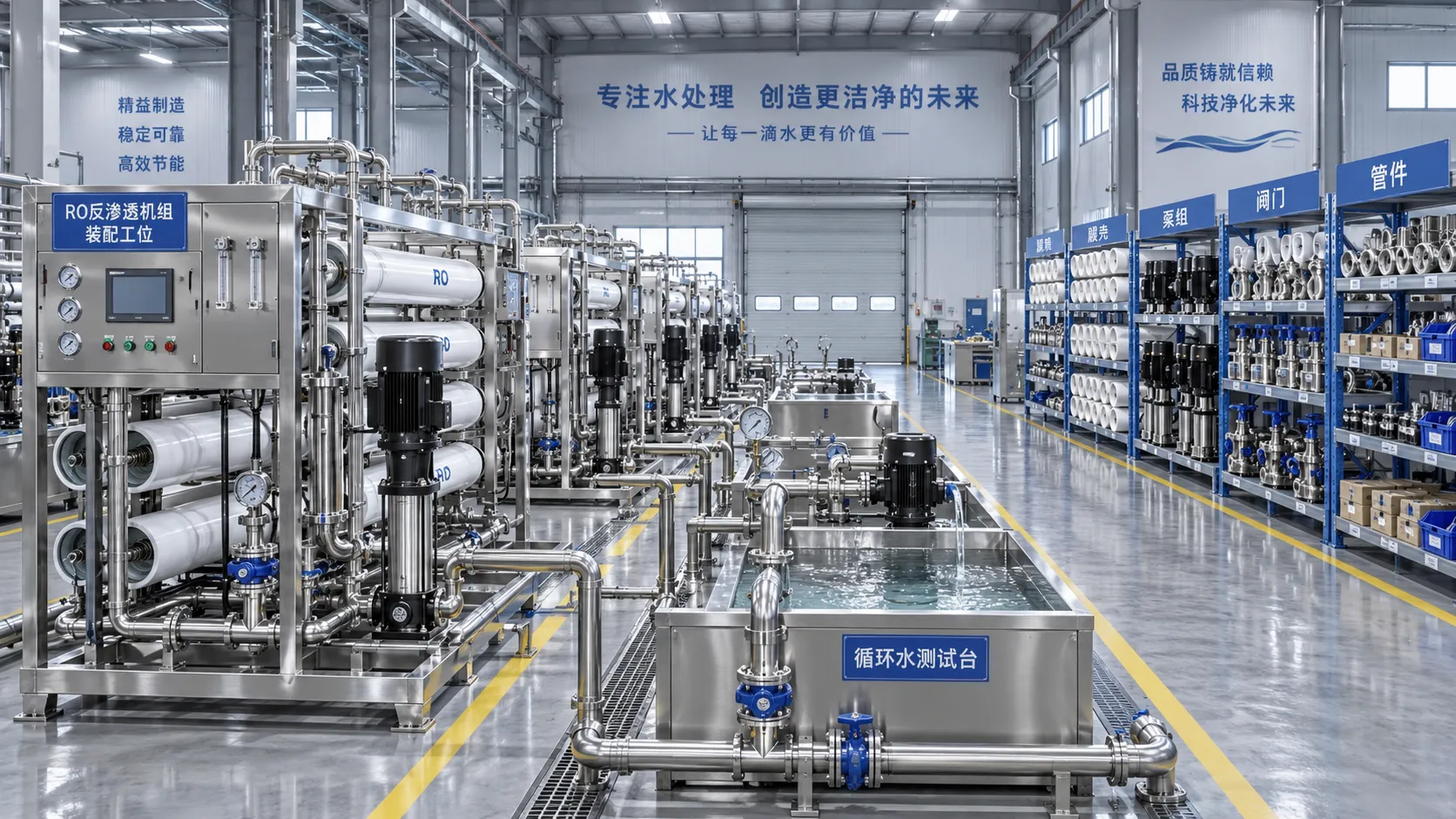
How to verify a water treatment system factory’s production capacity
Verify a water treatment systems factory’s production capacity through records, bottlenecks, component availability, and testing. Learn what to check before accepting a delivery promise.
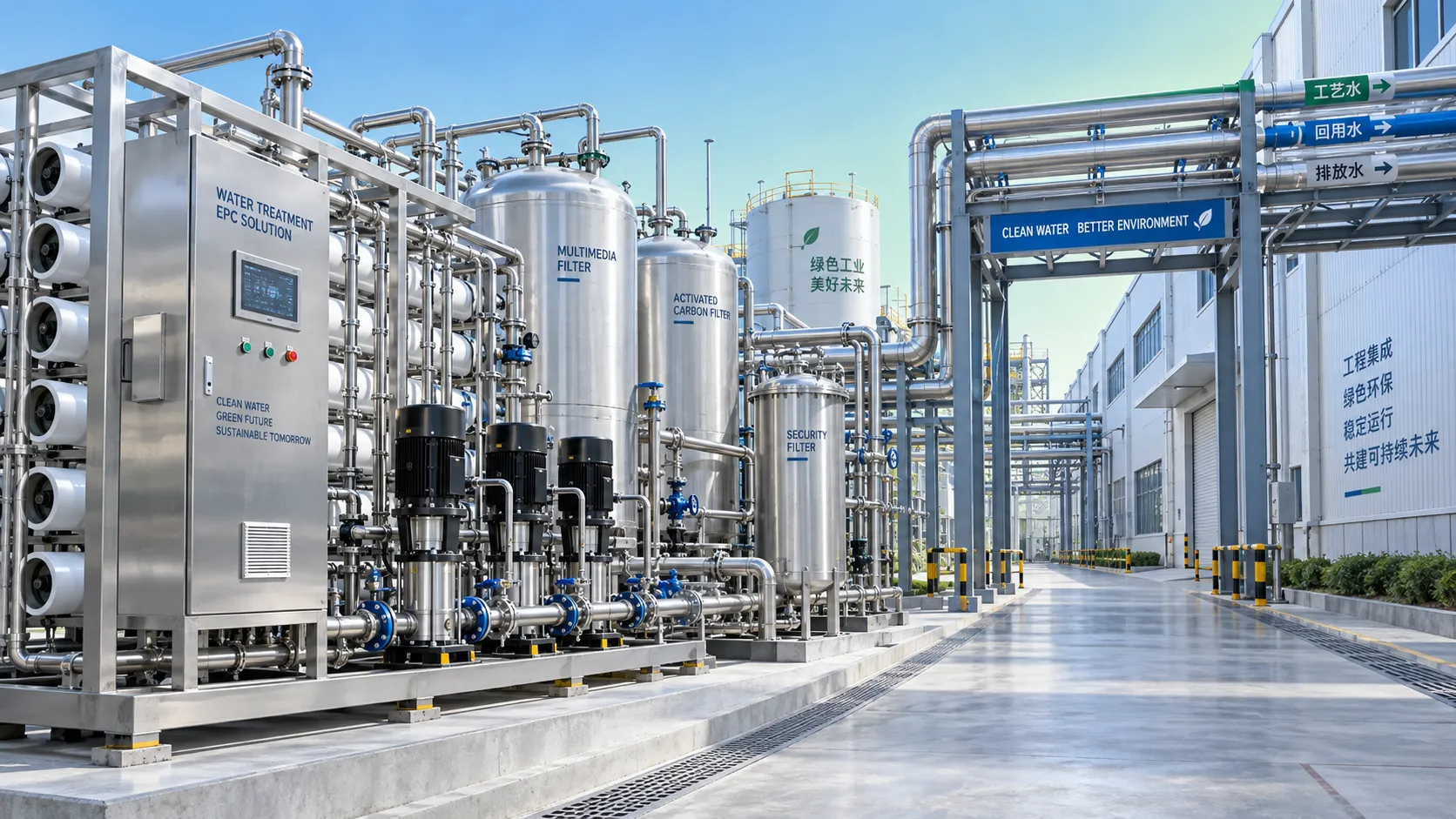
When does EPC environmental project support reduce delivery risk?
EPC environmental project support engineering reduces delivery risk by aligning design, procurement, compliance, construction, and commissioning decisions.
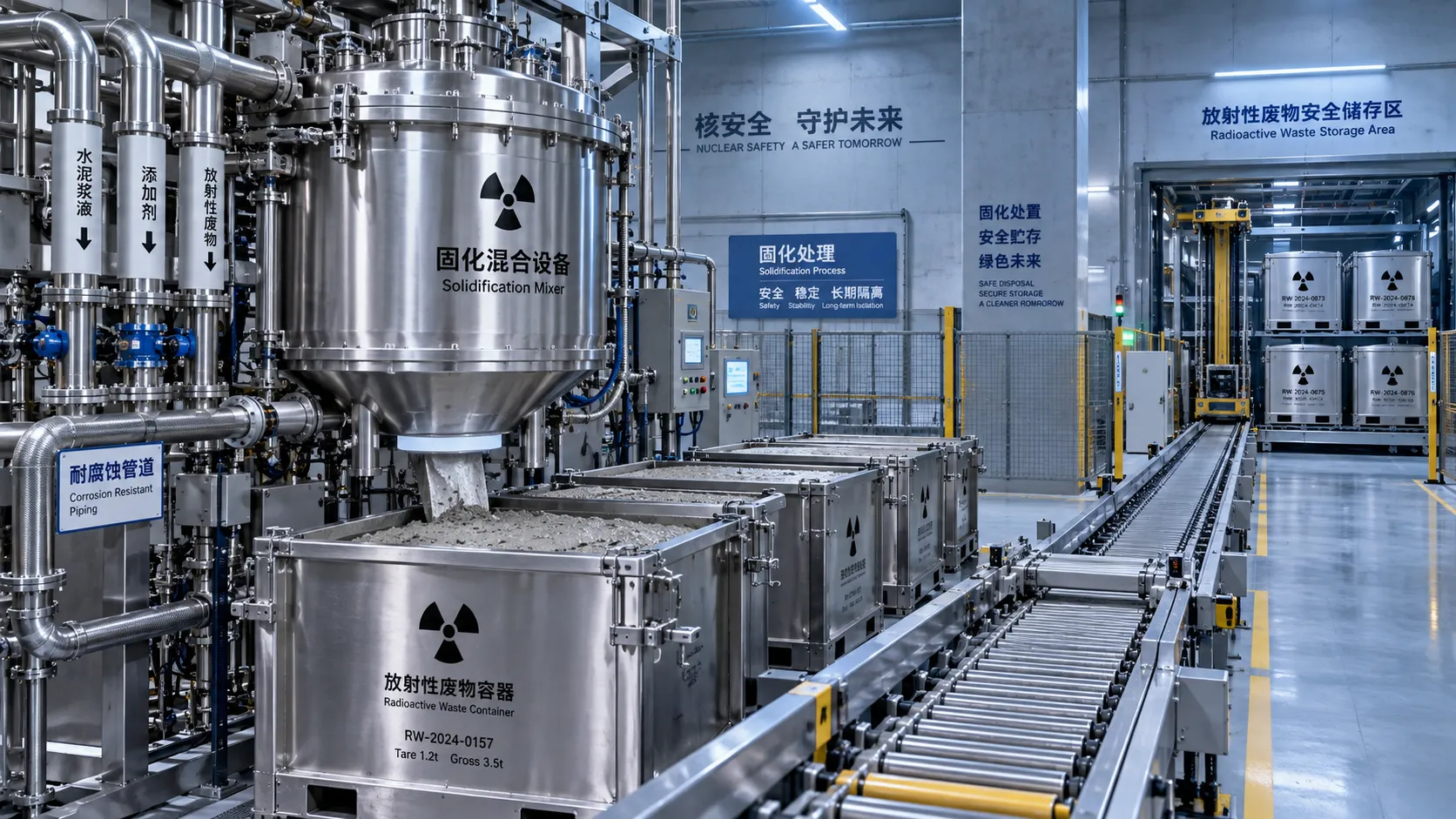
How nuclear plants select a radioactive waste solidification method
Radioactive waste management for nuclear plants: compare vitrification, cementation, polymers, and ceramics to select a compliant, durable solidification solution.
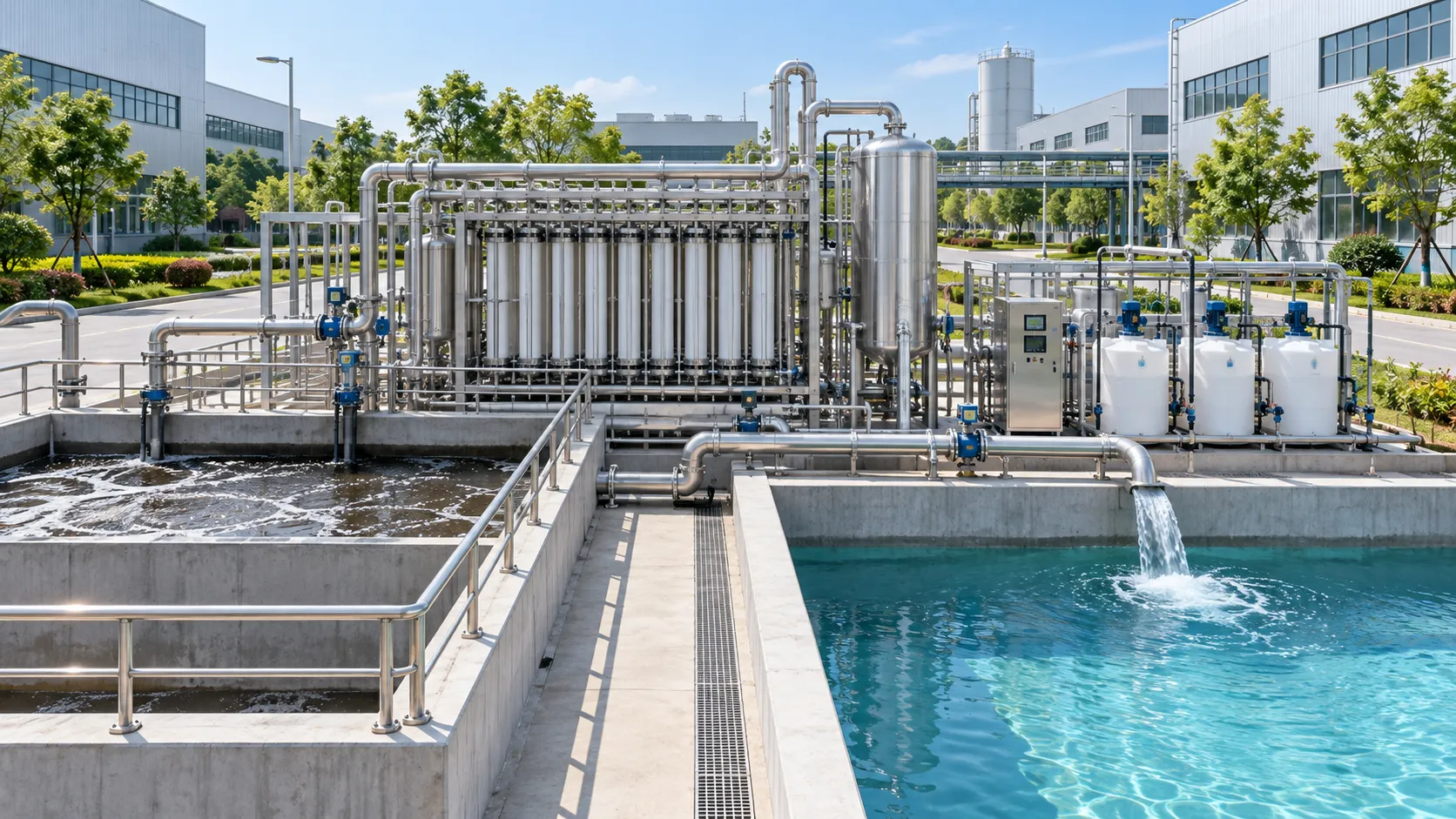
Comparing Upgrade Costs for Industrial Park Wastewater Treatment Systems
Compare costs for wastewater system upgrades in industrial parks with a lifecycle view of CAPEX, OPEX, compliance, resilience, and future expansion.
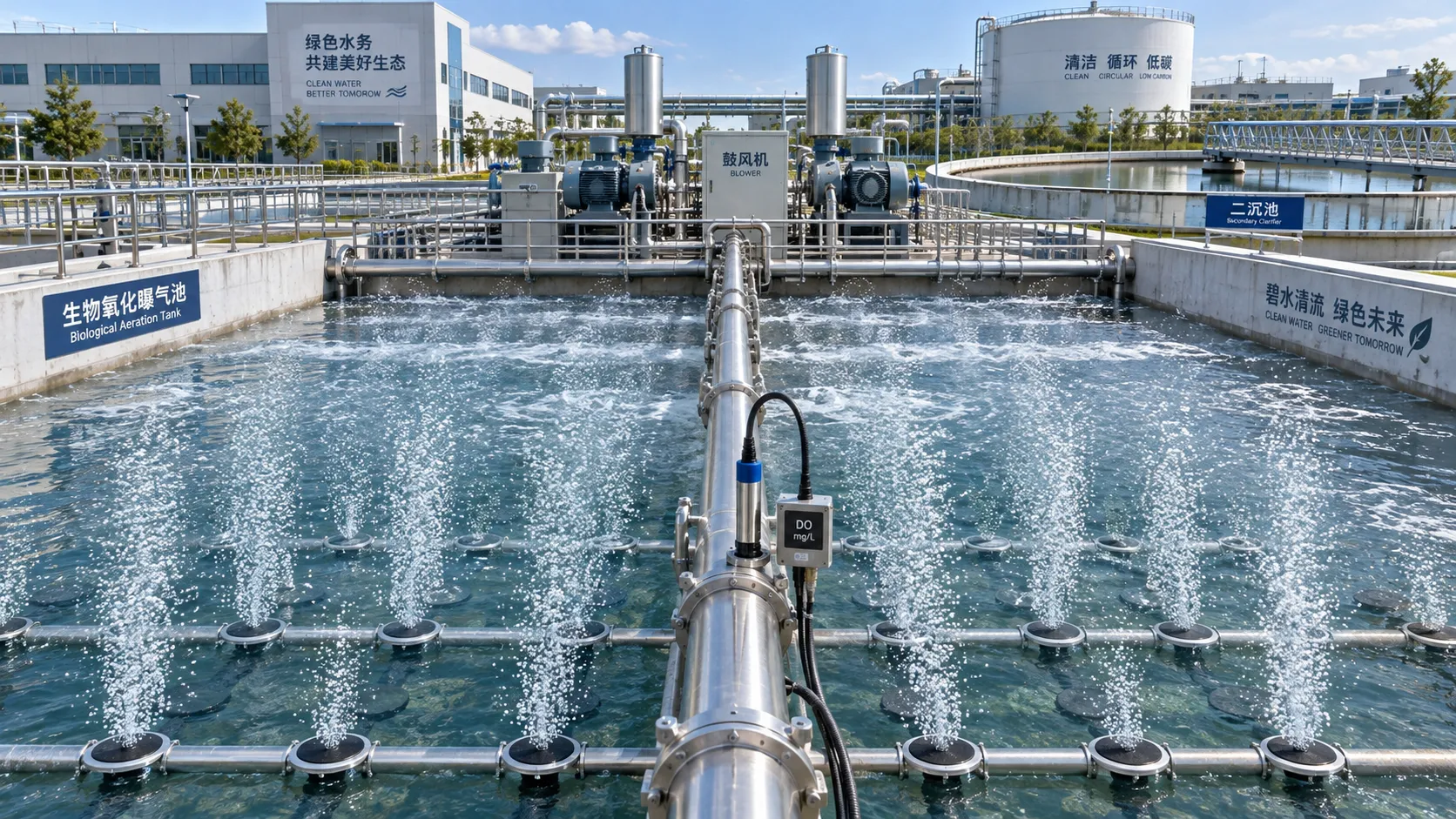
Biological Wastewater Oxidation Explained: Aeration Demand and Process Control
Biological wastewater oxidation explained: optimize aeration demand, DO control, nitrification, and sludge age for stable effluent quality and lower energy costs.
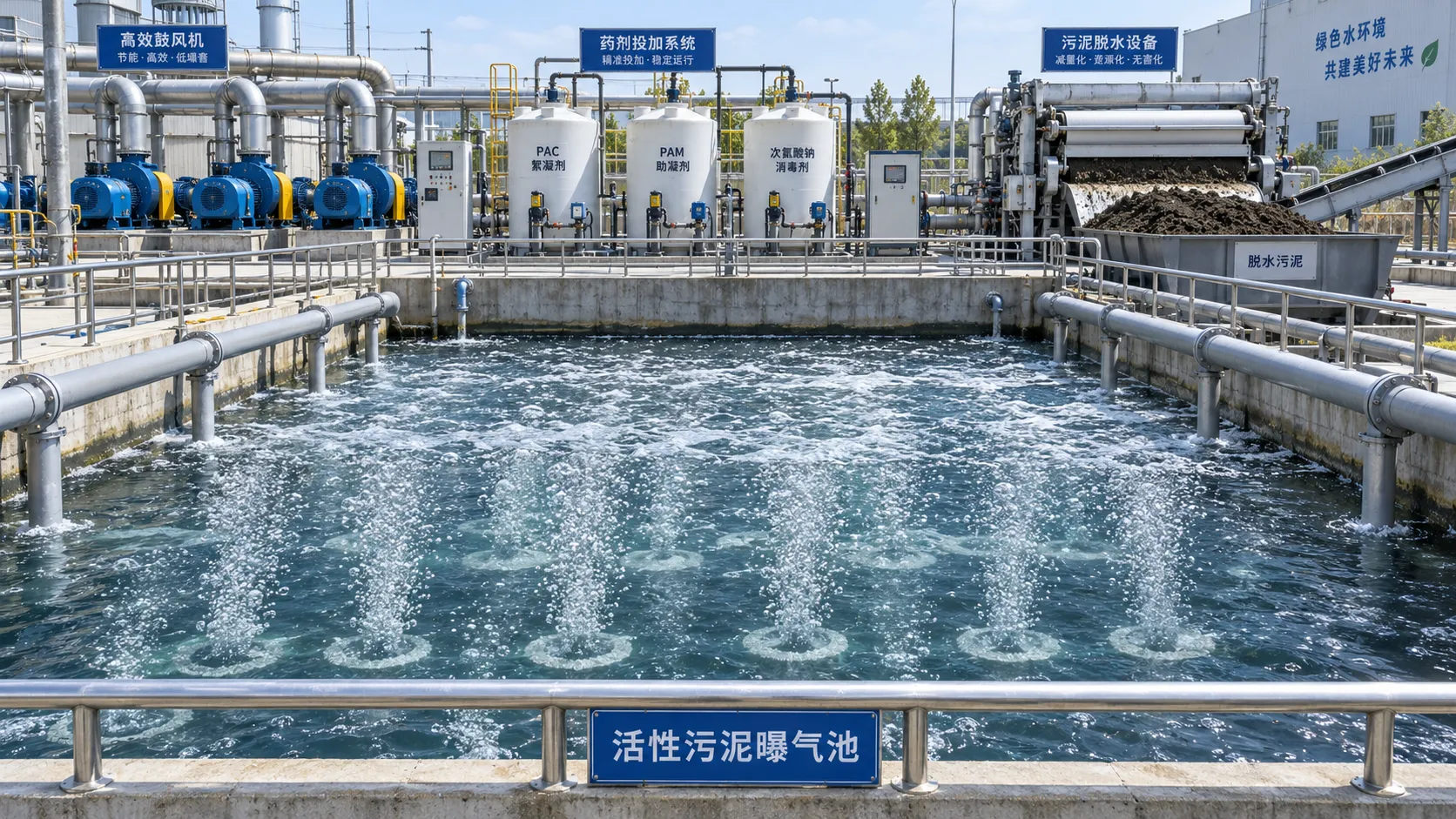
Activated Sludge Cost: Budgeting Energy, Chemicals, Sludge, and Labor
Activated sludge cost explained: compare energy, chemicals, sludge disposal, labor, and compliance risks to build a reliable lifecycle budget.
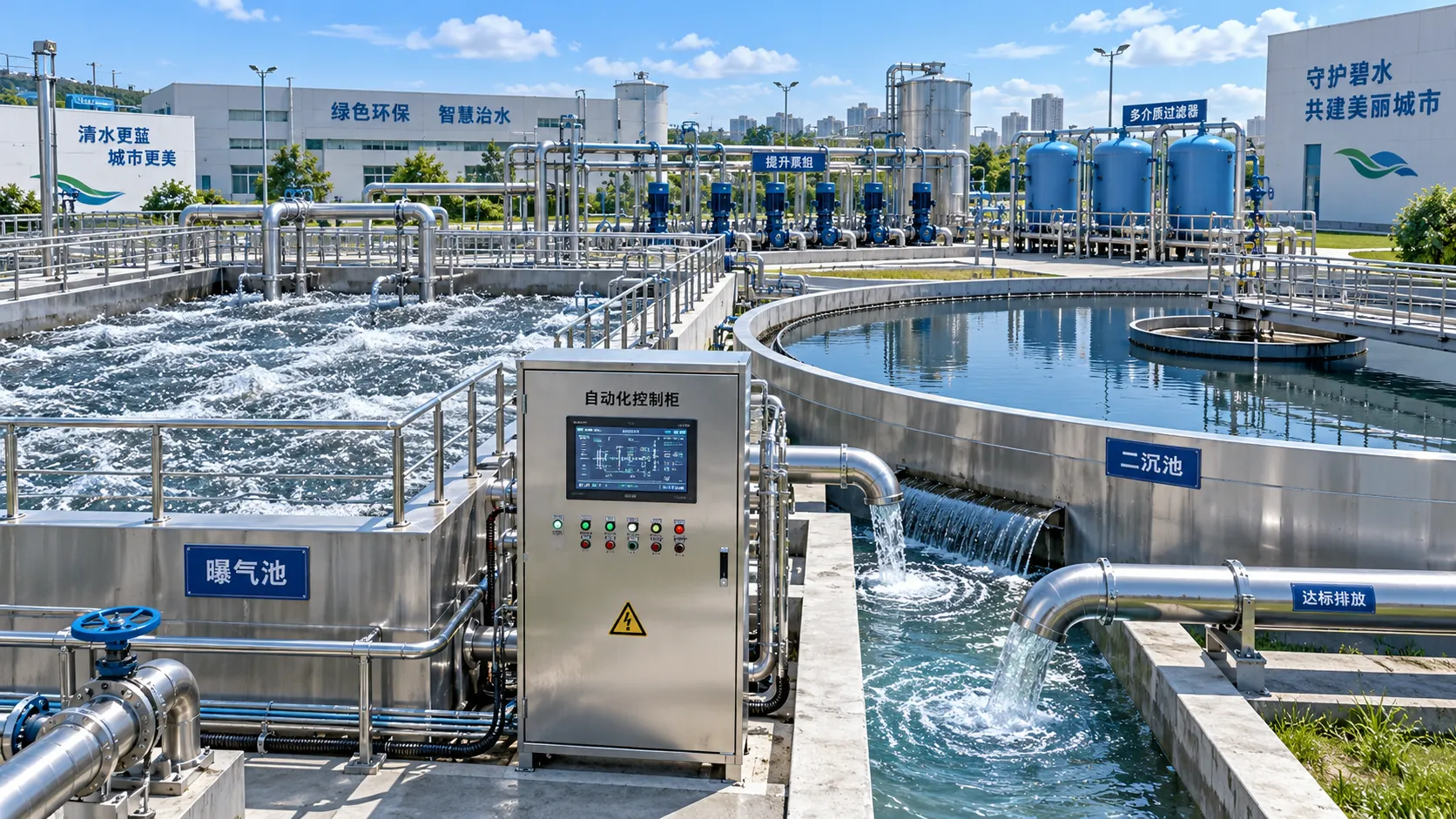
When Should Municipal Wastewater Plants Upgrade Treatment Capacity and Controls?
Municipal wastewater treatment upgrades: learn when capacity, controls, and resilient planning are needed to protect compliance and optimize plant performance.