
Industry News
Curation by industry experts
Hot Articles
Popular Tags
Sustainable Resource Management Policies and 2026 Investment Risk
Why sustainable resource management policies now shape 2026 investment decisions
For 2026 capital reviews, sustainable resource management policies have moved from policy notes into financial models, technical screening, and cross-border risk assessment.
In ecological infrastructure, regulation can alter operating permits, debt pricing, insurance terms, and residual asset value within one budget cycle.
That shift is especially visible in water treatment, desalination, waste recovery, flue gas control, and nuclear waste management.
For ESD, this is not only a compliance story. It is a decision story shaped by technology reliability, lifecycle economics, and tightening environmental accountability.
The practical question is simple: which project scenarios become safer, more expensive, or less bankable as sustainable resource management policies intensify in 2026?
How to judge policy exposure across different infrastructure scenarios
Not every asset faces the same pressure. Sustainable resource management policies affect projects differently depending on feedstock complexity, discharge profile, energy intensity, and public scrutiny.
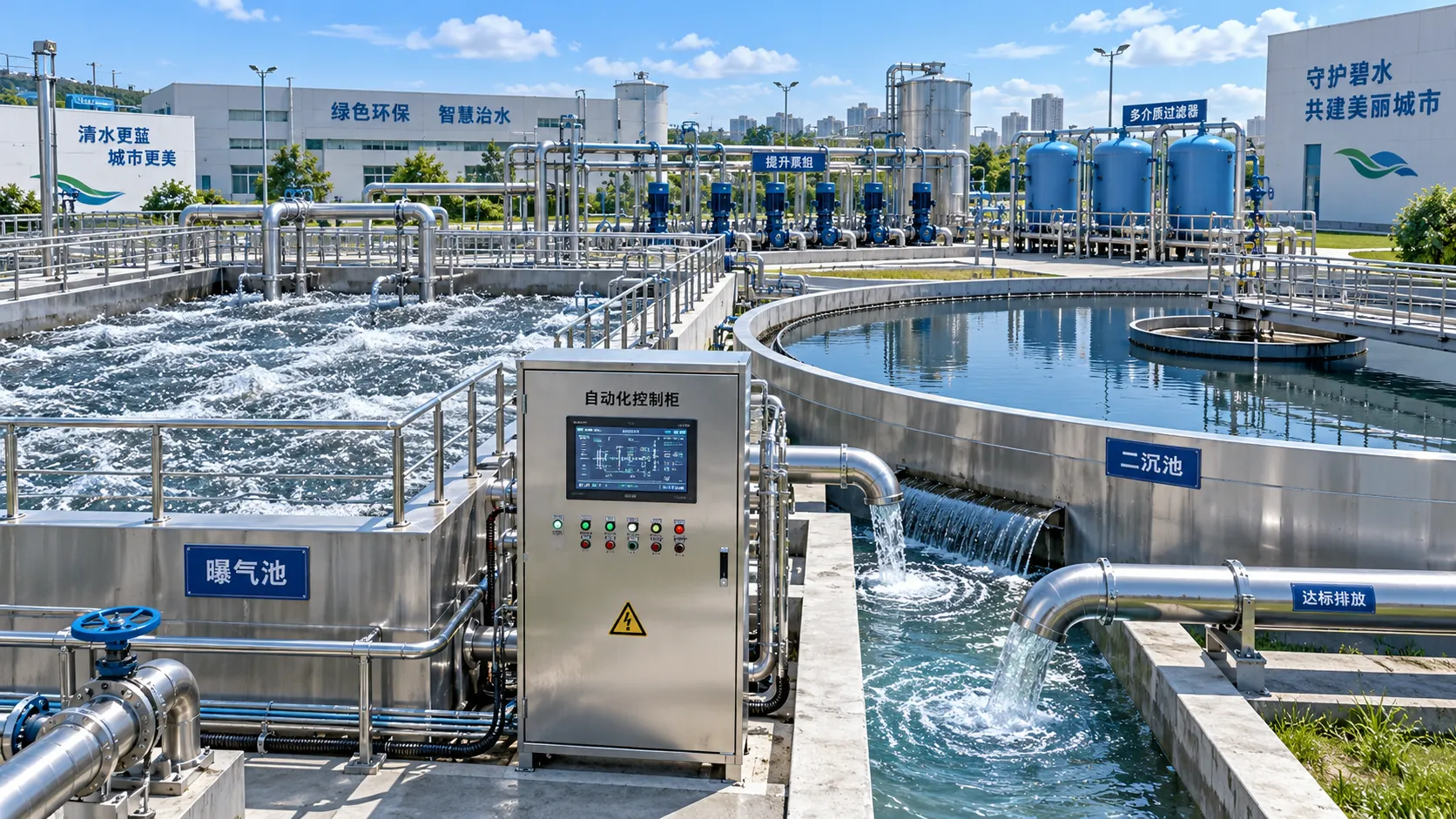
A municipal wastewater plant faces tariff and sludge rules. A desalination facility faces brine restrictions and power cost sensitivity. A nuclear waste project faces long-duration safety obligations.
This means exposure should be judged by scenario, not by sector label alone.
- Policy-driven capex risk: redesigns, retrofits, or new control systems.
- Operational risk: permit delays, shutdowns, or higher treatment intensity.
- Revenue risk: weaker offtake certainty or tariff renegotiation.
- Financing risk: stricter lender covenants and ESG-linked pricing.
A sound review of sustainable resource management policies should connect all four dimensions before investment approval.
Scenario 1: Water treatment projects under tighter discharge and reuse rules
Large water treatment plants are entering a phase where stricter discharge standards can quickly convert ordinary upgrades into major capital programs.
Industrial wastewater assets are more exposed when influent quality is volatile, salt loads are high, or ZLD targets become mandatory.
Under stronger sustainable resource management policies, investors should test whether membrane fouling, concentrate handling, and sludge disposal assumptions still hold.
The core judgment point is not headline capacity. It is whether treatment performance remains stable under tighter permits and rising energy costs.
Key signals in this scenario
- Reuse mandates increasing tertiary treatment demand.
- PFAS, heavy metals, and micropollutant controls raising analytical burden.
- Stricter sludge transport and disposal requirements.
- Penalty frameworks tied to real-time compliance data.
Scenario 2: Desalination assets facing energy, brine, and resilience pressure
Desalination is gaining strategic value, yet sustainable resource management policies can make project economics more fragile than headline demand suggests.
A plant may look attractive in water-scarce regions, but brine discharge rules, carbon costs, and power reliability can materially shift returns.
In 2026, project resilience matters as much as capacity expansion. Intake quality, membrane replacement cycles, and grid emissions intensity now affect financing confidence.
When sustainable resource management policies become tighter, the stronger assets are those with energy recovery systems, robust pretreatment, and credible marine impact controls.
Scenario 3: Waste recovery systems where circularity rules change asset value
Solid waste recovery is increasingly shaped by circular economy laws, landfill diversion targets, and traceability requirements.
That makes sustainable resource management policies a direct factor in sorting line utilization, recovered material quality, and downstream sales certainty.
Pyrolysis, AI sorting, and urban mine recovery can benefit from policy support, but only if feedstock consistency and output compliance are proven.
The main judgment point is whether a project produces marketable secondary resources under tightening contamination thresholds and reporting obligations.
What deserves closer review
- Source separation quality versus equipment design assumptions.
- End-market dependence for recycled polymers or recovered metals.
- Emissions controls for thermal treatment routes.
- Digital traceability needed for compliance and buyer confidence.
Scenario 4: Nuclear waste management where long-tail policy risk dominates
Nuclear waste management has the longest risk horizon among ecological infrastructure assets.
Here, sustainable resource management policies extend beyond operating permits into storage integrity, transport rules, vitrification standards, and intergenerational liability.
A technically advanced project may still face elevated risk if public governance, institutional continuity, or repository policy remains uncertain.
This scenario rewards conservative assumptions. Reliability, containment verification, and regulatory endurance matter more than short-term throughput metrics.
Where scenario needs differ most under sustainable resource management policies
Practical fit recommendations for 2026 screening
A useful response to sustainable resource management policies is to convert macro regulation into scenario-based diligence steps.
- Stress-test compliance costs under stricter standards, not current permits.
- Review technology reliability using real operating data, not pilot claims.
- Map cross-border exposure to CBAM, waste shipment rules, and local content demands.
- Examine consumables, membranes, catalysts, and disposal pathways for supply bottlenecks.
- Model downside cases for delayed permits, lower utilization, and rising energy intensity.
These steps make sustainable resource management policies measurable rather than abstract.
Common misjudgments when reading policy-driven ecological infrastructure risk
One frequent error is treating all green infrastructure as equally protected from downside. Policy support can coexist with difficult economics.
Another error is focusing only on headline regulation while ignoring technical failure modes. A stricter rule is manageable only if the process can repeatably meet it.
A third mistake is underestimating interface risk. Water, waste, energy, and emissions rules increasingly overlap under sustainable resource management policies.
Finally, many reviews miss timing risk. A project can be viable in principle yet vulnerable if policy change arrives before retrofit or tariff adjustment.
The next action: build a scenario-led risk map before capital approval
The strongest 2026 approach is a scenario-led risk map covering water treatment, desalination, waste recovery, flue gas systems, and nuclear waste control.
Each asset should be rated against policy intensity, technical reliability, environmental compliance depth, and cross-border exposure.
For ESD-focused intelligence, sustainable resource management policies are most valuable when linked to equipment behavior, process stability, and project bankability.
That is the practical path to reducing 2026 investment risk: judge policy through operating reality, not slogans.
When sustainable resource management policies are translated into scenario checks, capital decisions become clearer, faster, and better protected against ecological infrastructure volatility.
Recommended News
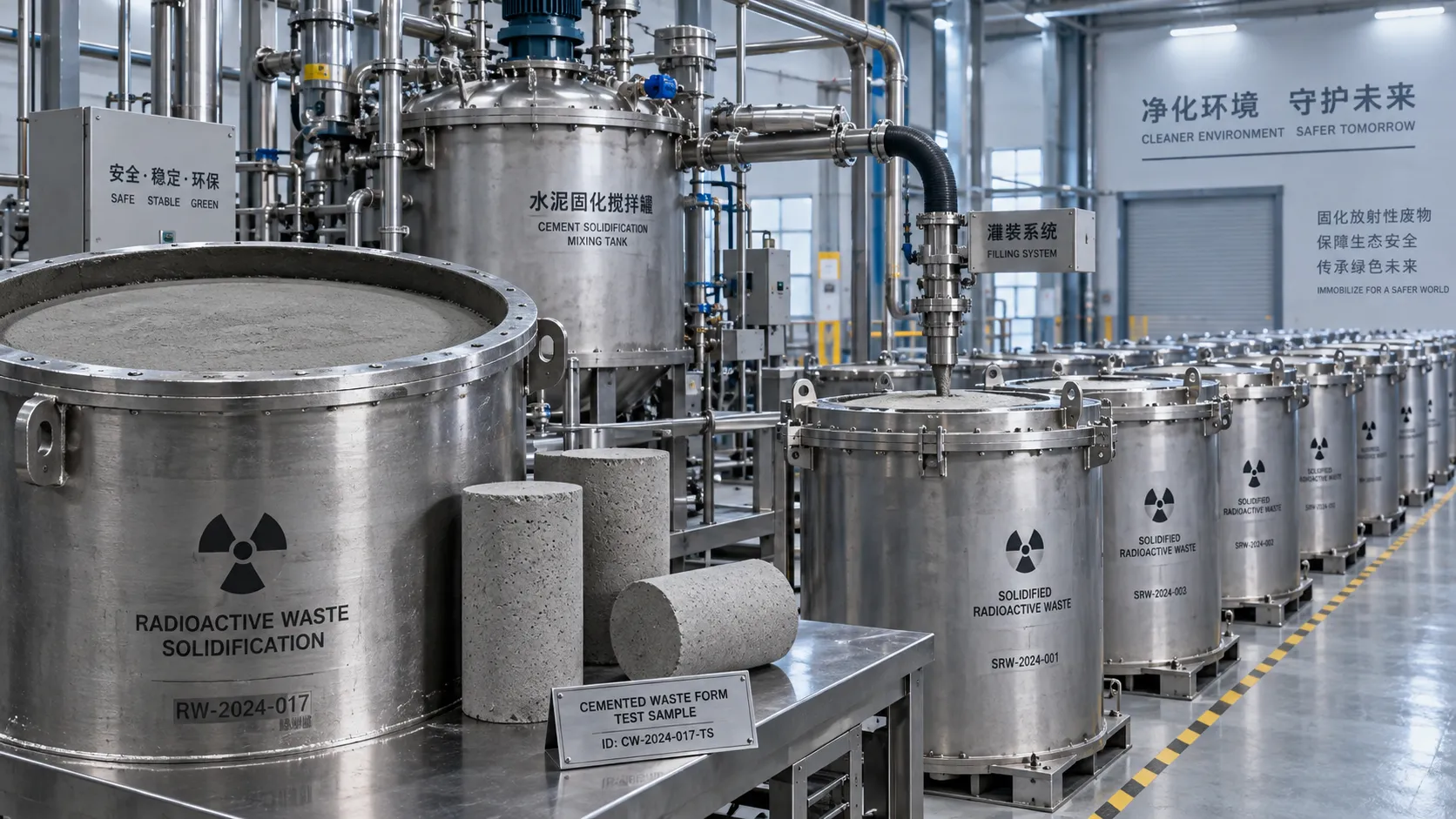
When is cementation suitable for nuclear decommissioning waste?
Explore nuclear waste treatment technology for decommissioning: learn when cementation fits, which risks to assess, and how disposal criteria guide an effective treatment choice.
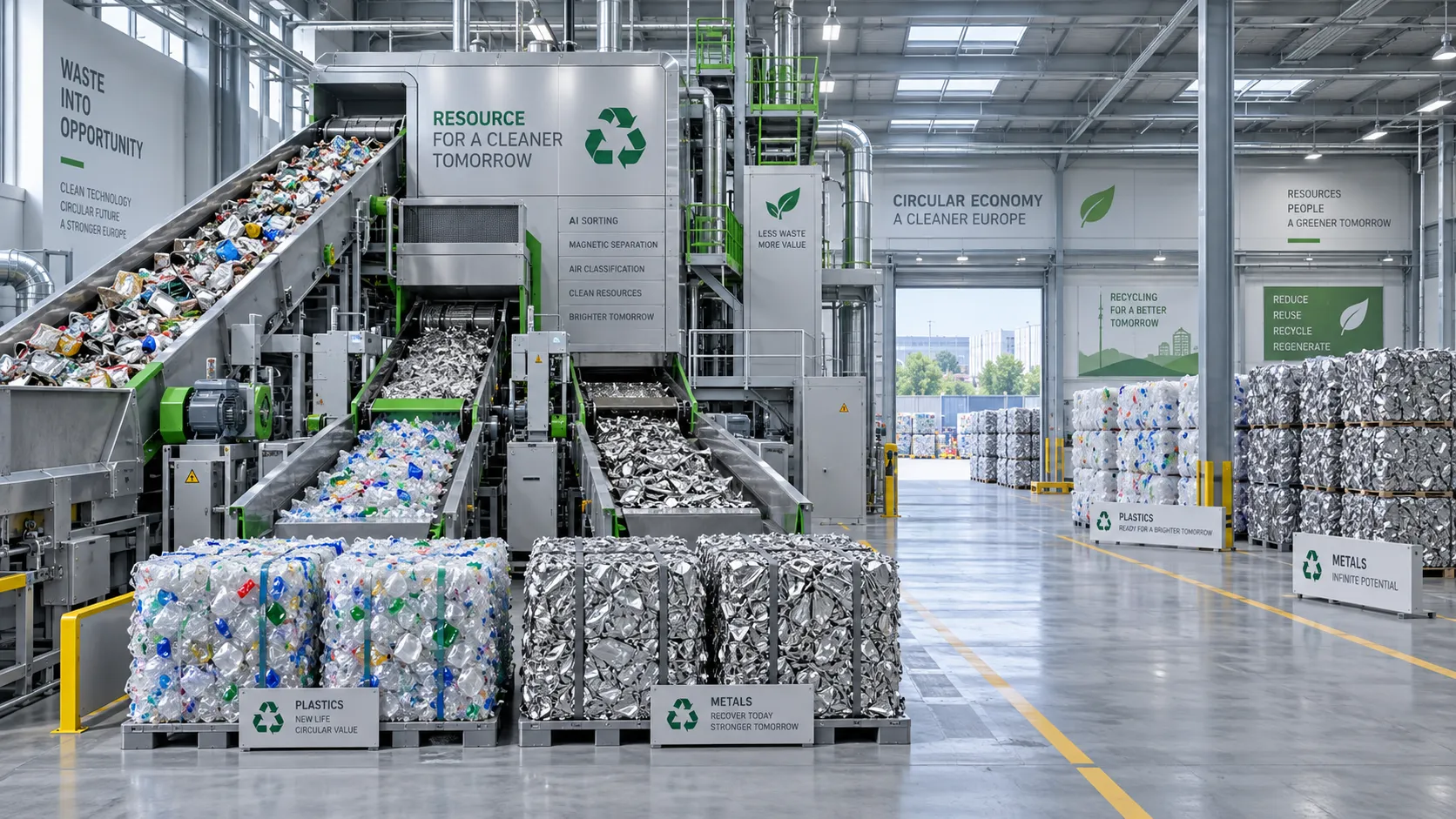
What determines payback for waste-to-resource systems in Europe?
Assess waste-to-resource systems Europe-wide: compare feedstock, recovery yields, costs and contracts to uncover payback drivers and make smarter investment decisions.
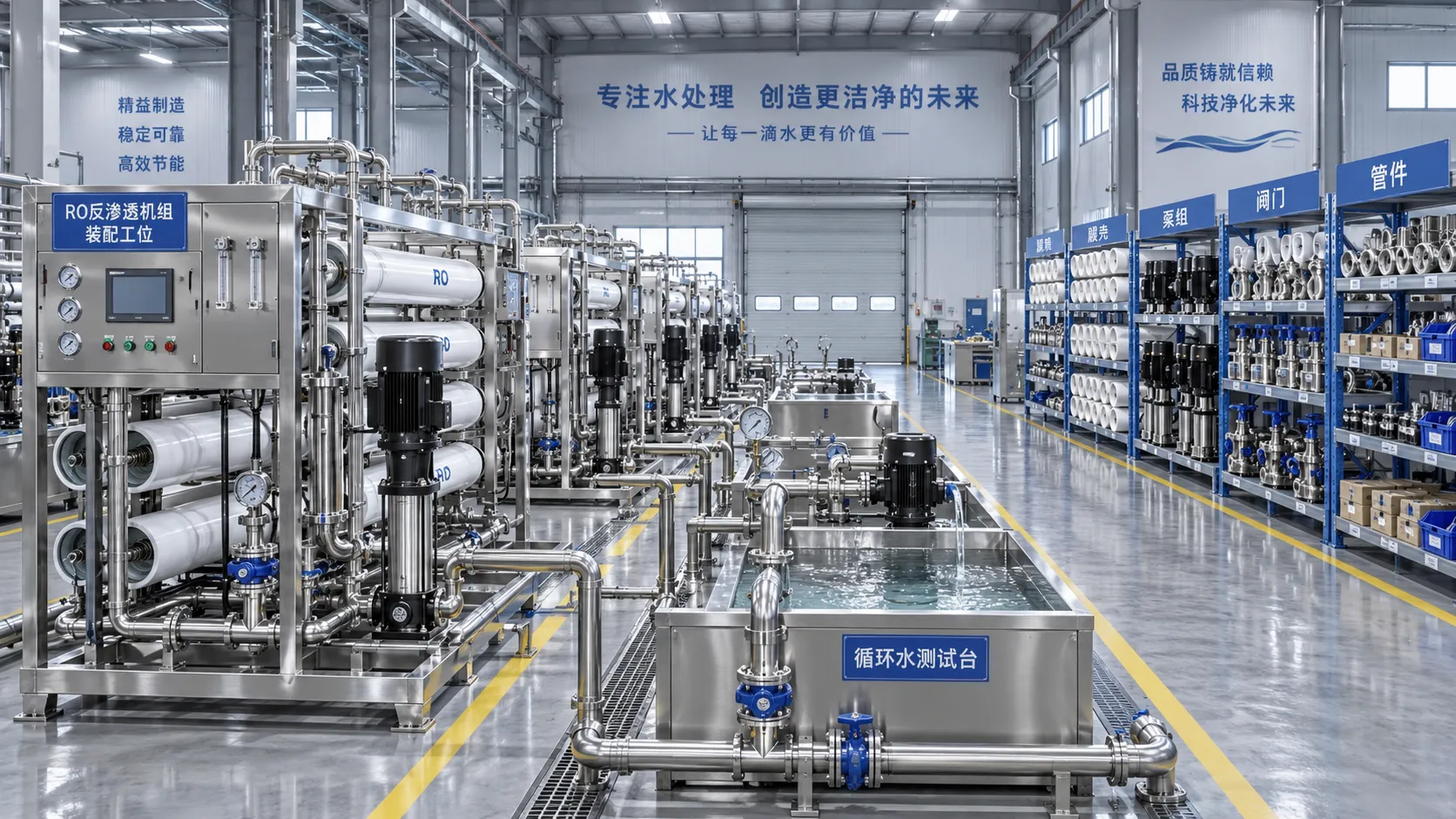
How to verify a water treatment system factory’s production capacity
Verify a water treatment systems factory’s production capacity through records, bottlenecks, component availability, and testing. Learn what to check before accepting a delivery promise.
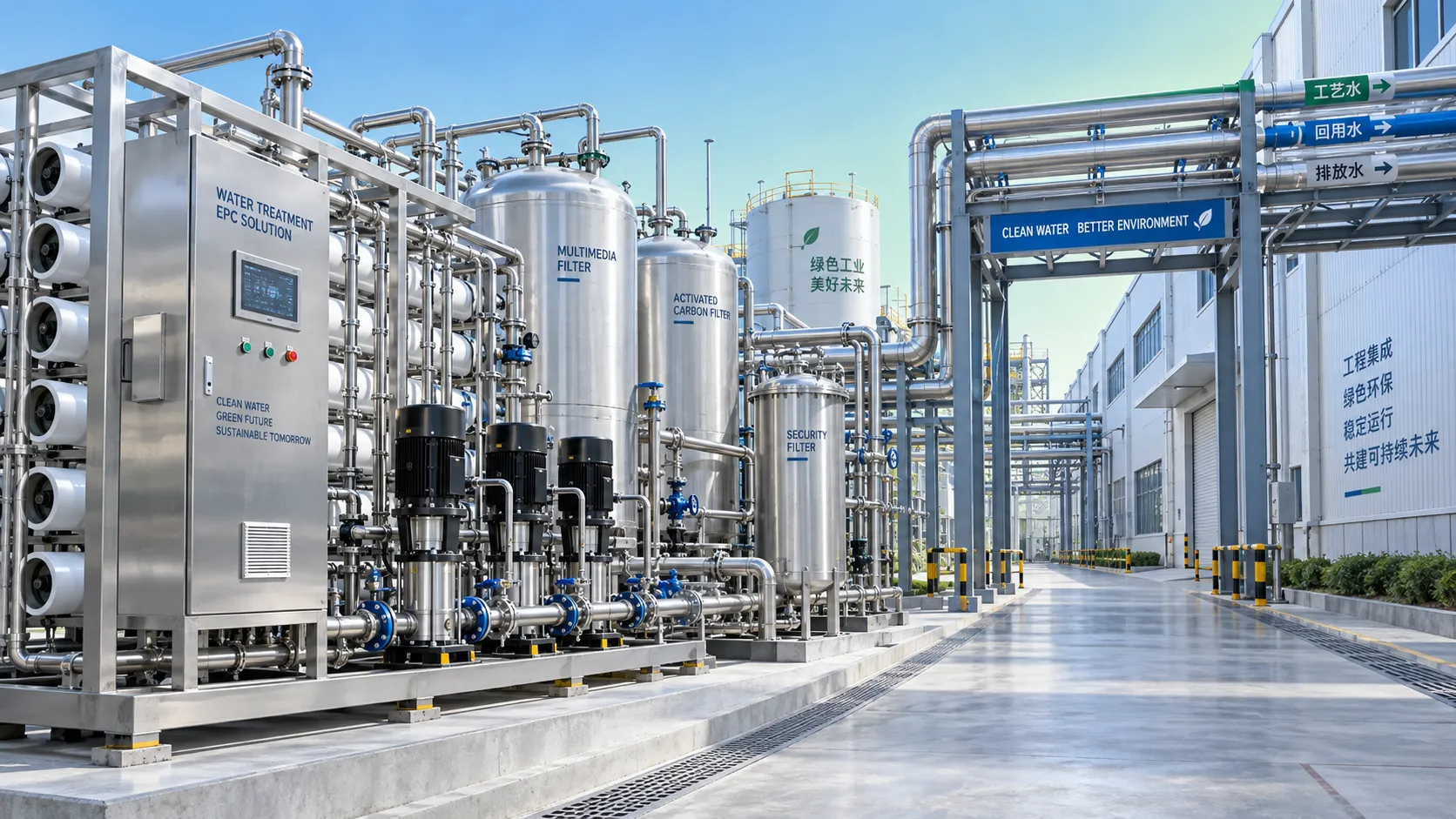
When does EPC environmental project support reduce delivery risk?
EPC environmental project support engineering reduces delivery risk by aligning design, procurement, compliance, construction, and commissioning decisions.
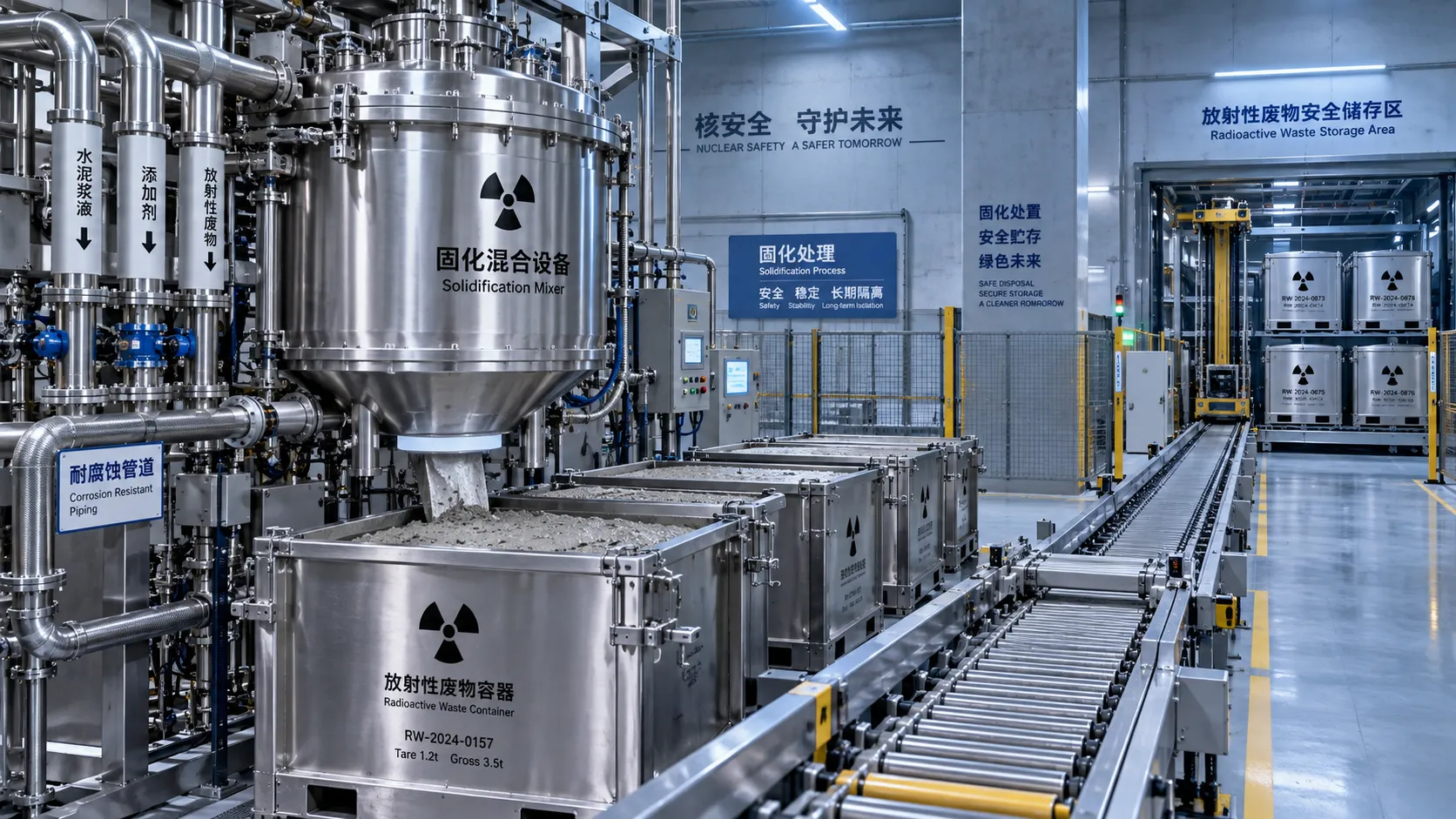
How nuclear plants select a radioactive waste solidification method
Radioactive waste management for nuclear plants: compare vitrification, cementation, polymers, and ceramics to select a compliant, durable solidification solution.
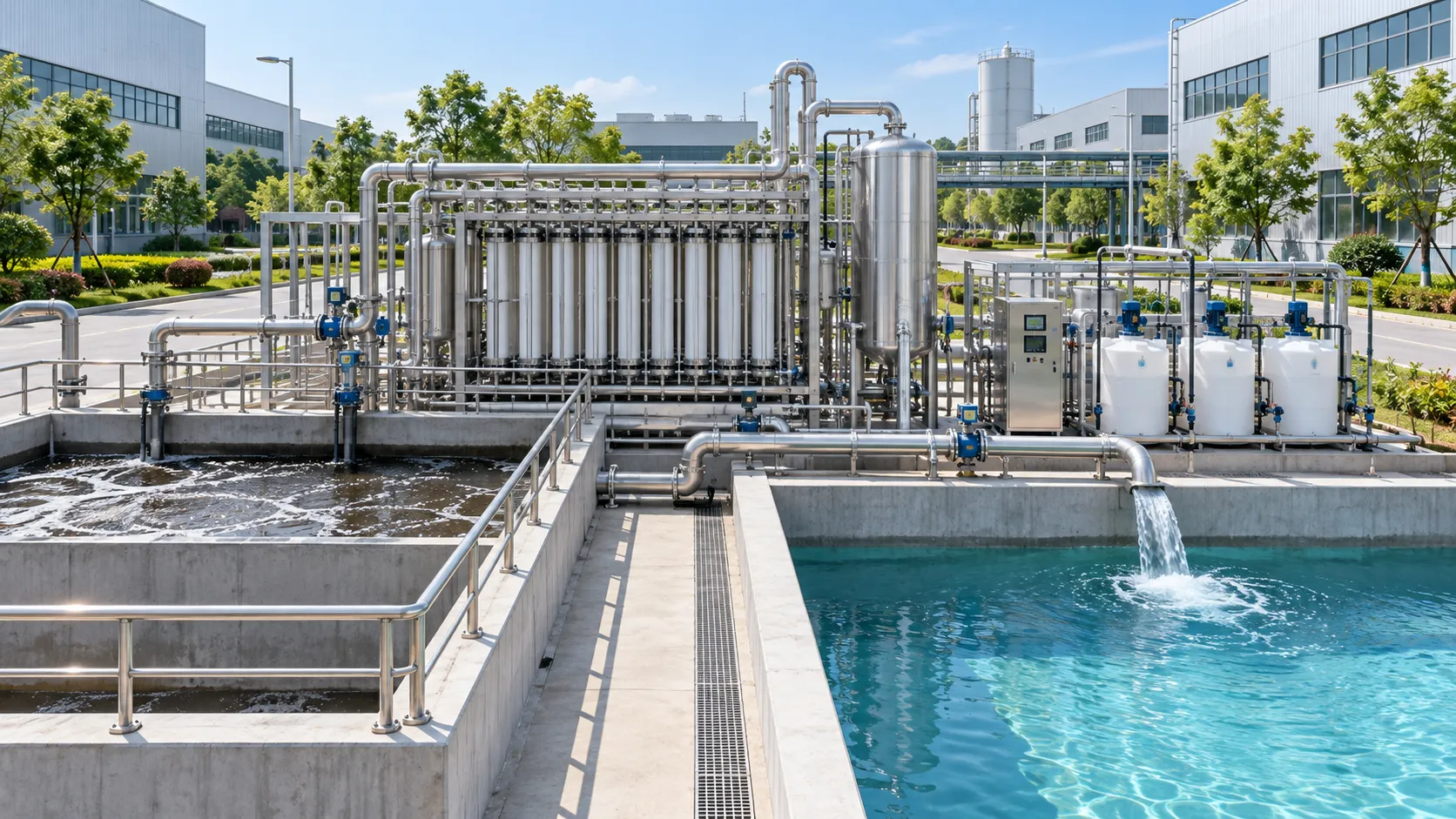
Comparing Upgrade Costs for Industrial Park Wastewater Treatment Systems
Compare costs for wastewater system upgrades in industrial parks with a lifecycle view of CAPEX, OPEX, compliance, resilience, and future expansion.
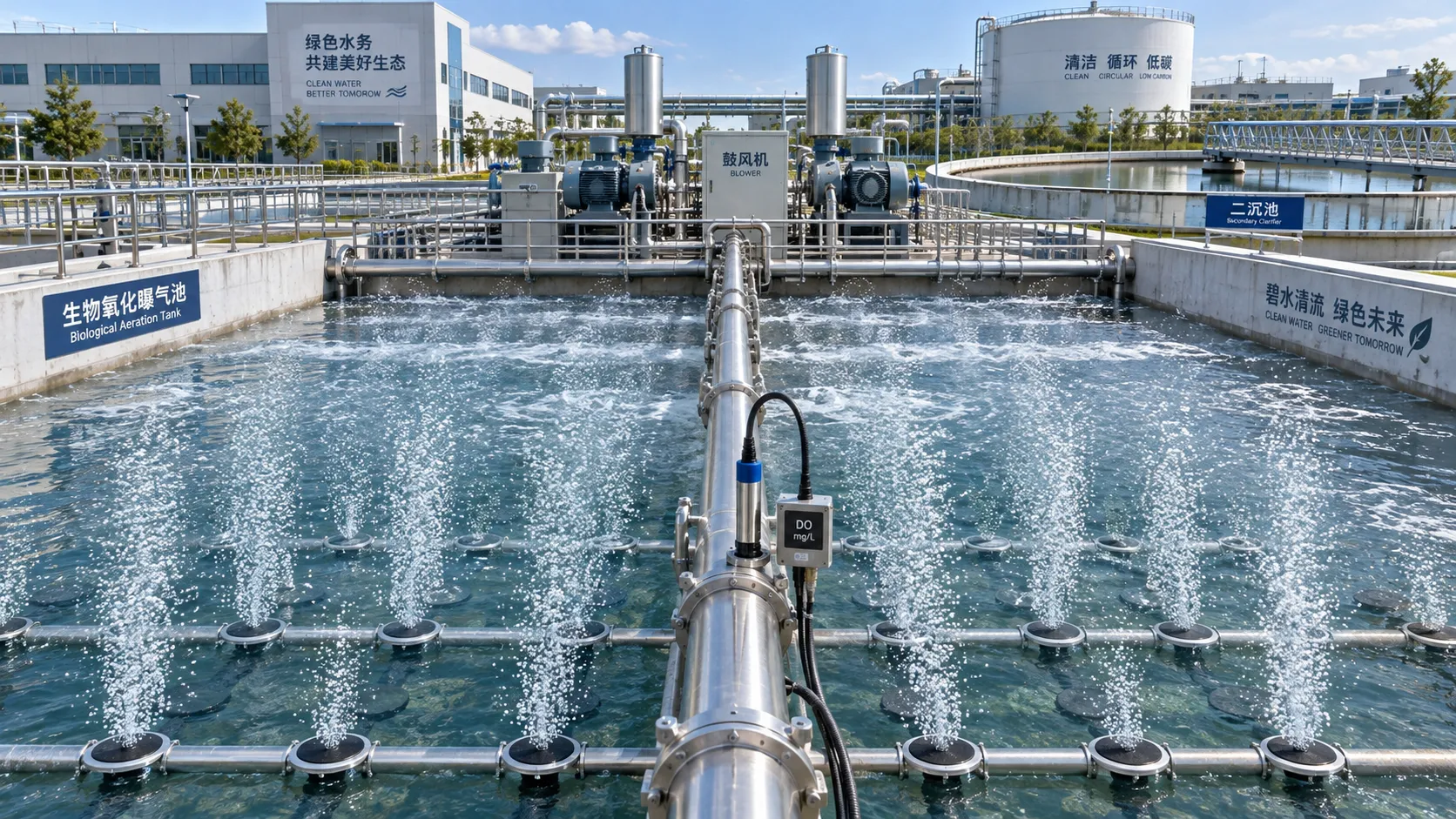
Biological Wastewater Oxidation Explained: Aeration Demand and Process Control
Biological wastewater oxidation explained: optimize aeration demand, DO control, nitrification, and sludge age for stable effluent quality and lower energy costs.
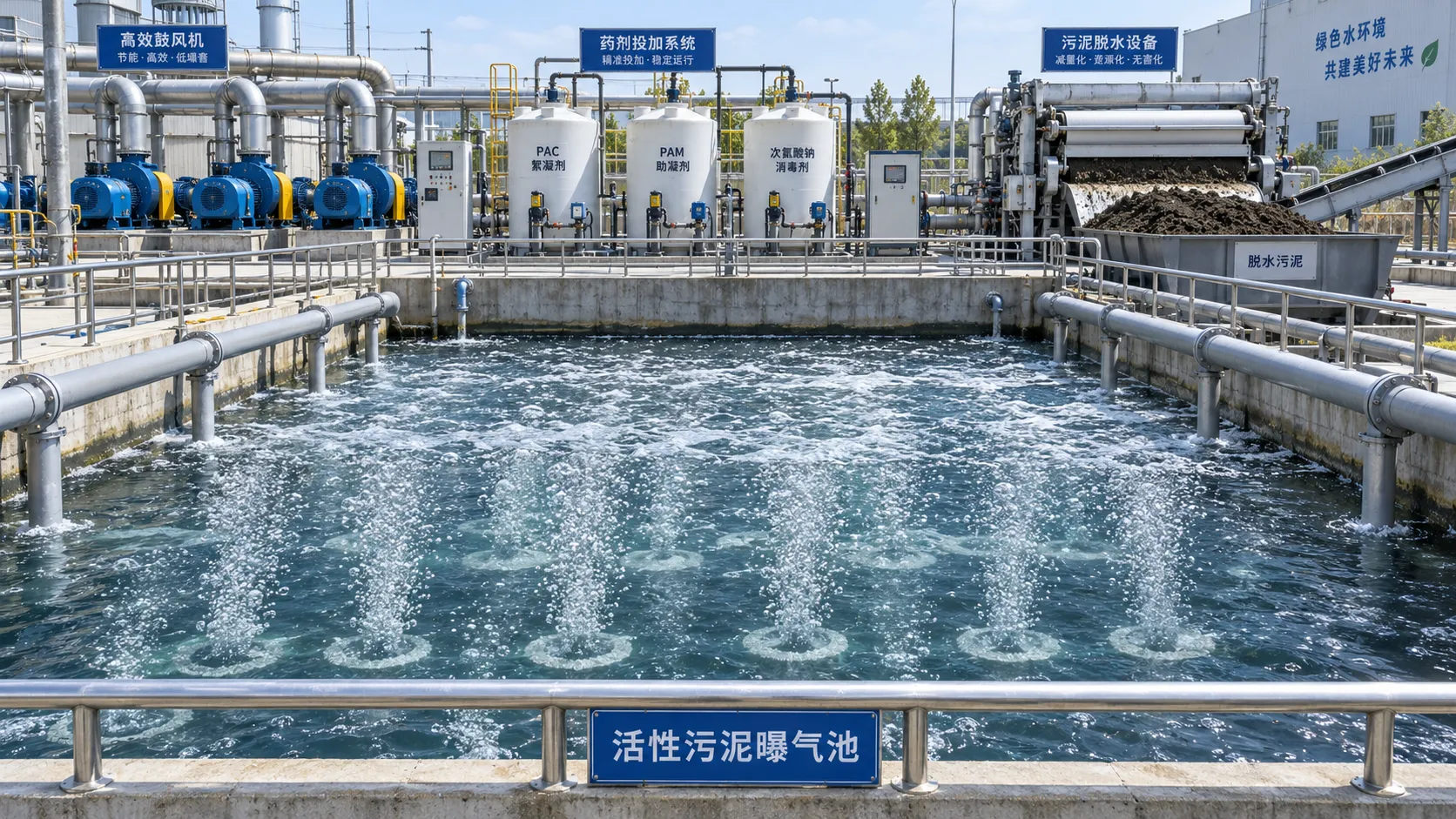
Activated Sludge Cost: Budgeting Energy, Chemicals, Sludge, and Labor
Activated sludge cost explained: compare energy, chemicals, sludge disposal, labor, and compliance risks to build a reliable lifecycle budget.
When Should Municipal Wastewater Plants Upgrade Treatment Capacity and Controls?
Municipal wastewater treatment upgrades: learn when capacity, controls, and resilient planning are needed to protect compliance and optimize plant performance.