
Industry News
Curation by industry experts
Hot Articles
Popular Tags
Carbon Neutrality Consulting Services: What Delays ROI Most?
Carbon Neutrality Consulting Services: What Delays ROI Most?
For many organizations, buying carbon neutrality consulting services sounds straightforward.
The harder part is proving when the return actually appears.
That delay rarely comes from one issue alone.
In practice, ROI slows when carbon data is inconsistent, compliance choices are vague, and spending happens before priorities are ranked.
This is especially true in capital-heavy sectors linked to water treatment, waste recovery, desalination, flue gas control, and nuclear waste management.
In these environments, carbon neutrality consulting services must connect engineering, regulation, procurement, and financial timing.
When that link is missing, the payback clock starts late and moves slowly.
The biggest reason ROI stalls: poor decision sequencing
Many companies assume the main value of carbon neutrality consulting services comes from the final roadmap.
Actually, value appears earlier, during decision sequencing.
If the sequence is wrong, even a smart roadmap can struggle to deliver results.
A common pattern looks familiar.
An organization funds a baseline assessment, then jumps into technology screening, then revisits compliance later.
By then, procurement assumptions may already be outdated.
This creates redesign costs, longer approvals, and weaker confidence in projected savings.
Why sequencing matters more in complex environmental systems
In high-end environmental infrastructure, carbon outcomes are tied to process physics and asset reliability.
A desalination plant cannot optimize carbon the same way as an AI sorting line.
A flue gas treatment upgrade faces different compliance and fuel variables than ZLD retrofits.
That is why carbon neutrality consulting services need to identify decision order before recommending large capital commitments.
- First define the emissions boundary that affects cost exposure.
- Then test the regulatory path and reporting burden.
- Next compare operational fixes against equipment investment.
- Only after that should major procurement move forward.
Fragmented data delays carbon neutrality consulting services ROI
Data fragmentation is one of the most expensive hidden problems.
It slows analysis, weakens trust, and forces consultants to spend time cleaning inputs instead of modeling value.
From recent market shifts, this is becoming even more visible.
Energy, water, waste, maintenance, and procurement data often live in separate systems.
Some records are monthly, others are annual, and many use incompatible assumptions.
As a result, carbon neutrality consulting services may produce directionally useful advice, but not bankable ROI timing.
Where fragmented data hurts payback most
- Baseline emissions are disputed across departments.
- Energy intensity per process unit is not measured consistently.
- Waste recovery credits are estimated, not verified.
- Maintenance shutdown data is missing from abatement scenarios.
- Supplier emission factors do not match procurement categories.
When this happens, finance teams usually ask for another review cycle.
That extra cycle can erase months of expected progress.
Better carbon neutrality consulting services start with data architecture, not presentation slides.
Unclear compliance pathways turn savings into uncertainty
Another major delay comes from compliance ambiguity.
This is not only about current regulation.
It is about upcoming disclosure rules, export exposure, carbon pricing risk, and procurement standards.
The stronger signal today is that environmental compliance is becoming more interconnected.
A project can meet internal emissions targets and still miss value because reporting standards were misread.
That is where carbon neutrality consulting services either reduce risk or accidentally prolong it.
What a clear compliance path should answer
- Which assets face the highest future reporting burden?
- Which jurisdictions change the economics first?
- Where do CBAM-related effects alter product competitiveness?
- Which low-carbon claims require third-party verification?
- How should capital timing align with the compliance calendar?
Without those answers, projected savings remain theoretical, and approval tends to slow down.
Cross-department misalignment quietly extends payback
Many delayed projects do not fail because the numbers are weak.
They fail because ownership is split.
Operations wants reliability, procurement wants price stability, compliance wants audit safety, and strategy wants long-term positioning.
Those goals are all valid, but they often move at different speeds.
In actual business settings, carbon neutrality consulting services create faster ROI when they build one decision language across teams.
Without that, every approval stage reopens earlier debates.
A simple alignment framework
Strong carbon neutrality consulting services bring these questions together before investment approval, not after.
Capital is often phased badly, not insufficiently
A common assumption is that slow ROI means the budget was too small.
More often, the problem is phasing.
Companies spend early on high-visibility projects while lower-cost operational wins remain untouched.
That creates long depreciation cycles before measurable savings appear.
Carbon neutrality consulting services should therefore separate fast-return actions from strategic infrastructure moves.
A better investment ladder
- Start with metering, baseline controls, and data verification.
- Add process optimization with low shutdown risk.
- Then evaluate modular upgrades with clear operating savings.
- Finally commit to larger decarbonization assets with compliance upside.
This also means ROI should not be measured by one number only.
Some returns come through energy savings.
Others come through avoided carbon cost, stronger bid qualification, lower compliance friction, and improved asset resilience.
Good carbon neutrality consulting services make those layers visible in one investment case.
How to accelerate ROI from carbon neutrality consulting services
The fastest path is not blind speed.
It is disciplined preparation.
When carbon neutrality consulting services are supported by technical intelligence and commercial context, decisions improve faster.
That matters even more in sectors where membranes, scrubbers, sorting lines, thermal systems, and containment assets carry large lifecycle consequences.
Practical steps that shorten payback
- Create one verified emissions baseline linked to operating data.
- Rank projects by payback speed and compliance relevance.
- Use scenario modeling for energy, carbon price, and shutdown risk.
- Tie each recommendation to a specific approval milestone.
- Review supplier and equipment assumptions before final budgeting.
- Set quarterly proof points instead of waiting for annual validation.
This is where intelligence-led advisory becomes important.
Sector insight can reveal whether a proposed decarbonization move is technically mature, commercially scalable, or simply fashionable.
That distinction can protect capital and shorten the time to visible return.
Final takeaway
The biggest delay in carbon neutrality consulting services ROI is rarely the consulting itself.
It is the gap between analysis and execution discipline.
Poor sequencing, fragmented data, unclear compliance pathways, cross-team misalignment, and weak capital phasing all extend payback.
The good news is that each delay factor is manageable.
The most effective carbon neutrality consulting services combine technical depth, regulatory intelligence, and realistic investment timing.
That approach helps organizations move from climate ambition to measurable commercial value.
If ROI speed matters, start by improving the quality and order of decisions, not just the size of the budget.
Recommended News
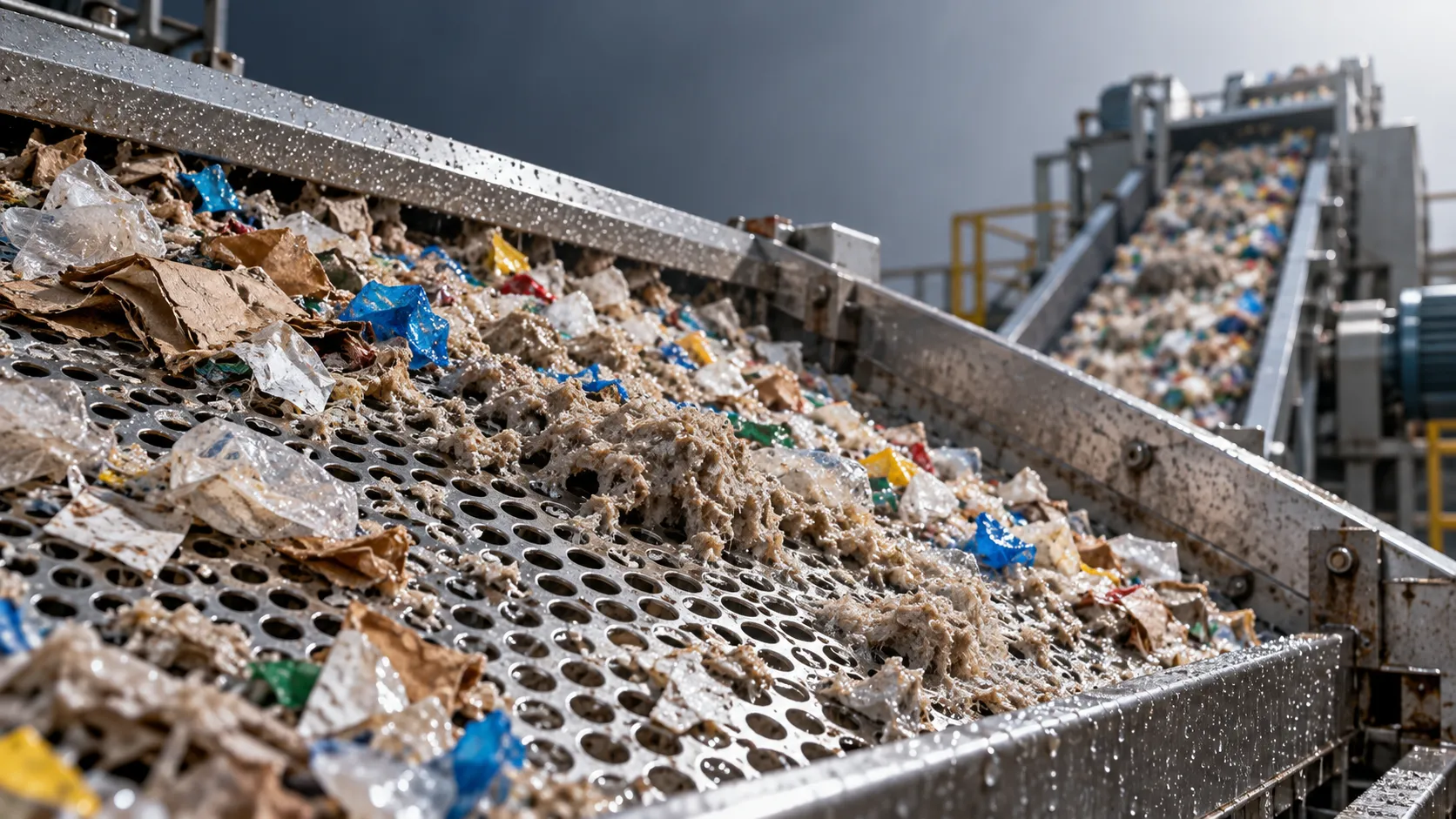
How moisture affects material separation in solid waste recovery
Improve solid waste recovery material separation by understanding moisture effects on screening and sorting. Discover practical ways to boost recovery, purity, and throughput.
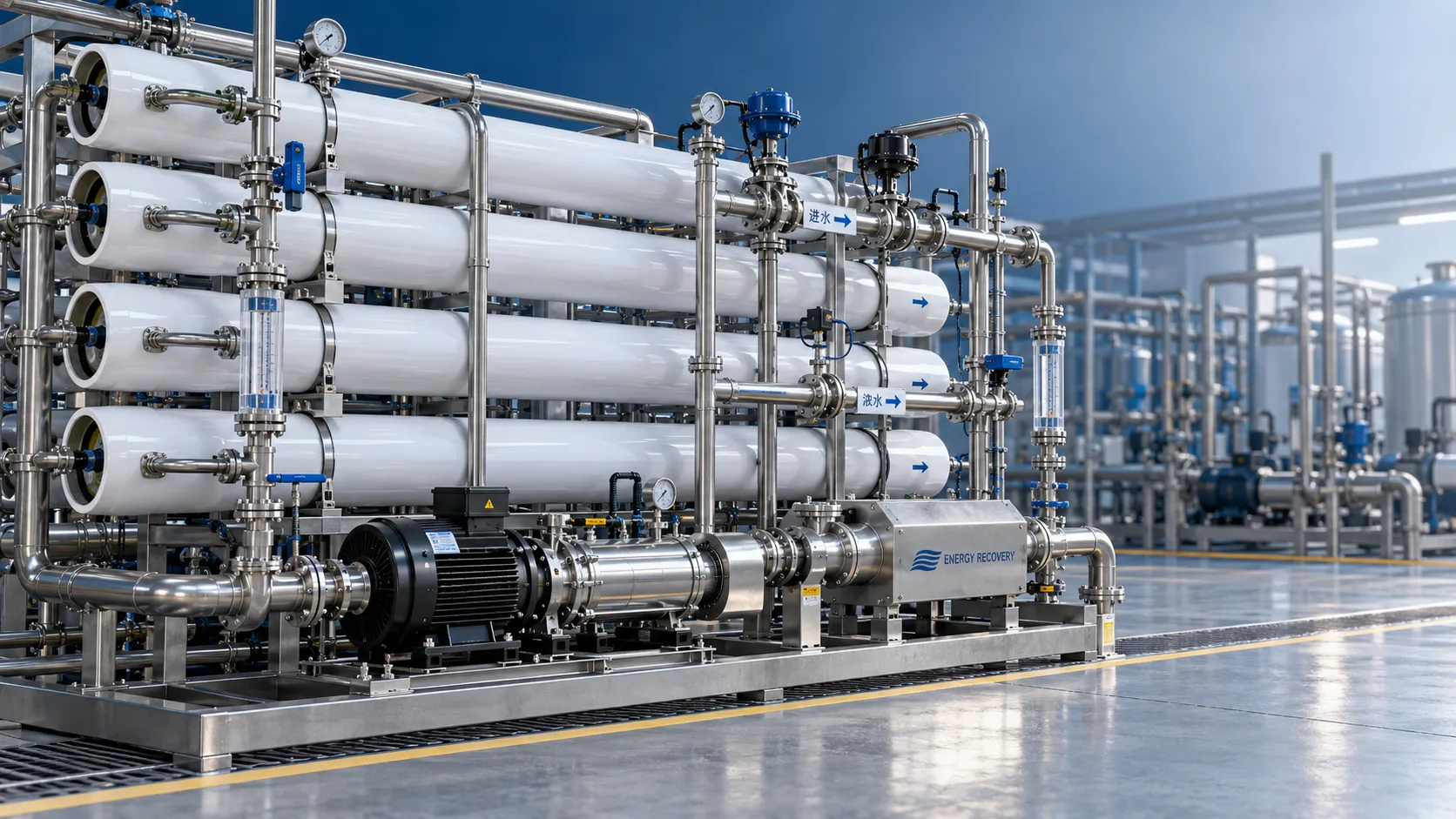
How to set recovery rates in seawater reverse osmosis system design
Explore seawater desalination systems engineering: learn to set SWRO recovery rates that balance energy, scaling risks, and water quality for reliable, cost-effective operation.

When is compaction suitable for solid nuclear waste treatment?
Is compaction right for solid nuclear waste treatment? Discover suitable waste streams, key safety checks, and disposal requirements to reduce package volume and optimize costs.

How solids concentration affects dewatering in waste recovery systems
Optimize waste recovery systems dewatering with insights on solids concentration. Learn to balance throughput, cake dryness, and solids capture while avoiding costly equipment overloads.
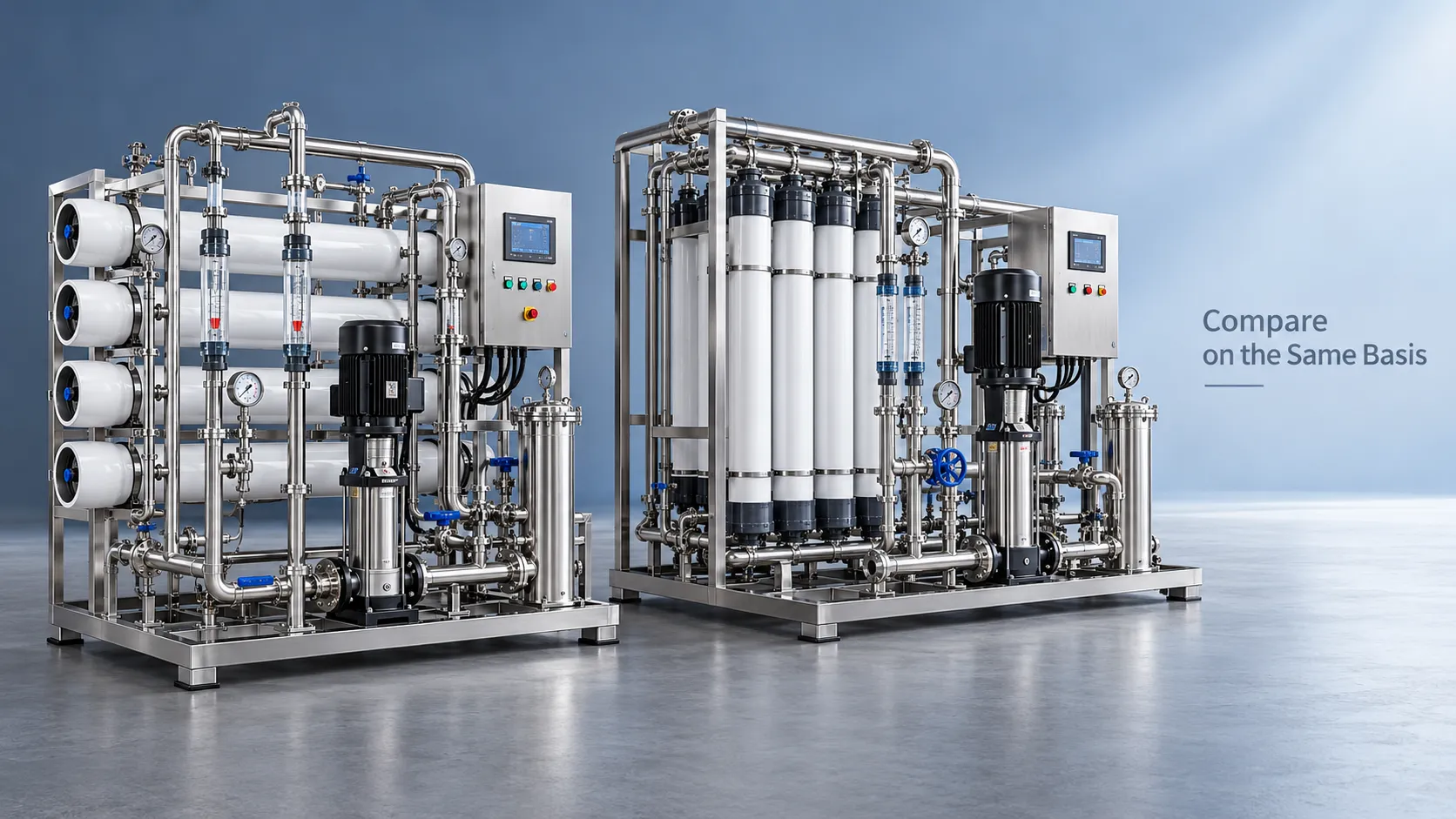
How to compare technical specs in an environmental equipment directory
Use this environmental equipment directory technical guide to compare capacity, energy use, compliance, and supplier evidence. Build a defensible shortlist and choose with confidence.
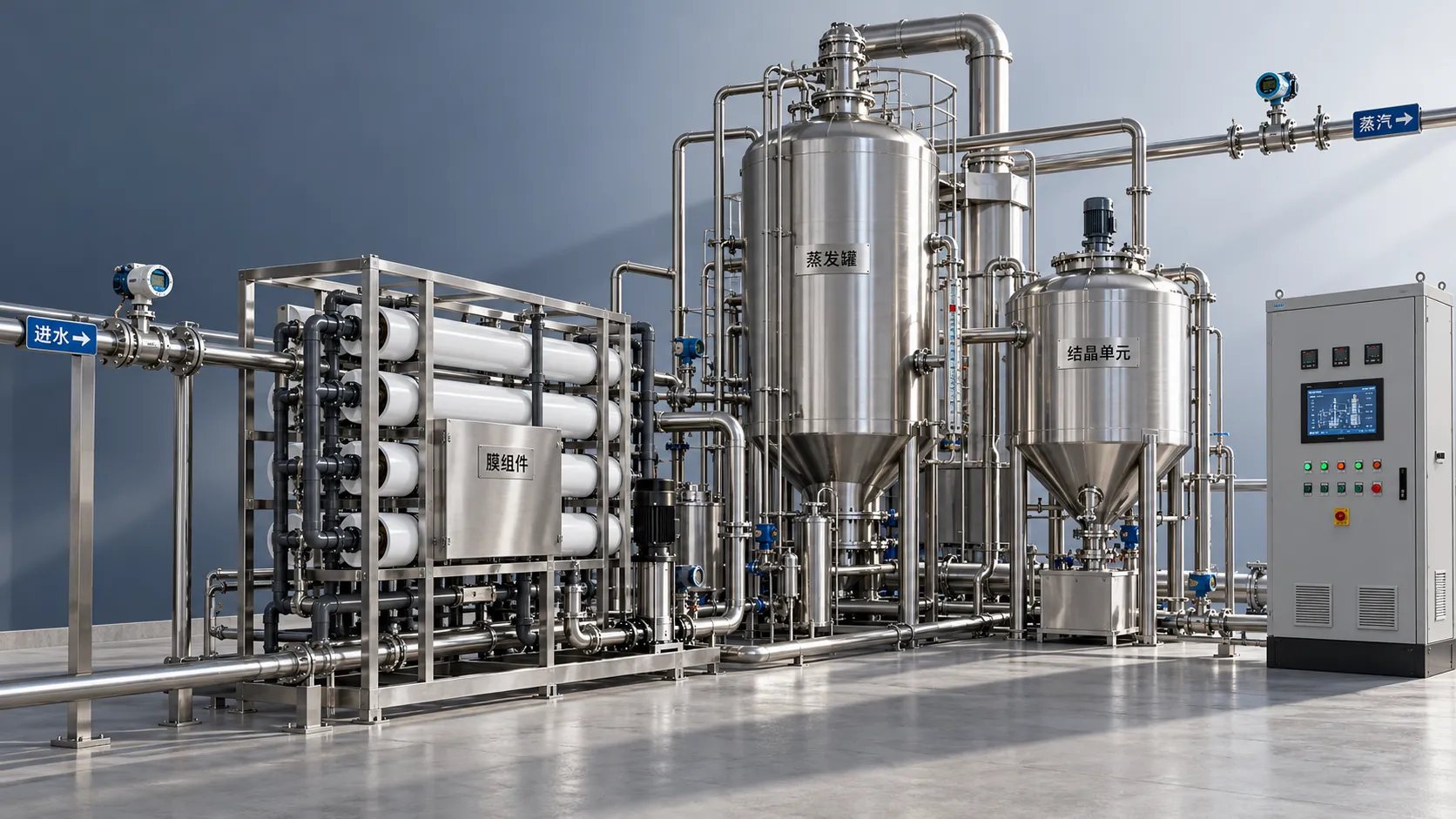
How to assess a zero liquid discharge equipment supplier’s energy claims
Assess a zero liquid discharge equipment supplier’s energy claims. Learn how to verify system boundaries, compare real costs, and demand testable guarantees before you buy.
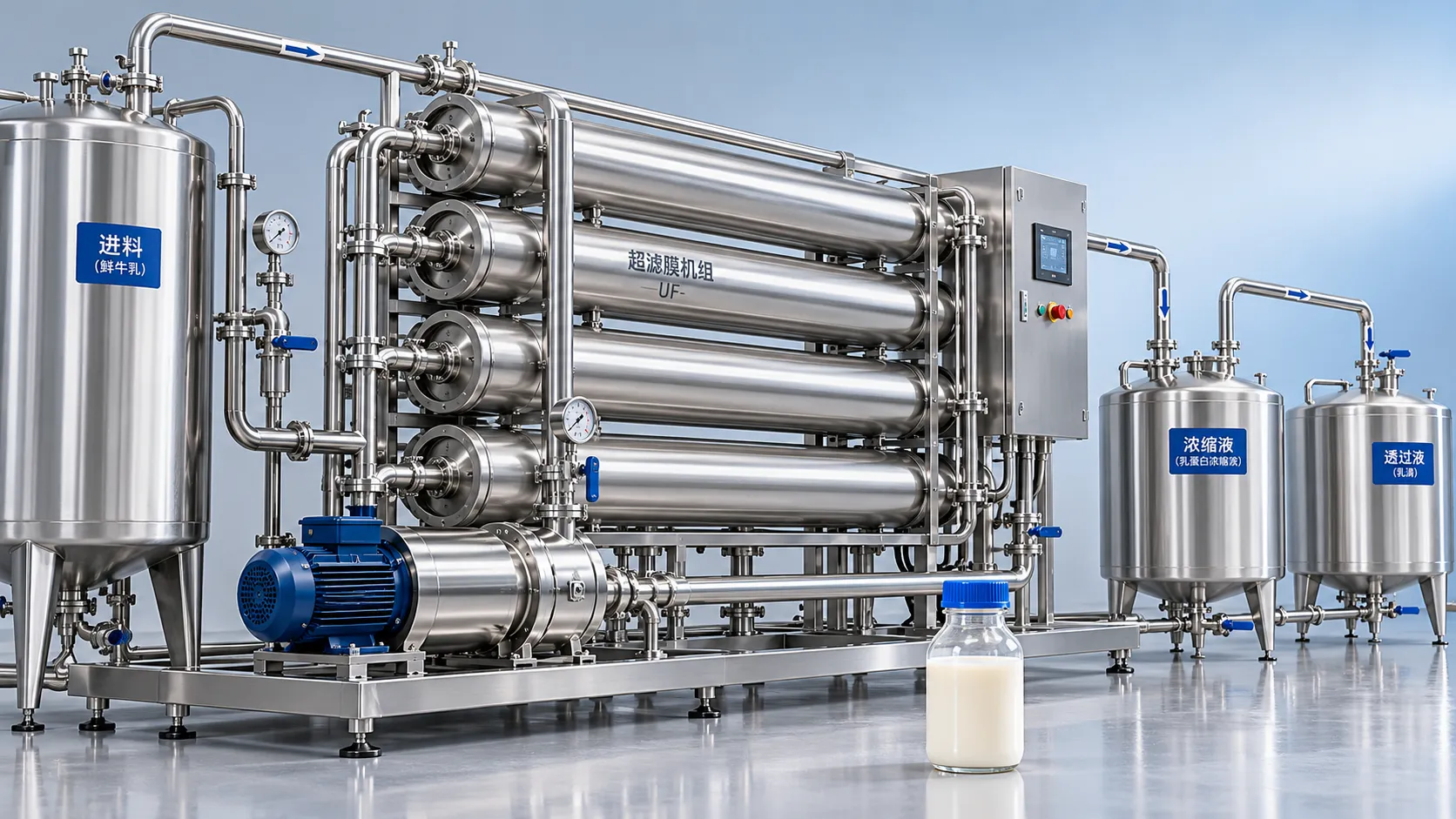
Which membrane filtration process suits dairy protein concentration?
Explore membrane filtration for dairy: compare UF, MF, and RO to select the right process for protein concentration, lactose reduction, and better recovery. Find your best fit.
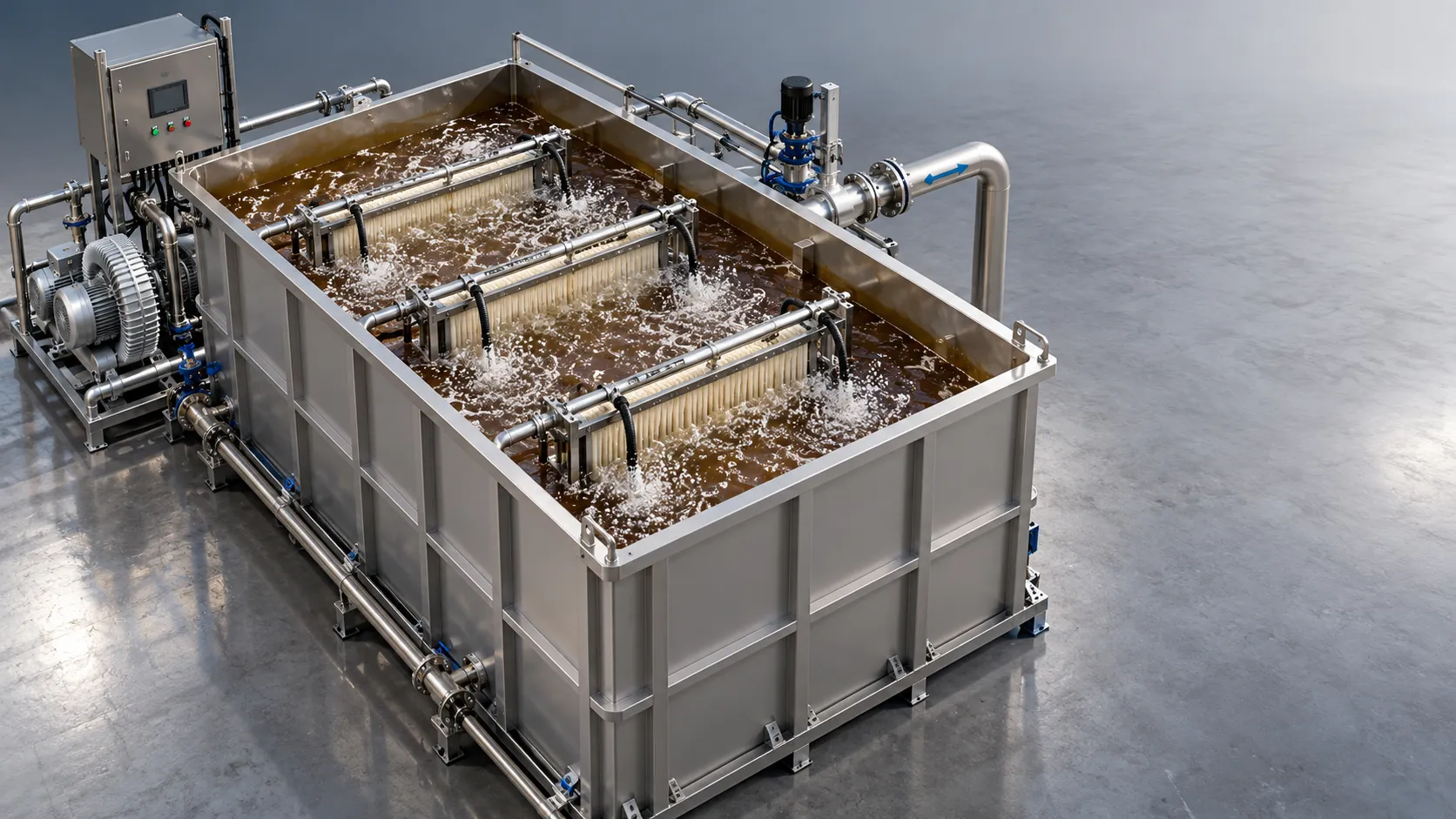
When is an MBR suitable for wastewater purification for bioprocessing?
For wastewater purification for bioprocessing, discover when an MBR fits your needs. Compare water quality, fouling risks, and lifecycle costs before investing.
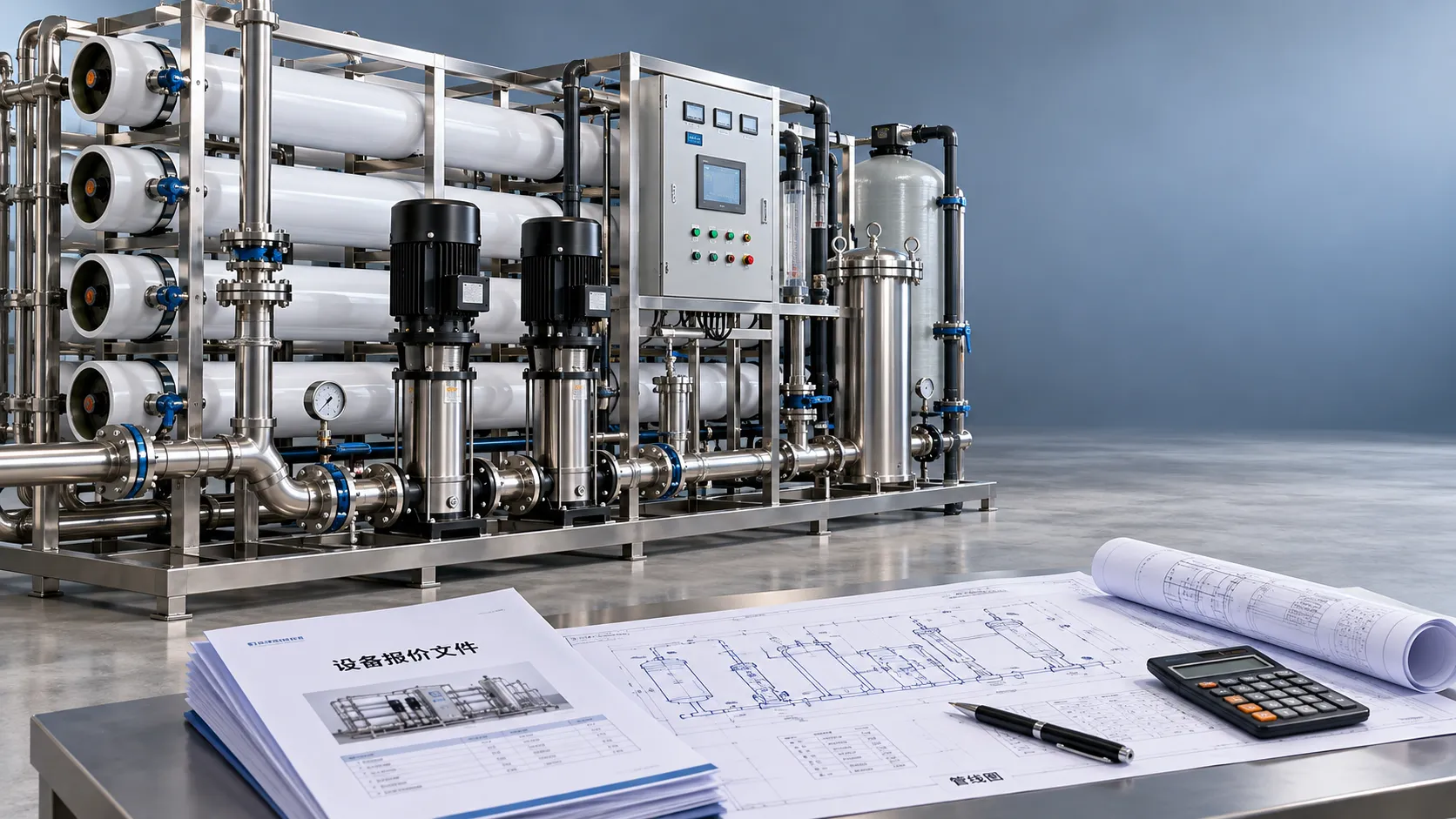
How to check a water treatment quotation for hidden project costs
Review your water treatment quotation for hidden costs, scope gaps, and operating expenses. Learn what to check before signing to protect your budget and avoid costly surprises.