
Industry News
Curation by industry experts
Hot Articles
Popular Tags
Carbon Neutrality Consulting Services: What to Check Before You Sign
Carbon Neutrality Consulting Services: What to Check Before You Sign
Before committing to carbon neutrality consulting services, buyers need more than polished slides and ambitious promises.
A strong consulting partner should connect compliance, cost control, data quality, and long-term operational value.
That matters even more in industrial sectors shaped by emissions regulation, resource efficiency, and global supply chain pressure.
For organizations linked to water treatment, waste recovery, desalination, flue gas systems, or nuclear waste management, the stakes are high.
The right carbon neutrality consulting services can improve decisions. The wrong choice can lock in cost, delay compliance, and weaken credibility.
Why the selection process now matters more
From recent market changes, one signal is clear.
Carbon strategy is no longer a branding exercise. It is becoming a procurement, financing, and market access issue.
This is especially visible where environmental equipment projects face strict technical standards and cross-border compliance reviews.
For example, a desalination plant or waste recovery system may already track energy intensity, chemical inputs, and process losses.
Good carbon neutrality consulting services should build from those realities, not ignore them with generic net-zero language.
Check regulatory depth before anything else
The first thing to test is regulatory competence.
Reliable carbon neutrality consulting services should explain current rules in plain language and map them to your operating footprint.
That includes national reporting rules, sector disclosure expectations, customer requirements, and mechanisms such as CBAM where relevant.
If the provider cannot distinguish between reporting, verification, reduction planning, and offset governance, pause the process.
In practice, the best consultants show how regulations affect project bids, export competitiveness, and capital planning.
Ask direct questions such as:
- Which standards will guide the baseline, such as GHG Protocol or ISO frameworks?
- How do they address emissions tied to imported materials, energy sourcing, or treatment chemicals?
- Can they show how policy changes may affect future operating cost?
- What evidence proves they monitor regulatory updates continuously?
Validate data quality and calculation logic
Many carbon neutrality consulting services look impressive until you examine the data model.
That is where real procurement risk often appears.
A credible partner should define data boundaries clearly, identify missing inputs, and explain every major emission factor used.
This is critical for industries with energy-heavy systems, membrane operations, thermal processes, or waste transformation lines.
If the consultant depends too much on assumptions, the final roadmap may look neat but fail in audit or budgeting.
Check whether their carbon neutrality consulting services include:
- A transparent inventory boundary for Scope 1, Scope 2, and relevant Scope 3 categories.
- A method for handling low-quality supplier data.
- Traceable assumptions for electricity, fuel, transport, and material conversion.
- A review path for external assurance or internal audit teams.
If they cannot show calculation logic in a usable way, their recommendations may be too weak for procurement decisions.
Make sure the firm understands your sector
Sector knowledge is not optional.
Carbon neutrality consulting services should reflect the technical realities of the assets you operate, build, or source.
A consultant with only office-building experience may struggle with sludge drying, brine disposal, catalyst replacement, or radioactive containment logistics.
That gap quickly turns into poor baselines and weak reduction priorities.
In real projects, the details matter.
Water treatment plants may face aeration and pumping loads. Waste recovery systems may depend on sorting efficiency and heat recovery.
Seawater desalination projects may hinge on membrane performance, pretreatment chemistry, and renewable power integration.
Strong carbon neutrality consulting services should translate those operational drivers into realistic decarbonization choices.
Review the roadmap for cost realism
A carbon roadmap should not be a wish list.
It should help compare options, timing, risk, and budget impact.
This is where many carbon neutrality consulting services become too abstract.
Look for a roadmap that separates no-regret actions from capital-heavy upgrades and long-horizon innovations.
A useful review framework includes:
- Baseline actions with low implementation friction.
- Efficiency projects with measurable payback periods.
- Technology shifts requiring engineering study or pilot validation.
- Residual emissions strategies, including offset rules if used.
The provider should also explain cost sensitivity.
That means showing how energy prices, carbon prices, equipment lifespan, and financing assumptions could change the decision.
Check delivery scope, not just the proposal headline
A common procurement mistake is buying a headline, not a deliverable.
Some carbon neutrality consulting services promise strategy, compliance, training, reporting, and supplier engagement in one sentence.
But the contract may only cover a high-level assessment.
Before signing, confirm these points:
- What data collection support is included.
- Whether site interviews or facility reviews are part of the work.
- How many scenario models will be delivered.
- Whether executive summaries and technical appendices are both included.
- What happens after final submission if regulators or customers ask questions.
The best carbon neutrality consulting services are specific about scope, responsibilities, and review cycles from day one.
Assess credibility through proof, not presentation
Case studies matter, but they need context.
Ask whether previous projects involved similar process complexity, reporting pressure, and stakeholder scrutiny.
Good carbon neutrality consulting services should also show who did the work, not just the brand logo on the proposal.
This becomes important when highly technical sectors need analysts who understand membranes, thermal recovery, emissions control, or hazardous materials handling.
Useful credibility checks include:
- Named project leads and their qualifications.
- Examples of verified inventories or assured reports.
- References from industrial or infrastructure clients.
- A clear explanation of quality control and review sign-off.
A simple decision checklist before you sign
When proposals look similar, a structured checklist helps separate marketing from actual procurement value.
Final thought
Carbon neutrality consulting services should help reduce uncertainty, not create more of it.
The strongest partner will combine regulatory awareness, solid data methods, industrial understanding, and realistic cost planning.
That combination is what turns climate strategy into a usable business tool.
For organizations navigating environmental infrastructure, advanced treatment systems, and high-compliance projects, this check is worth doing carefully.
Before you sign, ask for proof, test the assumptions, and make sure the carbon neutrality consulting services on offer fit the reality of your operation.
Recommended News
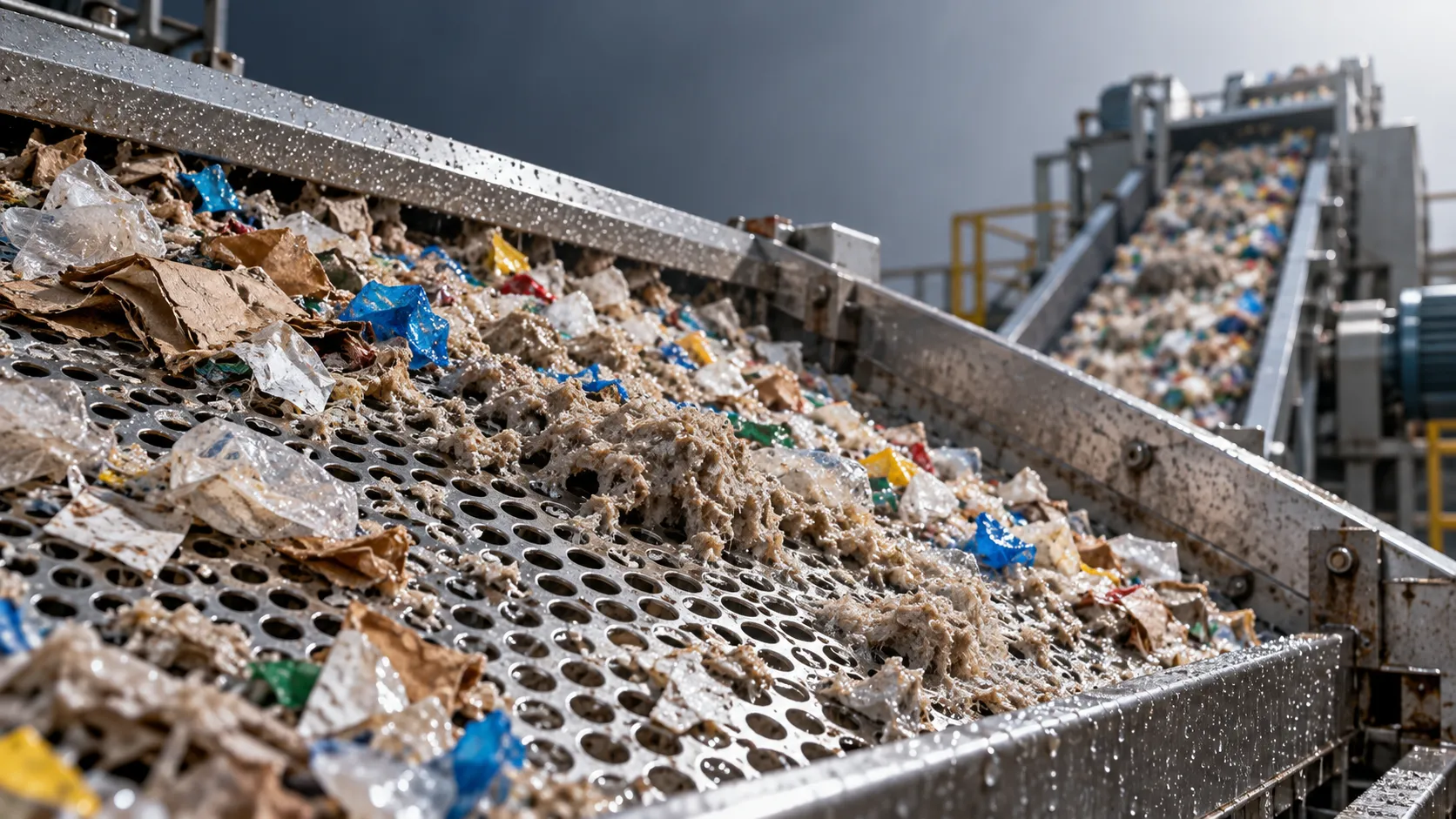
How moisture affects material separation in solid waste recovery
Improve solid waste recovery material separation by understanding moisture effects on screening and sorting. Discover practical ways to boost recovery, purity, and throughput.
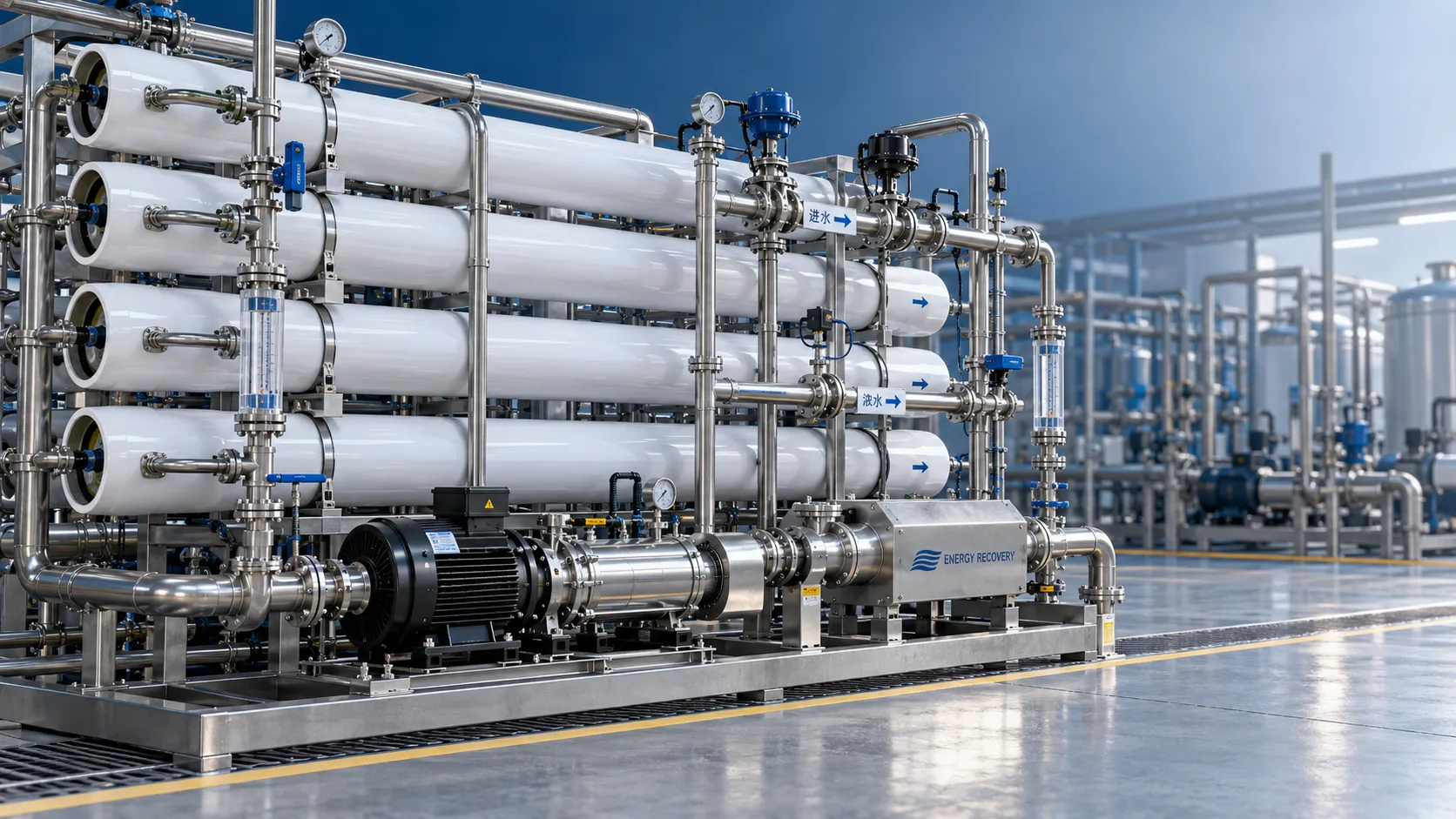
How to set recovery rates in seawater reverse osmosis system design
Explore seawater desalination systems engineering: learn to set SWRO recovery rates that balance energy, scaling risks, and water quality for reliable, cost-effective operation.
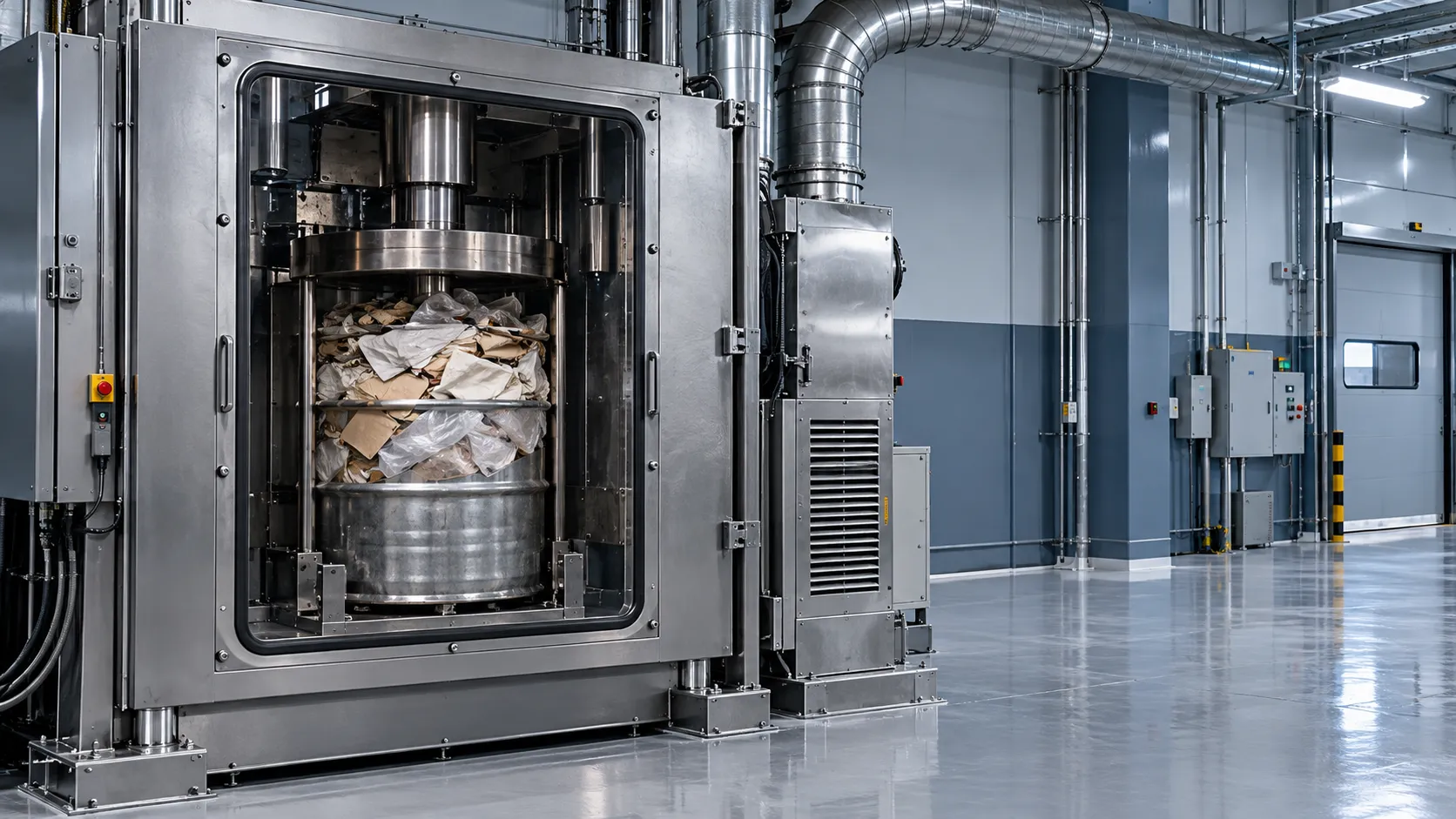
When is compaction suitable for solid nuclear waste treatment?
Is compaction right for solid nuclear waste treatment? Discover suitable waste streams, key safety checks, and disposal requirements to reduce package volume and optimize costs.
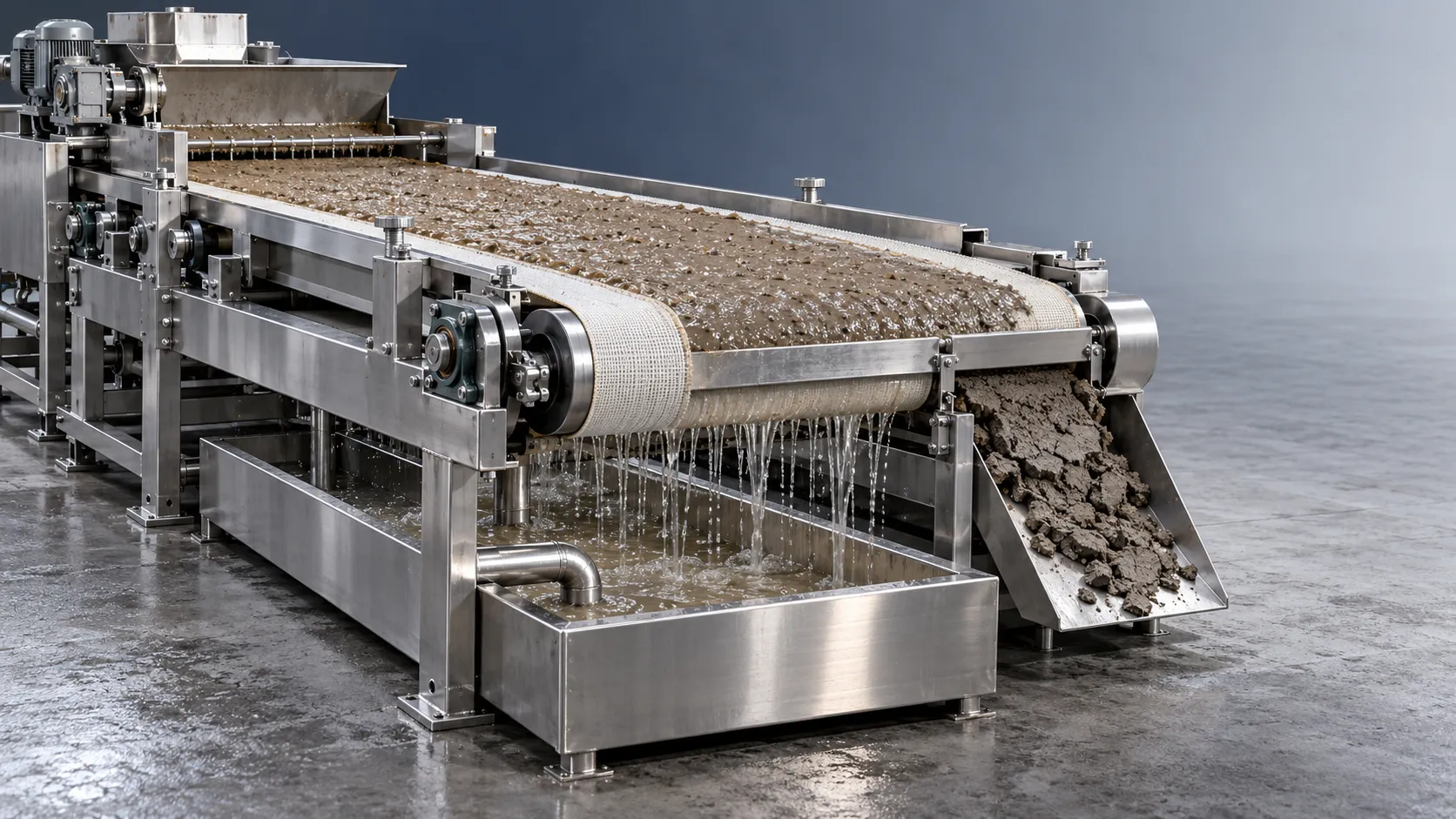
How solids concentration affects dewatering in waste recovery systems
Optimize waste recovery systems dewatering with insights on solids concentration. Learn to balance throughput, cake dryness, and solids capture while avoiding costly equipment overloads.
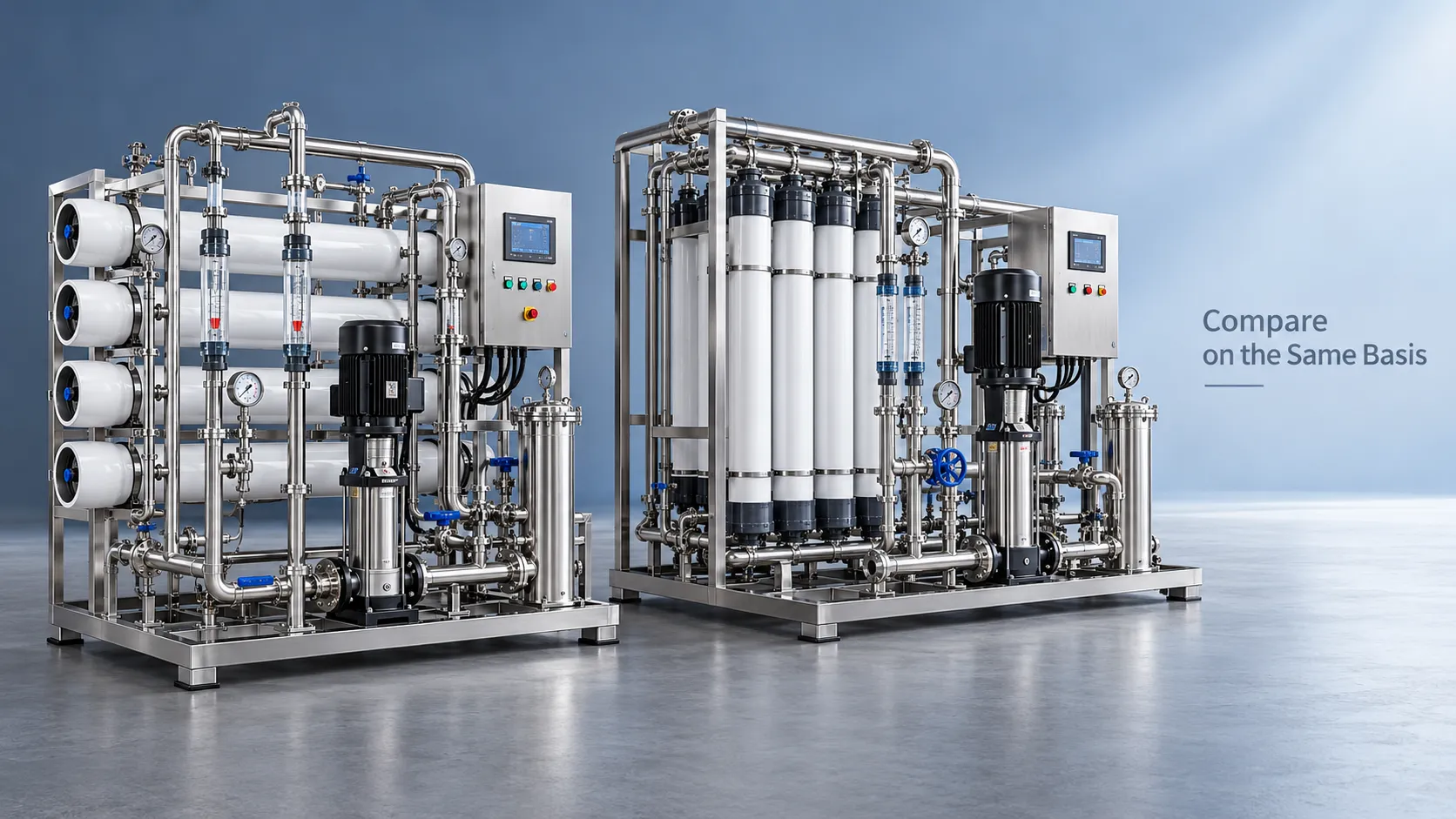
How to compare technical specs in an environmental equipment directory
Use this environmental equipment directory technical guide to compare capacity, energy use, compliance, and supplier evidence. Build a defensible shortlist and choose with confidence.
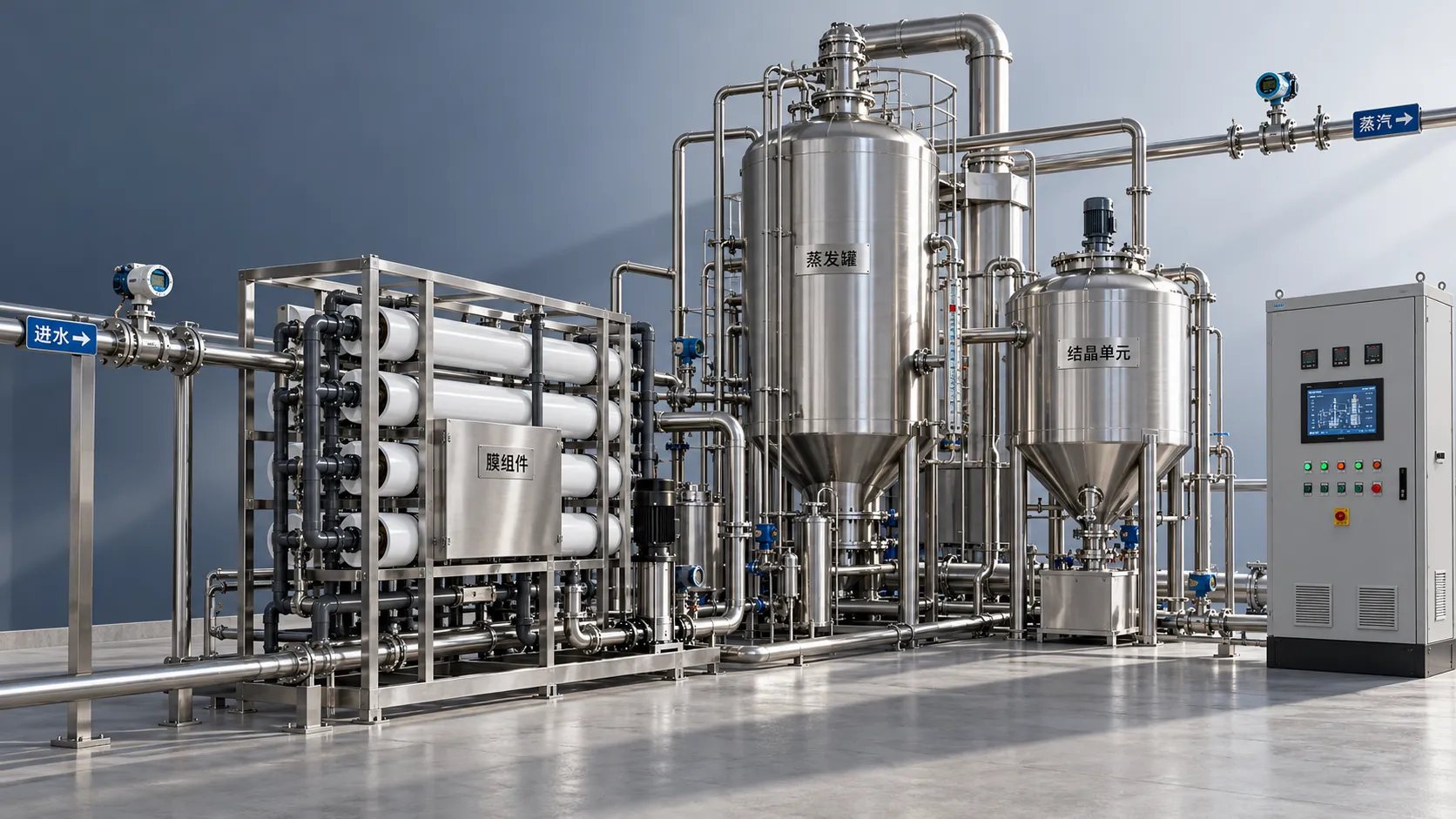
How to assess a zero liquid discharge equipment supplier’s energy claims
Assess a zero liquid discharge equipment supplier’s energy claims. Learn how to verify system boundaries, compare real costs, and demand testable guarantees before you buy.
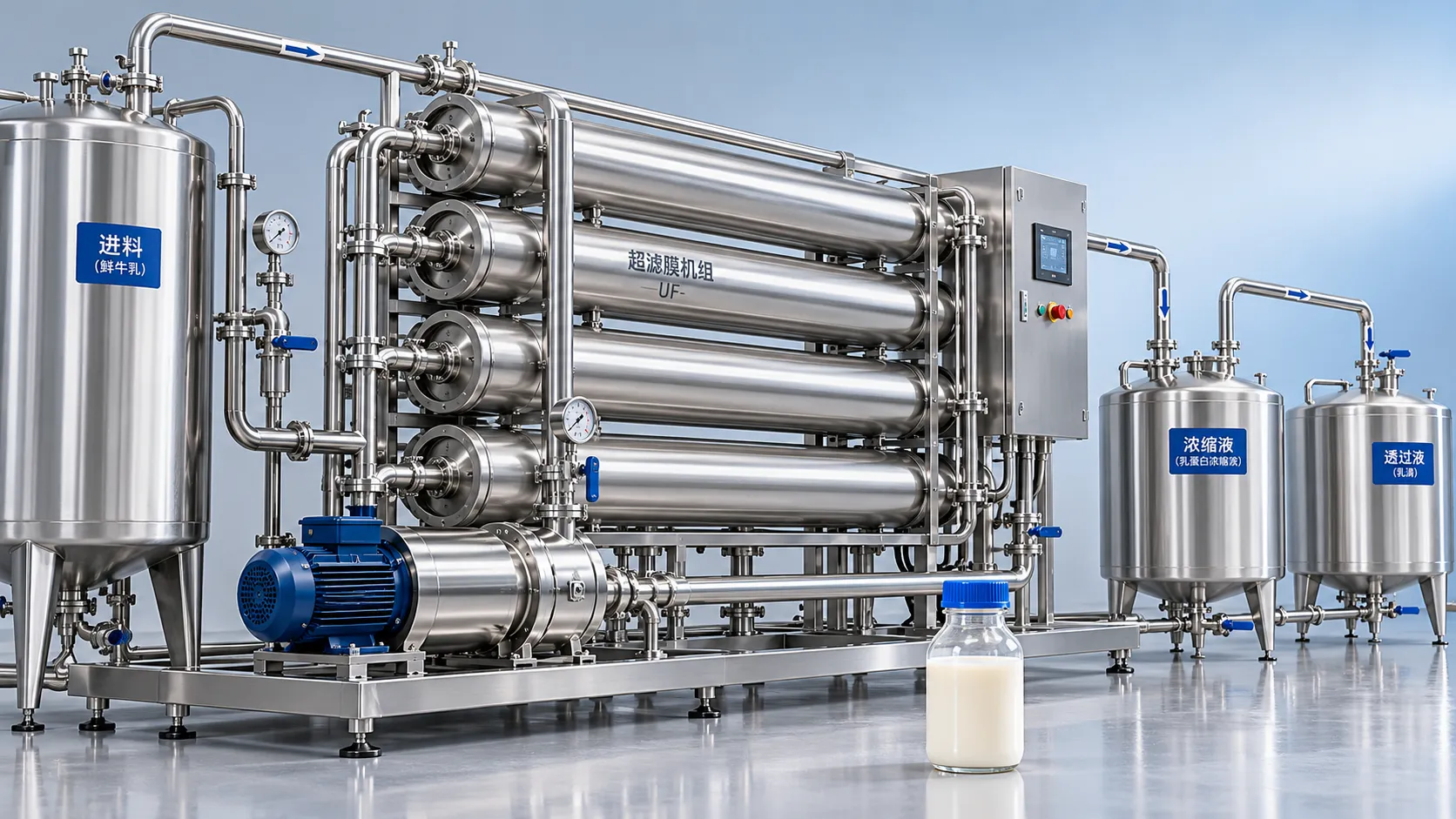
Which membrane filtration process suits dairy protein concentration?
Explore membrane filtration for dairy: compare UF, MF, and RO to select the right process for protein concentration, lactose reduction, and better recovery. Find your best fit.
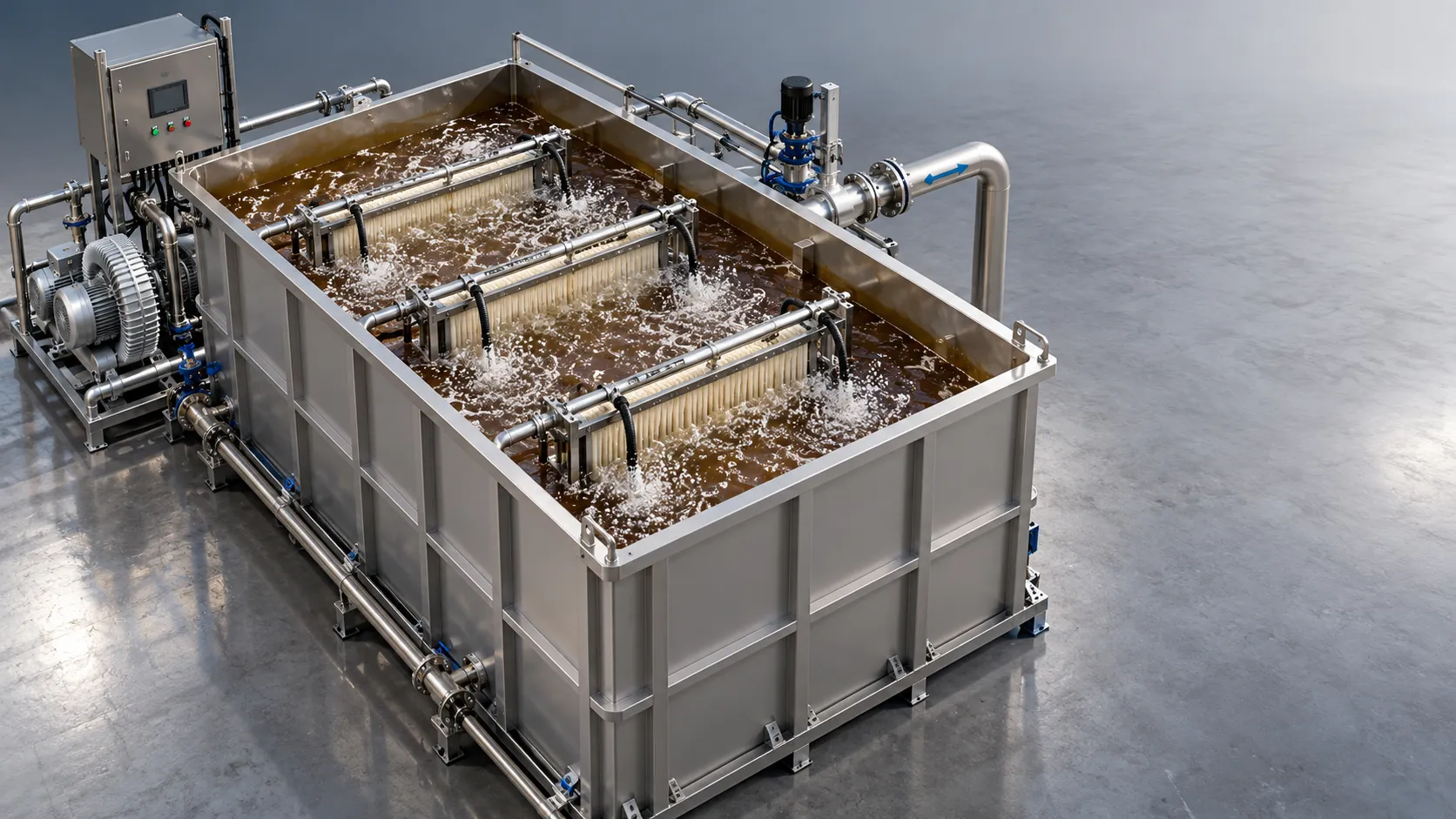
When is an MBR suitable for wastewater purification for bioprocessing?
For wastewater purification for bioprocessing, discover when an MBR fits your needs. Compare water quality, fouling risks, and lifecycle costs before investing.
How to check a water treatment quotation for hidden project costs
Review your water treatment quotation for hidden costs, scope gaps, and operating expenses. Learn what to check before signing to protect your budget and avoid costly surprises.