
Industry News
Curation by industry experts
Hot Articles
Popular Tags
Water Treatment Options Compared: MBR, SWRO, or MED for Industrial Reuse?
Industrial reuse projects rarely fail because a technology sounds weak on paper. They struggle when the chosen water treatment route does not match feedwater variability, recovery goals, energy limits, or compliance pressure.
That is why the comparison between MBR, SWRO, and MED matters. Each option can support reuse, yet each one solves a different problem inside the larger industrial water treatment chain.
In today’s market, reuse decisions are also shaped by carbon targets, discharge permits, and resilience planning. For large projects, the right selection affects CAPEX, OPEX, expansion flexibility, and the credibility of long-term environmental performance.
Three technologies, three very different roles
MBR, SWRO, and MED are often discussed together, but they are not direct substitutes in every case. They sit at different points of the treatment ladder.
MBR combines biological treatment with membrane separation. It is usually selected when wastewater contains biodegradable organics and suspended solids that must be reduced before reuse or further polishing.
SWRO, or seawater reverse osmosis, is a pressure-driven membrane process. It is mainly designed for high-salinity feed streams, especially seawater or similar brines where salt rejection is the core objective.
MED, or multi-effect distillation, is a thermal desalination process. It is chosen when feedwater is extremely saline, fouling risk is severe, or waste heat can shift the economics.
Simple comparisons can be misleading. In real industrial water treatment design, these systems may compete, complement one another, or appear in sequence.
Why the choice has become more strategic
Reuse used to be judged mainly by unit cost and treated water quality. That frame is now too narrow for major industrial projects.
Across sectors, tighter discharge rules are pushing plants toward higher recovery and lower environmental risk. At the same time, water scarcity is making raw water access less predictable.
ESD tracks this shift through its focus on large water treatment plants, desalination systems, and strategic compliance intelligence. The practical lesson is clear: technology selection now sits inside a wider risk framework.
A system that looks efficient in a pilot may become fragile at scale if it depends on unstable pretreatment, high chemical demand, or difficult brine handling.
That is especially relevant where CBAM pressure, local permitting, and ESG reporting are influencing project approvals and financing terms.
How MBR performs in industrial reuse
MBR is usually strongest when the first challenge is organic load, not dissolved salt. It produces stable effluent quality and a smaller footprint than many conventional biological systems.
For industrial reuse, that means MBR often works well as a front-end barrier. It can reduce COD, TSS, and microbial content before downstream polishing.
Where MBR fits best
- Municipal-industrial mixed wastewater reuse
- Food, beverage, textile, and light chemical facilities
- Sites needing reliable pretreatment before RO
- Projects with limited land availability
Its limits are equally important. MBR does not remove dissolved salts well, so it is not a stand-alone answer when high-purity reuse or desalination is required.
Membrane fouling, sludge handling, and aeration energy also deserve close attention. If influent composition swings sharply, operating discipline becomes critical.
Where SWRO becomes the lead option
SWRO becomes attractive when salinity dominates the design problem. In coastal industry, it is widely used to convert seawater into process water, boiler makeup water, or blended reuse supply.
Compared with thermal desalination, SWRO usually offers lower specific energy consumption. It also benefits from ongoing membrane advances, energy recovery devices, and better digital monitoring.
This is one reason ESD gives sustained attention to SWRO membrane evolution. Small improvements in fouling resistance or salt passage can materially change project economics at large scale.
SWRO is often preferred when
- The site has stable seawater access
- High salt rejection is essential
- Electric power is available at acceptable cost
- The project values modular expansion
Still, SWRO is sensitive to pretreatment quality. Suspended solids, organics, biological growth, and scaling ions can quickly reduce performance if intake and upstream barriers are weak.
Brine disposal is another decisive factor. A strong desalination train does not solve the full water treatment challenge if concentrate management remains unresolved.
Why MED remains relevant
MED may seem older than membrane-led options, yet it remains valuable in specific industrial settings. That is especially true where feedwater is harsh and thermal integration is possible.
It is generally more tolerant of very high salinity and some difficult contaminants. In plants with accessible low-grade steam or waste heat, MED can become more competitive than headline energy figures suggest.
For heavy industry, refineries, power-linked complexes, and some ZLD pathways, MED offers operational robustness that can justify higher capital intensity.
MED deserves closer review when
- Feed salinity is beyond practical membrane comfort
- Waste heat is already available on site
- Water treatment reliability outweighs footprint concerns
- The project is moving toward ZLD or near-ZLD targets
Its main tradeoffs are capital cost, thermal energy demand, materials selection, and integration complexity. MED is rarely the automatic answer, but it can be the safer one in extreme conditions.
A practical comparison for project decisions
The most useful comparison is not which technology is “best.” It is which one aligns with the real limiting factor of the project.
In many industrial water treatment programs, the answer is hybrid. MBR may prepare wastewater for RO. SWRO may supply make-up water. MED may handle difficult concentrate streams.
Questions that usually change the answer
Technology choice becomes clearer when the right questions are asked early. Several variables often shift the recommendation more than expected.
- How variable is the feedwater across seasons, campaigns, or process upsets?
- Is the reuse target cooling water, process water, boiler feed, or near-potable quality?
- What recovery rate is realistic after accounting for concentrate handling?
- Does the site have waste heat, high power prices, or limited land?
- Will future regulation tighten discharge, salinity, or carbon reporting requirements?
These questions matter because water treatment systems are rarely isolated assets. They interact with utilities, maintenance capability, permitting strategy, and production continuity.
What a sound evaluation process looks like
A durable decision usually starts with feed characterization that goes beyond average values. Peak loads, scaling ions, trace contaminants, and upset scenarios should be visible from the start.
The next step is to compare options at system level, not unit level. Pretreatment, membrane cleaning, chemical storage, brine disposal, sludge handling, and energy recovery all belong in the same model.
That is where intelligence-led review adds value. ESD’s broader perspective across desalination, ZLD, and compliance trends reflects how major projects are now assessed in practice.
A shortlist becomes stronger when it includes pilot assumptions, failure modes, spare strategy, and expansion pathways. The goal is not only to meet today’s specification, but to avoid tomorrow’s bottlenecks.
Building the next decision step
For industrial reuse, MBR, SWRO, and MED should be read as decision tools rather than brand names for a single outcome. Each serves a distinct purpose in the water treatment value chain.
The strongest path is usually the one that matches feedwater reality, reuse quality targets, utility conditions, and concentrate strategy at the same time.
A useful next move is to map the project against four basics: influent profile, required product water quality, recovery target, and site energy context. Once those are clear, the technology comparison becomes far more decisive.
From there, it becomes easier to judge whether MBR should lead, whether SWRO should anchor the system, or whether MED is the more resilient option for long-cycle industrial reuse.
Recommended News
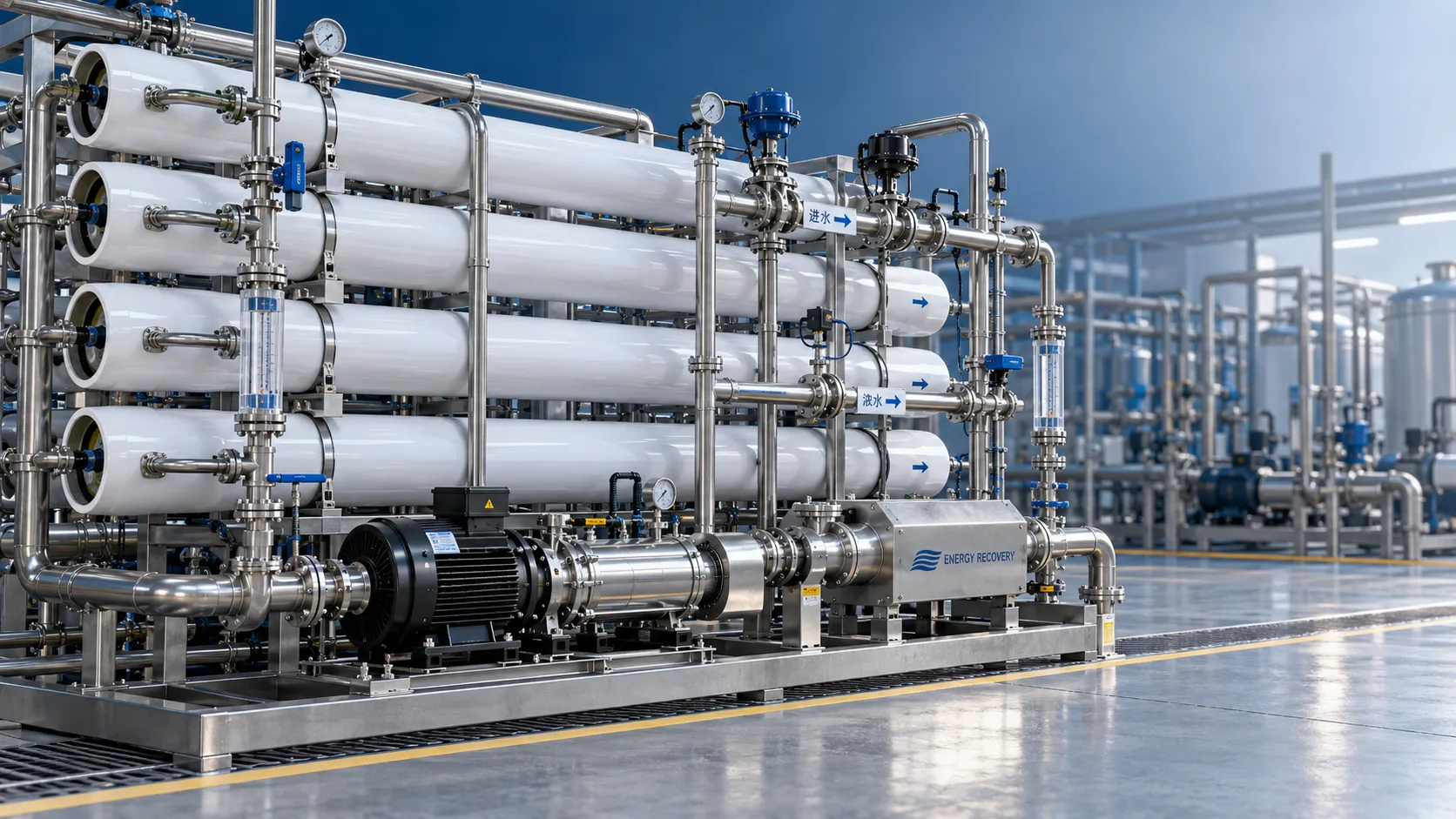
How to set recovery rates in seawater reverse osmosis system design
Explore seawater desalination systems engineering: learn to set SWRO recovery rates that balance energy, scaling risks, and water quality for reliable, cost-effective operation.
When is compaction suitable for solid nuclear waste treatment?
Is compaction right for solid nuclear waste treatment? Discover suitable waste streams, key safety checks, and disposal requirements to reduce package volume and optimize costs.
How solids concentration affects dewatering in waste recovery systems
Optimize waste recovery systems dewatering with insights on solids concentration. Learn to balance throughput, cake dryness, and solids capture while avoiding costly equipment overloads.
How to compare technical specs in an environmental equipment directory
Use this environmental equipment directory technical guide to compare capacity, energy use, compliance, and supplier evidence. Build a defensible shortlist and choose with confidence.
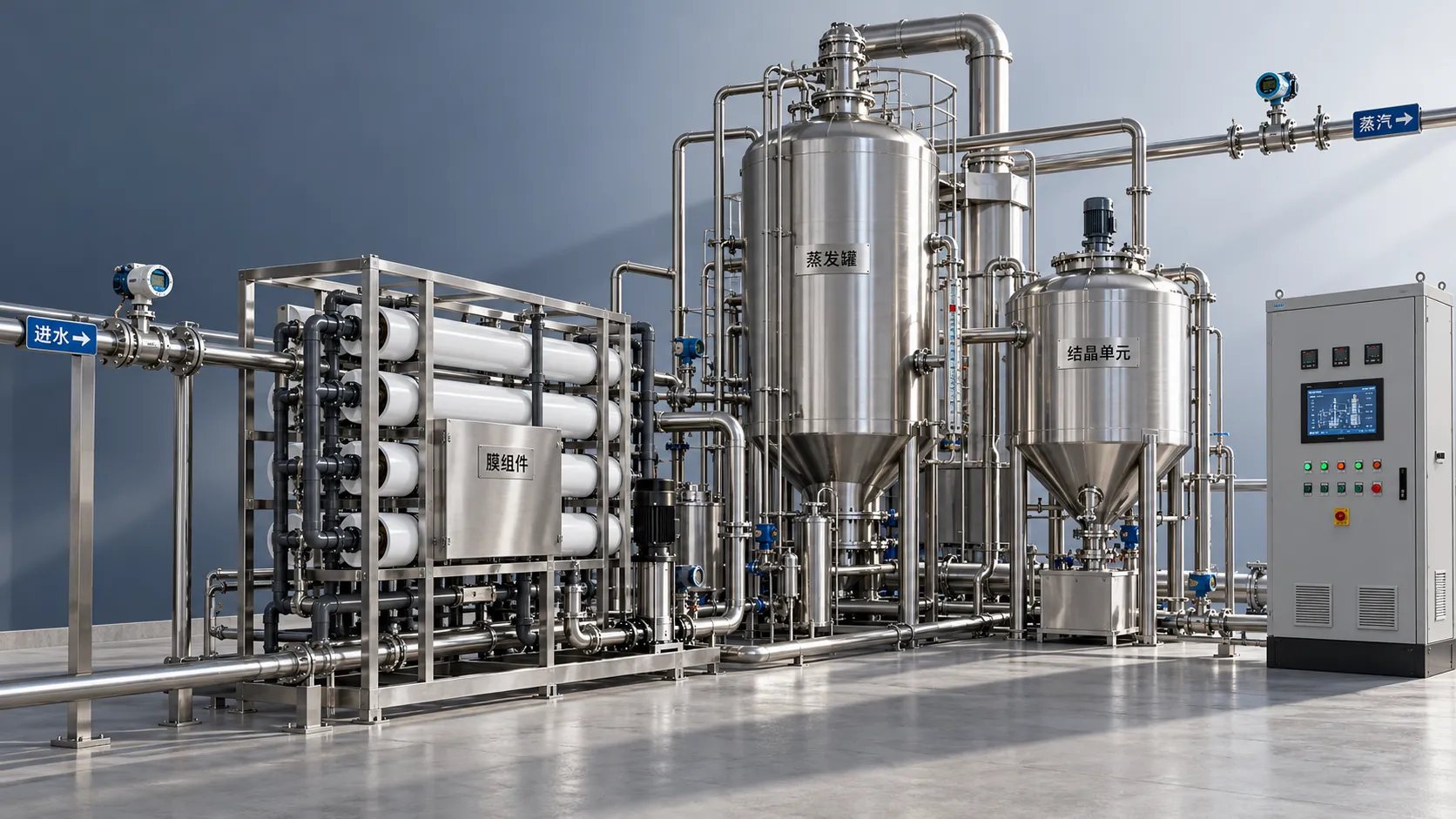
How to assess a zero liquid discharge equipment supplier’s energy claims
Assess a zero liquid discharge equipment supplier’s energy claims. Learn how to verify system boundaries, compare real costs, and demand testable guarantees before you buy.
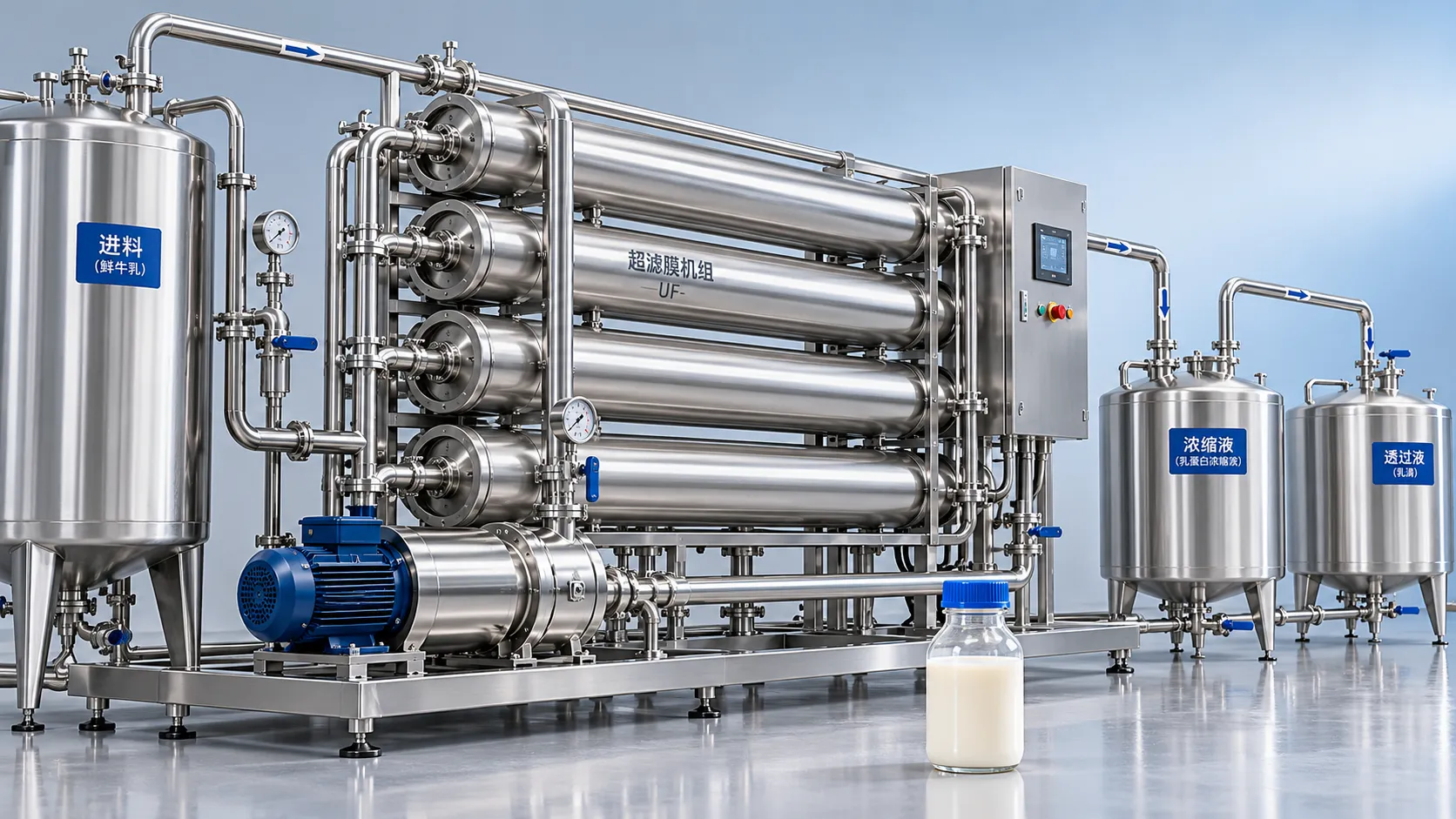
Which membrane filtration process suits dairy protein concentration?
Explore membrane filtration for dairy: compare UF, MF, and RO to select the right process for protein concentration, lactose reduction, and better recovery. Find your best fit.
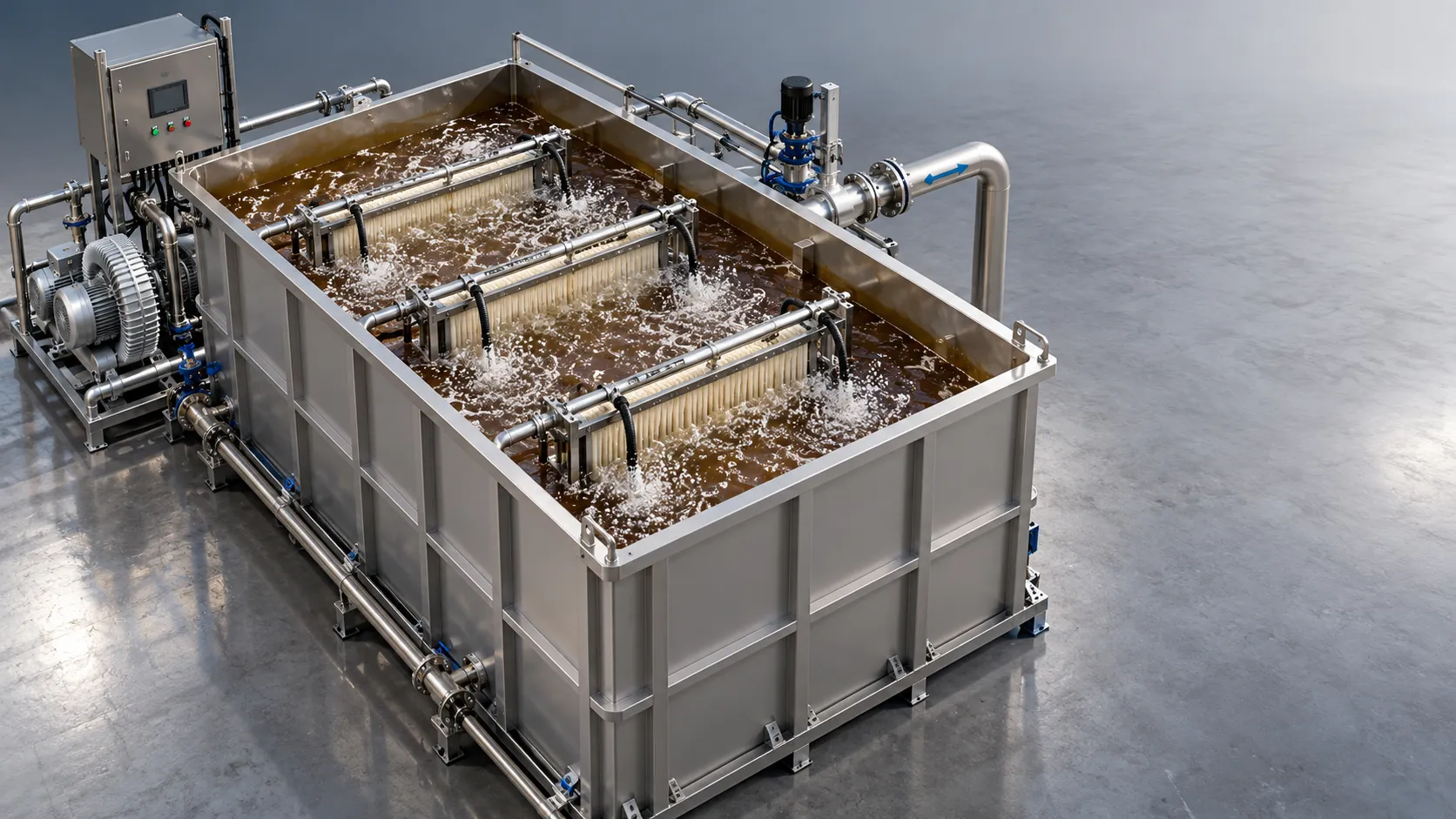
When is an MBR suitable for wastewater purification for bioprocessing?
For wastewater purification for bioprocessing, discover when an MBR fits your needs. Compare water quality, fouling risks, and lifecycle costs before investing.
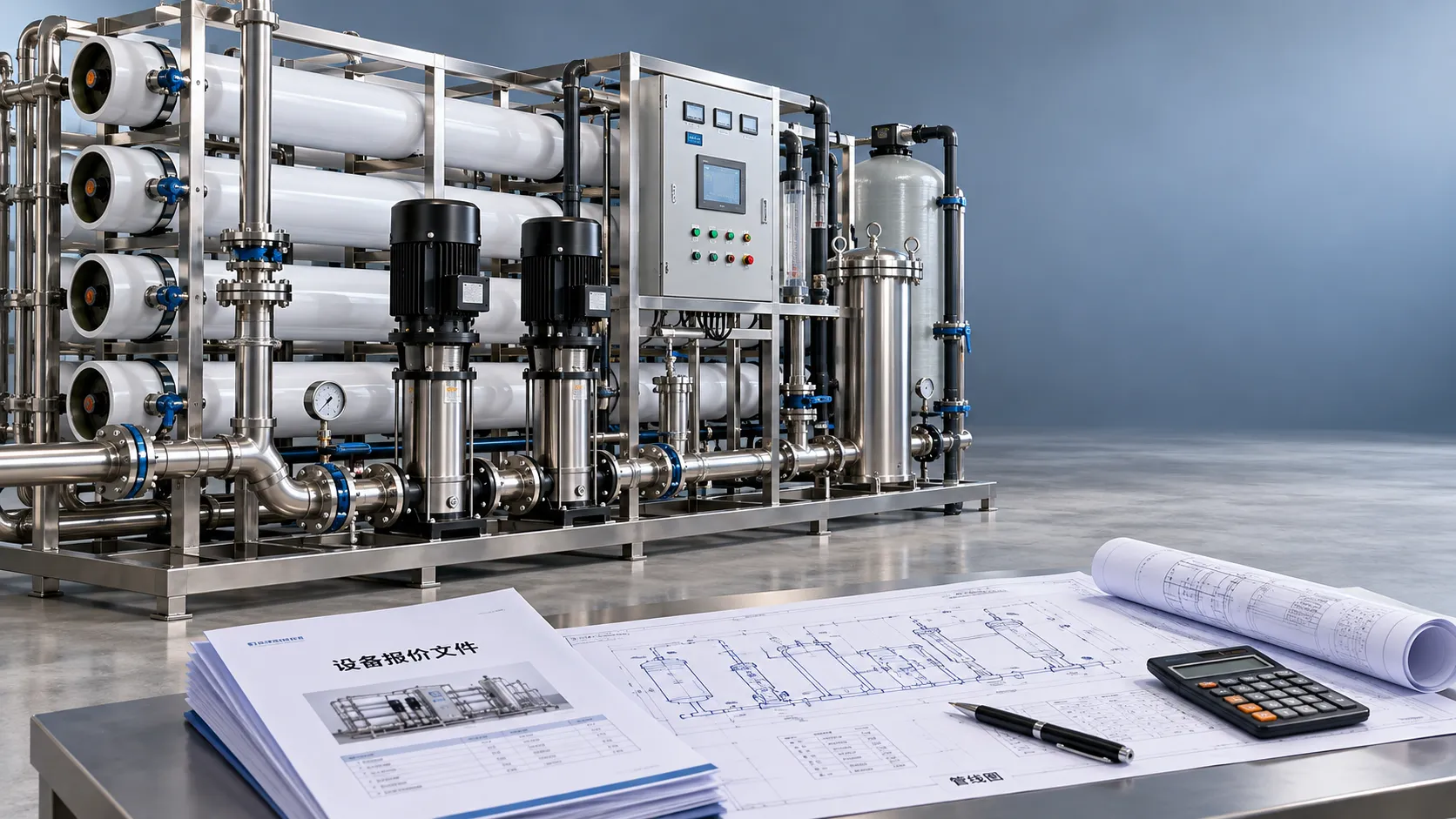
How to check a water treatment quotation for hidden project costs
Review your water treatment quotation for hidden costs, scope gaps, and operating expenses. Learn what to check before signing to protect your budget and avoid costly surprises.
How to vet ingredient processing equipment manufacturers using trials
Vet ingredient processing equipment manufacturers with real-world trials. Learn how to verify yield, cleaning, energy use, and scale-up before you invest.