
Industry News
Curation by industry experts
Hot Articles
Popular Tags
Carbon Neutrality Costs: What Drives ROI in 2026
Carbon Neutrality Costs: What Drives ROI in 2026
In 2026, carbon neutrality is no longer a branding ambition. It is a capital allocation test across infrastructure, utilities, and industrial systems.
For water treatment, waste recovery, flue gas control, desalination, and nuclear waste projects, ROI now depends on measurable operating resilience.
Energy intensity, carbon pricing, compliance exposure, equipment reliability, and circular revenue all reshape the real payback curve.
The central question is clear: which carbon neutrality investments reduce future risk while creating durable economic value?
Carbon Neutrality Is Moving From Target Setting to Balance-Sheet Discipline
The carbon neutrality conversation has shifted from distant pledges to operational accounting. Projects must now prove cost avoidance and strategic advantage.
Regulators, lenders, insurers, and export markets increasingly examine lifecycle emissions. Weak carbon data can raise financing and market-entry costs.
This matters for high-end environmental equipment. A desalination plant, SCR unit, or ZLD system carries emissions throughout its operating life.
In 2026, carbon neutrality ROI is therefore not a single payback number. It is a multi-variable investment equation.
The strongest projects combine emissions reduction, resource recovery, lower downtime, and compliance readiness under one financial logic.
Trend Signals Reshaping Carbon Neutrality ROI in 2026
Several signals show why carbon neutrality costs are becoming more strategic. They are no longer limited to energy bills.
- Carbon pricing is expanding across more industrial products and imported materials.
- CBAM-style policies increase the value of traceable emissions reduction.
- Grid volatility raises the cost of inefficient pumps, blowers, compressors, and thermal systems.
- Circular economy regulations reward material recovery and landfill diversion.
- Digital monitoring turns environmental performance into auditable financial evidence.
These signals push carbon neutrality from sustainability departments into project finance, engineering design, and long-term asset governance.
The result is a sharper distinction between symbolic decarbonization and systems that improve operating margins.
The Main Cost Drivers Behind Carbon Neutrality Projects
Carbon neutrality costs vary widely by sector. Still, the strongest ROI models usually begin with five connected cost drivers.
A low purchase price can destroy carbon neutrality ROI if energy consumption or downtime remains high.
Likewise, premium systems can outperform cheaper alternatives when they reduce carbon liabilities across fifteen or twenty years.
Energy Intensity Remains the First ROI Gate
Energy is the most visible cost in many carbon neutrality projects. It is also the easiest driver to underestimate.
Large water treatment plants depend on pumps, blowers, aeration systems, membranes, and advanced oxidation equipment.
Seawater desalination faces an even sharper challenge. SWRO performance, recovery rate, fouling control, and pressure recovery define long-term economics.
For carbon neutrality, the key metric is not only kilowatt-hours per cubic meter.
The stronger metric is energy cost per compliant output unit, adjusted for carbon price and reliability.
This creates value for intelligent equipment. Variable-speed drives, AI process control, and predictive membrane cleaning can shorten payback.
Regulation Turns Avoided Risk Into Carbon Neutrality Value
The regulatory environment is becoming more granular. Compliance no longer means passing a periodic inspection.
Authorities increasingly expect continuous monitoring, verifiable emissions data, and evidence of corrective action.
For flue gas treatment, this favors low-temperature SCR, high-efficiency FGD, particulate control, and stable reagent optimization.
For nuclear waste management, carbon neutrality cannot compromise containment. Safety performance remains the first economic variable.
A single compliance failure can erase years of apparent savings. Therefore, avoided penalties belong inside ROI modeling.
By 2026, stronger carbon neutrality investment cases include regulatory stress tests, not just baseline operating assumptions.
Circular Revenue Changes the Payback Curve
Carbon neutrality becomes more attractive when waste streams gain market value. This is where circular systems change project economics.
AI sorting, pyrolysis, metal recovery, sludge treatment, and brine resource extraction can reduce disposal costs.
They may also create secondary revenue from recovered polymers, metals, salts, fuels, or construction-grade materials.
However, the value is not automatic. Product purity, offtake contracts, contamination control, and logistics determine realizable ROI.
The strongest carbon neutrality models treat recovered materials as volatile but strategic cash-flow contributors.
A conservative model discounts circular revenue. A stronger model also prices reduced landfill, transport, and regulatory exposure.
Different Business Links Feel Different ROI Pressures
Carbon neutrality does not affect every business link in the same way. Each link carries different risks and economic signals.
- Engineering design: early process choices lock in decades of energy and carbon exposure.
- Project financing: audited emissions data can improve bankability and lower risk premiums.
- Operations: predictive maintenance reduces downtime, reagent waste, and emergency replacement spending.
- Export compliance: product-level carbon data supports access to regulated markets.
- Asset management: lifecycle upgrades protect residual value as standards tighten.
This is why carbon neutrality ROI should be evaluated across the full asset chain.
A narrow equipment comparison can miss the economics of uptime, compliance defense, and market access.
What Strong Carbon Neutrality Investment Cases Include
A credible 2026 investment case needs more than a simple emissions reduction claim.
It should connect technical performance with financial exposure, operating uncertainty, and policy direction.
- A baseline carbon inventory covering energy, process emissions, and material flows.
- A lifecycle cost model using realistic maintenance and replacement assumptions.
- Sensitivity analysis for power price, carbon price, throughput, and downtime.
- Evidence that monitoring data can support audits and financing reviews.
- A circular revenue model with conservative and upside scenarios.
- A compliance roadmap aligned with expected regulations after 2026.
These elements make carbon neutrality decisions more comparable across technologies, sites, and regions.
How to Judge Payback Under Uncertain Carbon Prices
Carbon prices remain uneven across jurisdictions. Still, ignoring them creates a false sense of low-cost operation.
A practical approach uses scenarios rather than a single forecast. This avoids overconfidence and supports staged investment.
The best projects remain financially defensible under conservative assumptions and strategically powerful under stress conditions.
Technology Signals Worth Watching in 2026
Several equipment trends may improve carbon neutrality ROI during 2026 and beyond.
- Lower-fouling SWRO membranes that reduce cleaning frequency and energy demand.
- Advanced aeration controls that match oxygen delivery to real-time wastewater load.
- Low-temperature SCR catalysts improving emission control during variable operations.
- AI sorting lines that raise recovery purity and downstream material value.
- Nuclear waste vitrification monitoring that strengthens long-term containment assurance.
These technologies matter because carbon neutrality is increasingly judged by verified performance, not installed capacity.
Digital intelligence also improves feedback loops. Operators can see where emissions, energy, and maintenance costs converge.
Key Priorities for Enterprises Building Carbon Neutrality Plans
The most resilient carbon neutrality plans focus on decisions that remain valuable across multiple policy and market futures.
- Rank assets by energy intensity, regulatory risk, and remaining service life.
- Upgrade monitoring before claiming emissions reduction or circular economy value.
- Link equipment specifications to lifecycle emissions, not only design capacity.
- Model carbon neutrality payback with carbon price and downtime sensitivity.
- Secure offtake pathways before assigning high value to recovered materials.
- Prioritize modular upgrades where policy uncertainty remains high.
This approach reduces the risk of stranded equipment and improves the credibility of investment decisions.
A Practical Roadmap for Better ROI Decisions
A structured roadmap helps separate necessary compliance spending from high-value carbon neutrality investment.
This roadmap is especially useful for portfolios containing water, waste, air, desalination, and nuclear safety assets.
Final Outlook: Carbon Neutrality ROI Belongs to Integrated Systems
In 2026, carbon neutrality ROI will favor integrated systems over isolated equipment purchases.
The winning projects will combine lower energy demand, stronger compliance, resource recovery, and verifiable performance data.
They will also treat reliability as financial protection, especially in high-risk environmental infrastructure.
Carbon neutrality costs should not be judged only by upfront capital. The better question is how much risk the investment removes.
The next step is to audit the highest-emission assets, quantify lifecycle exposure, and compare upgrade scenarios under carbon price stress.
With disciplined intelligence and rigorous technical evaluation, carbon neutrality can become a source of resilience, not only compliance cost.
Recommended News
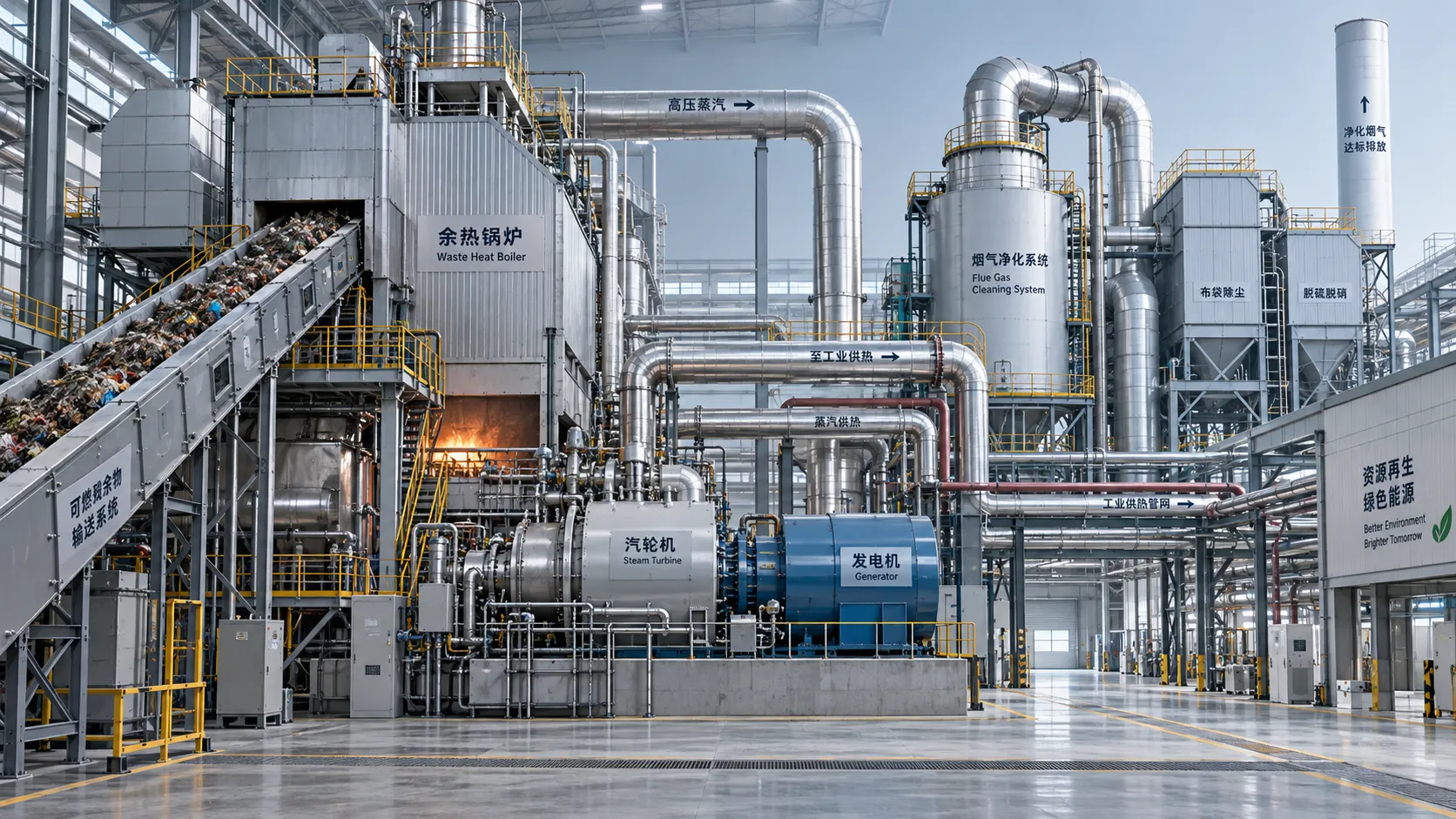
When is energy recovery viable in the solid waste recovery process?
When is energy recovery viable in the solid waste recovery process? Explore feedstock quality, net energy, emissions, and costs to assess feasibility and make smarter investment decisions.
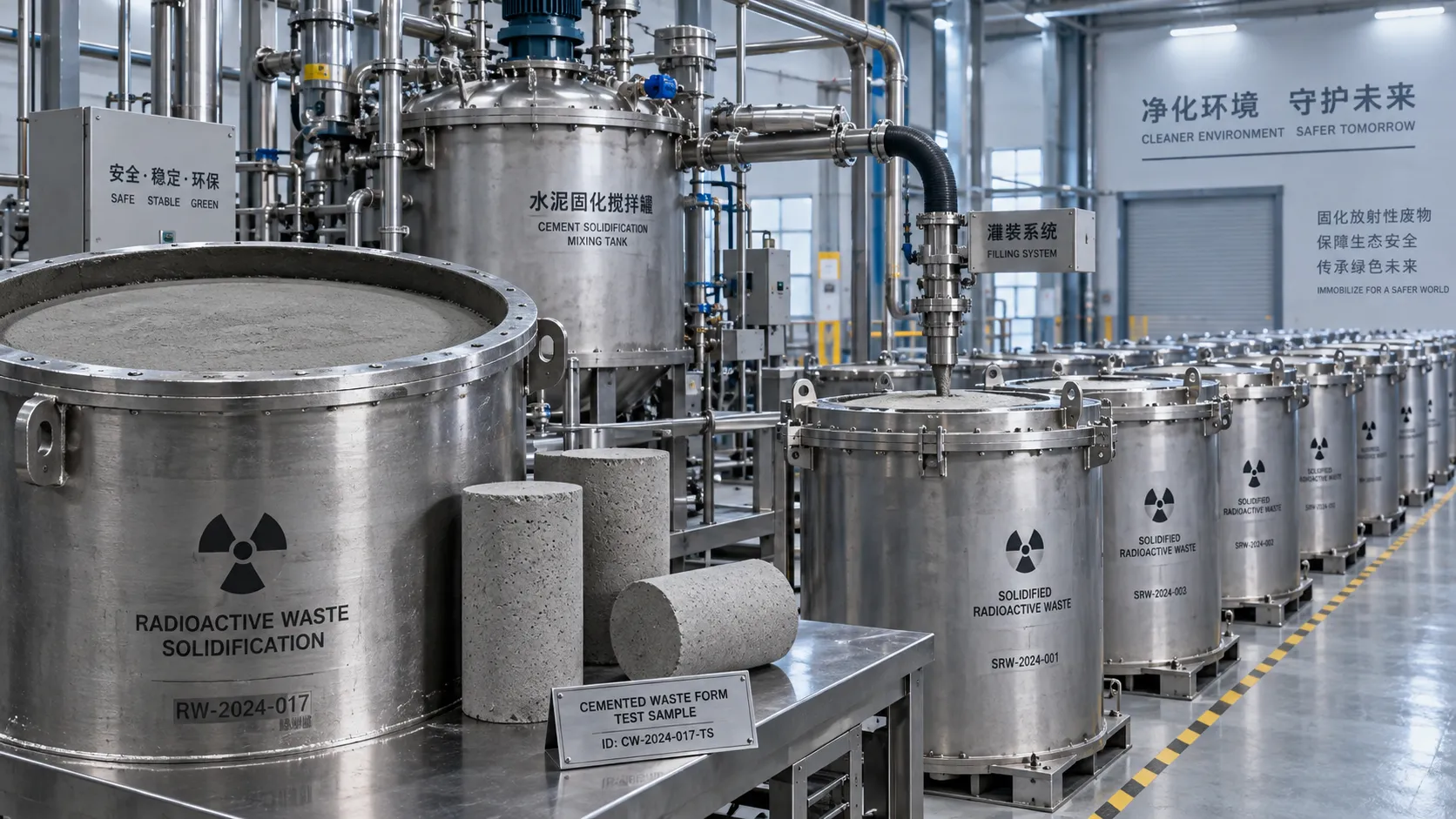
When is cementation suitable for nuclear decommissioning waste?
Explore nuclear waste treatment technology for decommissioning: learn when cementation fits, which risks to assess, and how disposal criteria guide an effective treatment choice.
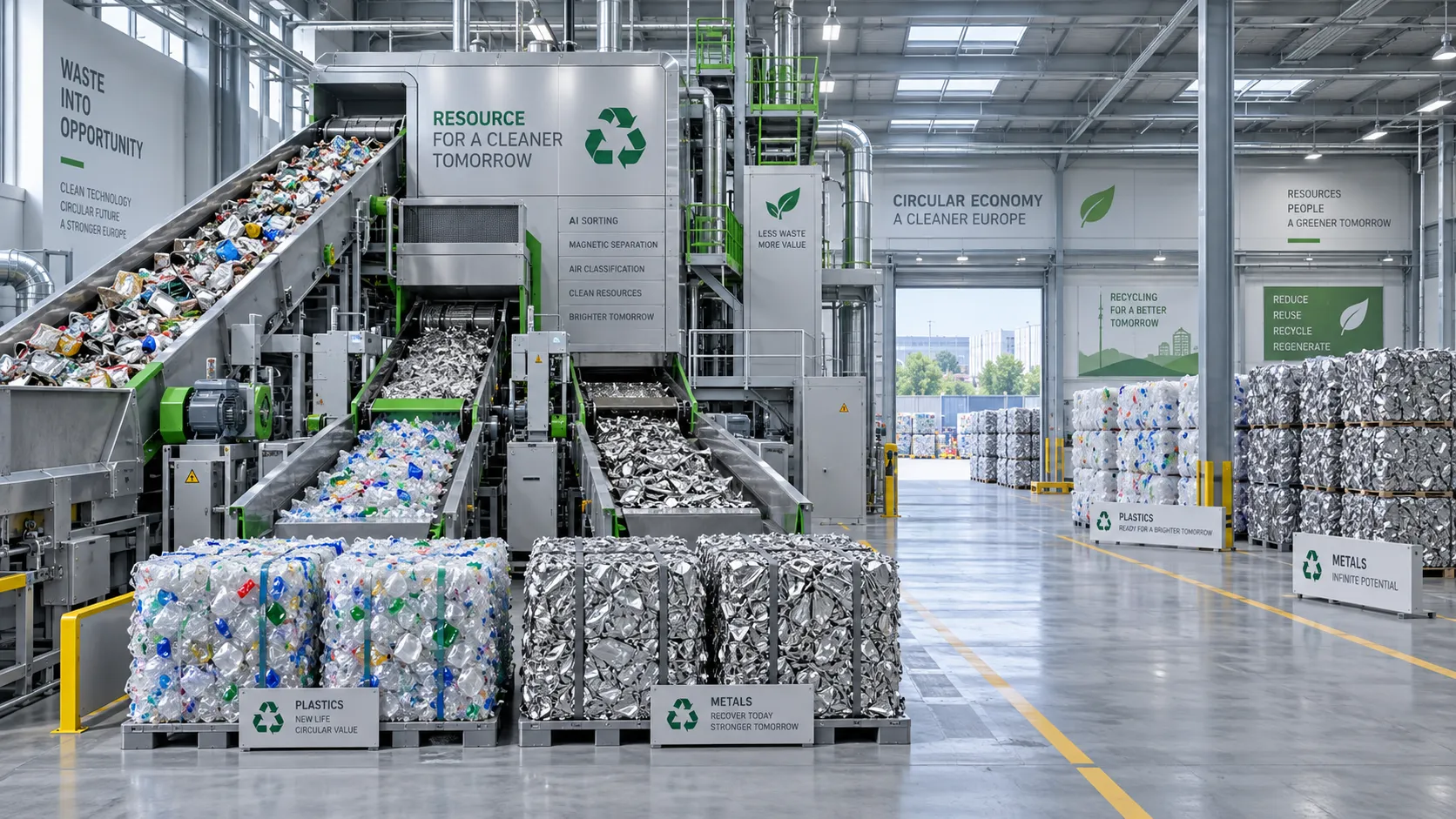
What determines payback for waste-to-resource systems in Europe?
Assess waste-to-resource systems Europe-wide: compare feedstock, recovery yields, costs and contracts to uncover payback drivers and make smarter investment decisions.
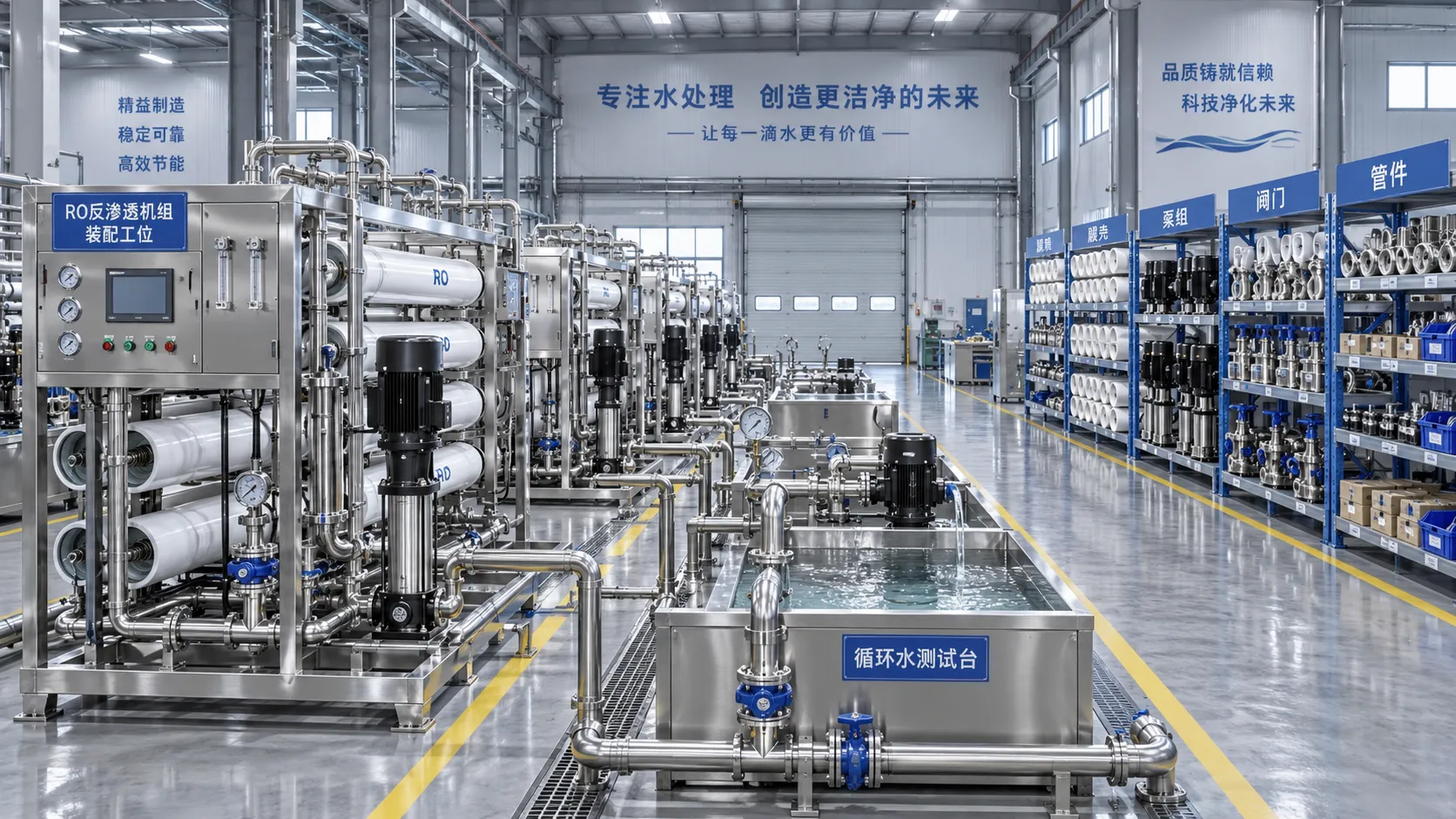
How to verify a water treatment system factory’s production capacity
Verify a water treatment systems factory’s production capacity through records, bottlenecks, component availability, and testing. Learn what to check before accepting a delivery promise.
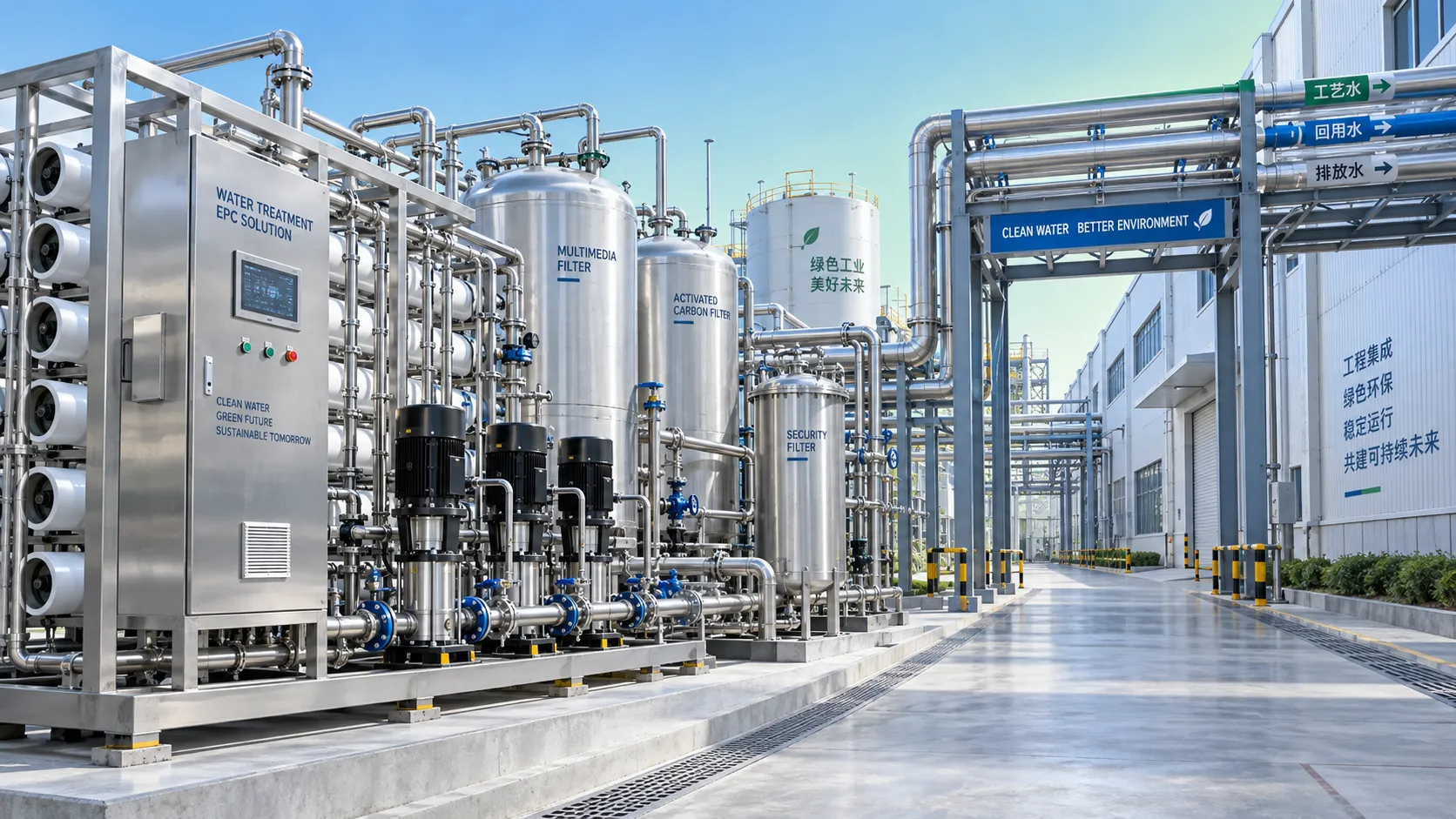
When does EPC environmental project support reduce delivery risk?
EPC environmental project support engineering reduces delivery risk by aligning design, procurement, compliance, construction, and commissioning decisions.
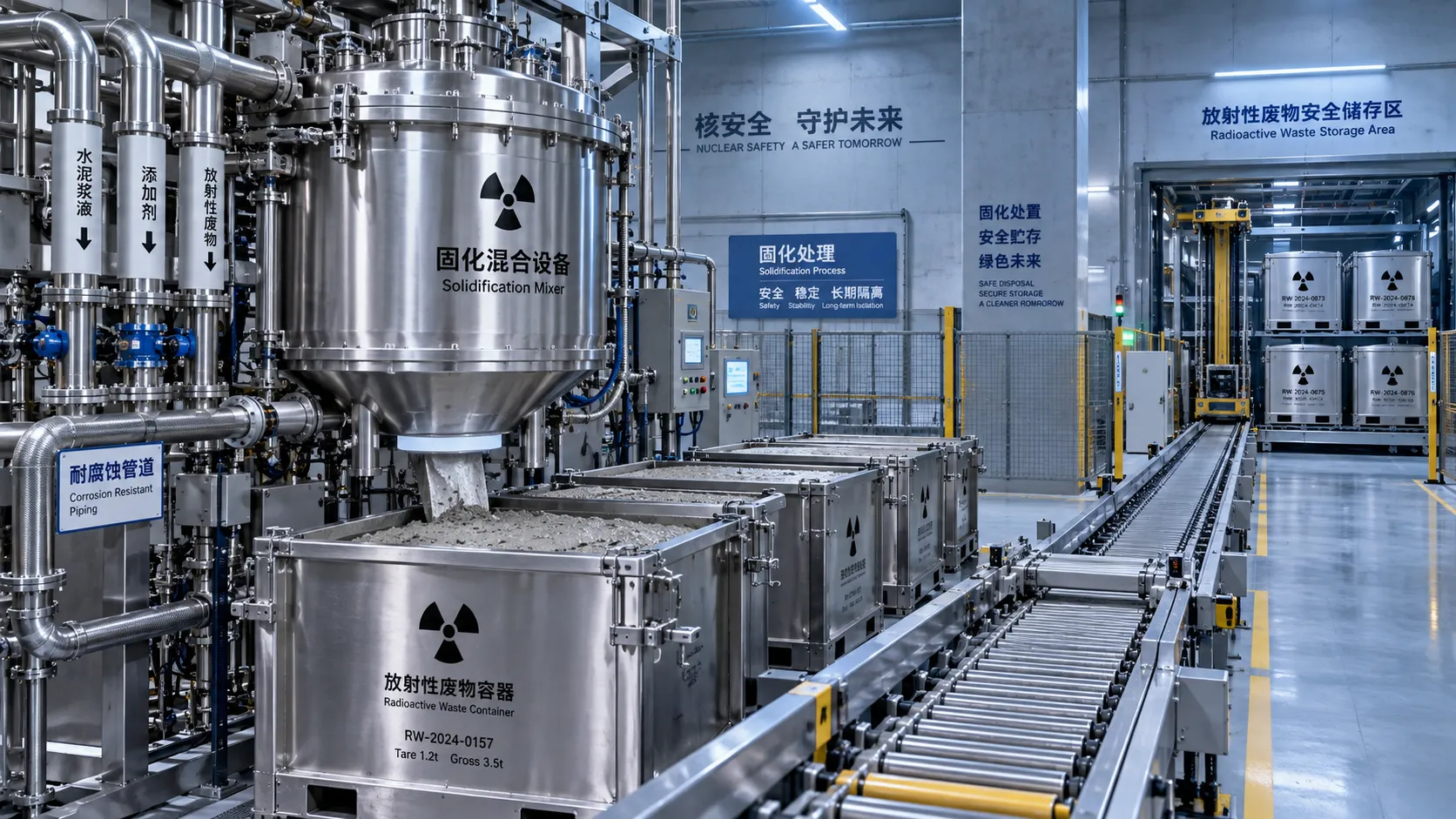
How nuclear plants select a radioactive waste solidification method
Radioactive waste management for nuclear plants: compare vitrification, cementation, polymers, and ceramics to select a compliant, durable solidification solution.
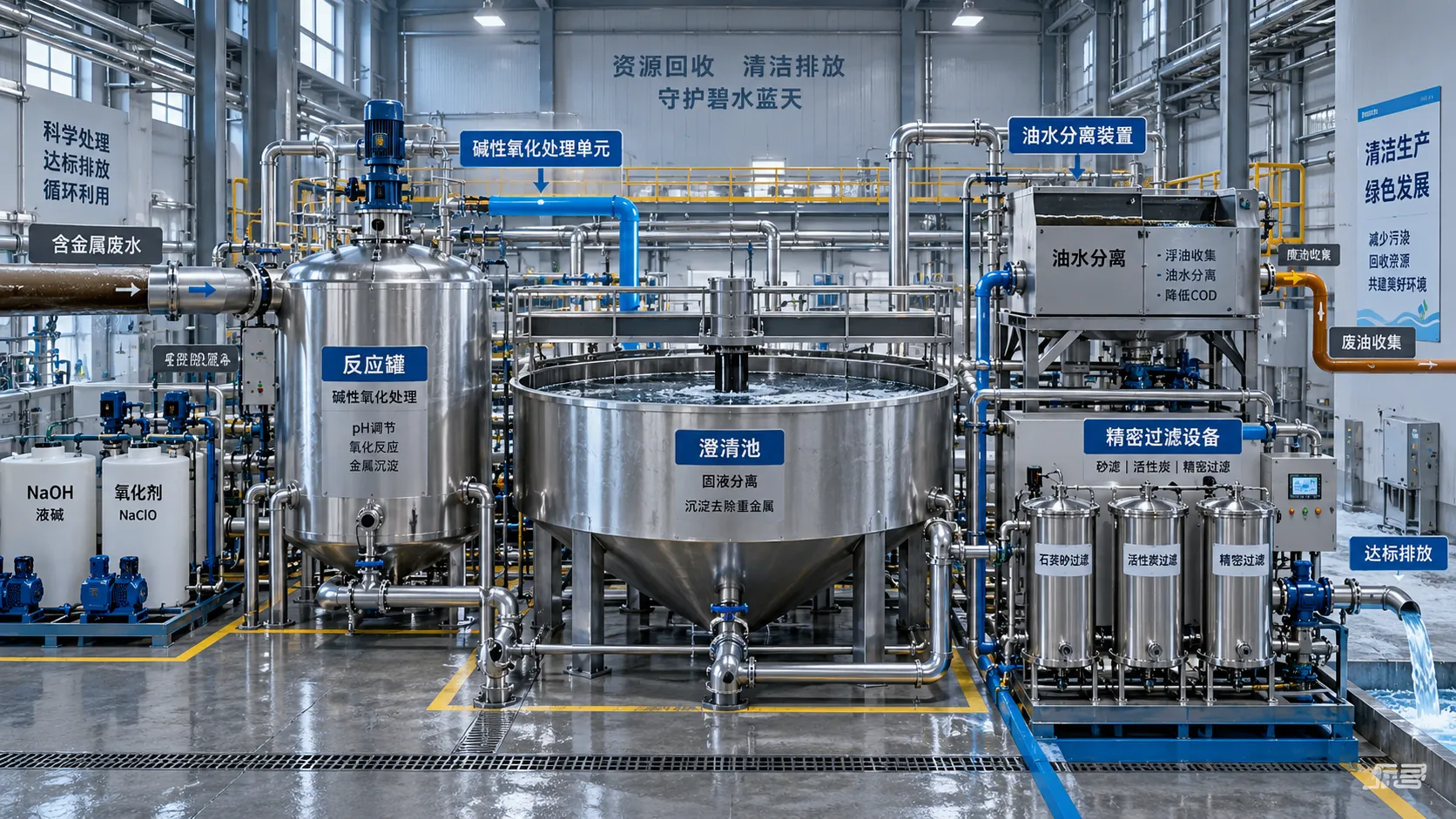
Treating Metal Finishing Wastewater: Removing Metals, Cyanide, and Oil Reliably
Metal finishing wastewater treatment made reliable: learn how to safely remove metals, cyanide, oil, and complex contaminants with proven stream segregation and control strategies.
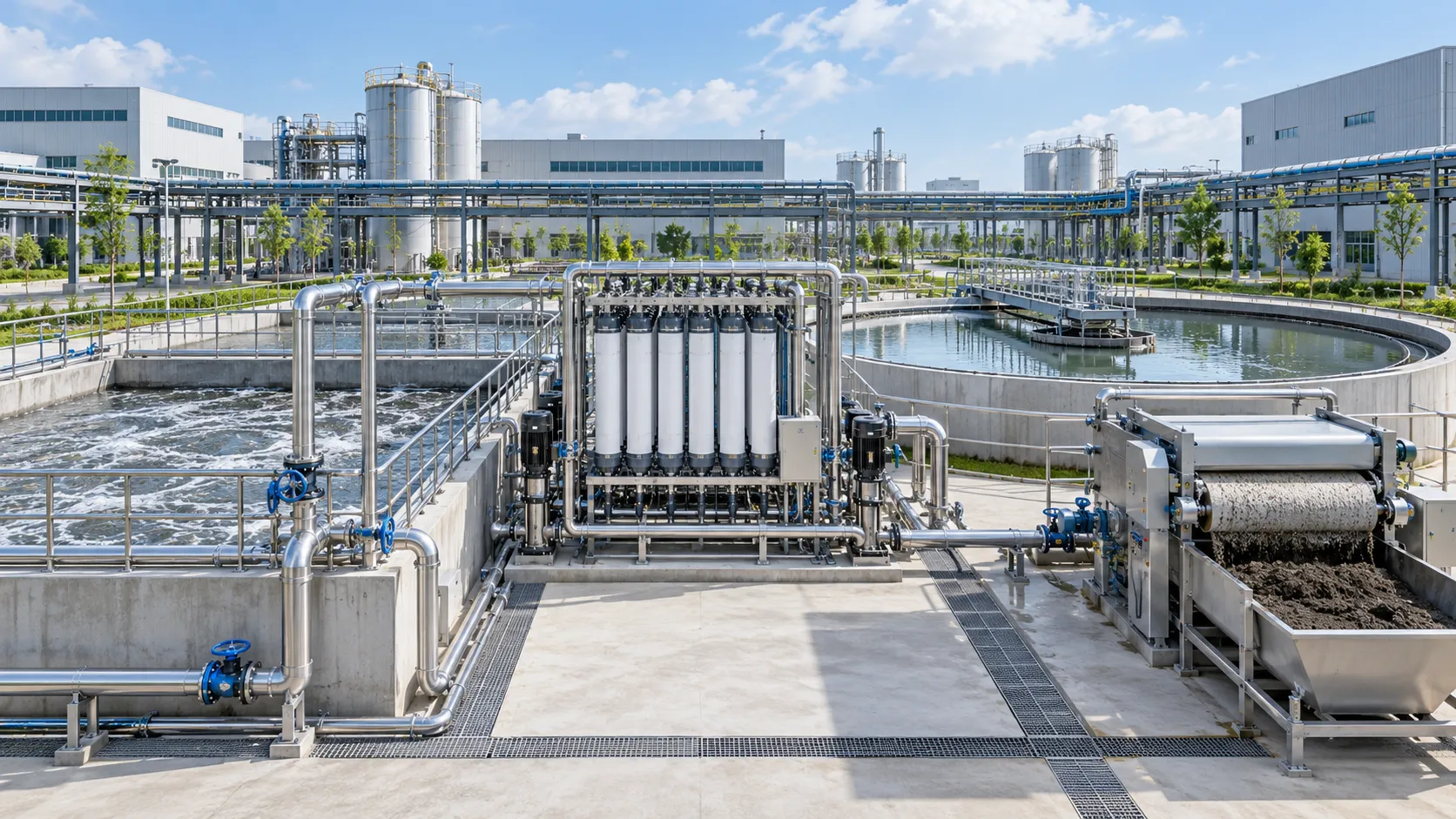
What Drives the Cost of Wastewater System Upgrades in Industrial Parks?
Costs of wastewater system upgrades in industrial parks: uncover key drivers from influent variability and civil works to sludge, energy, compliance, and lifecycle risk.
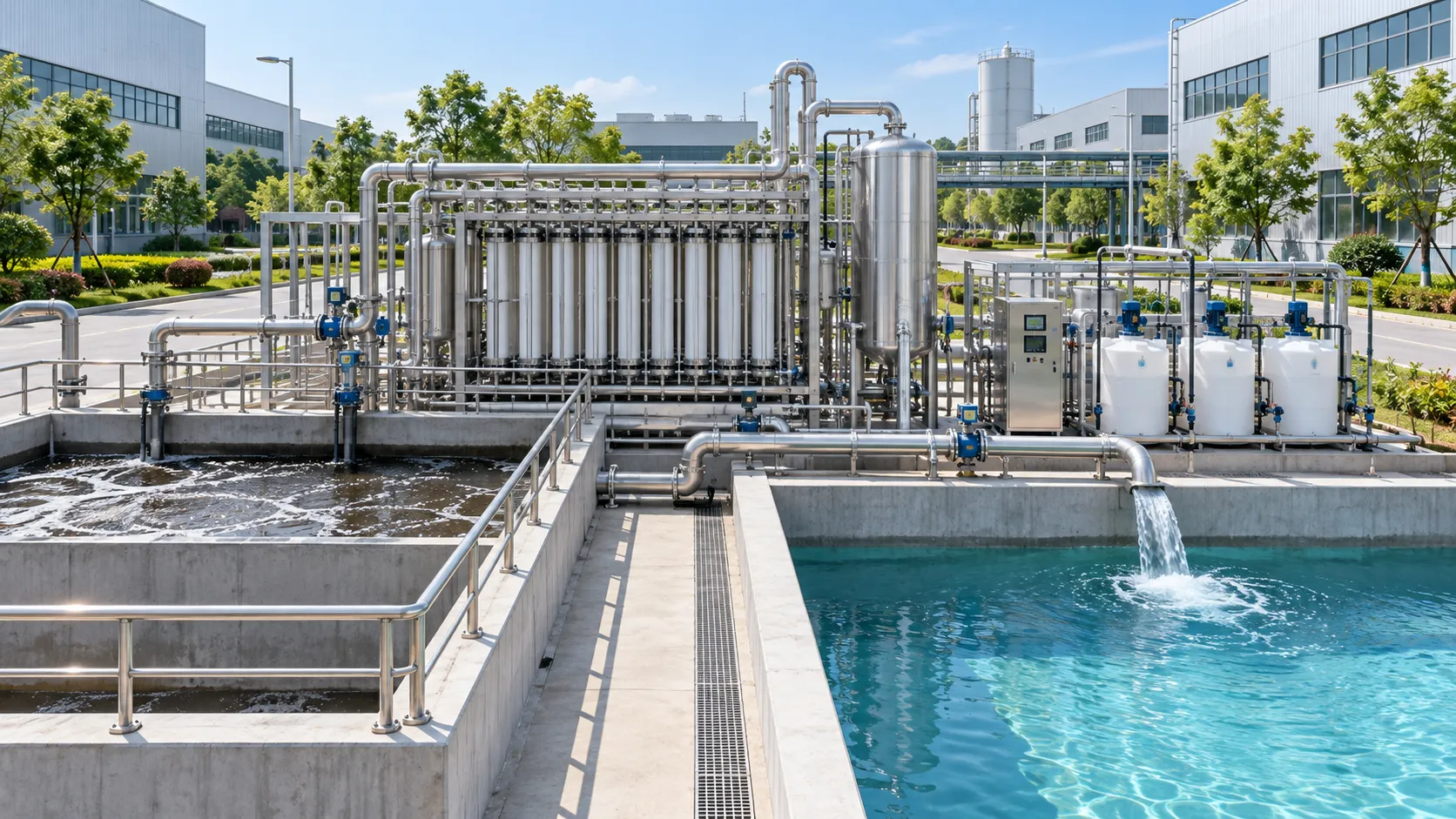
Comparing Upgrade Costs for Industrial Park Wastewater Treatment Systems
Compare costs for wastewater system upgrades in industrial parks with a lifecycle view of CAPEX, OPEX, compliance, resilience, and future expansion.