
Industry News
Curation by industry experts
Hot Articles
Popular Tags
Urban Mining Technology Advancements Reshaping E-Waste Recovery
Urban mining technology advancements are rapidly redefining how technical evaluators assess e-waste recovery systems, from AI-enabled sorting and precision dismantling to hydrometallurgical extraction and closed-loop material traceability.
As electronics waste becomes a strategic secondary resource, recovery performance is no longer measured by throughput alone, but by purity, energy intensity, compliance resilience, and lifecycle carbon value.
This article examines the technologies reshaping urban mines into engineered resource networks—and the evaluation criteria that matter most for scalable, profitable, and regulation-ready deployment.
Urban Mining Technology Advancements Are Turning E-Waste Into Strategic Feedstock
The global electronics cycle is accelerating, while device lifespans are shortening across consumer, industrial, medical, and infrastructure markets.
Discarded circuit boards, batteries, displays, connectors, and sensors now contain recoverable metals with measurable strategic and commercial value.
Urban mining technology advancements are shifting e-waste recovery from fragmented recycling toward engineered material recovery platforms.
This shift matters because e-waste is chemically complex, physically mixed, and increasingly regulated across borders.
A single recycling line must handle precious metals, base metals, rare earth elements, flame retardants, plastics, glass, and hazardous residues.
Older recovery models often relied on bulk shredding, manual picking, and downstream smelting with limited material visibility.
New urban mining technology advancements combine sensing, robotics, data governance, selective chemistry, and environmental control into integrated recovery ecosystems.
Trend Signals Showing a New Recovery Architecture
Several signals show that e-waste recovery is entering a more technical and compliance-driven phase.
First, policy pressure is rising through extended producer responsibility, waste shipment controls, battery rules, and carbon reporting obligations.
Second, resource security is changing how governments and industrial groups view secondary metals.
Copper, gold, palladium, nickel, cobalt, lithium, and rare earth elements are no longer only recycling outputs.
They are strategic inputs for electrification, telecommunications, defense electronics, renewable energy, and high-efficiency industrial equipment.
Third, urban mining technology advancements are enabling better material characterization before destructive processing begins.
This creates more accurate routing, higher purity fractions, lower reagent use, and stronger downstream contract confidence.
What Is Driving Urban Mining Technology Advancements?
The momentum behind urban mining technology advancements is not driven by one technology alone.
It is emerging from market scarcity, compliance complexity, data transparency, and pressure to decarbonize resource supply chains.
These drivers explain why urban mining technology advancements are moving beyond mechanical recovery into intelligence-led resource engineering.
AI Sorting Is Redefining Purity Before Extraction
AI-enabled sorting is one of the most visible urban mining technology advancements in modern e-waste facilities.
Machine vision, hyperspectral imaging, X-ray fluorescence, near-infrared sensors, and deep learning models can classify mixed electronic streams quickly.
The most valuable gain is not only speed.
It is the ability to identify boards, batteries, cables, plastics, aluminum, and contaminated fractions before they compromise purity.
Better feedstock intelligence reduces unnecessary shredding and protects sensitive downstream separation stages.
For high-value printed circuit boards, AI sorting can separate grades based on component density and metal content probability.
This supports more profitable routing into pyrometallurgical, hydrometallurgical, or hybrid processing paths.
In practical evaluation, AI sorting should be judged by false rejection rate, contamination reduction, model adaptability, and sensor maintenance demand.
Precision Dismantling Is Replacing Blind Shredding
Blind shredding remains useful for some streams, but it is less effective for complex, hazardous, or high-value electronics.
Urban mining technology advancements are pushing precision dismantling into larger recovery operations.
Robotics can remove batteries, displays, hard drives, capacitors, and selected circuit boards before bulk size reduction.
This improves safety and prevents lithium battery fires, mercury release, brominated plastic contamination, and component value loss.
The strongest systems combine product recognition, digital work instructions, gripper flexibility, and adaptive force control.
Dismantling data also helps build a materials passport for recovered fractions.
That passport can support compliance evidence, producer reporting, and commercial claims around recycled content.
- Battery removal reduces fire risk and insurance exposure.
- Board separation improves precious metal recovery economics.
- Display handling lowers hazardous glass and backlight contamination.
- Component tracking strengthens downstream audit readiness.
Hydrometallurgy Is Moving Toward Selective, Lower-Impact Recovery
Chemical recovery is also being reshaped by urban mining technology advancements.
Traditional routes often face criticism for reagent use, wastewater generation, and treatment complexity.
New hydrometallurgical systems focus on selective leaching, reagent regeneration, closed-loop water management, and modular extraction design.
Bioleaching, ionic liquids, deep eutectic solvents, and electrochemical recovery are gaining technical attention.
Their commercial value depends on kinetics, selectivity, operating temperature, reagent stability, and residue management.
For printed circuit boards, staged leaching can improve copper removal before precious metal extraction.
For lithium-ion batteries, leaching must address nickel, cobalt, manganese, lithium, graphite, electrolyte residues, and fluorinated compounds.
The trend is clear: chemical recovery must be measured by recovery rate and environmental controllability together.
Pyrolysis and Thermal Control Are Becoming More Targeted
Thermal processes remain important, especially where organics, resins, coatings, and complex laminates limit mechanical separation.
However, urban mining technology advancements are making thermal treatment more controlled and selective.
Modern pyrolysis systems seek to separate organic binders while preserving metal-rich fractions for further refining.
Key evaluation points include temperature uniformity, off-gas cleaning, dioxin prevention, brominated compound control, and energy recovery.
Thermal recovery is strongest when linked with upstream sorting and downstream metal purification.
It should not operate as an isolated disposal step.
Integrated design can reduce residue toxicity while increasing the consistency of metal concentrates.
Traceability Is Becoming a Core Recovery Metric
Material traceability is increasingly central to urban mining technology advancements.
Recovered metals must prove origin, composition, handling route, and environmental performance.
Digital platforms can connect intake records, sensor results, dismantling logs, batch chemistry, residue treatment, and output certification.
This matters when recycled materials enter electronics, automotive, battery, or infrastructure supply chains.
Traceability also helps defend recovery claims under stricter environmental, social, and governance scrutiny.
Without credible data, high recovery rates may fail to translate into market premiums or regulatory acceptance.
The next phase of urban mining technology advancements will likely link digital product passports with facility-level recovery data.
Operational Impacts Across the E-Waste Recovery Chain
The impact of urban mining technology advancements differs across collection, preprocessing, extraction, refining, and compliance reporting.
Collection networks need better pre-classification to prevent hazardous mixing and improve feedstock predictability.
Preprocessing lines must balance dismantling depth with throughput, labor safety, and equipment flexibility.
Extraction facilities need chemistry that can handle changing device compositions without excessive reagent or energy intensity.
Refining partners increasingly require consistent concentrates, impurity transparency, and documented environmental controls.
- Collection gains value from device-level identification and hazard screening.
- Sorting gains value from adaptive AI models and multi-sensor validation.
- Extraction gains value from selective leaching and closed-loop utilities.
- Compliance gains value from auditable batch data and lifecycle metrics.
Evaluation Criteria for Scalable Deployment
Urban mining technology advancements should be evaluated through an integrated performance lens.
A system that improves one metric while worsening residue risk or energy consumption may not remain competitive.
The strongest projects connect technical performance with commercial contracts and environmental evidence.
Key Priorities for Enterprises Building Recovery Capacity
Enterprises assessing urban mining technology advancements should avoid choosing equipment through isolated specifications.
The better approach is to map target feedstock, output markets, regulatory exposure, and residue pathways together.
- Define priority streams, including boards, batteries, cables, displays, and mixed small electronics.
- Quantify value by recoverable metal, not by total mass processed.
- Test sorting performance under real contamination, moisture, and product variation.
- Model reagent, water, energy, residue, and off-gas treatment costs early.
- Build digital traceability before compliance demands become urgent.
- Validate recovered material acceptance with downstream refiners and industrial users.
This discipline helps separate promising urban mining technology advancements from technologies that work only under narrow laboratory conditions.
How to Judge the Next Phase of the Trend
The next phase will reward recovery systems that combine modularity, intelligence, and verifiable environmental performance.
Facilities should expect more variable feedstock as electronics designs, battery chemistries, and material mixes continue changing.
Urban mining technology advancements that adapt quickly will outperform rigid systems built for yesterday’s waste stream.
From Recycling Lines to Ecological Resource Networks
The long-term importance of urban mining technology advancements extends beyond individual recycling facilities.
They support a broader ecological industrial system where waste streams become managed reservoirs of recoverable value.
For an intelligence platform focused on environmental equipment, this evolution is especially significant.
It links solid waste recovery with water treatment, emissions control, circular economy strategy, and carbon compliance.
An advanced e-waste plant may need wastewater polishing, acid mist control, thermal off-gas treatment, and residue stabilization.
Therefore, urban mining technology advancements should be viewed as part of a complete environmental engineering architecture.
Practical Next Steps for Regulation-Ready Recovery
A practical response begins with a technical baseline.
Characterize incoming e-waste by product category, hazardous content, metal value, moisture, plastic type, and dismantling complexity.
Then compare technology routes under identical feedstock assumptions.
Pilot results should include purity, recovery yield, reagent consumption, energy use, emissions, residues, and traceability completeness.
The final decision should connect engineering performance with downstream acceptance and regulatory durability.
Urban mining technology advancements are not only improving recovery economics.
They are redefining how industrial civilization protects resources, reduces ecological pressure, and builds resilient circular supply chains.
For organizations tracking environmental equipment intelligence, the next move is clear.
Monitor real deployment data, verify system-level performance, and prioritize technologies that convert urban mines into transparent, low-carbon resource networks.
Recommended News
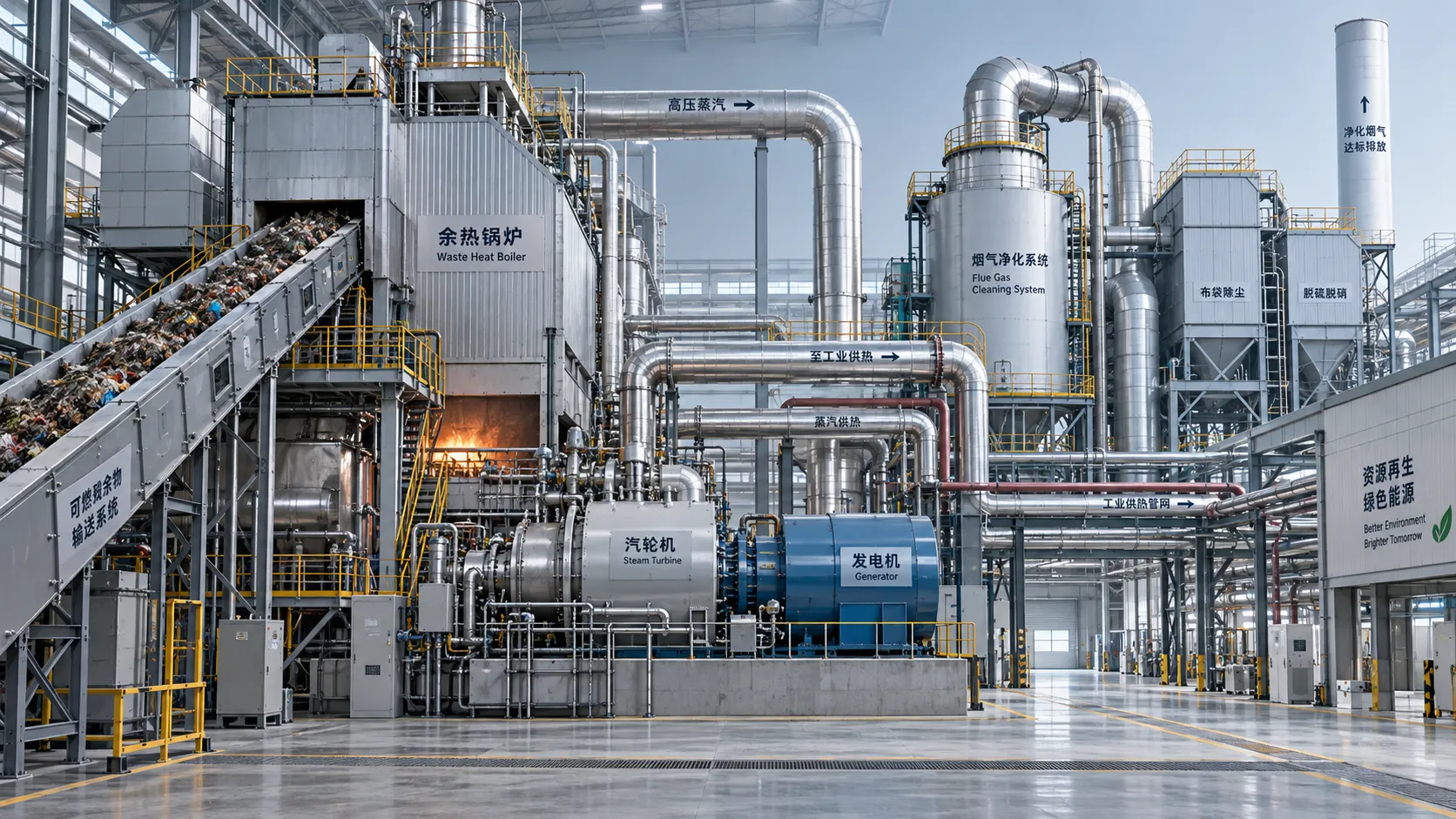
When is energy recovery viable in the solid waste recovery process?
When is energy recovery viable in the solid waste recovery process? Explore feedstock quality, net energy, emissions, and costs to assess feasibility and make smarter investment decisions.
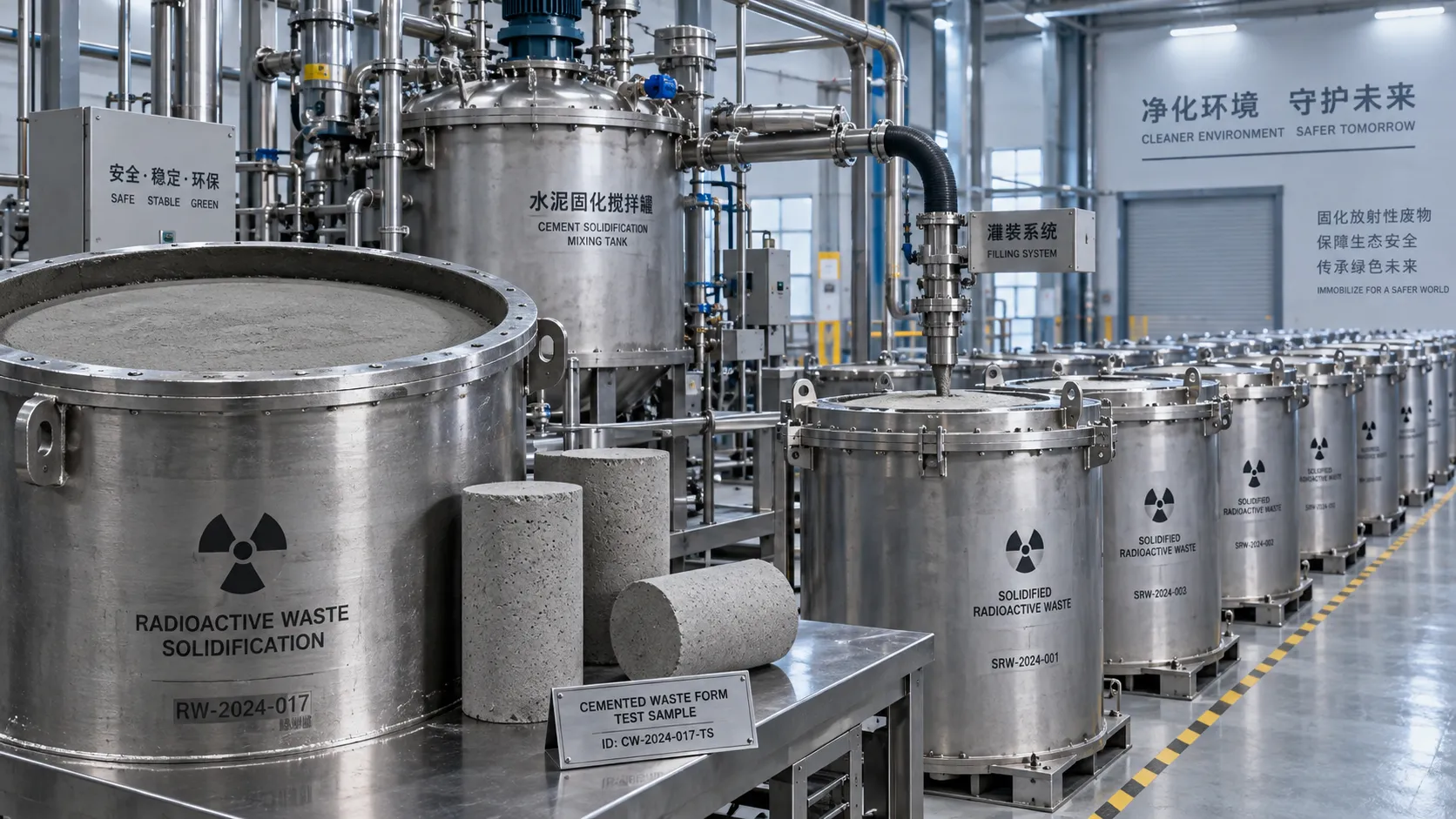
When is cementation suitable for nuclear decommissioning waste?
Explore nuclear waste treatment technology for decommissioning: learn when cementation fits, which risks to assess, and how disposal criteria guide an effective treatment choice.
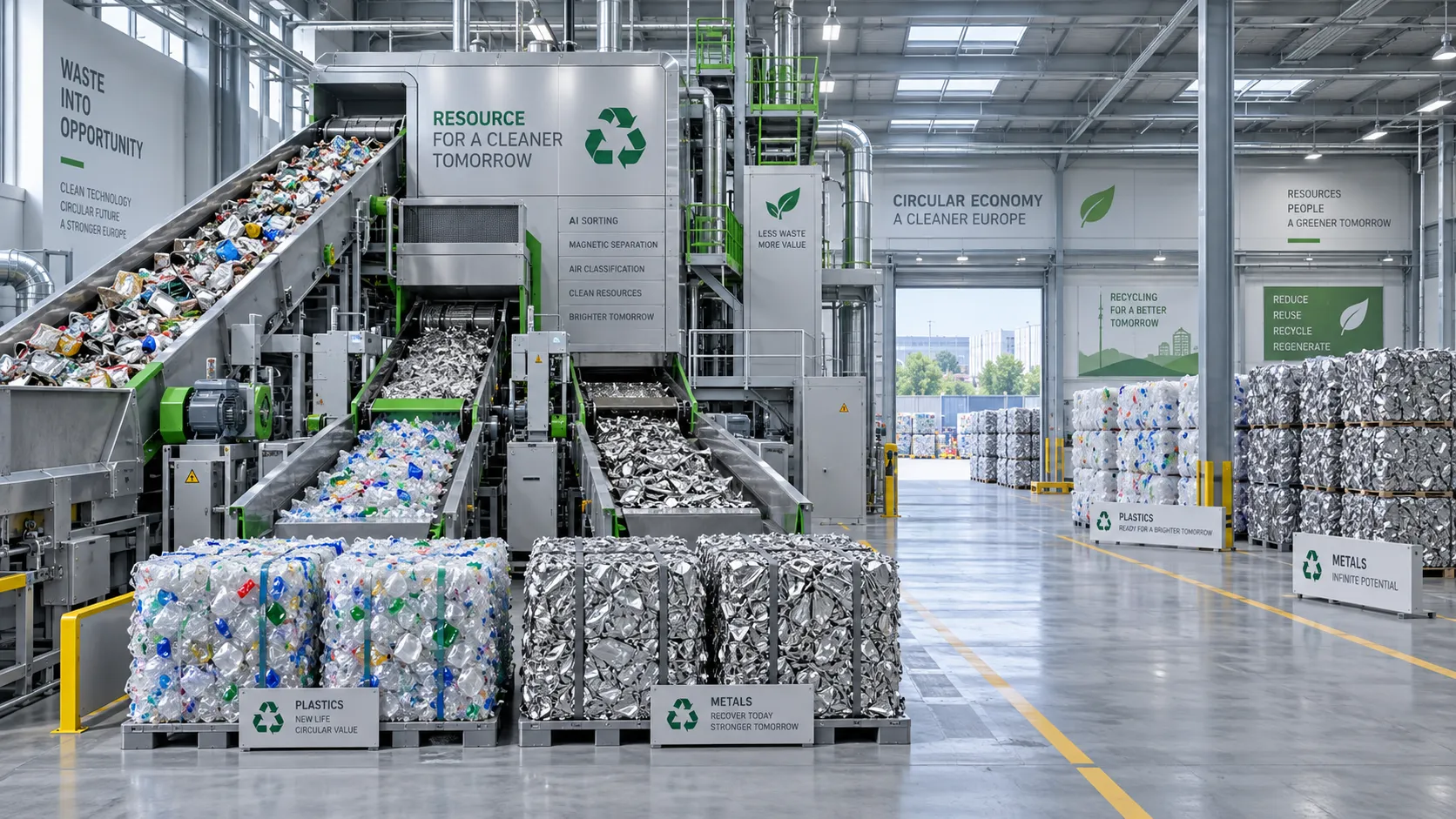
What determines payback for waste-to-resource systems in Europe?
Assess waste-to-resource systems Europe-wide: compare feedstock, recovery yields, costs and contracts to uncover payback drivers and make smarter investment decisions.
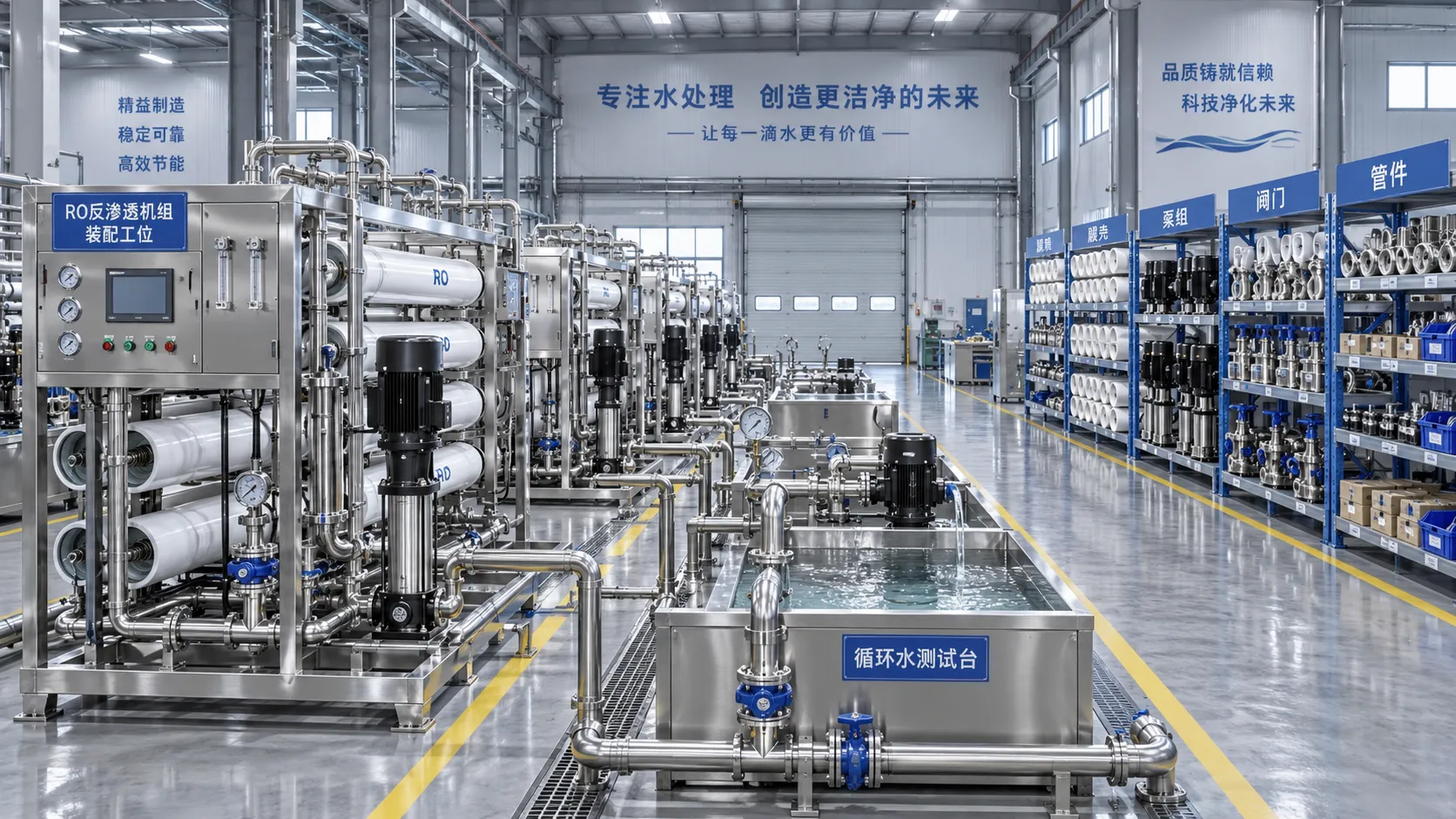
How to verify a water treatment system factory’s production capacity
Verify a water treatment systems factory’s production capacity through records, bottlenecks, component availability, and testing. Learn what to check before accepting a delivery promise.
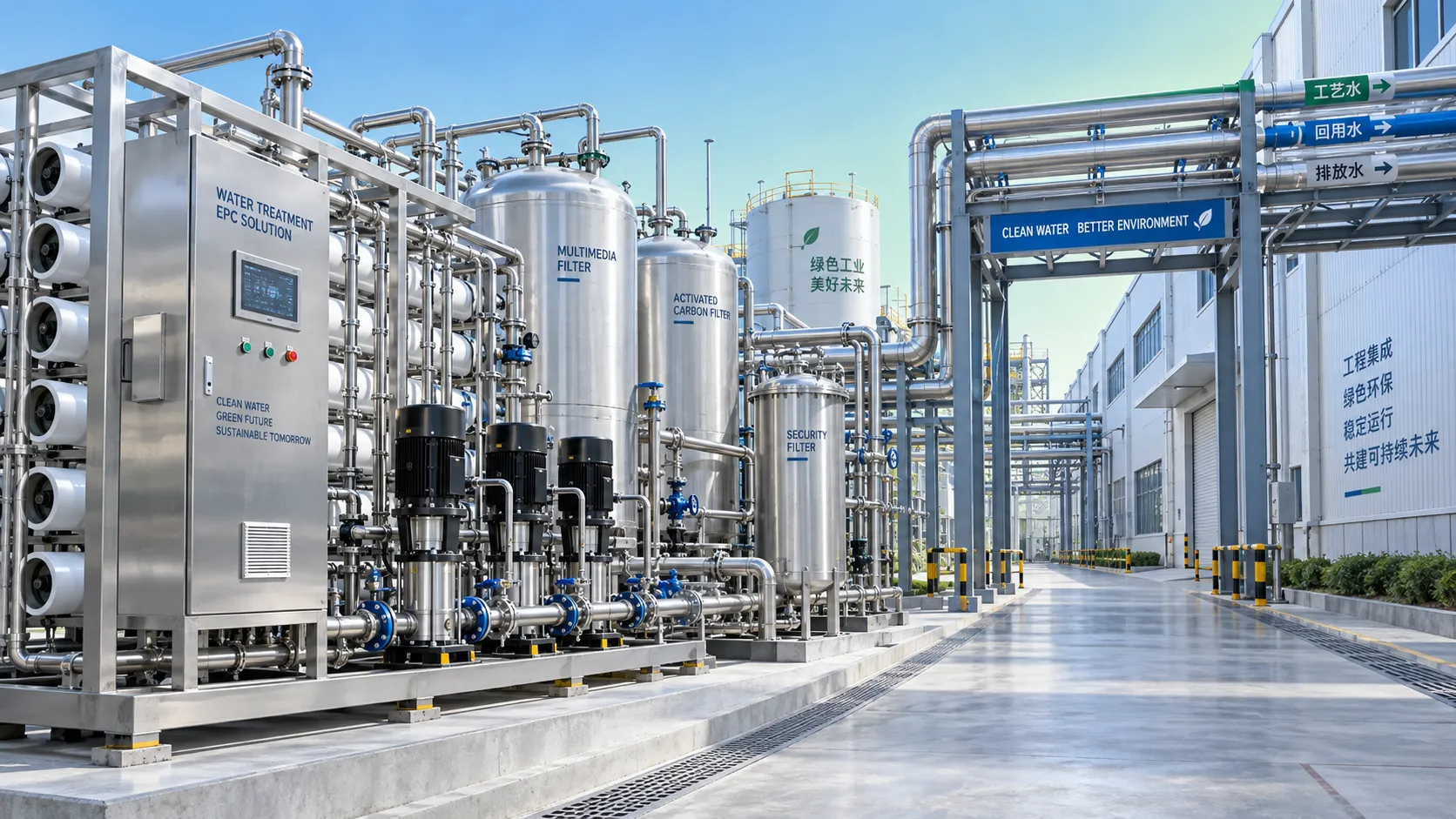
When does EPC environmental project support reduce delivery risk?
EPC environmental project support engineering reduces delivery risk by aligning design, procurement, compliance, construction, and commissioning decisions.
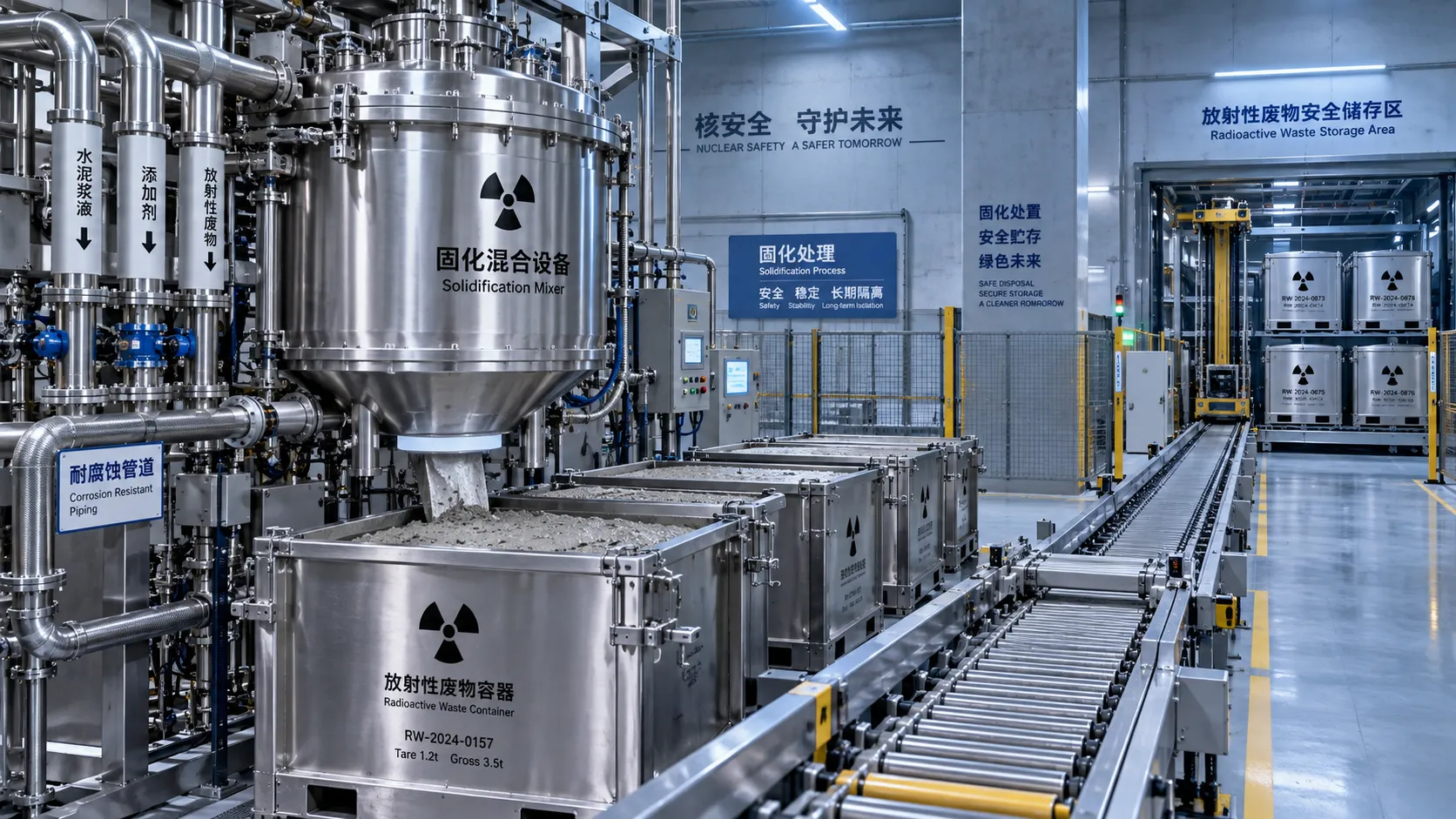
How nuclear plants select a radioactive waste solidification method
Radioactive waste management for nuclear plants: compare vitrification, cementation, polymers, and ceramics to select a compliant, durable solidification solution.
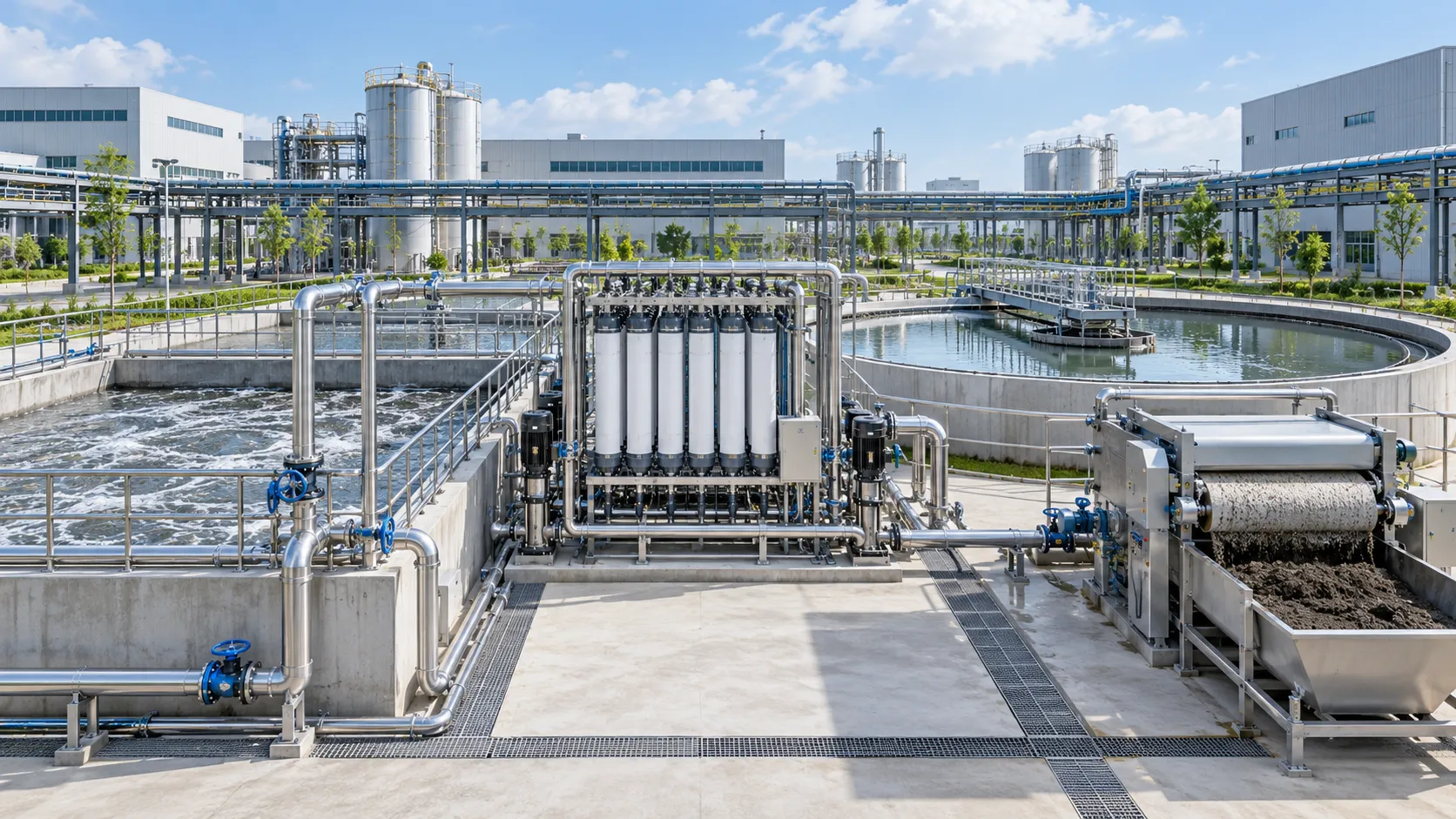
What Drives the Cost of Wastewater System Upgrades in Industrial Parks?
Costs of wastewater system upgrades in industrial parks: uncover key drivers from influent variability and civil works to sludge, energy, compliance, and lifecycle risk.
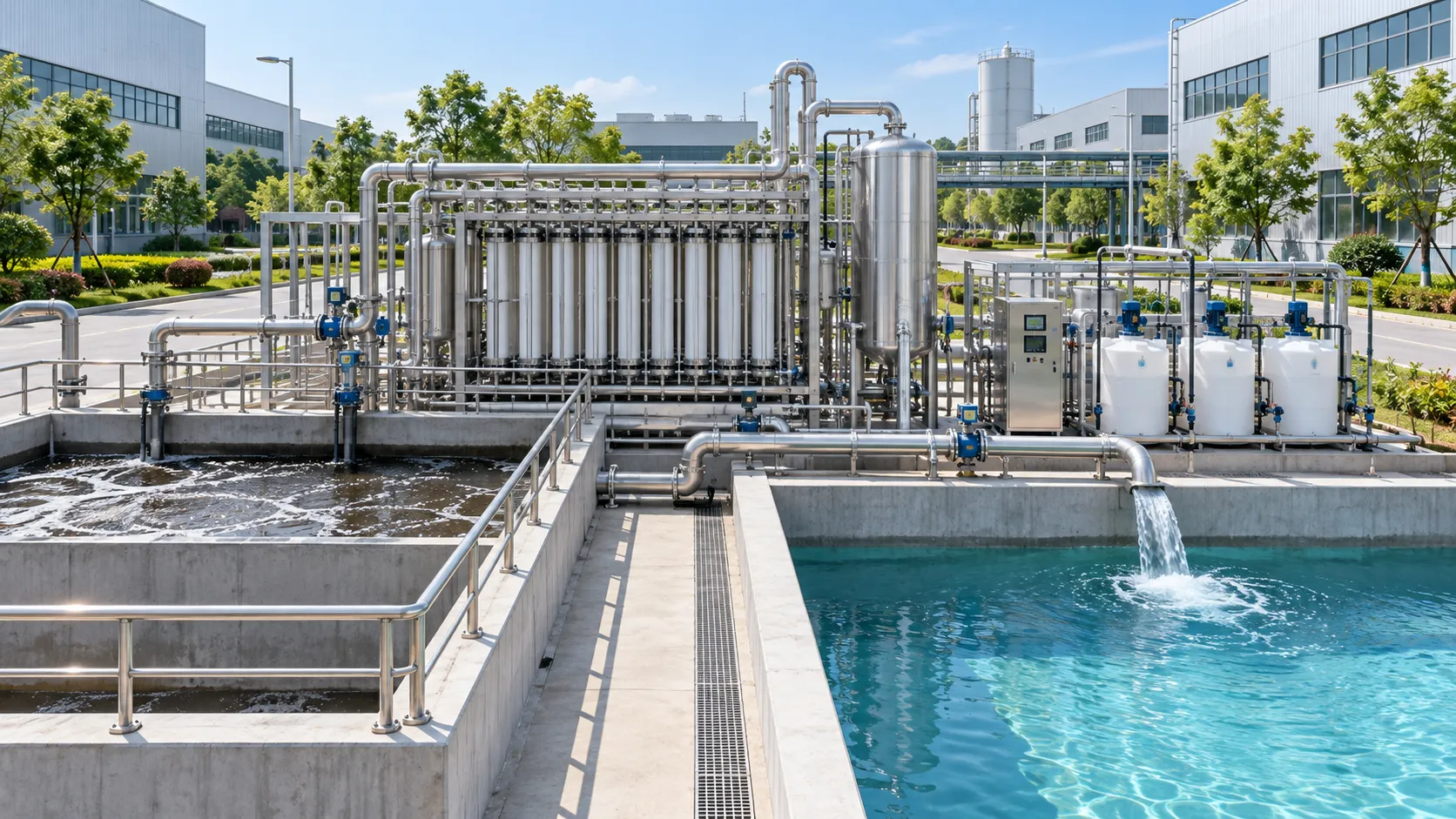
Comparing Upgrade Costs for Industrial Park Wastewater Treatment Systems
Compare costs for wastewater system upgrades in industrial parks with a lifecycle view of CAPEX, OPEX, compliance, resilience, and future expansion.
Biological Wastewater Oxidation Explained: Aeration Demand and Process Control
Biological wastewater oxidation explained: optimize aeration demand, DO control, nitrification, and sludge age for stable effluent quality and lower energy costs.