
Industry News
Curation by industry experts
Hot Articles
Popular Tags
Choosing a Circular Economy Supplier: Red Flags in Claims and Compliance
Choosing a Circular Economy Supplier: Red Flags in Claims and Compliance
Selecting a circular economy supplier is no longer just a sustainability preference—it is a procurement risk decision tied to compliance, traceability, and long-term operational resilience.
As environmental claims become more ambitious, buyers must look beyond polished ESG language, especially in waste recovery, water treatment, and resource-loop systems.
This guide highlights red flags in supplier claims, certifications, material data, and audit readiness before capital or reputation is committed.
Why a Checklist Matters When Selecting a Circular Economy Supplier
A circular economy supplier often sits at the intersection of engineering, environmental law, logistics, and financial exposure.
The supplier may handle recovered polymers, recycled metals, regenerated chemicals, reclaimed water systems, or secondary materials from industrial waste streams.
Each activity can create value, but each also introduces contamination, misclassification, emissions, and documentation risk.
A structured checklist prevents decisions based only on price, carbon claims, or attractive recycling percentages.
It also supports defensible sourcing when regulators, financiers, customers, or internal governance teams request evidence.
For high-value environmental infrastructure, the wrong circular economy supplier can damage permits, equipment uptime, and product acceptance.
Core Checklist for Circular Economy Supplier Claims
Use this checklist to screen claims before technical qualification, commercial negotiation, or long-term contract approval.
- Verify every recycling, recovery, or reuse percentage against mass-balance records, production logs, and independent measurement boundaries.
- Request batch-level traceability for incoming waste, secondary materials, additives, residues, and rejected fractions.
- Compare sustainability statements with permits, site capacity, treatment technology, and actual operating history.
- Confirm whether claims cover the facility, product line, process step, or entire supply chain.
- Check if lifecycle data includes transport, pretreatment, energy use, yield loss, and disposal of non-recoverable residues.
- Require evidence that hazardous constituents are tested, segregated, stabilized, or removed before material reintegration.
- Review whether carbon reduction figures use credible baselines, current grid factors, and documented calculation methods.
- Ask how the circular economy supplier handles off-spec material, emergency storage, contamination events, and recall scenarios.
- Confirm that subcontractors, brokers, and downstream processors follow equivalent compliance and reporting controls.
- Test whether audit evidence can be delivered quickly, consistently, and without excessive manual reconstruction.
Red Flags in Sustainability and Circularity Claims
Vague Language Without Measurable Boundaries
Terms such as “green,” “zero waste,” “closed loop,” and “fully sustainable” are weak without boundaries.
A credible circular economy supplier should define the process, material category, reporting period, and measurement point.
If a claim cannot be linked to tonnage, yield, quality, and destination, it should not drive sourcing decisions.
Recycling Rates That Ignore Losses
High recycling rates may hide sorting residues, ash, wastewater sludge, or rejected fractions sent to landfill.
A reliable circular economy supplier reports both recovered output and unavoidable losses with clear treatment routes.
Ask whether the percentage refers to material accepted, material processed, or material actually returned to productive use.
Carbon Numbers Without Methodology
Carbon savings must show baseline assumptions, emission factors, allocation rules, and energy sources.
A circular economy supplier using generic avoided-emission numbers may overstate benefits across regions or technologies.
This risk grows when materials cross borders, power grids differ, or thermal processes consume significant fuel.
Compliance Documents That Deserve Close Review
Certificates are useful, but they are not a substitute for operational evidence.
A circular economy supplier may hold ISO, environmental, or chain-of-custody certificates while still operating weak site controls.
- Match certificate scope with the exact facility, process, material category, and legal entity under evaluation.
- Check expiry dates, suspension history, surveillance audit results, and any exclusions stated in certification documents.
- Review permits for storage limits, emissions, wastewater discharge, hazardous waste handling, and transport obligations.
- Request recent inspection reports, violation notices, corrective actions, and evidence that issues were closed properly.
- Confirm export, import, and transboundary waste documentation where secondary materials move across jurisdictions.
- Examine supplier declarations against REACH, RoHS, POPs, PFAS restrictions, CBAM exposure, and product-specific rules.
The strongest circular economy supplier will not treat these requests as unusual.
Audit readiness is part of the product, not an administrative afterthought.
Material Data and Traceability Warning Signs
Incomplete Material Passports
Secondary materials need more than a product name and a recycled-content percentage.
A robust circular economy supplier should provide composition ranges, impurity limits, test methods, batch history, and restricted-substance screening.
Weak material passports create downstream uncertainty in manufacturing, construction, water treatment, and engineered recovery systems.
Traceability Stops at the Broker
Brokered material can be legitimate, but opacity increases risk.
If the circular economy supplier cannot identify origin, preprocessing, custody changes, and final processor, chain-of-custody control is incomplete.
This is especially critical for e-waste, recovered metals, construction waste, plastics, solvents, and industrial by-products.
No Evidence of Quality Stability
Circular inputs can vary more than virgin materials.
A dependable circular economy supplier monitors moisture, particle size, ash, chlorine, heavy metals, viscosity, strength, or purity as relevant.
Trend charts matter because a single passing test does not prove long-term process reliability.
Scenario Notes for Different Industrial Applications
Water Treatment and ZLD Projects
In water treatment, circularity often involves recovered salts, regenerated resins, reclaimed water, or concentrated brine valorization.
A circular economy supplier should prove that recovery does not transfer pollutants into new products, sludge, or uncontrolled discharge pathways.
For Zero Liquid Discharge systems, check crystallizer residue classification and markets for recovered solids.
Solid Waste Recovery and Urban Mining
AI sorting, pyrolysis, mechanical recycling, and metal recovery depend on feedstock discipline.
A circular economy supplier should document contamination controls, equipment calibration, output grading, and downstream acceptance.
Be cautious when energy recovery is marketed as material recycling without a transparent classification.
Flue Gas and Industrial Residue Utilization
Fly ash, gypsum, catalyst residues, and sorbents may support circular resource use.
However, leaching behavior, heavy metals, dioxins, and unreacted chemicals require disciplined testing.
A circular economy supplier should align residue reuse with local construction, hazardous waste, and product safety standards.
Desalination and Critical Material Chains
Desalination projects increasingly examine membrane reuse, chemical recovery, brine minerals, and energy optimization.
A circular economy supplier must separate proven recovery economics from pilot-stage claims.
Request data on fouling, cleaning chemicals, membrane life, brine chemistry, and marketable recovered compounds.
Commonly Overlooked Risks
Financial Fragility Behind Low Prices
Circular operations often need sorting equipment, laboratory testing, storage control, and regulatory reporting.
A very low bid from a circular economy supplier may indicate underinvestment in compliance or unsafe reliance on disposal arbitrage.
Insurance Gaps for Environmental Events
Pollution incidents, rejected shipments, fires, spills, and contamination claims can be expensive.
Confirm environmental liability coverage, transport insurance, product liability terms, and exclusions before relying on a circular economy supplier.
Data Systems That Cannot Support Audits
Paper records and fragmented spreadsheets can collapse under regulatory or customer review.
A mature circular economy supplier should maintain digital traceability, controlled document versions, and secure access to historical records.
Subcontracting Without Disclosure
Hidden subcontracting can break legal responsibility and chain-of-custody integrity.
Require approval rights when a circular economy supplier outsources transport, processing, laboratory testing, storage, or final treatment.
Practical Execution Steps Before Contract Award
A structured qualification process should combine document review, technical validation, site verification, and contract controls.
- Issue a claim-evidence matrix linking every sustainability statement to a document, dataset, test result, or audit observation.
- Run a site visit focused on storage discipline, segregation, laboratory capability, emergency response, and operator training.
- Pilot the material or service under realistic operating conditions before approving full-scale integration.
- Set contractual reporting intervals for recycled content, emissions, residue destinations, incidents, and corrective actions.
- Define rejection rights, remediation duties, data retention periods, and access rights for third-party audits.
- Review performance quarterly, especially after feedstock changes, regulation updates, ownership changes, or capacity expansion.
The final decision should not depend on a single certificate or sales presentation.
The best circular economy supplier can withstand technical questioning and still provide consistent evidence.
Summary and Action Guide
Circular sourcing can reduce waste, unlock secondary resources, and strengthen environmental performance.
Yet a circular economy supplier must prove circularity through data, permits, quality control, and transparent material movement.
Before approval, compare claims with measurable boundaries, lifecycle assumptions, compliance records, and batch-level traceability.
Treat unexplained gaps as risk signals, not administrative delays.
Build a short-list only after evidence confirms operational reality, regulatory alignment, and long-term audit readiness.
The right circular economy supplier will help convert environmental ambition into defensible, resilient, and compliant resource-loop performance.
Recommended News
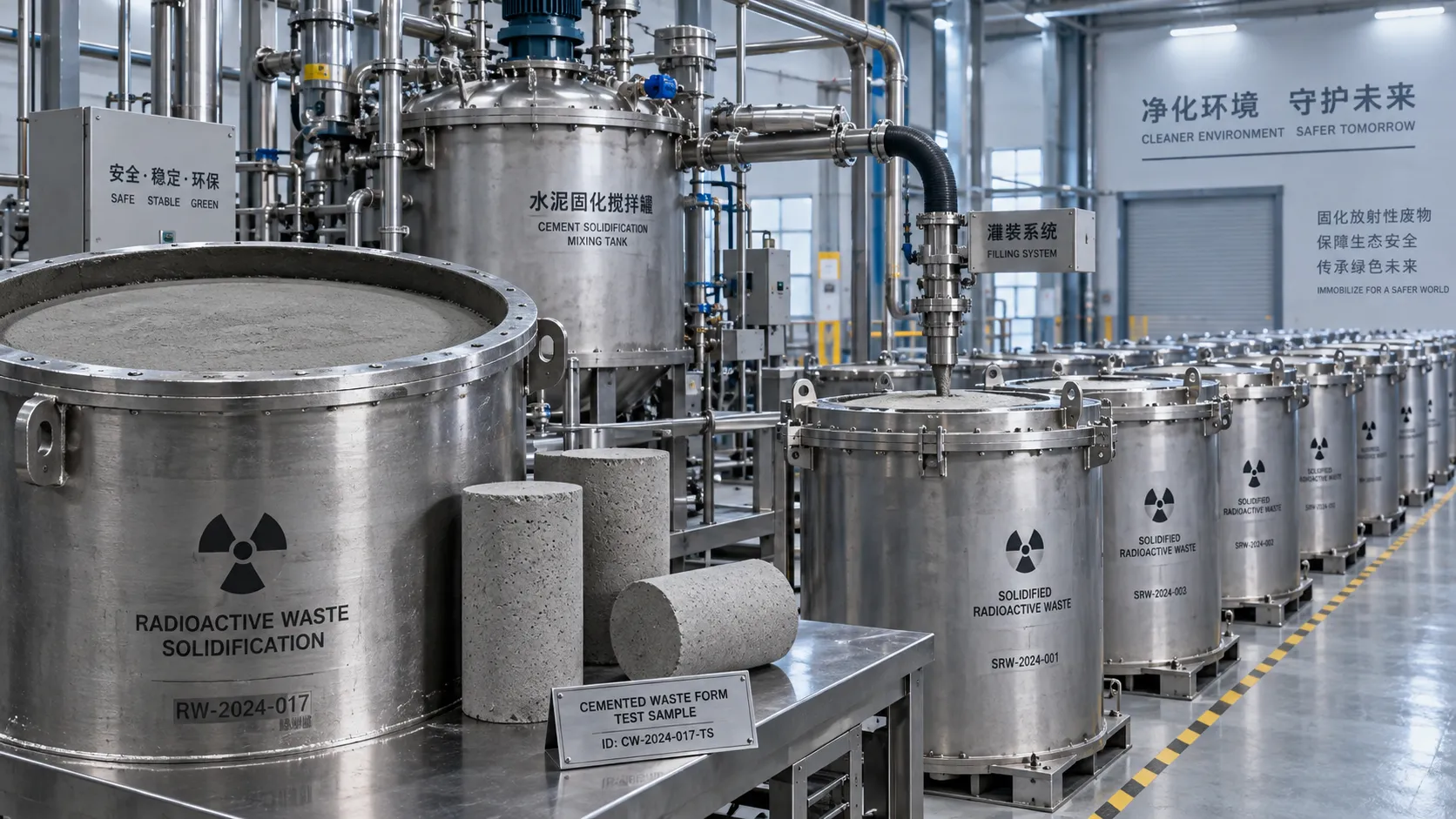
When is cementation suitable for nuclear decommissioning waste?
Explore nuclear waste treatment technology for decommissioning: learn when cementation fits, which risks to assess, and how disposal criteria guide an effective treatment choice.
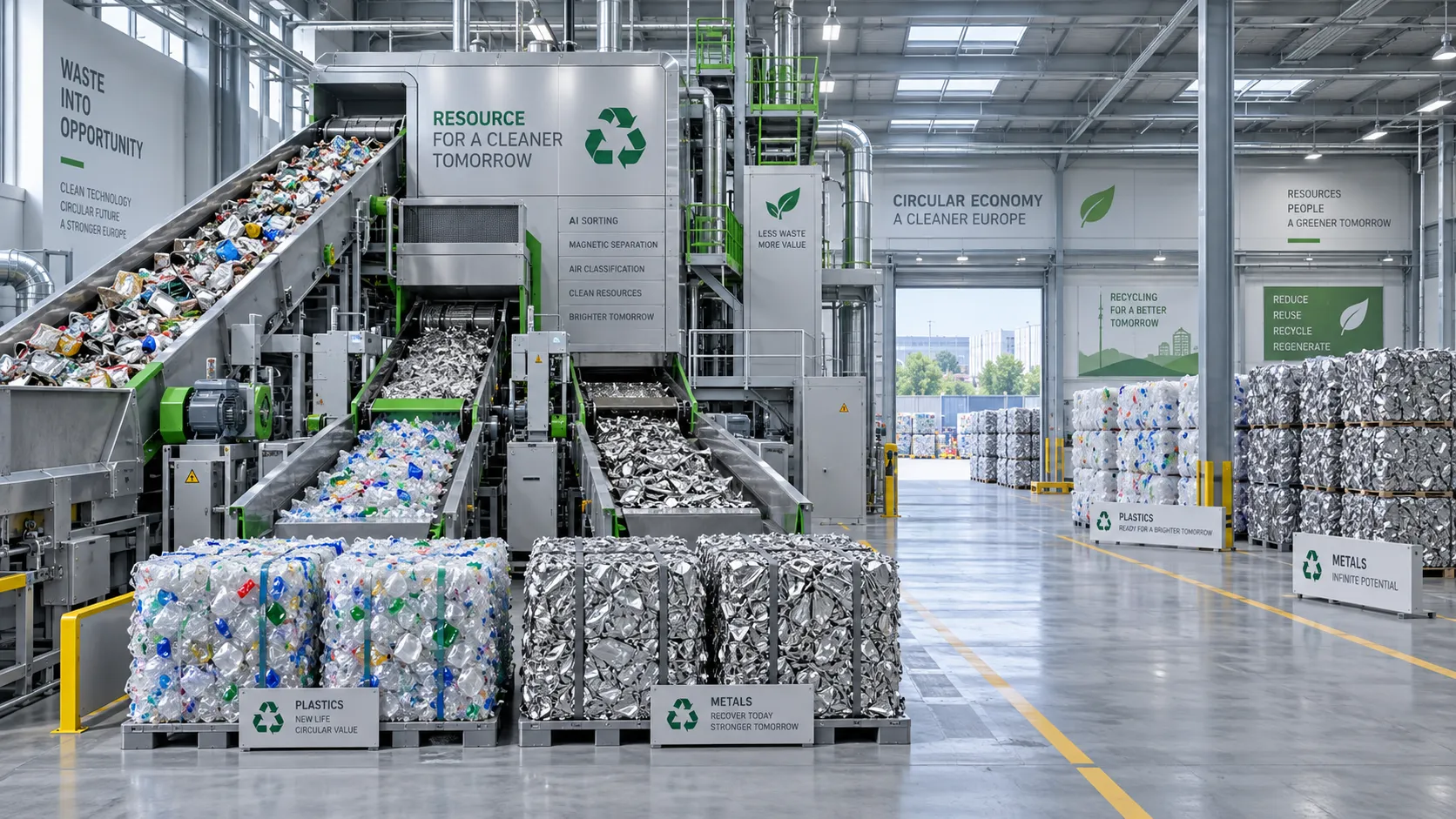
What determines payback for waste-to-resource systems in Europe?
Assess waste-to-resource systems Europe-wide: compare feedstock, recovery yields, costs and contracts to uncover payback drivers and make smarter investment decisions.
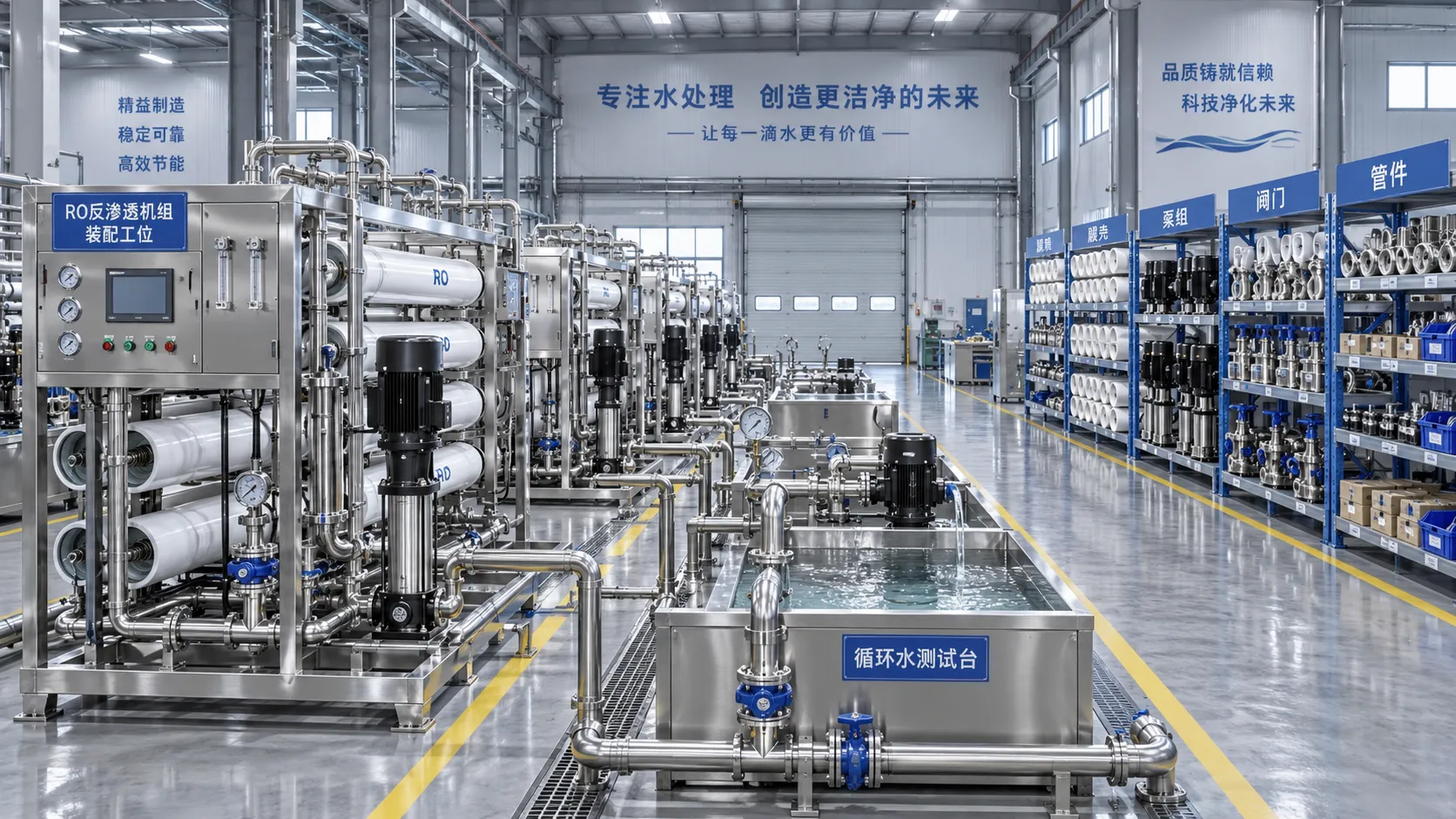
How to verify a water treatment system factory’s production capacity
Verify a water treatment systems factory’s production capacity through records, bottlenecks, component availability, and testing. Learn what to check before accepting a delivery promise.
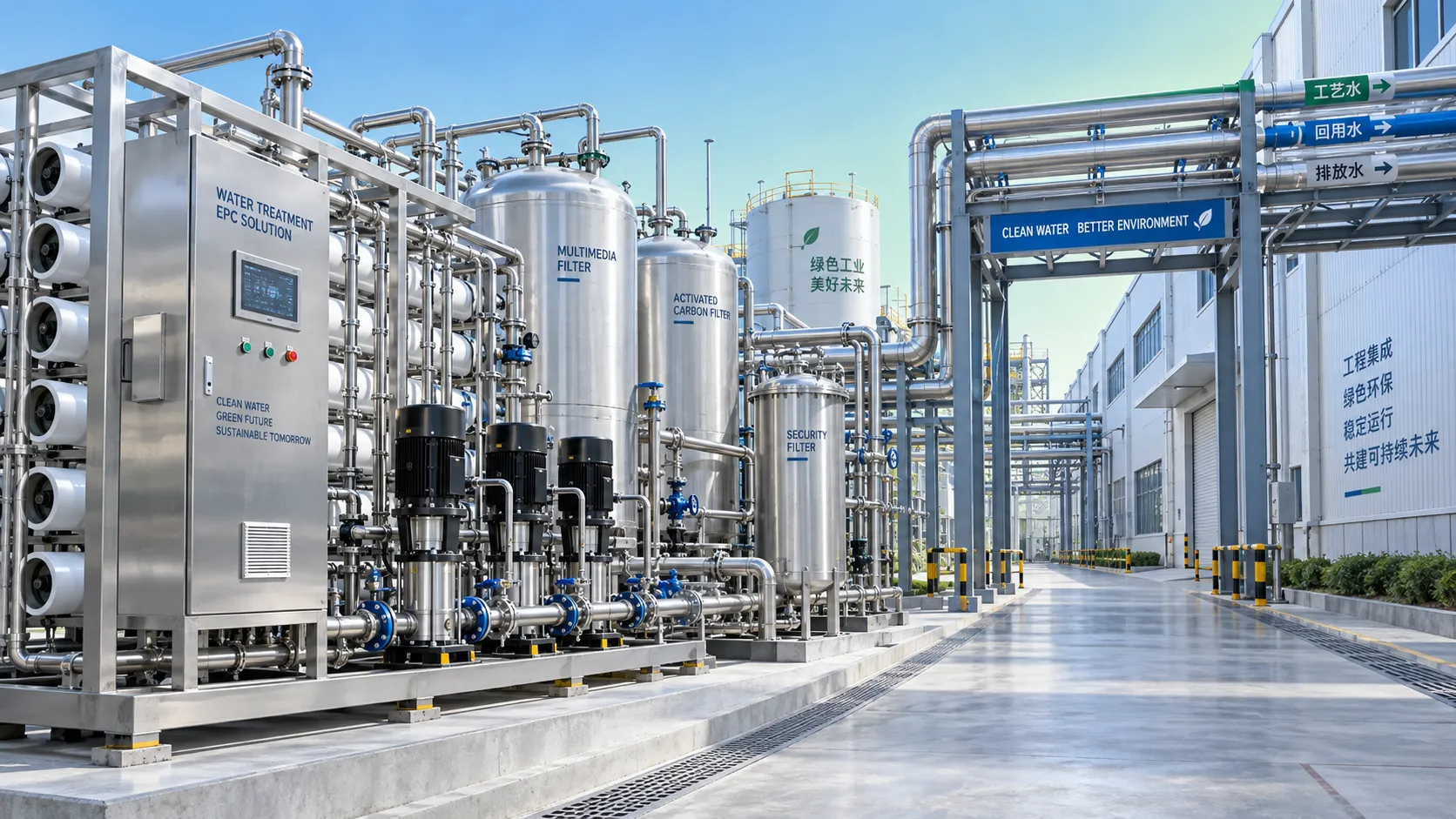
When does EPC environmental project support reduce delivery risk?
EPC environmental project support engineering reduces delivery risk by aligning design, procurement, compliance, construction, and commissioning decisions.

How nuclear plants select a radioactive waste solidification method
Radioactive waste management for nuclear plants: compare vitrification, cementation, polymers, and ceramics to select a compliant, durable solidification solution.
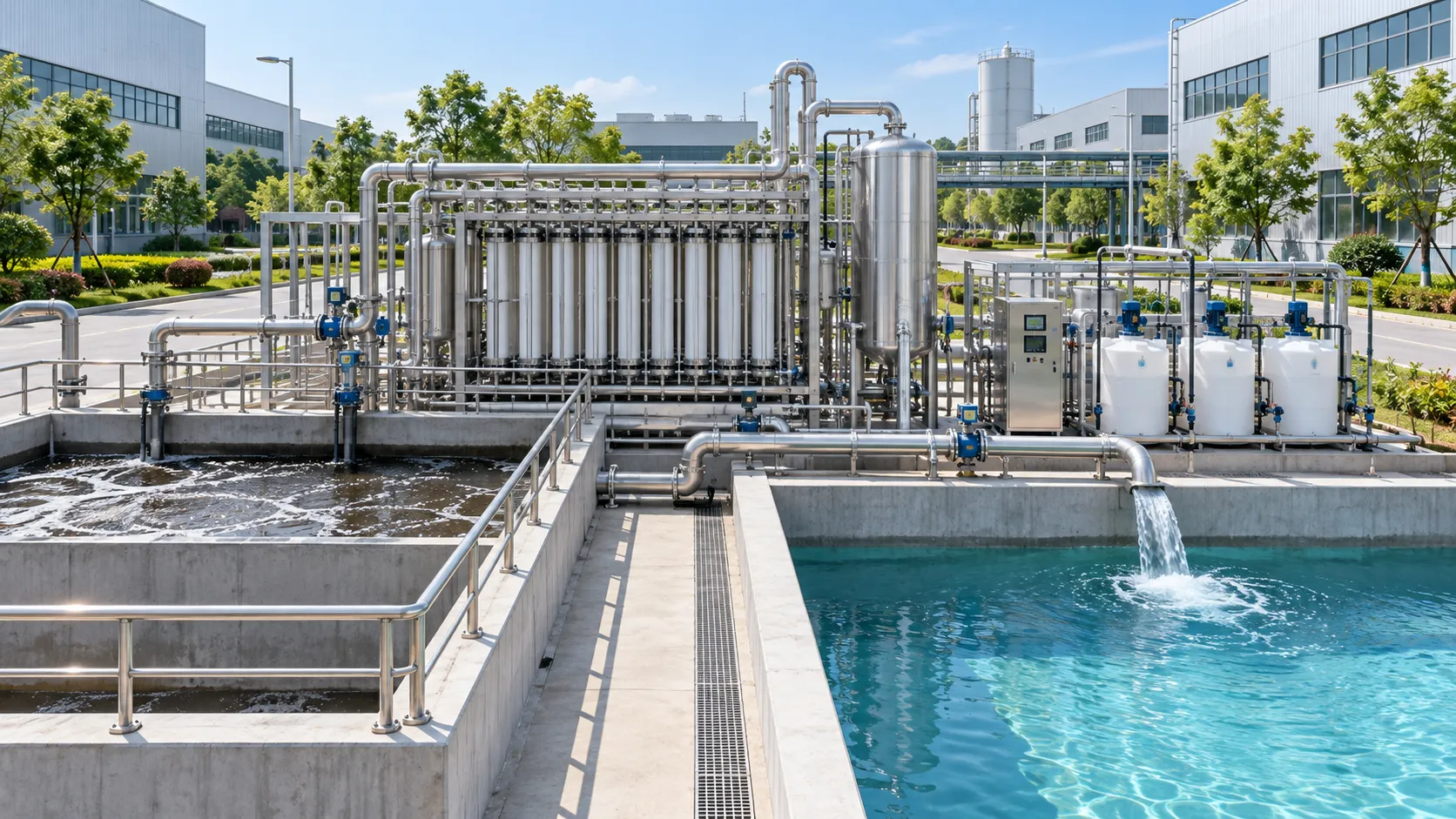
Comparing Upgrade Costs for Industrial Park Wastewater Treatment Systems
Compare costs for wastewater system upgrades in industrial parks with a lifecycle view of CAPEX, OPEX, compliance, resilience, and future expansion.
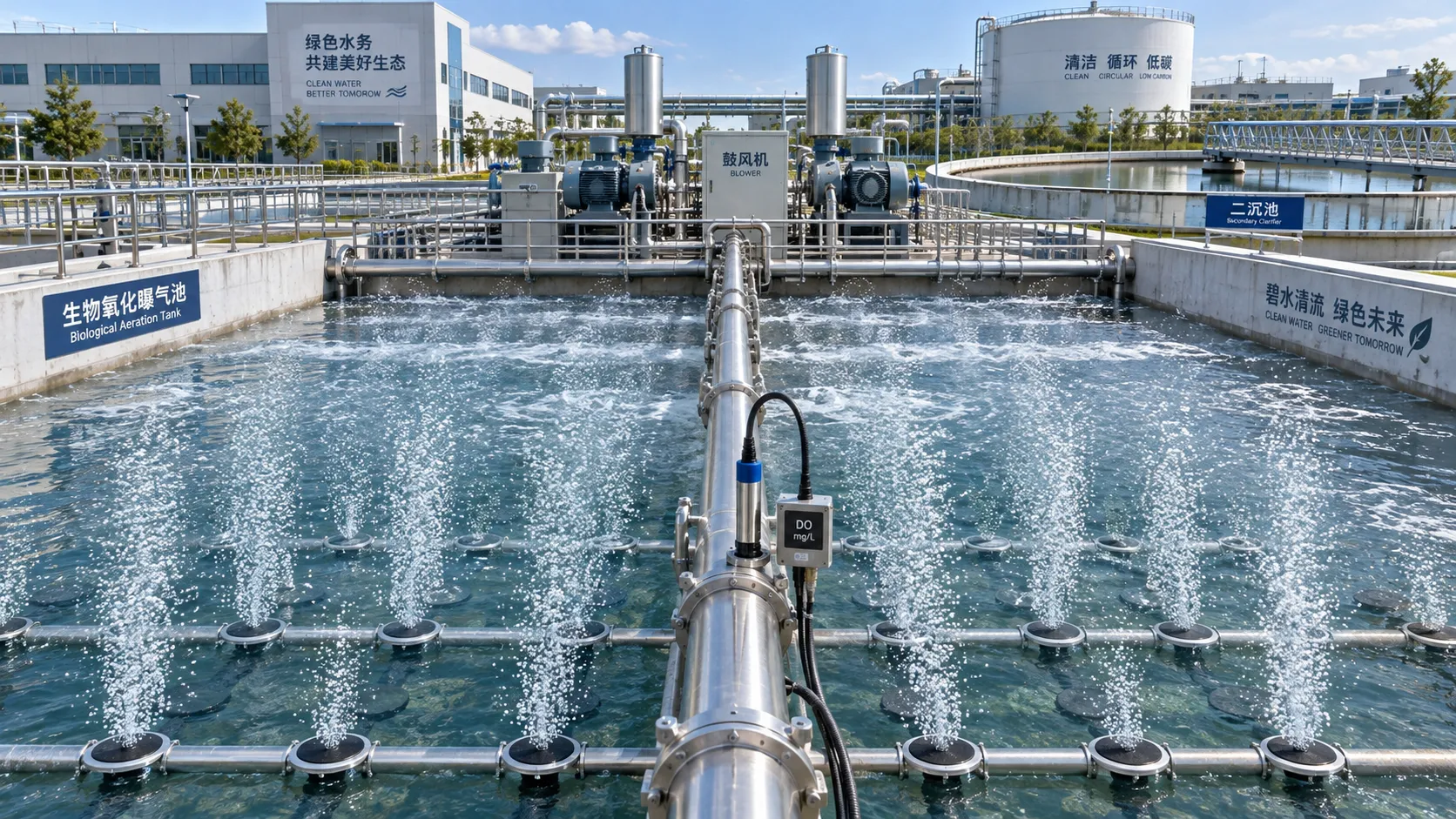
Biological Wastewater Oxidation Explained: Aeration Demand and Process Control
Biological wastewater oxidation explained: optimize aeration demand, DO control, nitrification, and sludge age for stable effluent quality and lower energy costs.
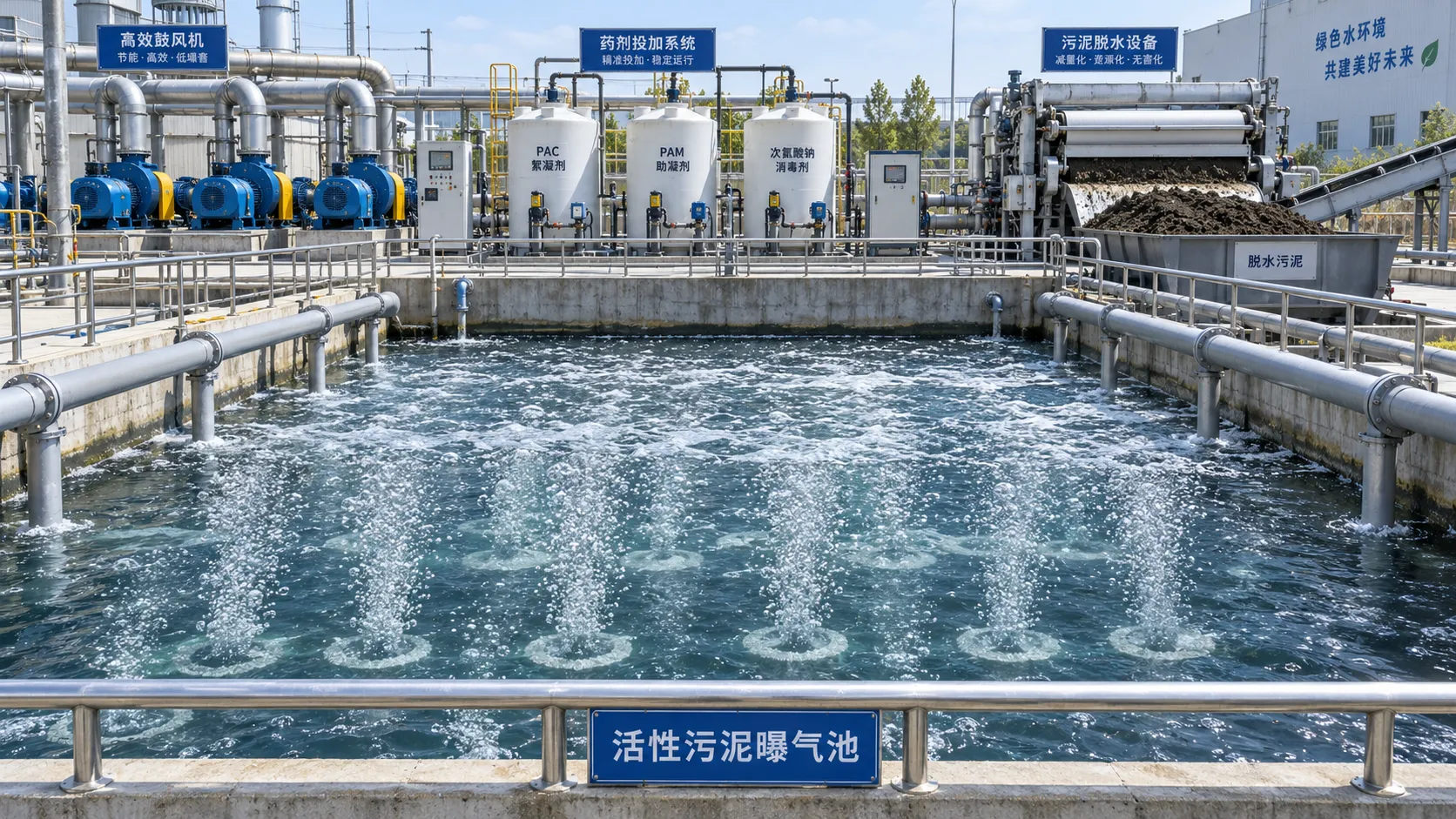
Activated Sludge Cost: Budgeting Energy, Chemicals, Sludge, and Labor
Activated sludge cost explained: compare energy, chemicals, sludge disposal, labor, and compliance risks to build a reliable lifecycle budget.
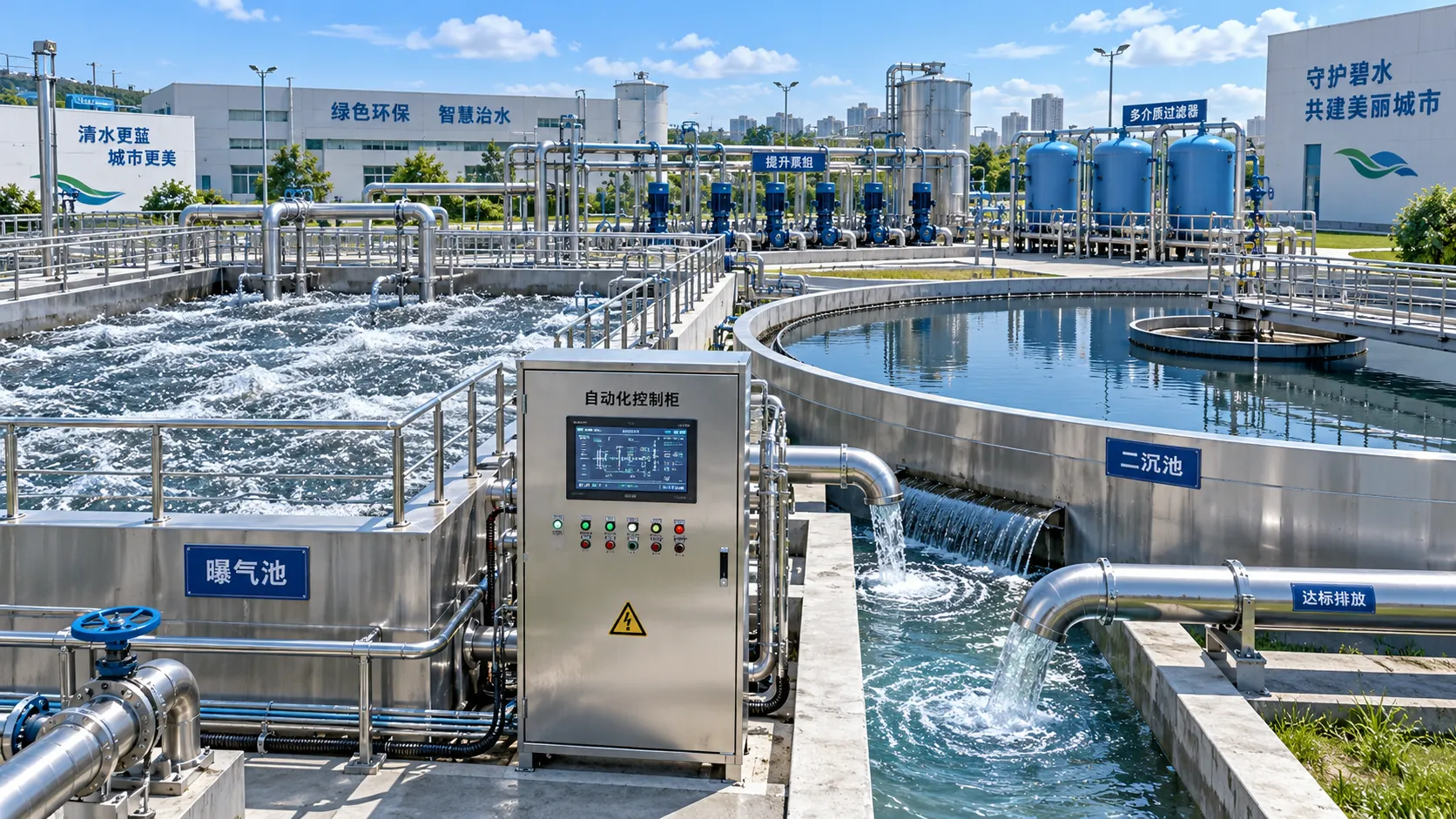
When Should Municipal Wastewater Plants Upgrade Treatment Capacity and Controls?
Municipal wastewater treatment upgrades: learn when capacity, controls, and resilient planning are needed to protect compliance and optimize plant performance.