
Industry News
Curation by industry experts
Hot Articles
Popular Tags
Air Pollution Control Systems: How to Compare Efficiency and Maintenance Burden
Selecting air pollution control systems is no longer a simple question of removal efficiency; technical evaluators must also quantify pressure drop, reagent use, uptime, catalyst life, fouling risk, and maintenance workload across the full operating cycle.
In heavy industry, a system that achieves high capture rates but demands frequent shutdowns can undermine compliance resilience and lifecycle economics.
This guide frames a practical comparison approach for air pollution control technologies, helping teams assess performance data, maintenance burden, and long-term reliability before committing to capital-intensive environmental infrastructure.
What Does Efficiency Really Mean in Air Pollution Control?
Efficiency in air pollution control should begin with pollutant-specific removal, not a single headline percentage.
Particulate matter, SO₂, NOx, VOCs, acid gases, mercury, and dioxins behave differently under temperature, moisture, and load variation.
A baghouse may exceed expectations for dust, yet offer no direct NOx reduction.
An SCR reactor can reduce NOx effectively, but catalyst activity depends on flue gas chemistry and operating temperature.
A meaningful air pollution control comparison should separate inlet concentration, outlet concentration, guaranteed emission limit, and performance under transient operation.
Startup, shutdown, fuel switching, seasonal humidity, and feedstock changes often reveal weaknesses hidden by steady-state tests.
Efficiency also includes energy penalty. Higher capture can require stronger fans, deeper filter beds, or larger recirculation pumps.
For flue gas treatment, pressure drop is a direct operating cost and a reliability variable.
The best air pollution control selection balances removal performance, regulatory margin, and stable operation across realistic process windows.
Key efficiency questions to ask
- Which pollutants are controlled directly, and which require upstream or downstream treatment?
- Is the guaranteed outlet value based on hourly, daily, or continuous monitoring data?
- How does efficiency change at minimum, average, and peak load?
- What pressure drop or energy increase is required to maintain compliance?
How Should Maintenance Burden Be Compared Across Technologies?
Maintenance burden is the hidden cost center of air pollution control.
It includes planned maintenance, emergency interventions, consumable replacement, cleaning frequency, corrosion control, and instrumentation calibration.
A wet scrubber may be familiar and robust, but mist eliminator washing, scaling, slurry handling, and wastewater treatment add workload.
A fabric filter can deliver excellent particulate capture, yet bag wear, pulse-air tuning, and hopper management need discipline.
An electrostatic precipitator may have low pressure drop, but rapping systems, electrode alignment, and power supply reliability affect uptime.
For SCR and activated carbon systems, consumables dominate the maintenance picture.
Catalyst poisoning, ammonia slip, carbon injection rate, and spent media disposal must be included in lifecycle evaluation.
A practical air pollution control maintenance review should count task frequency, required skill level, spare part criticality, and outage duration.
The most reliable system is not always the simplest machine.
It is the system whose failure modes are predictable, detectable, and serviceable without repeated production disruption.
Maintenance indicators that reveal real workload
- Expected annual downtime for inspection, washing, replacement, and calibration.
- Consumable usage per ton of product, waste, clinker, steel, or fuel.
- Number of rotating components, pumps, valves, dampers, and compressed-air users.
- Sensitivity to ash resistivity, sticky aerosols, chlorides, sulfur, moisture, or temperature swings.
Which Air Pollution Control System Fits Common Industrial Scenarios?
No air pollution control system is universal.
The right configuration depends on emission profile, process continuity, space constraints, and compliance margin.
Cement kilns often require combined particulate control, NOx reduction, and acid gas management.
Waste-to-energy plants may need advanced acid gas scrubbing, activated carbon injection, bag filtration, and continuous emissions monitoring.
Metal smelting and foundry operations can face variable dust loading, metal fumes, and high-temperature capture challenges.
Chemical plants may prioritize VOC oxidation, solvent recovery, or specialized scrubbers for reactive gas streams.
Power generation and large boilers often use layered air pollution control trains.
These may include low-NOx burners, selective catalytic reduction, particulate collectors, flue gas desulfurization, and mercury control.
The comparison should focus on system interaction.
For example, upstream dust carryover can shorten catalyst life, while poor reagent control can increase downstream fouling.
How Can Efficiency and Maintenance Be Scored Together?
A balanced scorecard prevents air pollution control decisions from being dominated by one metric.
Removal efficiency should be weighted with uptime, operating cost, process tolerance, maintenance complexity, and compliance risk.
Start with mandatory criteria. If a system cannot meet statutory emission limits, it should not advance.
Then compare lifecycle variables under the same basis.
Use annual operating hours, average pollutant load, local energy price, reagent logistics, and expected equipment life.
Normalize results to cost per treated gas volume or cost per removed pollutant mass.
This method helps expose systems with attractive capital cost but expensive consumables or frequent outages.
It also identifies premium solutions that may justify higher investment through compliance headroom and lower disruption.
What Risks Are Often Missed During Air Pollution Control Selection?
Several risks are underestimated when air pollution control projects are reviewed only through vendor datasheets.
The first is pollutant variability. Average inlet data can hide short peaks that trigger permit violations.
The second is condensation. Acid dew point corrosion can damage ducts, fans, dampers, and downstream modules.
The third is waste transfer. Captured pollutants do not disappear; they move into sludge, fly ash, spent media, or wastewater.
The fourth is control integration. Poor sensor placement, slow feedback loops, and weak automation can reduce system stability.
Another common issue is oversizing without operational logic.
Extra capacity may improve safety margin, but it can also increase capital cost, footprint, and low-load instability.
Air pollution control should be engineered as part of the process, not as a disconnected end-of-pipe accessory.
Warning signs before final approval
- Performance guarantees exclude startup, shutdown, or abnormal feed conditions.
- Reagent consumption is quoted without confirming inlet pollutant peaks.
- Maintenance access is difficult around hoppers, fans, catalyst layers, or scrubber internals.
- Wastewater, sludge, or spent adsorbent handling is not priced.
- Continuous emissions monitoring is treated separately from control strategy.
How Should Lifecycle Cost Be Calculated Before Investment?
Capital expenditure is only the opening cost of an air pollution control asset.
Lifecycle cost should include civil works, ducting, fans, electrical systems, instrumentation, commissioning, and operator training.
Operating expenditure requires a wider lens.
Include electricity, water, compressed air, reagents, catalyst replacement, filter bags, adsorbents, neutralization chemicals, and waste disposal.
Maintenance cost should include spare parts, labor hours, crane access, confined-space procedures, and production loss during outages.
Where regulations are tightening, compliance flexibility has economic value.
A system with stronger removal headroom may reduce future retrofit pressure.
This is especially relevant for carbon-intensive industries facing stricter environmental permitting and supply-chain disclosure.
Air pollution control cost models should use sensitivity analysis.
Test scenarios for higher fuel sulfur, lower catalyst life, increased energy price, and reduced annual operating hours.
The preferred option should remain defensible when assumptions shift.
FAQ: Practical Questions for Comparing Air Pollution Control Options
Conclusion: Build a Comparison That Survives Real Operation
Effective air pollution control comparison requires more than checking removal percentages.
It demands a complete view of emissions behavior, energy penalty, maintenance burden, consumables, waste transfer, and compliance resilience.
The strongest choice is usually the system that performs predictably under imperfect industrial conditions.
Before investment, create a standardized evaluation matrix, request operating references, and test assumptions through lifecycle sensitivity analysis.
For complex facilities, align air pollution control design with process engineering, environmental permitting, and long-term reliability planning.
That approach turns emission treatment from a compliance expense into a durable ecological shield for industrial continuity.
Recommended News
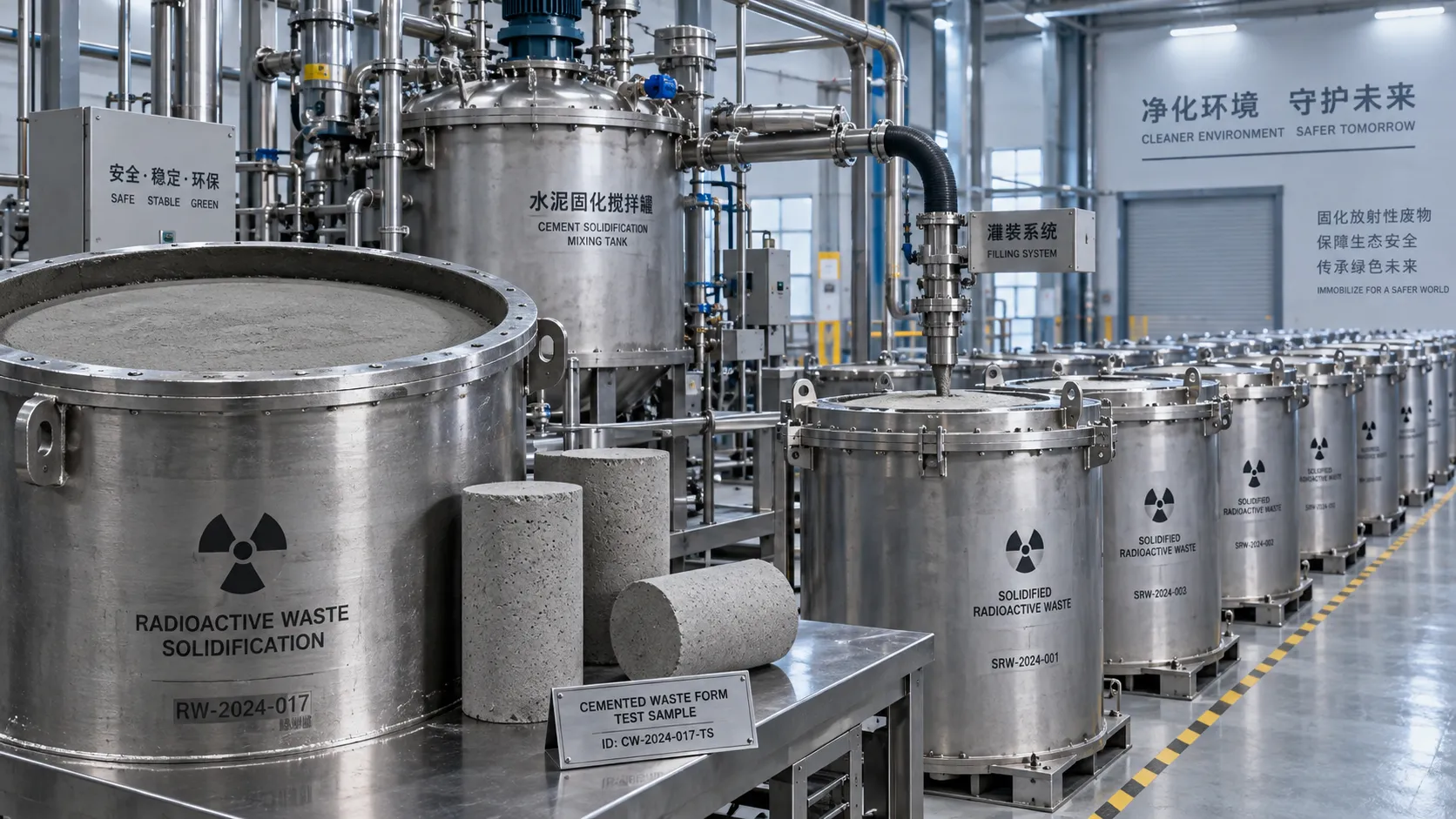
When is cementation suitable for nuclear decommissioning waste?
Explore nuclear waste treatment technology for decommissioning: learn when cementation fits, which risks to assess, and how disposal criteria guide an effective treatment choice.
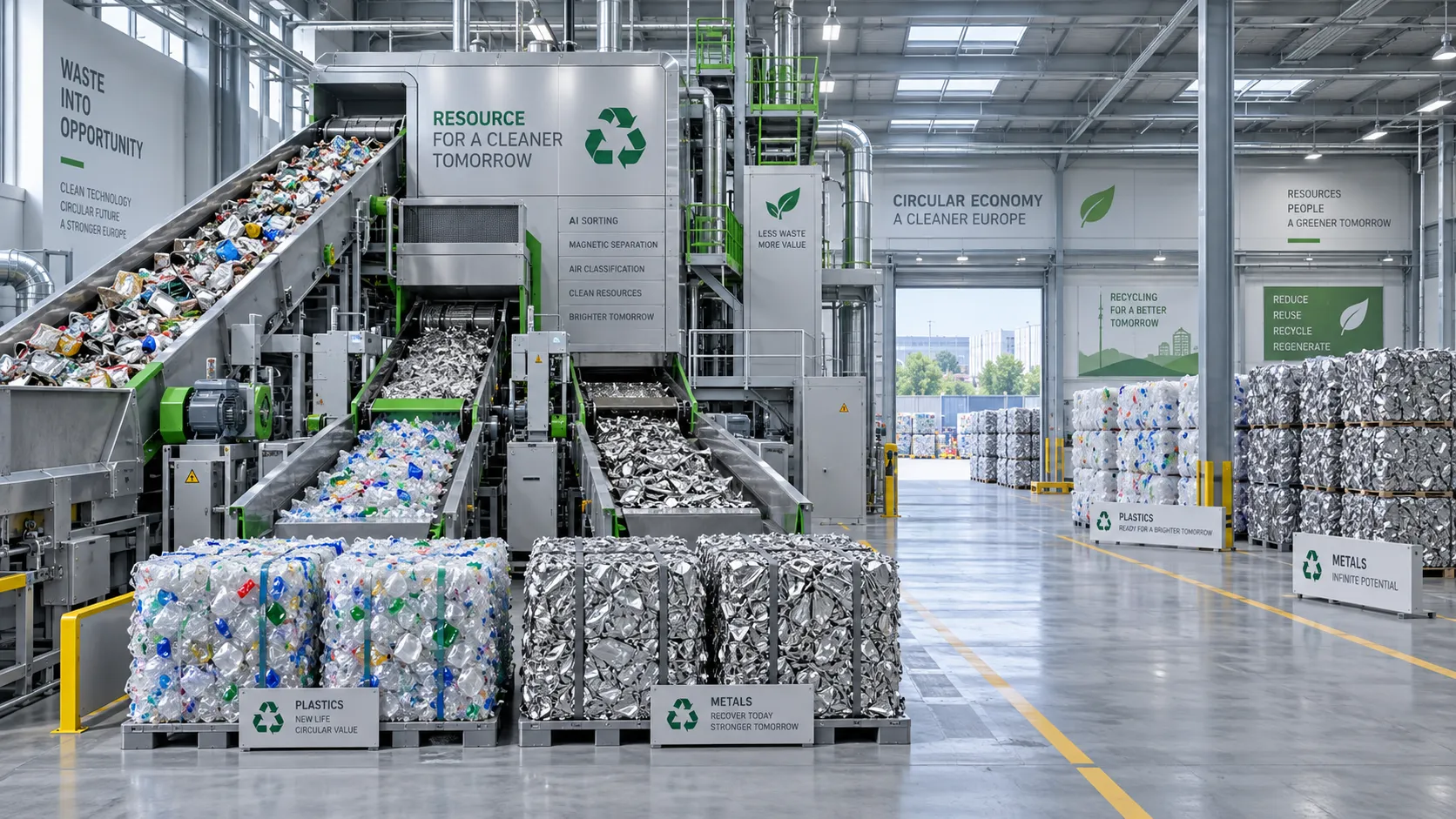
What determines payback for waste-to-resource systems in Europe?
Assess waste-to-resource systems Europe-wide: compare feedstock, recovery yields, costs and contracts to uncover payback drivers and make smarter investment decisions.
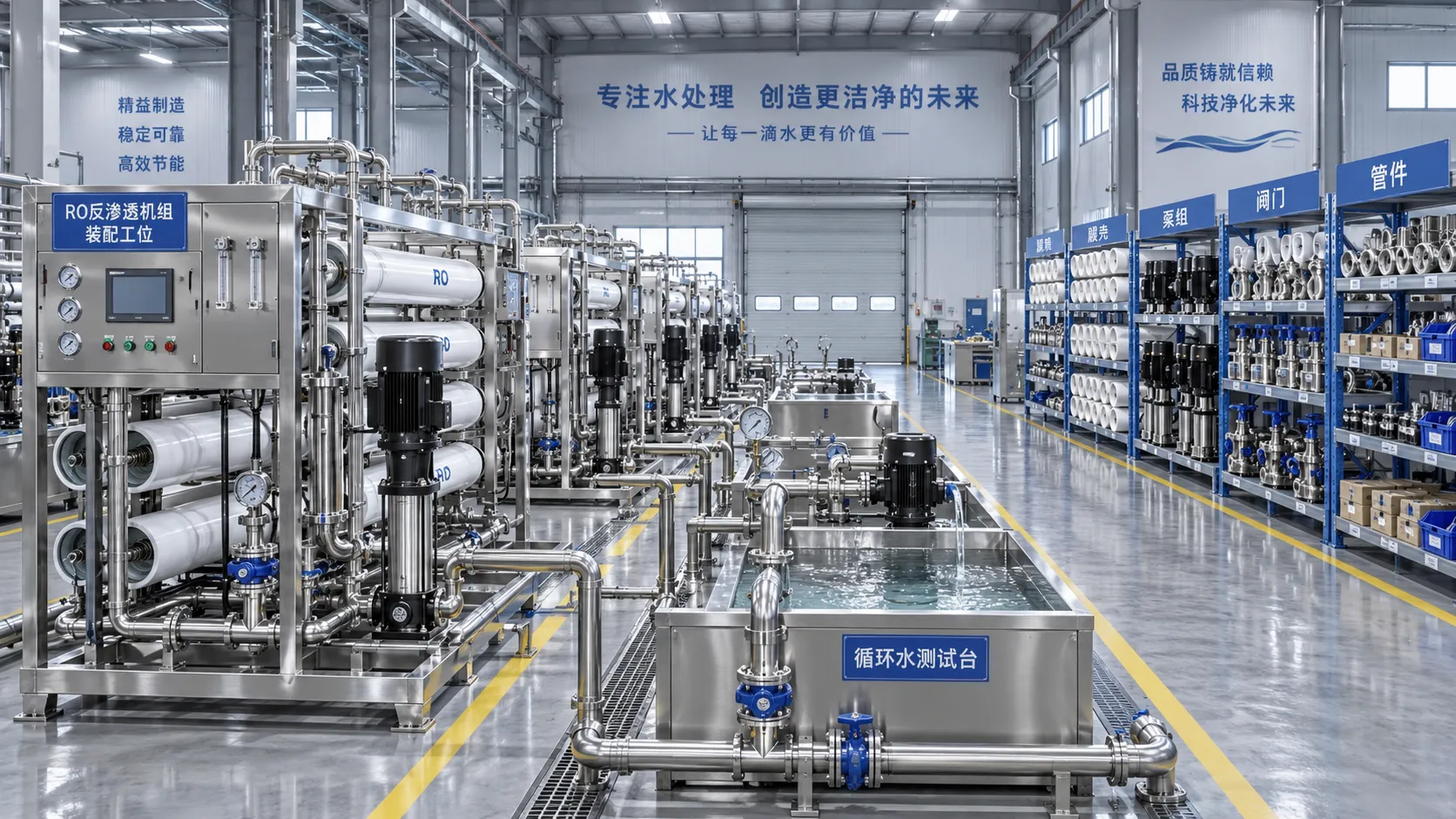
How to verify a water treatment system factory’s production capacity
Verify a water treatment systems factory’s production capacity through records, bottlenecks, component availability, and testing. Learn what to check before accepting a delivery promise.
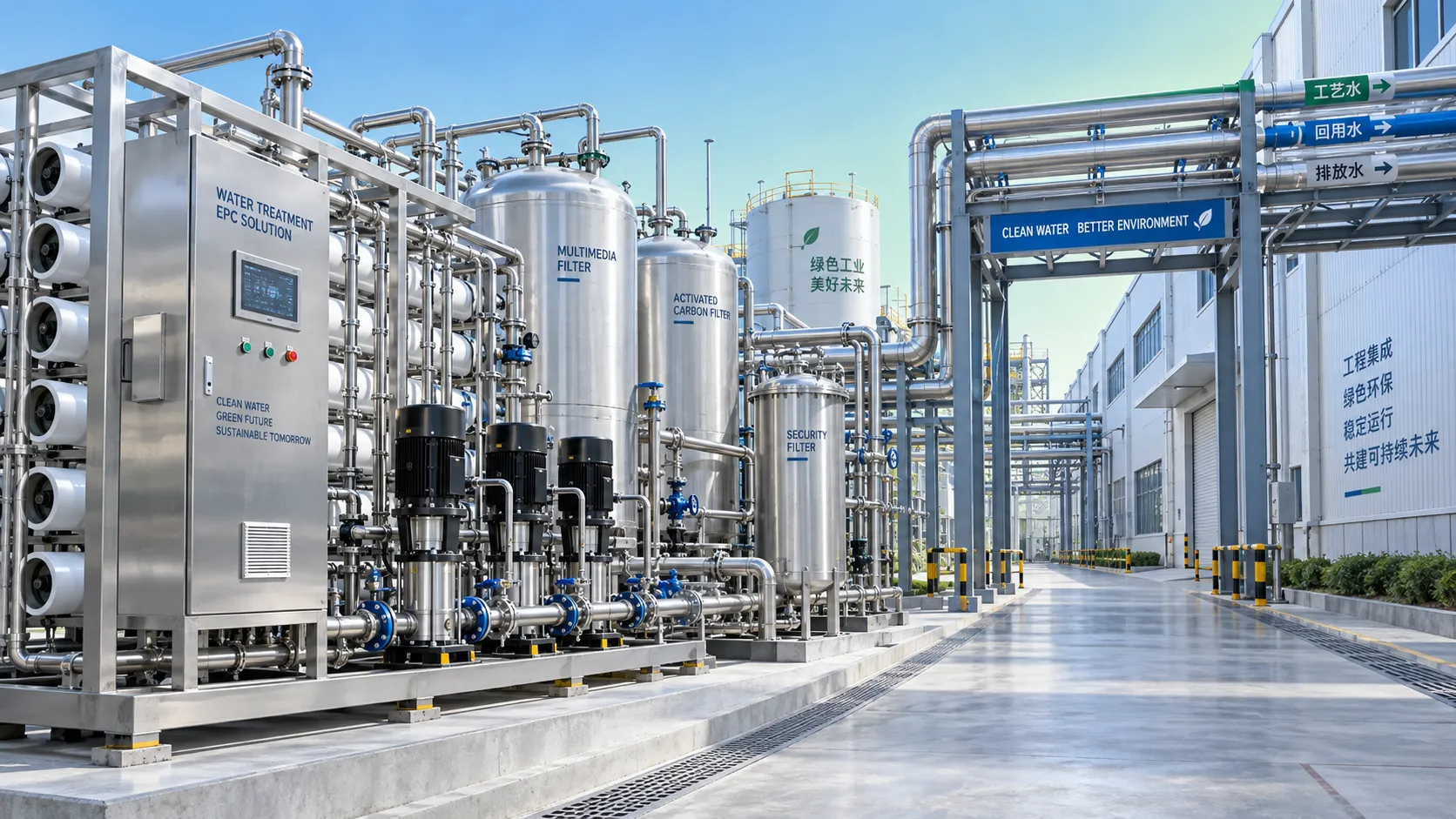
When does EPC environmental project support reduce delivery risk?
EPC environmental project support engineering reduces delivery risk by aligning design, procurement, compliance, construction, and commissioning decisions.
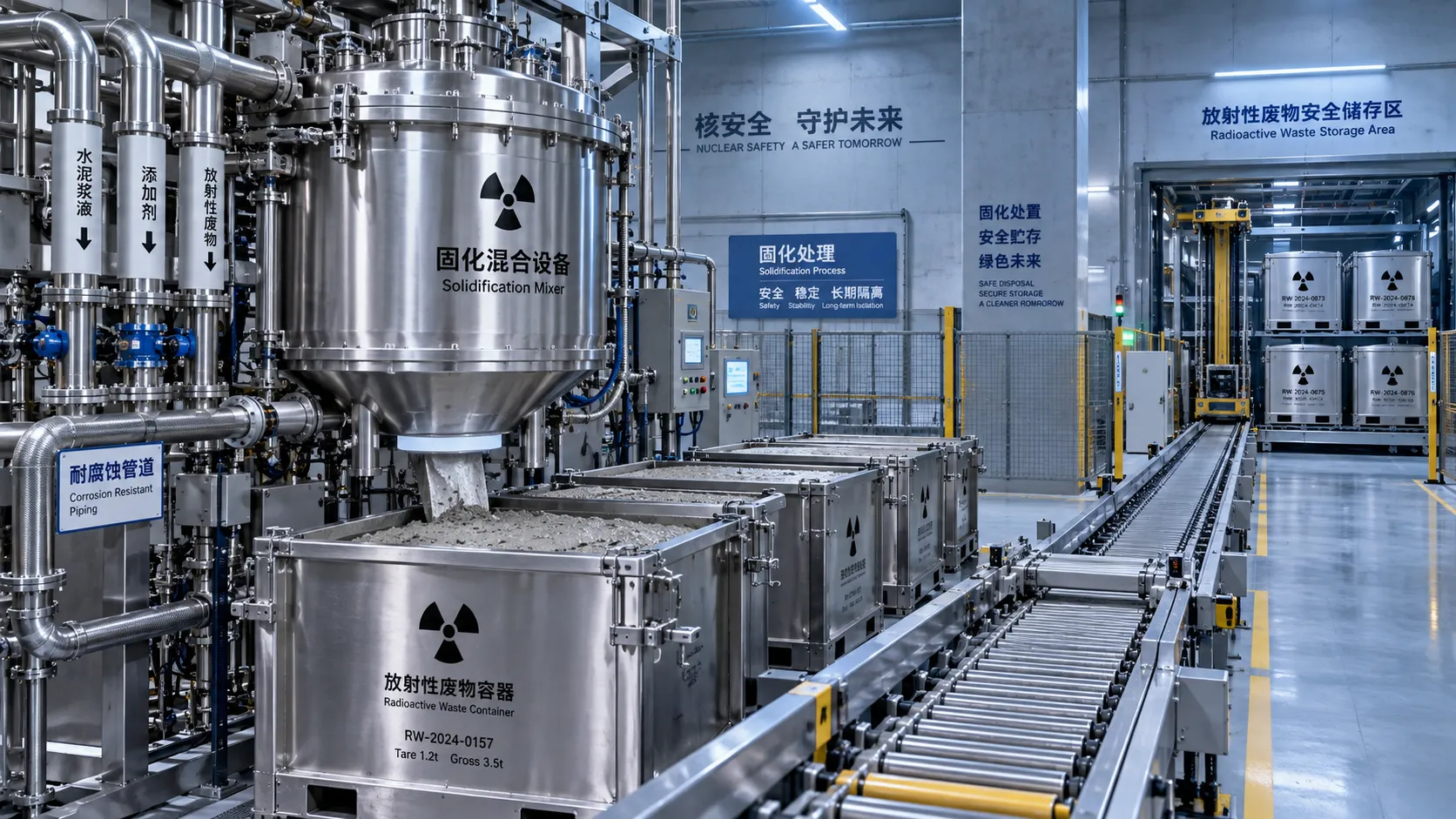
How nuclear plants select a radioactive waste solidification method
Radioactive waste management for nuclear plants: compare vitrification, cementation, polymers, and ceramics to select a compliant, durable solidification solution.
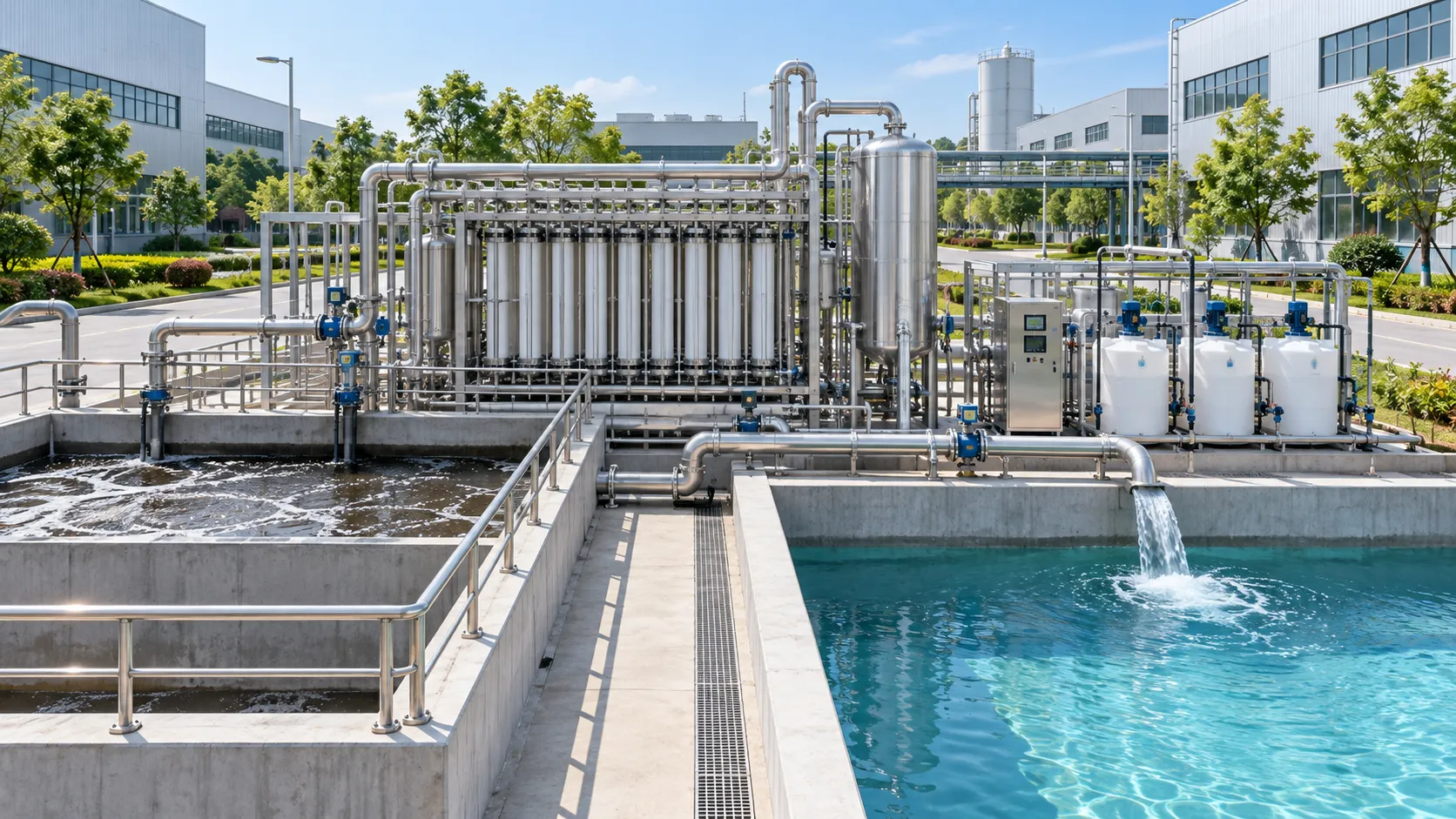
Comparing Upgrade Costs for Industrial Park Wastewater Treatment Systems
Compare costs for wastewater system upgrades in industrial parks with a lifecycle view of CAPEX, OPEX, compliance, resilience, and future expansion.
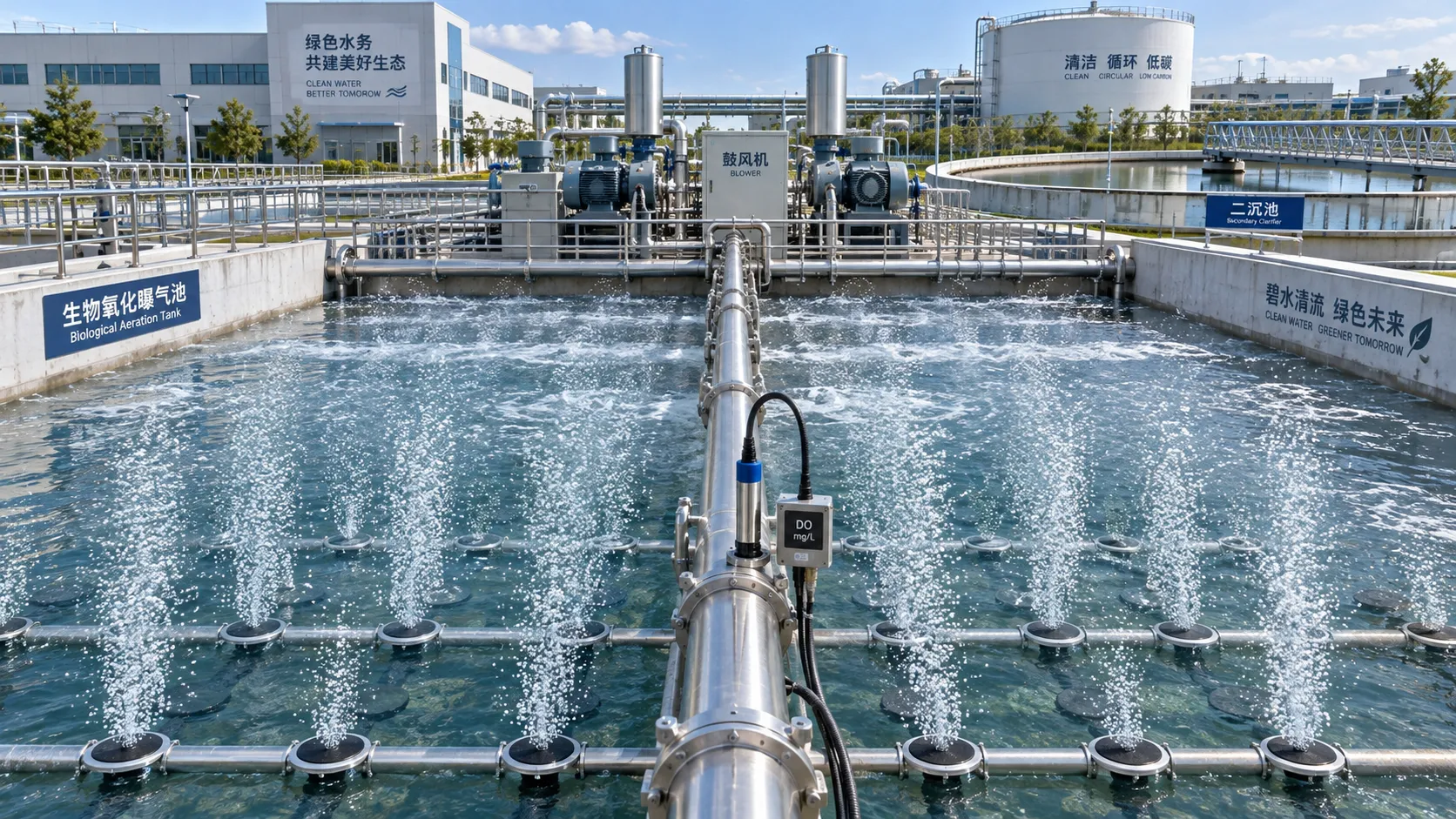
Biological Wastewater Oxidation Explained: Aeration Demand and Process Control
Biological wastewater oxidation explained: optimize aeration demand, DO control, nitrification, and sludge age for stable effluent quality and lower energy costs.
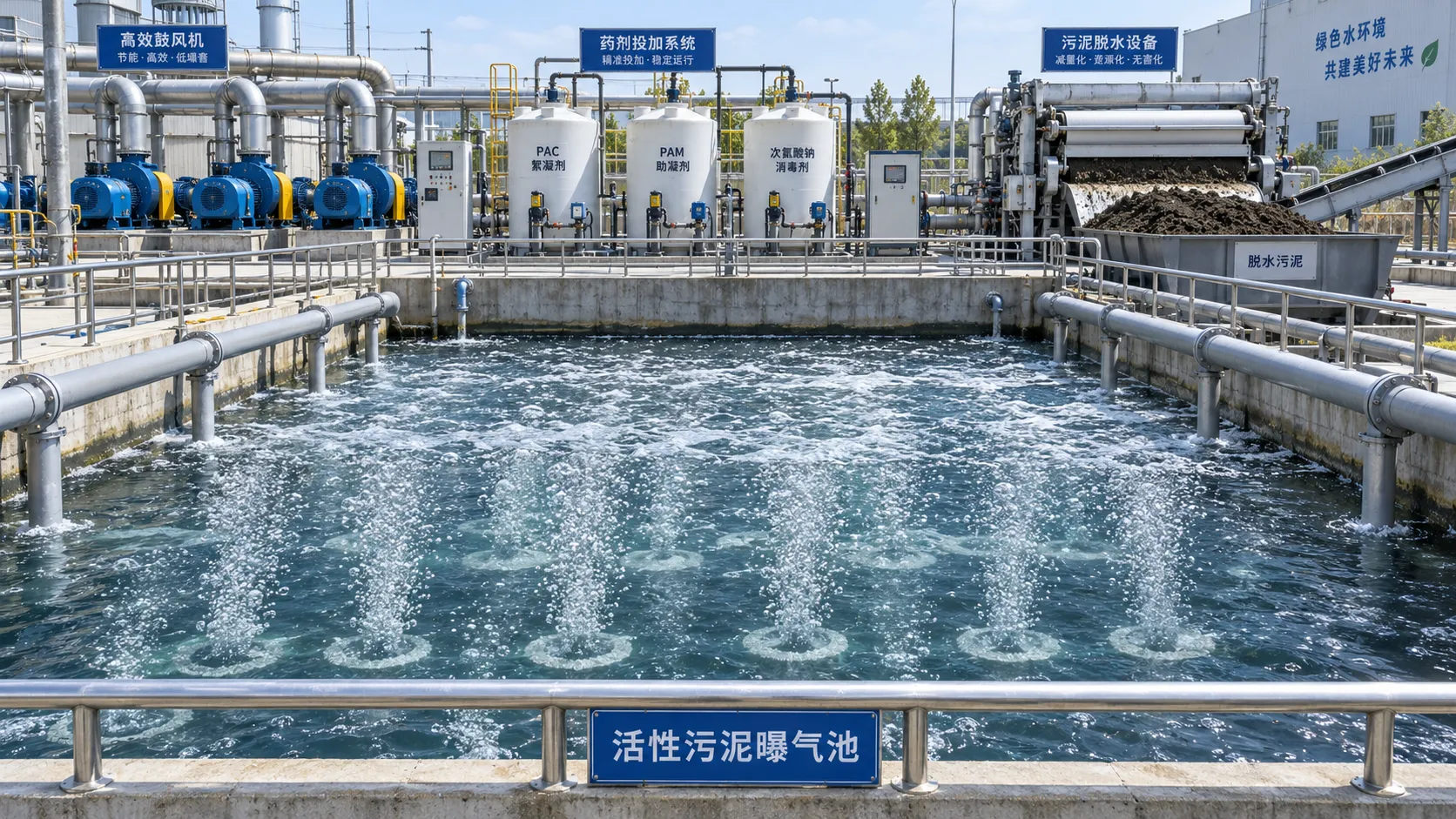
Activated Sludge Cost: Budgeting Energy, Chemicals, Sludge, and Labor
Activated sludge cost explained: compare energy, chemicals, sludge disposal, labor, and compliance risks to build a reliable lifecycle budget.
When Should Municipal Wastewater Plants Upgrade Treatment Capacity and Controls?
Municipal wastewater treatment upgrades: learn when capacity, controls, and resilient planning are needed to protect compliance and optimize plant performance.