
Industry News
Curation by industry experts
Hot Articles
Popular Tags
Circular Economy Business Models That Improve Margin and Supply Resilience
For business evaluators facing volatile input costs, tighter regulations, and fragile supply chains, circular economy business models are no longer a sustainability side note—they are a margin and resilience strategy. From water reuse and waste-to-resource recovery to equipment life extension, these models help organizations unlock new value while reducing procurement risk, compliance pressure, and operational exposure across critical environmental infrastructure.
For most searchers, the practical question is not whether circularity sounds attractive. It is which models improve EBITDA, protect supply continuity, and remain defensible under real operating constraints.
For business evaluators in industrial and environmental infrastructure markets, the answer is clear: the best circular economy business models create value in three ways at once. They lower material dependence, monetize underused outputs, and extend the productive life of high-value assets.
That matters especially in sectors tied to water treatment, resource recovery, flue gas systems, desalination, and hazardous waste management. These are asset-heavy environments where margin pressure often comes from energy intensity, consumables volatility, compliance costs, and equipment downtime.
This article focuses on how to assess circular models as commercial and operational strategies, not just as sustainability programs. The goal is to help evaluators identify where circularity improves margin, where it strengthens supply resilience, and where the business case may be weaker.
What business evaluators are really trying to determine
When decision-makers search for circular economy business models, they are usually looking for more than definitions. They want a way to judge whether circularity can produce measurable financial upside without introducing unacceptable implementation risk.
In practice, that means five recurring questions. Will the model improve gross margin or only shift costs? Can it reduce exposure to raw material shortages? Does it create a credible revenue stream? How capital-intensive is it? And how long is the payback period?
For evaluators in industrial ecosystems, there is also a sixth question: does the model strengthen compliance readiness? In regulated sectors, a circular initiative that reduces discharge, landfill dependence, or hazardous throughput can create strategic value beyond direct savings.
That is why broad sustainability language is often less useful than operating logic. Evaluators need to see where value is captured, who owns the economics, which inputs and outputs are affected, and what dependencies could break the model.
The circular economy models most likely to improve margin
Not all circular economy business models perform equally well. The strongest candidates usually sit close to existing cost centers or waste streams, because they convert a known expense into savings, feedstock, service revenue, or supply security.
One of the most proven models is resource recovery from waste streams. In water and waste infrastructure, this can include recovering metals, nutrients, salts, heat, biogas, reclaimed water, or secondary raw materials from previously discarded outputs.
The margin logic is straightforward. Instead of paying for treatment, transport, and disposal only, operators create offsetting value. That value may appear as reduced procurement, avoided disposal fees, premium recycled output sales, or lower environmental liabilities.
A second model is product life extension. For high-value equipment such as membranes, pumps, thermal systems, sorting lines, catalyst systems, and monitoring hardware, extending useful life can reduce replacement cycles and smooth capital expenditure.
This works best when supported by refurbishment, predictive maintenance, modular replacement, and performance-based service contracts. Rather than treating equipment as a one-time sale, suppliers can capture recurring margin through upkeep, retrofits, and life-cycle optimization.
A third model is closed-loop input reuse. In industrial water systems, for example, internal reuse lowers freshwater procurement, wastewater discharge, and dependency on stressed local supply. In some cases, it also protects production continuity during drought or permit tightening.
A fourth model is take-back and remanufacturing. This is especially relevant where equipment contains expensive materials, engineered subassemblies, or components with long procurement lead times. Recovering, testing, and redeploying these elements can defend both cost and availability.
Finally, there is the platform model: companies enable circular exchanges between waste generators, recyclers, processors, and end users. This can be highly scalable, though the economics depend on data quality, logistics density, and reliable standards for recovered material.
Why supply resilience is now as important as cost reduction
Several years ago, many firms treated circularity mainly as an ESG topic. Today, supply resilience has pushed it into mainstream financial evaluation. Geopolitical instability, shipping disruptions, energy shocks, and critical material constraints have changed the equation.
For business evaluators, resilience has a margin effect even when it does not immediately show up as a lower unit cost. If a circular model prevents shutdowns, protects key inputs, or shortens recovery from supply disruption, it carries real enterprise value.
This is particularly visible in environmental infrastructure. Membranes, specialty chemicals, catalysts, engineered vessels, sensors, and control components often face long lead times. A circular strategy that reduces dependence on virgin supply can improve delivery certainty.
Water reuse is a strong example. In water-stressed regions, the value of reclaimed water is not just lower sourcing cost. It is operational continuity. For sectors that cannot afford process interruption, resilience may justify circular investment even before pure payback looks exceptional.
Similarly, recovered materials from solid waste streams can diversify procurement away from volatile global commodity channels. Even partial substitution may reduce exposure to price spikes or import restrictions, especially where compliance and localization pressures are rising.
How to assess whether a circular model is financially credible
Business evaluators should avoid a simple “green premium” mindset. The right question is whether the model changes the economics of the operating system. A disciplined assessment usually starts with value pools rather than technology features.
First, map all current costs linked to the target stream or asset. This includes raw material purchases, utilities, treatment costs, transport, labor, downtime, spare parts, compliance fees, landfill charges, and carbon-related exposure where relevant.
Second, identify every route by which the circular model could create value. These may include avoided input purchases, recovered by-product sales, higher yield, lower disposal cost, reduced maintenance, better asset uptime, lower permit risk, and improved contract competitiveness.
Third, test the durability of that value. Is revenue dependent on unstable secondary material prices? Are savings tied to operating discipline that may decay over time? Does the model require volume consistency or contaminant control that is hard to maintain?
Fourth, examine capital intensity and integration complexity. A circular model with strong theoretical returns may still struggle if it requires major plant redesign, specialized operating talent, extensive permitting, or a long commissioning curve.
Fifth, calculate resilience value explicitly. Many evaluations understate circular benefits because they ignore avoided disruption. Consider scenario-based modeling for water shortages, feedstock inflation, logistics breakdown, or regulatory tightening.
Strong cases often combine hard savings with strategic optionality. The more a model protects both daily operating economics and downside risk, the more compelling it becomes in board-level capital allocation discussions.
High-value use cases across environmental infrastructure
In large-scale water treatment, circular economy business models often center on water reuse, brine concentration optimization, chemical recovery, and sludge valorization. The business case improves when freshwater tariffs, discharge restrictions, or reuse demand are high.
Zero Liquid Discharge systems illustrate both the promise and the caution. They can dramatically reduce discharge exposure and recover water, but business evaluators must weigh energy demand, maintenance burden, and concentrate management economics carefully.
In solid waste and recovery systems, AI sorting and thermal conversion can transform mixed waste into secondary feedstock, fuels, or reusable materials. The economics improve when contamination can be controlled and downstream offtake agreements are secure.
For flue gas treatment systems, circularity may appear less obvious, yet by-product recovery, catalyst regeneration, and component refurbishment can meaningfully reduce replacement cost and waste burden. These models are especially attractive where operating reliability is critical.
In seawater desalination, circularity can come from energy optimization, membrane life extension, and recovery of useful minerals from concentrate streams. The strongest value cases usually emerge where water scarcity is severe and power cost management is disciplined.
In nuclear waste management, the circular lens is narrower but still relevant. High-integrity packaging, material optimization, long-life containment systems, and advanced conditioning methods can reduce life-cycle cost while strengthening safety and regulatory assurance.
What usually makes circular initiatives fail
Many circular projects disappoint not because the concept is weak, but because the business design is incomplete. A common failure is focusing on technical feasibility while underestimating commercial dependencies such as feedstock consistency or buyer qualification.
Another issue is overestimating market value for recovered outputs. A material may be technically recyclable yet commercially discounted due to purity issues, certification limits, or fragmented demand. Evaluators should test actual offtake conditions early.
Operational complexity is another risk. A model that adds process variability, new maintenance needs, or intricate logistics can erode savings quickly. This is particularly important in mission-critical utilities and treatment systems where uptime matters more than theoretical efficiency.
Some firms also miss stakeholder alignment. Procurement may prefer virgin inputs for reliability. Operations may resist process changes. Finance may undervalue risk reduction. Regulatory teams may require validation that slows deployment. Governance matters as much as technology.
Finally, timing matters. A circular model can be strategically sound but poorly timed if energy prices are temporarily high, recovered commodity markets are weak, or internal capabilities are not ready. Good evaluation includes sequencing, not just model selection.
How to compare circular economy business models in a decision framework
For practical evaluation, it helps to compare models across six dimensions: margin impact, resilience impact, capital intensity, implementation complexity, regulatory value, and scalability. This prevents overreliance on a single metric such as payback.
High-priority opportunities often show moderate-to-high margin benefit and high resilience value with manageable complexity. Water reuse, refurbishment programs, and targeted recovery of high-value materials often fit this profile in industrial settings.
Medium-priority opportunities may have strong long-term logic but require ecosystem coordination, such as secondary material marketplaces or broader industrial symbiosis networks. These can become attractive once data visibility and regional infrastructure improve.
Lower-priority opportunities are those with uncertain output markets, heavy custom engineering, or unclear ownership of value capture. They may still deserve pilot testing, but they should not be framed as near-term margin solutions without evidence.
Evaluators should also separate core and adjacent models. Core models improve the economics of current operations. Adjacent models create new revenue streams or business lines. The former usually deserve earlier attention because they are easier to underwrite.
What a convincing business case should include
A credible proposal for circular economy business models should show baseline costs, expected value creation, operational assumptions, and downside scenarios. It should also define ownership: who captures the savings, who bears the capex, and who manages performance.
Include sensitivity analysis for energy price, recovered material pricing, throughput variation, contamination levels, and maintenance demands. Circular projects are often sensitive to small operating changes, so single-point forecasts can be misleading.
It is also useful to present strategic fit. Does the model strengthen bidding position in regulated infrastructure projects? Does it support customer decarbonization goals? Does it improve access to permits, financing, or long-term public-sector contracts?
For sectors served by intelligence platforms like ESD, that strategic layer is increasingly important. Circularity is becoming part of how environmental equipment firms demonstrate reliability, resource efficiency, and compliance readiness in complex project evaluations.
Conclusion: circularity works best when it is evaluated as an operating model
The most valuable circular economy business models are not branding exercises. They are operating models that reduce dependence on volatile inputs, recover value from constrained resources, and extend the productive life of expensive infrastructure.
For business evaluators, the key is to prioritize models with visible value pools, realistic implementation paths, and clear resilience benefits. In capital-intensive environmental sectors, those qualities matter more than broad claims about sustainability leadership.
If assessed rigorously, circularity can do more than improve environmental performance. It can defend margin, stabilize supply, strengthen compliance positioning, and create a more durable commercial advantage in uncertain industrial markets.
That is why the best evaluation does not ask whether circularity is desirable in principle. It asks where circular design changes the economics decisively enough to matter—and where it can be scaled with confidence.
Recommended News
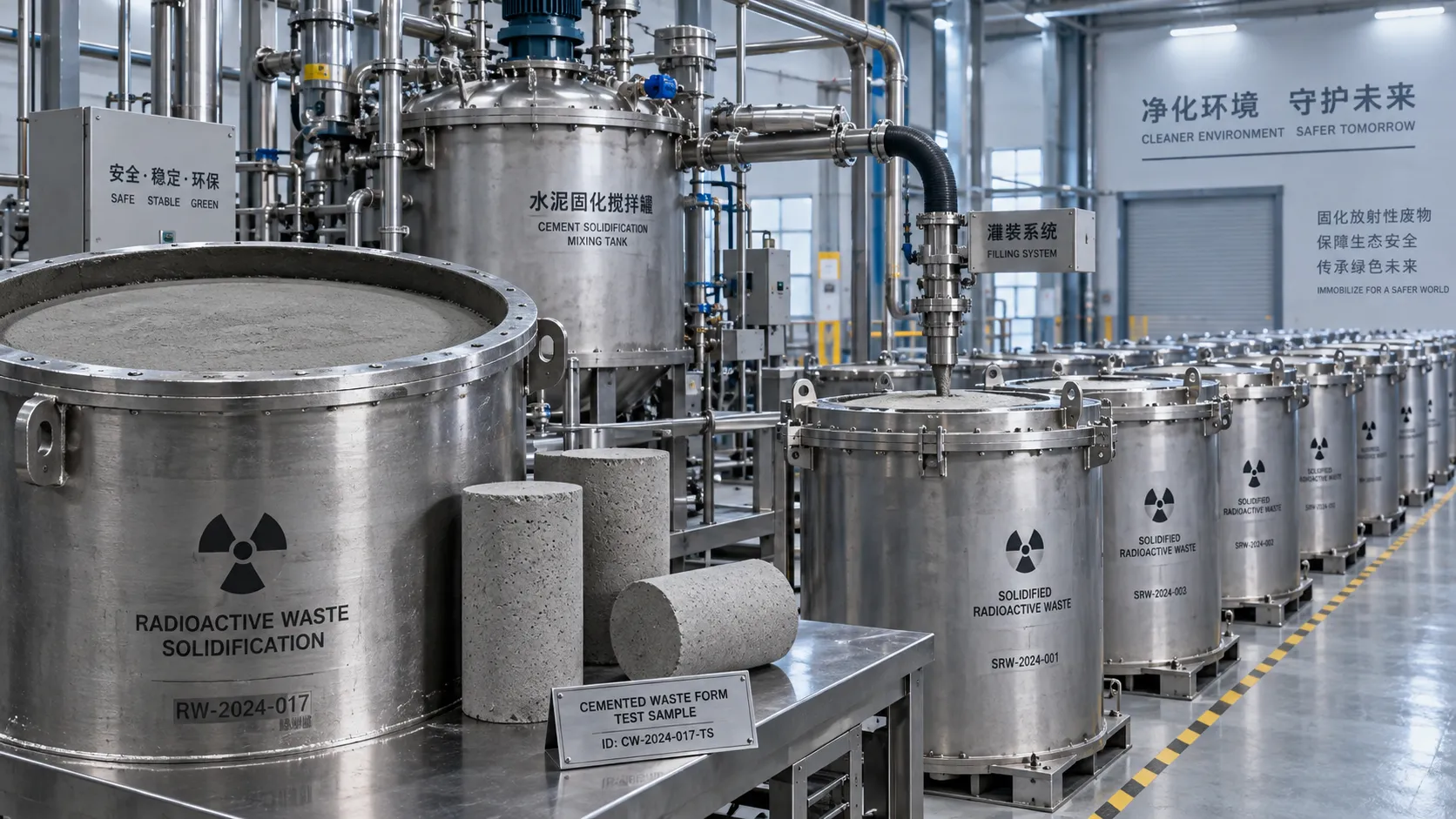
When is cementation suitable for nuclear decommissioning waste?
Explore nuclear waste treatment technology for decommissioning: learn when cementation fits, which risks to assess, and how disposal criteria guide an effective treatment choice.
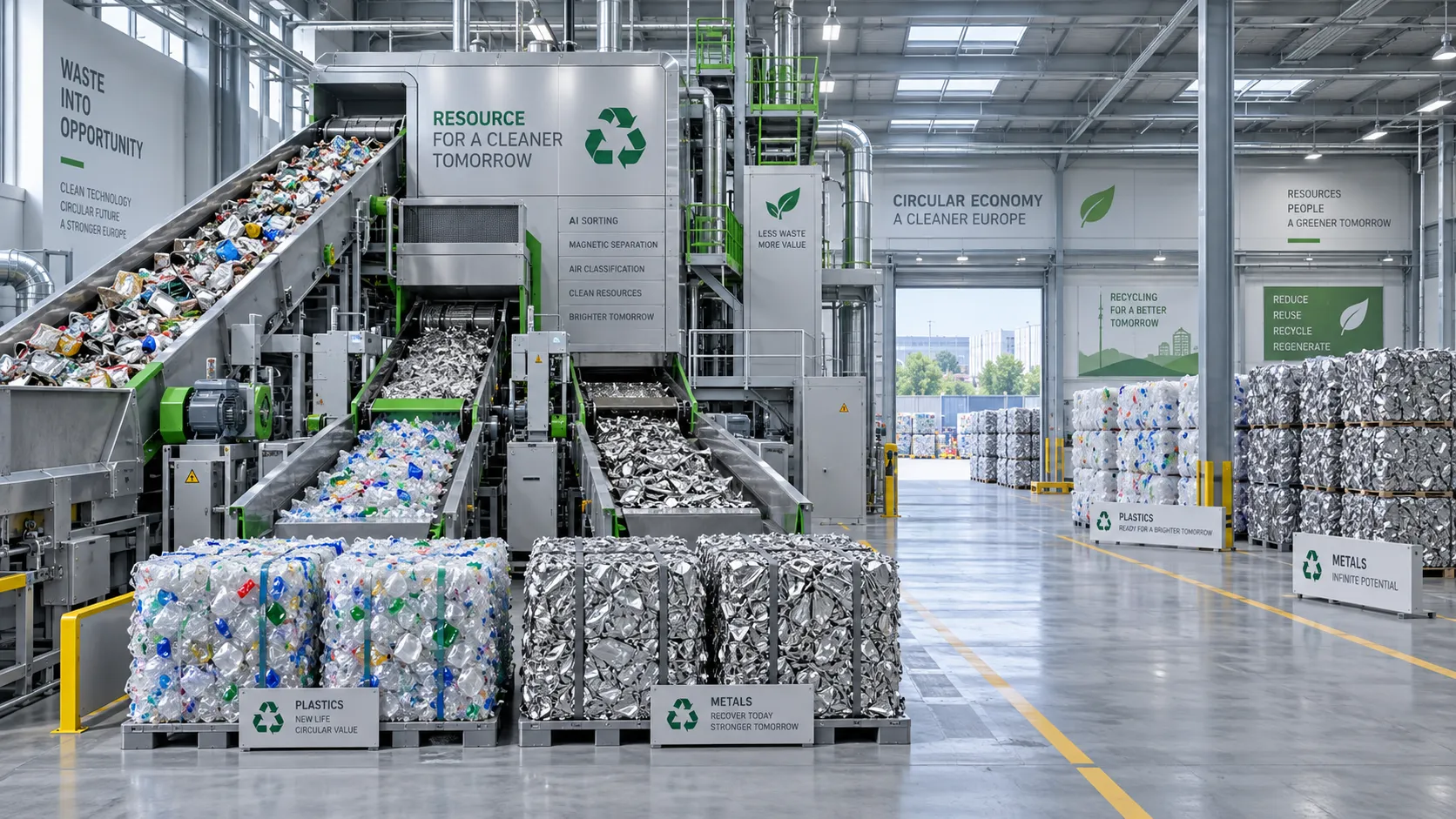
What determines payback for waste-to-resource systems in Europe?
Assess waste-to-resource systems Europe-wide: compare feedstock, recovery yields, costs and contracts to uncover payback drivers and make smarter investment decisions.
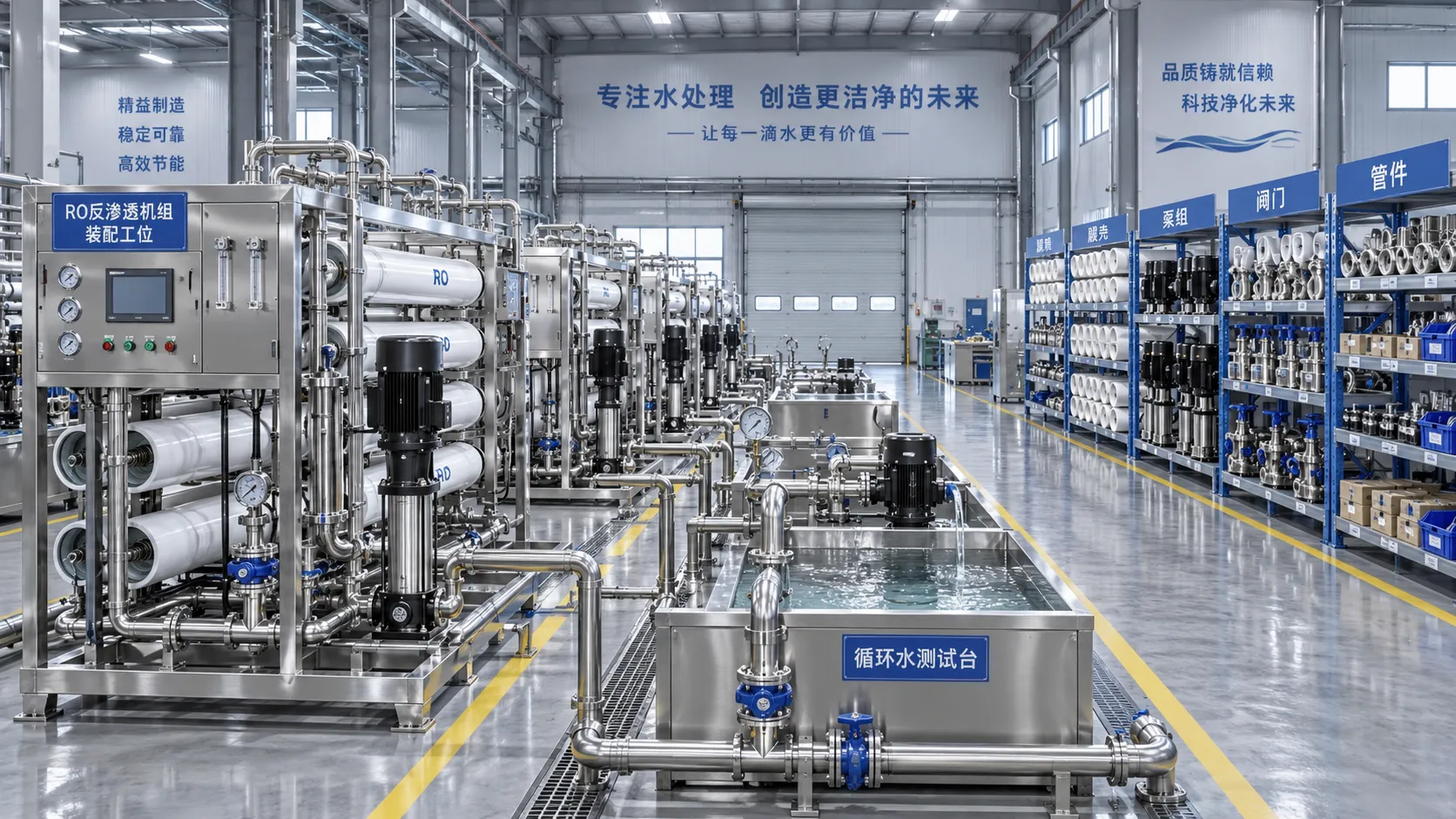
How to verify a water treatment system factory’s production capacity
Verify a water treatment systems factory’s production capacity through records, bottlenecks, component availability, and testing. Learn what to check before accepting a delivery promise.
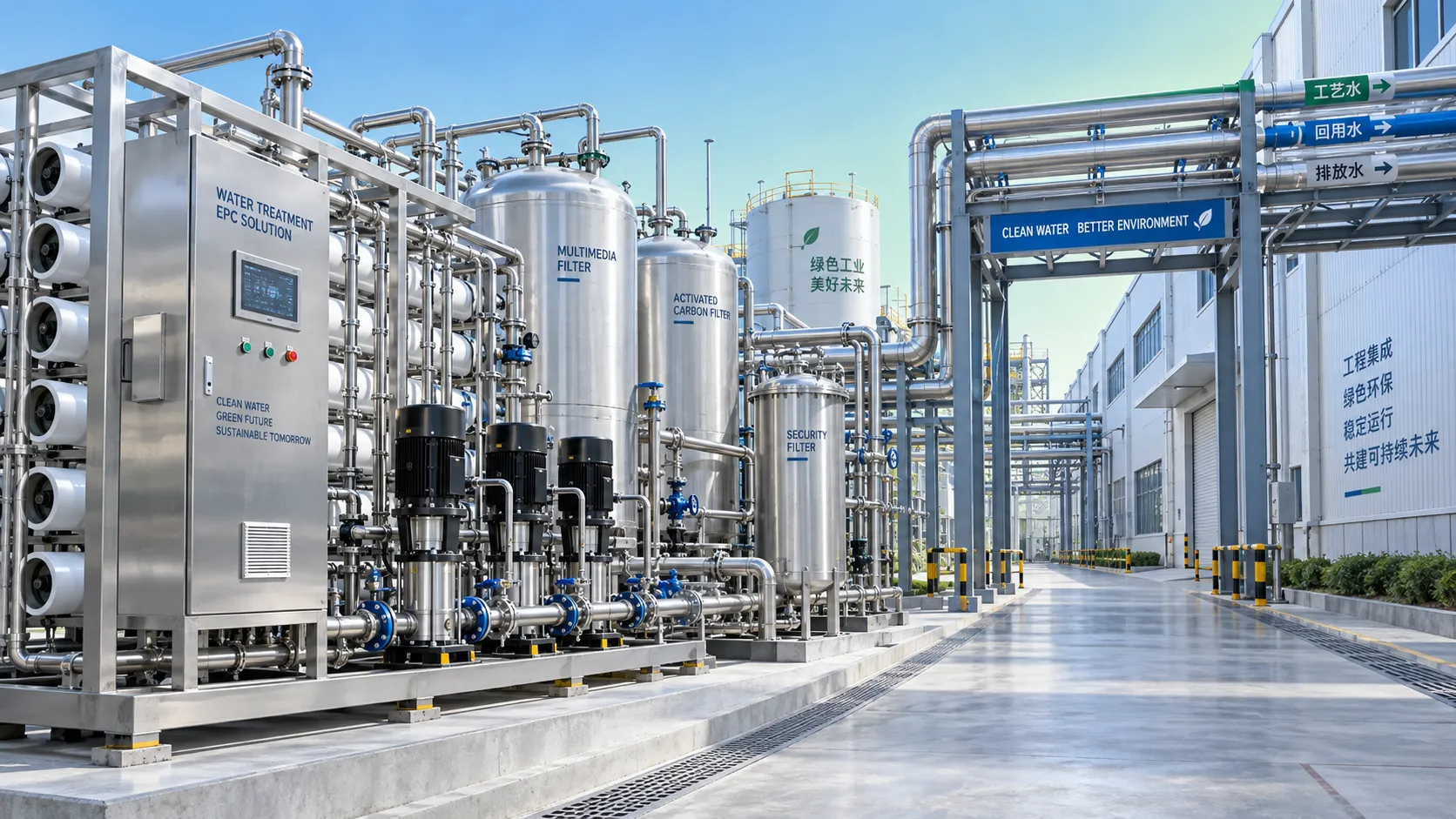
When does EPC environmental project support reduce delivery risk?
EPC environmental project support engineering reduces delivery risk by aligning design, procurement, compliance, construction, and commissioning decisions.
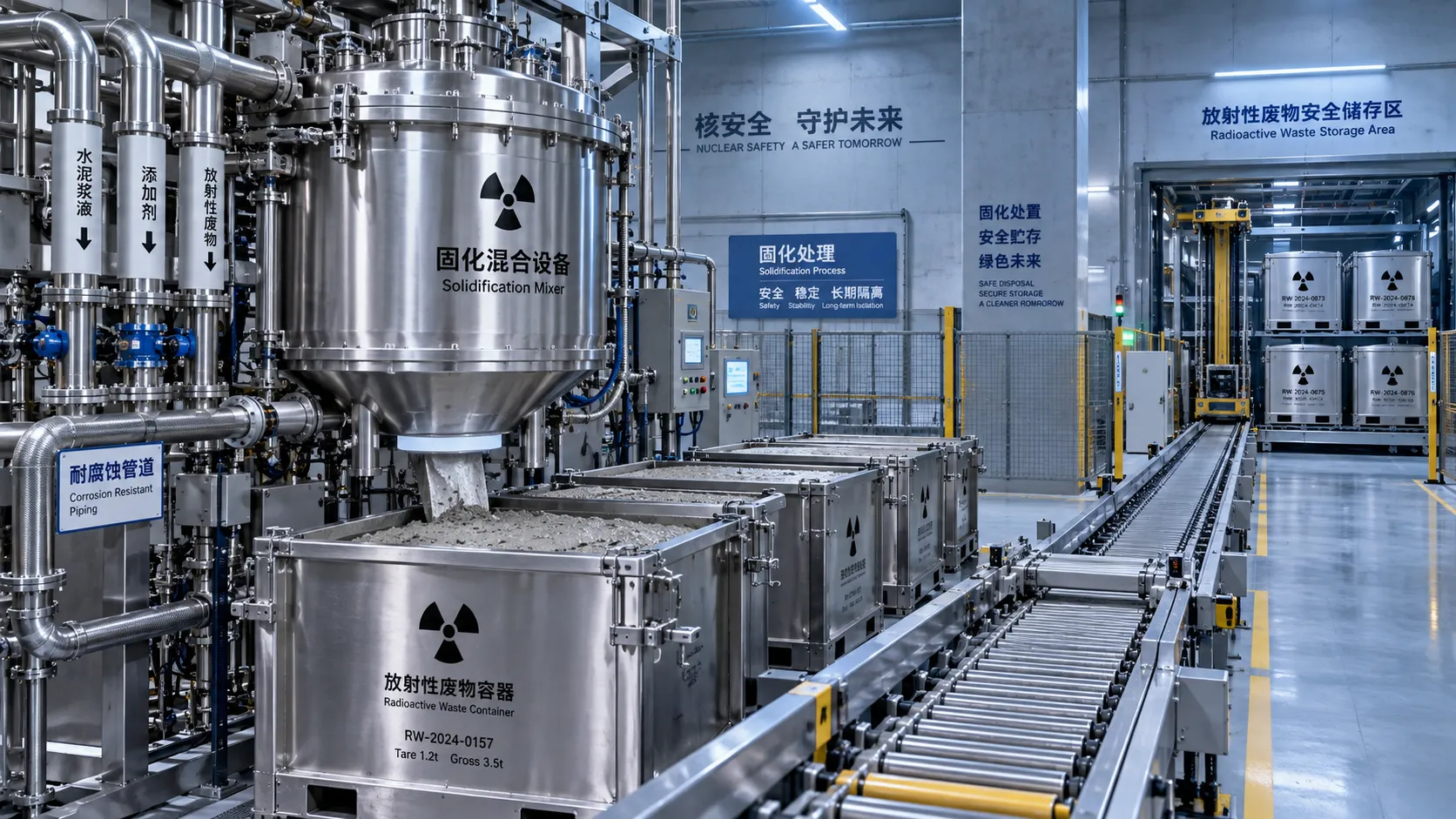
How nuclear plants select a radioactive waste solidification method
Radioactive waste management for nuclear plants: compare vitrification, cementation, polymers, and ceramics to select a compliant, durable solidification solution.
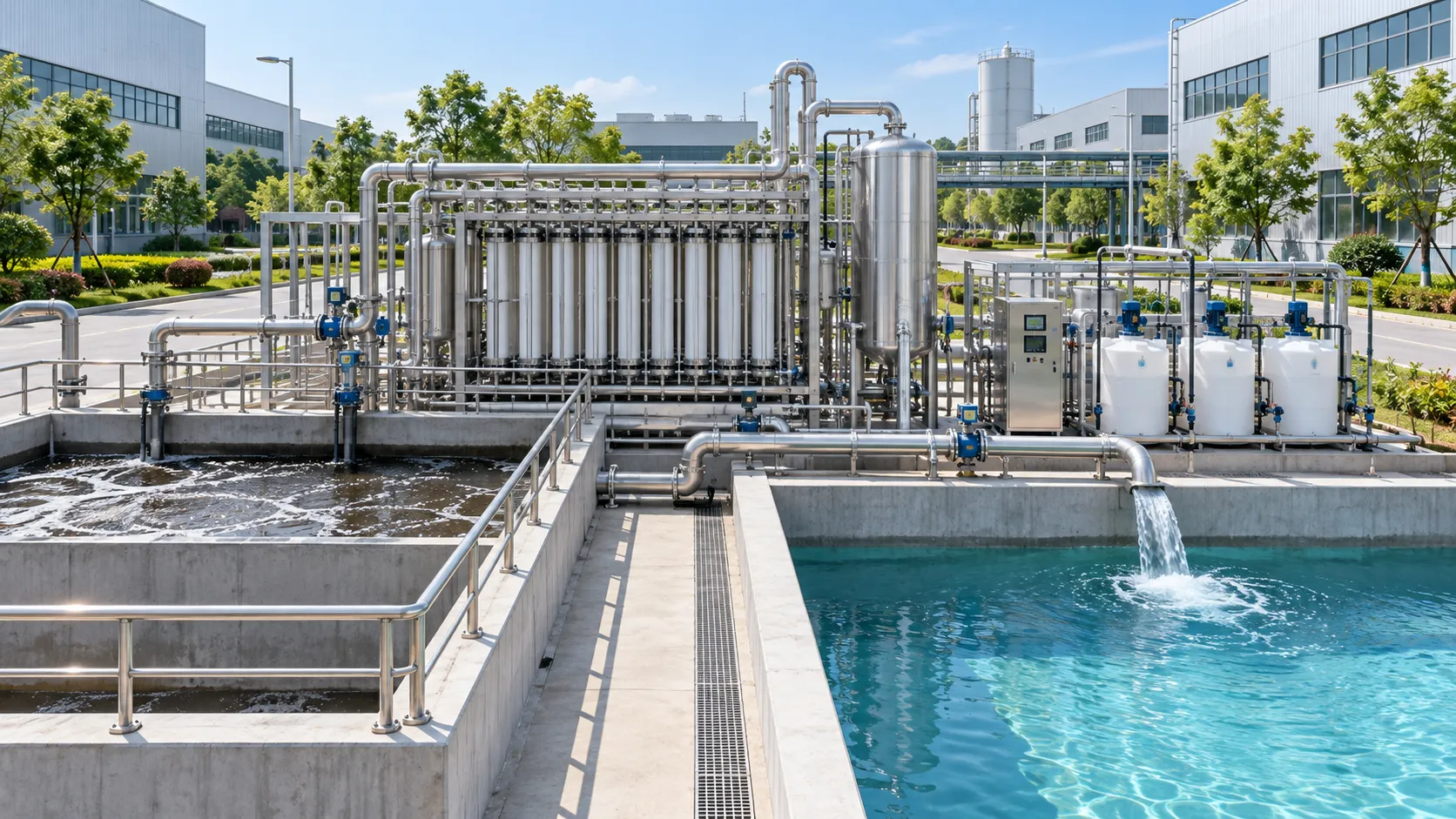
Comparing Upgrade Costs for Industrial Park Wastewater Treatment Systems
Compare costs for wastewater system upgrades in industrial parks with a lifecycle view of CAPEX, OPEX, compliance, resilience, and future expansion.
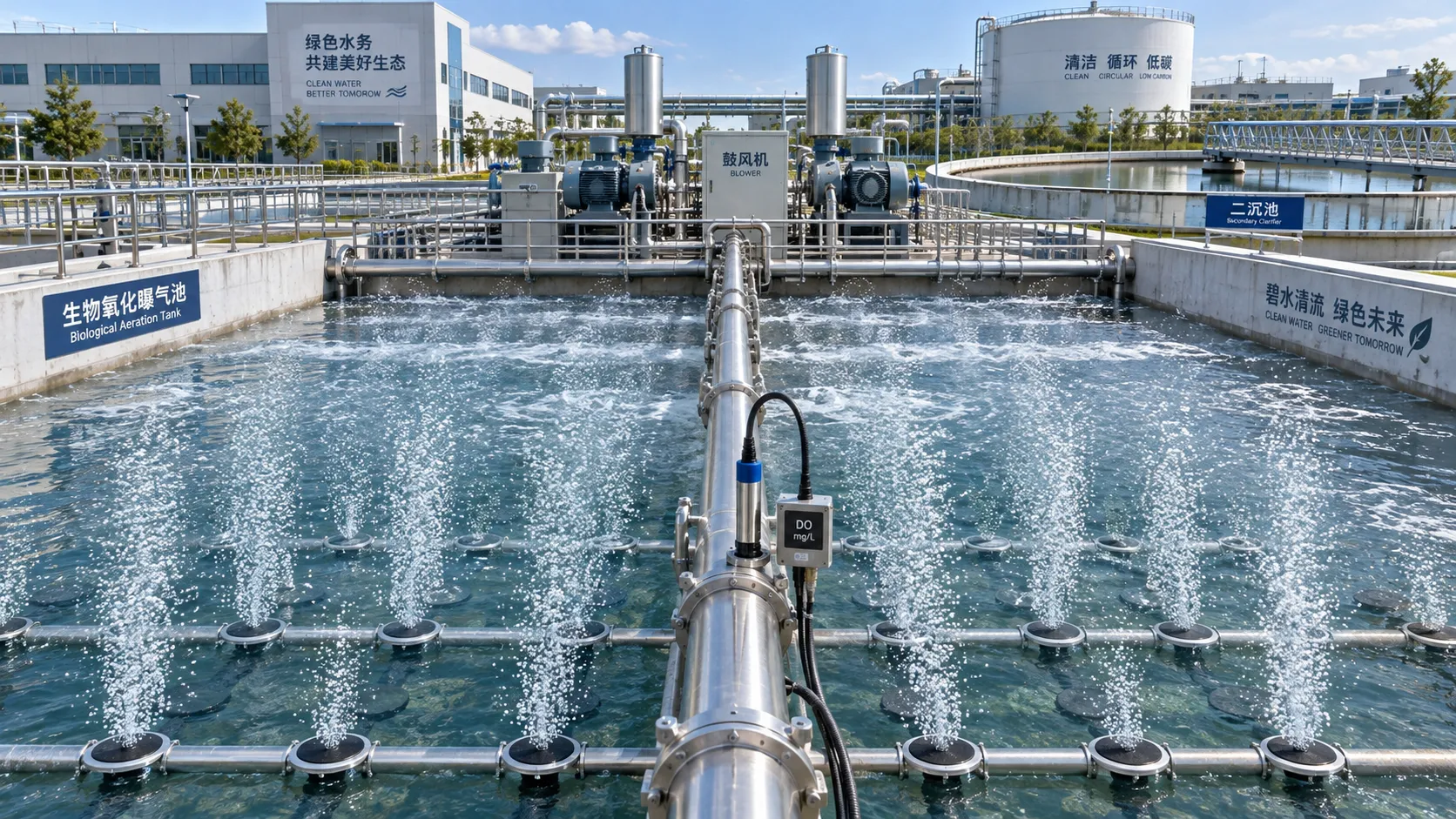
Biological Wastewater Oxidation Explained: Aeration Demand and Process Control
Biological wastewater oxidation explained: optimize aeration demand, DO control, nitrification, and sludge age for stable effluent quality and lower energy costs.
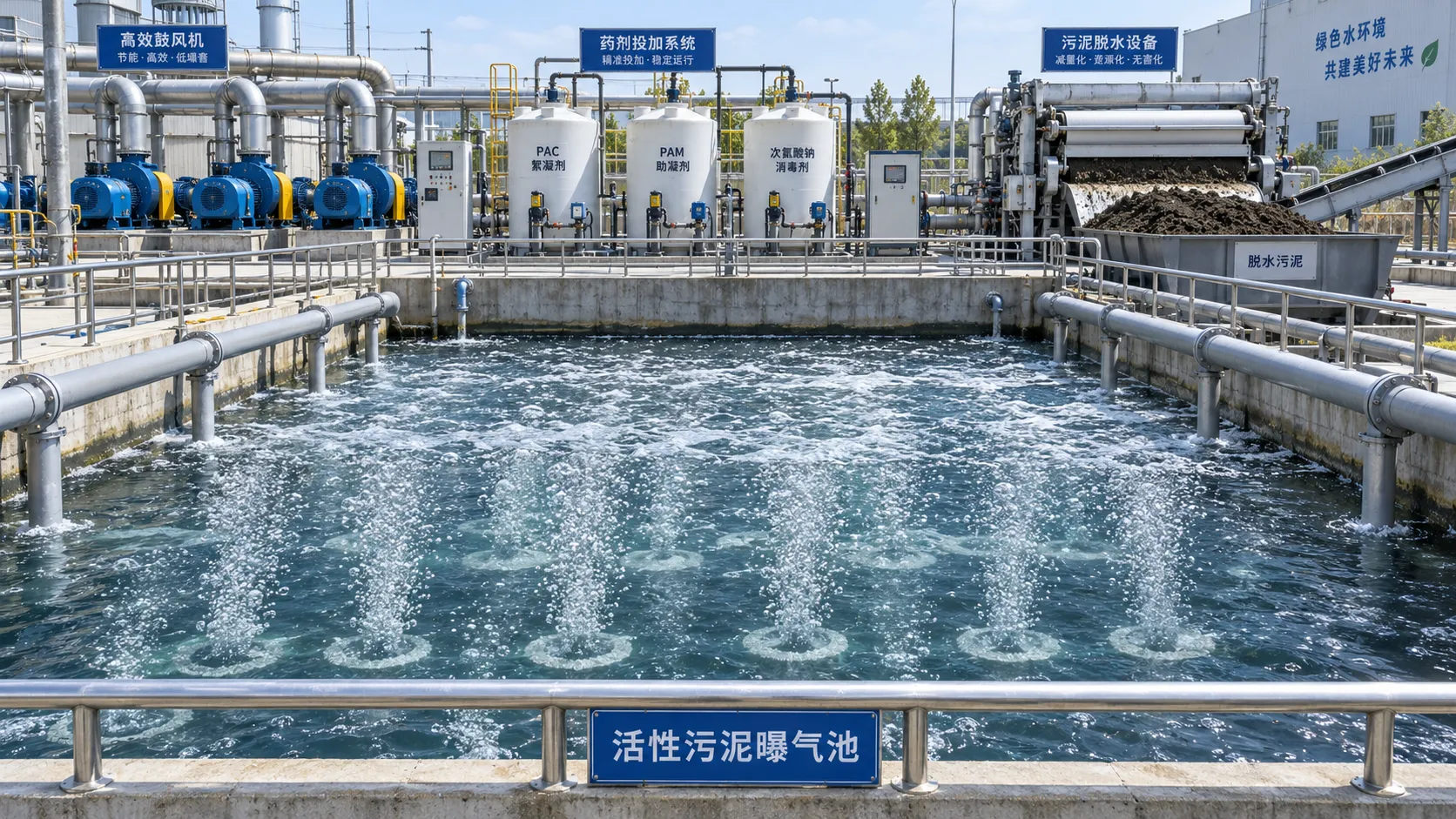
Activated Sludge Cost: Budgeting Energy, Chemicals, Sludge, and Labor
Activated sludge cost explained: compare energy, chemicals, sludge disposal, labor, and compliance risks to build a reliable lifecycle budget.
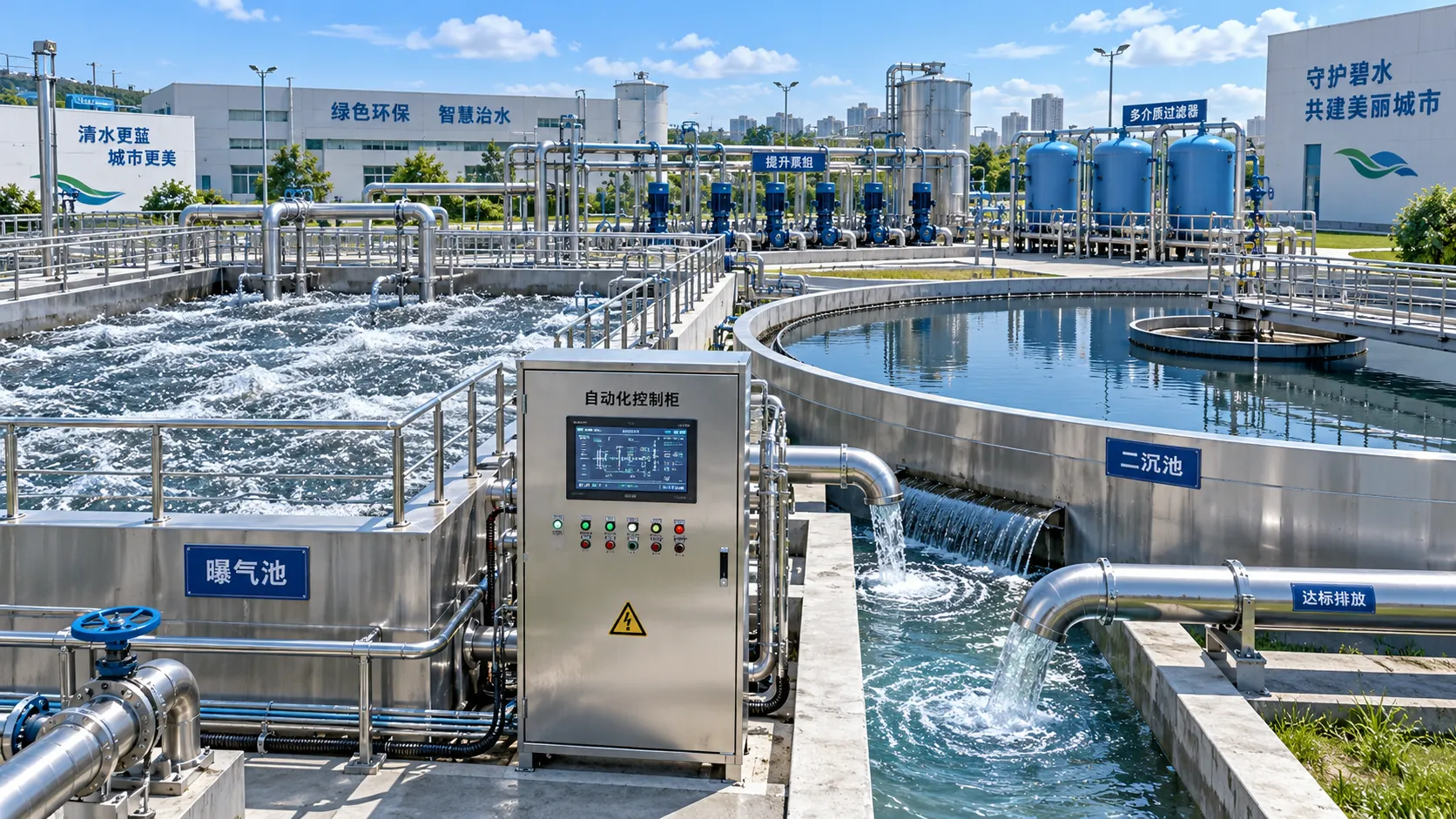
When Should Municipal Wastewater Plants Upgrade Treatment Capacity and Controls?
Municipal wastewater treatment upgrades: learn when capacity, controls, and resilient planning are needed to protect compliance and optimize plant performance.