
Industry News
Curation by industry experts
Hot Articles
Popular Tags
Sustainable Resource Management Practices for Multi-Site Industrial Operations
For project managers overseeing complex industrial portfolios, sustainable resource management practices are no longer optional—they are central to cost control, compliance, and operational resilience. Across multi-site operations, aligning water, waste, energy, and recovery systems can unlock measurable efficiency while reducing environmental risk. This article explores practical strategies to help leaders standardize performance, strengthen governance, and turn sustainability goals into scalable industrial outcomes.
What do sustainable resource management practices mean in multi-site industrial operations?
In industrial settings, sustainable resource management practices combine efficiency, compliance, and recovery into one operating model.
They cover water intake, wastewater control, material use, energy demand, emissions, and the recovery of valuable secondary resources.
For multi-site operations, the challenge is consistency. One plant may optimize water reuse, while another still relies on disposal-heavy routines.
Without a shared framework, performance gaps grow. Costs rise, reporting weakens, and improvement efforts remain fragmented.
Effective sustainable resource management practices create a common language across sites. That language includes metrics, thresholds, corrective actions, and investment rules.
In sectors linked to water treatment, waste recovery, desalination, and emissions control, this approach supports both environmental and financial results.
Core elements usually include:
- Standardized resource baselines for every site
- Real-time monitoring of water, waste, and energy flows
- Recovery targets for solids, heat, and process by-products
- Compliance mapping across local and global regulations
- Clear governance for capital upgrades and operating changes
Why are sustainable resource management practices harder to scale across multiple sites?
The main barrier is variation. Sites differ in feedwater quality, waste composition, utility pricing, regulation, technology age, and workforce capability.
A seawater desalination facility faces different constraints than an inland industrial wastewater plant or a solid waste recovery center.
Still, scalable sustainable resource management practices rely on a structured balance between standardization and local adaptation.
The mistake is forcing identical solutions everywhere. The better method is aligning decision rules while allowing site-specific engineering.
Common scaling obstacles
- Different metering quality and missing baseline data
- Legacy systems that do not share data formats
- Uneven maintenance discipline between sites
- Short-term budget pressure over long-term efficiency value
- Regulatory requirements changing by country or region
A strong program begins with site segmentation. Group facilities by process type, risk profile, and resource intensity rather than geography alone.
That makes sustainable resource management practices more practical. It also helps compare similar sites on fair and actionable terms.
How can organizations standardize sustainable resource management practices without losing site flexibility?
Start with a unified operating framework. Define what must be common, what may vary, and what requires approval before change.
Common elements often include KPIs, reporting calendars, audit methods, and minimum performance thresholds for water, waste, and emissions.
Flexible elements include treatment technology choice, supplier selection, and local operating parameters shaped by actual process conditions.
A practical standardization model
- Build a resource inventory for every site.
- Set normalized KPIs such as water per output unit.
- Establish minimum monitoring and reporting requirements.
- Create playbooks for reuse, recovery, and escalation.
- Review exceptions through a central technical board.
In advanced portfolios, digital dashboards strengthen sustainable resource management practices by exposing hidden losses and underperforming assets quickly.
For example, one site may show stable discharge quality but poor chemical efficiency. Another may recover solids well but overconsume energy.
Shared visibility allows targeted correction instead of broad and expensive intervention.
Which resource areas usually deliver the fastest returns?
Fast returns often come from utilities and by-product streams already measured but not actively optimized.
In many industrial networks, the first wins appear in water recirculation, sludge reduction, heat recovery, and sorting accuracy.
High-impact priorities
- Water reuse: Reduce freshwater dependence through membrane polishing, internal recycling, or staged reuse.
- Waste minimization: Improve segregation to lower contamination and increase recovery value.
- Energy integration: Capture waste heat from thermal systems and reuse it across processes.
- Chemical optimization: Fine-tune dosing based on real feed conditions rather than fixed assumptions.
- Asset reliability: Prevent leaks, fouling, and process drift that quietly erode efficiency.
For operations connected to ESD focus areas, the return can be substantial. ZLD programs, AI sorting systems, flue gas treatment, and SWRO upgrades all benefit.
The key is sequencing. Not every site should begin with capital-intensive retrofits. Some should first improve controls, maintenance, and material tracking.
What risks and mistakes weaken sustainable resource management practices?
The biggest risk is treating sustainability as reporting instead of operations. Good reports cannot compensate for poor process control.
Another mistake is focusing only on single-site efficiency. Local improvements may shift burdens elsewhere in the network.
For example, one site may reduce disposal costs by exporting material that another site cannot safely process or recover.
Warning signs to watch
- KPIs measured differently across facilities
- No link between compliance events and capital planning
- Pilot projects with no scale-up pathway
- Recovery targets set without market demand checks
- Ignoring operator training during technology upgrades
Strong sustainable resource management practices include risk reviews at both process and portfolio levels.
That means testing how one site’s decisions affect logistics, compliance exposure, carbon intensity, and recovery economics across the wider system.
How should organizations evaluate cost, timing, and implementation pathways?
A useful approach divides action into three horizons: immediate optimization, medium-term upgrades, and long-term transformation.
This structure keeps sustainable resource management practices realistic and easier to fund.
Suggested implementation horizons
Cost decisions should not rely only on payback period. They should also consider permit exposure, water security, landfill dependency, and cross-border compliance pressure.
That broader view is especially important where CBAM, discharge rules, or radioactive material safeguards shape future operating freedom.
FAQ table: how to judge sustainable resource management practices across sites
What are the next practical steps?
Sustainable resource management practices succeed when they move from ambition to operating discipline.
Begin with a portfolio baseline. Identify where water, waste, energy, and recovery losses are highest and where compliance sensitivity is greatest.
Then create one decision framework for all sites. Keep metrics common, engineering flexible, and accountability visible.
In complex industrial environments, the strongest sustainable resource management practices do more than cut costs. They improve resilience, support cleaner growth, and protect long-term license to operate.
For organizations navigating water treatment, recovery systems, flue gas control, desalination, or nuclear waste pathways, now is the time to turn scattered initiatives into a coordinated resource strategy.
Recommended News
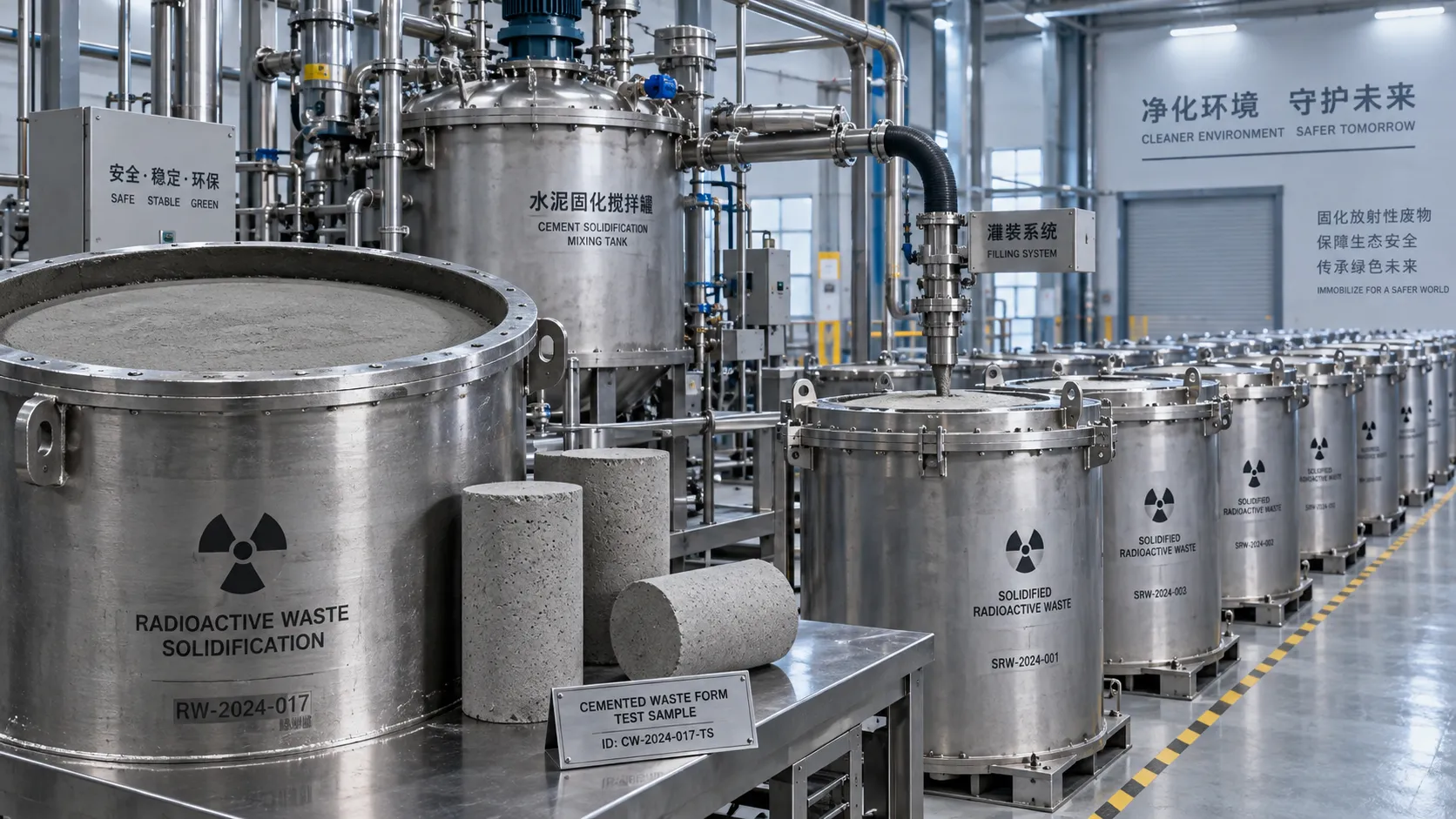
When is cementation suitable for nuclear decommissioning waste?
Explore nuclear waste treatment technology for decommissioning: learn when cementation fits, which risks to assess, and how disposal criteria guide an effective treatment choice.
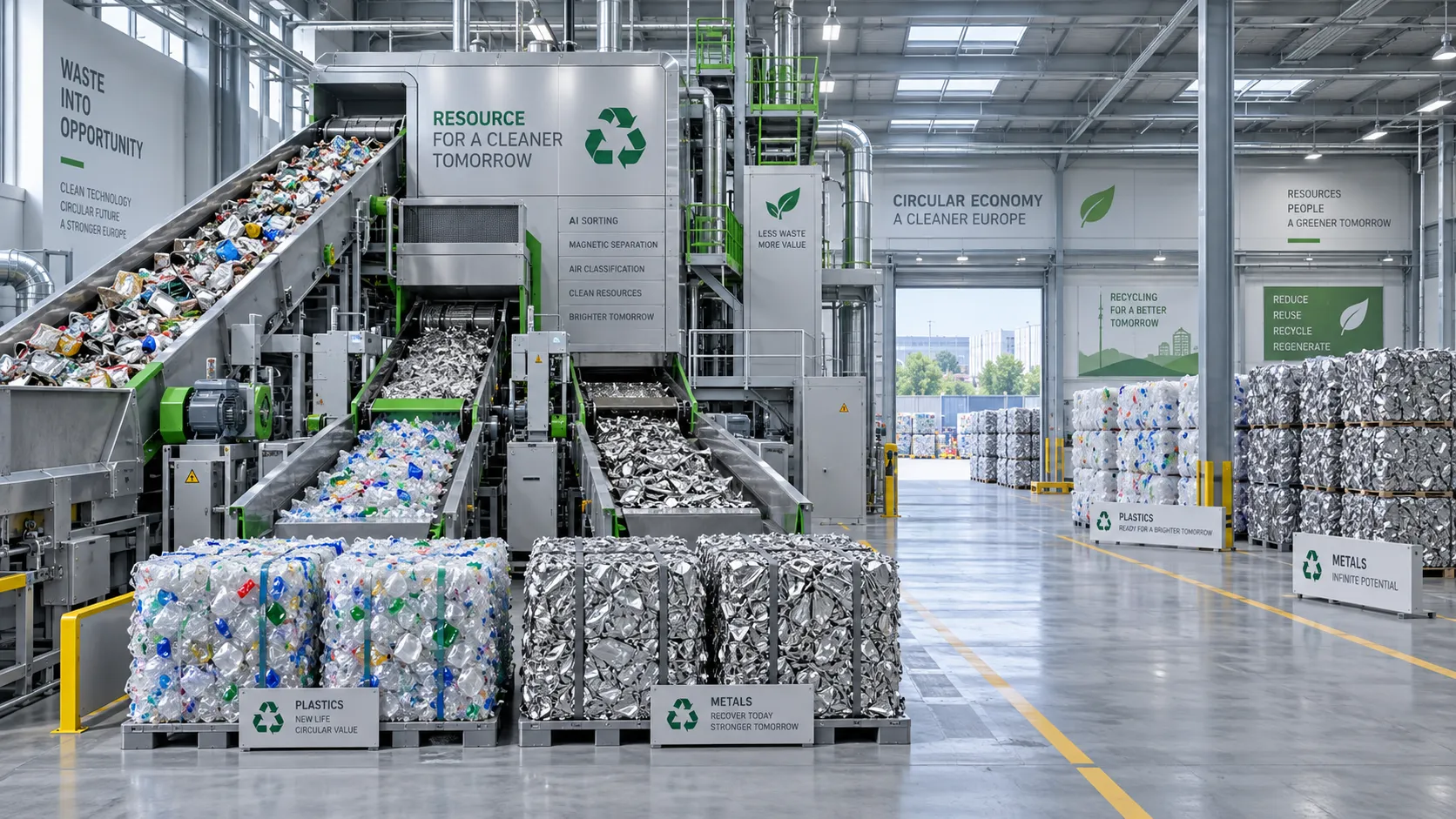
What determines payback for waste-to-resource systems in Europe?
Assess waste-to-resource systems Europe-wide: compare feedstock, recovery yields, costs and contracts to uncover payback drivers and make smarter investment decisions.
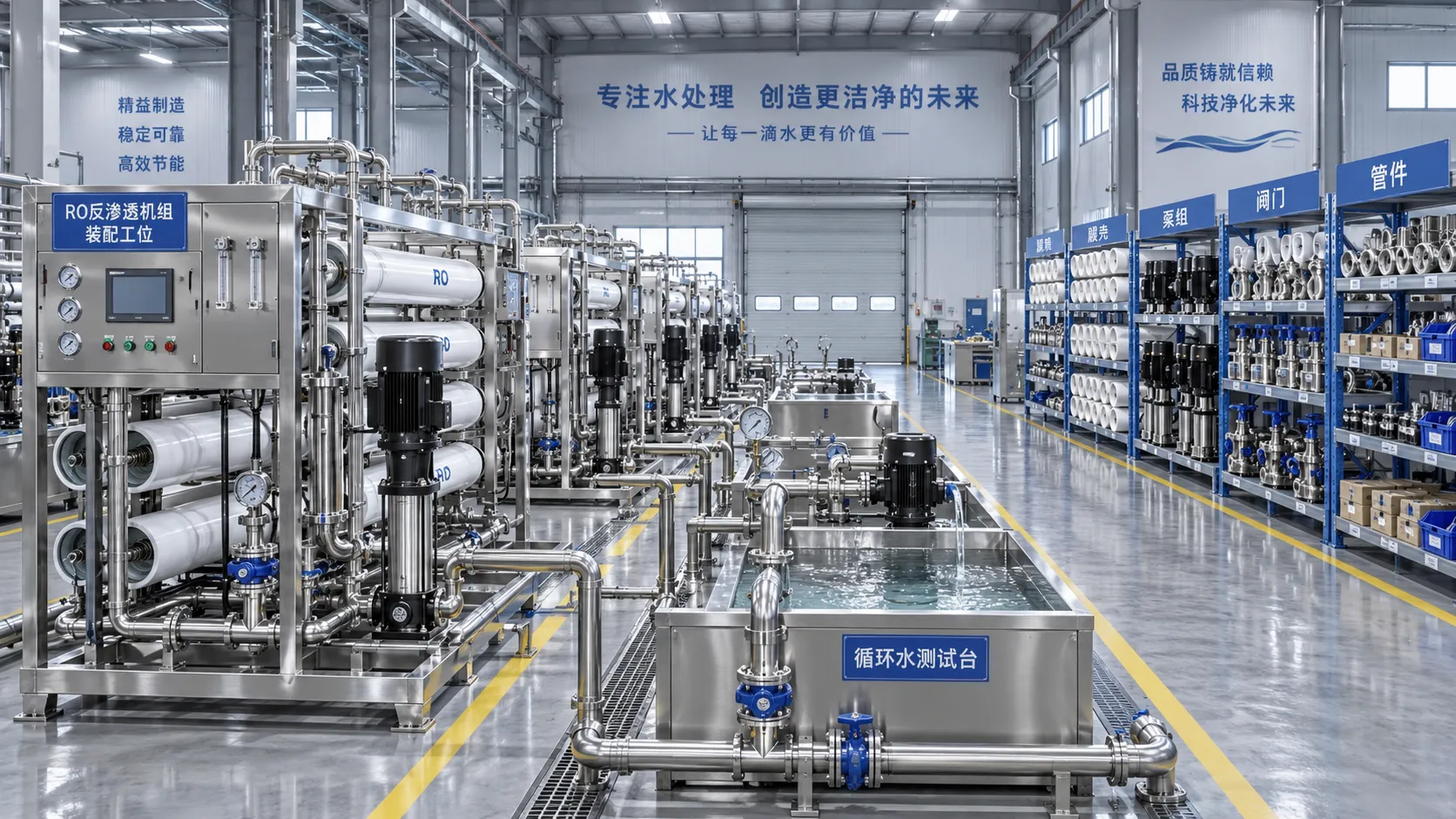
How to verify a water treatment system factory’s production capacity
Verify a water treatment systems factory’s production capacity through records, bottlenecks, component availability, and testing. Learn what to check before accepting a delivery promise.
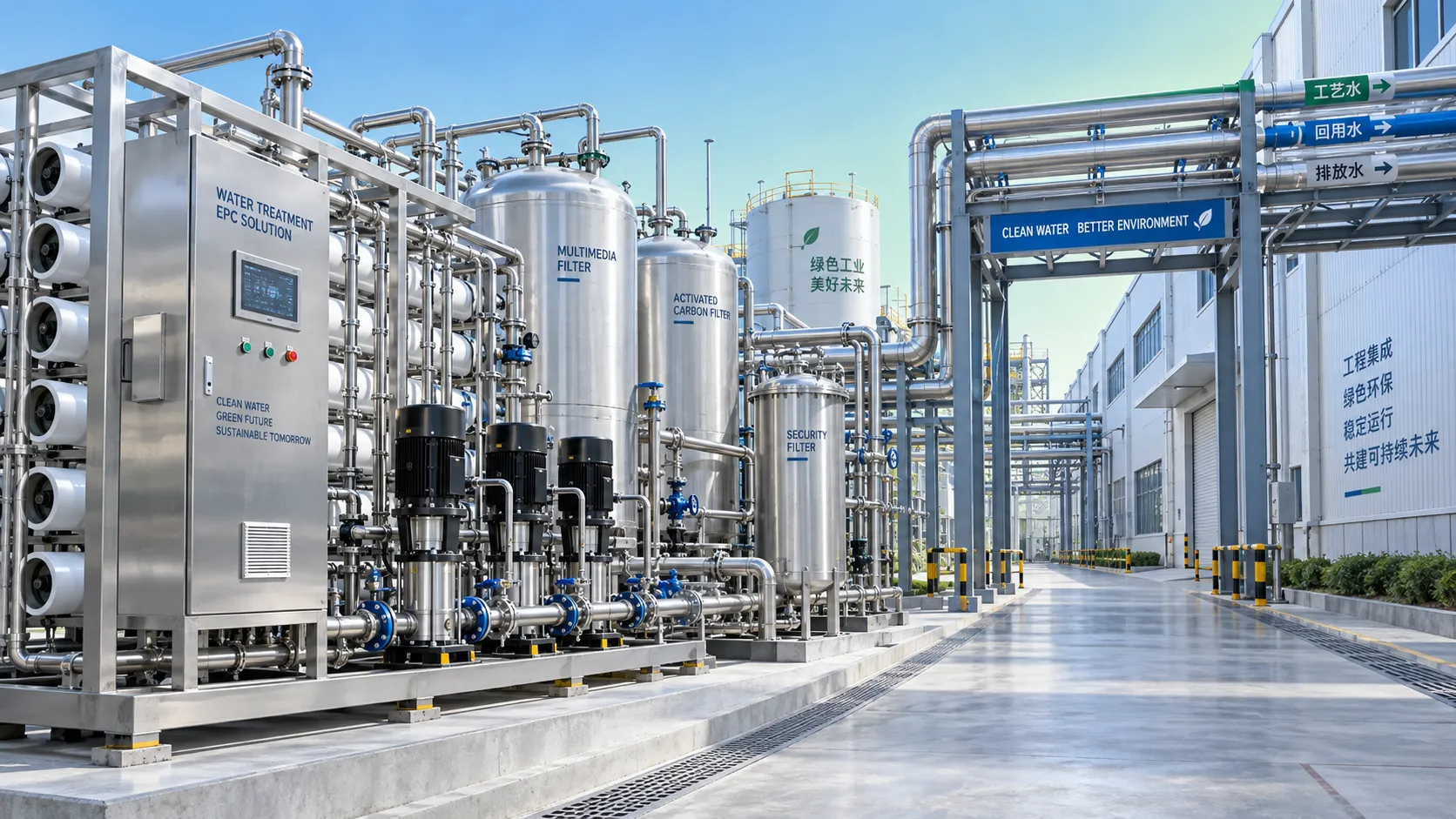
When does EPC environmental project support reduce delivery risk?
EPC environmental project support engineering reduces delivery risk by aligning design, procurement, compliance, construction, and commissioning decisions.
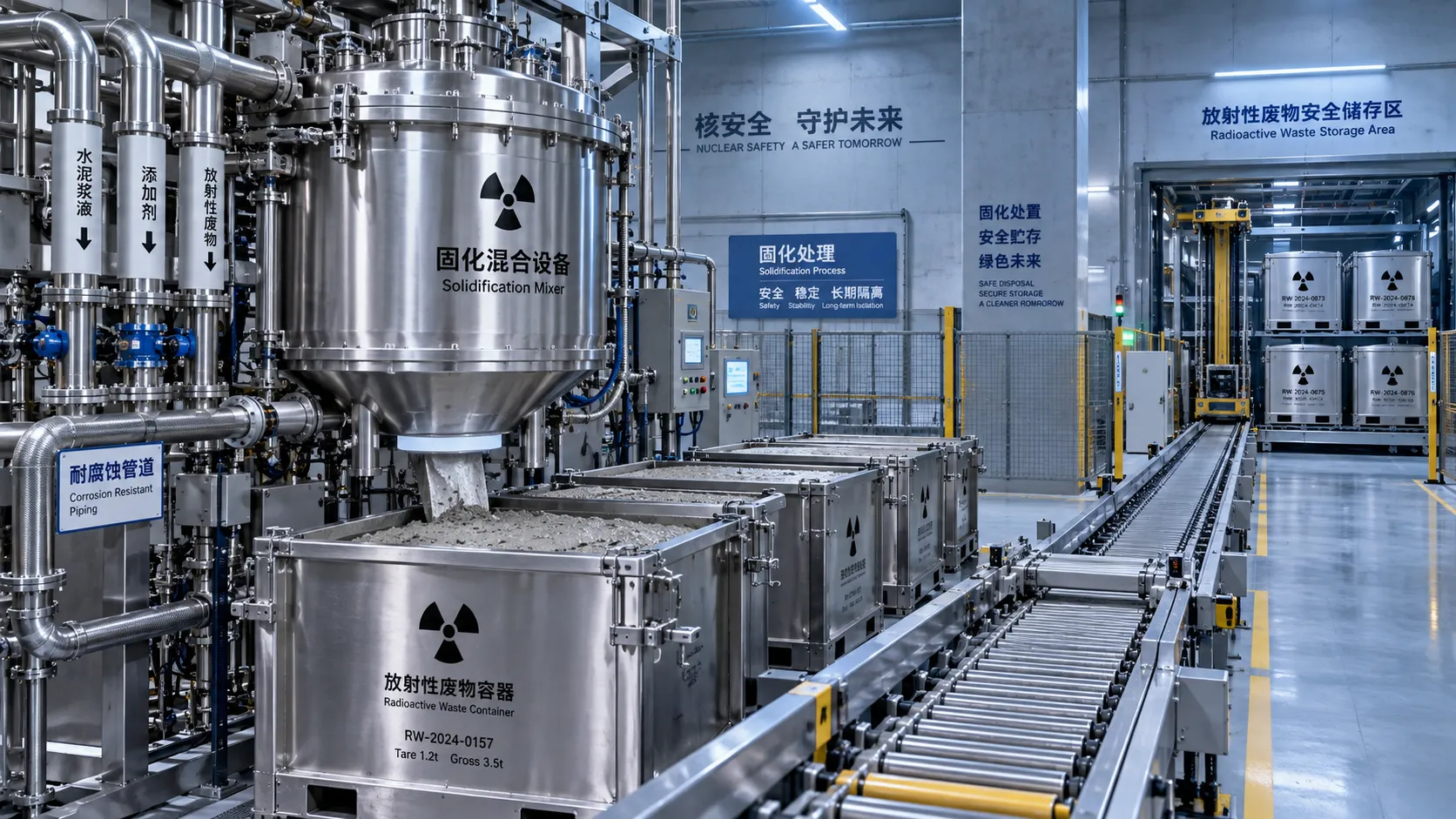
How nuclear plants select a radioactive waste solidification method
Radioactive waste management for nuclear plants: compare vitrification, cementation, polymers, and ceramics to select a compliant, durable solidification solution.
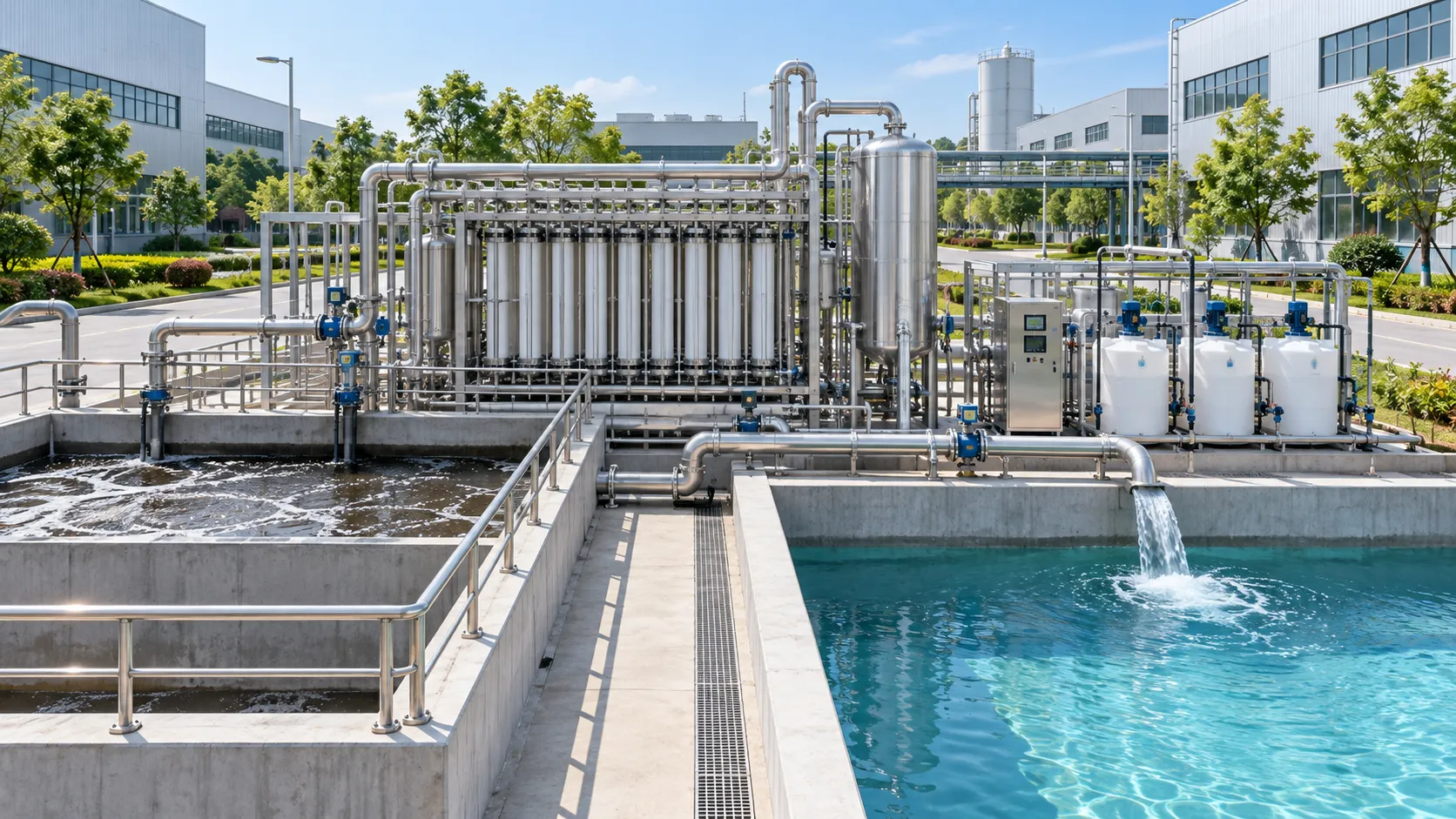
Comparing Upgrade Costs for Industrial Park Wastewater Treatment Systems
Compare costs for wastewater system upgrades in industrial parks with a lifecycle view of CAPEX, OPEX, compliance, resilience, and future expansion.
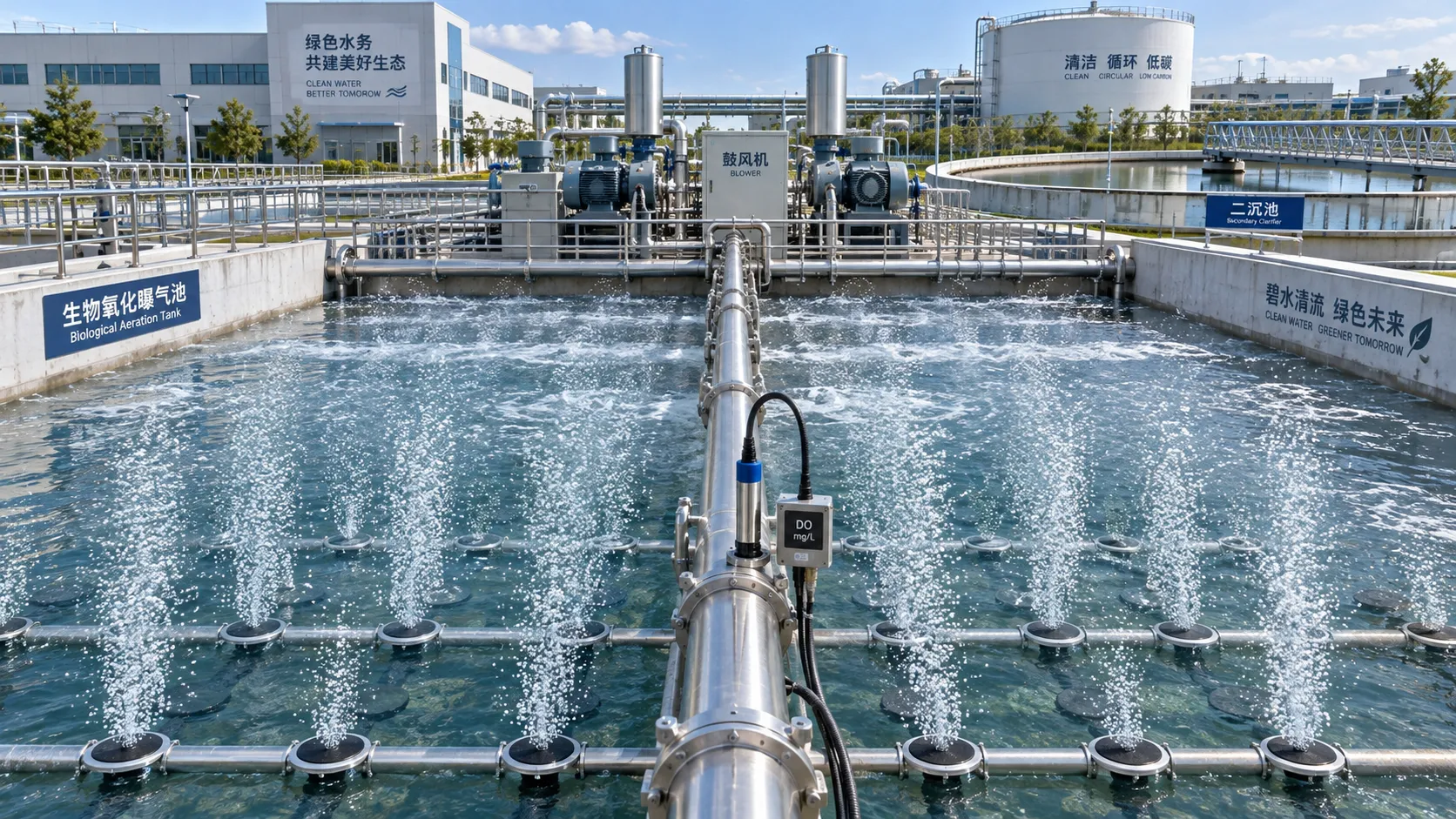
Biological Wastewater Oxidation Explained: Aeration Demand and Process Control
Biological wastewater oxidation explained: optimize aeration demand, DO control, nitrification, and sludge age for stable effluent quality and lower energy costs.
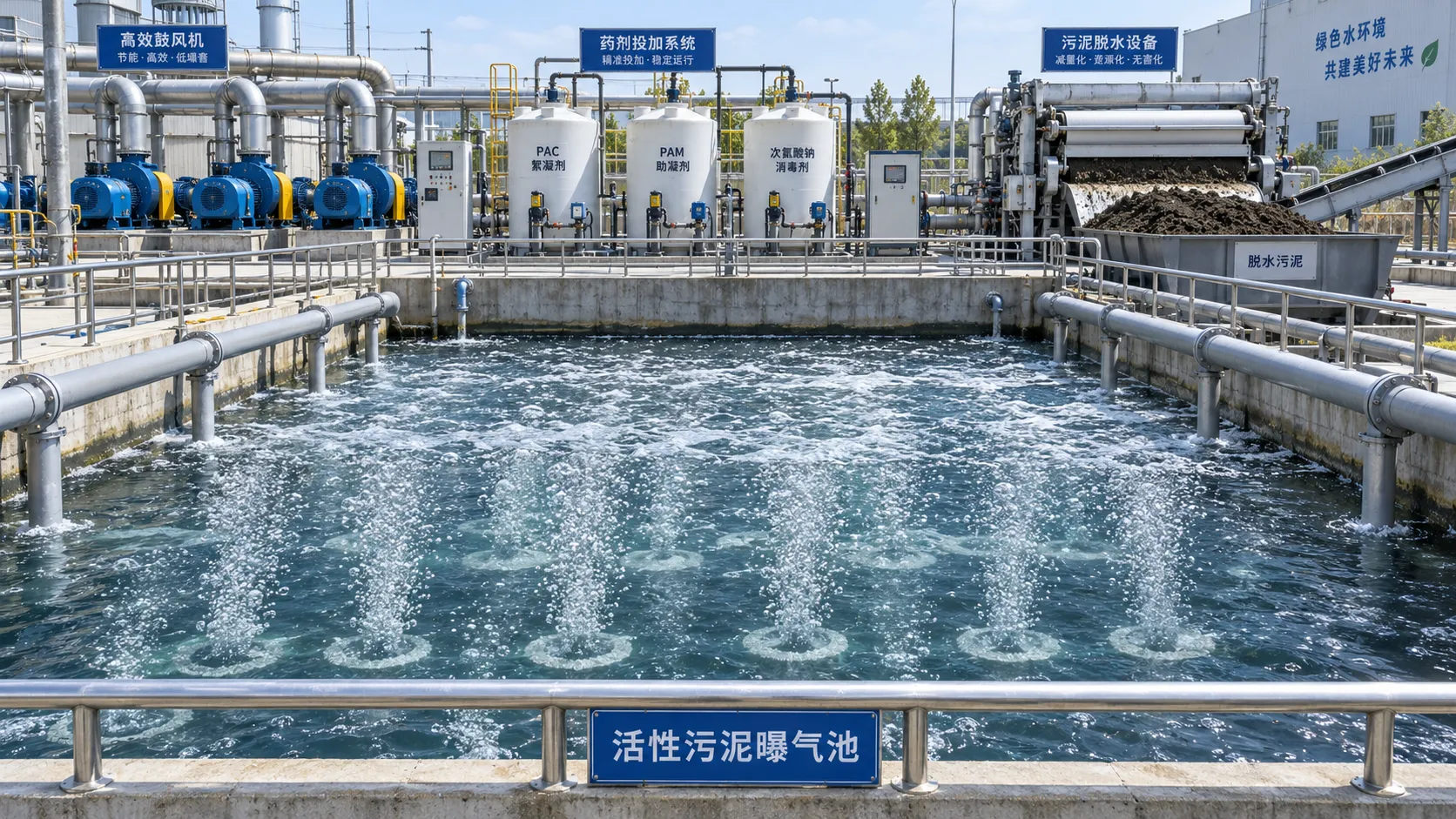
Activated Sludge Cost: Budgeting Energy, Chemicals, Sludge, and Labor
Activated sludge cost explained: compare energy, chemicals, sludge disposal, labor, and compliance risks to build a reliable lifecycle budget.
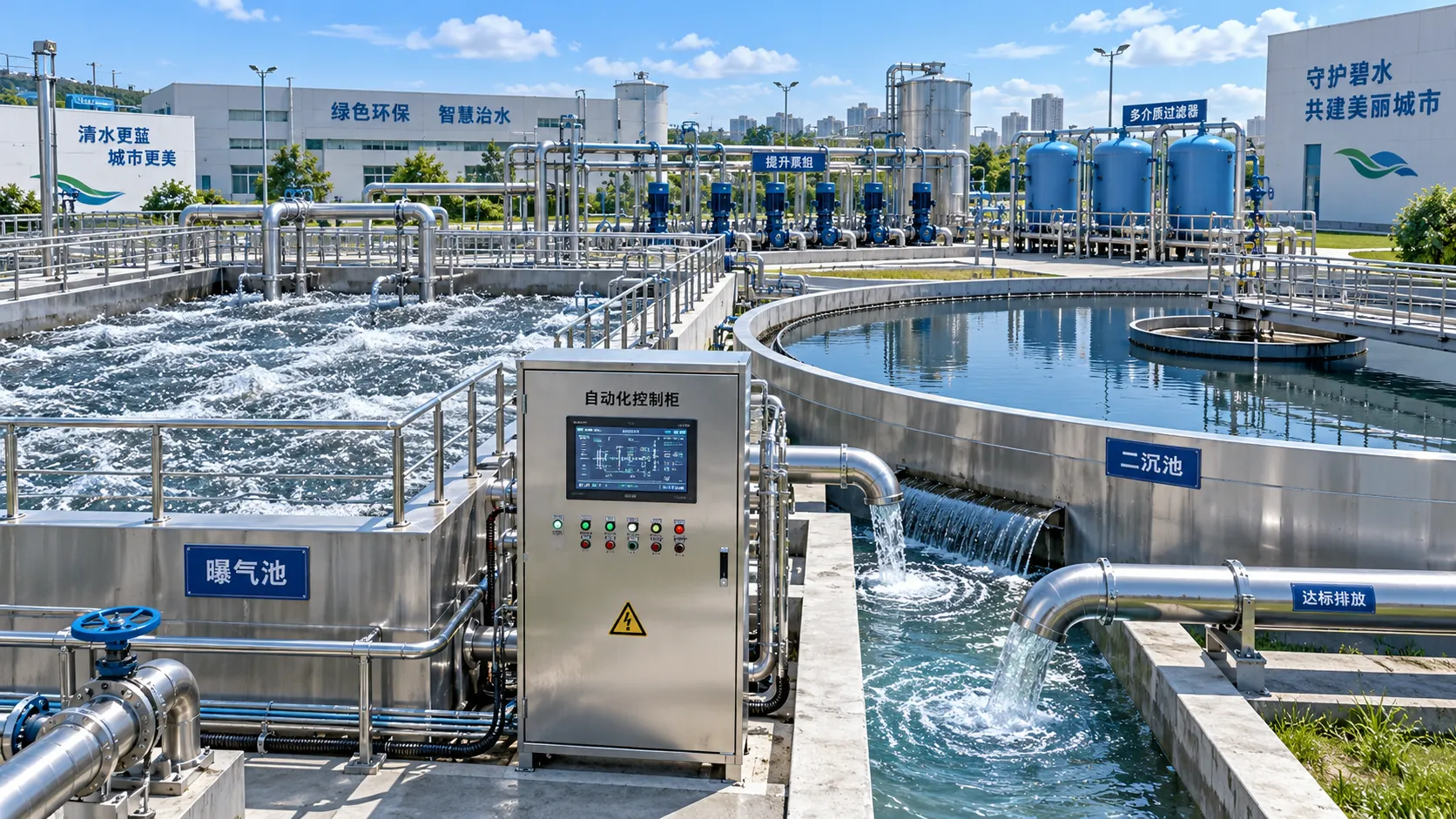
When Should Municipal Wastewater Plants Upgrade Treatment Capacity and Controls?
Municipal wastewater treatment upgrades: learn when capacity, controls, and resilient planning are needed to protect compliance and optimize plant performance.