
Industry News
Curation by industry experts
Hot Articles
Popular Tags
Circular Economy Business Models with Scalable Margins
For distributors, agents, and channel partners navigating environmental infrastructure, circular economy business models are becoming the clearest path to scalable margins and long-term market relevance. From water treatment and desalination to waste recovery and nuclear waste management, ESD connects technology intelligence, compliance signals, and commercial insight to help you identify profitable demand, strengthen bidding confidence, and capture value across the global sustainability transition.
In practical B2B terms, this shift changes how channel partners make money. Instead of relying only on one-time equipment resale, distributors can build recurring value around upgrades, replacement parts, compliance support, digital monitoring, recovery services, and lifecycle optimization. In sectors where projects often run for 12–36 months and asset lives extend 10–25 years, margin quality matters as much as volume.
For companies operating across water treatment plants, flue gas control, solid waste recovery systems, seawater desalination, and nuclear waste management, the strongest opportunities now come from linking technical performance to resource recovery and regulatory pressure. That is where circular economy business models become commercially scalable rather than purely conceptual.
Why Circular Economy Business Models Create Better Margins in Environmental Infrastructure
Traditional channel sales in environmental equipment often face margin compression of 5%–15% when multiple distributors compete on similar hardware. Circular economy business models widen the commercial frame by shifting attention from unit price to total resource value, compliance continuity, and performance-based service layers.
That matters in high-capex sectors. A reverse osmosis skid, AI sorting line, FGD subsystem, or waste stabilization package may be sold once, but membranes, catalysts, sensors, pretreatment chemicals, predictive maintenance, and refurbishment cycles can generate 3–7 additional revenue events over the life of the system.
From linear resale to lifecycle monetization
In a linear model, a channel partner earns on procurement spread and installation coordination. In a circular model, the same partner can monetize asset diagnostics, consumable replacement intervals, recovery efficiency improvement, retrofit design, decommissioning support, and recovered-material routing.
- Primary sale: equipment package, module, or subsystem
- Secondary revenue: commissioning, calibration, training, spare parts
- Tertiary revenue: upgrades, digital monitoring, process optimization
- End-of-cycle revenue: recovery, refurbishment, compliant disposal support
For example, in desalination and ZLD-related channels, membrane fouling trends, pump efficiency drift, and concentrate handling costs create predictable intervention windows every 6–18 months. For solid waste recovery, optical sorting recalibration, pyrolysis residue management, and conveyor wear create similar recurring touchpoints.
Why the model is especially relevant now
Three market forces are accelerating adoption. First, environmental compliance cycles are tightening, often reviewed quarterly or annually. Second, energy and water costs remain volatile, making recovery rates and operating efficiency more valuable. Third, public tenders increasingly reward lifecycle resilience rather than lowest upfront price alone.
For distributors and agents, this means the best opportunities are no longer limited to moving more equipment. They come from identifying where a customer’s waste stream, reject stream, or emission stream still contains recoverable value or avoidable compliance risk.
The margin logic by project type
The table below shows how circular economy business models change the economics of common environmental infrastructure categories and where channel partners can add differentiated value.
The common pattern is clear: the more technically complex and compliance-sensitive the asset, the more room exists for recurring margin. Circular economy business models work best where performance decay, resource loss, or disposal cost can be measured and improved.
How Distributors and Agents Can Apply Circular Models Across ESD’s Core Sectors
Different sectors require different circular plays. A successful channel strategy starts by mapping what is consumed, what is discharged, what can be recovered, and which compliance thresholds are likely to tighten within the next 12–24 months.
Large water treatment and ZLD
In large water treatment projects, circular value is often hidden in reject reduction, chemical dosing efficiency, sludge minimization, and water reuse rates. Customers may initially buy around throughput, but the long-term margin driver is often cost per cubic meter treated.
For channel partners, useful service hooks include pretreatment reviews every 90–180 days, membrane cleaning cycle optimization, and instrumentation health checks. Where industrial wastewater concentration fluctuates, even a 3%–8% improvement in recovery can materially change operating economics.
Solid waste recovery and urban mining
In waste recovery, circular economy business models are the core business rather than an add-on. Yet many distributors still focus too narrowly on line speed or sorting accuracy. Buyers increasingly care about output purity bands, residue reduction, and the commercial destination of recovered fractions.
A distributor supporting AI sorting, shredding, pyrolysis, or material recovery facilities can create higher-value offers by bundling feedstock characterization, throughput balancing, and offtake coordination. If contamination rates fall from 12% to 7%, downstream recyclability and buyer confidence often improve immediately.
Desalination and high-energy water security assets
Desalination projects are often judged on output volume, but lifecycle cost is shaped by energy intensity, pretreatment stability, membrane replacement intervals, and corrosion management. These are ideal conditions for circular economy business models because performance intelligence directly supports margin preservation.
A channel partner that understands SWRO membrane trends, fouling triggers, and energy recovery maintenance can move from price-based competition to advisory authority. In public and EPC bidding, that authority is often worth more than a nominal discount.
Nuclear waste and ultra-high compliance environments
In nuclear waste management, circularity does not mean casual reuse. It means controlled material flows, containment integrity, monitoring reliability, and long-horizon risk reduction. Here, the channel role is less about broad catalog distribution and more about traceable support, documentation discipline, and specification accuracy.
Projects in this category can have approval windows of 6–18 months and strict acceptance criteria. Distributors who can interpret technical requirements, packaging constraints, and safe handling interfaces become strategic participants rather than simple intermediaries.
Sector-by-sector opportunity map
The next table helps agents and distributors prioritize which circular offer is most practical by sector, buying motive, and service interval.
A practical takeaway is that circular economy business models are not identical across sectors. The offer must match the asset’s wear profile, compliance exposure, and measurable recovery value. Distributors who tailor by sector usually outperform those who lead only with broad sustainability messaging.
Selection Criteria: What Channel Partners Should Evaluate Before Expanding the Model
Not every opportunity is equally scalable. Before expanding into circular economy business models, distributors should evaluate at least four dimensions: installed base density, serviceability, compliance sensitivity, and data visibility. If fewer than 20–30 active assets exist in a territory, recurring service economics may remain thin.
Four essential filters
- Installed base concentration: Are there enough plants, lines, or treatment units within a 1–2 day response radius?
- Consumable dependency: Does the system require membranes, catalysts, filters, reagents, or wear parts at predictable intervals?
- Regulatory pressure: Are discharge, emissions, or waste handling limits becoming stricter in the target market?
- Measurement clarity: Can uptime, purity, recovery, energy, or compliance risk be tracked and turned into a value proposition?
If all four filters are positive, the model is usually commercially viable. If only one or two are positive, a hybrid approach may be safer, combining standard distribution with selective service contracts.
Common mistakes to avoid
One frequent mistake is treating circularity as branding rather than operations. Buyers do not pay extra for the phrase alone. They pay when you reduce sludge volume, extend membrane life by 4–8 months, improve sorting purity by several points, or cut unplanned downtime from 12 hours to 4 hours.
Another mistake is underestimating documentation. In desalination, wastewater, and nuclear-adjacent systems, technical files, maintenance records, and compliance traceability can be decisive in tenders and audits. Strong margin often follows strong documentation discipline.
A practical qualification checklist
- Map the top 3 waste, water, or emissions pain points by customer segment.
- Identify 2–5 measurable KPIs, such as recovery rate, purity, reagent use, downtime, or replacement interval.
- Define service windows: 30 days, 90 days, 180 days, or annual overhaul.
- Align spare-parts inventory with actual replacement cycles rather than generic stocking rules.
- Prepare bid language that links operational outcomes to compliance and total cost.
How ESD Helps Distributors Turn Intelligence Into Commercial Execution
The strongest circular economy business models depend on timing and interpretation. Knowing that a technology exists is not enough. Channel partners need to know when regulations are shifting, which treatment technologies are gaining traction, where government-backed demand is forming, and how technical trends affect commercial positioning.
Where intelligence creates sales leverage
ESD’s value to distributors, agents, and channel partners lies in linking deep technical signals with procurement reality. That includes policy shifts such as CBAM-related pressure, technology evolution in SWRO membranes, low-temperature catalyst behavior, recovery-system configuration trends, and compliance expectations in complex waste environments.
This matters because large environmental projects are rarely won by product lists alone. They are won by presenting better operating logic, better risk anticipation, and better lifecycle economics. In billion-dollar public infrastructure pipelines, even one correctly timed insight can strengthen bid authority substantially.
A channel execution path in 5 steps
- Track demand signals in water treatment, waste recovery, desalination, flue gas treatment, or nuclear-adjacent projects.
- Match those signals to circular value pools such as reuse, recovery, retrofit, or compliance continuity.
- Build a sector-specific offer with measurable KPIs and service intervals.
- Support bidding with technical intelligence, not only price positioning.
- Convert the installed base into recurring service and replacement revenue over 12–36 months.
For many partners, this approach creates a more durable business than pure transaction volume. It also reduces exposure to low-price competition, because the offer becomes operationally embedded and technically harder to replace.
FAQ for distributors and agents
Are circular economy business models only suitable for manufacturers?
No. Distributors often have stronger regional access, faster response capability, and better knowledge of local tender behavior. That makes them well placed to monetize service layers, compliance support, and recovery optimization.
Which sector usually offers the fastest channel payoff?
Solid waste recovery and industrial water treatment often move fastest because performance is measurable and service intervals are relatively frequent. Desalination and nuclear-related categories can be highly valuable too, but sales cycles are usually longer.
Do partners need full in-house engineering teams?
Not always. Many begin with a focused technical-commercial model: one application specialist, one service coordinator, and a structured intelligence workflow. The key is not headcount size, but the ability to translate technical change into customer value and bid strength.
Circular economy business models are no longer optional positioning for environmental infrastructure channels. They are becoming the practical framework for protecting margin, deepening account control, and staying relevant as compliance and resource efficiency reshape buying decisions. For distributors, agents, and channel partners working across water treatment, waste recovery, desalination, flue gas treatment, and nuclear waste management, the winning strategy is to connect equipment sales with lifecycle intelligence, measurable recovery value, and long-term service structure.
ESD helps make that shift actionable by combining sector intelligence, technology insight, and commercial context that supports stronger market selection and better bid preparation. If you want to identify where circular opportunities are emerging in your territory, refine your channel offer, or build a more scalable margin model around environmental equipment, contact us to discuss tailored solutions and explore more market-ready strategies.
Recommended News
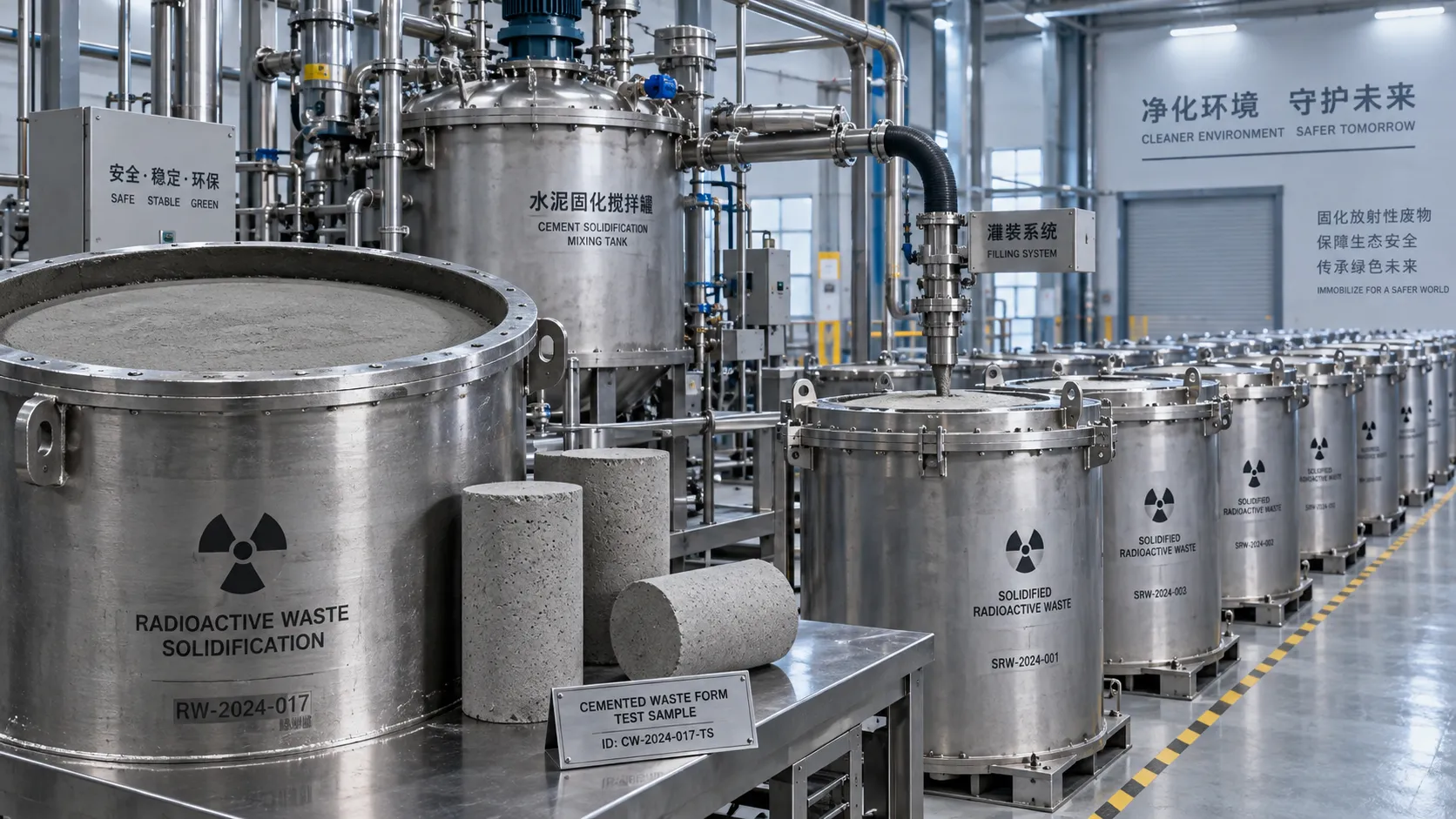
When is cementation suitable for nuclear decommissioning waste?
Explore nuclear waste treatment technology for decommissioning: learn when cementation fits, which risks to assess, and how disposal criteria guide an effective treatment choice.
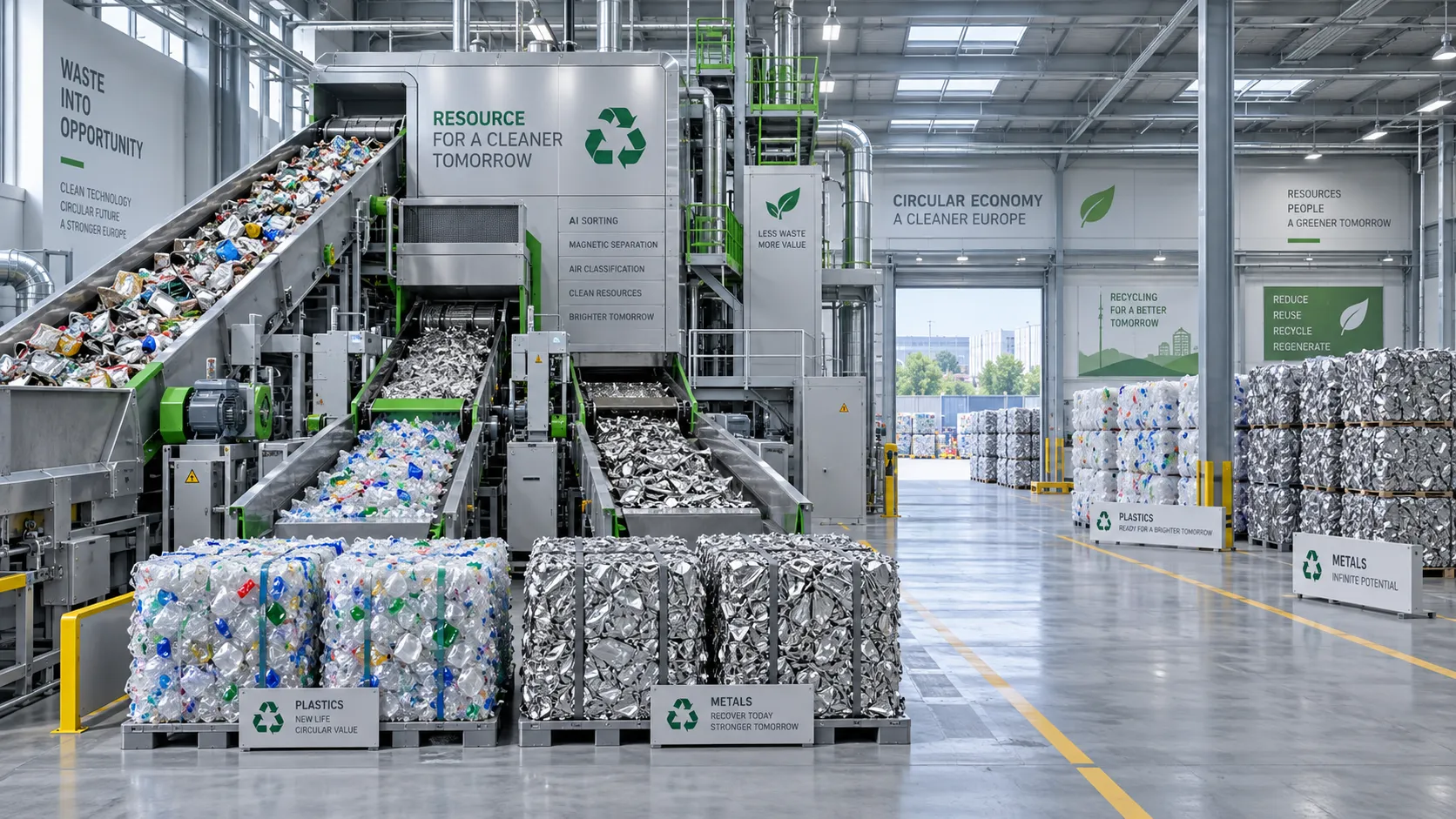
What determines payback for waste-to-resource systems in Europe?
Assess waste-to-resource systems Europe-wide: compare feedstock, recovery yields, costs and contracts to uncover payback drivers and make smarter investment decisions.
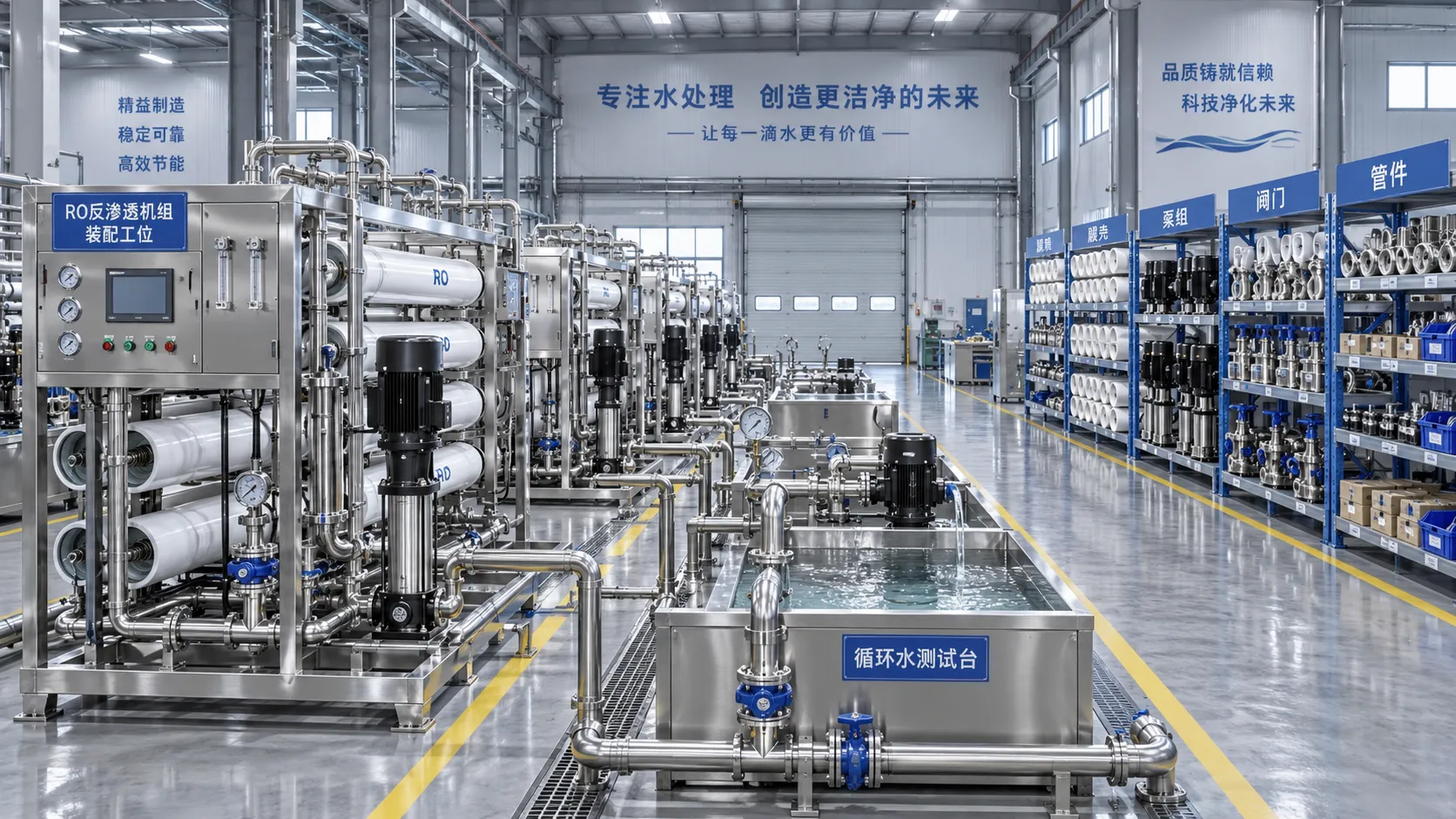
How to verify a water treatment system factory’s production capacity
Verify a water treatment systems factory’s production capacity through records, bottlenecks, component availability, and testing. Learn what to check before accepting a delivery promise.
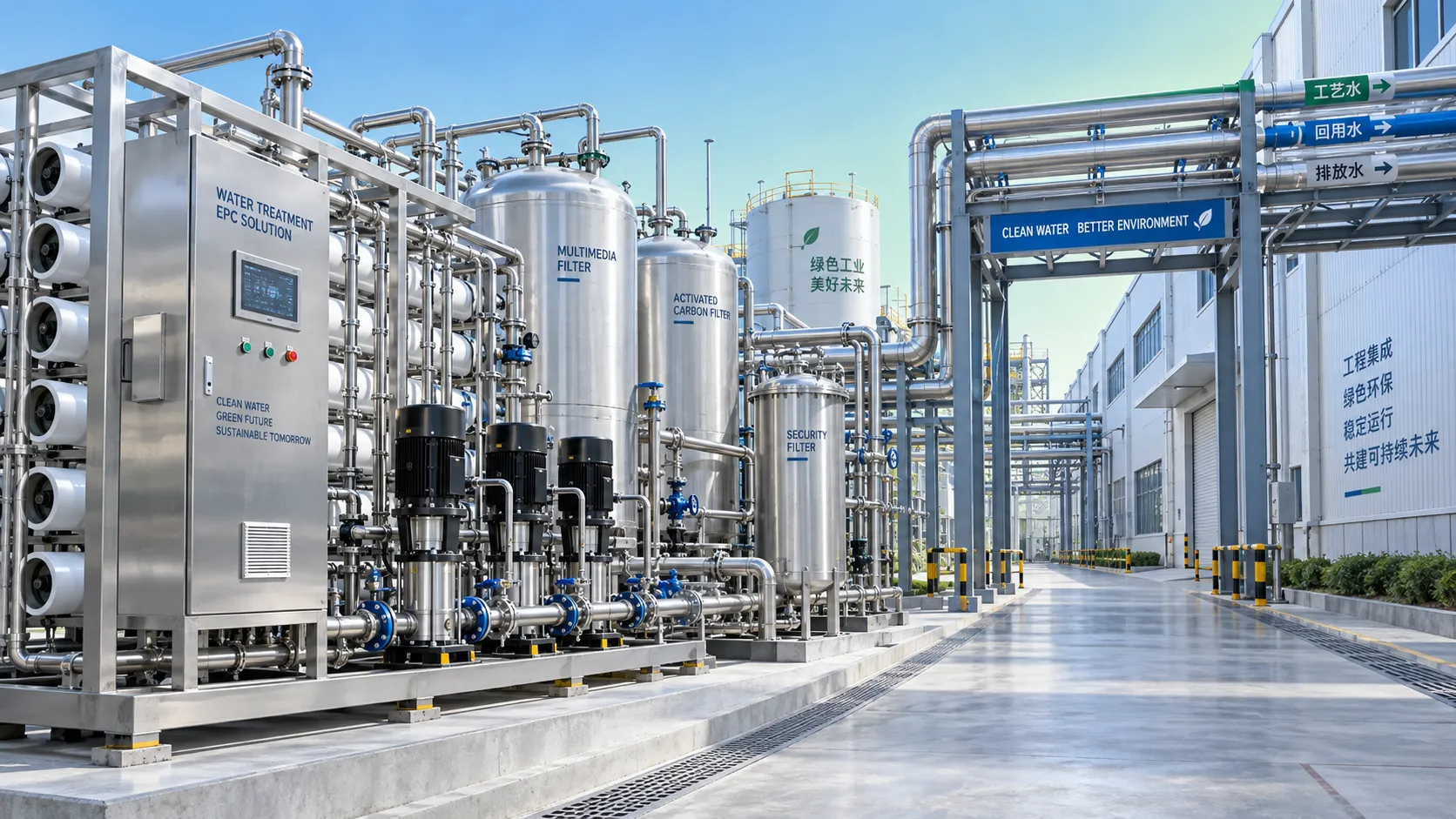
When does EPC environmental project support reduce delivery risk?
EPC environmental project support engineering reduces delivery risk by aligning design, procurement, compliance, construction, and commissioning decisions.
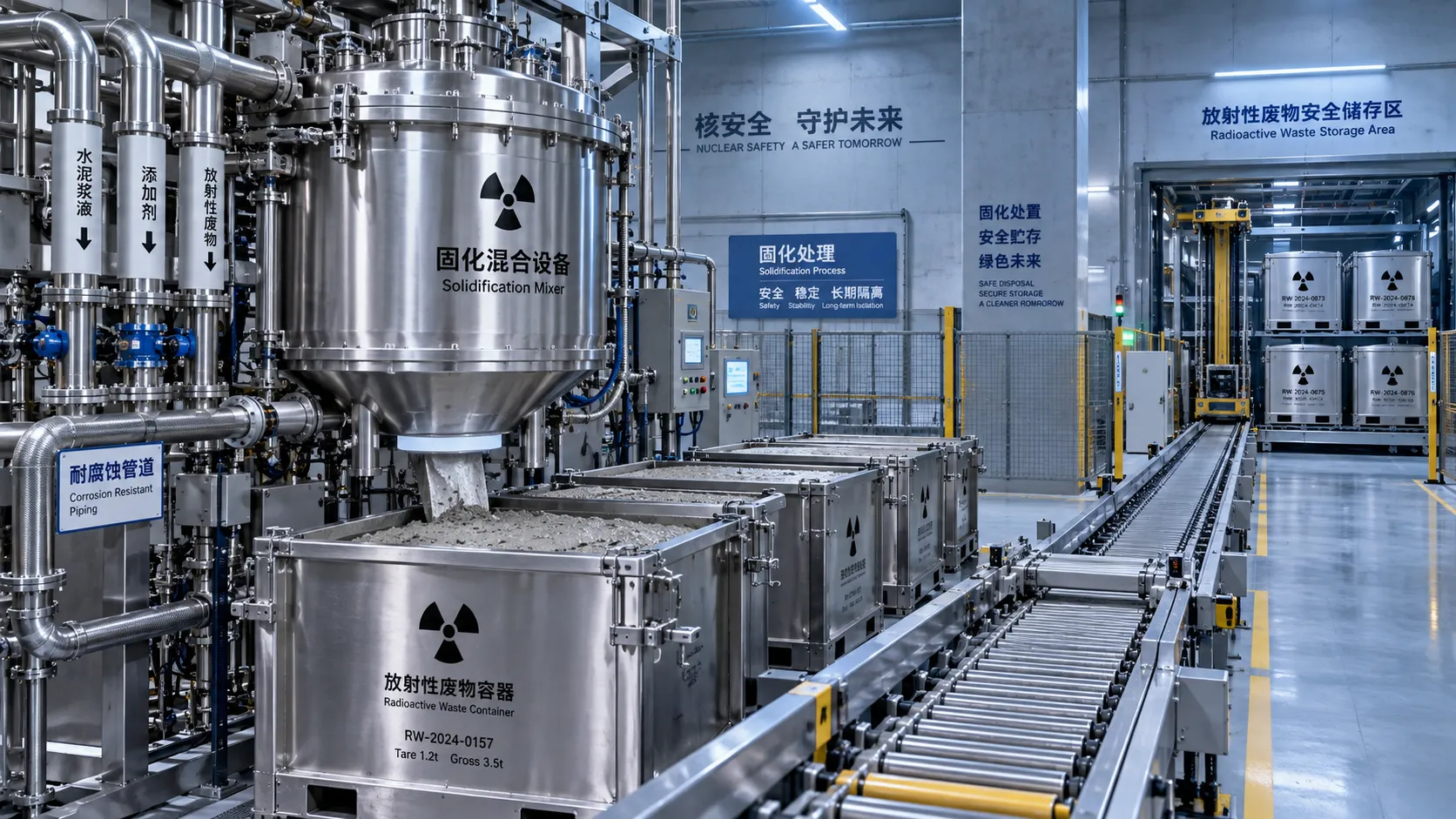
How nuclear plants select a radioactive waste solidification method
Radioactive waste management for nuclear plants: compare vitrification, cementation, polymers, and ceramics to select a compliant, durable solidification solution.
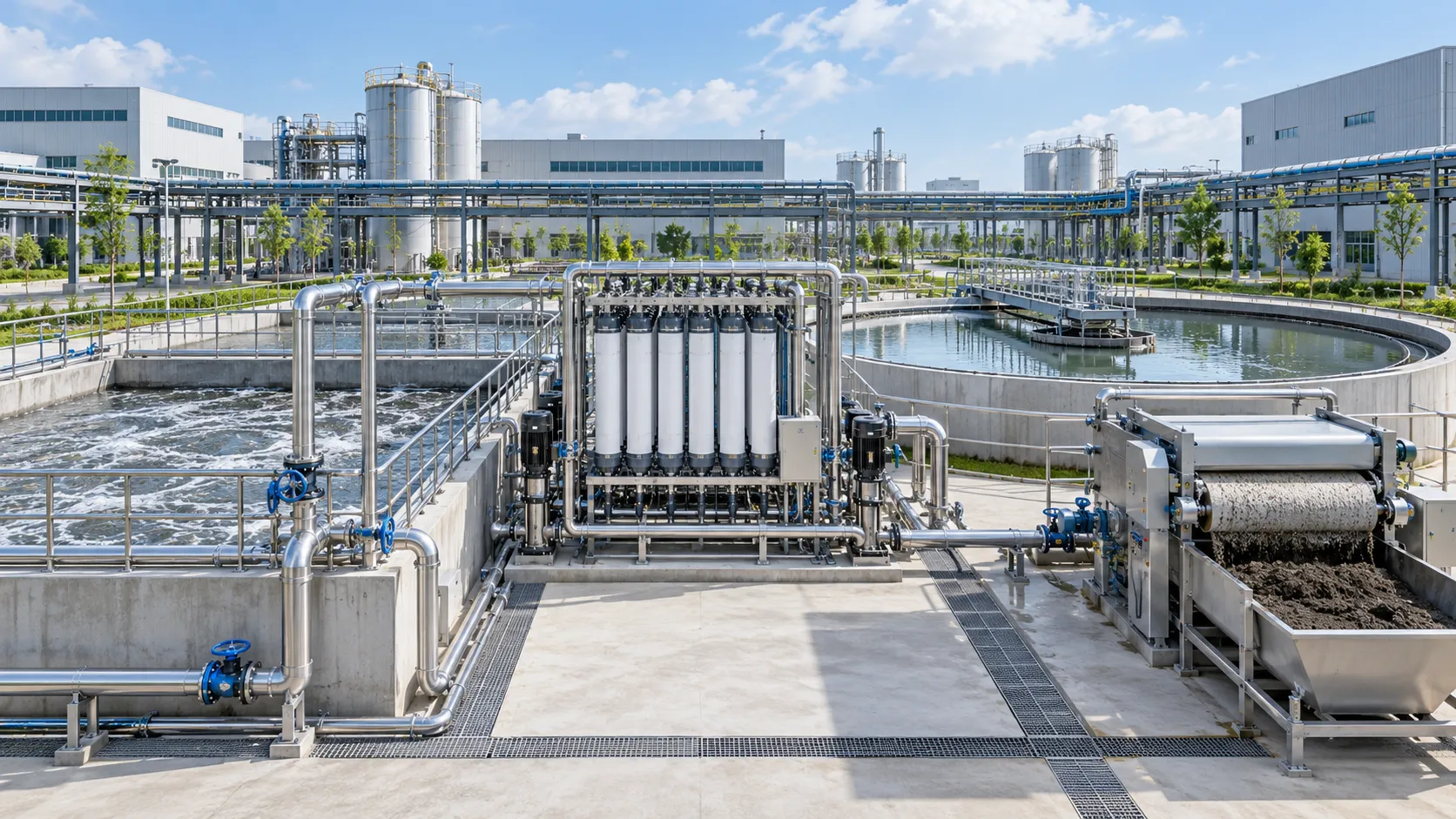
What Drives the Cost of Wastewater System Upgrades in Industrial Parks?
Costs of wastewater system upgrades in industrial parks: uncover key drivers from influent variability and civil works to sludge, energy, compliance, and lifecycle risk.
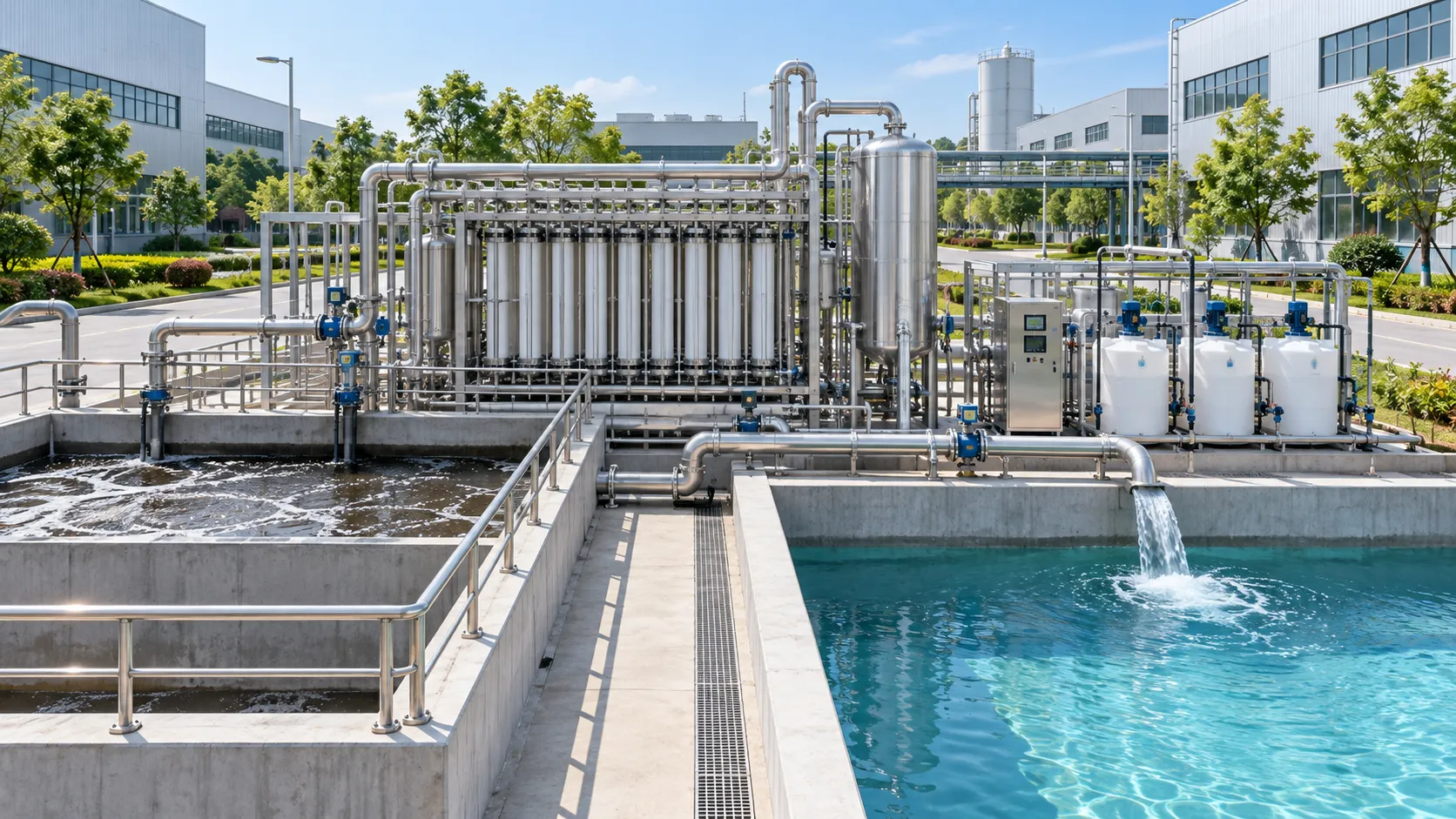
Comparing Upgrade Costs for Industrial Park Wastewater Treatment Systems
Compare costs for wastewater system upgrades in industrial parks with a lifecycle view of CAPEX, OPEX, compliance, resilience, and future expansion.
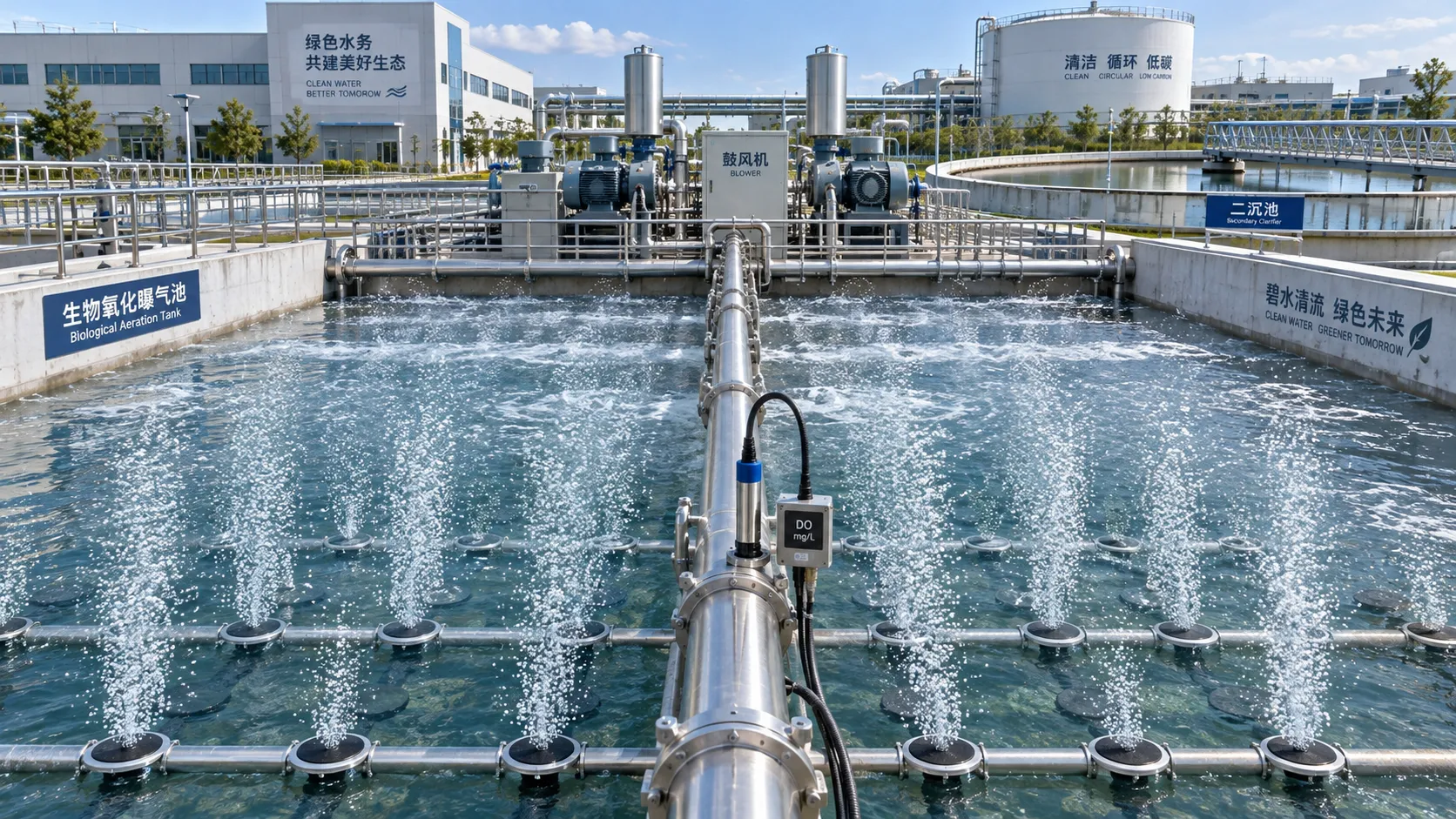
Biological Wastewater Oxidation Explained: Aeration Demand and Process Control
Biological wastewater oxidation explained: optimize aeration demand, DO control, nitrification, and sludge age for stable effluent quality and lower energy costs.
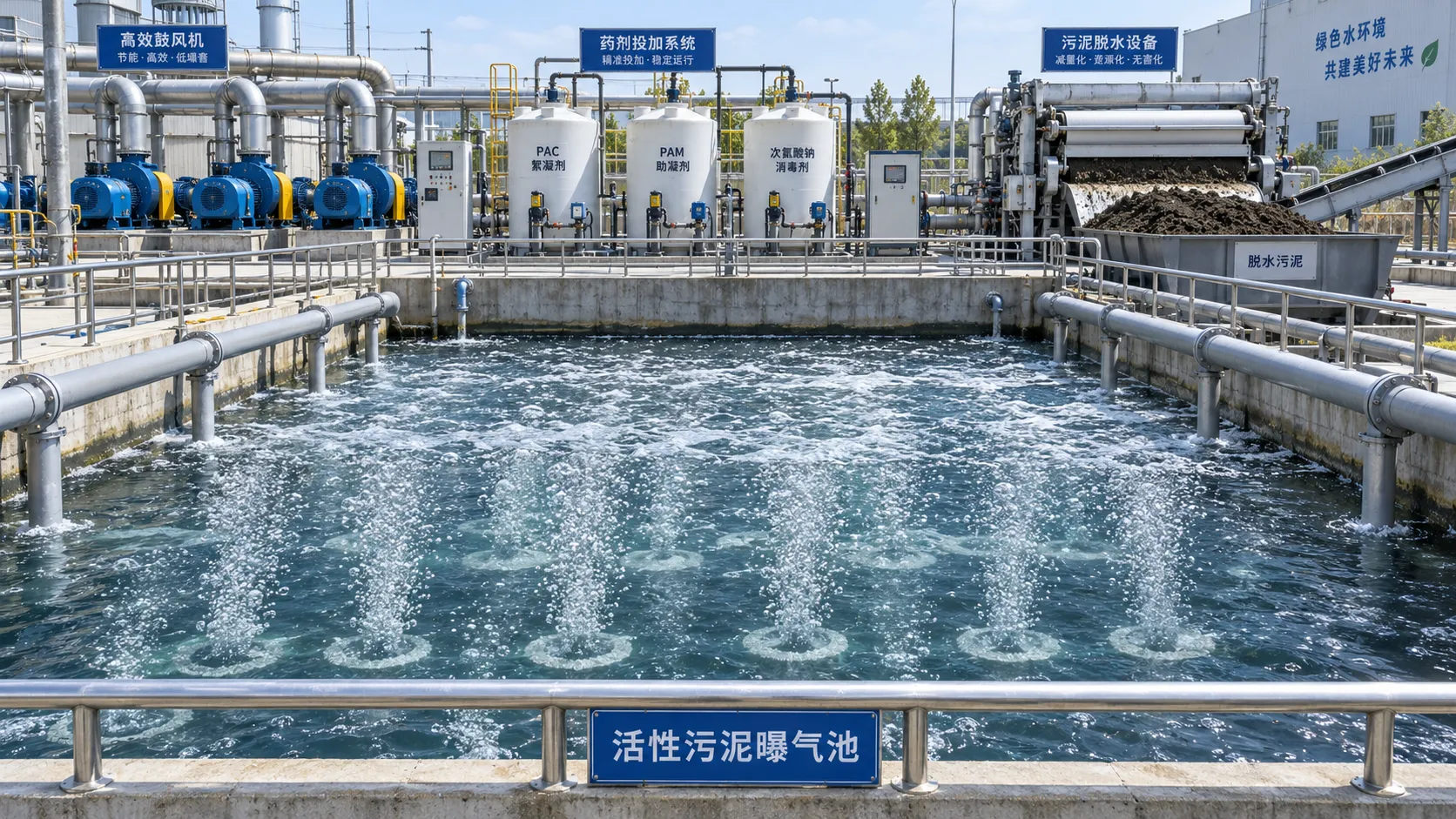
Activated Sludge Cost: Budgeting Energy, Chemicals, Sludge, and Labor
Activated sludge cost explained: compare energy, chemicals, sludge disposal, labor, and compliance risks to build a reliable lifecycle budget.