
Industry News
Curation by industry experts
Hot Articles
Popular Tags
Carbon Neutrality Strategies for Industries in 2026
In 2026, carbon neutrality strategies for industries are no longer optional—they are becoming a core test of competitiveness, compliance, and investment readiness. For business decision-makers navigating tightening regulations, rising energy pressure, and global supply-chain scrutiny, the challenge is clear: cut emissions without sacrificing operational resilience. This article explores practical pathways industries can use to align decarbonization with efficiency, technology upgrading, and long-term strategic value.
Why industries need a checklist-based carbon neutrality approach in 2026
A checklist turns broad climate ambition into controlled execution. It helps connect carbon accounting, asset upgrades, financing logic, and environmental compliance across complex industrial systems.
This matters especially in integrated sectors such as water treatment, waste recovery, flue gas control, desalination, and nuclear waste management, where emissions, energy intensity, and regulatory exposure overlap.
Well-built carbon neutrality strategies for industries reduce uncertainty. They also improve bidding strength, technology selection, supply-chain credibility, and readiness for carbon-linked trade mechanisms such as CBAM.
Core checklist for carbon neutrality strategies for industries
- Map direct and indirect emissions first, including Scope 1, Scope 2, and material Scope 3 categories across utilities, logistics, treatment chemicals, maintenance, and outsourced processing.
- Set a 2026 baseline using plant-level data, not generic estimates, and separate stable process emissions from avoidable energy losses, idle loads, and poor operating windows.
- Prioritize no-regret efficiency actions, including variable-frequency drives, heat recovery, leak elimination, pump optimization, combustion tuning, and process control upgrades with measurable payback.
- Electrify feasible thermal and mechanical processes where grid quality and cost support it, while comparing lifecycle emissions instead of relying only on nameplate efficiency.
- Secure low-carbon power through onsite solar, storage, power purchase agreements, or green tariffs, and match procurement claims with auditable temporal and geographic attributes.
- Redesign water and material loops to cut embedded carbon, especially in ZLD systems, sludge handling, solvent recovery, recycling lines, and high-rejection desalination operations.
- Select equipment by total carbon performance, not capex alone, using metrics such as kWh per cubic meter, catalyst life, membrane fouling rate, and recovery efficiency.
- Integrate digital monitoring for emissions, energy, and compliance data so carbon neutrality strategies for industries can move from annual reporting to weekly operational correction.
- Stress-test supply chains for carbon exposure by checking recycled content, transport modes, critical minerals, chemical sourcing, and vendor disclosure quality.
- Prepare financing and governance structures early, linking decarbonization projects to internal carbon prices, green loans, insurance expectations, and board-level accountability.
How these strategies apply across industrial scenarios
Large-scale water treatment and wastewater reuse
Water infrastructure often hides large energy penalties inside pumping, aeration, chemical dosing, and brine management. Carbon neutrality strategies for industries should begin with energy intensity per treated volume.
Focus on blower control, advanced oxidation optimization, membrane cleaning intervals, and sludge valorization. In high-salinity streams, compare ZLD pathways carefully because thermal concentration can dominate total emissions.
Solid waste recovery and circular resource systems
Resource recovery can cut emissions, but only when sorting purity, energy demand, and downstream market use are verified. Pyrolysis, AI sorting, and material upgrading should be judged by net avoided emissions.
Industrial operators should track contamination rates, residue disposal burdens, and transport distances. Circular systems fail climate tests when recovered output cannot displace virgin material at scale.
Flue gas treatment and heavy industrial air control
Air pollution control remains essential, yet some systems add significant parasitic load. Carbon neutrality strategies for industries must balance pollutant removal performance with steam use, pressure drop, and reagent consumption.
Low-temperature SCR catalysts, high-efficiency fans, and optimized desulfurization chemistry can cut both compliance risk and energy use. The best result is cleaner exhaust with lower operating carbon.
Seawater desalination and high-energy utility assets
Desalination plants face a direct tension between water security and carbon intensity. The most effective response combines energy recovery devices, membrane performance management, and low-carbon power sourcing.
Operators should evaluate intake design, pretreatment stability, and fouling control because unstable front-end conditions increase pressure demand and shorten membrane life, raising both cost and emissions.
Nuclear waste management and high-reliability containment
This segment is driven by safety first, yet carbon performance still matters in vitrification, shielding, transport, and storage support systems. Decarbonization must never weaken containment integrity.
The practical path is to improve auxiliary power efficiency, optimize thermal cycles, and procure low-carbon construction materials where qualification standards allow. Reliability remains the governing filter.
Common gaps that weaken carbon neutrality strategies for industries
Ignoring process-specific emissions is a frequent mistake. Energy savings alone do not solve emissions from calcination, chemical reactions, sludge decomposition, or off-gas treatment chemistry.
Overstating renewable claims creates legal and reputational risk. Unverified certificates, poor matching logic, and weak documentation can undermine both reporting and customer trust.
Choosing equipment on purchase price alone often locks in high operating carbon. In sectors with long asset lives, efficiency losses compound for years and reduce future compliance flexibility.
Treating Scope 3 as optional is another blind spot. Chemicals, spare parts, transport, packaging, and outsourced disposal can materially affect industrial carbon footprints and market access.
Separating carbon strategy from maintenance planning also causes failure. Fouled membranes, drifting sensors, leaking valves, and degraded catalysts quietly reverse early decarbonization gains.
Practical execution steps for 2026
- Build a plant-by-plant carbon ledger and align it with energy, water, waste, and compliance data already used in operational reviews.
- Rank projects into quick wins, retrofit cases, and strategic transformations so capital allocation follows technical reality instead of headline pressure.
- Use pilot validation before full deployment when applying new membranes, catalysts, electrified heating, AI sorting, or thermal recovery equipment.
- Require suppliers to provide product carbon data, durability assumptions, and end-of-life handling information in tender and contract documentation.
- Review carbon neutrality strategies for industries every quarter, especially where energy prices, regulation, or process throughput have changed materially.
Conclusion and next action
The strongest carbon neutrality strategies for industries in 2026 are not abstract pledges. They are disciplined operating systems that connect emissions, engineering performance, and commercial resilience.
Start with accurate baselines, prioritize asset-level efficiency, and verify carbon claims across power, materials, and supply chains. Then scale what proves reliable under real operating conditions.
For sectors shaped by advanced treatment, recovery, desalination, and containment technologies, the next advantage will come from combining environmental intelligence with equipment-level execution. That is how decarbonization becomes durable industrial value.
Recommended News
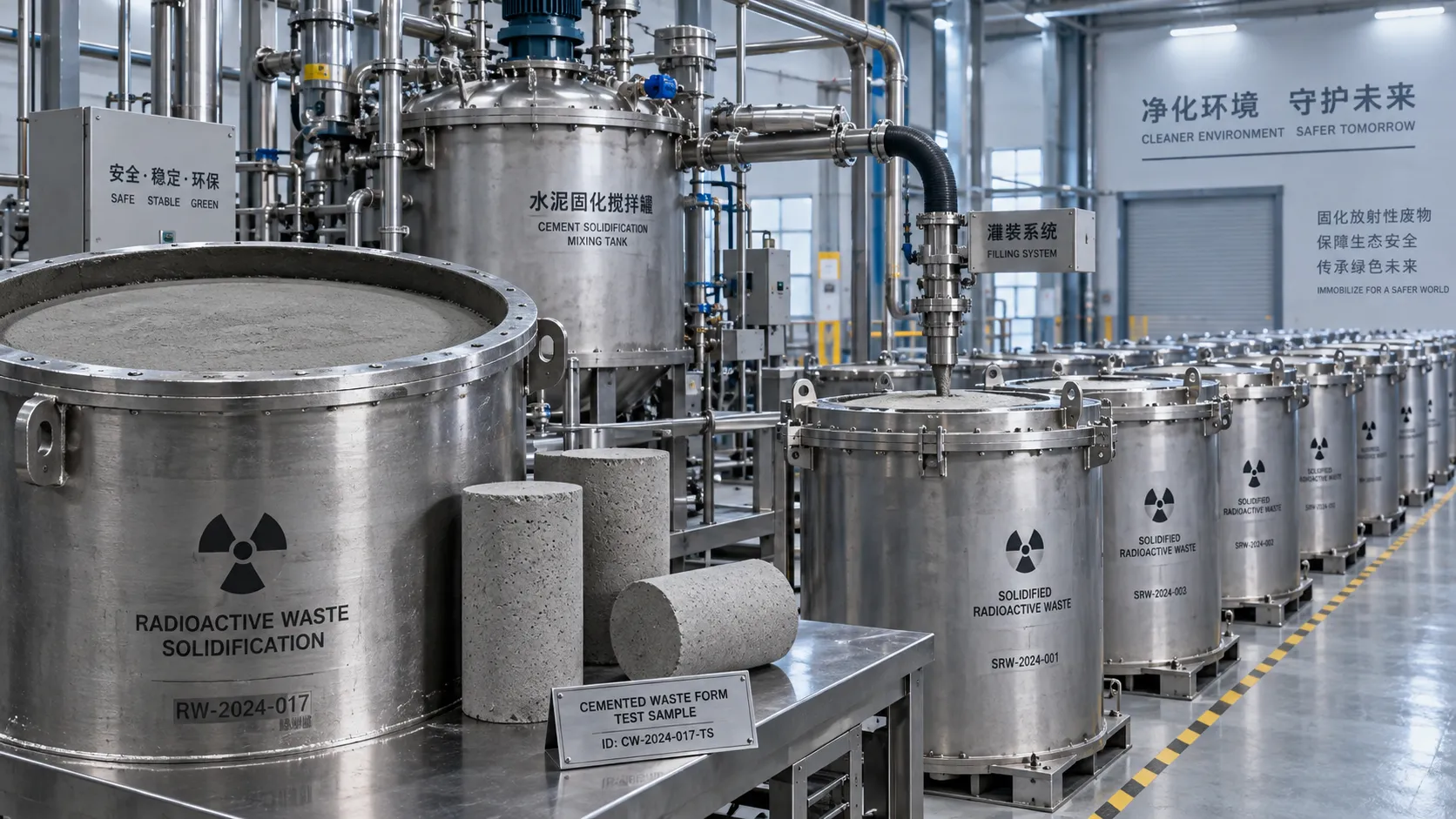
When is cementation suitable for nuclear decommissioning waste?
Explore nuclear waste treatment technology for decommissioning: learn when cementation fits, which risks to assess, and how disposal criteria guide an effective treatment choice.
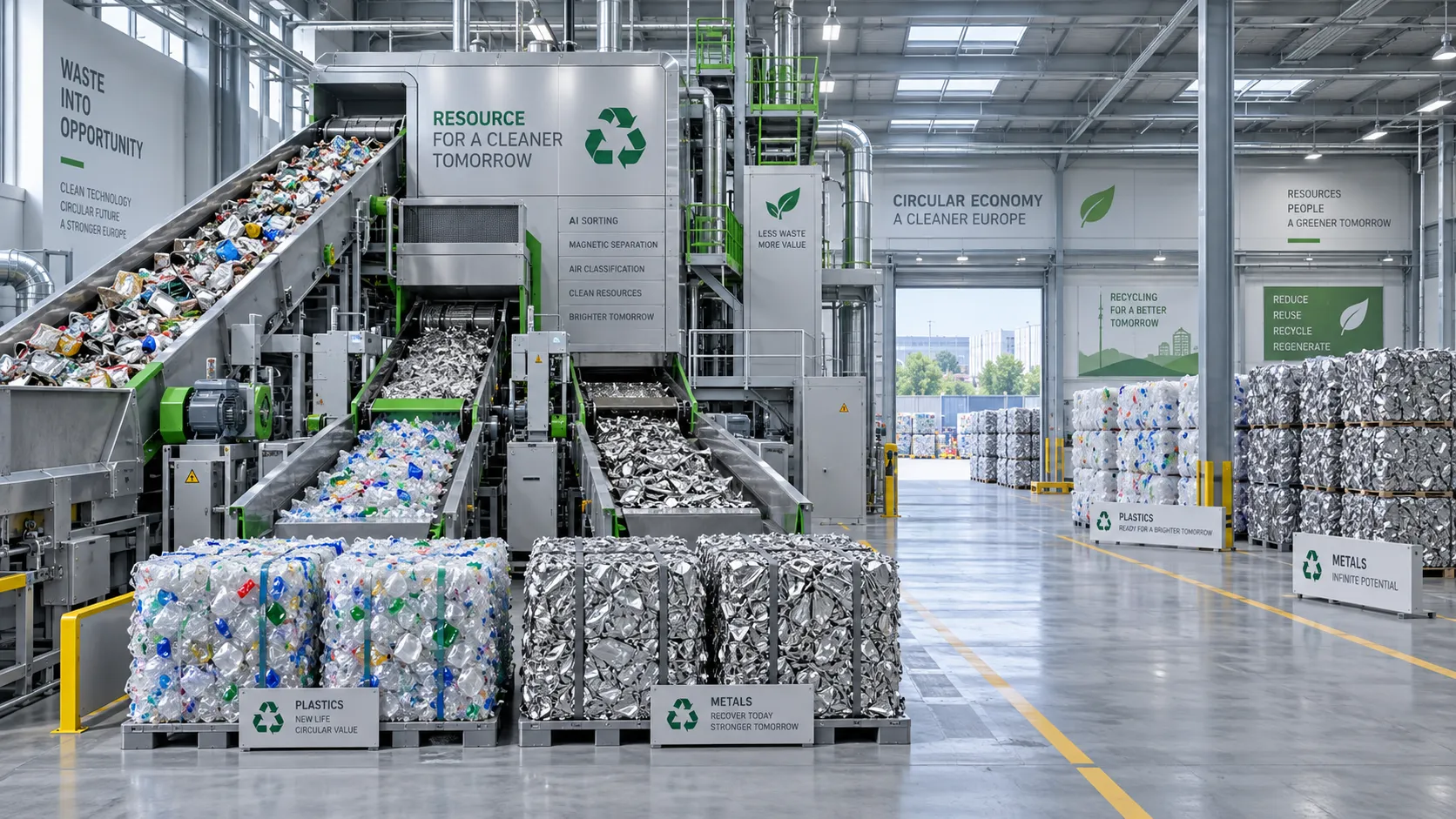
What determines payback for waste-to-resource systems in Europe?
Assess waste-to-resource systems Europe-wide: compare feedstock, recovery yields, costs and contracts to uncover payback drivers and make smarter investment decisions.
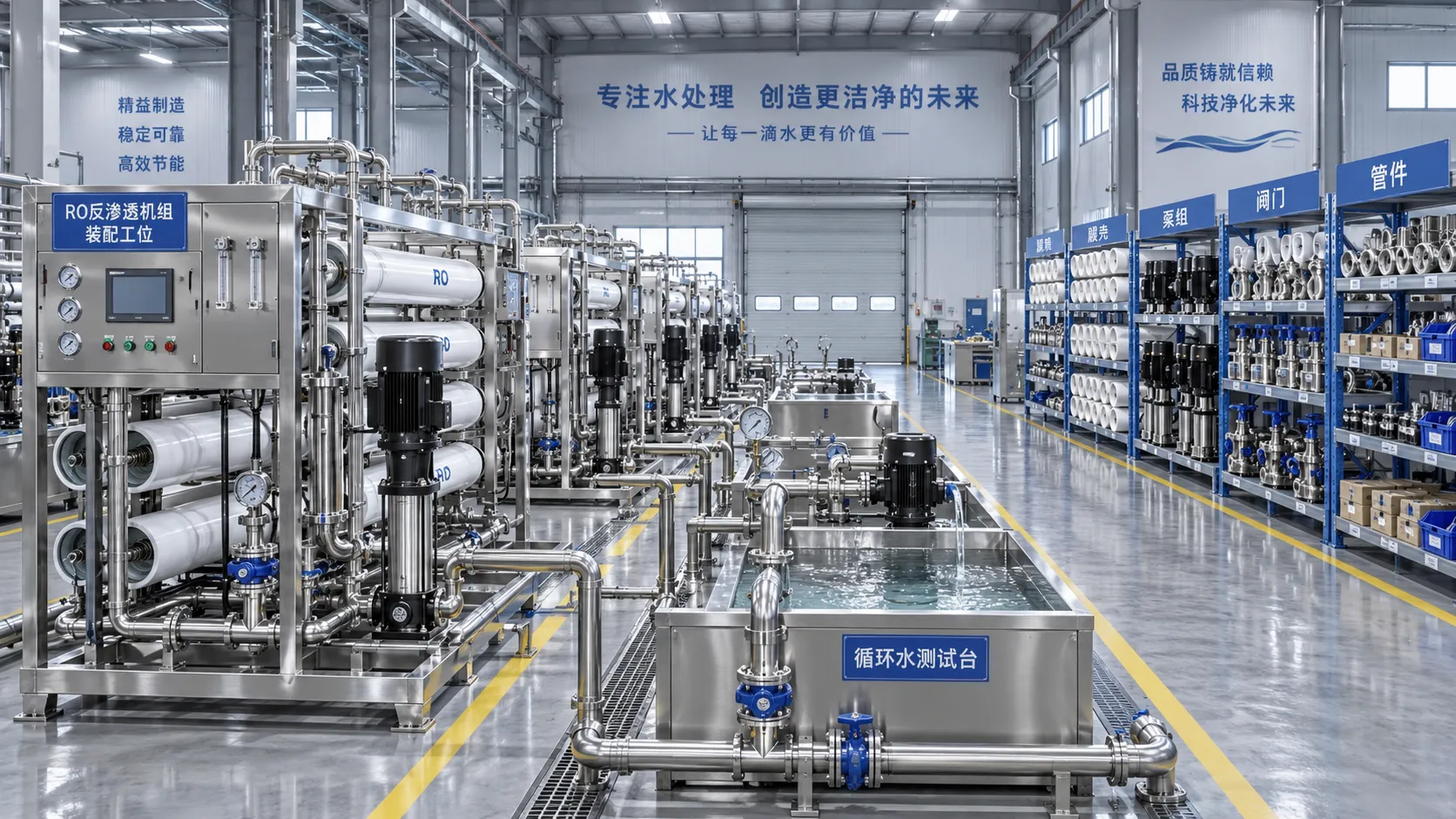
How to verify a water treatment system factory’s production capacity
Verify a water treatment systems factory’s production capacity through records, bottlenecks, component availability, and testing. Learn what to check before accepting a delivery promise.
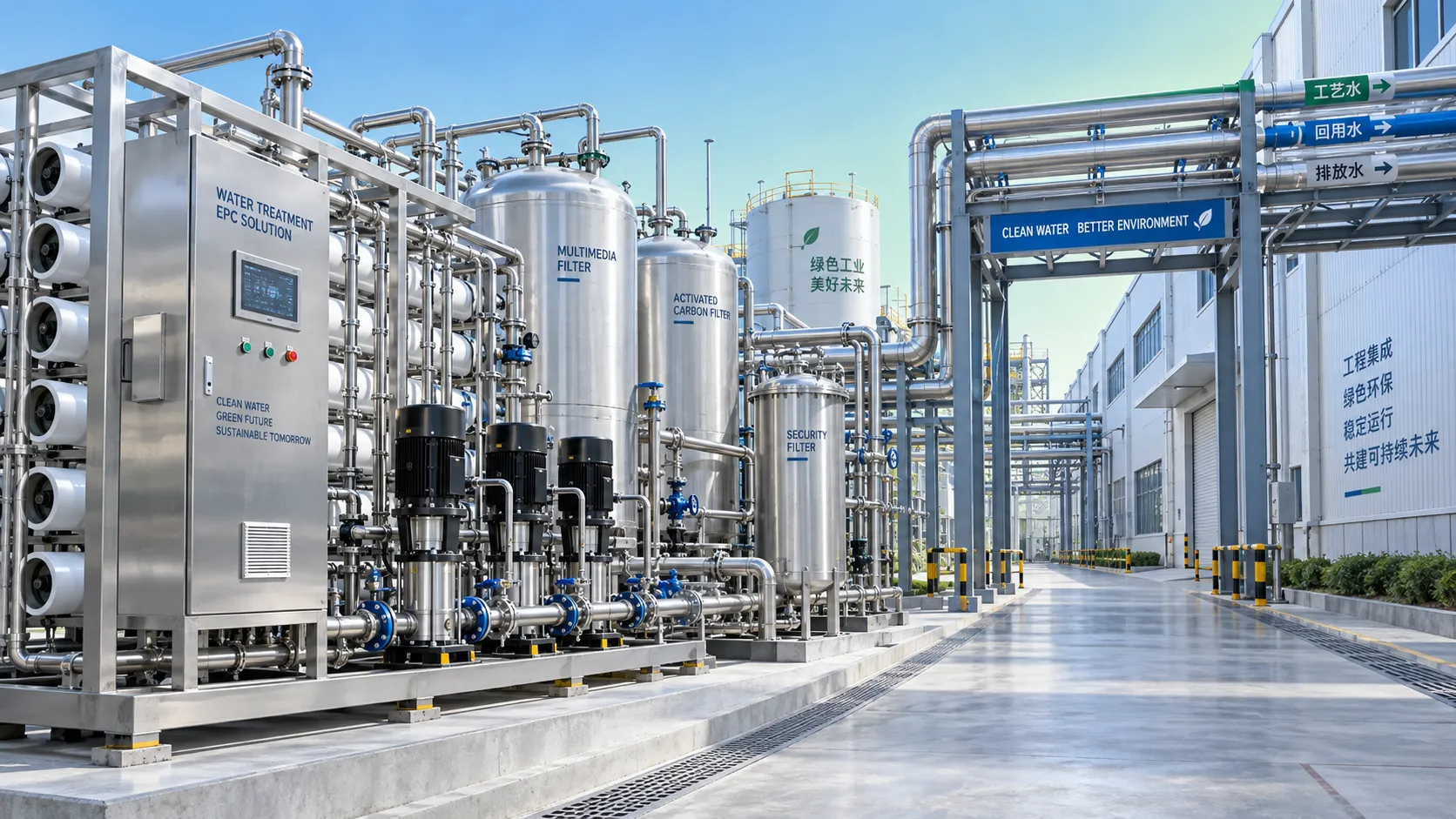
When does EPC environmental project support reduce delivery risk?
EPC environmental project support engineering reduces delivery risk by aligning design, procurement, compliance, construction, and commissioning decisions.
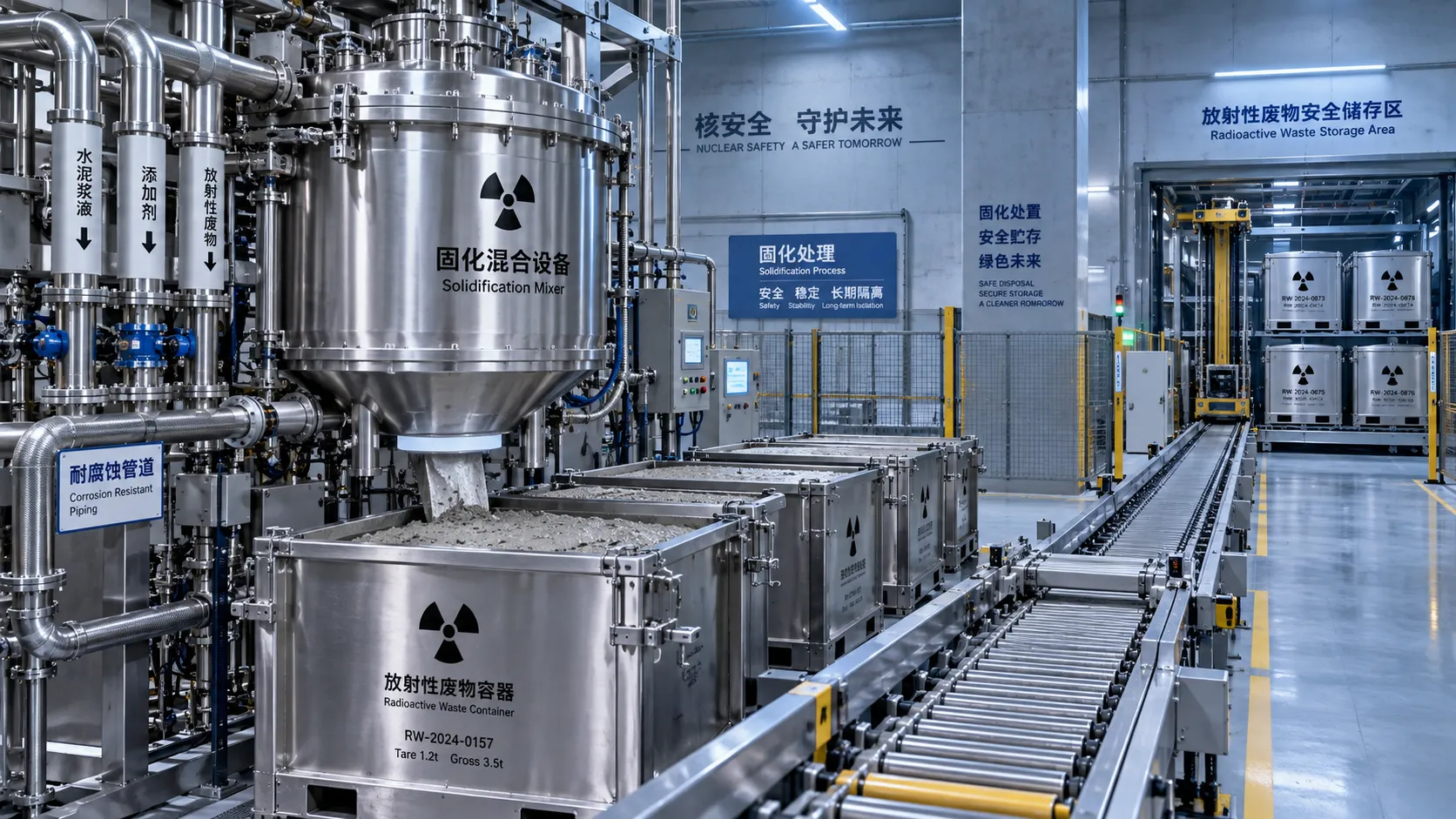
How nuclear plants select a radioactive waste solidification method
Radioactive waste management for nuclear plants: compare vitrification, cementation, polymers, and ceramics to select a compliant, durable solidification solution.
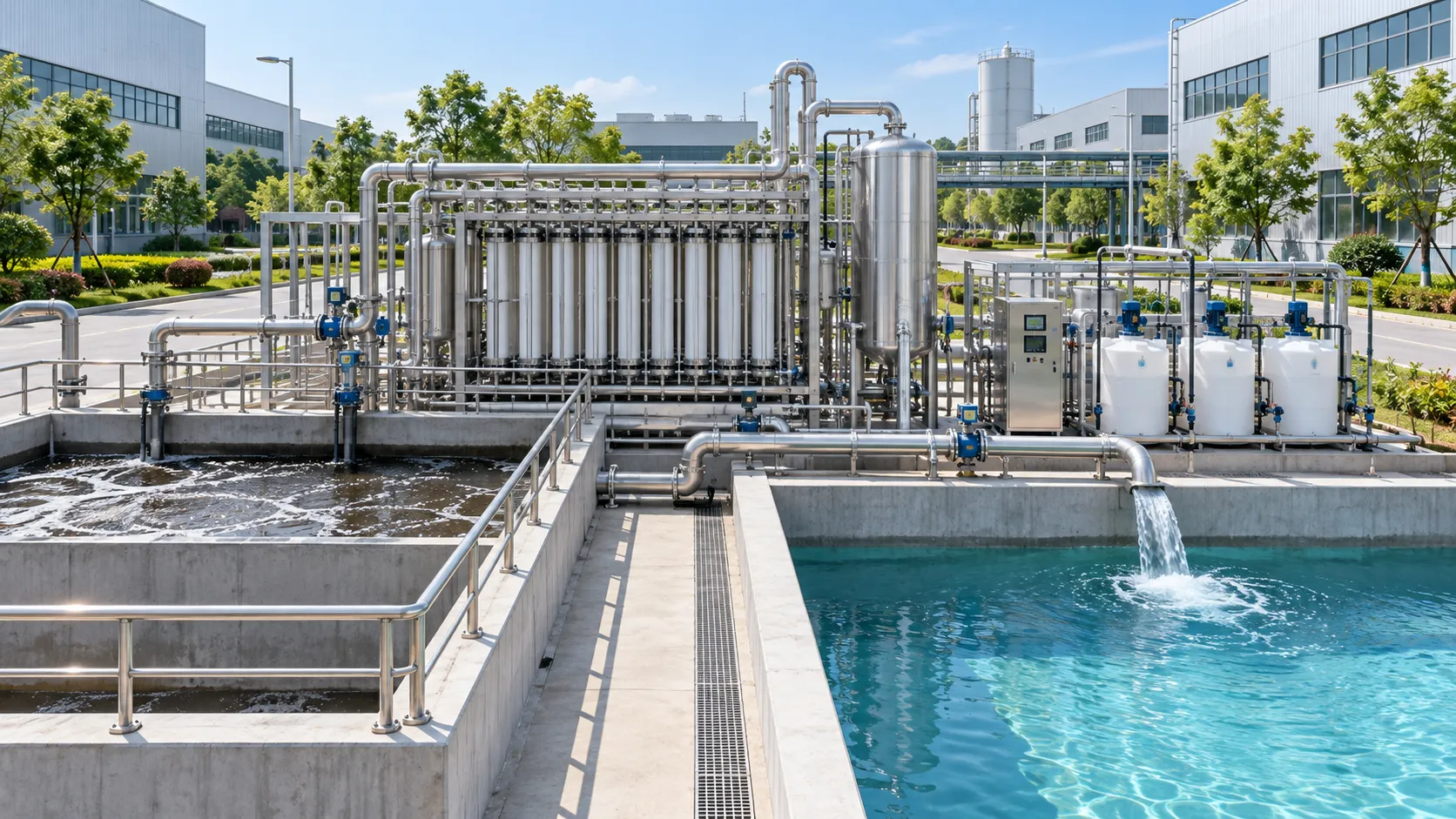
Comparing Upgrade Costs for Industrial Park Wastewater Treatment Systems
Compare costs for wastewater system upgrades in industrial parks with a lifecycle view of CAPEX, OPEX, compliance, resilience, and future expansion.
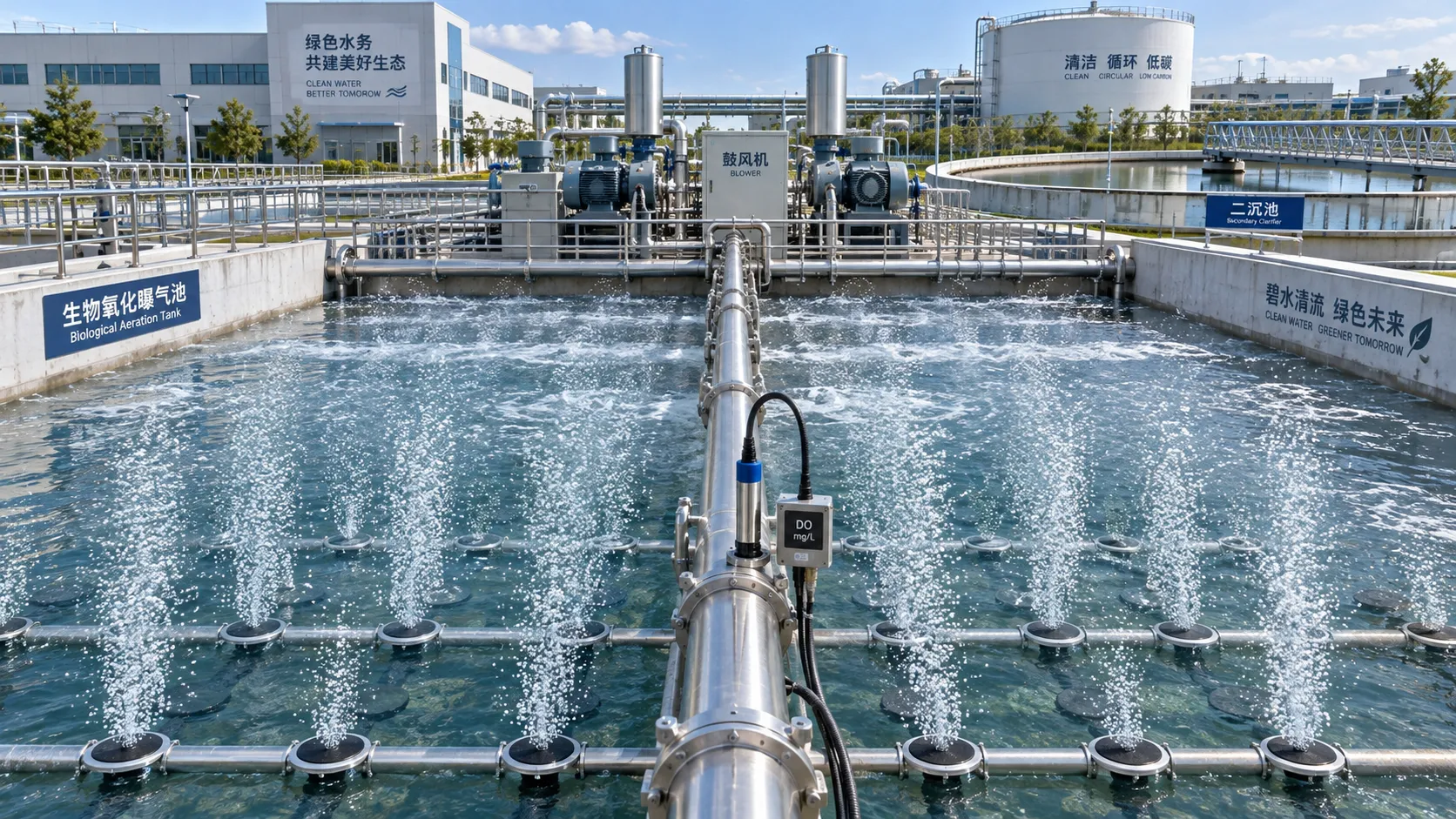
Biological Wastewater Oxidation Explained: Aeration Demand and Process Control
Biological wastewater oxidation explained: optimize aeration demand, DO control, nitrification, and sludge age for stable effluent quality and lower energy costs.
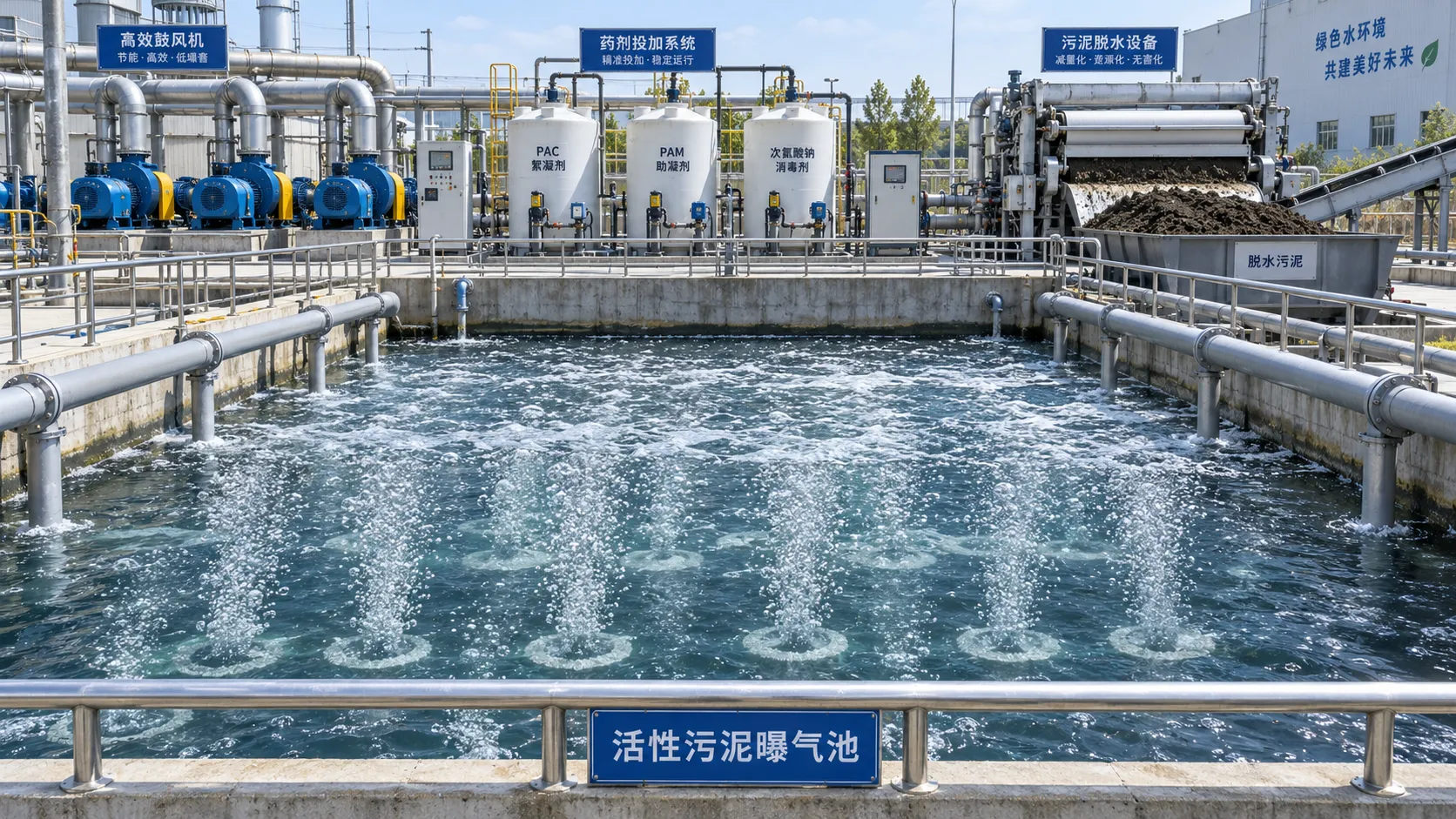
Activated Sludge Cost: Budgeting Energy, Chemicals, Sludge, and Labor
Activated sludge cost explained: compare energy, chemicals, sludge disposal, labor, and compliance risks to build a reliable lifecycle budget.
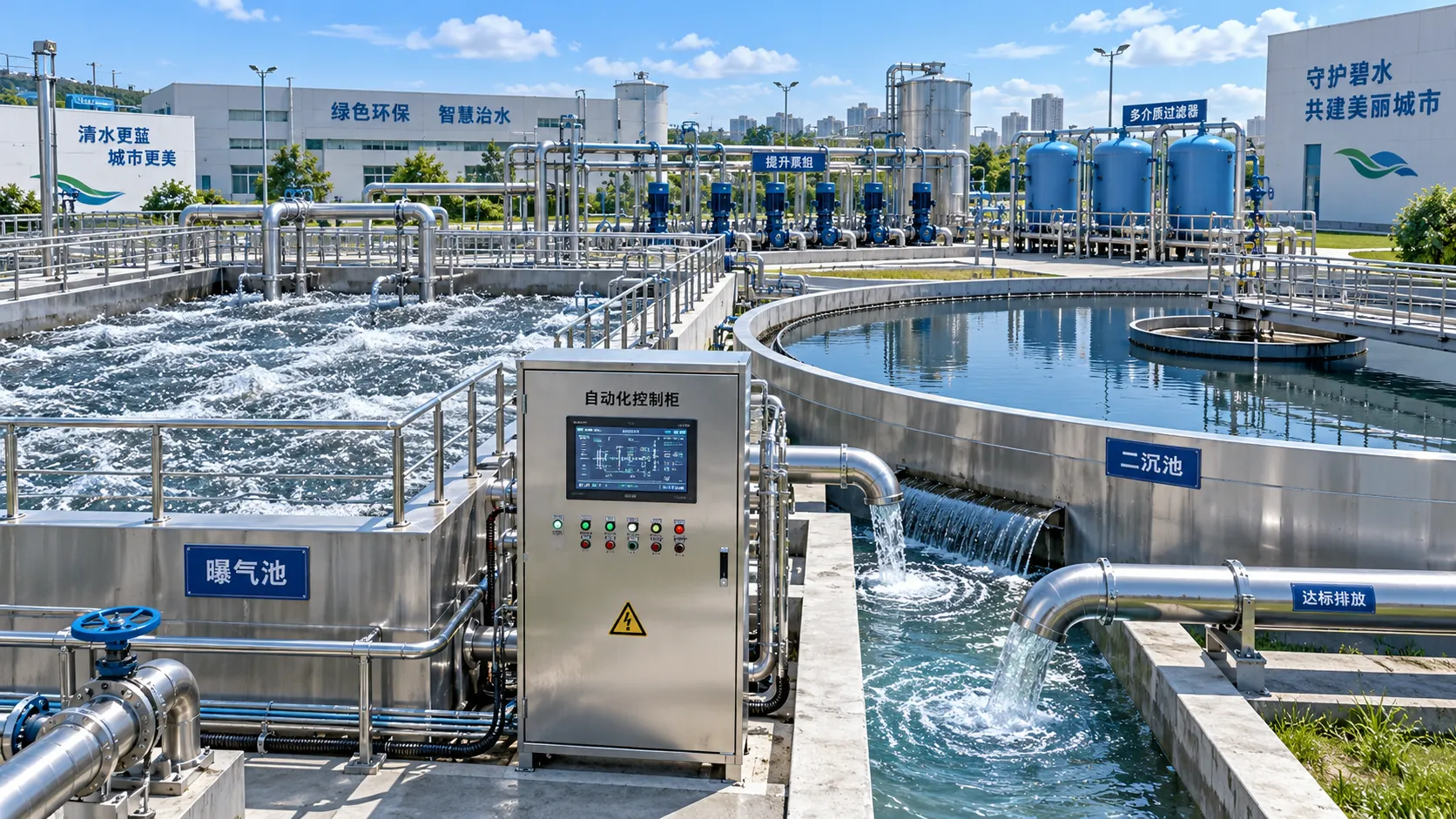
When Should Municipal Wastewater Plants Upgrade Treatment Capacity and Controls?
Municipal wastewater treatment upgrades: learn when capacity, controls, and resilient planning are needed to protect compliance and optimize plant performance.