
Industry News
Curation by industry experts
Hot Articles
Popular Tags
Green Tech Innovations in Water Treatment to Watch in 2026
As tightening regulations, water scarcity, and industrial decarbonization reshape the sector, green tech innovations in water treatment are moving from niche pilots to strategic infrastructure priorities. In 2026, the most important shift is not one breakthrough alone. It is the convergence of membranes, digital optimization, resource recovery, advanced oxidation, and Zero Liquid Discharge into systems that deliver compliance, resilience, and lower lifecycle emissions.
Why a checklist matters in 2026
Water projects now face stricter discharge limits, volatile energy prices, and growing expectations for circular resource use. That makes technology screening harder and more strategic.
A checklist-based approach helps compare green tech innovations in water treatment beyond marketing claims. It forces attention on efficiency, chemical intensity, carbon impact, scaling risk, brine handling, and data transparency.
For intelligence-led platforms such as ESD, the value lies in connecting equipment performance with regulatory evolution, closed-loop economics, and long-term asset reliability across water, waste, desalination, and environmental defense systems.
Core checklist: green tech innovations in water treatment to watch
- Prioritize low-pressure membrane platforms that raise flux stability, reduce fouling rates, and cut specific energy consumption without sacrificing rejection under variable feedwater conditions.
- Check whether AI-assisted monitoring detects fouling, scaling, and chemical drift early enough to improve uptime rather than simply generating dashboards after performance loss.
- Evaluate electrochemical and advanced oxidation systems for lower reagent demand, trace contaminant removal, and compatibility with complex industrial wastewater matrices.
- Verify if resource recovery modules convert brine, sludge, or concentrate into usable salts, nutrients, metals, or process water with defensible economics.
- Assess modular ZLD designs for thermal integration, crystallizer efficiency, and operational flexibility under changing discharge permits and seasonal feedwater loads.
- Review bio-based or green chemistry treatment aids that lower hazardous residuals while maintaining coagulation, antiscalant, or cleaning effectiveness.
- Measure full lifecycle carbon, including pumping, pretreatment chemicals, membrane replacement, sludge disposal, and concentrate management, not only plant gate electricity use.
- Compare digital twins and process simulation tools that support scenario planning, membrane train optimization, and compliance forecasting before field deployment.
- Examine desalination innovations that balance high recovery with boron control, lower biofouling, and improved energy recovery device integration.
- Confirm that every claimed green solution can document pilot data, feedwater limits, cleaning intervals, and maintenance demands under real operating stress.
The technologies most likely to shape investment decisions
Next-generation membranes
Membranes remain central to green tech innovations in water treatment. In 2026, attention will focus on nanostructured RO and NF materials, more selective surface coatings, and antifouling modifications.
The key question is practical durability. A membrane that saves energy in month one but loses performance after difficult cleanings may weaken both economics and compliance confidence.
Electrified treatment and oxidation
Electro-oxidation, electrodialysis, capacitive deionization, and hybrid AOP platforms are gaining attention where conventional chemistry struggles with PFAS precursors, dyes, pharmaceuticals, or refractory organics.
These solutions fit the broader decarbonization trend when paired with cleaner power and smart controls. Their real advantage is selective treatment intensity instead of chemical overuse across the whole stream.
ZLD and concentrate valorization
Zero Liquid Discharge is no longer only a compliance endpoint. It is becoming an optimization field where evaporation, crystallization, and selective separation can turn a disposal burden into a resource strategy.
Among the most important green tech innovations in water treatment are systems that reduce thermal penalties, recover industrial salts, and stabilize solids for safer downstream handling.
Application scenarios worth tracking
Industrial wastewater with high salinity
Sectors with high TDS, solvent residues, or heavy metals need more than standard filtration upgrades. Hybrid trains combining selective pretreatment, membrane concentration, and targeted oxidation will lead adoption.
In this scenario, green tech innovations in water treatment should be judged by recovery rate, scaling tolerance, and whether they reduce hazardous sludge or expensive off-site disposal.
Municipal reuse and indirect potable reuse
Urban water stress is pushing reuse into mainstream planning. The strongest technologies combine membrane barriers, advanced oxidation, online monitoring, and energy-aware process control.
Here, public confidence matters as much as engineering. Systems with transparent data validation, trace contaminant resilience, and stable pathogen barriers will attract the most regulatory trust.
Seawater desalination expansion
Desalination remains one of the most strategic areas for global water security. In 2026, the winners will be designs that lower kWh per cubic meter while reducing intake stress and brine management risk.
This is where ESD-style intelligence becomes valuable, linking SWRO membrane evolution, energy recovery integration, and compliance exposure into one equipment decision framework.
Commonly overlooked risks
Pilot success that does not scale
Many promising pilots use stable feedwater and controlled operating windows. Full-scale systems face shock loads, maintenance delays, and wider contaminant variability that can erase expected gains.
Carbon savings offset by chemical intensity
A process may appear energy efficient yet depend on frequent cleaning, specialty reagents, or difficult sludge conditioning. True green performance must include the entire treatment chain.
Digital tools without process discipline
Analytics cannot compensate for poor sensor placement, weak calibration, or unclear response protocols. Reliable automation needs sound process engineering before software layers are added.
Resource recovery without a downstream market
Recovered salts, nutrients, or concentrates only create value if purity, logistics, and off-take conditions are realistic. Circularity claims should be tested against actual commercial pathways.
Practical execution steps
- Map feedwater variability first, including seasonal spikes, trace contaminants, and scaling ions, before comparing any green tech innovations in water treatment.
- Use lifecycle metrics, not brochure metrics, to score candidate systems on energy, chemistry, replacement parts, sludge, and concentrate handling.
- Request pilot evidence with cleaning frequency, failure modes, and recovery decline curves under realistic operating conditions.
- Model future compliance scenarios, especially tighter discharge thresholds, water reuse standards, and carbon accounting requirements.
- Connect water treatment choices with wider site strategy, including heat integration, waste recovery, and digital asset monitoring.
Conclusion and next action
The most important green tech innovations in water treatment for 2026 will not be defined by novelty alone. They will be defined by verified performance under pressure, measurable environmental value, and compatibility with the next generation of compliance rules.
Start with a disciplined checklist. Test membrane durability, oxidation selectivity, recovery economics, digital reliability, and ZLD practicality in the same decision frame. That is how water strategy moves from reactive treatment to resilient ecological infrastructure.
For sectors navigating large water treatment, desalination, waste recovery, and environmental risk control, the real opportunity is clear: identify the solutions that purify harder, recover more, and protect long-term system value.
Recommended News
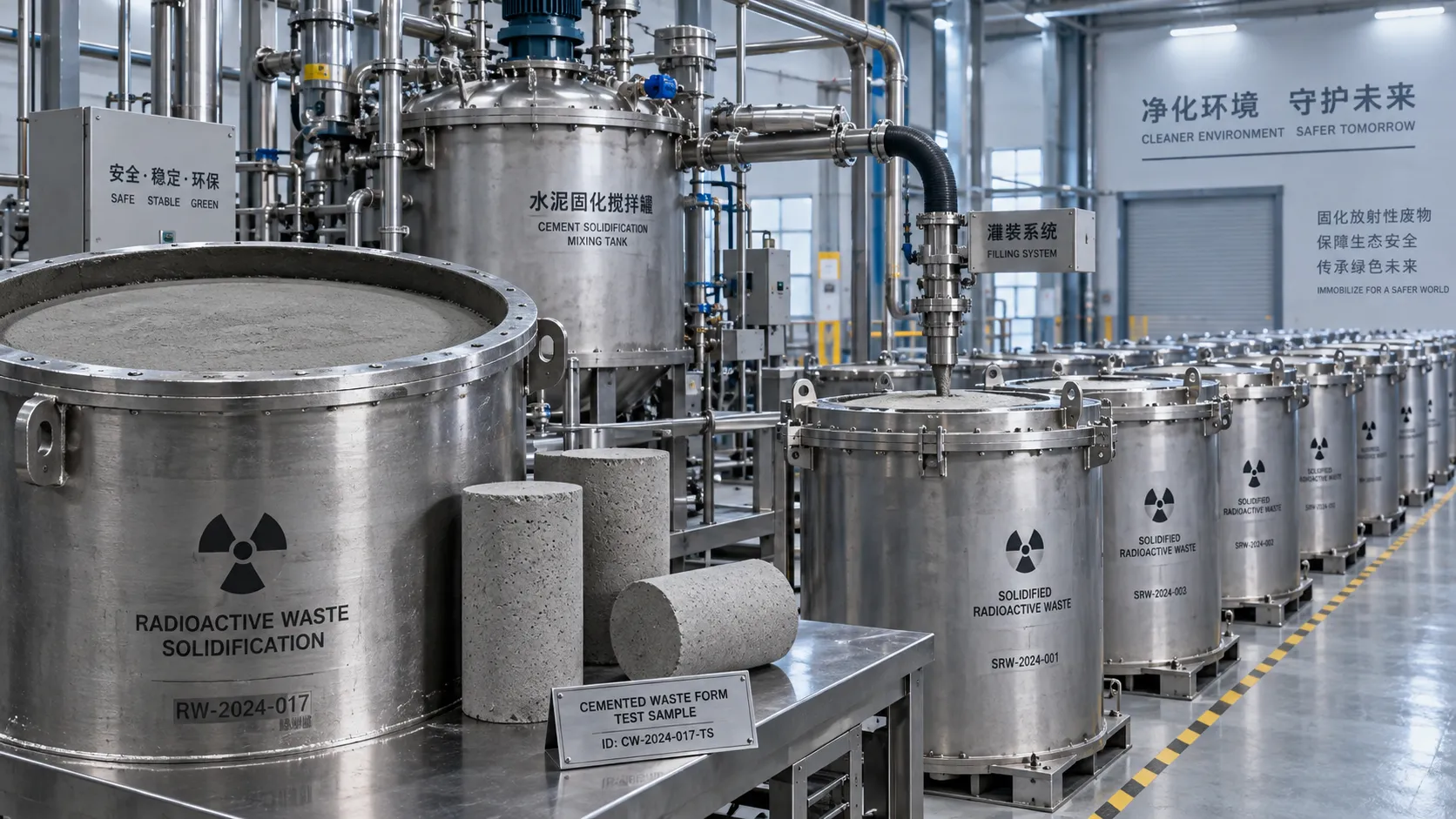
When is cementation suitable for nuclear decommissioning waste?
Explore nuclear waste treatment technology for decommissioning: learn when cementation fits, which risks to assess, and how disposal criteria guide an effective treatment choice.
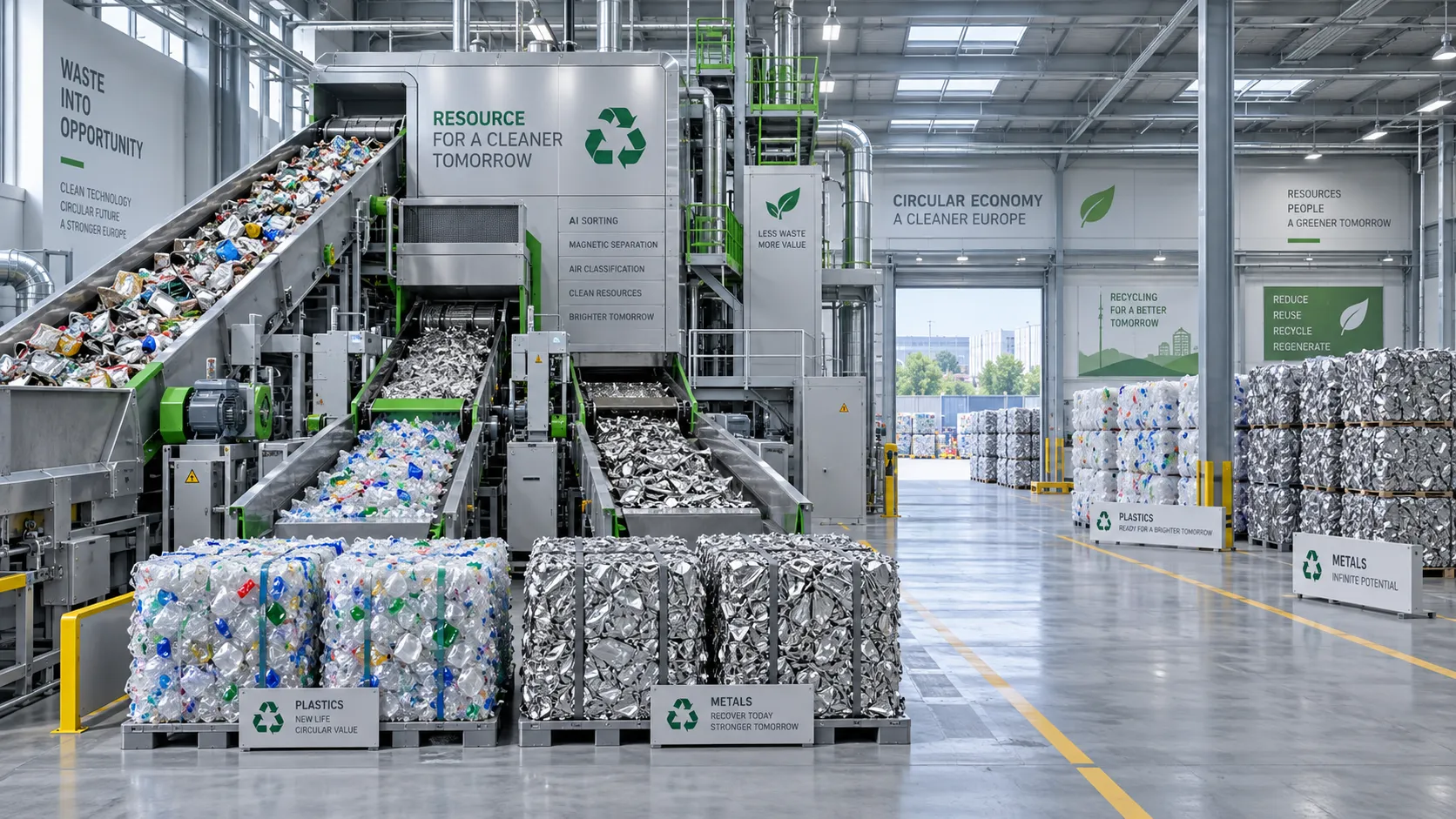
What determines payback for waste-to-resource systems in Europe?
Assess waste-to-resource systems Europe-wide: compare feedstock, recovery yields, costs and contracts to uncover payback drivers and make smarter investment decisions.
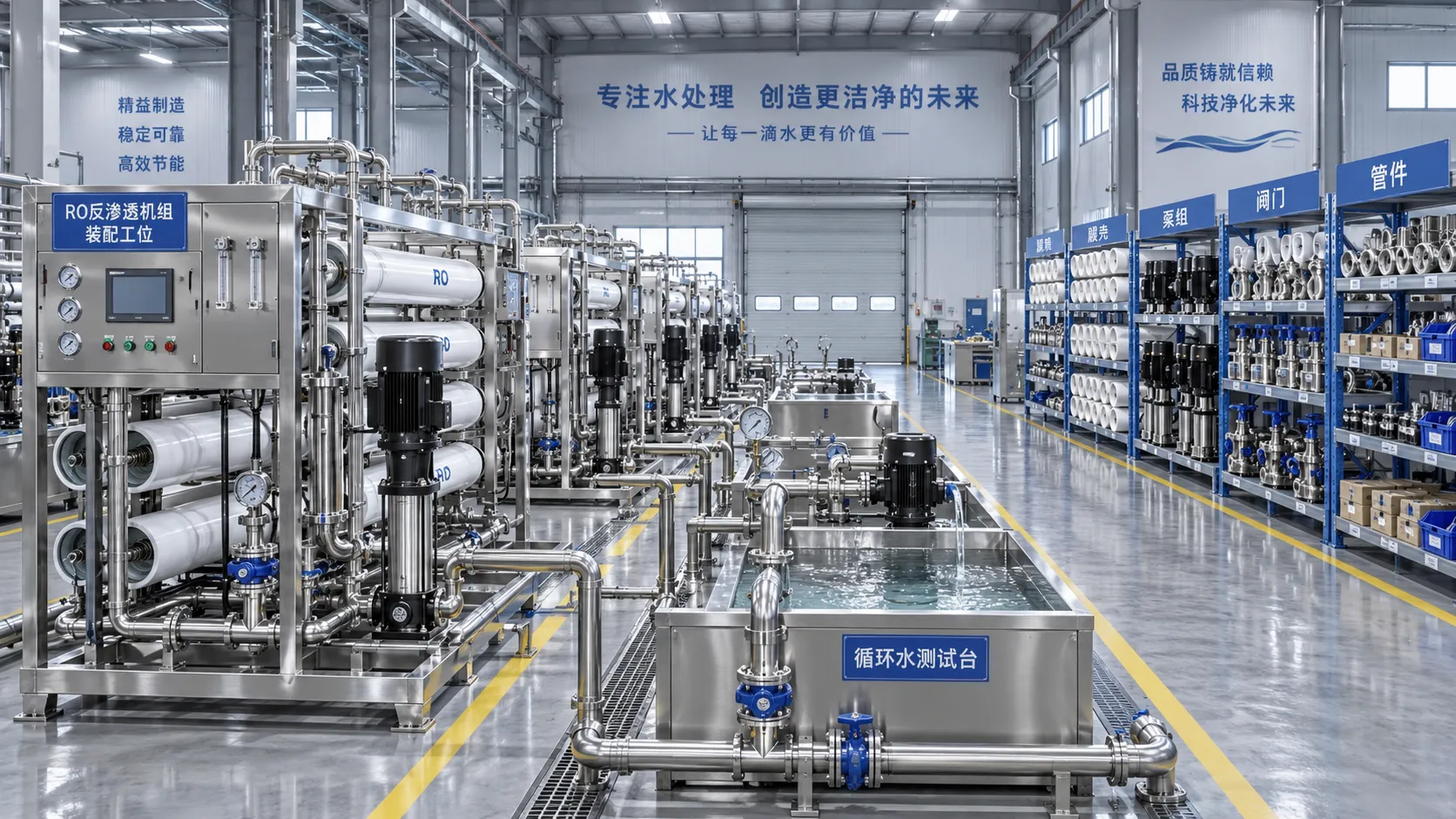
How to verify a water treatment system factory’s production capacity
Verify a water treatment systems factory’s production capacity through records, bottlenecks, component availability, and testing. Learn what to check before accepting a delivery promise.
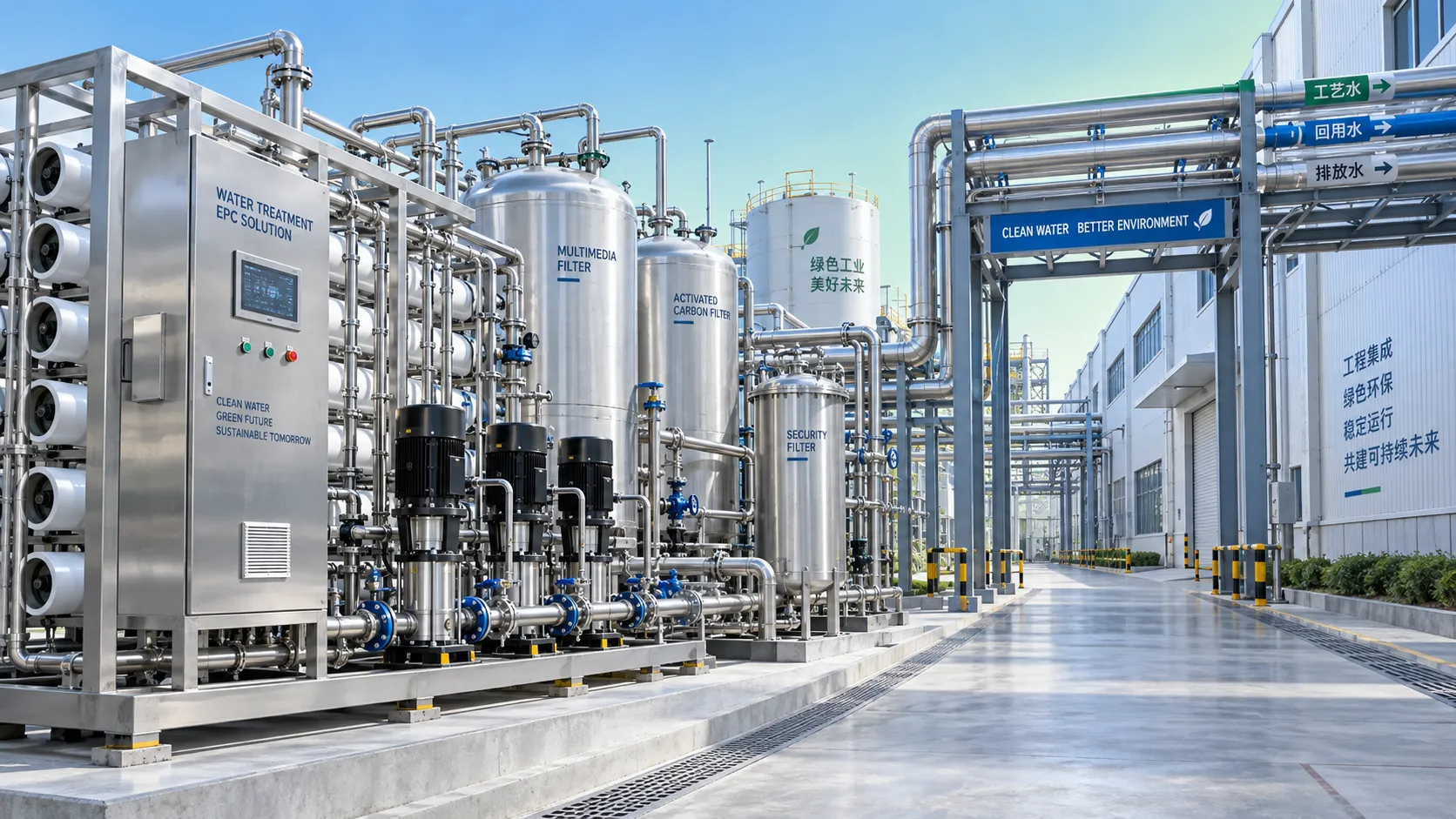
When does EPC environmental project support reduce delivery risk?
EPC environmental project support engineering reduces delivery risk by aligning design, procurement, compliance, construction, and commissioning decisions.
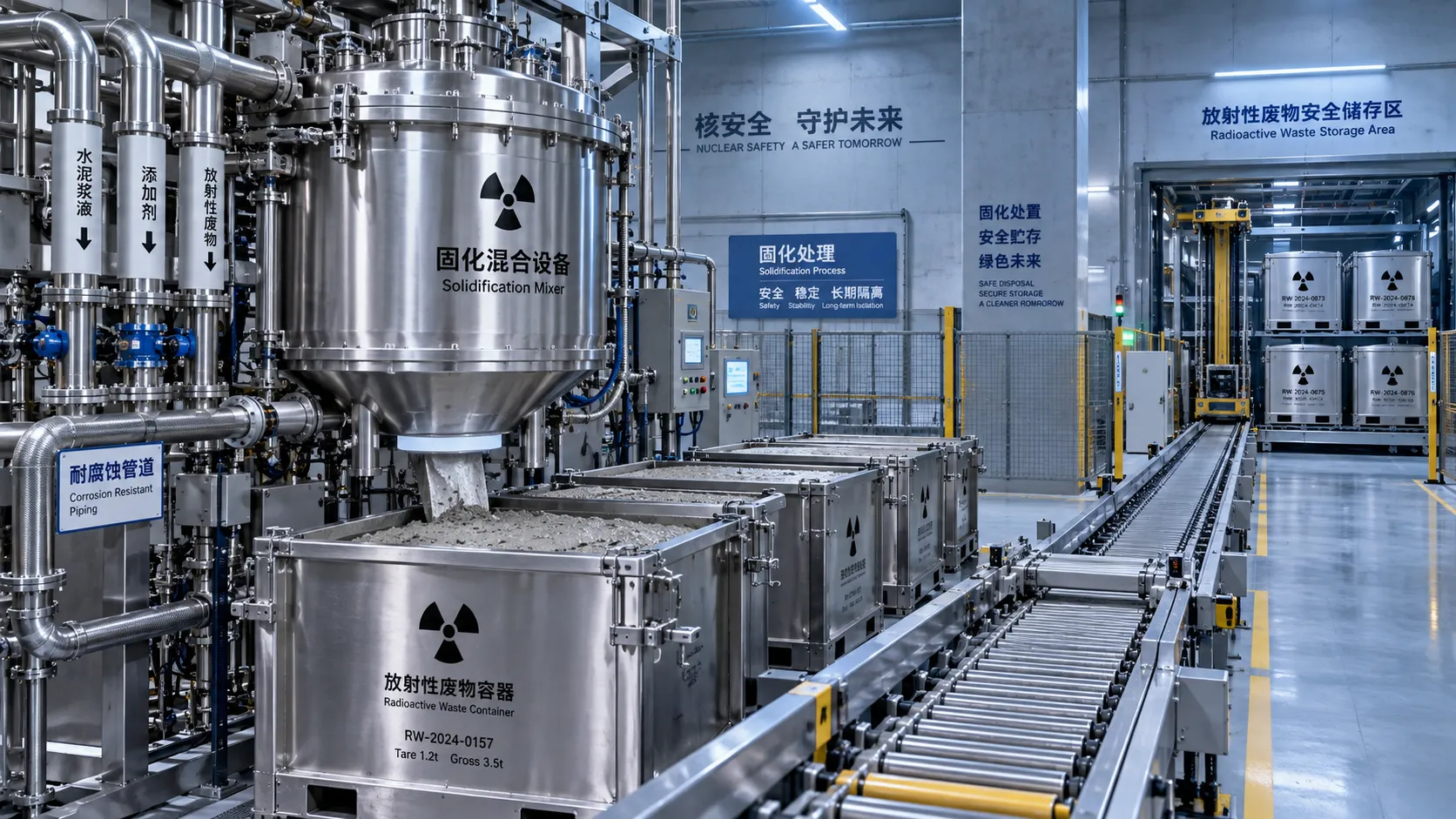
How nuclear plants select a radioactive waste solidification method
Radioactive waste management for nuclear plants: compare vitrification, cementation, polymers, and ceramics to select a compliant, durable solidification solution.
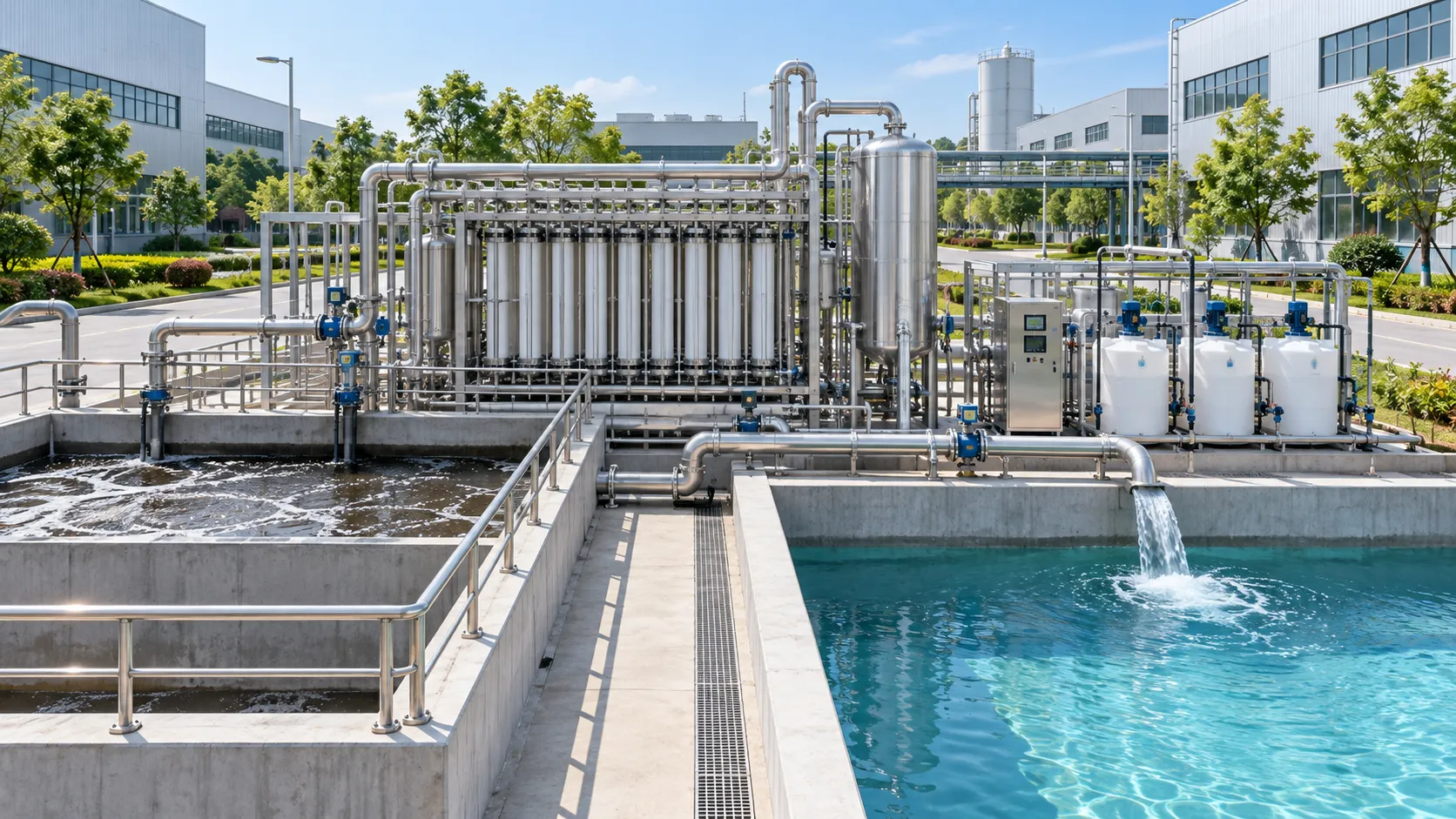
Comparing Upgrade Costs for Industrial Park Wastewater Treatment Systems
Compare costs for wastewater system upgrades in industrial parks with a lifecycle view of CAPEX, OPEX, compliance, resilience, and future expansion.
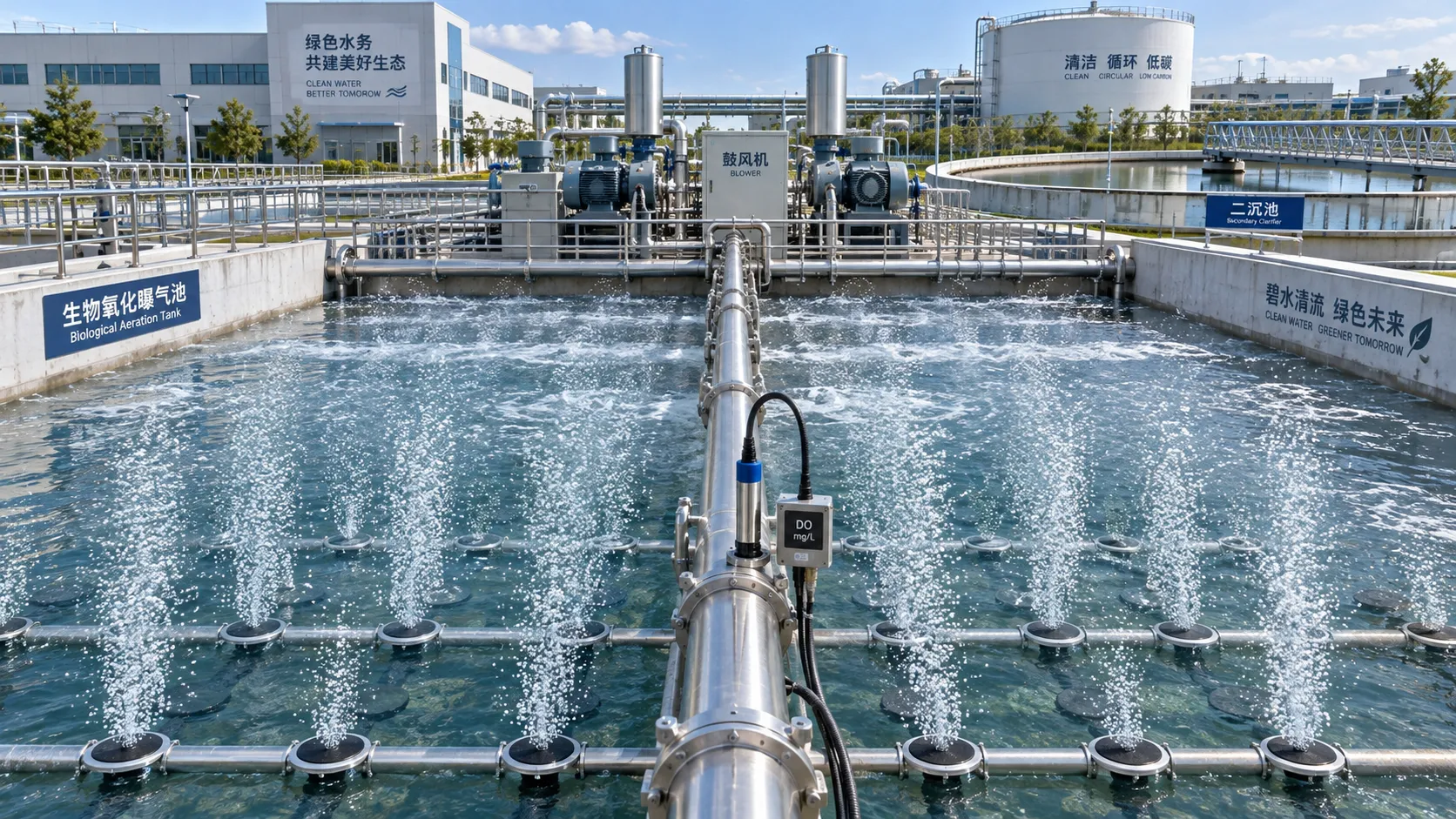
Biological Wastewater Oxidation Explained: Aeration Demand and Process Control
Biological wastewater oxidation explained: optimize aeration demand, DO control, nitrification, and sludge age for stable effluent quality and lower energy costs.
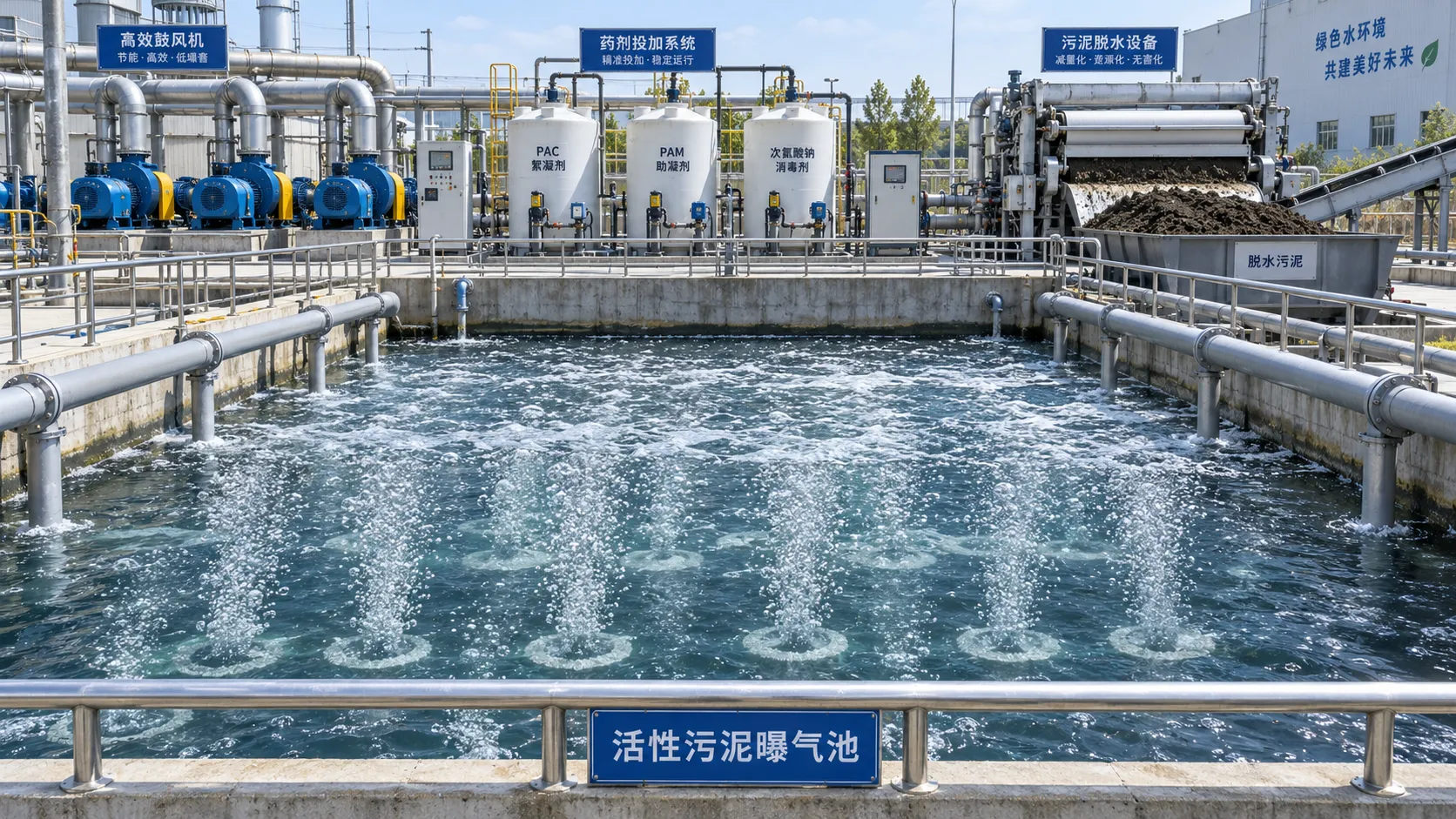
Activated Sludge Cost: Budgeting Energy, Chemicals, Sludge, and Labor
Activated sludge cost explained: compare energy, chemicals, sludge disposal, labor, and compliance risks to build a reliable lifecycle budget.
When Should Municipal Wastewater Plants Upgrade Treatment Capacity and Controls?
Municipal wastewater treatment upgrades: learn when capacity, controls, and resilient planning are needed to protect compliance and optimize plant performance.