
Industry News
Curation by industry experts
Hot Articles
Popular Tags
Circular Economy Implementation Guide for Multi-Site Operations
For project managers overseeing complex, multi-site operations, a practical circular economy implementation guide is no longer optional—it is a strategic necessity. From water treatment and waste recovery to desalination and compliance-driven infrastructure, success depends on turning fragmented assets, materials, and data into a coordinated closed-loop system that reduces cost, risk, and environmental impact across every location.
Why a Circular Economy Implementation Guide Matters Across Multiple Sites
Multi-site operations rarely fail because of ambition. They fail because material flows, maintenance routines, and compliance records stay disconnected between plants, regions, and contractors.
A strong circular economy implementation guide creates one operational language for reuse, recovery, refurbishment, and responsible disposal. It aligns engineering, finance, EHS, and procurement around measurable loop-closure targets.
In integrated environmental infrastructure, this matters even more. Water treatment residues, spent membranes, catalyst waste, recovered metals, brine streams, and packaging all carry cost and compliance implications.
Without a checklist-driven system, valuable secondary resources are often misclassified as waste. At the same time, hidden logistics losses can erase the business case for circularity.
Core Circular Economy Implementation Guide Checklist
Use this circular economy implementation guide as an execution checklist for cross-site programs. Each action should be assigned an owner, a timeline, and a verification method.
- Map all material flows by site, process, and contractor, including wastewater sludge, reject brine, filter media, packaging, scrap metals, and hazardous residuals.
- Classify outputs by recovery potential, contamination risk, transport constraints, and regulatory status before defining any reuse or resale pathway.
- Establish a shared data model so every site reports volumes, purity, downtime, treatment cost, recovery yield, and carbon impact in the same format.
- Prioritize high-value loops first, such as membrane refurbishment, solvent recovery, metal reclaim, water reuse, and waste heat integration.
- Set asset-level circular KPIs, including reuse rate, secondary material revenue, avoided disposal cost, virgin input reduction, and loop failure rate.
- Standardize segregation rules at source to protect downstream value, especially where mixed streams can destroy recyclability or trigger hazardous handling requirements.
- Audit supplier and off-taker capability for traceability, treatment quality, chain-of-custody control, emergency response, and permit validity.
- Design reverse logistics routes that consolidate returns across nearby sites, reducing transport emissions and improving load economics.
- Embed circular criteria into procurement specifications, requiring reparability, modularity, recycled content, spare part access, and end-of-life take-back options.
- Integrate compliance review early, covering waste codes, transboundary shipment rules, product stewardship obligations, and reporting under local environmental frameworks.
- Pilot one closed-loop workflow before scaling, then document contamination causes, labor needs, digital gaps, and financial sensitivity.
- Review monthly performance against baseline cost, recovery efficiency, and incident frequency to keep the circular economy implementation guide operational.
How the Guide Applies in Different Operating Scenarios
Water Treatment and Zero Liquid Discharge Networks
In large water treatment systems, circularity starts with distinguishing waste from recoverable concentrate. Sludge, salts, process chemicals, and treated effluent need separate economic and regulatory pathways.
A circular economy implementation guide here should focus on water reuse hierarchies, chemical recovery, brine minimization, and asset life extension for membranes, pumps, and filtration units.
Solid Waste Recovery and Urban Mining Platforms
For recovery systems, the guide should emphasize feedstock quality, sorting precision, contamination control, and outlet security for recovered plastics, metals, fibers, and pyrolysis fractions.
Sites with different waste compositions should not use one generic recovery model. Location-specific data determines whether material recycling, thermal conversion, or external processing is the best loop.
Desalination and High-Energy Utility Infrastructure
In desalination, circularity often depends on energy intensity and consumable turnover. Pretreatment media, cartridges, membranes, cleaning chemicals, and brine management all shape loop feasibility.
A practical circular economy implementation guide should compare local disposal cost, recovery partner access, and energy integration options before promoting any large-scale circular claim.
High-Compliance and Sensitive Waste Streams
In tightly regulated environments, circularity must never weaken safety barriers. Radioactive residues, toxic byproducts, or contaminated catalysts require strict material boundaries and verified downstream control.
The right guide separates what can circulate from what must remain in secure containment. Circular ambition only works when traceability and risk classification stay uncompromised.
Commonly Missed Risks in a Circular Economy Implementation Guide
Ignoring Material Quality Drift
Recovered materials may lose value over time due to inconsistent segregation, moisture variation, or chemical contamination. A loop that works in theory can collapse under unstable input quality.
Overlooking Cross-Border and Regional Compliance
Multi-site programs often move materials across jurisdictions. Shipment classification, duty exposure, permit requirements, and reporting rules can change the economics overnight.
Treating Circularity as a Waste Program Only
The best circular economy implementation guide goes beyond waste reduction. It covers design choices, spare parts strategy, maintenance planning, inventory logic, and supplier contracts.
Underestimating Reverse Logistics Complexity
Return flows are rarely simple. Packaging, cleaning, temporary storage, and transport scheduling can consume margin if they are not engineered with the same rigor as outbound supply chains.
Failing to Prove Financial Value
Circular initiatives lose momentum when benefits stay qualitative. Decision-making improves when avoided landfill cost, reduced virgin procurement, and carbon-adjusted savings are visible by site.
Practical Execution Steps for Multi-Site Rollout
Start with a baseline review. Select three to five representative sites and quantify major inflows, outflows, treatment costs, and recovery opportunities over a defined period.
Next, build a site-tiering model. Some facilities will be recovery hubs, some will be feeder sites, and some will remain compliance-focused with limited circular potential.
Then create a governance rhythm. Monthly site reporting, quarterly partner reviews, and annual specification updates keep the circular economy implementation guide active rather than symbolic.
Use a simple scoring framework to rank opportunities:
Finally, connect circular metrics to capital planning. If reuse loops reduce future procurement, disposal infrastructure, or carbon exposure, that value should shape investment priorities.
Conclusion and Next Actions
A circular economy implementation guide works best when it moves beyond aspiration and becomes a site-by-site operating system. The goal is not to circulate everything, but to circulate what is safe, economical, and scalable.
Begin with one verified material map, one shared reporting standard, and one pilot loop with clear economics. Then expand only where data, compliance, and logistics support durable results.
For complex environmental infrastructure, disciplined execution is the real differentiator. A robust circular economy implementation guide turns fragmented operations into measurable resource intelligence across every site.
Recommended News
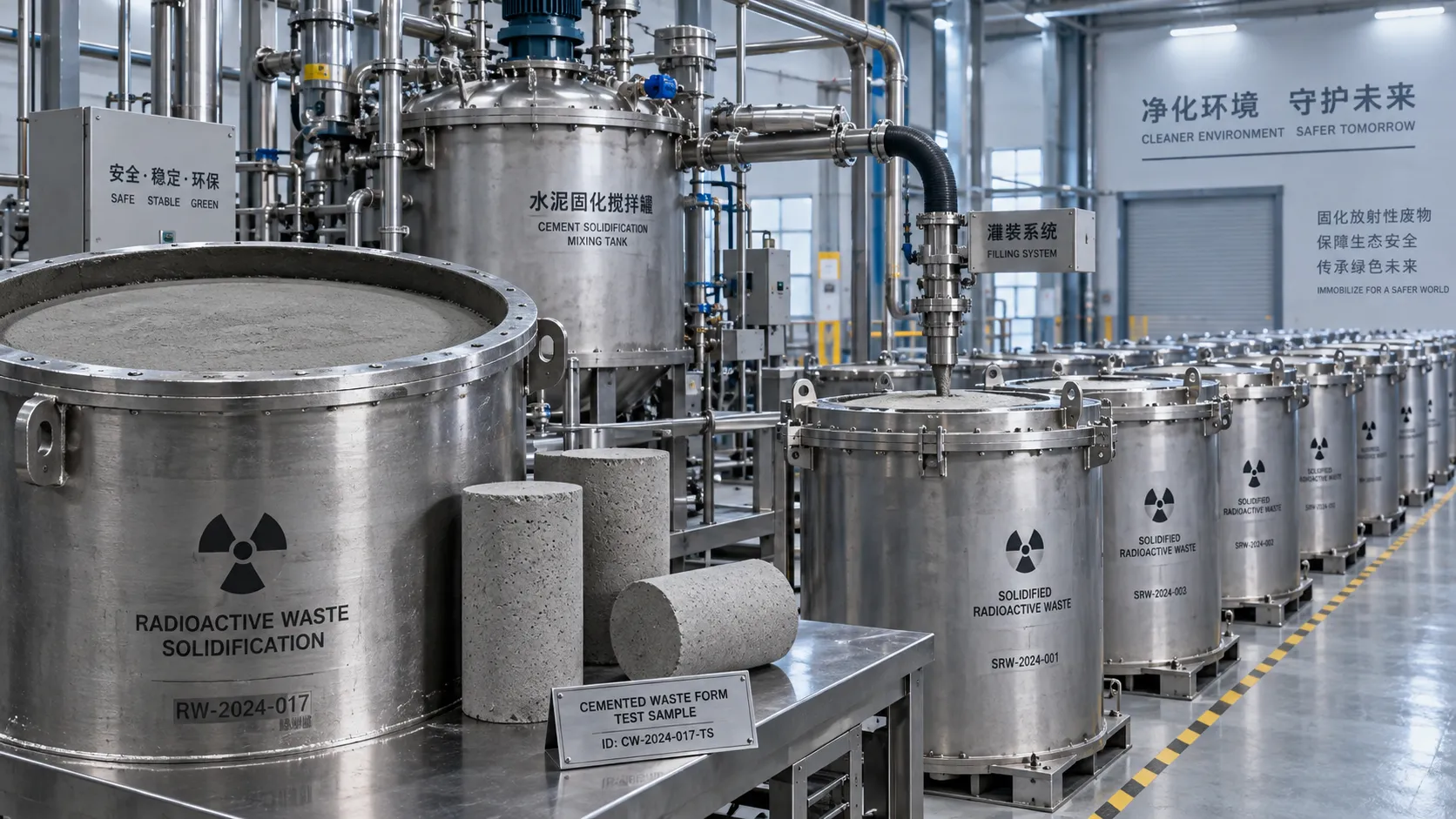
When is cementation suitable for nuclear decommissioning waste?
Explore nuclear waste treatment technology for decommissioning: learn when cementation fits, which risks to assess, and how disposal criteria guide an effective treatment choice.
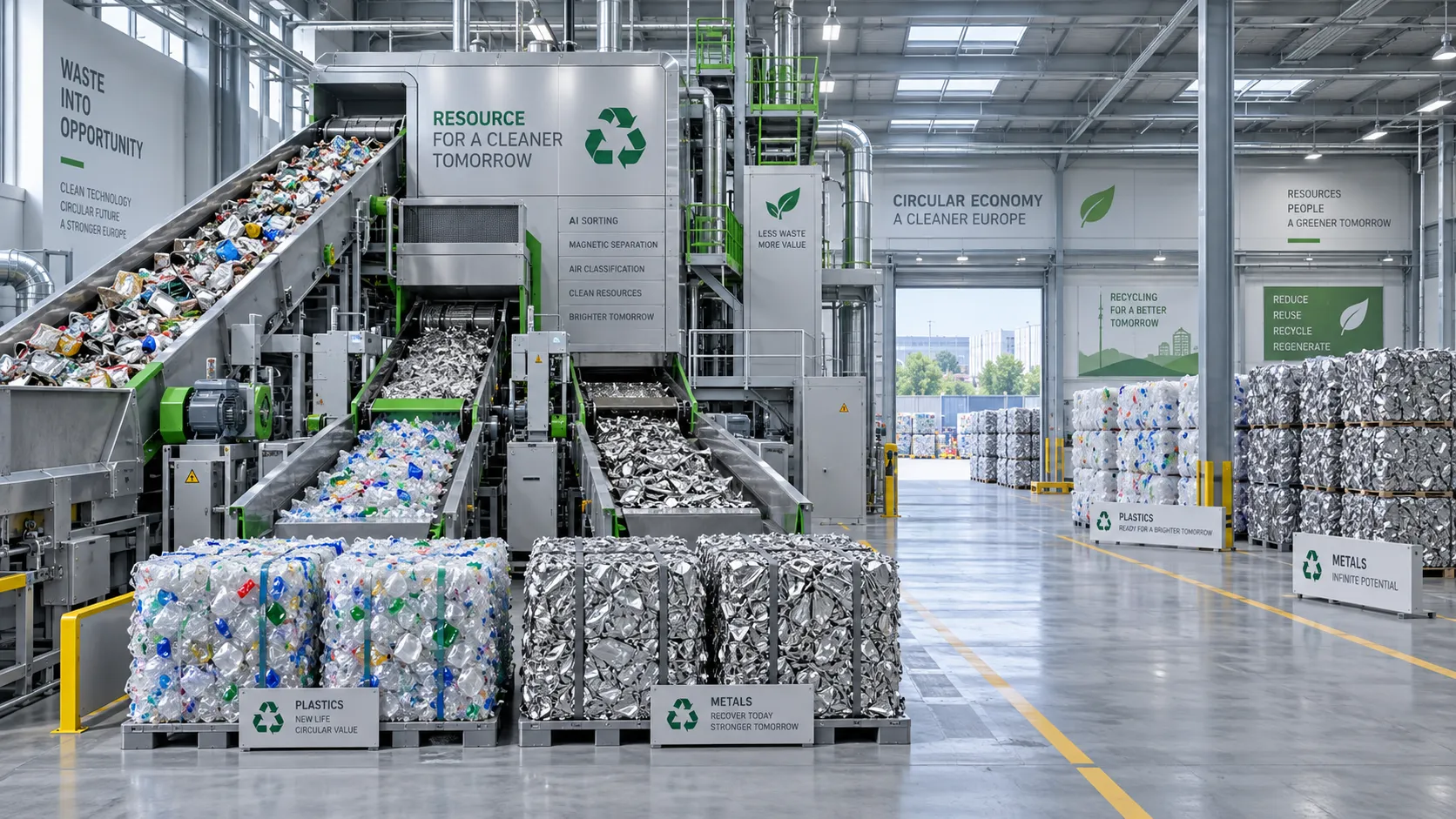
What determines payback for waste-to-resource systems in Europe?
Assess waste-to-resource systems Europe-wide: compare feedstock, recovery yields, costs and contracts to uncover payback drivers and make smarter investment decisions.
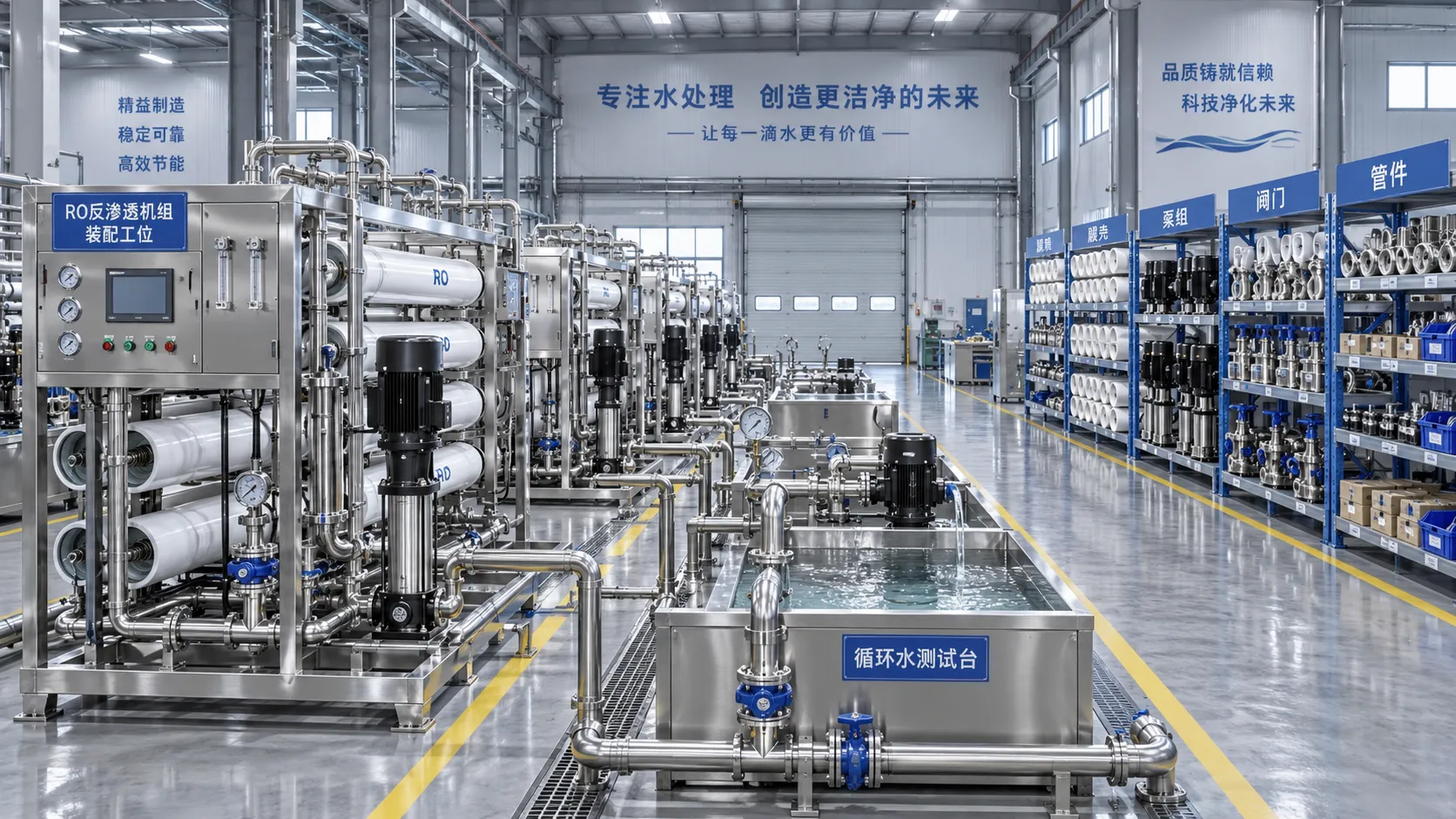
How to verify a water treatment system factory’s production capacity
Verify a water treatment systems factory’s production capacity through records, bottlenecks, component availability, and testing. Learn what to check before accepting a delivery promise.
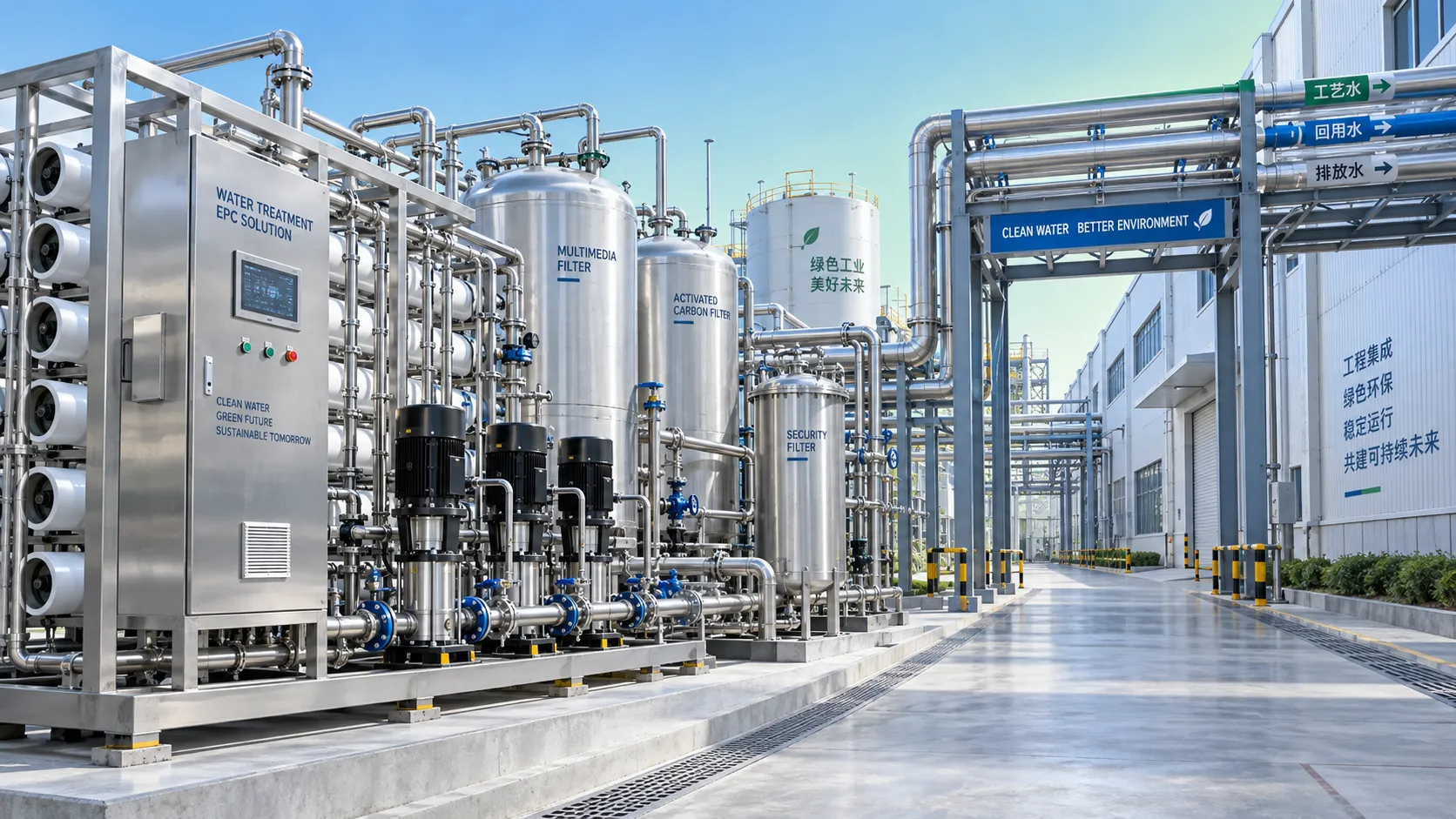
When does EPC environmental project support reduce delivery risk?
EPC environmental project support engineering reduces delivery risk by aligning design, procurement, compliance, construction, and commissioning decisions.

How nuclear plants select a radioactive waste solidification method
Radioactive waste management for nuclear plants: compare vitrification, cementation, polymers, and ceramics to select a compliant, durable solidification solution.
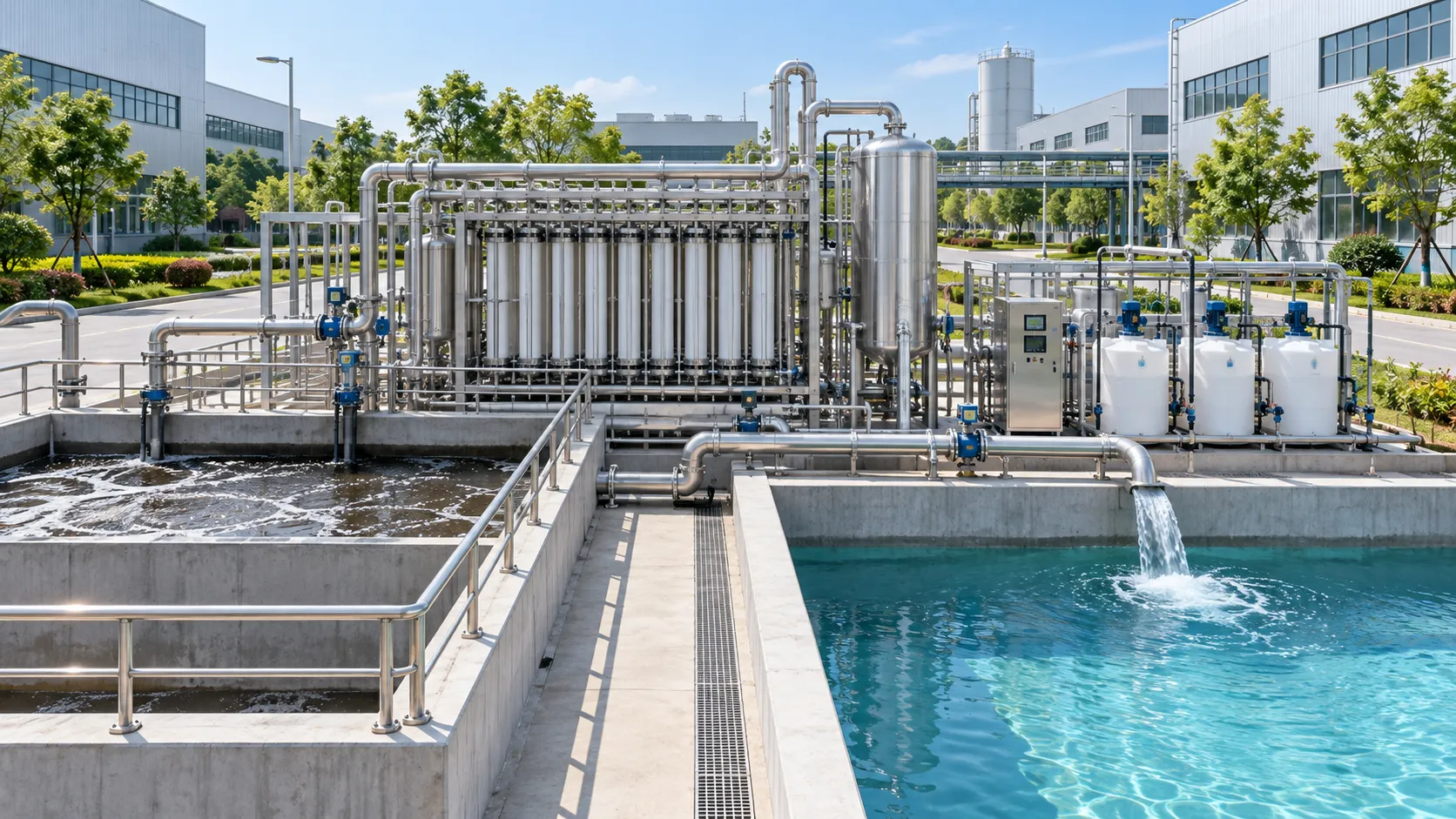
Comparing Upgrade Costs for Industrial Park Wastewater Treatment Systems
Compare costs for wastewater system upgrades in industrial parks with a lifecycle view of CAPEX, OPEX, compliance, resilience, and future expansion.
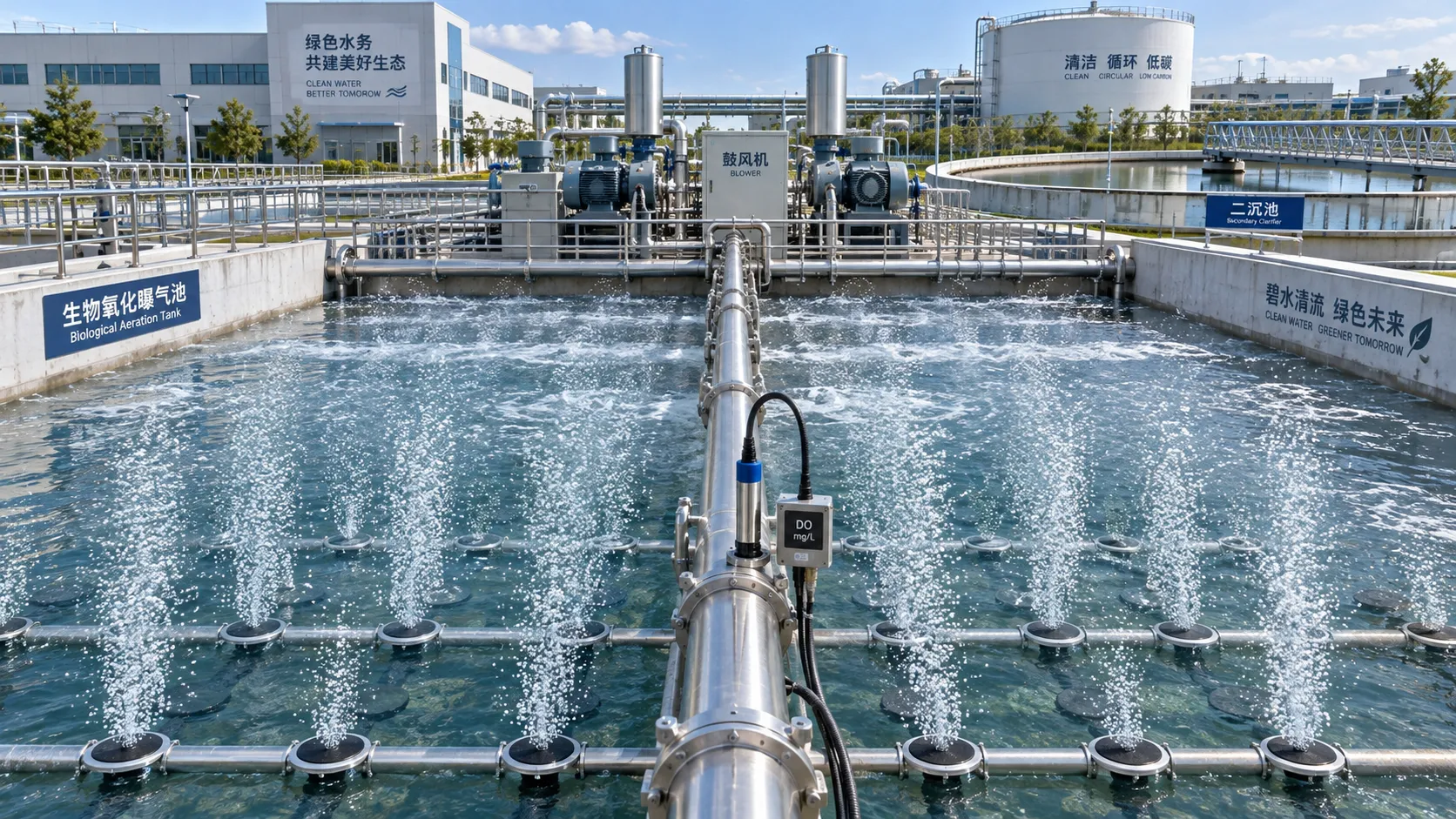
Biological Wastewater Oxidation Explained: Aeration Demand and Process Control
Biological wastewater oxidation explained: optimize aeration demand, DO control, nitrification, and sludge age for stable effluent quality and lower energy costs.
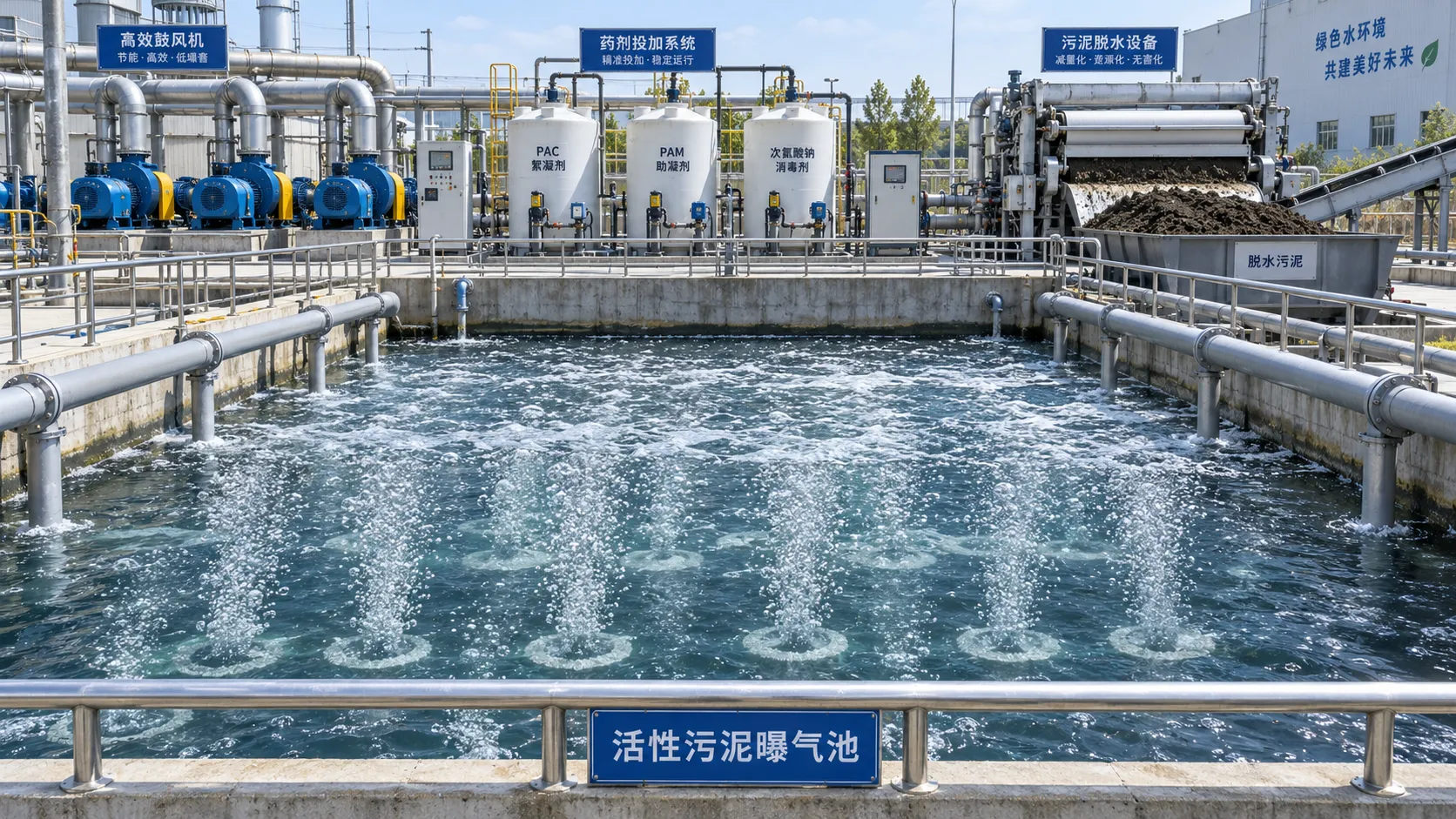
Activated Sludge Cost: Budgeting Energy, Chemicals, Sludge, and Labor
Activated sludge cost explained: compare energy, chemicals, sludge disposal, labor, and compliance risks to build a reliable lifecycle budget.
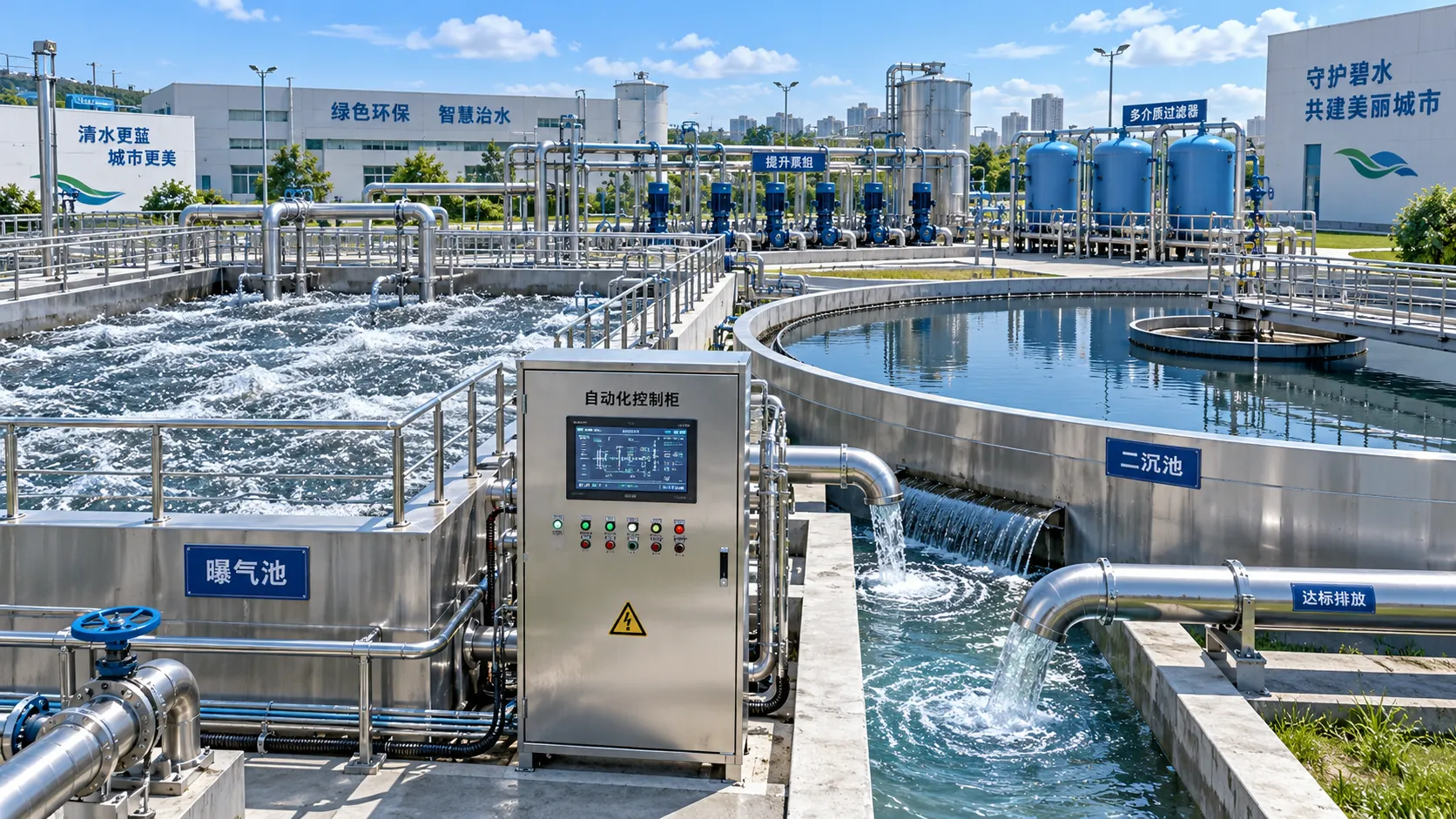
When Should Municipal Wastewater Plants Upgrade Treatment Capacity and Controls?
Municipal wastewater treatment upgrades: learn when capacity, controls, and resilient planning are needed to protect compliance and optimize plant performance.