
Industry News
Curation by industry experts
Hot Articles
Popular Tags
How to Compare Water Purification System Manufacturers in 2026
Choosing among water purification system manufacturers in 2026 is no longer a simple price exercise. Regulation, water scarcity, energy pressure, and process digitization are reshaping how treatment equipment is evaluated.
A strong comparison now requires attention to compliance durability, membrane or media performance, service depth, and lifecycle economics. The right shortlist improves uptime, audit readiness, and long-term asset value.
For sectors tracked by ESD, this shift matters across industrial wastewater, municipal reuse, desalination, and resource recovery. In each case, the best water purification system manufacturers prove capability beyond product brochures.
2026 Signals a Clear Shift in How Water Treatment Suppliers Are Judged
The market is moving from equipment comparison to systems intelligence comparison. Buyers increasingly ask whether suppliers can support water quality stability under variable feed conditions and tighter discharge limits.
This is especially true where zero liquid discharge, reuse targets, PFAS controls, and energy reporting are expanding. Under these conditions, top water purification system manufacturers must demonstrate engineering resilience.
Another major signal is the integration of digital visibility. Remote diagnostics, predictive maintenance, and traceable operating data are becoming practical differentiators rather than optional add-ons.
In 2026, comparison frameworks also broaden geographically. Suppliers are assessed not only for local installation success, but also for adaptation to global standards, export compliance, and multi-site support.
Why the Evaluation Criteria for Water Purification System Manufacturers Are Expanding
Several forces are driving this change. They affect both advanced projects and mainstream treatment upgrades across the comprehensive environmental sector.
These pressures explain why experienced teams now compare technical architecture, service models, and compliance records together. A cheap unit can become expensive if cleaning frequency, downtime, or permit risk rises.
Technical Fit Is Becoming More Important Than Brand Familiarity
Not all water purification system manufacturers are strong across every application. A supplier that performs well in commercial RO may not be ideal for brine concentration or high-fouling industrial wastewater.
Key technical areas to compare
- Feedwater tolerance under seasonal or process variation
- Recovery rate and reject stream management
- Pretreatment design for scaling, organics, and suspended solids
- Membrane, resin, UV, ozone, or activated carbon compatibility
- Automation logic and alarm response capability
- Clean-in-place frequency and consumables demand
The best comparison asks how a system behaves after twelve months, not only on commissioning day. Reliable water purification system manufacturers provide operating windows, failure assumptions, and reference-case performance.
This matters in sectors where production continuity is essential. Water treatment equipment must protect not only water quality, but also adjacent assets, energy budgets, and permit status.
Lifecycle Cost Is Overtaking Purchase Price as the Main Decision Lens
In 2026, cost comparison is broader. A lower quote may hide higher power consumption, chemical use, membrane replacement frequency, or longer outage periods during maintenance.
This is why many evaluations now use total cost of ownership. Better water purification system manufacturers can quantify long-term operating assumptions instead of leaving them vague.
Important cost elements to benchmark
- Specific energy consumption per cubic meter treated
- Chemical dosing intensity and cleaning intervals
- Replacement cycles for membranes, lamps, filters, and pumps
- Operator training and software support requirements
- Downtime exposure and spare-parts lead times
- Residual disposal or concentrate handling costs
When comparing bids, normalize assumptions. Two proposals can look similar until feed pressure, recovery rate, cleaning frequency, or warranty exclusions are examined side by side.
Compliance Readiness and Documentation Quality Are Now Strategic Risks
A growing number of projects fail later because documentation is weak, not because core equipment is absent. Modern water purification system manufacturers must support validation, traceability, and audit response.
This is relevant where local environmental law, multinational reporting, or industry-specific standards shape acceptance. Documentation quality influences approval speed and future modifications.
What strong compliance support looks like
- Material certificates and component traceability
- Performance test protocols and acceptance criteria
- Clear O&M manuals with revision control
- Data logging architecture for reporting needs
- Support for changing pollutant or reuse standards
For ESD-observed sectors, compliance agility is especially important where discharge thresholds evolve quickly. The strongest water purification system manufacturers design with future tightening in mind.
Service Networks and Digital Capabilities Are Reshaping Supplier Rankings
After-sales capacity increasingly determines real project value. Remote regions, critical plants, and continuous-process facilities need support models that reduce response time and troubleshooting uncertainty.
As a result, rankings among water purification system manufacturers are changing. Firms with robust service engineering, remote monitoring, and spare-parts planning often outperform firms with larger catalogs.
Digital maturity should still be tested carefully. Ask whether dashboards create measurable decisions, or simply display data without useful action logic.
What to Prioritize When Shortlisting Water Purification System Manufacturers
A practical shortlist should balance present needs with future exposure. The goal is not to find the broadest supplier, but the best-aligned one for operational risk and water quality goals.
- Match application references to actual feedwater complexity
- Verify long-term operating data, not launch-phase results only
- Compare total ownership cost using common assumptions
- Check documentation depth for audits and expansion projects
- Review service reach, spare strategy, and software support
- Assess upgrade flexibility for reuse, ZLD, or stricter discharge rules
Among water purification system manufacturers, the most resilient partners usually combine process expertise, transparency, and field service discipline. Those strengths lower uncertainty across the asset lifecycle.
A Smarter 2026 Comparison Model Starts With Better Questions
The strongest decisions come from structured comparison, not from brand recognition alone. In a volatile environmental landscape, every treatment system must deliver verified performance under real operating stress.
When evaluating water purification system manufacturers, use a matrix that weights technical fit, compliance readiness, lifecycle cost, and service responsiveness. That approach reveals long-term value more clearly than price-first reviews.
For organizations following ESD intelligence across water treatment and ecological infrastructure, the next step is simple: build a comparison framework before requesting final proposals, then test every claim against operational reality.
Recommended News
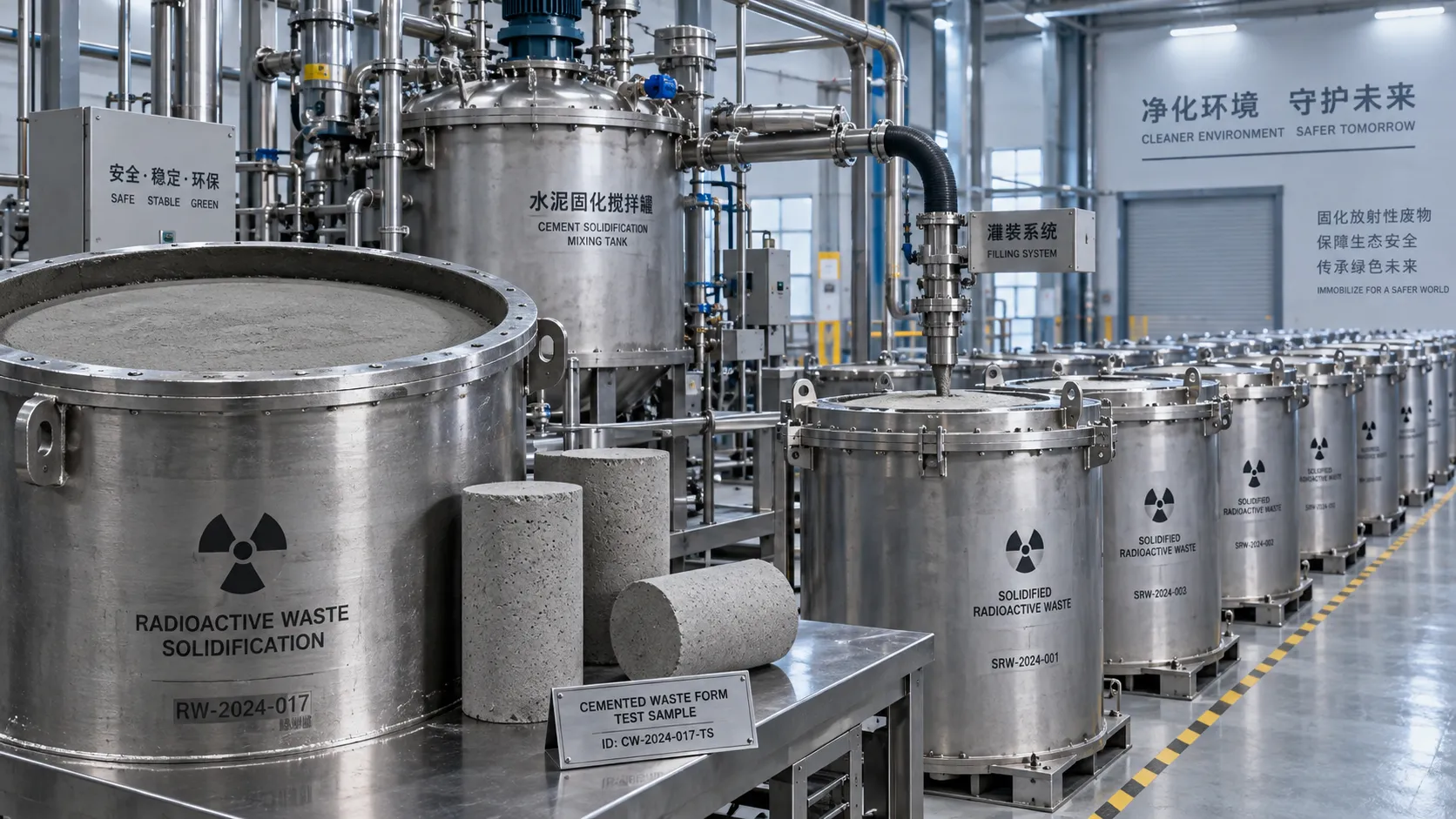
When is cementation suitable for nuclear decommissioning waste?
Explore nuclear waste treatment technology for decommissioning: learn when cementation fits, which risks to assess, and how disposal criteria guide an effective treatment choice.
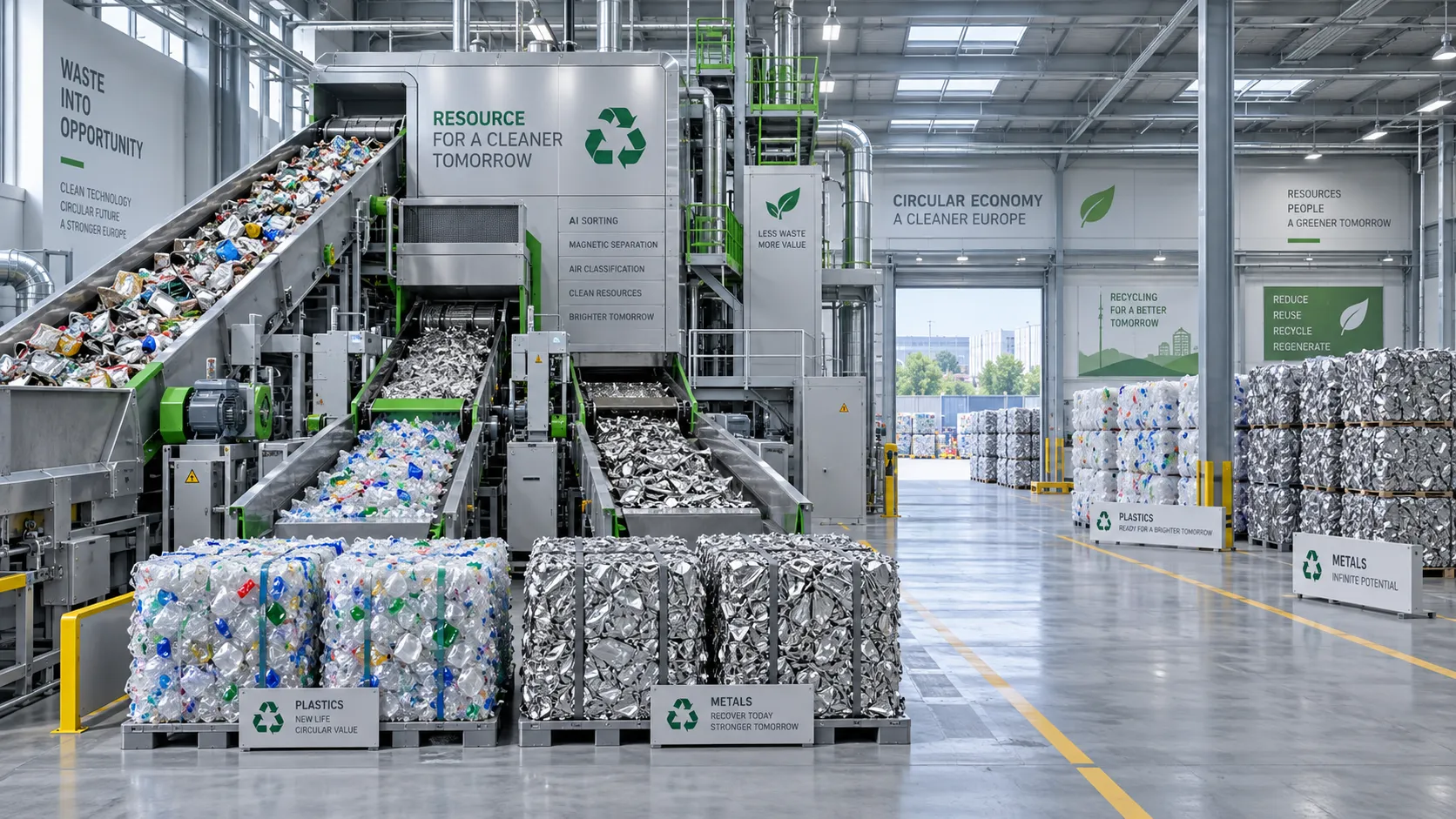
What determines payback for waste-to-resource systems in Europe?
Assess waste-to-resource systems Europe-wide: compare feedstock, recovery yields, costs and contracts to uncover payback drivers and make smarter investment decisions.
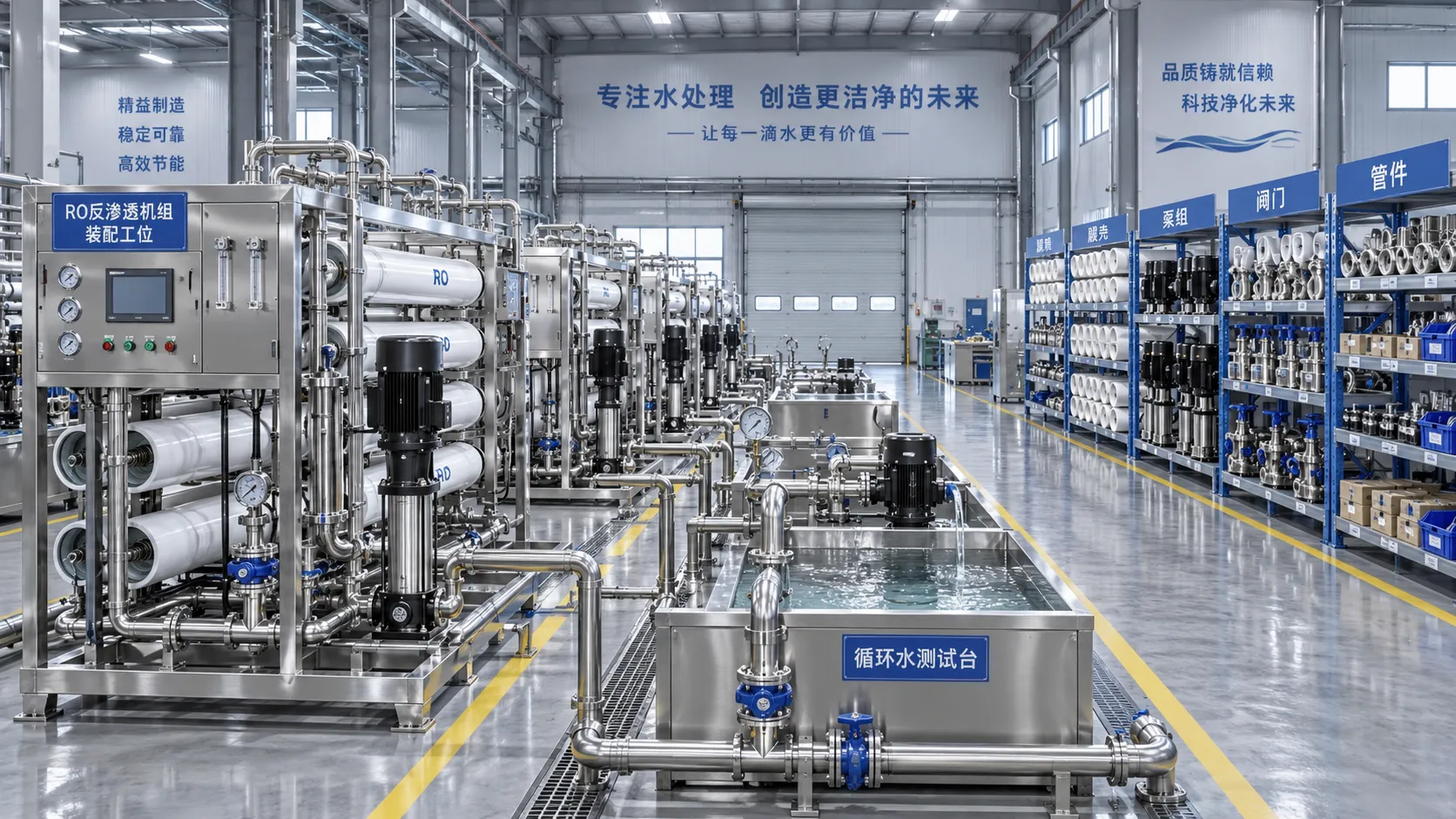
How to verify a water treatment system factory’s production capacity
Verify a water treatment systems factory’s production capacity through records, bottlenecks, component availability, and testing. Learn what to check before accepting a delivery promise.
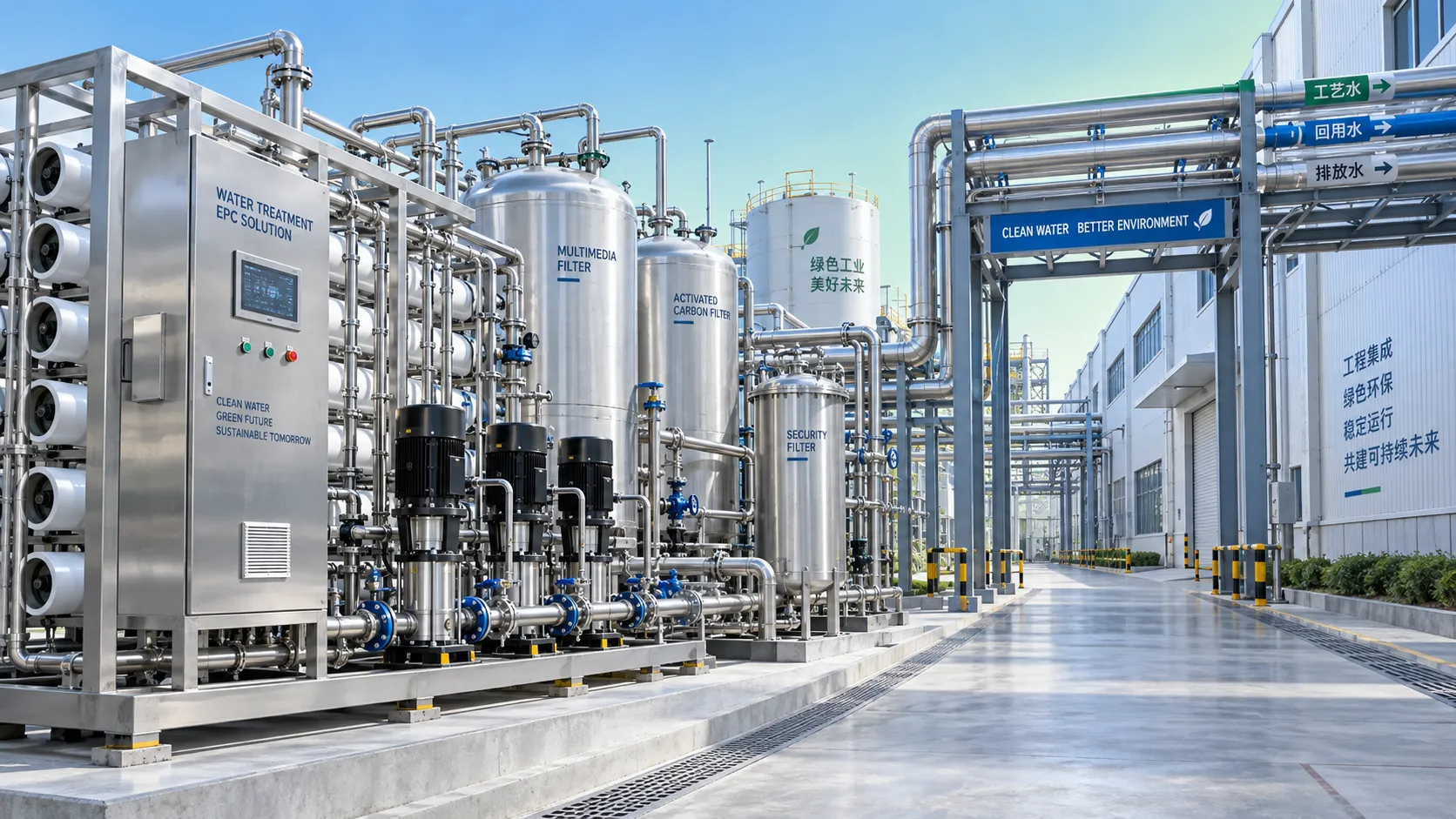
When does EPC environmental project support reduce delivery risk?
EPC environmental project support engineering reduces delivery risk by aligning design, procurement, compliance, construction, and commissioning decisions.
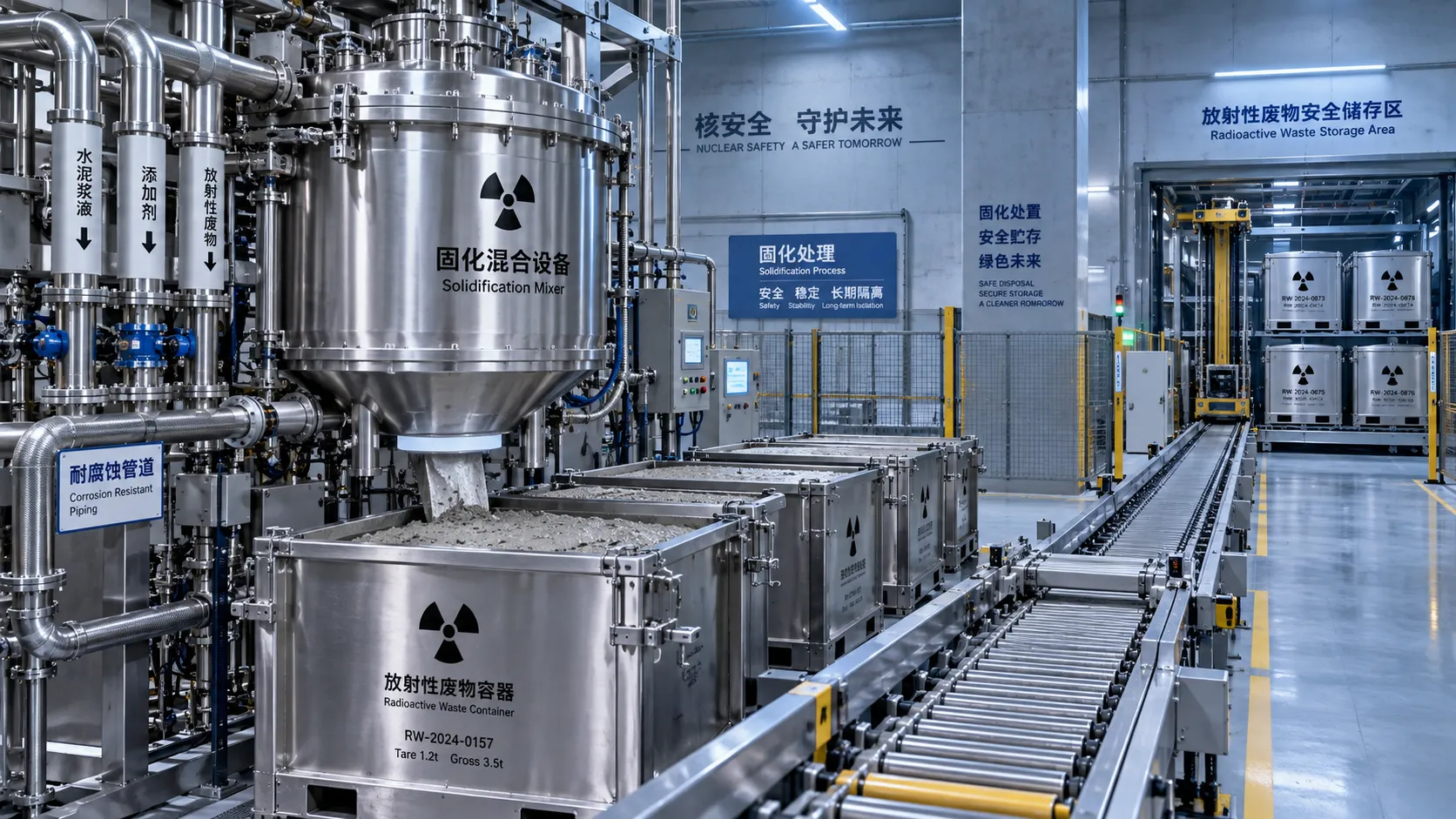
How nuclear plants select a radioactive waste solidification method
Radioactive waste management for nuclear plants: compare vitrification, cementation, polymers, and ceramics to select a compliant, durable solidification solution.
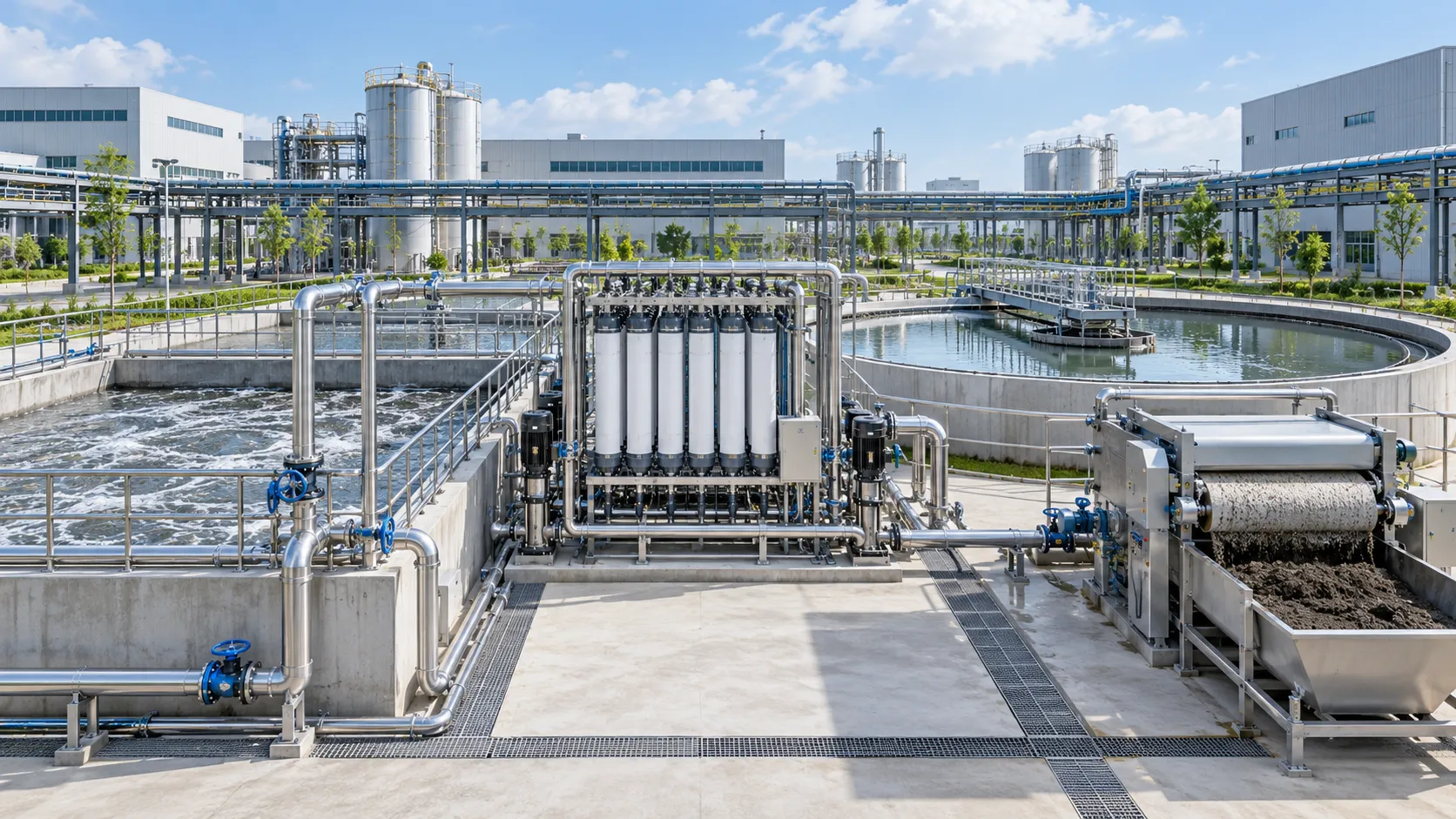
What Drives the Cost of Wastewater System Upgrades in Industrial Parks?
Costs of wastewater system upgrades in industrial parks: uncover key drivers from influent variability and civil works to sludge, energy, compliance, and lifecycle risk.
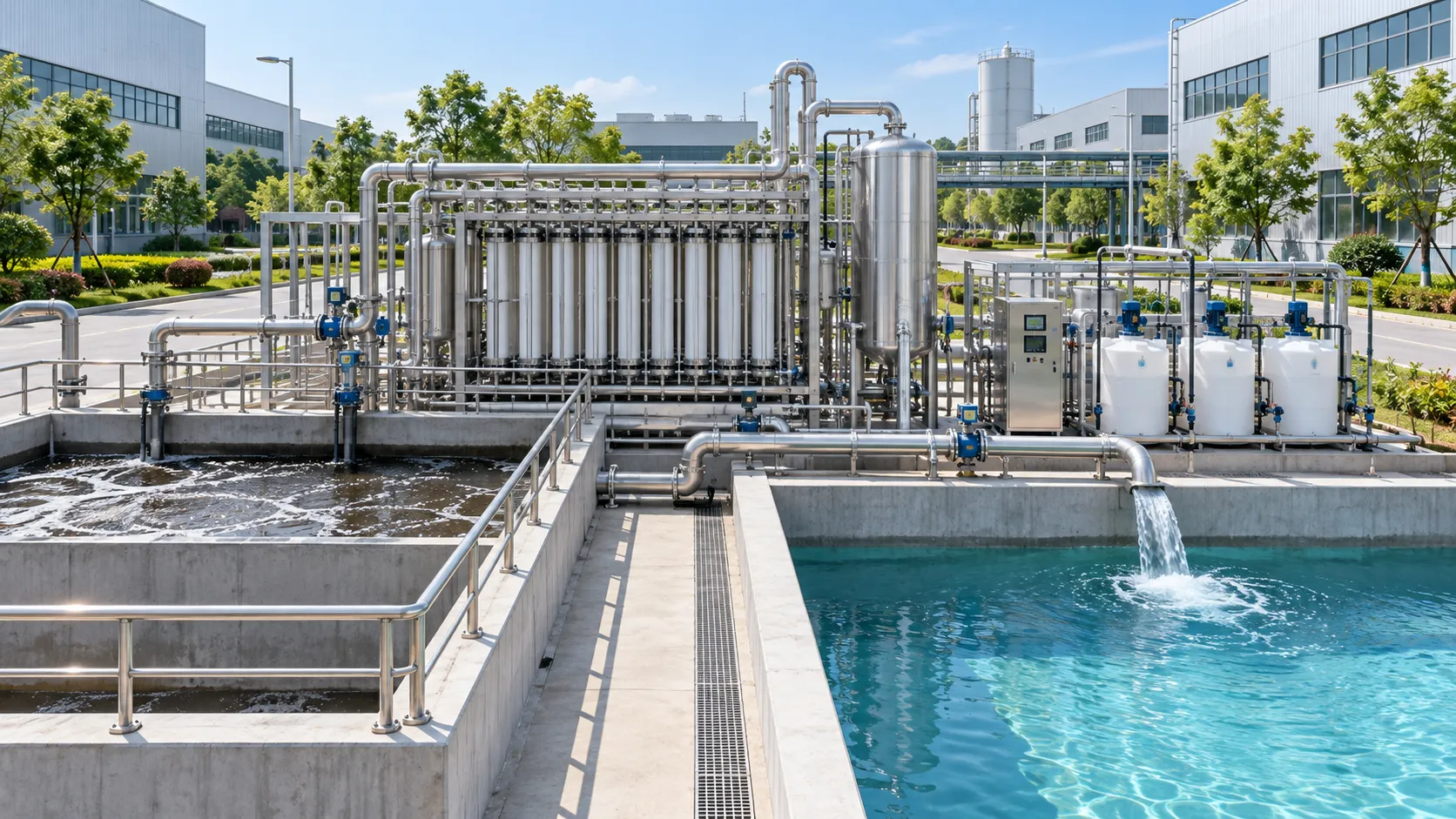
Comparing Upgrade Costs for Industrial Park Wastewater Treatment Systems
Compare costs for wastewater system upgrades in industrial parks with a lifecycle view of CAPEX, OPEX, compliance, resilience, and future expansion.
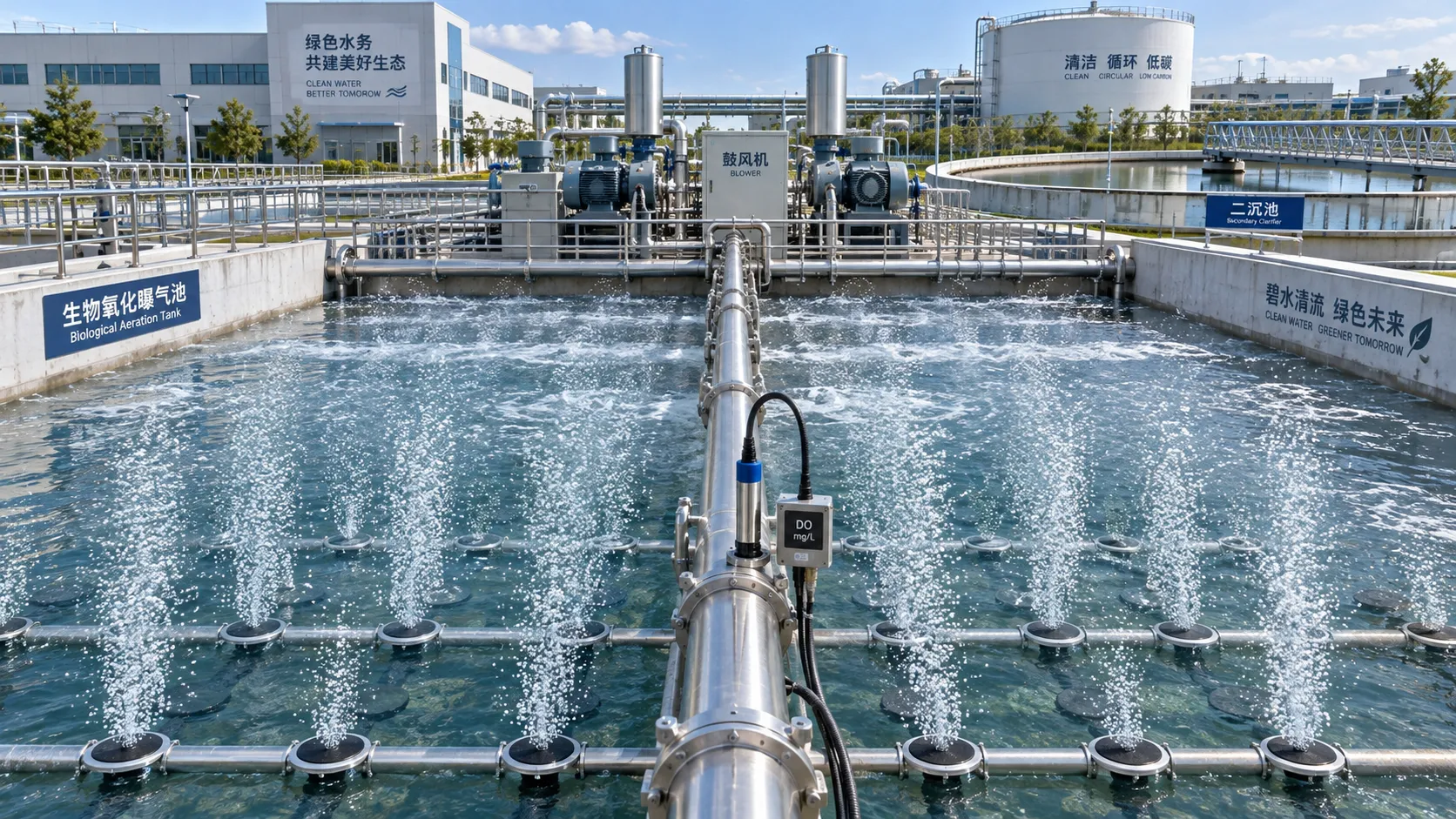
Biological Wastewater Oxidation Explained: Aeration Demand and Process Control
Biological wastewater oxidation explained: optimize aeration demand, DO control, nitrification, and sludge age for stable effluent quality and lower energy costs.
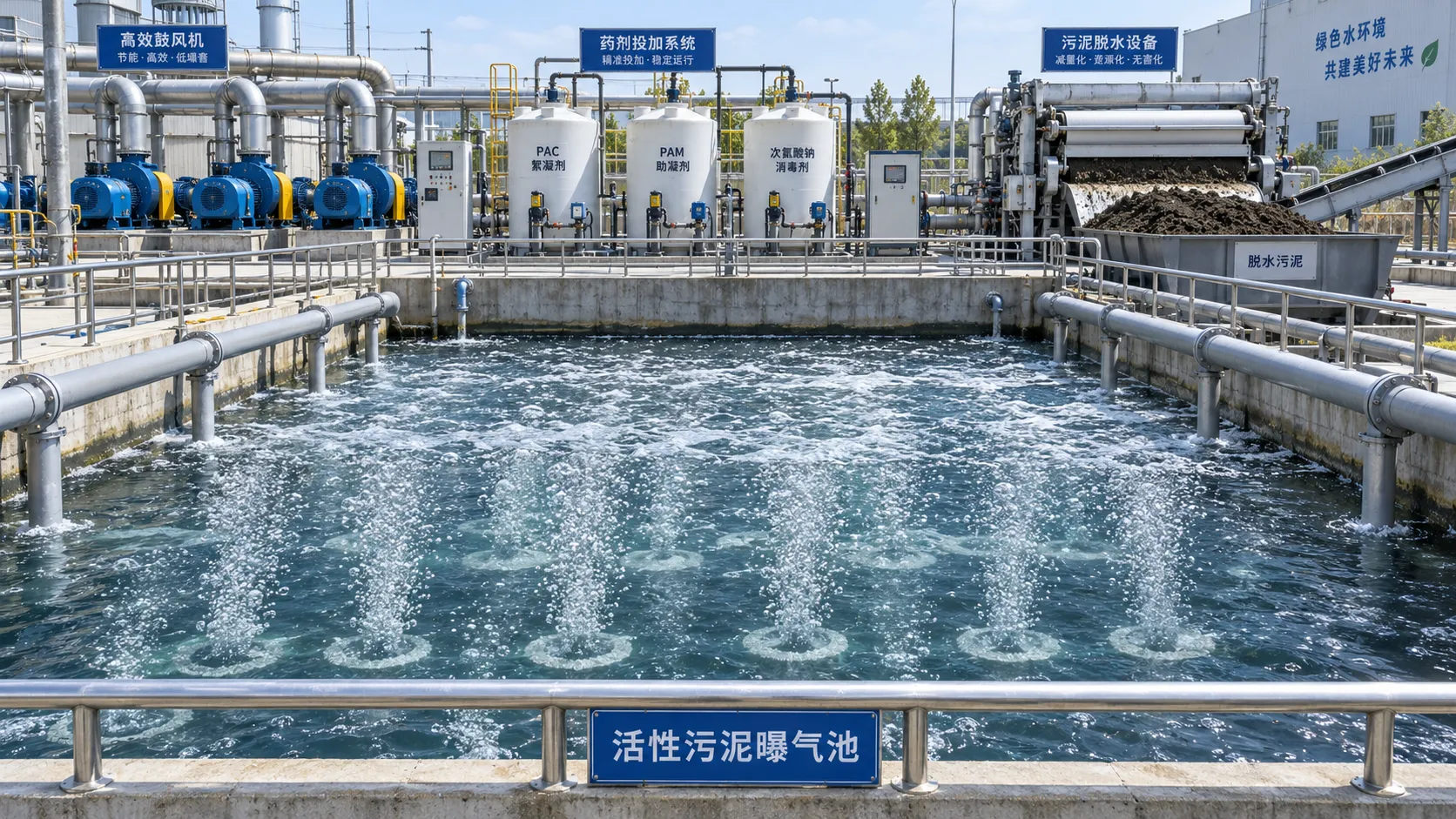
Activated Sludge Cost: Budgeting Energy, Chemicals, Sludge, and Labor
Activated sludge cost explained: compare energy, chemicals, sludge disposal, labor, and compliance risks to build a reliable lifecycle budget.