
Industry News
Curation by industry experts
Hot Articles
Popular Tags
Green Tech Applications in Wastewater Treatment Worth Piloting
Why green tech applications in wastewater treatment now deserve pilot attention
For plant operators and frontline teams, green tech applications in wastewater treatment have moved from theory into daily operational decision-making.
The strongest pilot candidates now target energy reduction, compliance resilience, water reuse, and sludge valorization in real plant conditions.
That matters across the broader environmental sector, where equipment intelligence, regulatory pressure, and carbon performance increasingly shape project value.
Well-designed pilots help verify whether a technology delivers measurable gains before wider capital deployment.
In this context, green tech applications in wastewater treatment are best judged by scenario fit, not by marketing claims.
Different treatment scenarios require different pilot logic
Not every facility should test the same upgrade first.
A municipal sewage plant, a food processing site, and a chemical complex face different influent variability, energy burdens, and discharge risks.
Some sites need lower aeration power.
Others need tighter nutrient removal, membrane reliability, or stronger recovery of water, heat, or biogas.
The value of green tech applications in wastewater treatment rises when pilot scope matches the site’s operational bottleneck.
A useful pilot should answer one practical question clearly: what problem can be solved faster, cleaner, and at lower lifecycle cost?
Scenario one: high-aeration biological systems seeking fast energy savings
Biological treatment often represents the largest electricity load in conventional wastewater facilities.
That makes smart aeration one of the most practical green tech applications in wastewater treatment worth piloting first.
What to test in this scenario
Pilot options include dissolved oxygen optimization, ammonia-based aeration control, blower sequencing, and fine-bubble diffuser performance tracking.
Digital controls can align oxygen supply with actual biological demand instead of fixed setpoints.
Core judgment points
- Daily load variation is high.
- Blower energy is a major operating cost.
- Effluent ammonia excursions create compliance pressure.
- Instrumentation quality is already acceptable or can be upgraded quickly.
In these conditions, green tech applications in wastewater treatment can produce visible results within one budgeting cycle.
Scenario two: membrane-based plants under fouling and recovery pressure
Membrane bioreactors, tertiary reuse systems, and advanced industrial treatment lines often struggle with fouling, cleaning frequency, and energy intensity.
Here, green tech applications in wastewater treatment should focus on membrane optimization rather than immediate full replacement.
What to test in this scenario
Promising pilots include low-chemical pretreatment, flux balancing, real-time transmembrane pressure analytics, and cleaning-in-place optimization.
In reuse projects, pilots may also examine polishing combinations with ultrafiltration, reverse osmosis, or activated carbon.
Core judgment points
- Cleaning costs are rising faster than throughput.
- Water reuse targets are becoming stricter.
- Downtime from fouling affects plant stability.
- Concentrate management is already under review.
For such plants, green tech applications in wastewater treatment should prove whether recovery and reliability improve together.
Scenario three: sludge-heavy facilities looking for resource recovery
Some facilities cannot unlock meaningful sustainability gains from the liquid line alone.
If sludge handling drives hauling costs, odor risk, or disposal complexity, resource recovery pilots become more strategic.
What to test in this scenario
Viable green tech applications in wastewater treatment include anaerobic digestion upgrades, co-digestion trials, biogas cleanup, sludge drying improvement, and phosphorus recovery.
In selected industrial parks, thermal conversion pilots may also be relevant.
Core judgment points
- Sludge volumes are rising.
- Disposal routes face regulatory tightening.
- Digesters are underperforming or underloaded.
- On-site energy demand can absorb recovered biogas or heat.
This scenario links wastewater treatment with circular economy value, which is increasingly important in integrated environmental infrastructure.
Scenario four: industrial sites facing water reuse and ZLD pressure
High-concentration industrial wastewater creates a different decision environment.
The key challenge is often not simple pollutant removal, but stable reuse under variable chemistry and harsher compliance limits.
What to test in this scenario
Pilot candidates include advanced oxidation, selective ion removal, brine concentration control, heat integration, and staged ZLD optimization.
These green tech applications in wastewater treatment should be assessed through total water balance and energy balance together.
Core judgment points
- Freshwater supply is costly or constrained.
- Effluent limits are tightening quickly.
- Wastewater composition shifts by batch or season.
- Evaporation or crystallization costs need reduction.
How scenario needs differ across wastewater treatment environments
Practical recommendations for selecting the right pilot
The best green tech applications in wastewater treatment usually begin with operational pain points that already have measurable data.
- Start with one unit process, not the whole plant.
- Set baseline data for energy, chemicals, compliance, and downtime.
- Choose a pilot window that captures load variability.
- Define stop or scale criteria before testing begins.
- Track both process performance and operator workload.
- Include maintenance implications in the evaluation model.
This structured approach prevents attractive technologies from being tested in the wrong operating context.
Common misjudgments that weaken wastewater technology pilots
One common mistake is selecting green tech applications in wastewater treatment only for headline sustainability value.
If instrumentation is poor, staffing is limited, or upstream variability is unmanaged, even strong technologies can appear to fail.
Another mistake is measuring only removal efficiency.
Pilots should also compare resilience, cleaning intervals, sludge impacts, carbon intensity, and lifecycle economics.
A third oversight is ignoring integration.
A successful pilot may depend on controls, pretreatment, or downstream handling more than on the core equipment itself.
Next steps for piloting green tech applications in wastewater treatment
A strong next step is to rank plant bottlenecks by cost, compliance risk, and recovery potential.
Then match each bottleneck to a short list of green tech applications in wastewater treatment with clear technical fit.
Use pilot design to answer operational questions, not just technical curiosity.
Across municipal and industrial environments, the most valuable pilots are practical, measurable, and integration-aware.
When chosen by scenario, green tech applications in wastewater treatment can strengthen compliance, reduce resource intensity, and support more intelligent environmental infrastructure decisions.
Recommended News
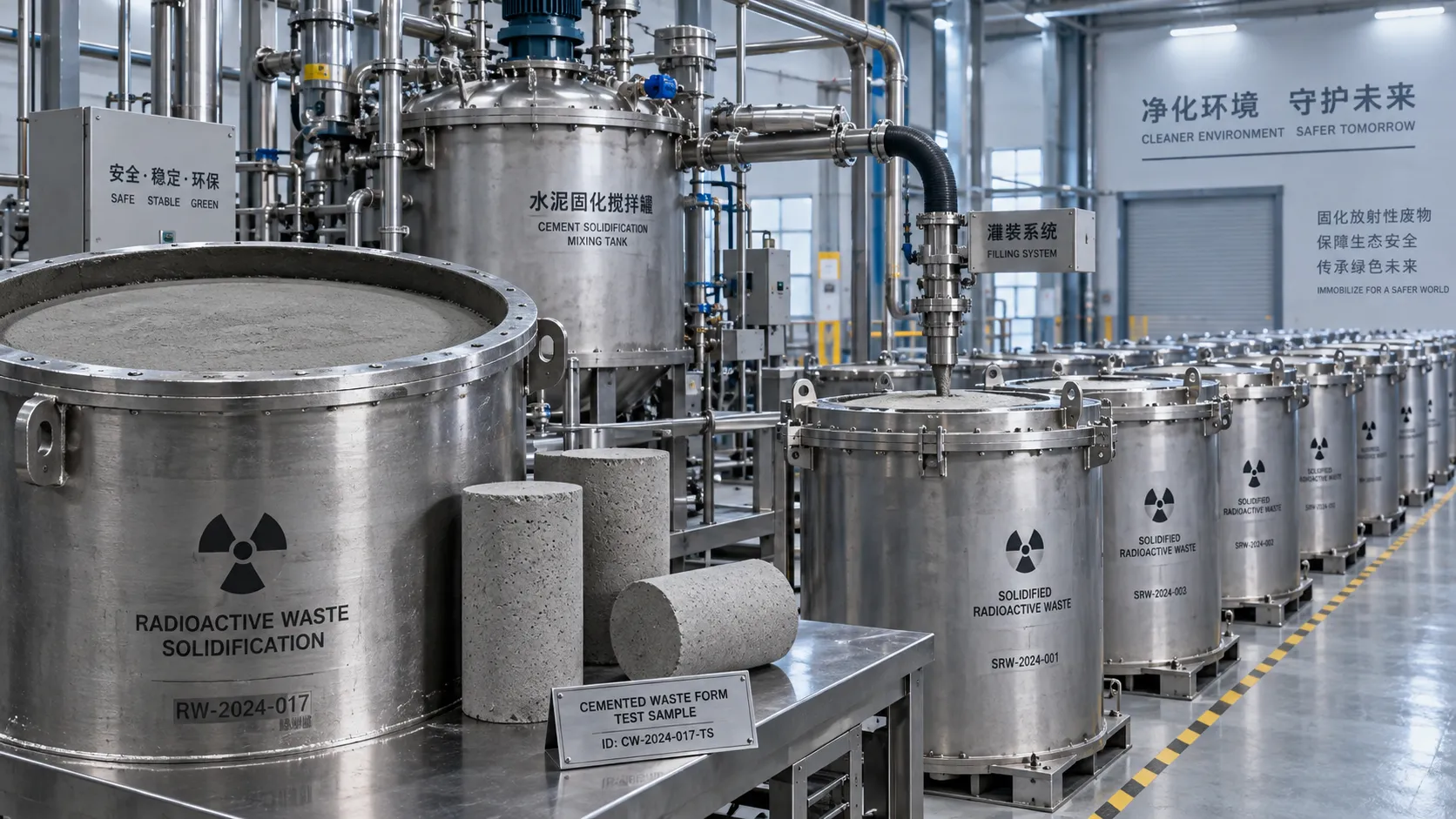
When is cementation suitable for nuclear decommissioning waste?
Explore nuclear waste treatment technology for decommissioning: learn when cementation fits, which risks to assess, and how disposal criteria guide an effective treatment choice.
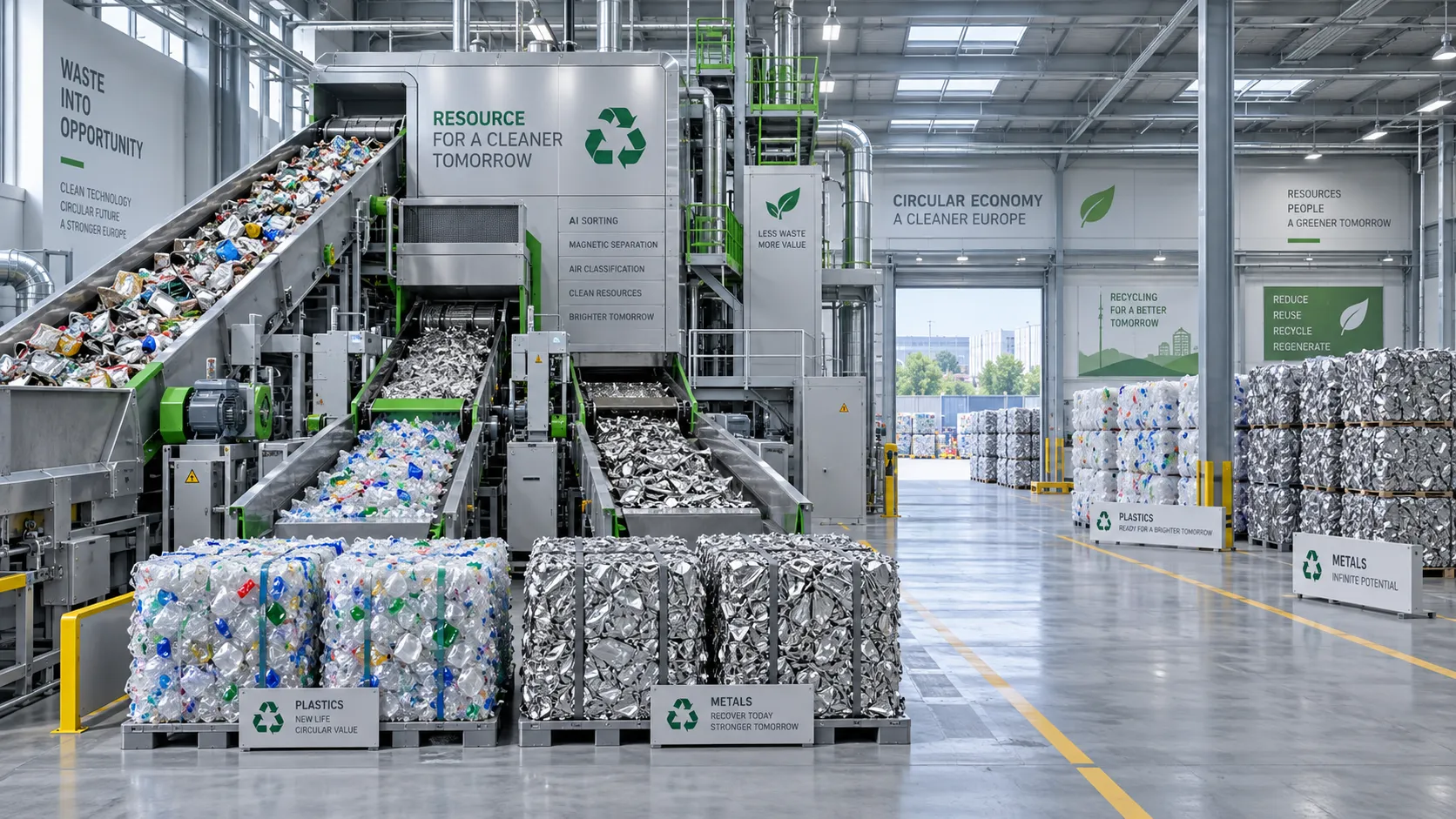
What determines payback for waste-to-resource systems in Europe?
Assess waste-to-resource systems Europe-wide: compare feedstock, recovery yields, costs and contracts to uncover payback drivers and make smarter investment decisions.
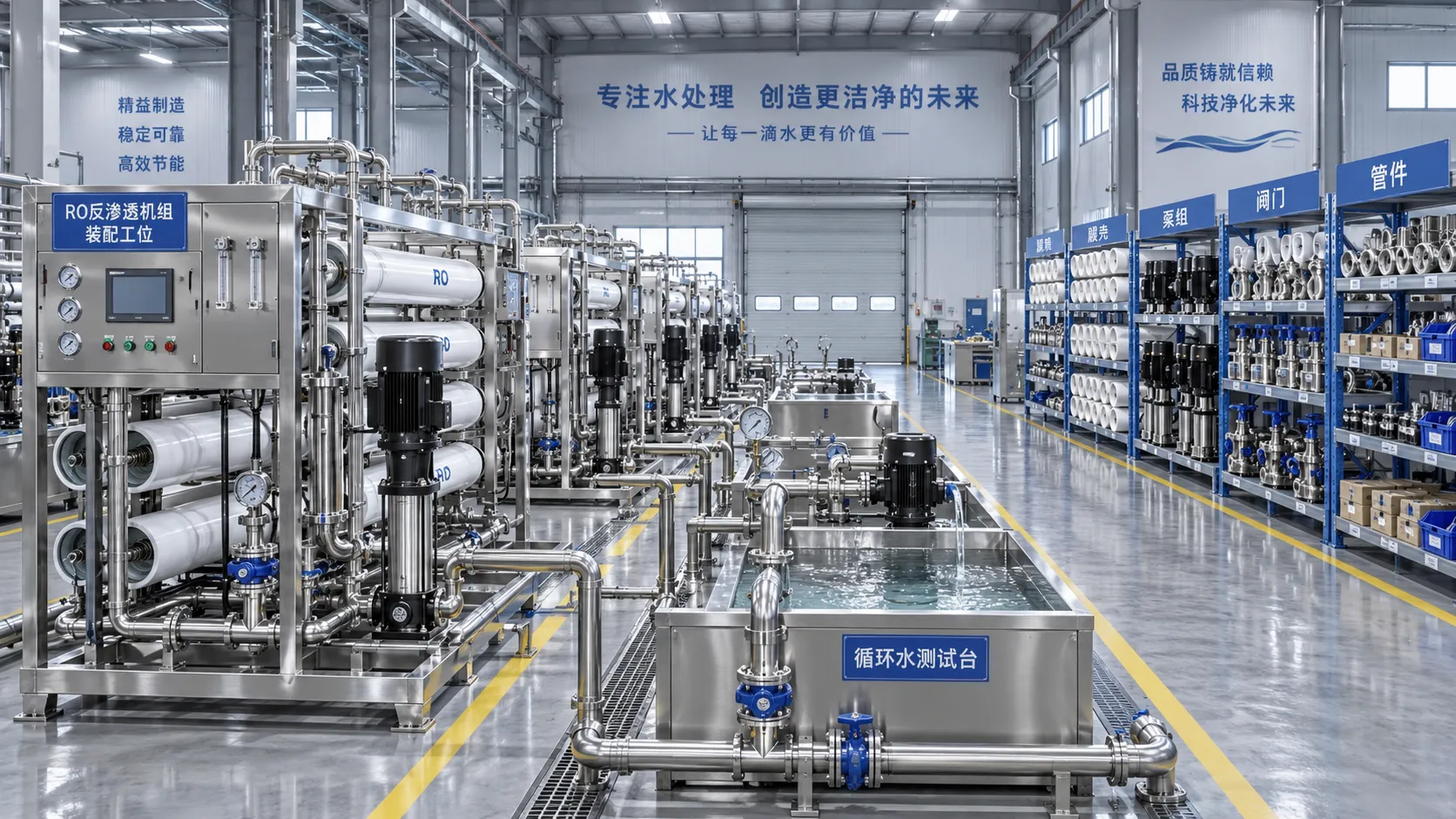
How to verify a water treatment system factory’s production capacity
Verify a water treatment systems factory’s production capacity through records, bottlenecks, component availability, and testing. Learn what to check before accepting a delivery promise.
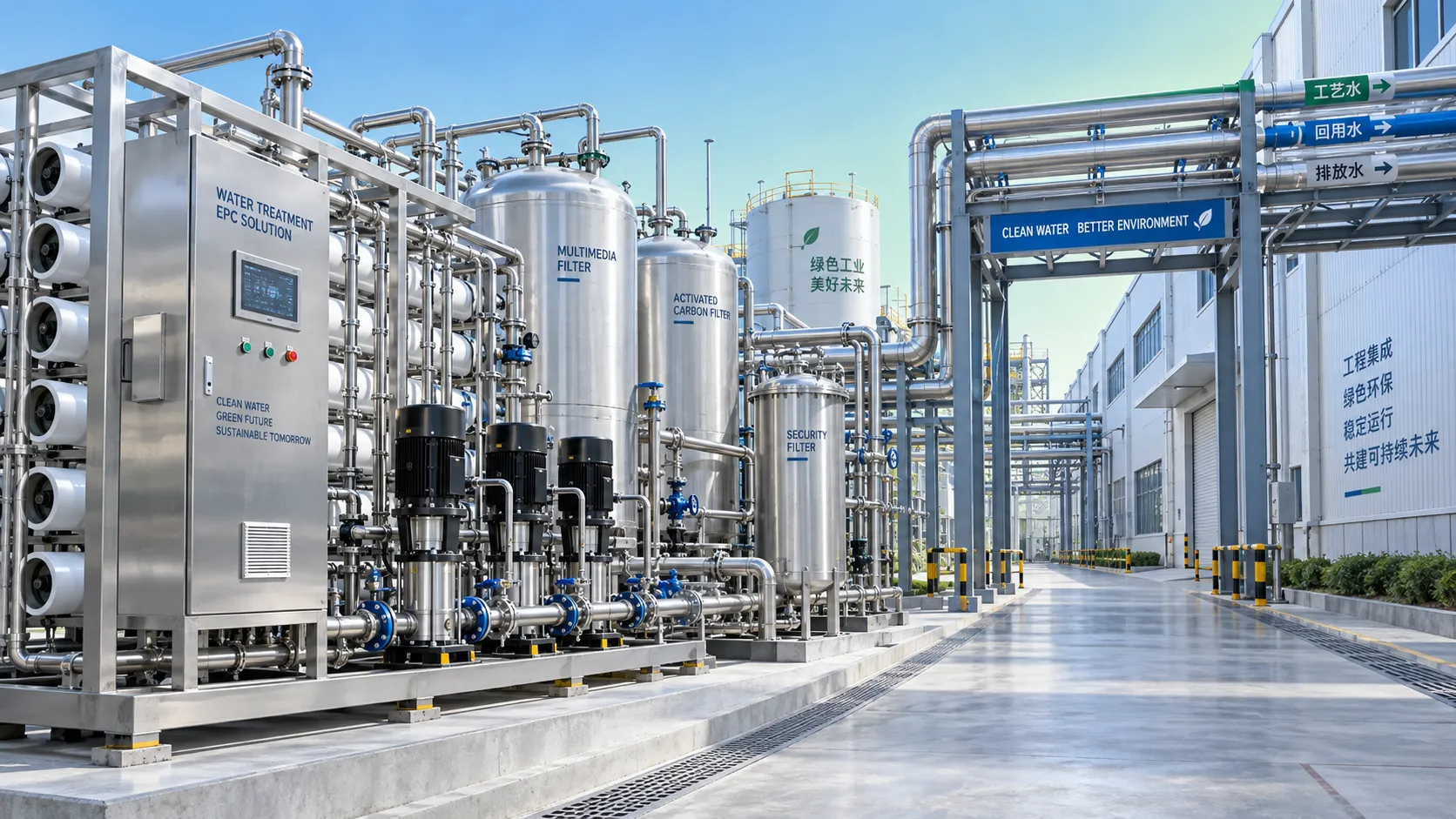
When does EPC environmental project support reduce delivery risk?
EPC environmental project support engineering reduces delivery risk by aligning design, procurement, compliance, construction, and commissioning decisions.
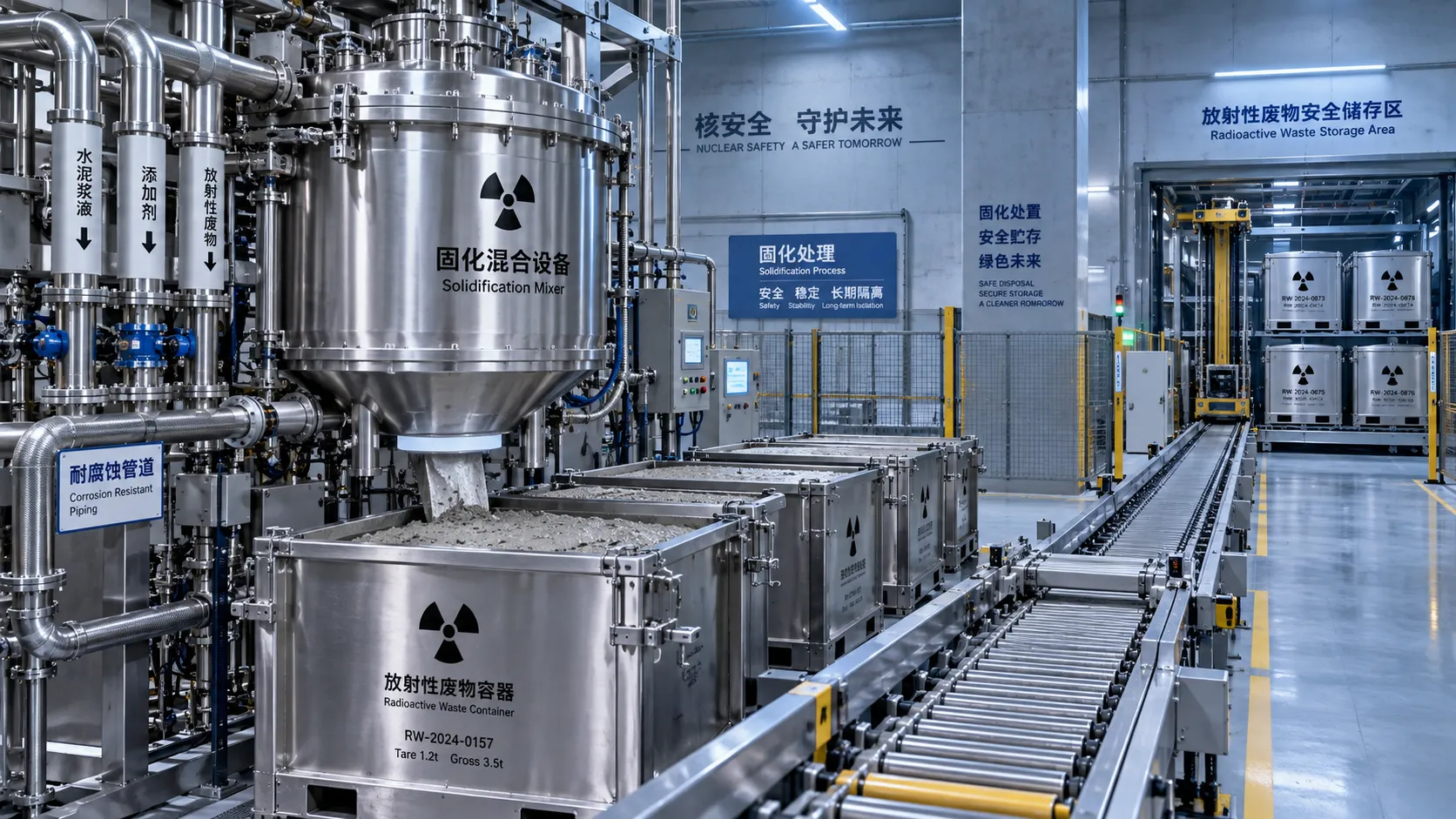
How nuclear plants select a radioactive waste solidification method
Radioactive waste management for nuclear plants: compare vitrification, cementation, polymers, and ceramics to select a compliant, durable solidification solution.
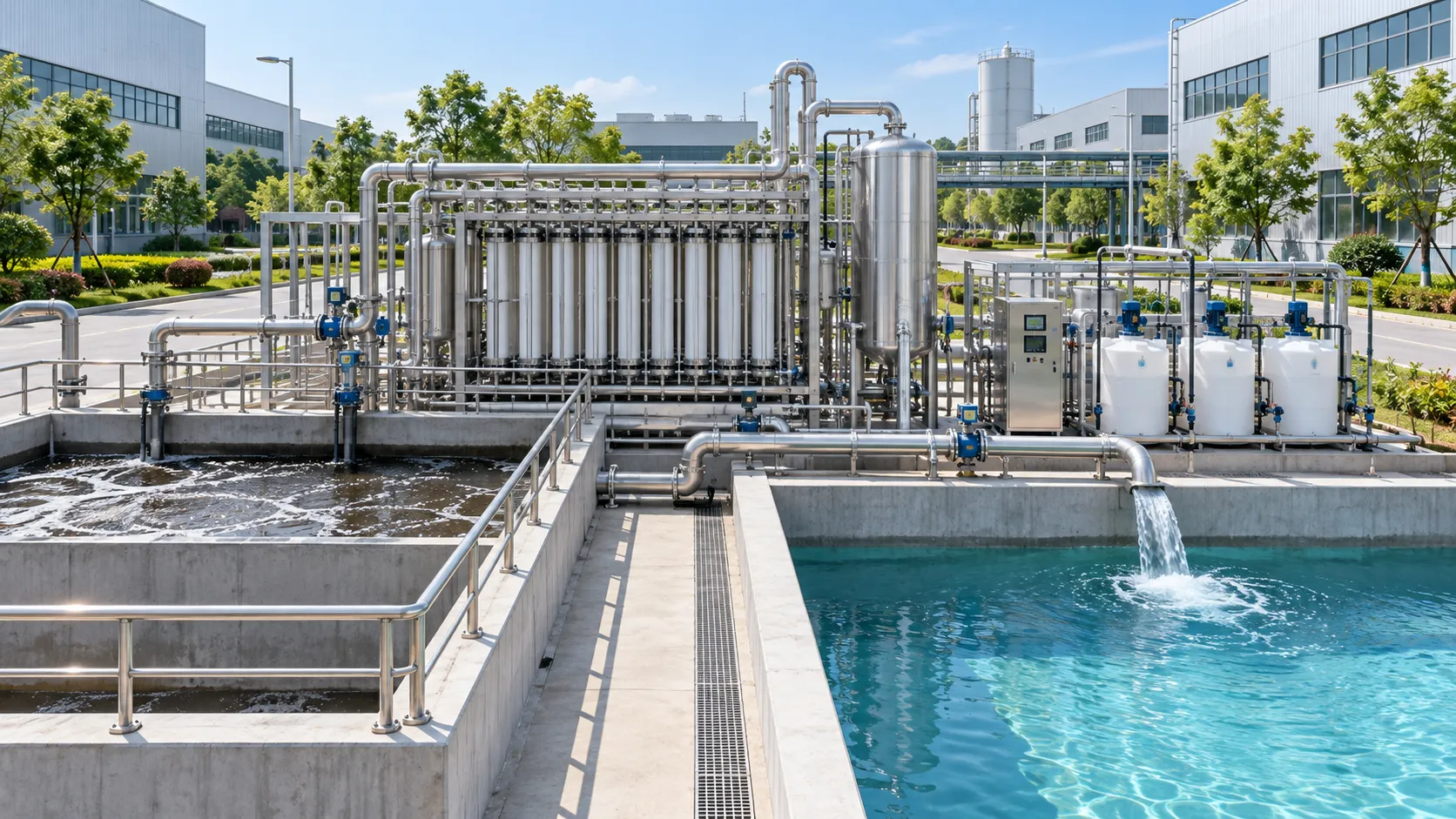
Comparing Upgrade Costs for Industrial Park Wastewater Treatment Systems
Compare costs for wastewater system upgrades in industrial parks with a lifecycle view of CAPEX, OPEX, compliance, resilience, and future expansion.
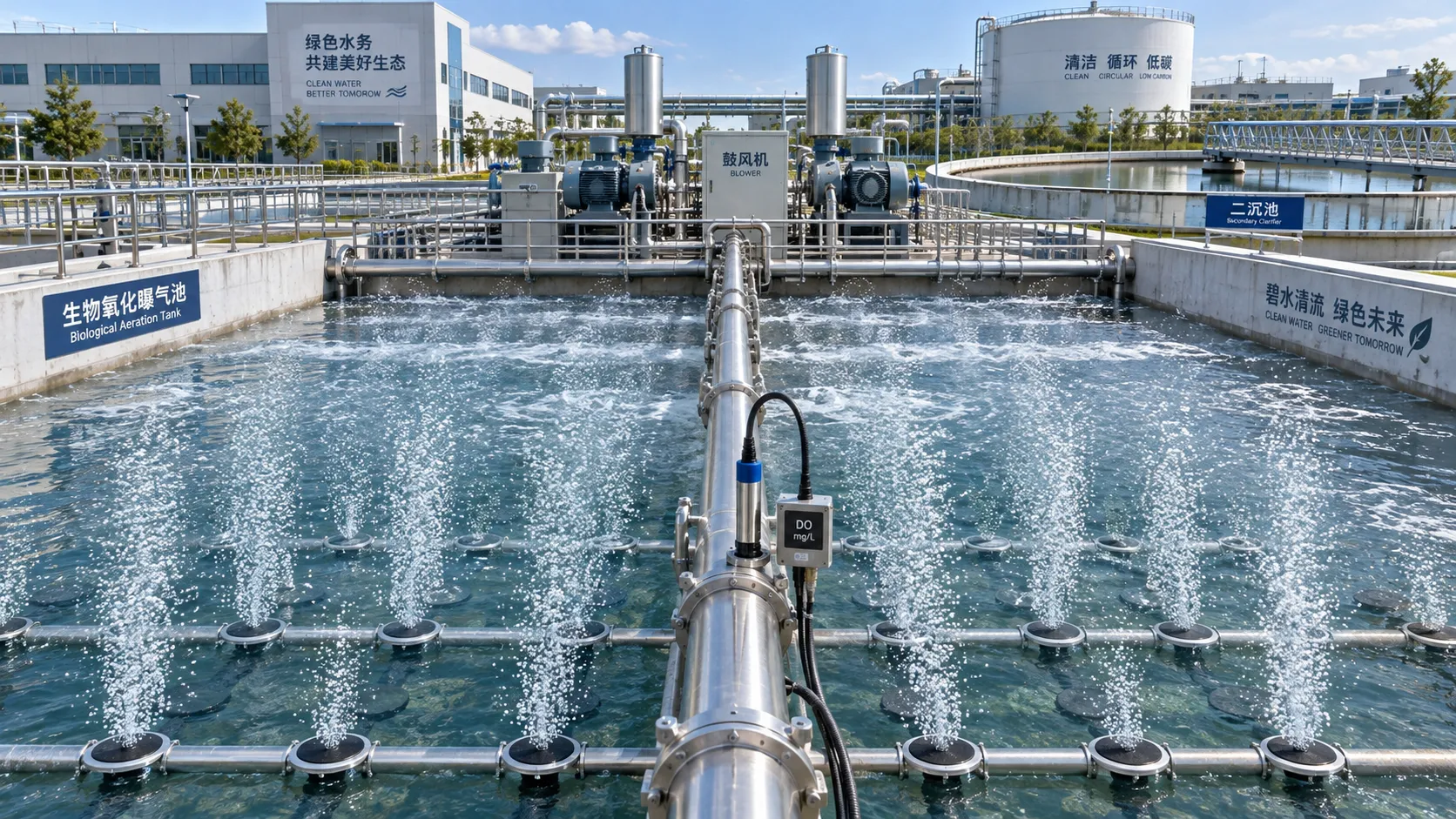
Biological Wastewater Oxidation Explained: Aeration Demand and Process Control
Biological wastewater oxidation explained: optimize aeration demand, DO control, nitrification, and sludge age for stable effluent quality and lower energy costs.
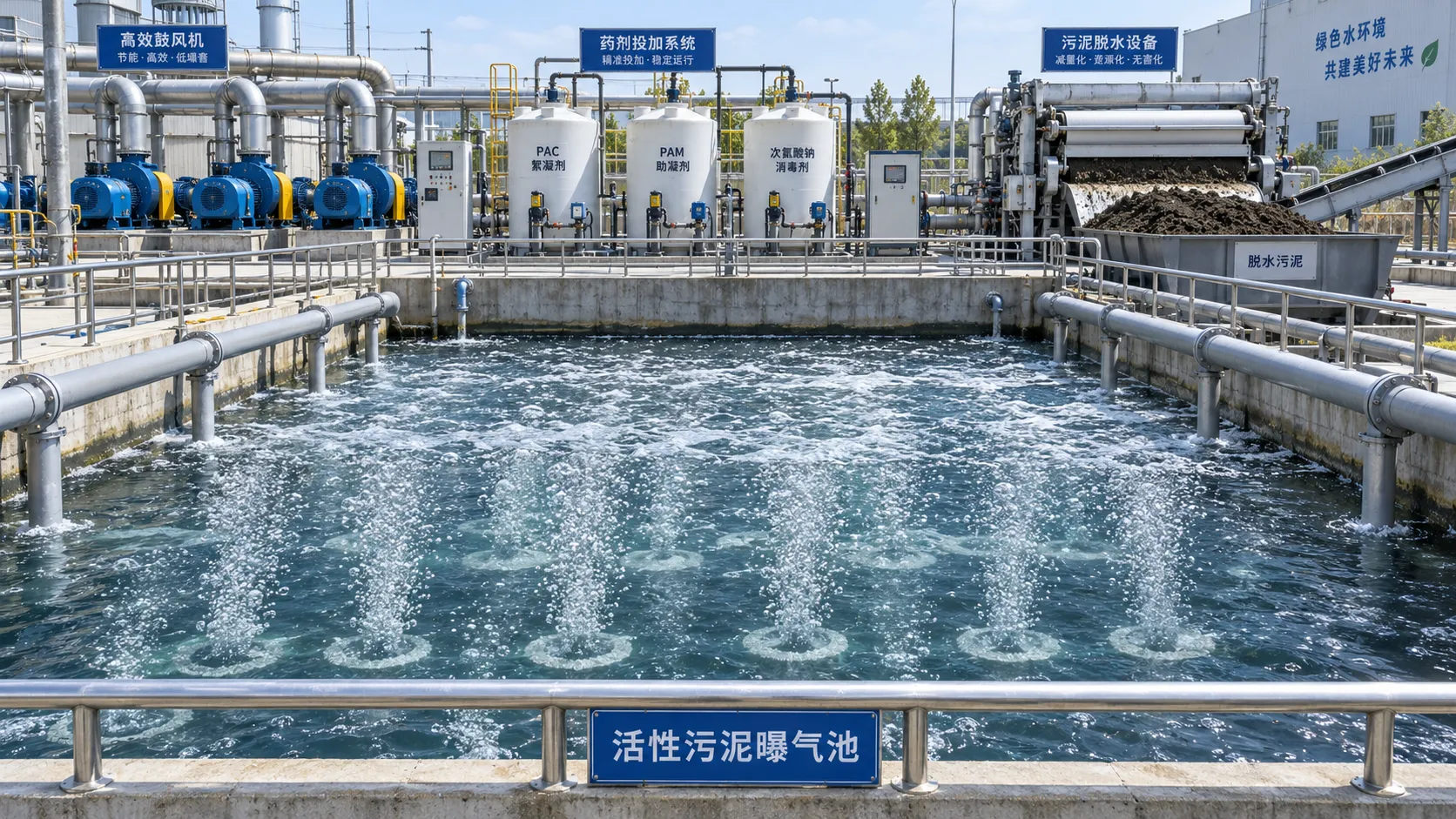
Activated Sludge Cost: Budgeting Energy, Chemicals, Sludge, and Labor
Activated sludge cost explained: compare energy, chemicals, sludge disposal, labor, and compliance risks to build a reliable lifecycle budget.
When Should Municipal Wastewater Plants Upgrade Treatment Capacity and Controls?
Municipal wastewater treatment upgrades: learn when capacity, controls, and resilient planning are needed to protect compliance and optimize plant performance.