
Industry News
Curation by industry experts
Hot Articles
Popular Tags
EPC Environmental Models: Cost, Risk, and Delivery Trade-Offs
In complex treatment infrastructure, EPC environmental models are never just legal packaging. They shape who carries design uncertainty, who absorbs market volatility, and how quickly a facility moves from approval to stable performance.
That matters more now because environmental projects face tighter discharge limits, tougher carbon scrutiny, and wider technology integration demands. A procurement choice made early can influence lifecycle economics for years.
Across water treatment, waste recovery, flue gas control, desalination, and nuclear waste systems, delivery structure often decides whether technical ambition remains bankable and buildable.
Why EPC environmental models have become a strategic decision
Environmental facilities are increasingly engineered around extreme operating conditions. High salinity brines, unstable waste streams, low-temperature catalyst behavior, and radioactive containment requirements leave little room for contractual ambiguity.
At the same time, project economics have changed. Interest rates, imported equipment costs, localization rules, and compliance updates can all alter the commercial logic of a project after tender release.
In this setting, EPC environmental delivery choices affect three outcomes at once: capital predictability, operational reliability, and schedule confidence.
This is why intelligence-led platforms such as ESD increasingly matter. Market signals, regulation shifts, and equipment evolution now need to inform contract strategy, not just technical specification.
What the model really covers beyond engineering, procurement, and construction
The basic EPC concept sounds straightforward. One contractor takes integrated responsibility for design, procurement, and construction, usually with performance obligations and a committed delivery path.
In practice, EPC environmental projects vary widely. Some are fixed-price turnkey packages. Others include owner-supplied process equipment, split technology responsibility, or phased commissioning risk.
The key question is not whether a contract is labeled EPC. The real issue is how risk is allocated across process performance, interface management, permitting, supply chain exposure, and handover acceptance.
A desalination plant with membrane trains, energy recovery devices, and intake systems differs sharply from a waste-to-resource line using pyrolysis and AI sorting. The contract form must reflect that reality.
Cost trade-offs are broader than headline capex
One common mistake is comparing EPC environmental options only by initial contract value. The cheaper bid can become the more expensive project when energy use, reagent consumption, downtime, and redesign are counted.
A tighter EPC wrap usually carries a premium. That premium buys integration discipline, single-point accountability, and often fewer owner-side coordination costs.
A looser package can lower entry cost, especially when the owner has strong technical capability or preferred vendors. But savings disappear quickly if interfaces are poorly controlled.
Where power consumption dominates economics, as in SWRO desalination or ZLD systems, lifecycle modeling should outrank low bid instincts.
Risk allocation is where good EPC environmental planning shows its value
Environmental projects fail less often from a single catastrophic error than from stacked uncertainties. Feedwater quality drifts. Waste composition changes. Permits are revised. Civil interfaces lag equipment delivery.
A strong EPC environmental structure identifies which party can actually manage each risk. That sounds obvious, but many contracts still transfer risk without transferring control.
Technology guarantees are a classic example. If a contractor guarantees effluent quality but does not control influent variability assumptions, disputes are almost guaranteed.
The same applies to flue gas systems, where sulfur load, temperature windows, and upstream process stability affect FGD and SCR performance. Contract wording must match real operating envelopes.
Risk areas that deserve early attention
- Feedstock or influent variability versus guaranteed treatment output
- Technology maturity, especially for emerging recovery or vitrification systems
- Imported equipment lead times and customs disruption
- Grid, utilities, and tie-in dependencies outside contractor control
- Regulatory change during design or commissioning
Delivery speed is not the same as delivery certainty
Fast-track procurement can look attractive where compliance deadlines are hard. Yet compressed schedules often hide fragile assumptions about engineering release dates, equipment approvals, and site readiness.
A mature EPC environmental model improves certainty when design, purchasing, and construction sequencing are integrated early. It does not automatically make the project faster, but it usually reduces rework.
This difference becomes critical in large water treatment and desalination projects. Intake structures, pretreatment trains, membrane systems, and brine handling cannot be optimized in isolation.
In solid waste recovery systems, delivery risk often sits in commissioning more than erection. Throughput, sorting accuracy, and residue quality may require months of tuning after mechanical completion.
How the right model changes by project type
There is no universal best structure for EPC environmental work. The right choice depends on process complexity, owner capability, technology novelty, and compliance sensitivity.
ESD’s industry lens is useful here because these sectors do not evolve at the same pace. Membrane science, catalyst kinetics, and nuclear containment standards create different delivery logics.
What should be tested before locking the contract
A sound decision usually starts with a sharper definition of process boundaries. If performance criteria are vague, no contract structure will fully protect cost or schedule.
Commercial teams often focus on price form, while technical teams focus on treatment targets. The stronger approach connects both through measurable acceptance logic.
Useful checkpoints before award
- Define influent, feedstock, or emissions assumptions with realistic ranges
- Separate guaranteed values from aspirational design targets
- Map owner-supplied items and every critical interface
- Stress-test delivery against long-lead equipment scenarios
- Check whether local permitting paths align with the construction sequence
- Model operating cost under off-design conditions, not only nameplate conditions
This is also where external intelligence adds value. Regulatory movement, CBAM pressure, and regional equipment demand can all affect bid realism.
Why market intelligence now belongs inside delivery planning
The old assumption was simple: finalize scope, tender the job, manage execution. That sequence is weaker today because market and policy conditions can move faster than project cycles.
For EPC environmental projects, intelligence on membrane supply, catalyst performance, recycled material recovery economics, or nuclear waste handling standards can change the preferred model itself.
That is especially visible in billion-dollar government programs, where bidding authority depends not only on price discipline but also on the credibility of technical and compliance assumptions.
ESD’s cross-sector perspective highlights a practical point: delivery choices should be informed by technology trajectory, not only by current vendor proposals.
A practical way to move forward
The most effective next step is usually not choosing the cheapest or most comprehensive contract on instinct. It is building a decision matrix around cost certainty, process risk, interface density, and operational consequences.
From there, compare delivery models against actual project conditions: feed variability, compliance exposure, long-lead equipment dependence, and the realism of performance testing.
For any EPC environmental strategy, the winning structure is the one that aligns contractual responsibility with technical control. When that alignment is clear, cost, risk, and delivery trade-offs become manageable rather than reactive.
A careful review of assumptions, interfaces, and lifecycle outcomes will usually reveal whether a full wrap, hybrid approach, or phased package is the better fit before procurement locks the path.
Recommended News
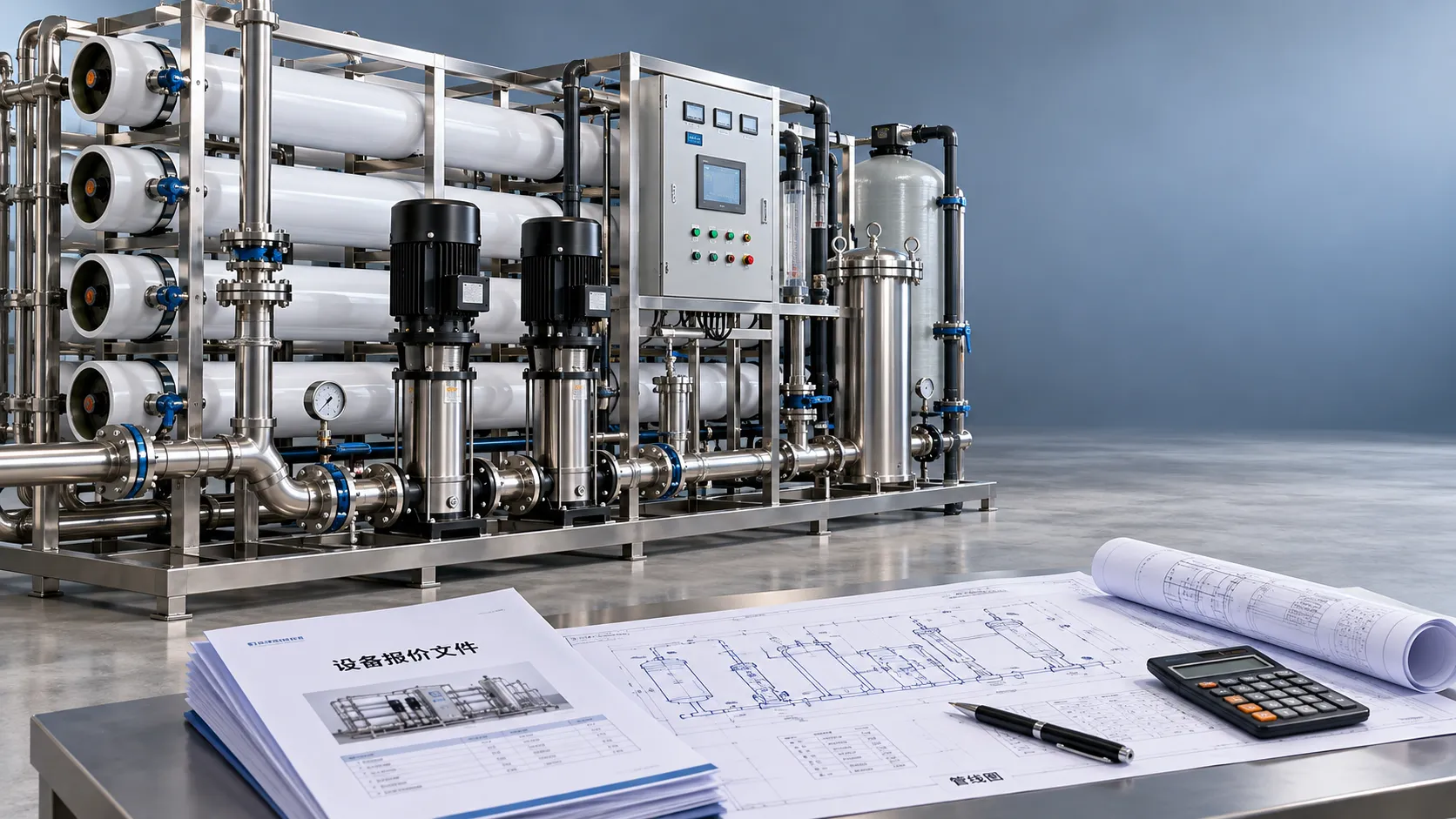
How to check a water treatment quotation for hidden project costs
Review your water treatment quotation for hidden costs, scope gaps, and operating expenses. Learn what to check before signing to protect your budget and avoid costly surprises.

How to vet ingredient processing equipment manufacturers using trials
Vet ingredient processing equipment manufacturers with real-world trials. Learn how to verify yield, cleaning, energy use, and scale-up before you invest.
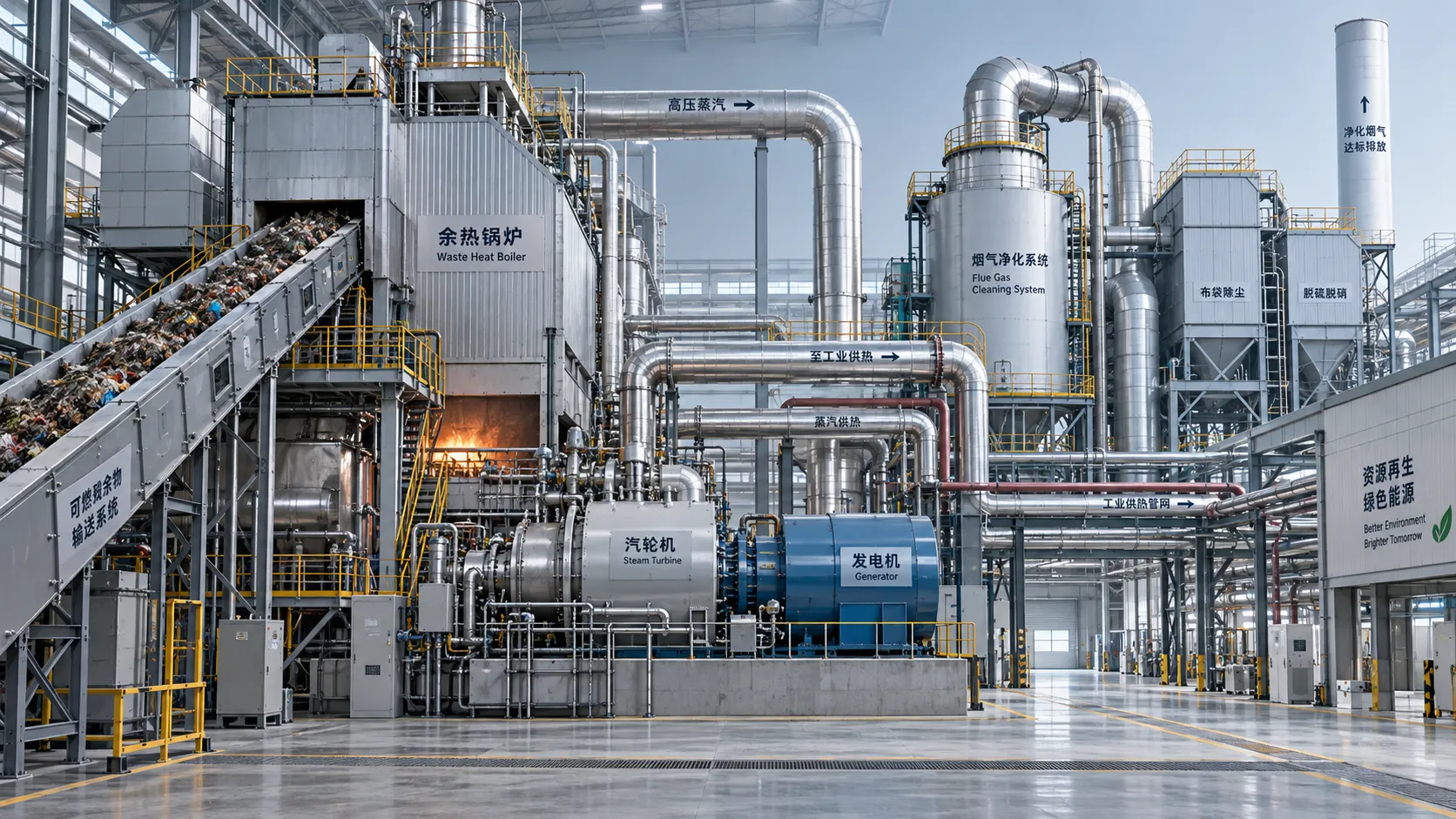
When is energy recovery viable in the solid waste recovery process?
When is energy recovery viable in the solid waste recovery process? Explore feedstock quality, net energy, emissions, and costs to assess feasibility and make smarter investment decisions.
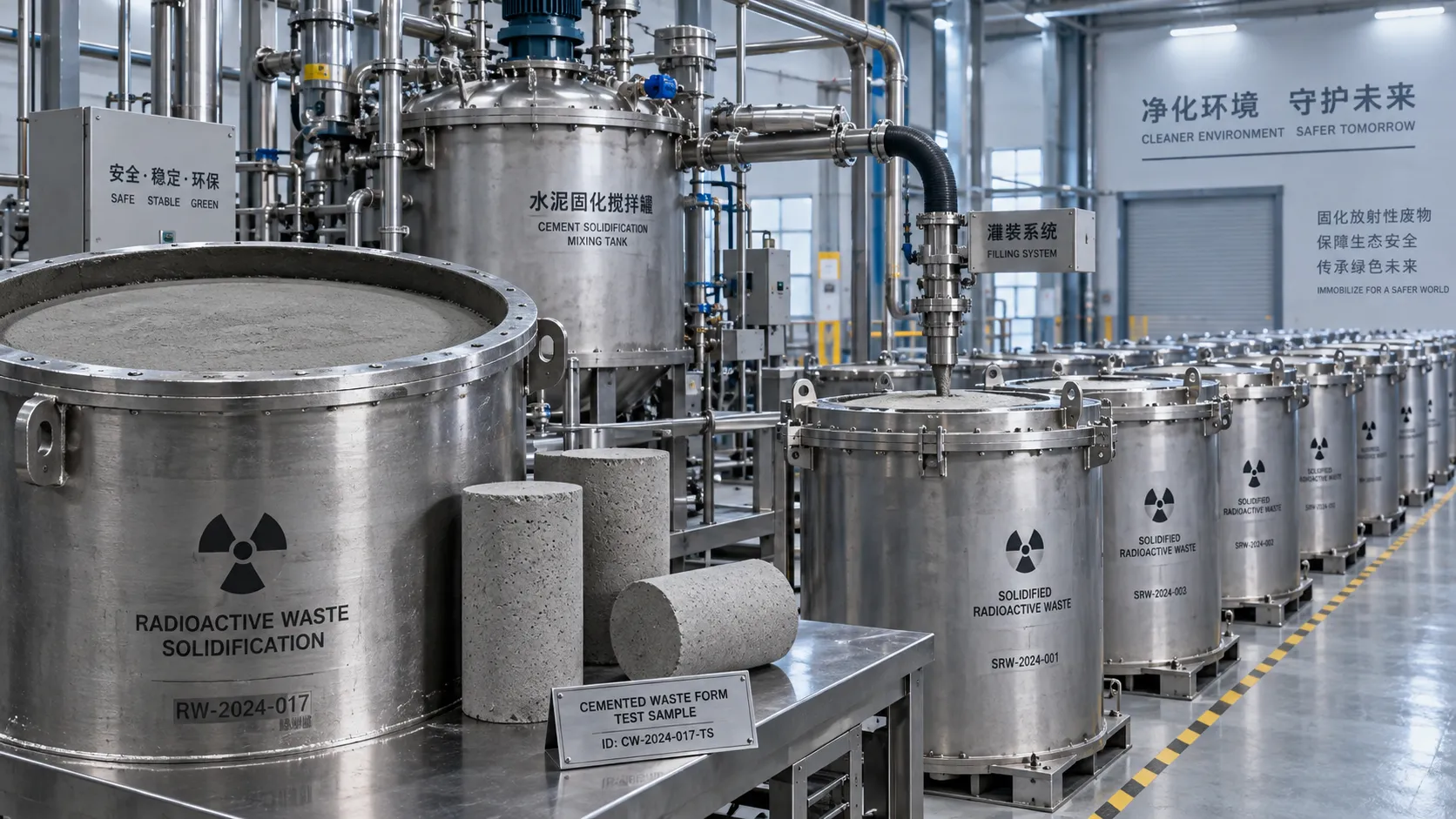
When is cementation suitable for nuclear decommissioning waste?
Explore nuclear waste treatment technology for decommissioning: learn when cementation fits, which risks to assess, and how disposal criteria guide an effective treatment choice.
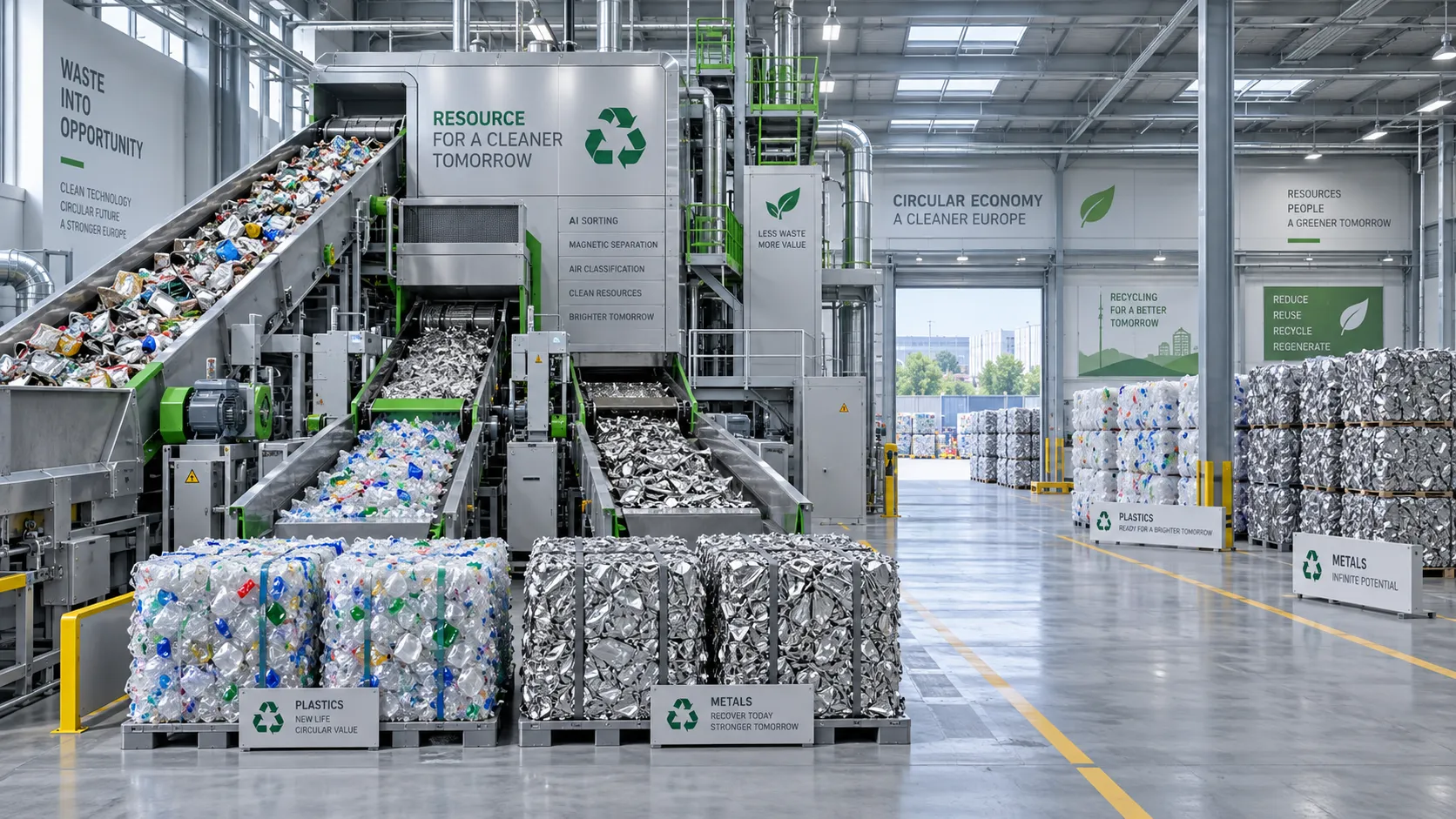
What determines payback for waste-to-resource systems in Europe?
Assess waste-to-resource systems Europe-wide: compare feedstock, recovery yields, costs and contracts to uncover payback drivers and make smarter investment decisions.
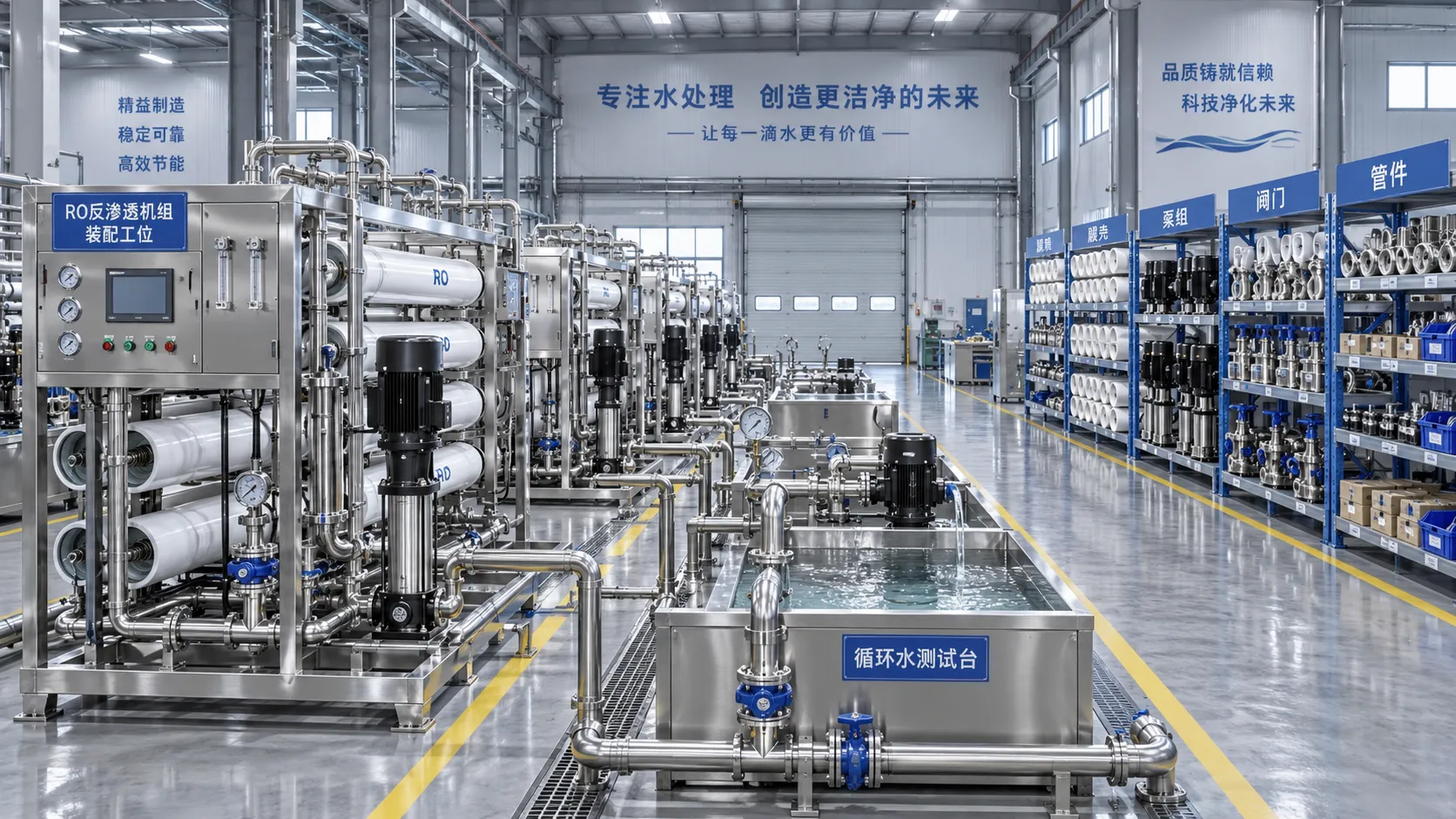
How to verify a water treatment system factory’s production capacity
Verify a water treatment systems factory’s production capacity through records, bottlenecks, component availability, and testing. Learn what to check before accepting a delivery promise.
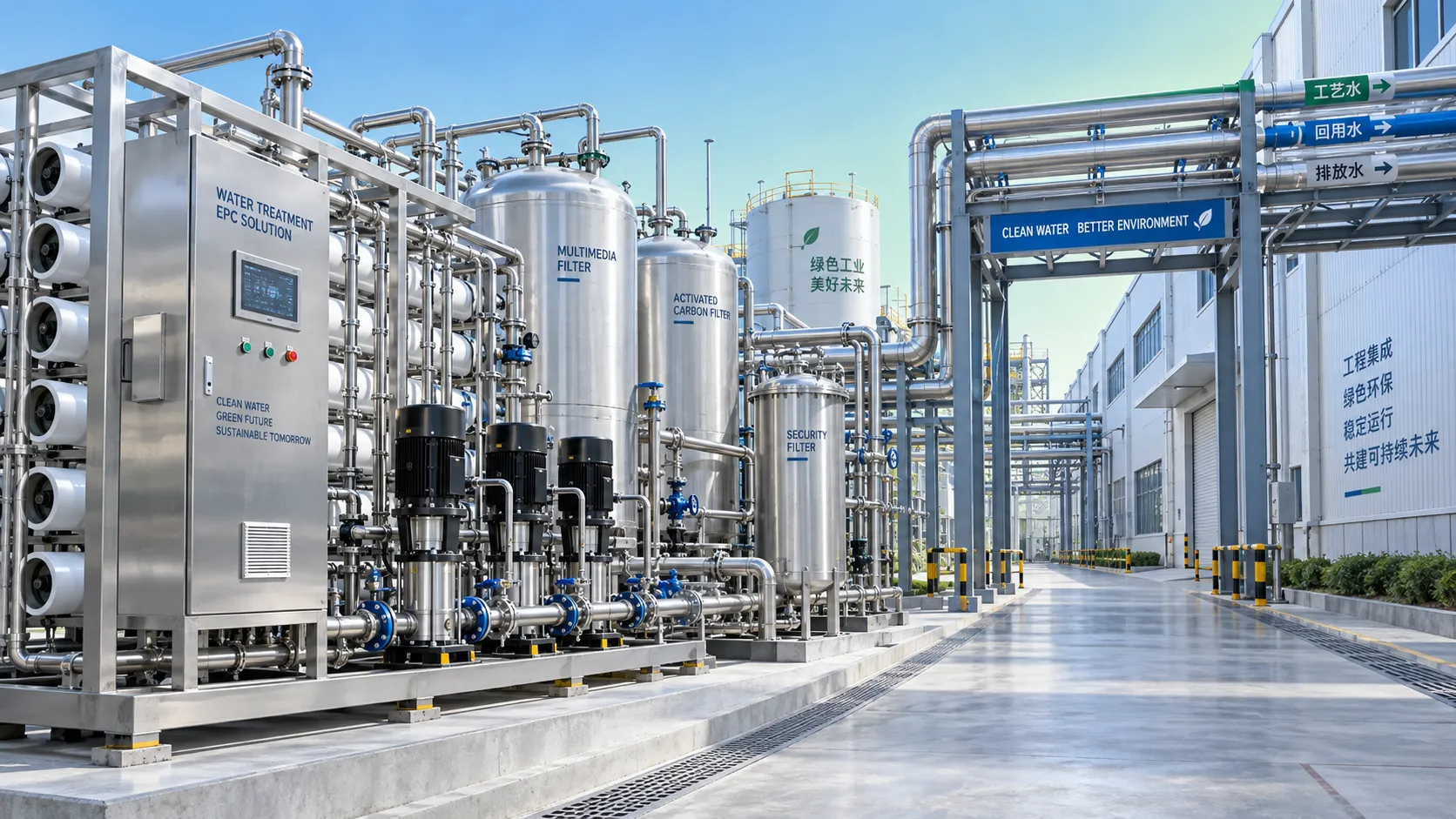
When does EPC environmental project support reduce delivery risk?
EPC environmental project support engineering reduces delivery risk by aligning design, procurement, compliance, construction, and commissioning decisions.
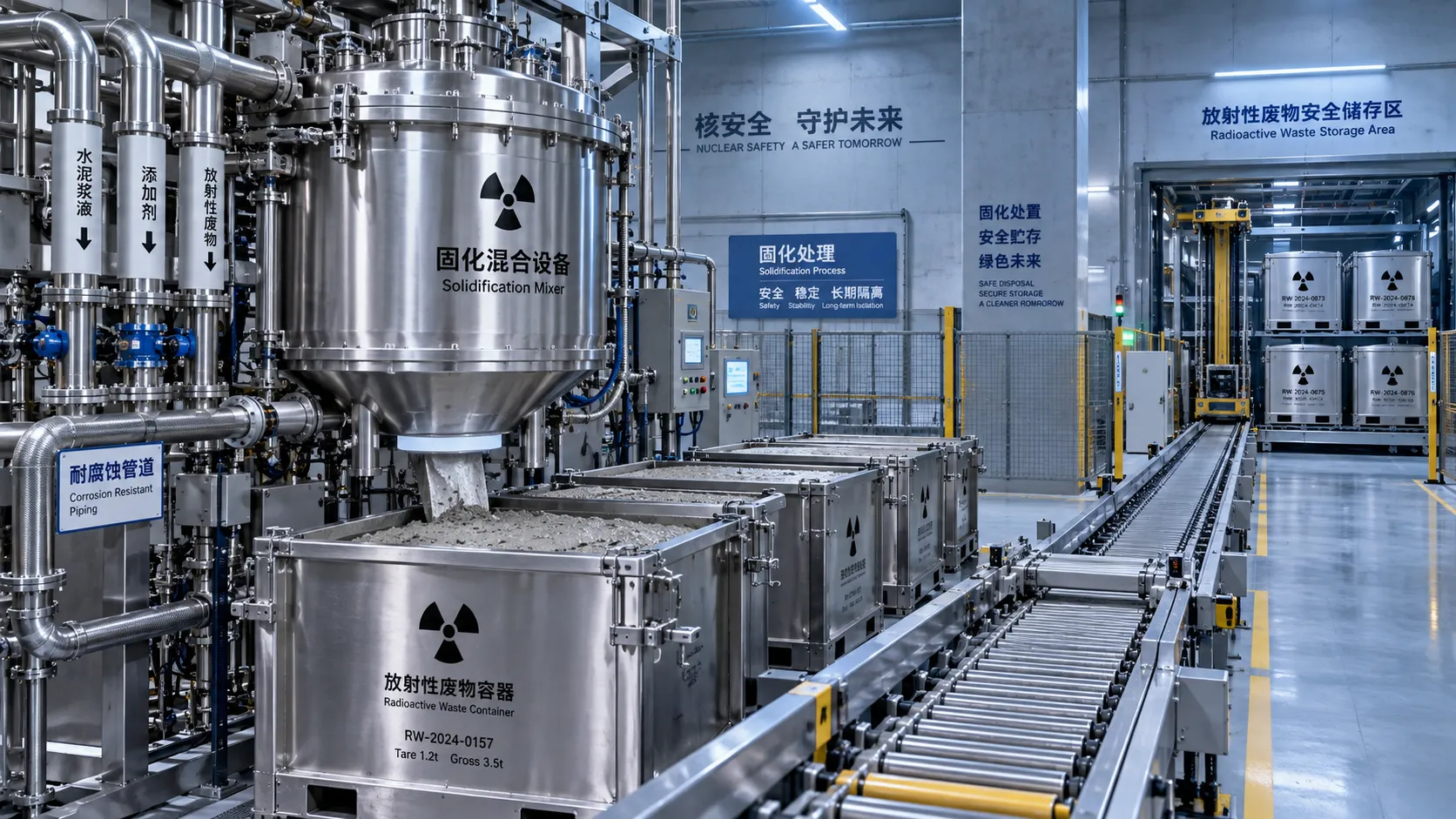
How nuclear plants select a radioactive waste solidification method
Radioactive waste management for nuclear plants: compare vitrification, cementation, polymers, and ceramics to select a compliant, durable solidification solution.
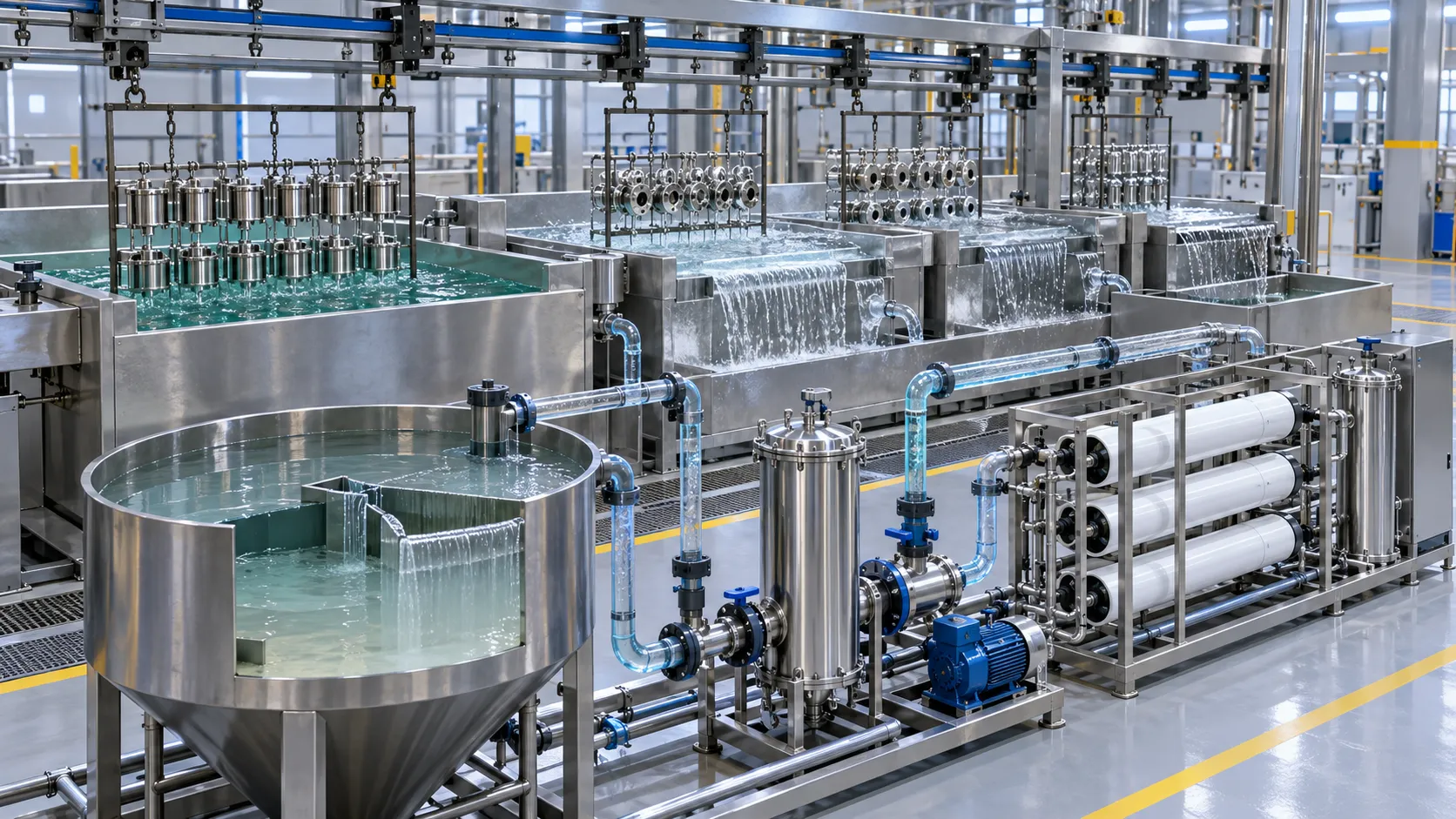
Water Treatment Options for Metal Finishing Rinse Water and Process Baths
Metal finishing water treatment solutions for rinse water and process baths—reduce costs, recover metals, improve reuse, and strengthen compliance.