
Industry News
Curation by industry experts
Hot Articles
Popular Tags
AI Waste Sorting Accuracy: What Affects Performance
For operators, AI waste sorting accuracy is not just a technical metric—it directly affects recovery rates, contamination control, and daily line efficiency. In modern recycling systems, AI waste sorting performance depends on material diversity, sensor quality, lighting conditions, data training, and equipment calibration. Understanding these factors helps teams reduce errors, improve throughput, and make smarter decisions in high-demand waste recovery operations.
Why does AI waste sorting accuracy vary so much in real plants?
On paper, many sorting systems appear similar. In the field, however, AI waste sorting accuracy can change sharply from one facility to another. Operators deal with wet films, crushed packaging, overlapping objects, dust, unstable feed rates, and mixed-color materials that do not resemble clean training samples.
This is why performance should never be judged only by a demo video or a nominal recognition rate. In solid waste recovery lines, accuracy is the result of the full chain: material presentation, sensor capture, model inference, mechanical ejection, and ongoing calibration under real throughput pressure.
For operators in integrated environmental infrastructure, this matters beyond recycling economics. Better sorting supports lower landfill dependence, improved downstream pyrolysis feedstock quality, and more stable circular resource recovery. That systems view is exactly where ESD brings value: connecting equipment intelligence, compliance pressure, and closed-loop recovery logic into practical operating decisions.
- A line can show strong recognition accuracy in controlled tests but weak purity at production speed.
- A high-end sensor can still underperform if belt loading, spacing, or lighting is inconsistent.
- Mechanical ejection timing errors can be mistaken for AI model errors, leading to the wrong corrective action.
The practical definition operators should use
For daily management, AI waste sorting accuracy should be viewed through three linked outcomes: target material capture, reject purity, and line stability over a full shift. A system that identifies objects well but causes excessive false picks may still lower overall plant performance.
Which factors affect AI waste sorting performance the most?
Operators usually ask one direct question: what actually moves the needle? The answer is not a single component. AI waste sorting depends on interacting variables, and weak control in one area can cancel gains made elsewhere.
The table below summarizes the main factors that influence AI waste sorting accuracy in mixed municipal, commercial, and industrial recovery settings.
The key lesson is that accuracy is rarely lost in only one place. In many recovery plants, the biggest gains come from coordinated tuning rather than hardware replacement alone. ESD often frames this as an intelligence problem across the equipment chain, not only a software issue.
Material presentation is often the hidden bottleneck
If waste enters the AI waste sorting zone in thick layers, with objects touching or stacked, even a strong model struggles. Separation upstream matters. Screens, feeders, bag openers, and belt speed balancing often improve recognition more than operators expect.
Sensor contamination causes silent accuracy drift
Dust, condensation, oil mist, and vibration gradually lower image quality. Because the decline is progressive, teams may blame the algorithm while the real issue is optical degradation. Preventive cleaning routines should be linked to shift inspections, not only maintenance shutdowns.
How do different waste streams change AI waste sorting accuracy?
Not all waste lines challenge AI in the same way. A packaging line, a C&I mixed waste line, and a refuse-derived fuel pre-sorting line create different recognition conditions. Operators should compare systems by application, not by generic marketing claims.
This comparison table helps teams align AI waste sorting expectations with actual feed characteristics and operating goals.
For operators, this means target accuracy should be defined against product goals. If the plant feeds mechanical recycling, purity dominates. If the line prepares material for thermal treatment or resource recovery, composition stability may matter more than extreme fraction purity.
Why black plastics and multilayer materials remain difficult
Dark surfaces absorb light differently, and multilayer packaging may present misleading signatures. AI can improve classification logic, but sensor limitations still matter. In such cases, operators should verify whether the sorting solution uses visible imaging only, NIR, hyperspectral methods, or a sensor fusion approach.
What should operators check before blaming the AI model?
A common mistake is to assume every miss is a software failure. In practice, many field complaints trace back to feeding, mechanics, maintenance discipline, or target setting. A structured check can save time and avoid unnecessary upgrades.
- Confirm belt loading and object spread. Overlapping items produce recognition ambiguity and ejection conflict.
- Review sensor cleanliness and enclosure lighting. Minor contamination can cause major classification drift.
- Check compressed air pressure, nozzle alignment, and actuation timing. Poor ejection can imitate poor AI waste sorting accuracy.
- Compare current inbound waste against the model’s training assumptions. Seasonal packaging changes and local brands matter.
- Measure line performance across a full shift, not just a short clean run. Stability is a better operating metric than peak accuracy.
This diagnostic logic fits the ESD approach to environmental equipment intelligence: connect data from upstream handling, sensor behavior, and downstream product requirements before making a procurement or retrofit decision.
Shift-level KPIs that matter
- Target fraction purity after sorting and after bale inspection.
- Recovery rate of valuable materials per ton of incoming waste.
- False positive and false negative trends by material category.
- Downtime linked to optics cleaning, air system issues, or recalibration.
How to choose an AI waste sorting system for your line
Selection should start from operating conditions, not brochure features. For users and line operators, the best system is the one that keeps purity, speed, and maintenance burden in balance under actual plant conditions.
The table below can be used as a practical procurement guide when comparing AI waste sorting options or retrofit proposals.
A good procurement process compares not only capital cost, but also calibration effort, maintenance frequency, model adaptability, and product quality impact. ESD’s intelligence-led perspective is useful here because sorting lines rarely operate in isolation; they affect energy use, downstream conversion options, compliance exposure, and commercial recovery value.
When retrofit may be smarter than replacement
If the existing line has adequate mechanical integrity, a targeted upgrade in lighting, sensors, data labeling, or air delivery may yield a better return than full replacement. Retrofit is especially attractive when civil layout changes would be costly or disruptive.
Standards, compliance, and operating discipline
AI waste sorting sits inside a broader environmental compliance framework. While no single universal rule defines performance for every plant, operators should align system evaluation with accepted safety, electrical, machinery, and waste handling requirements in their market.
- Check whether electrical and machinery integration follows the applicable regional safety framework.
- Confirm dust control, access safety, lockout practices, and maintenance isolation points.
- Document acceptance criteria for purity, recovery, and throughput before commissioning begins.
- Retain audit-ready records for calibration, cleaning, failures, and model updates when traceability is important.
For cross-border projects and EPC-driven environmental infrastructure, this disciplined documentation is increasingly important. It supports supplier comparison, operational handover, and decision-making under tighter sustainability and circular economy reporting pressure.
FAQ: common operator questions about AI waste sorting accuracy
How often should an AI waste sorting system be recalibrated?
There is no single interval for every plant. Recalibration should be triggered by measurable drift: lower purity, rising false picks, sensor fouling, or changes in inbound waste composition. In practice, operators should combine routine daily checks with scheduled verification after maintenance, belt changes, lighting replacement, or feedstock shifts.
Can AI waste sorting handle dirty or wet materials well?
It can, but performance depends heavily on sensor type, image quality, and the model’s exposure to similar samples during training. Wet, sticky, or heavily contaminated items usually reduce confidence scores and can increase both misses and false classifications. Upstream conditioning and presentation are often necessary for stable results.
What is the biggest mistake during procurement?
The most common mistake is buying on claimed recognition rate alone. Operators should evaluate the whole system: sensing, object spacing, ejection precision, service response, data transparency, and how the vendor handles local material variation. A system that performs slightly lower in lab-style metrics may deliver better shift stability and lower operating burden.
Is more data always enough to improve accuracy?
No. More data helps only when it is relevant, labeled correctly, and representative of the waste stream you actually process. Poor-quality or biased data can reinforce the wrong patterns. Operators should ask whether the training set includes local brands, damaged items, seasonal packaging, and contamination conditions seen on their line.
Why choose us for AI waste sorting intelligence and project support?
ESD looks at AI waste sorting as part of a larger eco-industrial system, not as a standalone machine topic. That matters for operators who must protect recovery value, maintain throughput, and align daily plant decisions with broader environmental performance targets.
Our strength lies in linking equipment intelligence with real operating context across solid waste recovery, water treatment, flue gas systems, desalination infrastructure, and nuclear-adjacent reliability thinking. This cross-domain view helps teams judge not just whether a sorting line can identify materials, but whether it can support stable closed-loop resource recovery under compliance and cost pressure.
- Ask us to help review key parameters such as target fractions, contamination sources, belt loading, and sensor fit.
- Consult us on equipment selection logic for new lines, retrofits, or multi-stage resource recovery projects.
- Discuss likely delivery considerations, commissioning priorities, and support expectations before finalizing procurement.
- Request guidance on custom solution pathways, compliance documentation needs, and supplier comparison criteria.
- Use our intelligence perspective to evaluate how AI waste sorting choices affect downstream recycling, pyrolysis feed quality, and long-term plant efficiency.
If your team is comparing AI waste sorting options, troubleshooting unstable accuracy, or planning a recovery line upgrade, ESD can support deeper parameter confirmation, selection judgment, implementation planning, and technical due diligence tailored to real operating conditions.
Recommended News
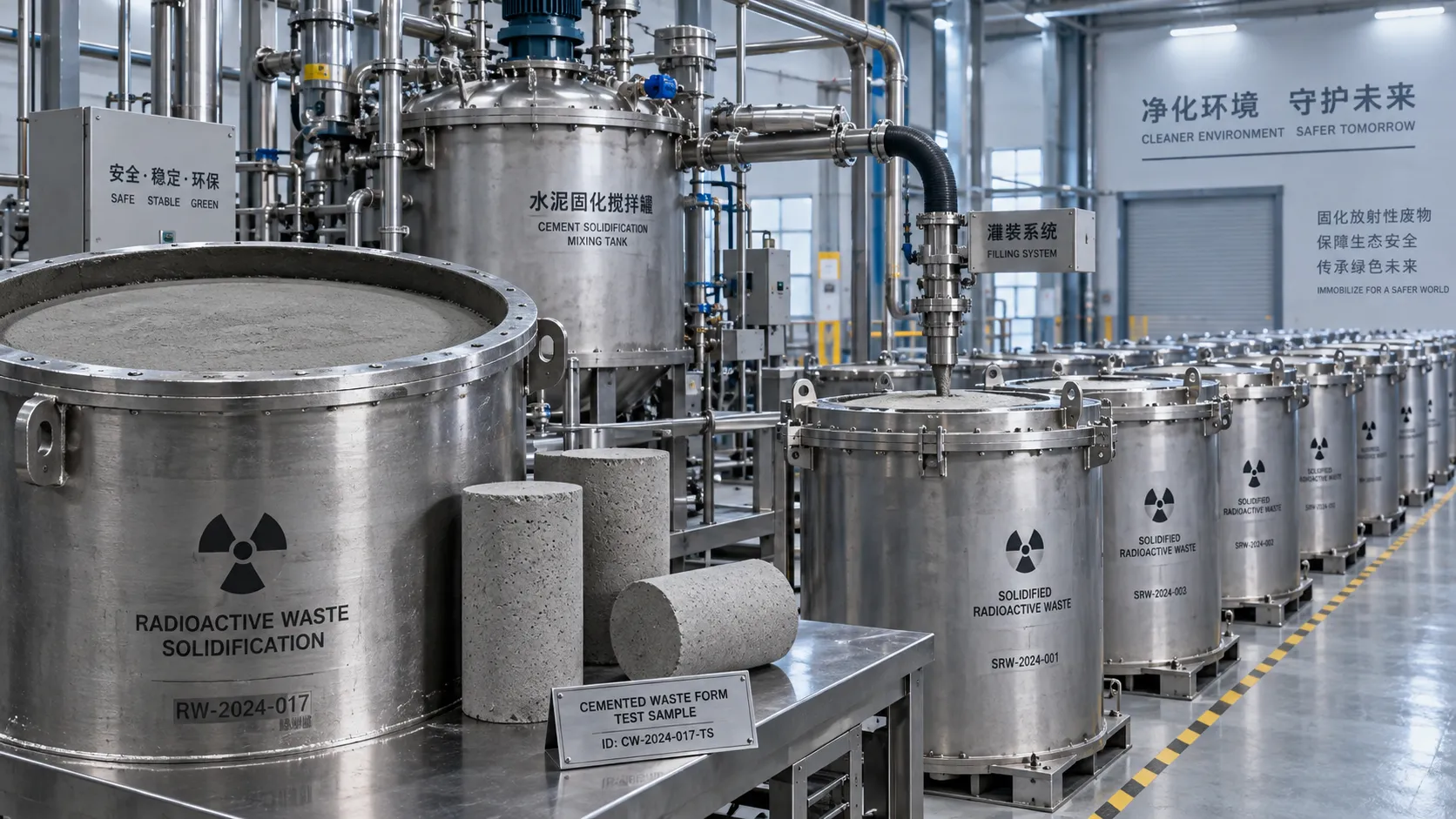
When is cementation suitable for nuclear decommissioning waste?
Explore nuclear waste treatment technology for decommissioning: learn when cementation fits, which risks to assess, and how disposal criteria guide an effective treatment choice.
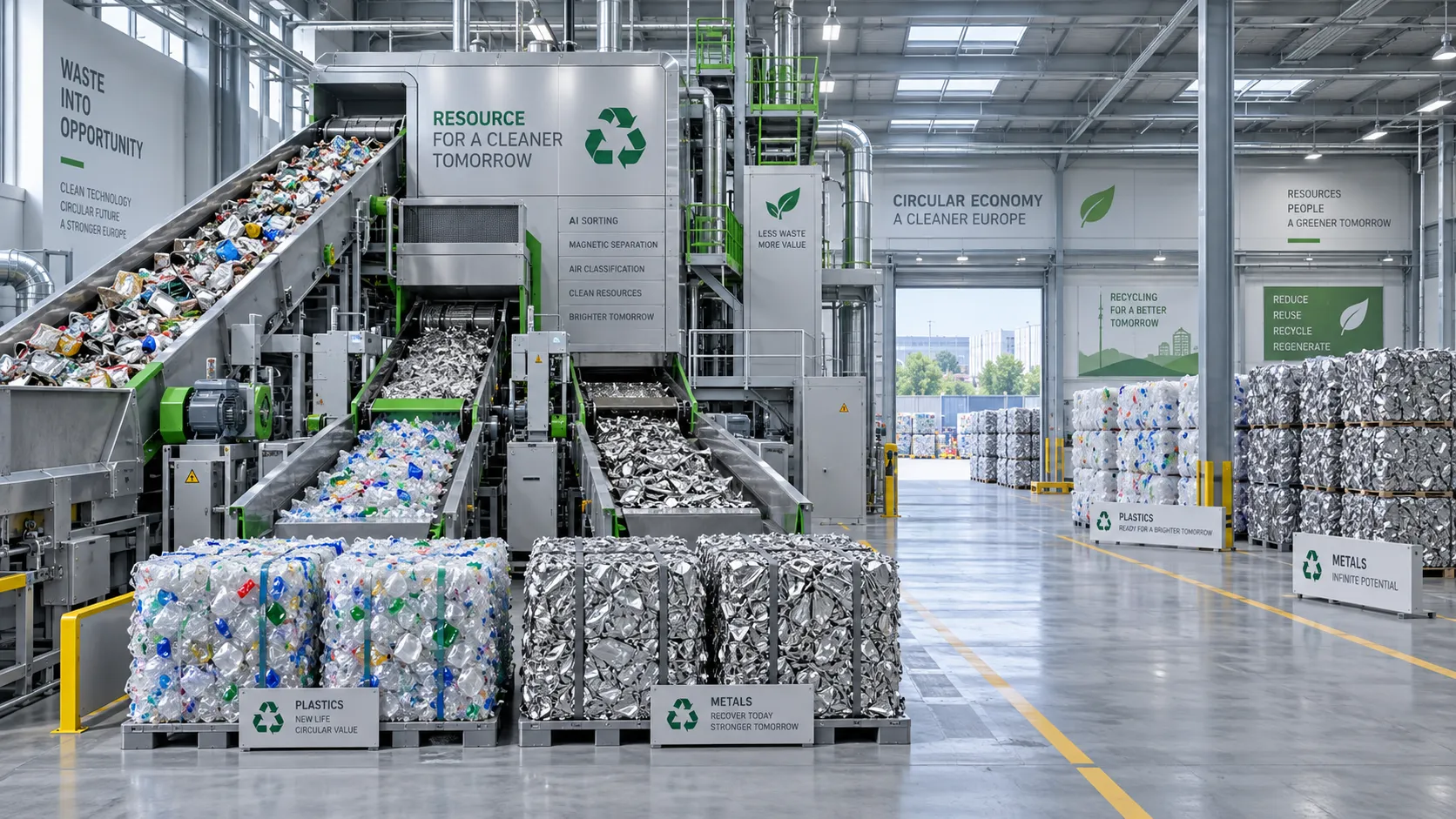
What determines payback for waste-to-resource systems in Europe?
Assess waste-to-resource systems Europe-wide: compare feedstock, recovery yields, costs and contracts to uncover payback drivers and make smarter investment decisions.
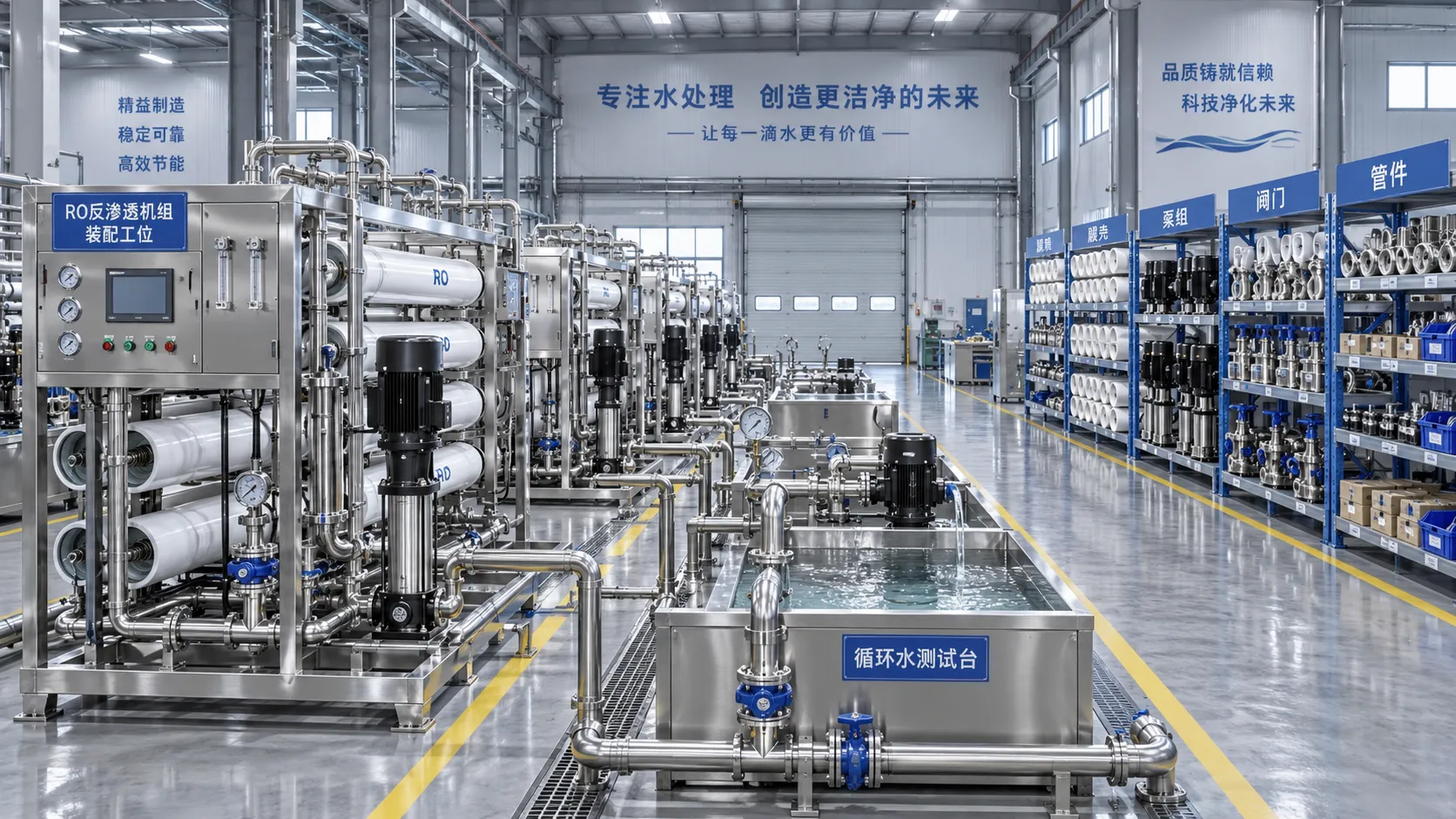
How to verify a water treatment system factory’s production capacity
Verify a water treatment systems factory’s production capacity through records, bottlenecks, component availability, and testing. Learn what to check before accepting a delivery promise.
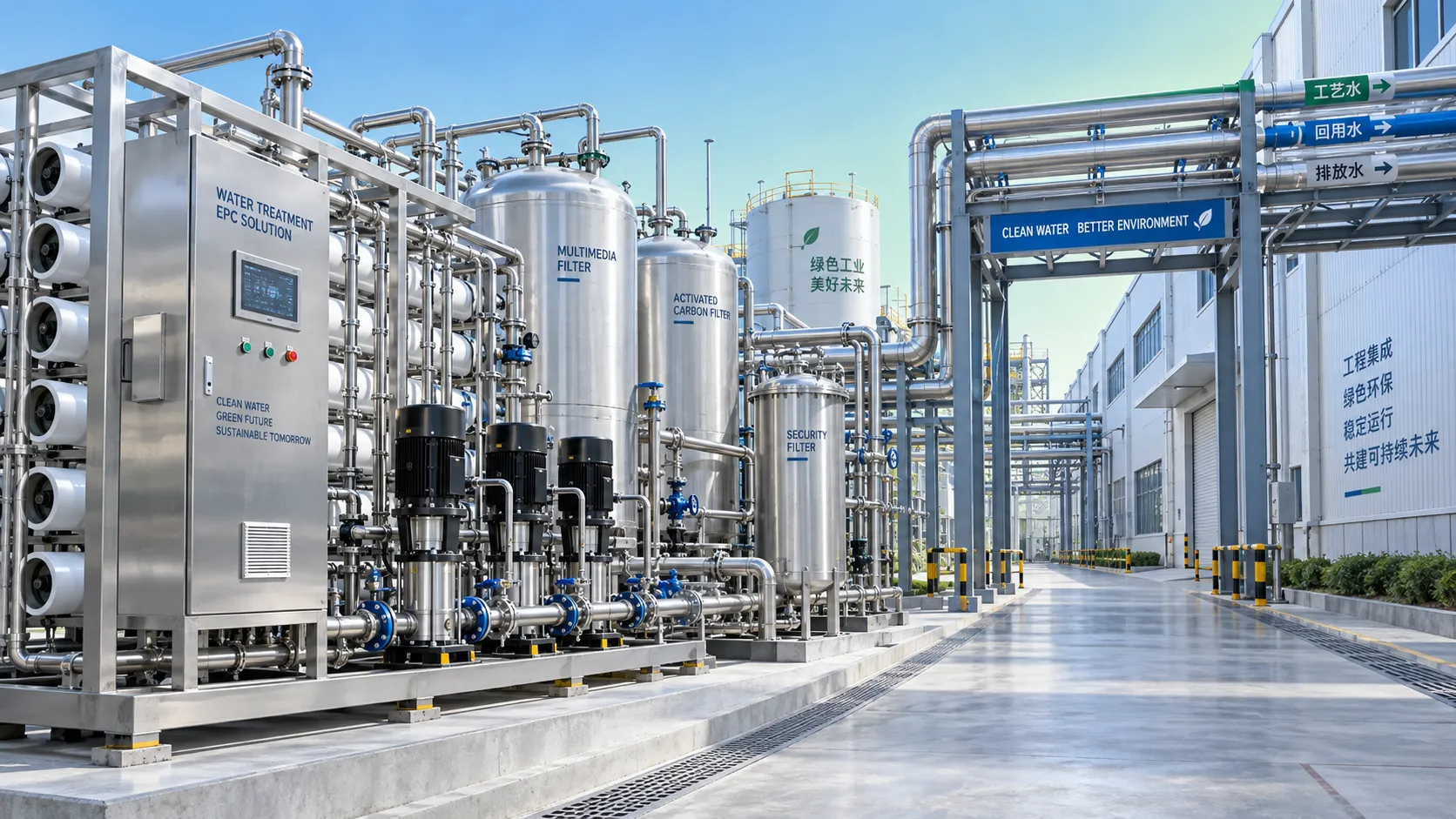
When does EPC environmental project support reduce delivery risk?
EPC environmental project support engineering reduces delivery risk by aligning design, procurement, compliance, construction, and commissioning decisions.
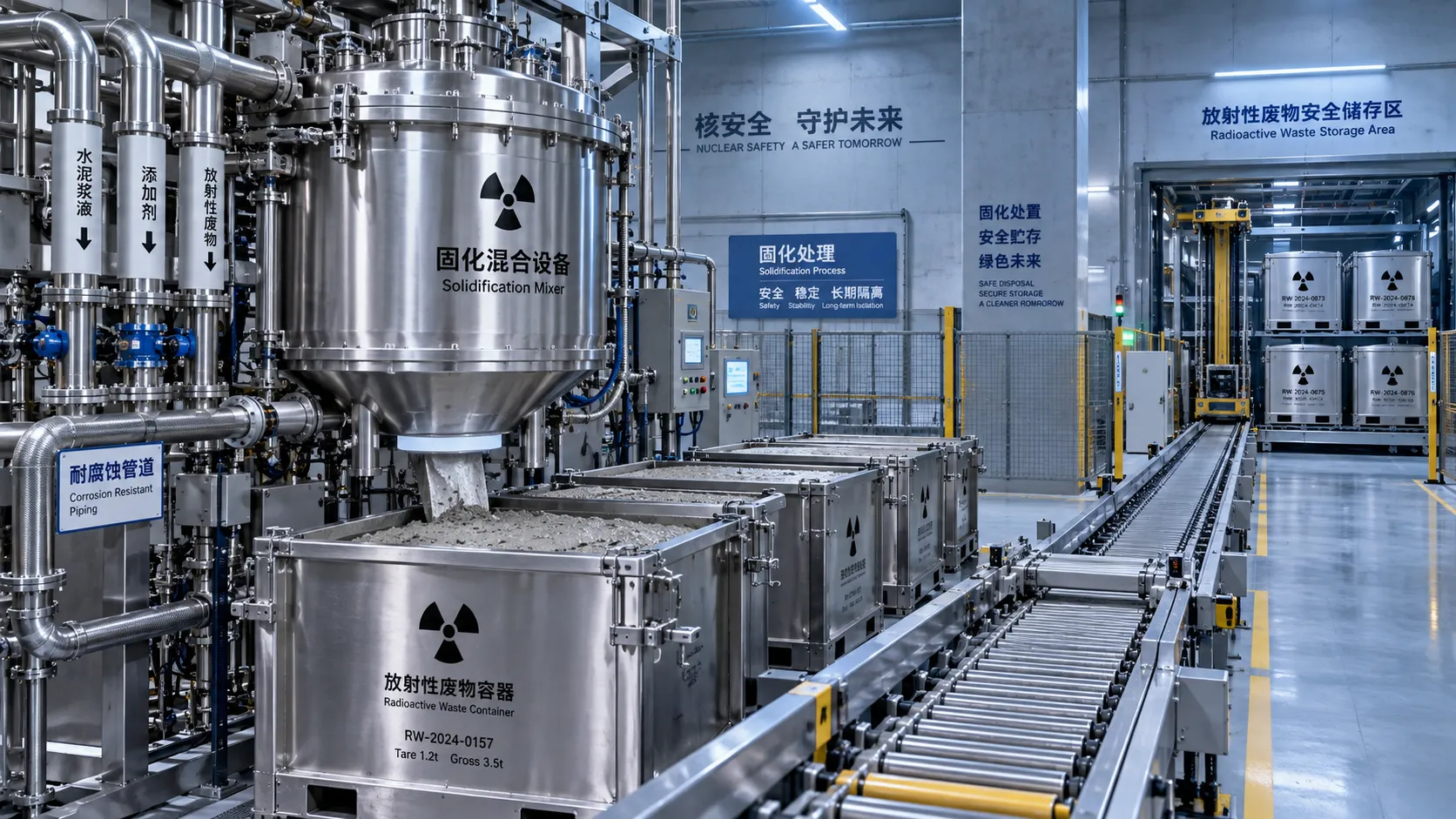
How nuclear plants select a radioactive waste solidification method
Radioactive waste management for nuclear plants: compare vitrification, cementation, polymers, and ceramics to select a compliant, durable solidification solution.
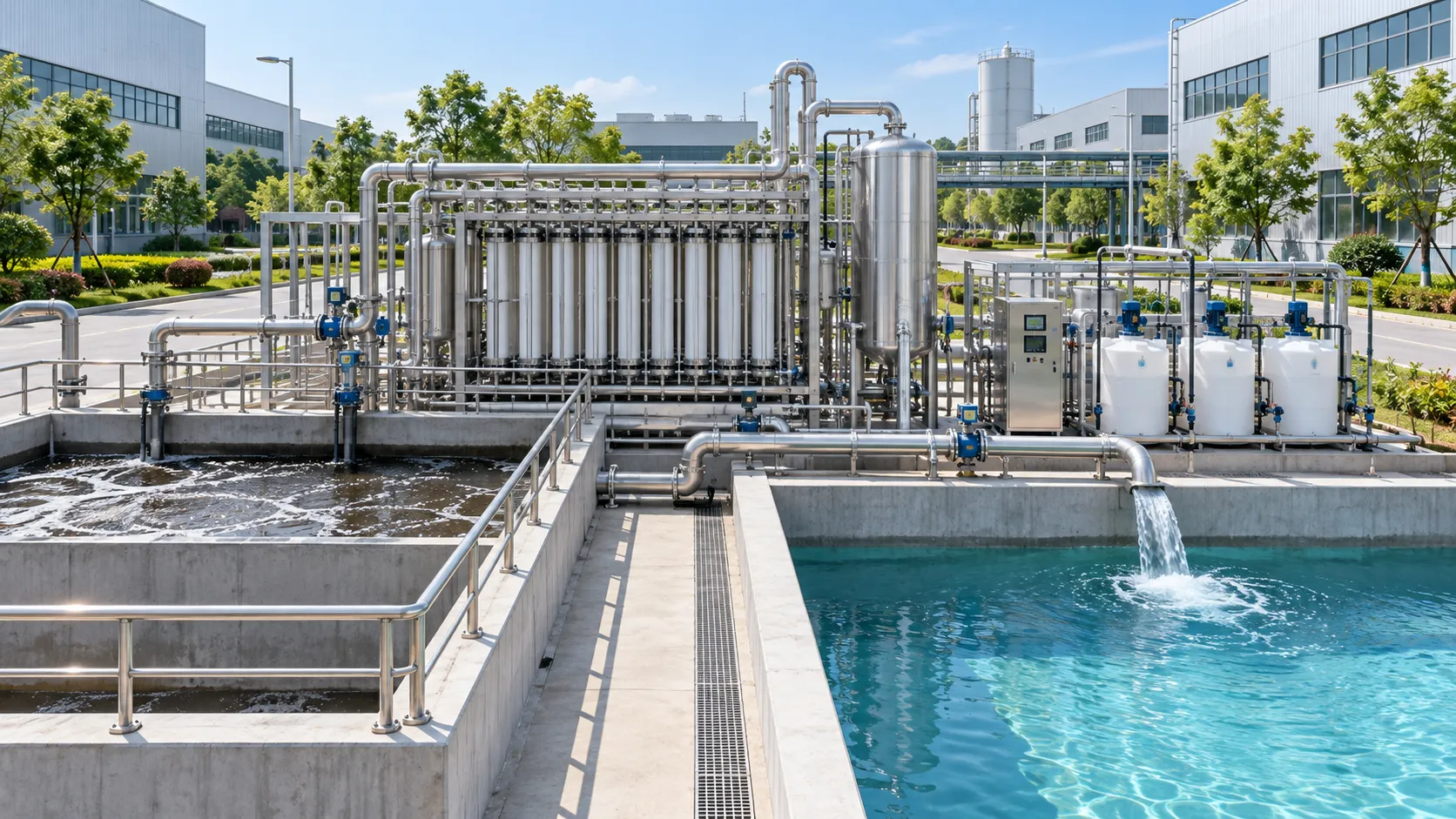
Comparing Upgrade Costs for Industrial Park Wastewater Treatment Systems
Compare costs for wastewater system upgrades in industrial parks with a lifecycle view of CAPEX, OPEX, compliance, resilience, and future expansion.
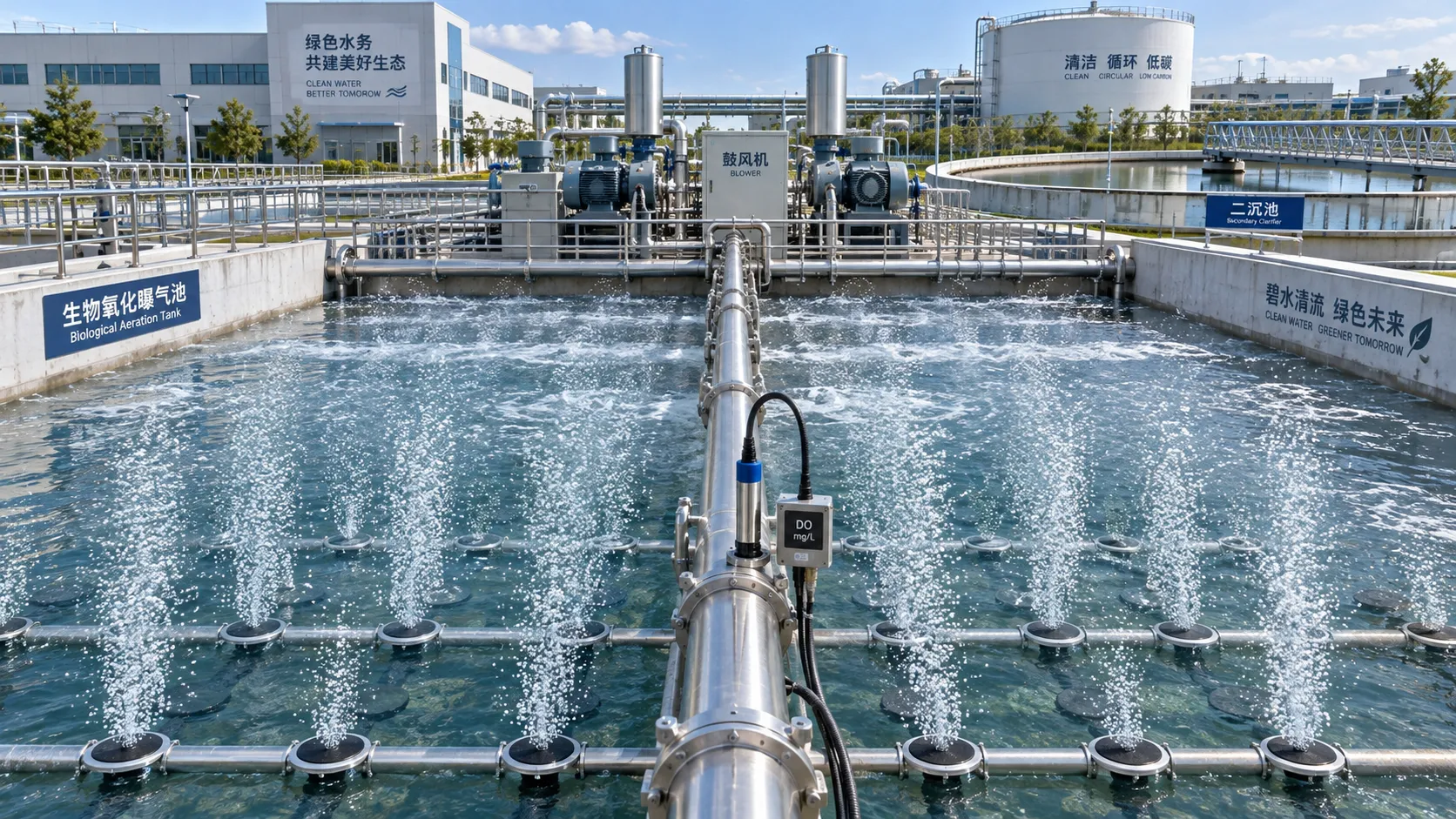
Biological Wastewater Oxidation Explained: Aeration Demand and Process Control
Biological wastewater oxidation explained: optimize aeration demand, DO control, nitrification, and sludge age for stable effluent quality and lower energy costs.
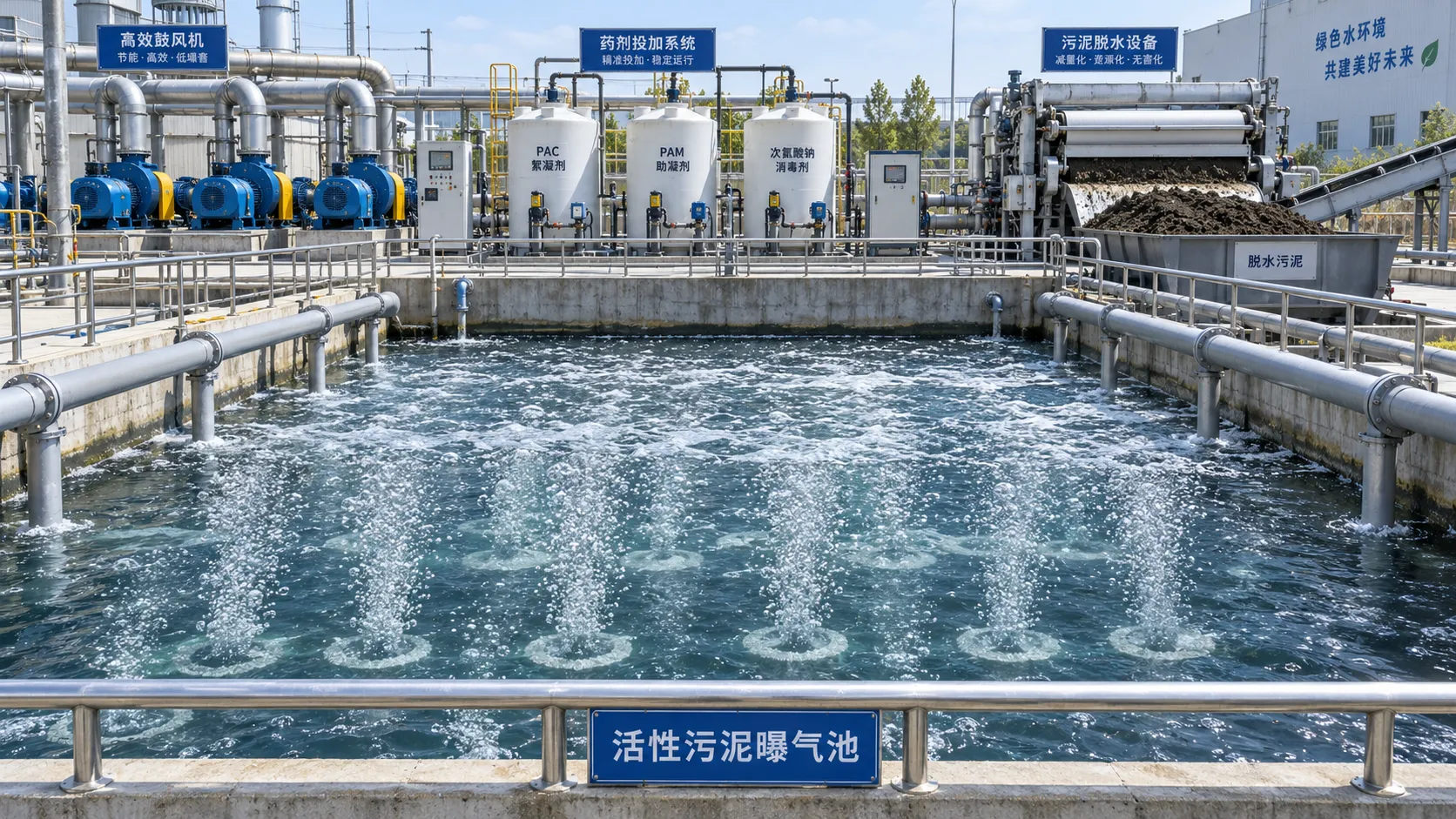
Activated Sludge Cost: Budgeting Energy, Chemicals, Sludge, and Labor
Activated sludge cost explained: compare energy, chemicals, sludge disposal, labor, and compliance risks to build a reliable lifecycle budget.
When Should Municipal Wastewater Plants Upgrade Treatment Capacity and Controls?
Municipal wastewater treatment upgrades: learn when capacity, controls, and resilient planning are needed to protect compliance and optimize plant performance.