
Industry News
Curation by industry experts
Hot Articles
Popular Tags
EPC Environmental Projects: Risks Hidden in Delivery Schedules
In EPC environmental projects, delivery schedules often appear disciplined, contractual, and measurable. In reality, they hide linked risks across engineering release, vendor capacity, cross-border logistics, permit timing, and commissioning readiness. When these risks are missed, the result is not only delay. It can also erode margin, trigger liquidated damages, weaken client confidence, and compromise long-term project performance. For EPC environmental work in water treatment, waste recovery, flue gas treatment, desalination, and nuclear-adjacent systems, schedule control must be treated as a technical risk discipline, not a reporting exercise.
Why checklist-based schedule control matters in EPC environmental delivery
EPC environmental schedules are vulnerable because milestones depend on many external interfaces. Design is tied to process guarantees, procurement depends on specification maturity, and construction often waits on regulatory approval.
A checklist approach reduces blind spots. It forces teams to test assumptions before they become claims, disruptions, or emergency expediting costs. In complex environmental infrastructure, this discipline improves forecast accuracy and protects execution quality.
It also supports better commercial decisions. A realistic schedule in EPC environmental bidding can be more valuable than an aggressive timeline that later collapses under supply chain, compliance, or startup constraints.
Core checklist for finding schedule risks in EPC environmental projects
Use the following checklist early, then revisit it at every major gate. Each point targets hidden delivery pressure common in EPC environmental execution.
- Verify design freeze dates against process data maturity, utility interfaces, civil loads, and environmental standards before locking procurement packages or fabrication release.
- Map long-lead equipment by true manufacturing bottleneck, not catalogue lead time, especially for membranes, pressure vessels, reactors, blowers, scrubbers, and control systems.
- Check vendor drawing cycles for hidden delay drivers, including repeated comments, untranslated standards, client approval loops, and incomplete instrument or materials data.
- Audit logistics assumptions for route limits, port congestion, customs clearance, special packaging, hazardous cargo rules, and inland transport permits for oversized equipment.
- Align construction sequencing with actual site readiness, temporary utilities, foundation release, weather exposure, and access constraints for cranes, laydown, and installation crews.
- Confirm permit and compliance milestones separately from engineering milestones, because emissions, wastewater, radioactive handling, and discharge approvals rarely follow internal schedules.
- Review integration points between process packages, electrical systems, automation platforms, and safety interlocks to avoid commissioning delays caused by late interface resolution.
- Test startup assumptions using utility stability, chemical availability, operator training, performance test methods, and spare parts readiness rather than optimistic handover dates.
- Track change orders by schedule impact path, not only by cost, because small scope shifts can move critical delivery windows in EPC environmental projects.
- Set escalation triggers for fabrication slippage, quality rework, and supplier distress so recovery action starts before the critical path becomes unrecoverable.
How hidden schedule risks appear in different EPC environmental scenarios
Large water treatment and ZLD systems
In water treatment and ZLD projects, schedule risk often starts with feedwater variability. When influent chemistry changes, process design revisions can affect pumps, dosing, evaporation systems, piping metallurgy, and automation logic.
Another common issue is the late alignment of civil and mechanical works. Tanks, clarifiers, and membrane skids require strict interface control. If anchor points or nozzle orientation change after civil release, site progress can slow sharply.
Solid waste recovery and pyrolysis facilities
For solid waste recovery lines, schedule pressure often comes from feedstock uncertainty and sorting performance assumptions. Conveyor layouts, shredders, AI sorting units, and thermal equipment may need redesign once actual waste composition is validated.
Permitting can also disrupt progress. Odor control, emissions treatment, fire protection, and residue handling approvals may move slower than equipment fabrication, creating a mismatch between physical completion and legal operability.
Flue gas treatment systems
In flue gas treatment, shutdown windows are often the real critical path. Scrubbers, ductwork, dampers, fans, and SCR units must be installed during limited outage periods. Any late shipment or rework can push completion into the next operating cycle.
Performance guarantees add another layer. If reagent quality, gas composition, or control tuning assumptions are weak, commissioning may take longer than planned, even when mechanical completion appears on time.
Seawater desalination projects
Desalination projects face marine interface risks that standard EPC environmental schedules often underestimate. Intake works, outfall structures, corrosion protection, and coastal permitting can move at a different pace from plant equipment delivery.
Membrane trains, high-pressure pumps, and energy recovery devices also depend on vendor coordination. A delay in one package can affect flushing, preservation, energization, and integrated performance testing across the whole plant.
Nuclear waste management and high-compliance facilities
In nuclear waste management, documentation is itself a schedule driver. Quality dossiers, traceability records, weld procedures, and regulatory hold points can take longer than fabrication if not planned from the start.
Even minor nonconformities may trigger broad review cycles. For EPC environmental projects under strict safety regimes, schedule resilience depends on early compliance engineering, not late corrective paperwork.
Commonly ignored schedule traps in EPC environmental work
Assuming procurement starts when the purchase order is issued
Real procurement starts with approved technical data. If specifications remain unstable, suppliers reserve capacity cautiously, and manufacturing dates become provisional. This trap is frequent in EPC environmental packages with evolving process guarantees.
Treating regulatory review as a parallel activity with no float impact
Environmental approvals often require clarifications, public input, or revised submissions. If the baseline schedule assumes instant acceptance, the project inherits silent risk that surfaces late and expensively.
Overlooking factory quality events
Failed inspections, coating defects, refractory repairs, and instrumentation calibration issues can consume critical float. In EPC environmental projects, these events are frequently hidden behind optimistic weekly progress percentages.
Separating commissioning from engineering
Commissioning delays often originate months earlier in design. Missing drain points, inaccessible valves, incomplete logic narratives, or weak alarm philosophy create late-stage bottlenecks that no recovery crew can easily solve.
Using one master schedule without risk layering
A single date plan hides uncertainty. EPC environmental programs need risk-tagged milestones, confidence ranges, and interface ownership. Without that structure, reporting may look clean while execution deteriorates underneath.
Practical execution steps to improve schedule reliability
- Build a milestone map that separates engineering release, vendor approval, fabrication, shipment, installation, energization, and performance testing.
- Rank all packages by schedule sensitivity, then assign stronger monitoring to long-lead, compliance-critical, and interface-heavy equipment.
- Run monthly schedule risk reviews using evidence from drawings, inspections, permits, and logistics bookings instead of narrative status updates.
- Create recovery playbooks in advance, including alternate suppliers, modularization options, resequencing paths, and temporary operating strategies.
- Link commercial governance to time risk by quantifying delay exposure, expediting cost, contingency burn, and claim defensibility at each gate.
For organizations following global environmental intelligence, these methods also improve bidding discipline. Better schedule realism supports stronger authority in competitive EPC environmental tenders, especially for public infrastructure and compliance-driven megaprojects.
Conclusion and next action
The biggest schedule risks in EPC environmental projects are rarely the obvious ones. They sit in immature data, hidden interfaces, compliance timing, and startup assumptions that appear manageable until they converge.
A disciplined checklist changes that outcome. It turns delivery scheduling from a passive timeline into an active control system for engineering, procurement, construction, and commissioning risk.
The most effective next step is simple: review one live project against the checklist above, mark every assumption lacking evidence, and convert those gaps into dated actions. In EPC environmental delivery, schedule certainty is not promised by software. It is built through early scrutiny, interface ownership, and technically grounded execution.
Recommended News
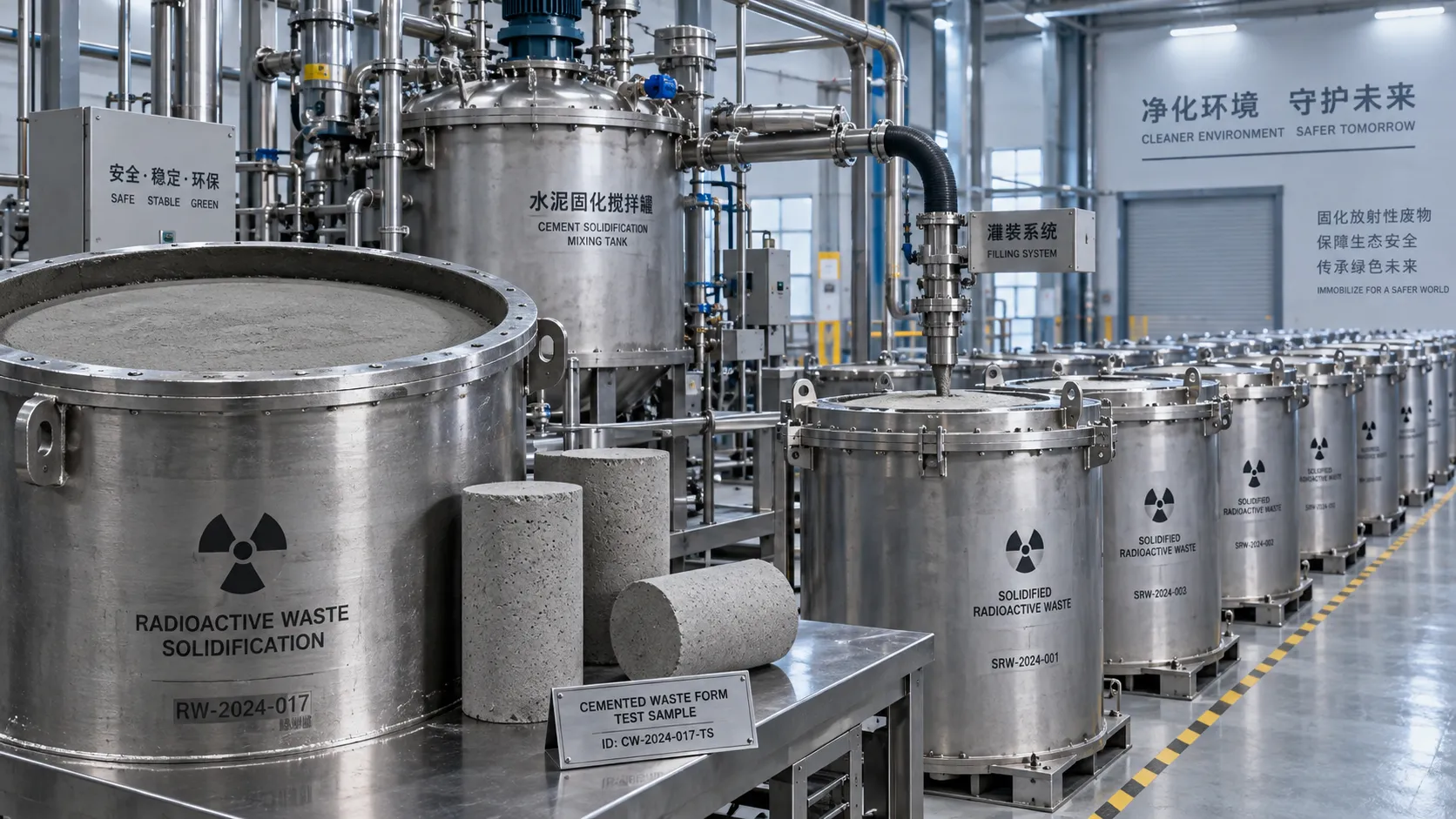
When is cementation suitable for nuclear decommissioning waste?
Explore nuclear waste treatment technology for decommissioning: learn when cementation fits, which risks to assess, and how disposal criteria guide an effective treatment choice.
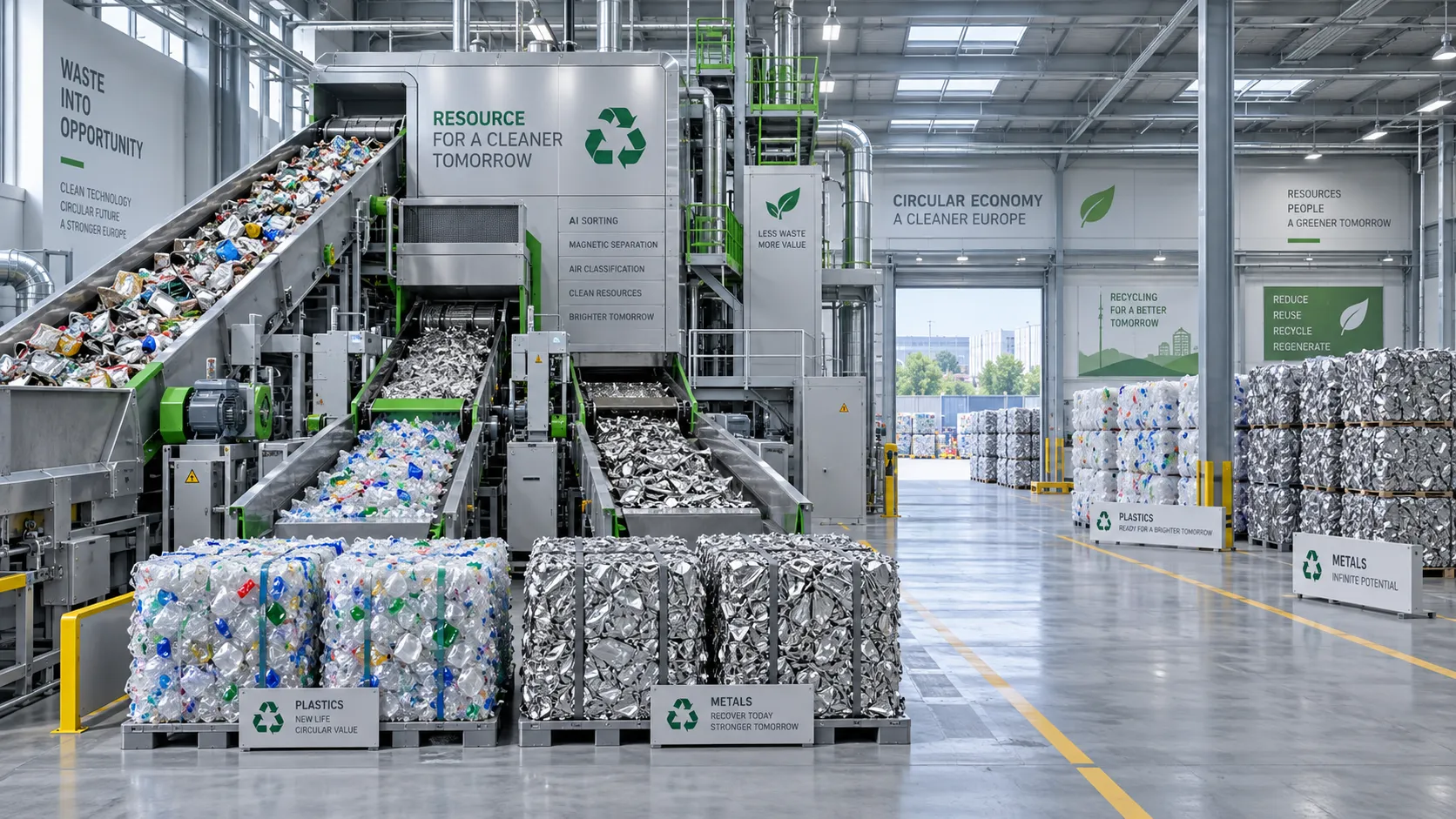
What determines payback for waste-to-resource systems in Europe?
Assess waste-to-resource systems Europe-wide: compare feedstock, recovery yields, costs and contracts to uncover payback drivers and make smarter investment decisions.
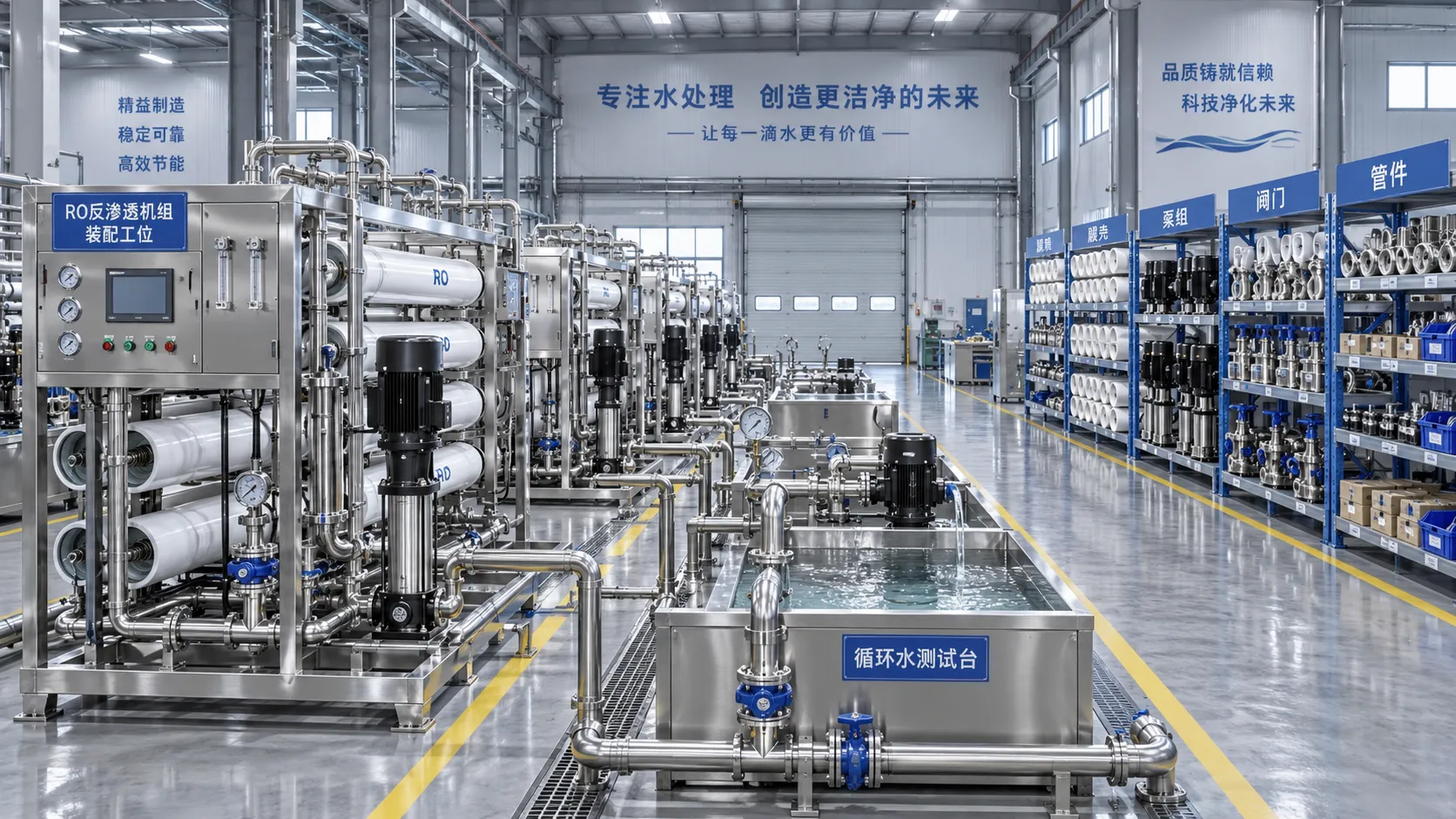
How to verify a water treatment system factory’s production capacity
Verify a water treatment systems factory’s production capacity through records, bottlenecks, component availability, and testing. Learn what to check before accepting a delivery promise.
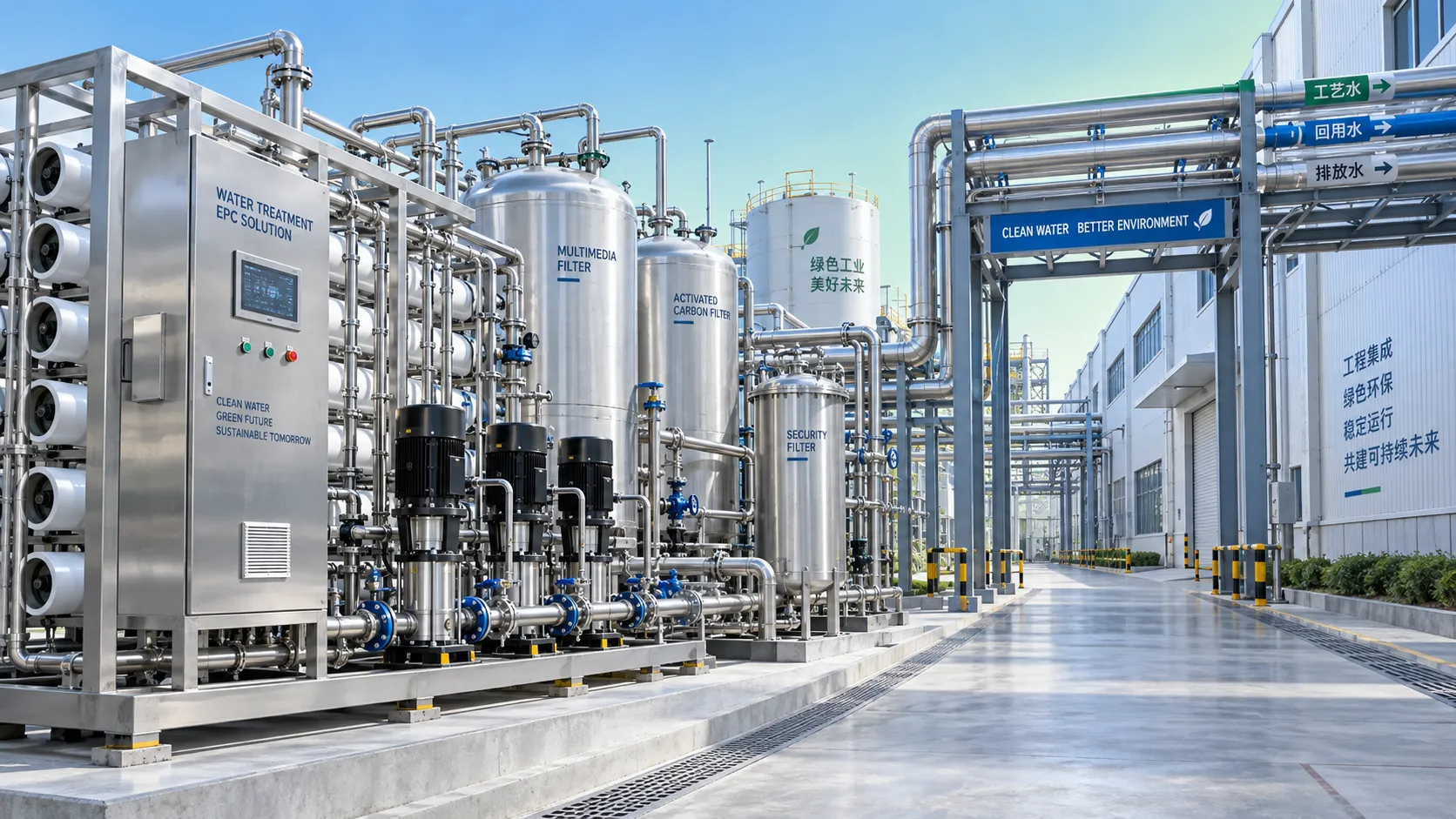
When does EPC environmental project support reduce delivery risk?
EPC environmental project support engineering reduces delivery risk by aligning design, procurement, compliance, construction, and commissioning decisions.
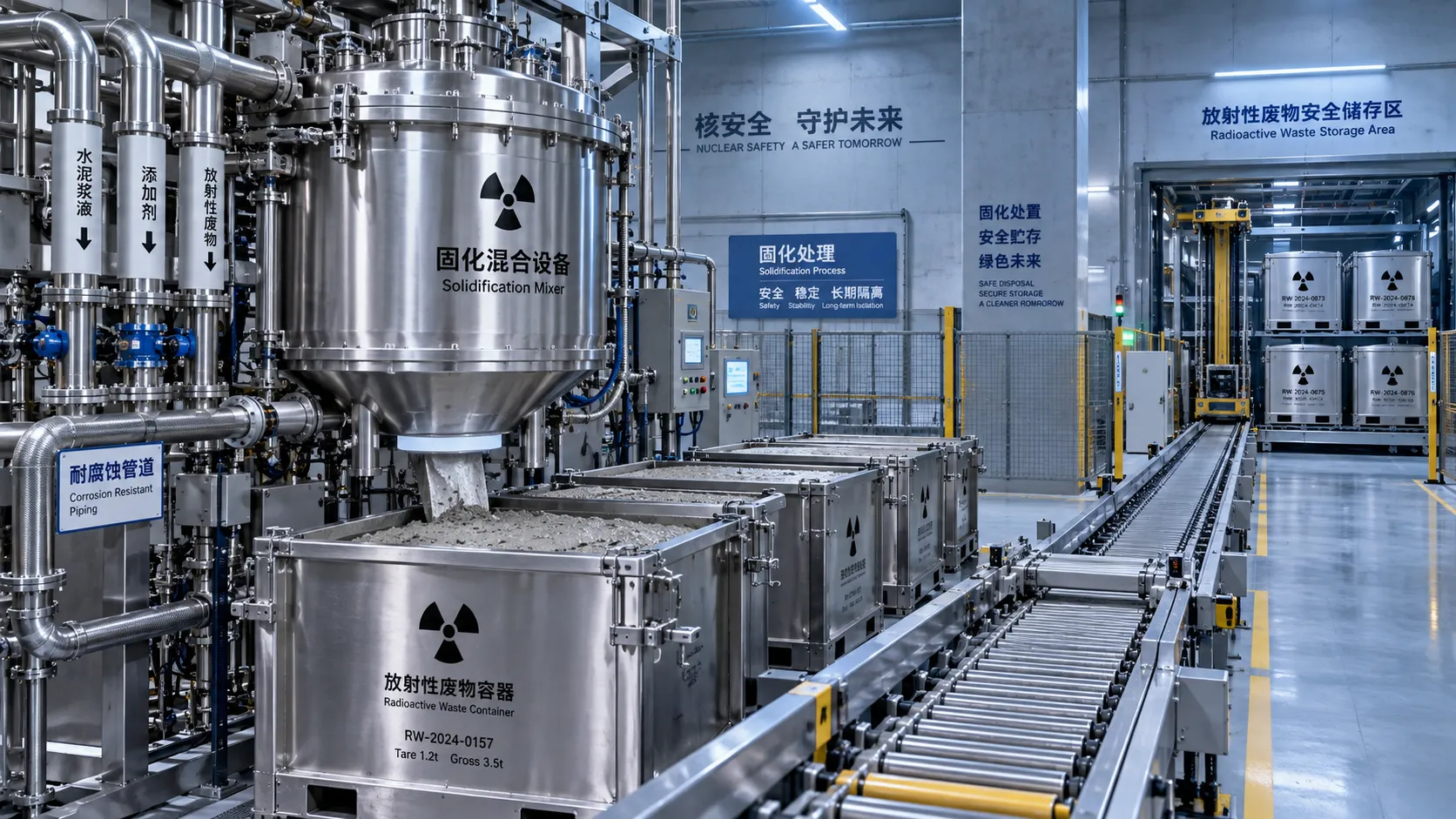
How nuclear plants select a radioactive waste solidification method
Radioactive waste management for nuclear plants: compare vitrification, cementation, polymers, and ceramics to select a compliant, durable solidification solution.
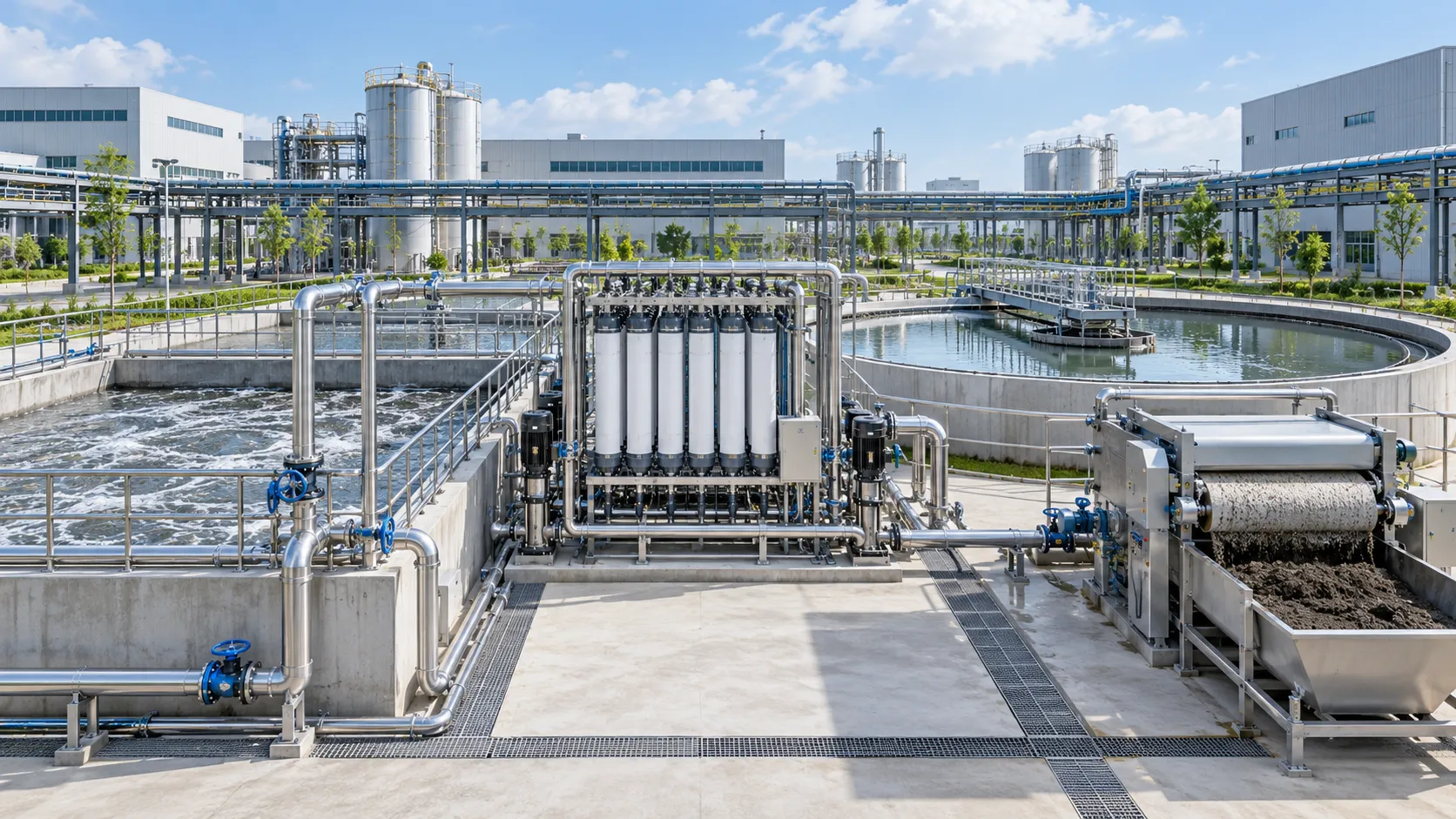
What Drives the Cost of Wastewater System Upgrades in Industrial Parks?
Costs of wastewater system upgrades in industrial parks: uncover key drivers from influent variability and civil works to sludge, energy, compliance, and lifecycle risk.
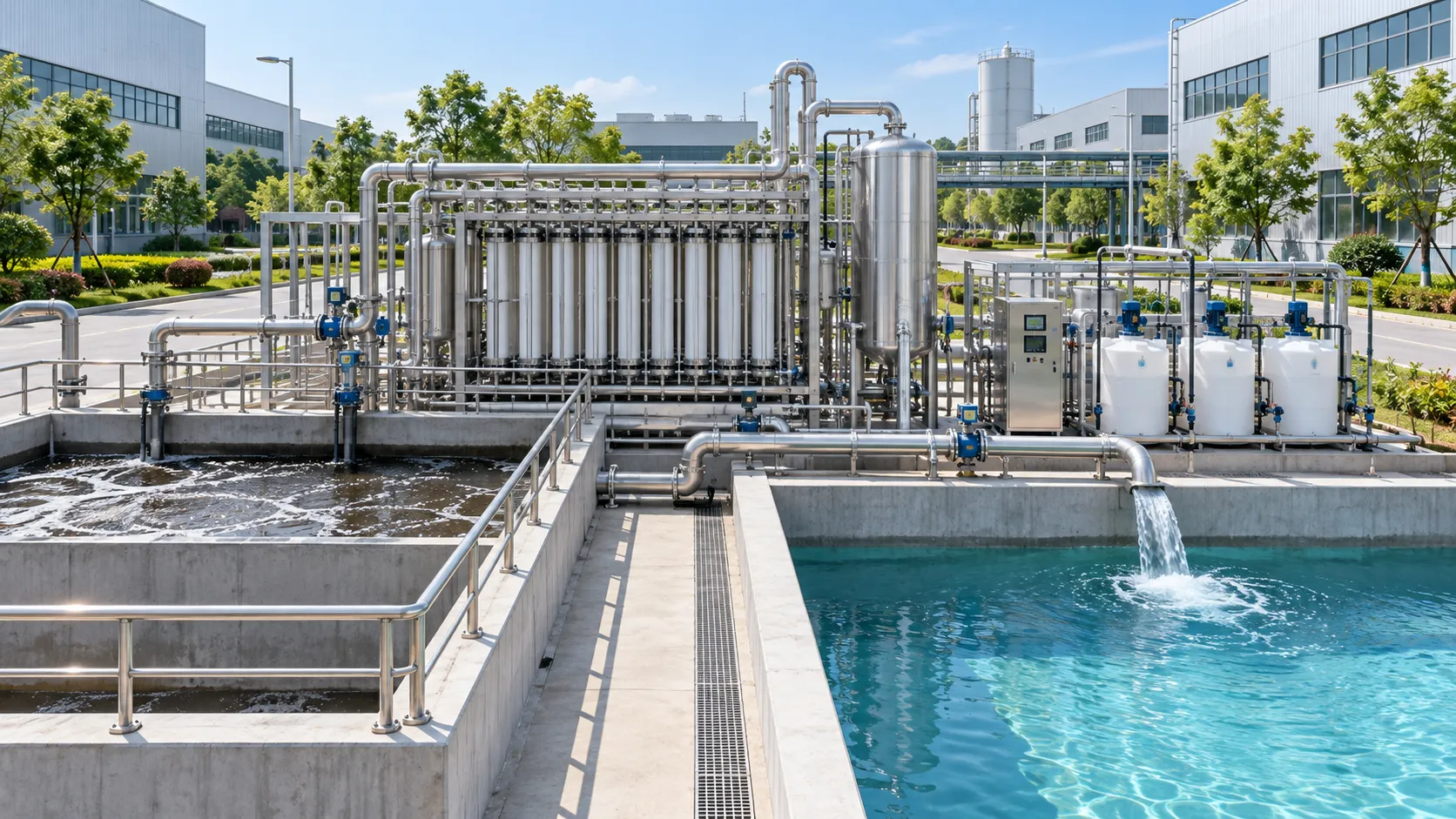
Comparing Upgrade Costs for Industrial Park Wastewater Treatment Systems
Compare costs for wastewater system upgrades in industrial parks with a lifecycle view of CAPEX, OPEX, compliance, resilience, and future expansion.
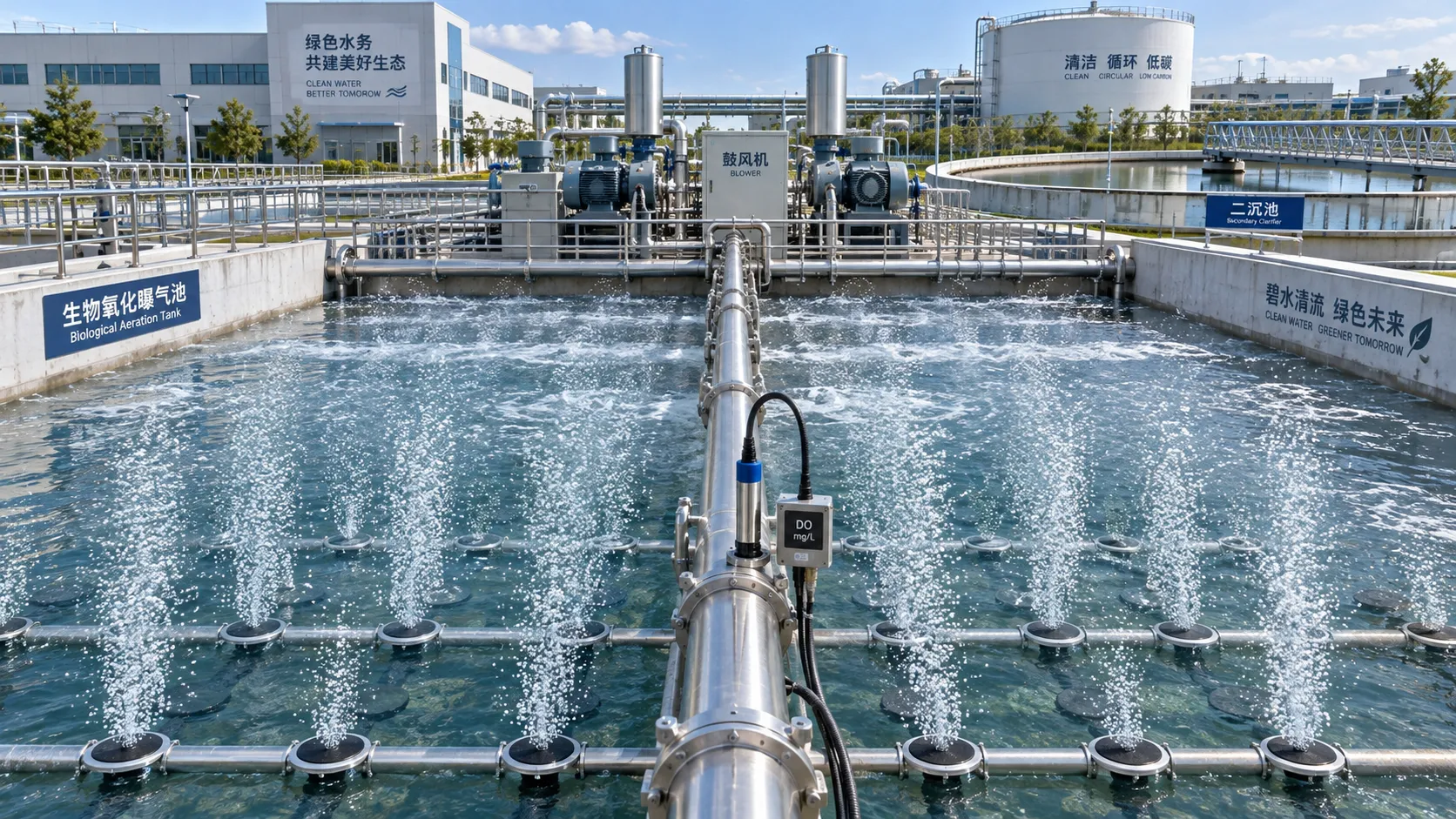
Biological Wastewater Oxidation Explained: Aeration Demand and Process Control
Biological wastewater oxidation explained: optimize aeration demand, DO control, nitrification, and sludge age for stable effluent quality and lower energy costs.
Activated Sludge Cost: Budgeting Energy, Chemicals, Sludge, and Labor
Activated sludge cost explained: compare energy, chemicals, sludge disposal, labor, and compliance risks to build a reliable lifecycle budget.