
Industry News
Curation by industry experts
Hot Articles
Popular Tags
AI Waste Sorting Accuracy: What Actually Improves Recovery Rates
For enterprise decision-makers, AI waste sorting is now a practical performance driver. It affects recovery rates, contamination control, compliance outcomes, and downstream material value across modern resource recovery systems.
Yet better results do not come from software alone. AI waste sorting improves when optics, sensors, conveyor stability, data labeling, material presentation, and operator feedback reinforce one another.
Across integrated environmental infrastructure, this shift matters. It connects circular economy targets with measurable throughput, cleaner fractions, and stronger economics for municipal, industrial, and mixed-waste facilities.
Why AI waste sorting accuracy has become a strategic trend
Several signals explain why AI waste sorting has moved into the strategic center of recovery operations. The market no longer evaluates lines only by speed. It evaluates purity, adaptability, and data-backed performance.
Feedstock is also changing. Packaging formats are more complex, multilayer materials are more common, and contamination patterns shift faster than rule-based sorting can follow.
At the same time, environmental compliance is tightening. More facilities must document recovery efficiency, trace reject streams, and reduce landfill dependence without sacrificing operational continuity.
This is where AI waste sorting stands apart. It can improve recognition quality over time, but only when physical line conditions support stable, high-confidence detection.
What is actually driving higher recovery rates
Recovery gains usually come from a combination of technical and operational factors. The following table shows the main drivers behind effective AI waste sorting accuracy.
In practice, the biggest improvement often comes from reducing missed detection on valuable fractions. A line that sees more accurately can recover more PET, HDPE, fiber, or metals before contamination spreads downstream.
The strongest gains come from system design, not isolated algorithms
Many projects overestimate the role of model architecture. In real plants, AI waste sorting accuracy often depends more on line engineering than on the newest neural network release.
Material presentation changes the entire detection quality
If materials arrive stacked, wet, crushed, or hidden, even advanced AI waste sorting systems lose confidence. Recognition quality drops because the object is not fully visible or spectrally stable.
Pre-conditioning matters. Bag opening, screening, ballistic separation, shredding control, and moisture management can make the sorting model appear smarter without changing the model itself.
Sensor selection must match the material challenge
RGB cameras are useful for shape and color. NIR helps identify polymers. Hyperspectral tools can distinguish difficult compositions, but they require disciplined calibration and more robust data handling.
The best AI waste sorting setup depends on the target stream. Mixed plastics, paper, construction debris, and e-waste each demand different sensing priorities and different tolerance for contamination.
Ejection timing is a hidden source of error
A correct identification still fails if actuation misses. Belt speed fluctuation, air pressure instability, and nozzle wear can lower real recovery even when reported detection accuracy looks high.
This is why serious performance review should compare recognition accuracy, successful pick rate, and final bale purity. AI waste sorting value appears only when all three move together.
What is changing across business operations and resource chains
More accurate AI waste sorting reshapes operations beyond the sorting cabin. It influences commercial contracts, downstream recyclate quality, maintenance planning, and compliance reporting.
- Higher-purity outputs improve marketability and reduce discounting from recyclers.
- Lower contamination reduces reprocessing load and disposal cost.
- Better data trails support audits, EPR programs, and environmental reporting.
- Stable recovery makes plant economics less exposed to volatile commodity pricing.
Within broader ecological engineering, these effects are important. Solid waste recovery increasingly links with carbon accounting, municipal performance targets, and industrial decarbonization pathways.
That makes AI waste sorting relevant to integrated infrastructure strategy. Facilities are no longer judged only by diversion claims, but by verified material circularity and resilient long-term operating performance.
Where decision attention should focus first
Not every improvement area delivers equal value. The highest-return focus points usually appear in the interaction between data quality, mechanical stability, and process control.
- Audit feed variability before upgrading hardware or software.
- Measure contamination sources at each transfer point.
- Verify whether current sensors match actual target fractions.
- Build a disciplined relabeling process for difficult materials.
- Track false positives and false negatives separately.
- Review nozzle health, belt stability, and calibration frequency.
- Link AI waste sorting KPIs to bale value, not only detection scores.
This approach avoids a common mistake. Many operators invest in more intelligence while leaving upstream flow inconsistency untouched. That limits the commercial return of AI waste sorting upgrades.
A practical framework for judging the next improvement phase
This framework helps translate AI waste sorting from a technology discussion into an operational decision model. It keeps accuracy improvement tied to measurable recovery and revenue outcomes.
The likely direction ahead for AI waste sorting
The next stage of AI waste sorting will likely emphasize multimodal sensing, faster retraining cycles, and tighter connection between inspection, actuation, and reporting platforms.
Another clear shift is toward plant-wide intelligence. Sorting lines will increasingly share data with maintenance systems, commodity forecasting tools, and compliance dashboards.
As environmental systems become more integrated, recovery performance will be judged as part of a larger circular resource architecture. AI waste sorting will sit at the center of that measurable value chain.
The practical conclusion is simple. Accuracy improves most when AI, sensor design, mechanical reliability, and process discipline evolve together rather than in isolation.
For organizations tracking the future of solid waste recovery, now is the time to benchmark line conditions, verify material data quality, and identify where AI waste sorting can unlock the next recovery-rate gain.
ESD continues to observe this transition across environmental infrastructure, where intelligence, circularity, and compliance increasingly define which recovery systems deliver durable strategic value.
Recommended News
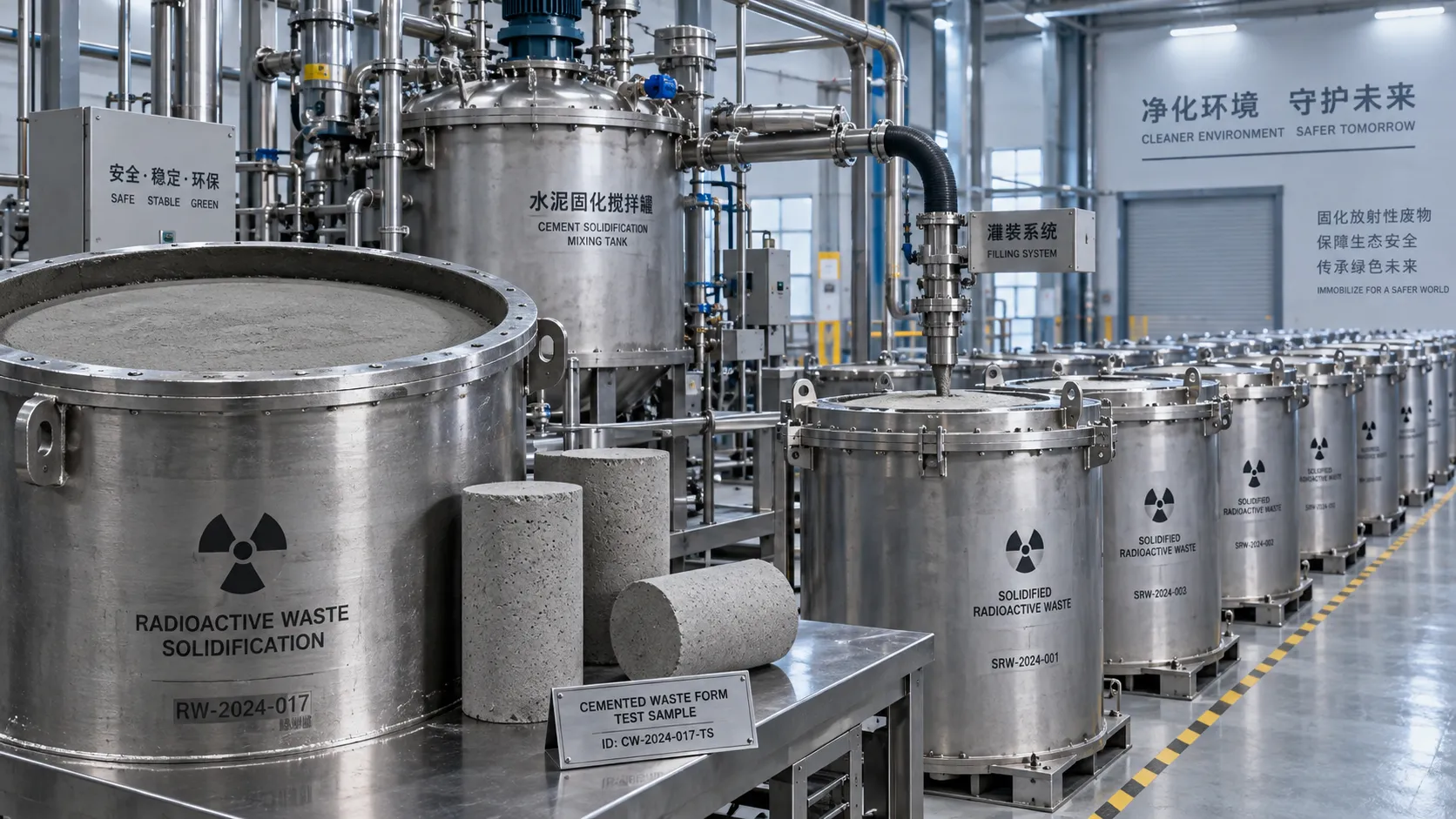
When is cementation suitable for nuclear decommissioning waste?
Explore nuclear waste treatment technology for decommissioning: learn when cementation fits, which risks to assess, and how disposal criteria guide an effective treatment choice.
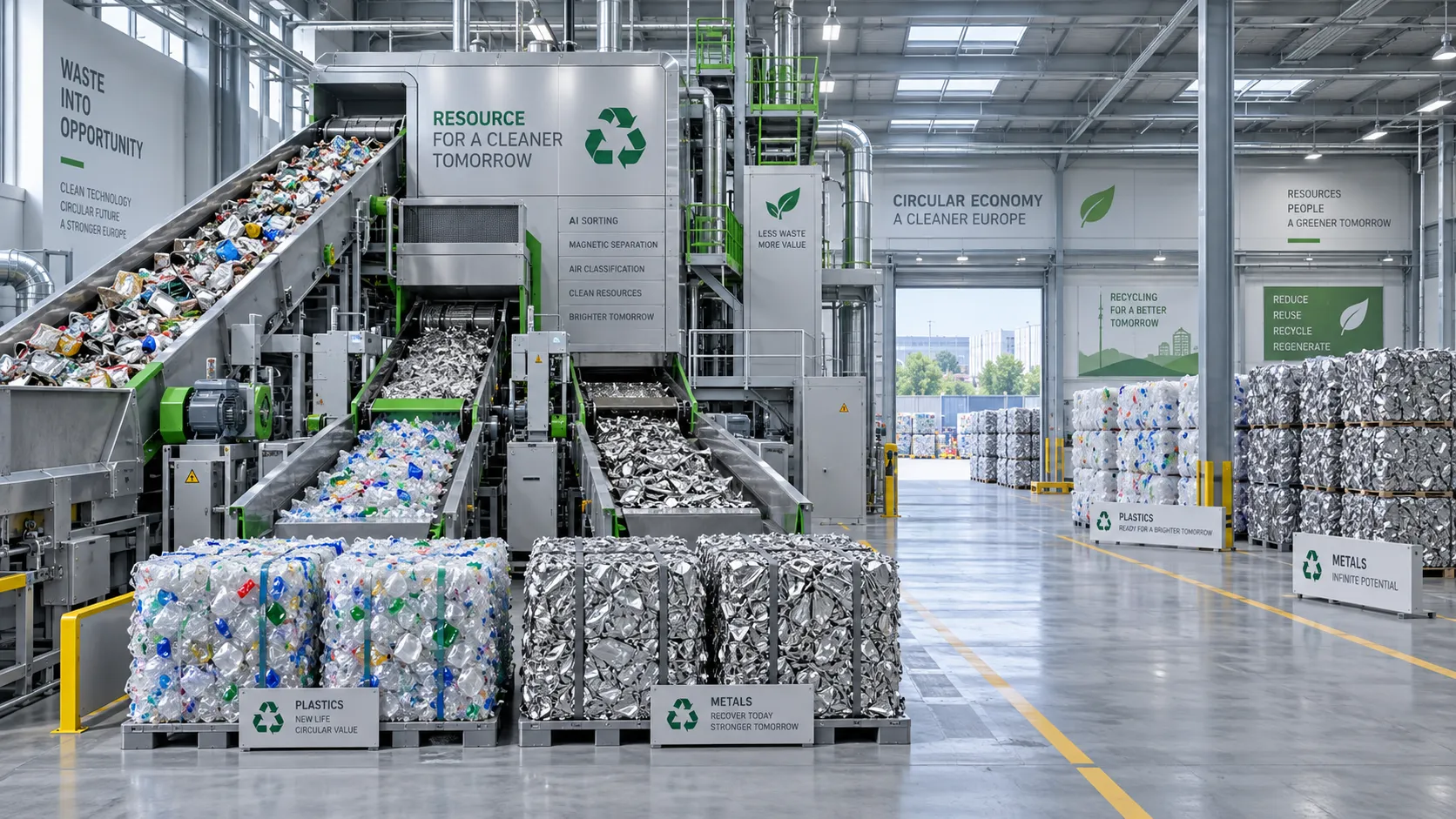
What determines payback for waste-to-resource systems in Europe?
Assess waste-to-resource systems Europe-wide: compare feedstock, recovery yields, costs and contracts to uncover payback drivers and make smarter investment decisions.
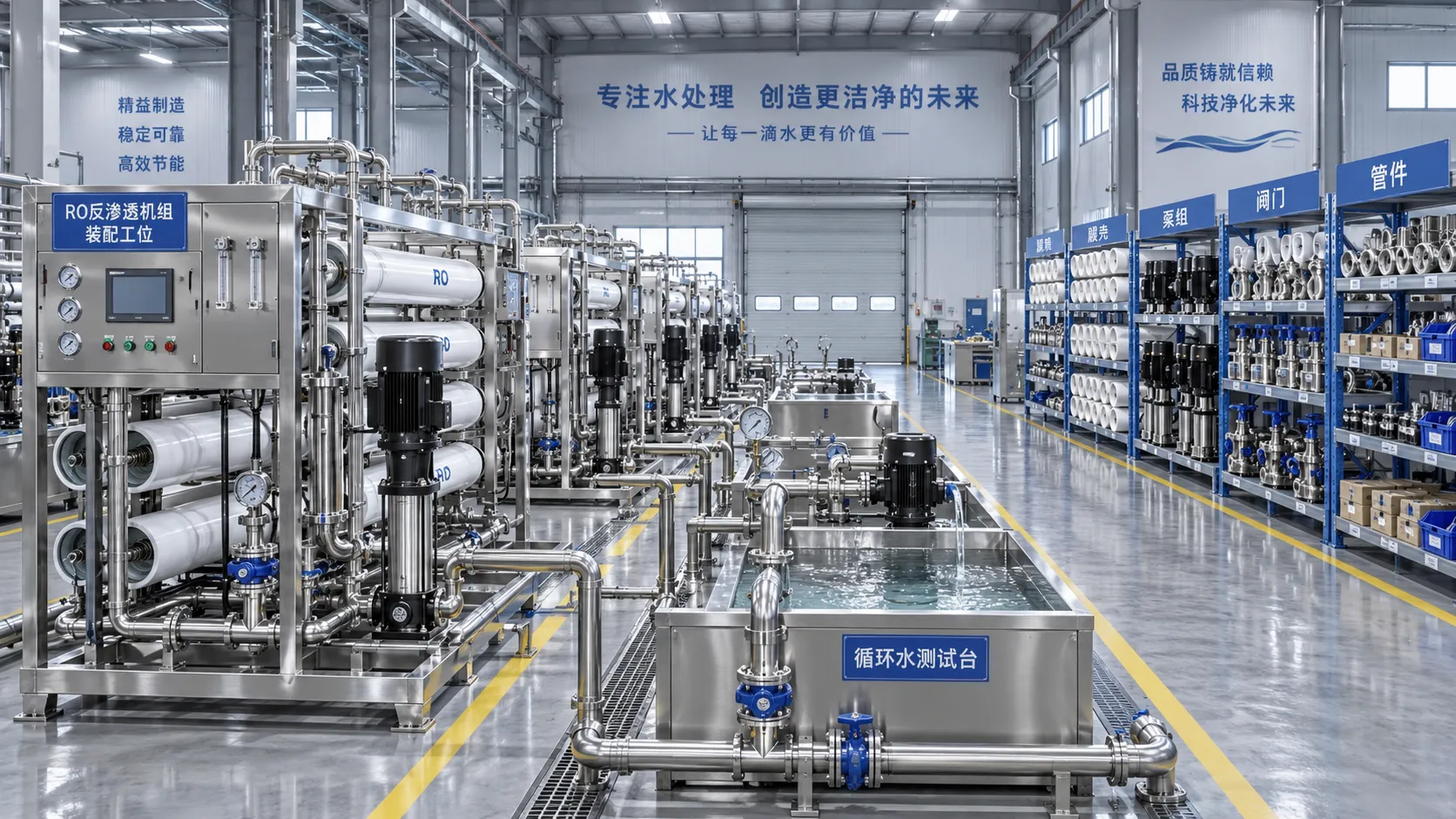
How to verify a water treatment system factory’s production capacity
Verify a water treatment systems factory’s production capacity through records, bottlenecks, component availability, and testing. Learn what to check before accepting a delivery promise.
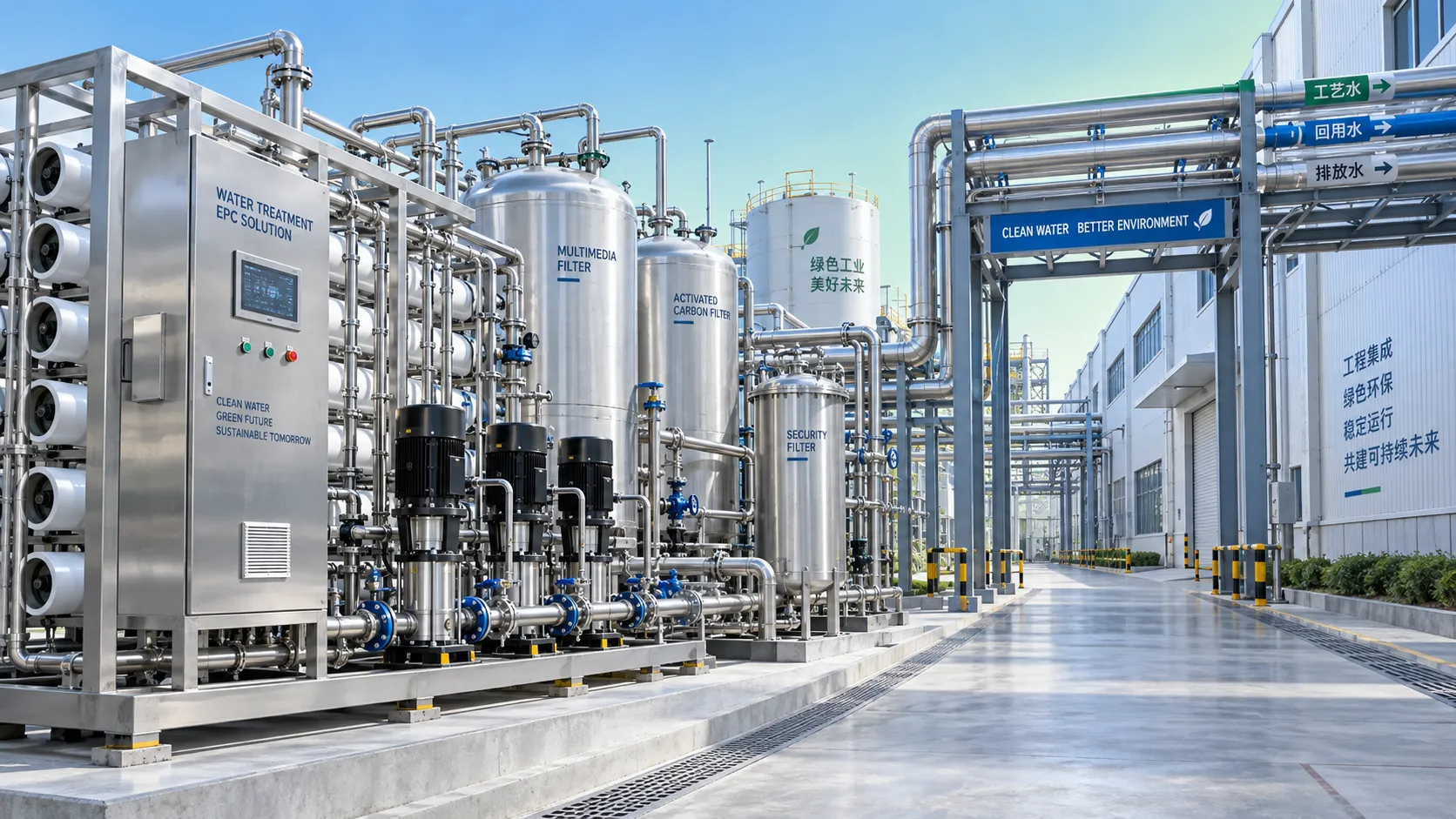
When does EPC environmental project support reduce delivery risk?
EPC environmental project support engineering reduces delivery risk by aligning design, procurement, compliance, construction, and commissioning decisions.
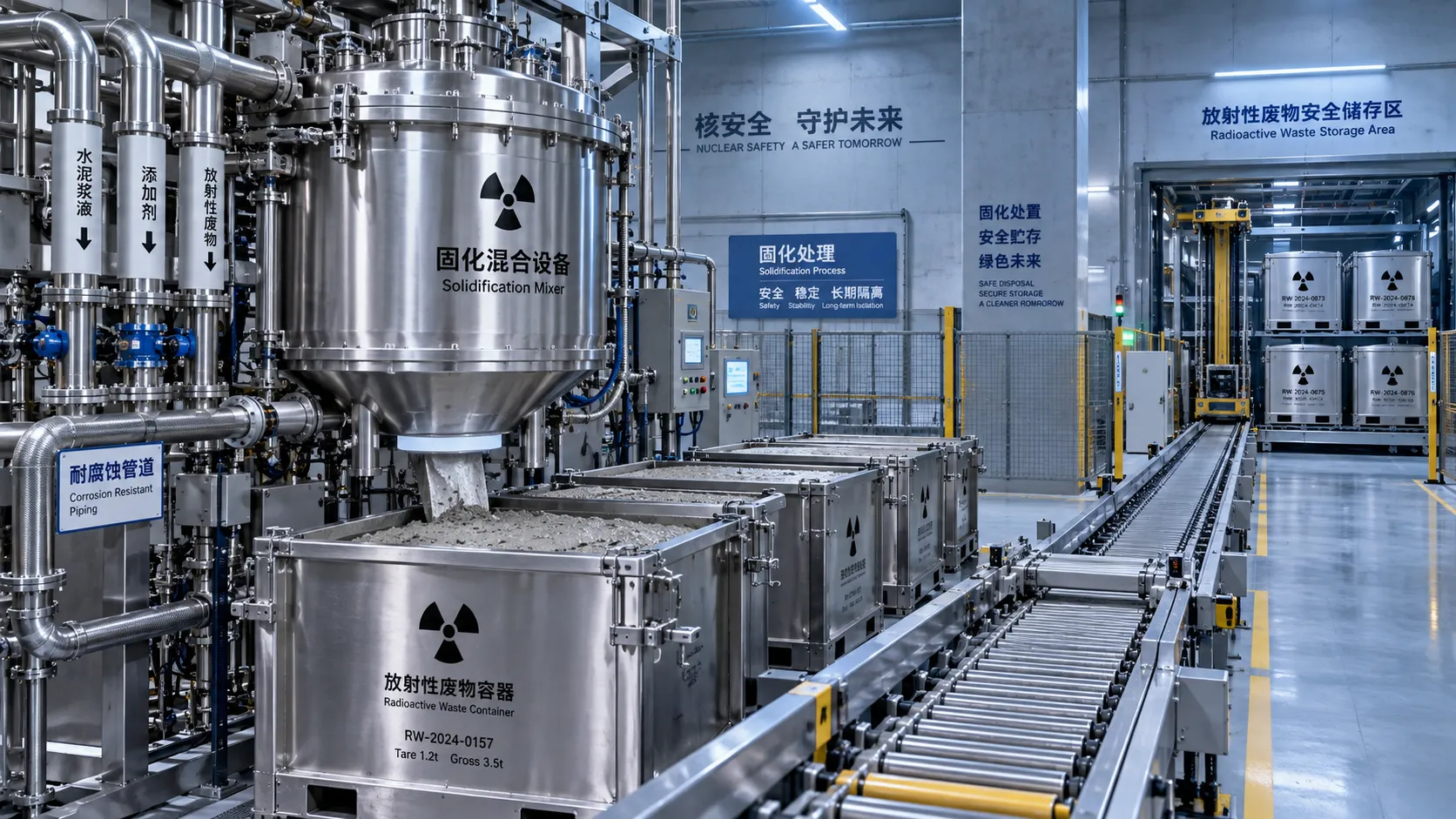
How nuclear plants select a radioactive waste solidification method
Radioactive waste management for nuclear plants: compare vitrification, cementation, polymers, and ceramics to select a compliant, durable solidification solution.
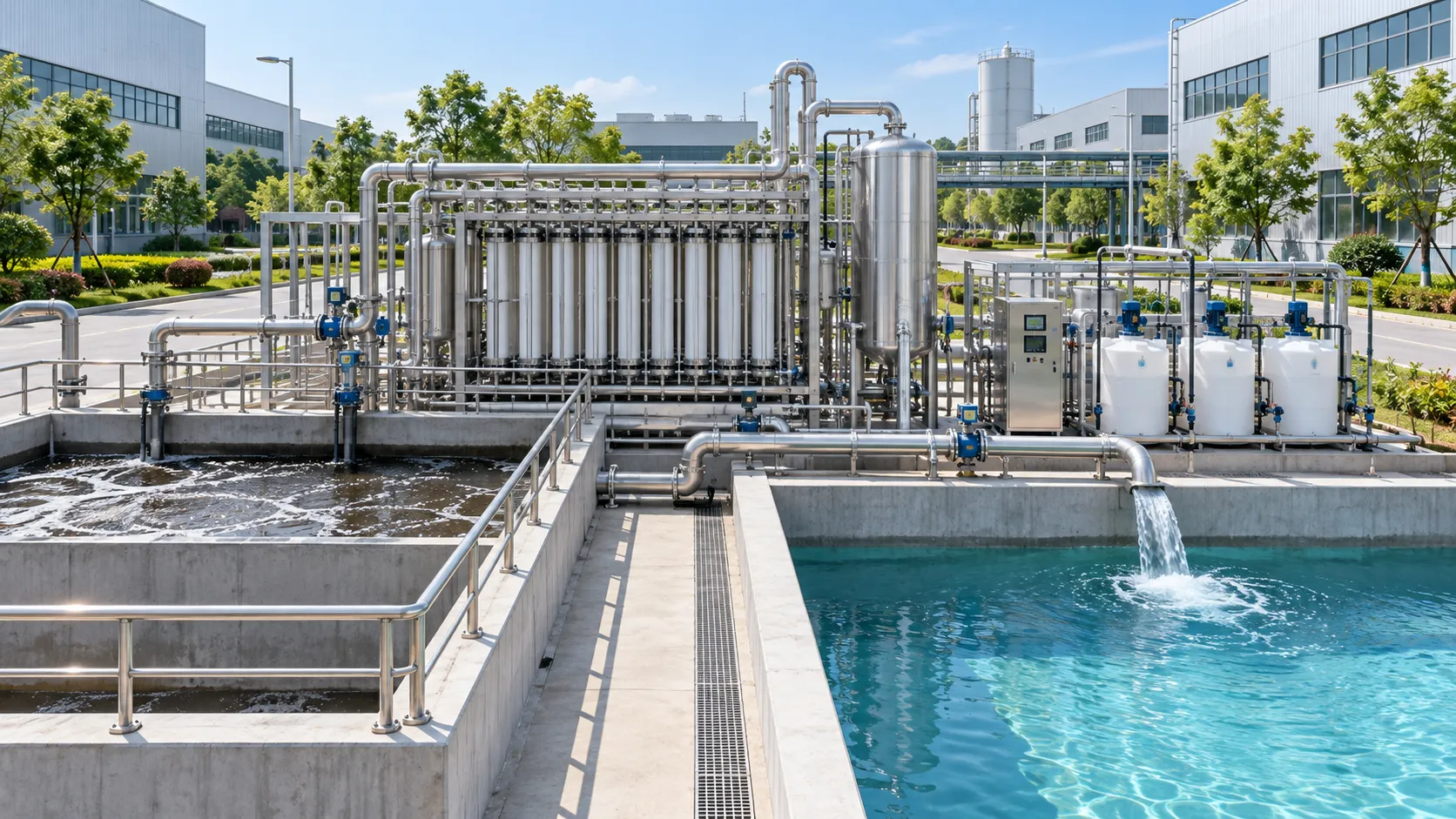
Comparing Upgrade Costs for Industrial Park Wastewater Treatment Systems
Compare costs for wastewater system upgrades in industrial parks with a lifecycle view of CAPEX, OPEX, compliance, resilience, and future expansion.
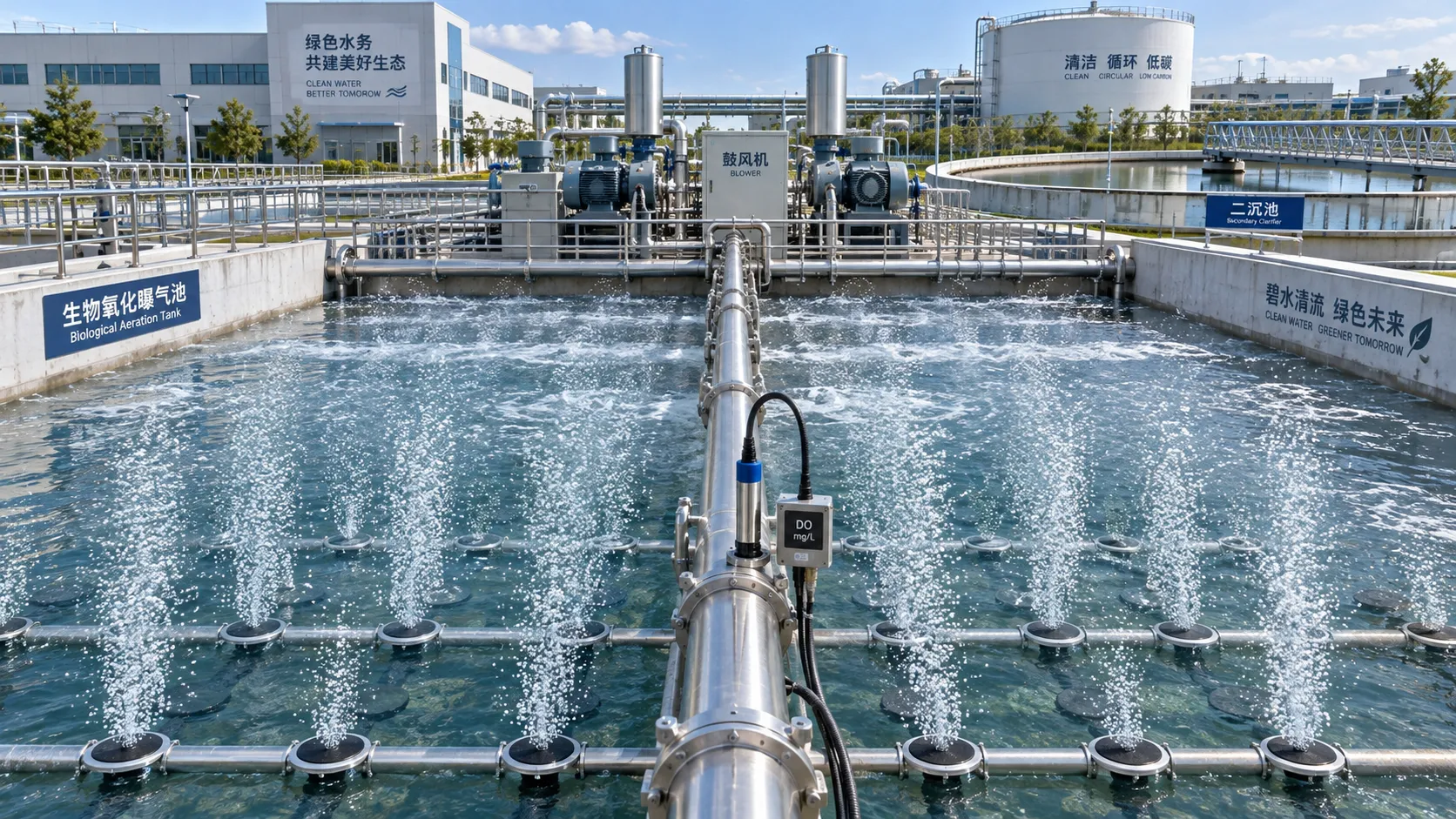
Biological Wastewater Oxidation Explained: Aeration Demand and Process Control
Biological wastewater oxidation explained: optimize aeration demand, DO control, nitrification, and sludge age for stable effluent quality and lower energy costs.
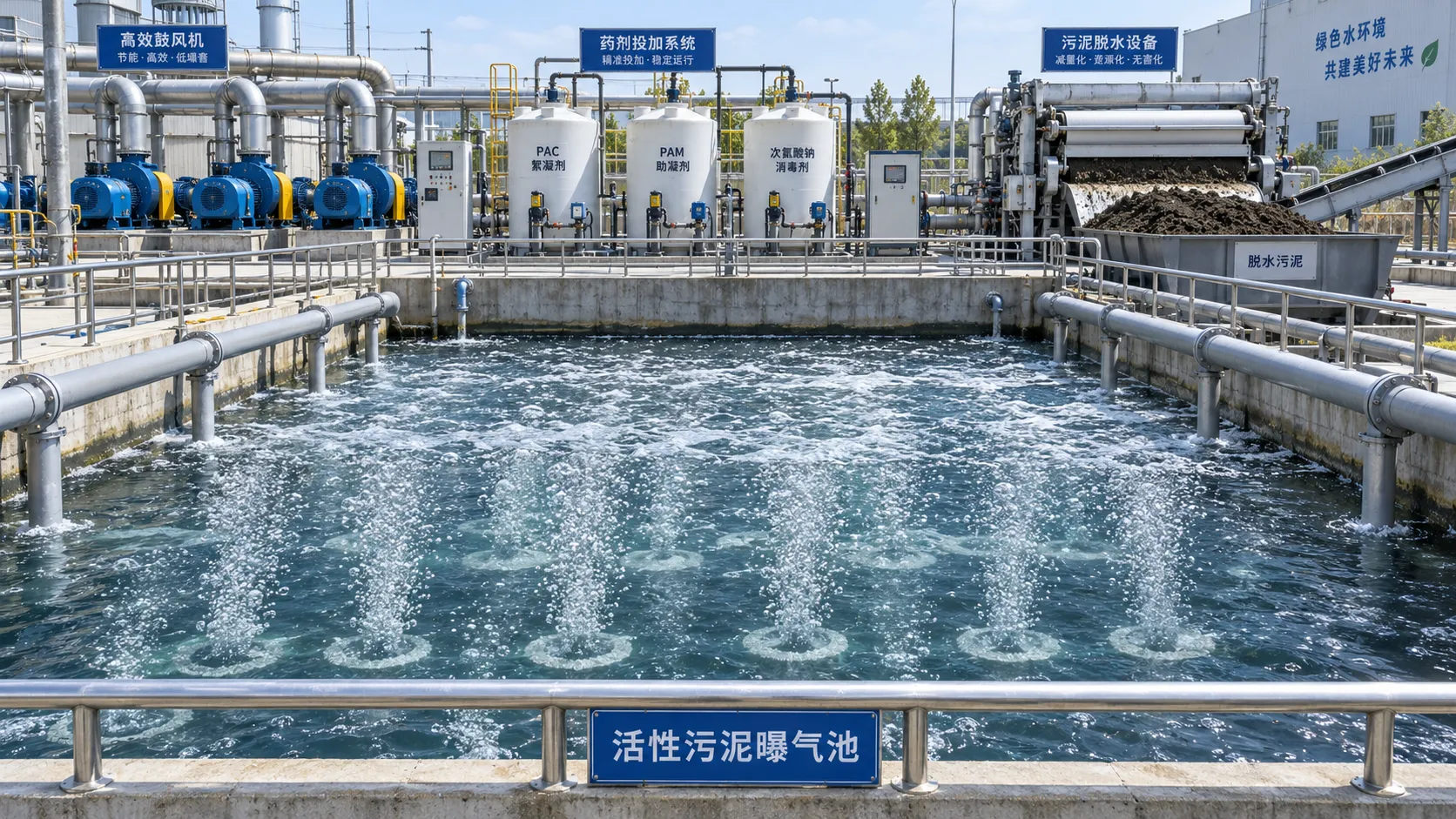
Activated Sludge Cost: Budgeting Energy, Chemicals, Sludge, and Labor
Activated sludge cost explained: compare energy, chemicals, sludge disposal, labor, and compliance risks to build a reliable lifecycle budget.
When Should Municipal Wastewater Plants Upgrade Treatment Capacity and Controls?
Municipal wastewater treatment upgrades: learn when capacity, controls, and resilient planning are needed to protect compliance and optimize plant performance.