
Industry News
Curation by industry experts
Hot Articles
Popular Tags
Industrial Emissions Rules in 2026: What Plants Need to Recheck
As 2026 approaches, industrial emissions rules are tightening across major production sectors, forcing plants to recheck permits, monitoring systems, fuel choices, and treatment controls.
The issue now goes beyond compliance paperwork. It affects uptime, financing, export exposure, insurance confidence, and the timing of environmental capital spending.
For operations linked to water treatment, waste recovery, flue gas treatment, desalination, and hazardous residues, industrial emissions planning has become a board-level resilience topic.
What is changing in industrial emissions rules in 2026?
The main change is not one single law. It is the combined tightening of limits, monitoring, reporting, and liability expectations across jurisdictions.
Many frameworks are moving from periodic estimation toward continuous evidence. Regulators increasingly want proof, not assumptions, for industrial emissions performance.
Plants may face revised thresholds for NOx, SOx, particulate matter, VOCs, greenhouse gases, wastewater contaminants, and hazardous byproducts.
Rules are also becoming more integrated. Air emissions, water discharge, energy efficiency, waste handling, and carbon reporting are no longer reviewed in isolation.
That matters for complex facilities. A fuel switch may reduce one pollutant while raising another compliance burden elsewhere in the process chain.
For example, tighter flue gas standards may require catalyst upgrades, scrubber tuning, or better feedstock control. Each option changes maintenance and utility demand.
In sectors observed by ESD, regulators are also looking harder at secondary impacts, such as brine management, sludge classification, ash recovery, and residual toxicity.
Why this matters now
Late reactions are costly. Equipment lead times remain uneven, engineering resources are tight, and permit amendments can take months.
Plants that wait until formal enforcement begins often buy emergency retrofits at higher prices and lower technical flexibility.
Which plants are most exposed to industrial emissions risk?
Exposure is highest where processes are energy-intensive, chemically complex, water-stressed, or dependent on legacy pollution controls.
Heavy industry is an obvious target, but mixed-use industrial sites also face rising risk if utilities, backup boilers, incineration, or concentrated effluent are involved.
The following situations deserve immediate rechecking:
- Older combustion systems with limited NOx or SOx control
- Sites using variable fuel blends or difficult raw materials
- Plants with wastewater spikes, salinity loads, or ZLD ambitions
- Operations generating ash, sludge, brine, solvent vapors, or hazardous residues
- Facilities selling into export markets shaped by carbon and traceability rules
Industrial emissions risk also rises when monitoring is fragmented. If air, water, waste, and energy data sit in separate systems, issues stay hidden longer.
This is especially relevant for integrated environmental infrastructure. A desalination plant, for example, may face both energy and brine scrutiny.
Hidden exposure factors
Plants are often surprised by support systems. Emergency generators, thermal oxidizers, wastewater equalization failures, and bypass events can trigger industrial emissions violations.
Supplier changes may also alter emissions behavior. A new reagent, membrane cleaning chemistry, or waste feed mix can shift compliance performance.
What should plants recheck first before 2026?
Start with a structured recheck of legal obligations against real operating conditions. Do not assume the permit file reflects present-day reality.
A practical industrial emissions review usually begins with five checkpoints.
1. Permit boundaries and assumptions
Confirm that throughput, fuel type, operating hours, stack configuration, discharge routes, and waste categories still match the authorized basis.
2. Monitoring accuracy and evidence quality
Review CEMS, stack testing intervals, wastewater analyzers, sampling plans, laboratory methods, and data retention practices.
If industrial emissions data cannot survive an audit trail review, the technical performance may not matter.
3. Control equipment condition
Inspect scrubbers, baghouses, filters, catalysts, oxidizers, clarifiers, biological units, RO trains, evaporators, and sludge handling systems.
Look beyond nameplate capacity. Industrial emissions failures often come from drift, fouling, poor dosing, or weak maintenance discipline.
4. Feedstock and utility changes
Check whether fuels, reagents, water sources, waste inputs, or production recipes have changed since the last environmental baseline.
5. Incident and upset history
Trend all alarm events, bypasses, exceedances, odor complaints, corrosion issues, and residue disposal exceptions from the last two years.
These records often reveal where industrial emissions compliance is already fragile, even if no formal penalty has been issued.
How should plants judge retrofit options versus operational fixes?
Not every gap requires a major project. Some industrial emissions problems can be reduced through controls optimization, better chemistry, and tighter operating windows.
The right decision depends on compliance margin, production plans, utility costs, and remaining asset life.
For flue gas treatment, catalyst regeneration, burner tuning, or leak control may help first. For wastewater, equalization, pH control, and pretreatment often unlock gains.
However, if industrial emissions limits are tightening sharply, optimization alone may not create enough margin for future enforcement.
A useful selection principle
Choose the option that protects compliance under normal load, peak load, and upset recovery. Average performance is no longer enough.
What common mistakes increase industrial emissions compliance costs?
The biggest mistake is treating industrial emissions as an end-of-pipe issue only. By then, the process causes are already embedded.
Other costly mistakes appear repeatedly across sectors:
- Using outdated emission factors after production changes
- Ignoring startup, shutdown, and maintenance emissions
- Separating carbon accounting from local pollutant strategy
- Underestimating sludge, brine, ash, or concentrate disposal restrictions
- Buying equipment before validating monitoring and root cause data
Another frequent error is overlooking cross-media tradeoffs. A solution that cuts air pollutants may increase water use or create harder waste streams.
This is where integrated intelligence matters. ESD tracks how industrial emissions decisions interact with circular economy and water security constraints.
Compliance myths to avoid
Passing one annual test does not guarantee readiness. Nor does having modern hardware guarantee compliant performance without disciplined operation.
How can plants prepare a practical 2026 industrial emissions action plan?
A useful plan should combine legal review, engineering diagnosis, budget timing, and operating discipline. It should also assign owners and deadlines.
The following sequence works well for many sites:
- Map every industrial emissions obligation by source, medium, and permit basis.
- Validate current performance data and close monitoring gaps.
- Stress-test compliance under peak production and abnormal scenarios.
- Rank gaps by enforcement risk, outage impact, and capital urgency.
- Launch low-cost operational fixes immediately.
- Develop retrofit packages for issues that remain structurally exposed.
- Align procurement, permitting, and shutdown windows early.
For advanced facilities, digital integration adds value. Linking process data, environmental monitoring, and maintenance records improves early warning capability.
That approach is especially powerful where membranes, catalysts, scrubbers, evaporators, or hazardous residue systems define environmental performance.
Quick FAQ reference table
Industrial emissions rules in 2026 will reward preparation, traceable data, and integrated environmental thinking. Waiting for formal notices is the expensive path.
The best next step is a disciplined recheck of permits, controls, monitoring, and process assumptions, followed by a ranked action plan with realistic timing.
In a market shaped by stricter standards and global ecological expectations, strong industrial emissions readiness supports both compliance security and long-term competitiveness.
Recommended News
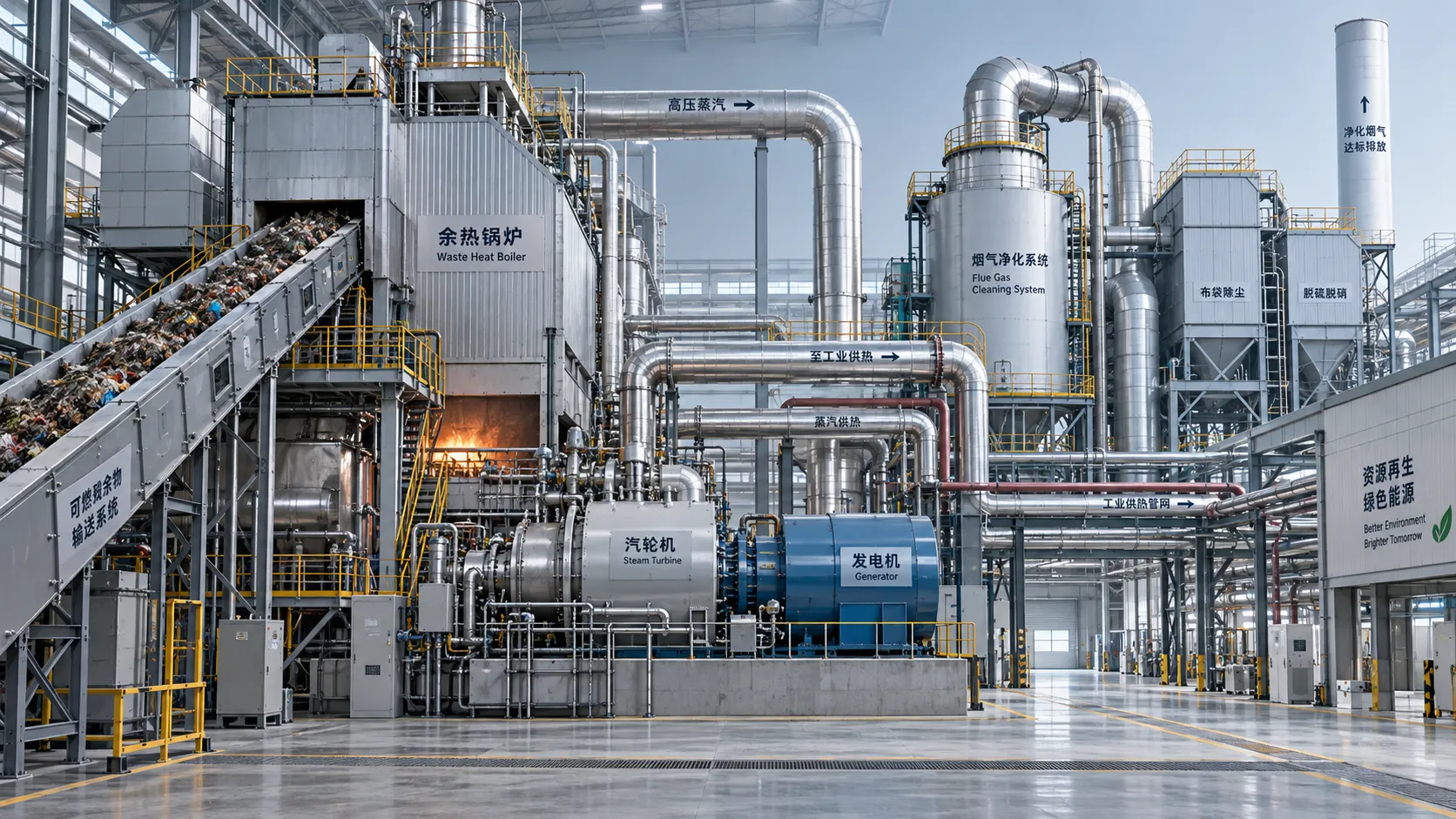
When is energy recovery viable in the solid waste recovery process?
When is energy recovery viable in the solid waste recovery process? Explore feedstock quality, net energy, emissions, and costs to assess feasibility and make smarter investment decisions.
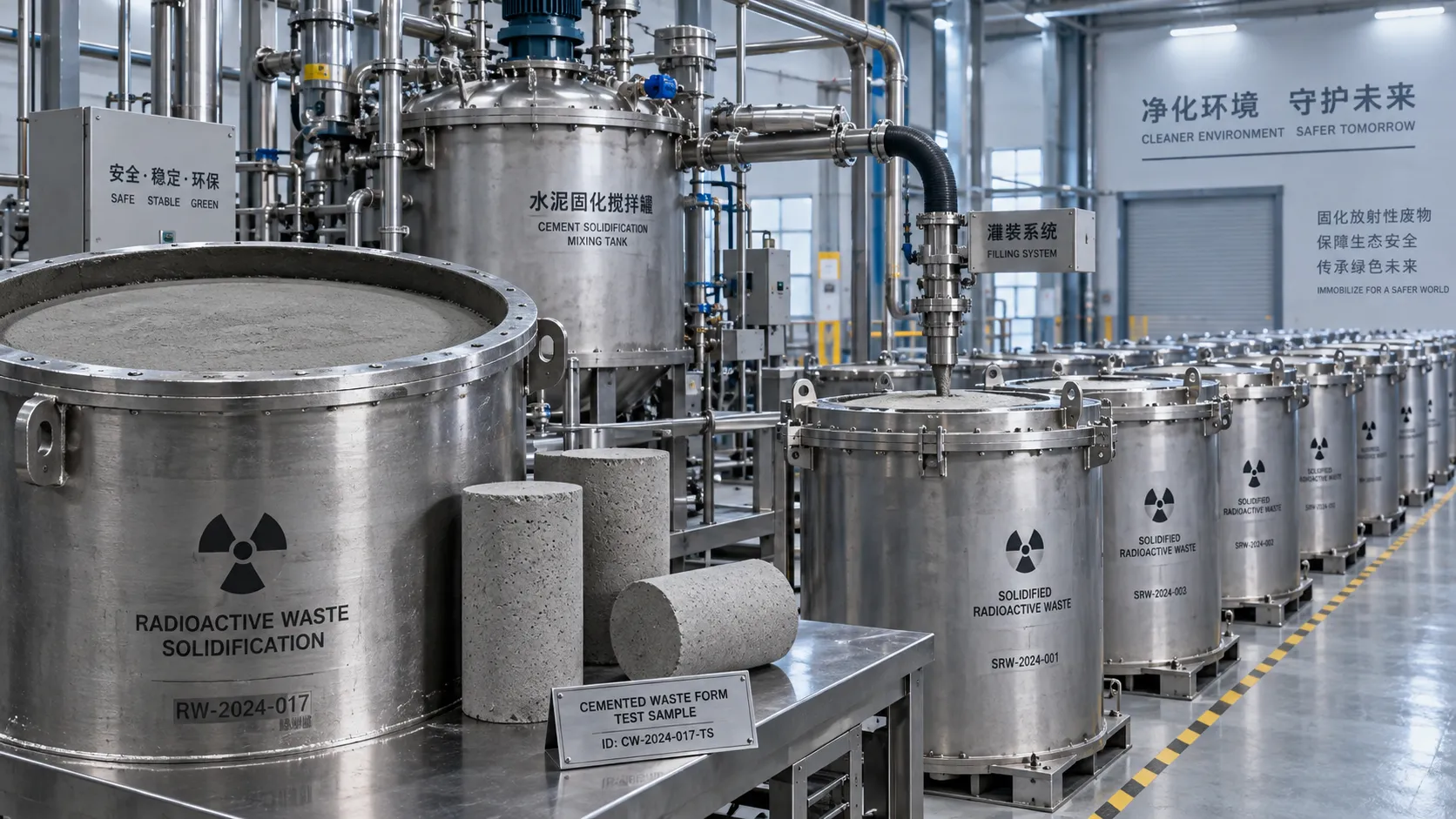
When is cementation suitable for nuclear decommissioning waste?
Explore nuclear waste treatment technology for decommissioning: learn when cementation fits, which risks to assess, and how disposal criteria guide an effective treatment choice.
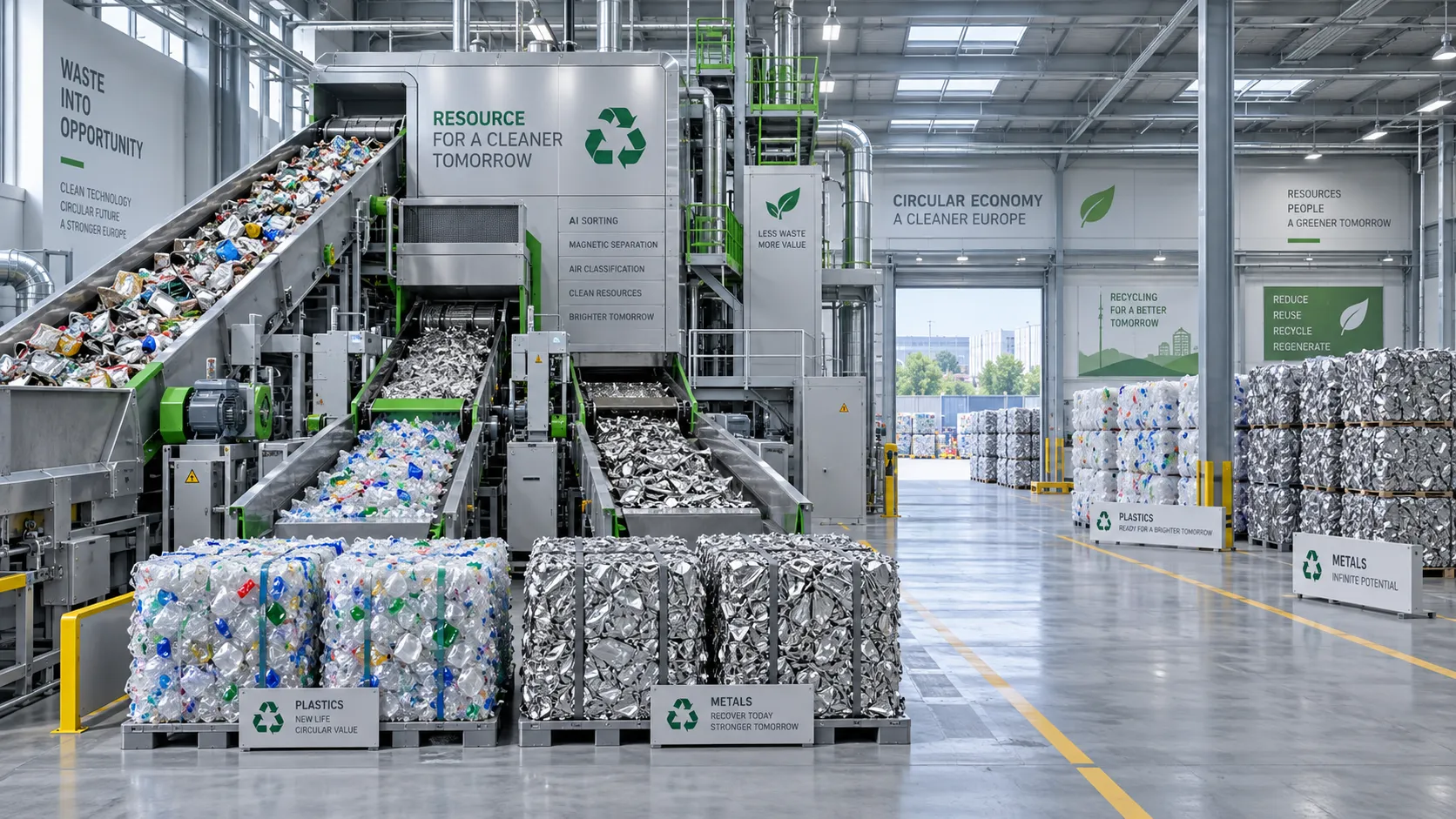
What determines payback for waste-to-resource systems in Europe?
Assess waste-to-resource systems Europe-wide: compare feedstock, recovery yields, costs and contracts to uncover payback drivers and make smarter investment decisions.
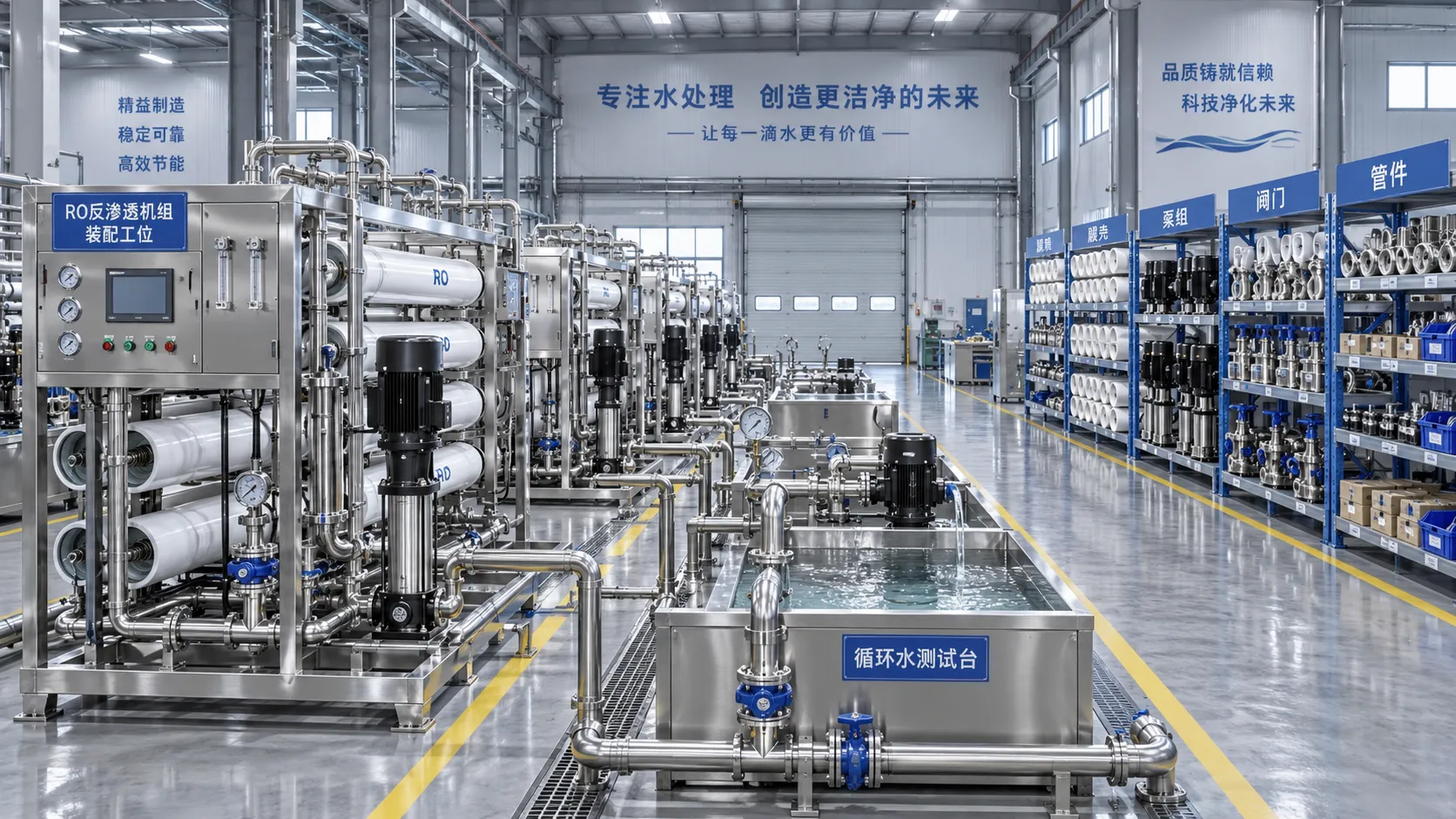
How to verify a water treatment system factory’s production capacity
Verify a water treatment systems factory’s production capacity through records, bottlenecks, component availability, and testing. Learn what to check before accepting a delivery promise.
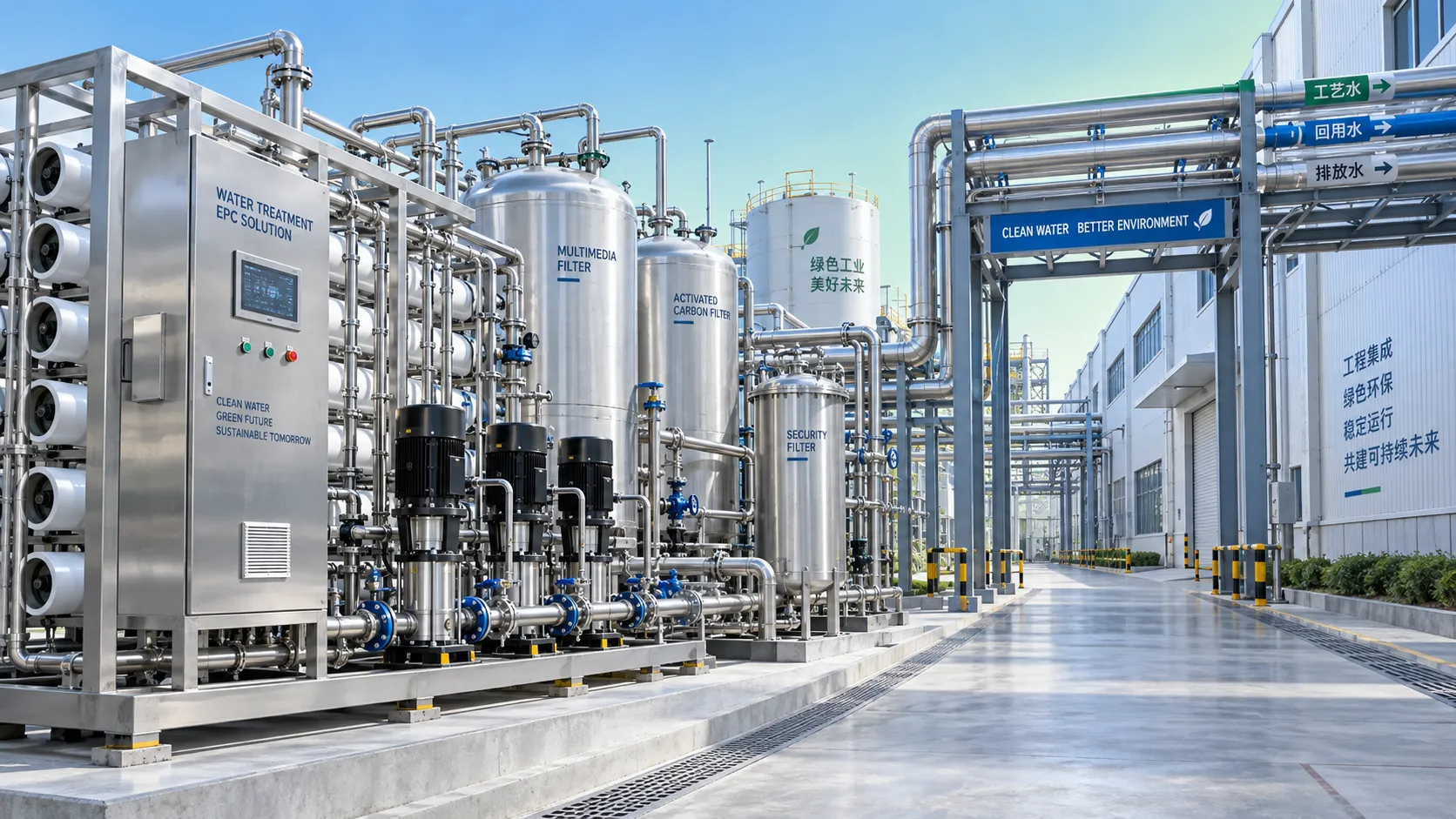
When does EPC environmental project support reduce delivery risk?
EPC environmental project support engineering reduces delivery risk by aligning design, procurement, compliance, construction, and commissioning decisions.
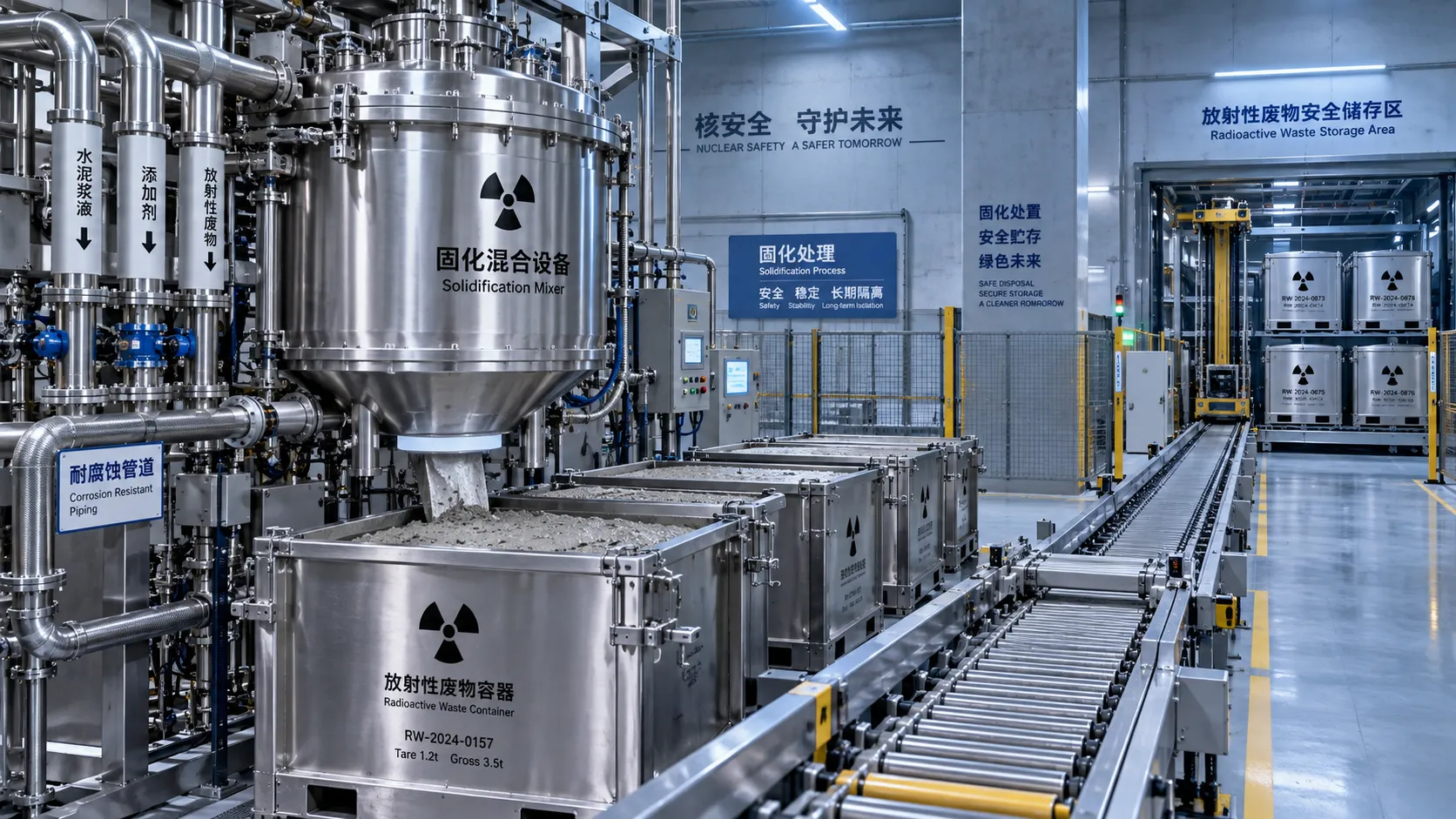
How nuclear plants select a radioactive waste solidification method
Radioactive waste management for nuclear plants: compare vitrification, cementation, polymers, and ceramics to select a compliant, durable solidification solution.
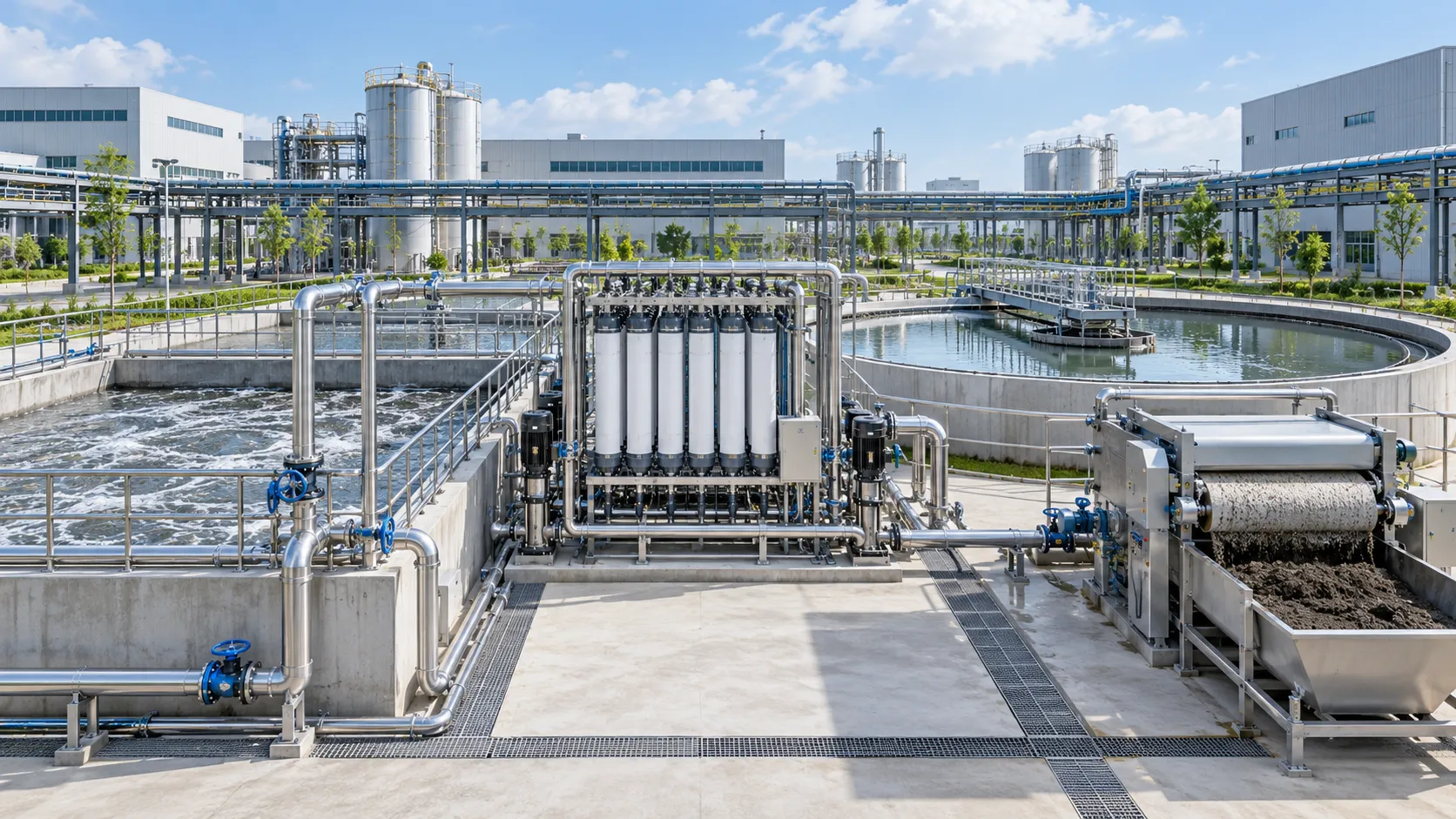
What Drives the Cost of Wastewater System Upgrades in Industrial Parks?
Costs of wastewater system upgrades in industrial parks: uncover key drivers from influent variability and civil works to sludge, energy, compliance, and lifecycle risk.
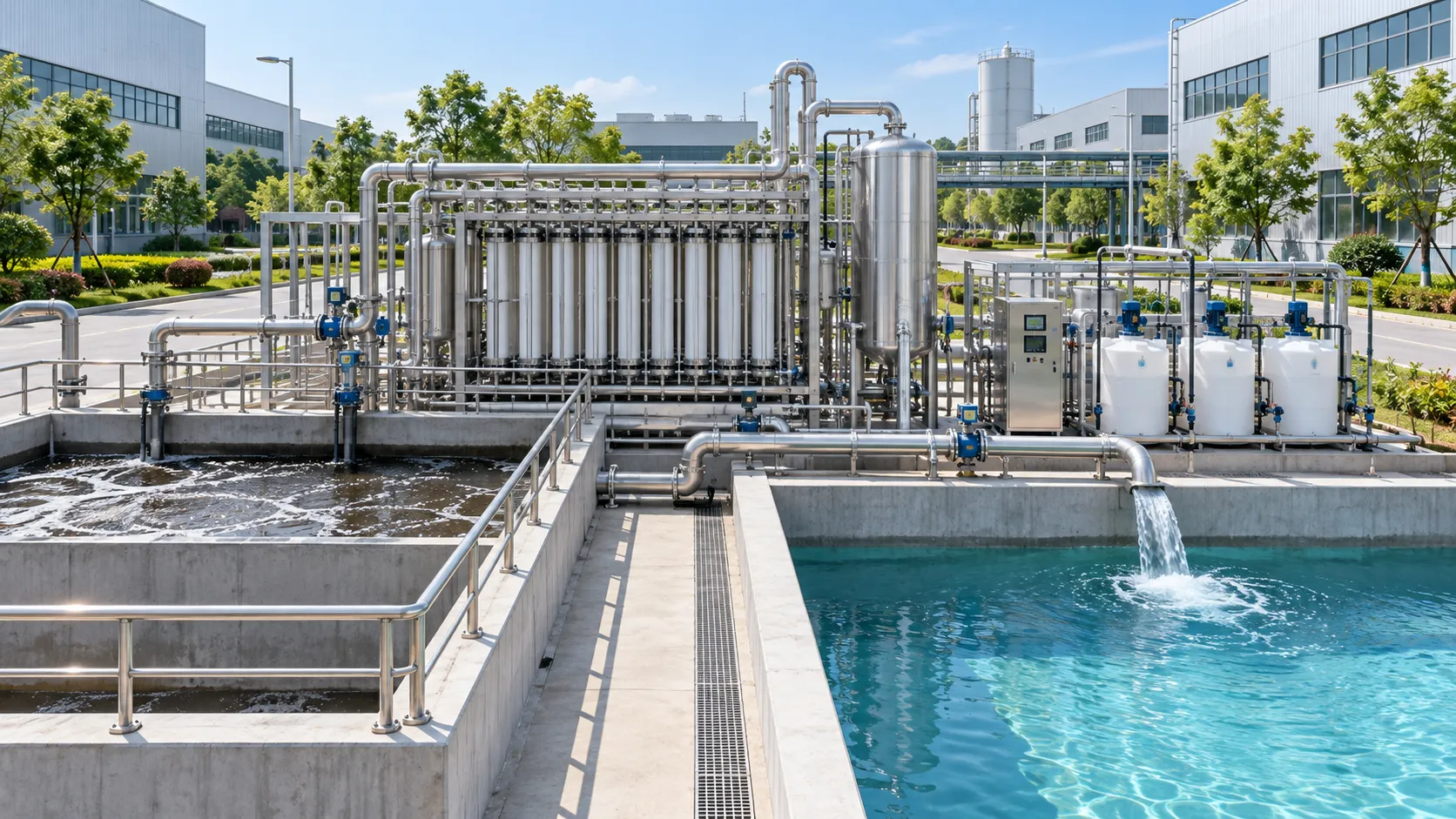
Comparing Upgrade Costs for Industrial Park Wastewater Treatment Systems
Compare costs for wastewater system upgrades in industrial parks with a lifecycle view of CAPEX, OPEX, compliance, resilience, and future expansion.
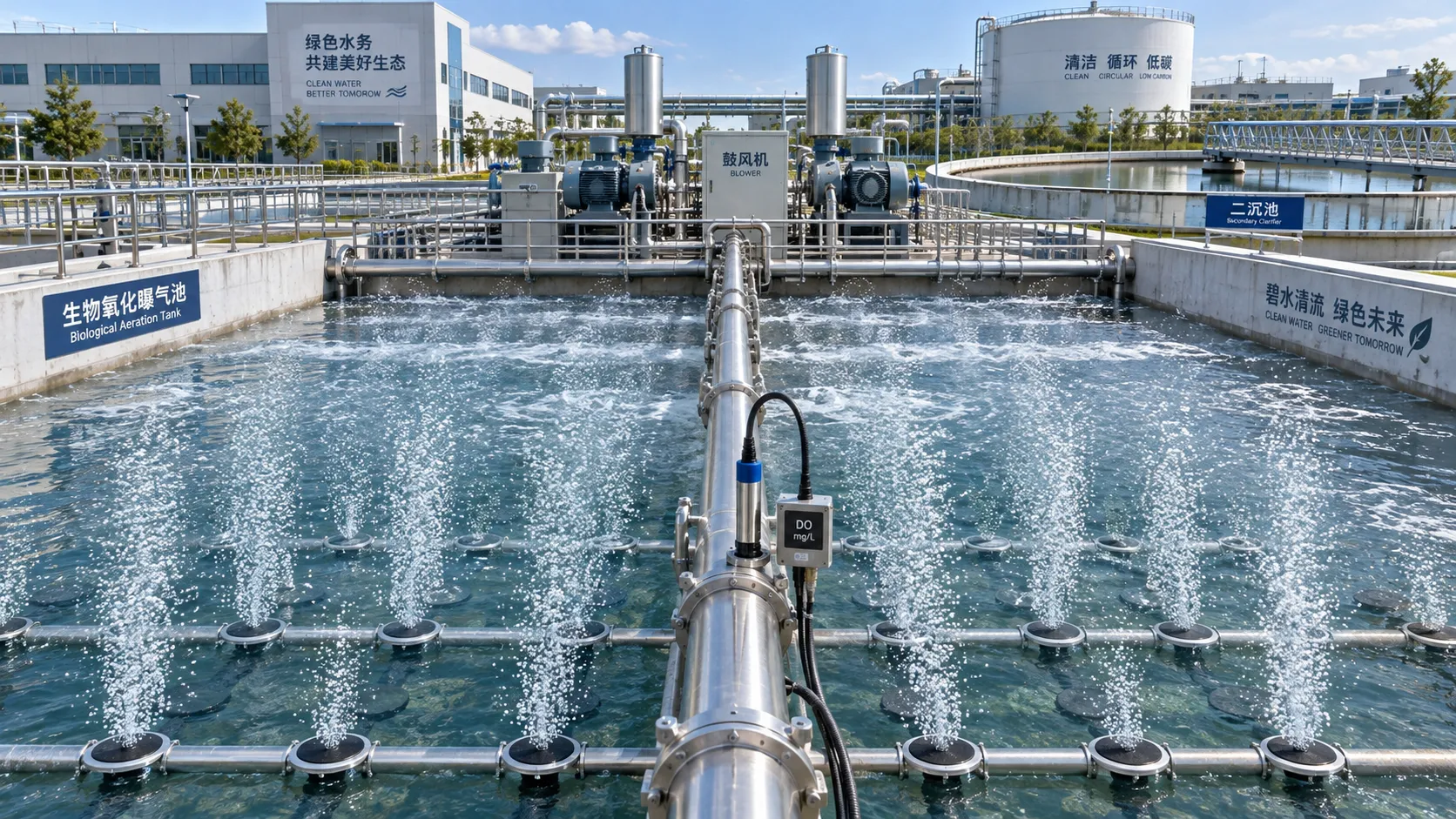
Biological Wastewater Oxidation Explained: Aeration Demand and Process Control
Biological wastewater oxidation explained: optimize aeration demand, DO control, nitrification, and sludge age for stable effluent quality and lower energy costs.