
Industry News
Curation by industry experts
Hot Articles
Popular Tags
Ecological Immune System Thinking in Urban Environmental Planning
Ecological immune system thinking offers urban environmental planning a practical way to connect water, waste, air, land, energy, and compliance into one resilient operating logic. Instead of treating pollution control as separate projects, this framework views the city as a living system that must detect stress, isolate risk, repair damage, and adapt under pressure. For complex infrastructure decisions, the ecological immune system approach helps align technology selection, regulatory readiness, and long-term asset performance.
Why ecological immune system thinking matters in urban environmental planning
Urban systems now face tighter discharge limits, climate volatility, aging networks, and rising public scrutiny. Traditional planning often separates sewage treatment, solid waste recovery, flue gas treatment, desalination, and hazardous waste governance into disconnected technical packages.
That separation creates blind spots. A wastewater upgrade can increase sludge loads. A waste-to-resource program can change air control needs. A desalination plant can shift grid demand and brine management risks. Ecological immune system thinking reduces these gaps by requiring cross-system diagnosis before capital is committed.
For integrated environmental intelligence platforms such as ESD, the value is clear: planning improves when decision-makers connect extreme purification parameters, circular resource logic, and global compliance strategy early, rather than after procurement or permitting problems emerge.
Core checklist for applying the ecological immune system approach
Use the following checklist to test whether an urban environmental plan behaves like a healthy ecological immune system rather than a collection of isolated assets.
- Map pollutant pathways across water, air, solids, and energy flows before finalizing plant boundaries, so hidden transfers do not become future compliance failures.
- Identify critical receptors, including drinking water sources, dense neighborhoods, coastal zones, logistics corridors, and industrial clusters, to prioritize protective investment logically.
- Define detection thresholds for abnormal load, toxic spikes, salinity shifts, radionuclide exposure, odor events, and stack emissions using measurable operating indicators.
- Link treatment technologies to disturbance type, matching membranes, biological units, thermal processes, catalysts, vitrification, or AI sorting systems to actual risk profiles.
- Test redundancy at the system level, not only equipment level, so bypass risk, maintenance downtime, and supply interruptions do not collapse environmental protection performance.
- Quantify recovery value from sludge, brine, heat, metals, organics, and secondary materials to turn defensive infrastructure into circular economy assets.
- Evaluate carbon intensity together with purification efficiency, because a technically compliant solution may still fail future climate or CBAM-related competitiveness tests.
- Check regulatory fit across local permits, discharge standards, hazardous handling rules, marine requirements, and cross-border reporting obligations before design lock-in.
- Build data stitching rules that combine sensor outputs, laboratory results, maintenance logs, and policy updates into one decision framework for adaptive planning.
- Plan response pathways for upset conditions, specifying containment, temporary storage, load shedding, emergency treatment, communication triggers, and restart criteria.
How the ecological immune system works across major urban scenarios
Large water treatment and industrial wastewater
In wastewater planning, the ecological immune system starts with early detection and selective defense. Influent variability, toxic shock, salinity, and nutrient imbalance must be monitored before biological collapse occurs.
Where high-concentration industrial streams exist, planning should separate compatible and incompatible flows, assess ZLD feasibility, and anticipate sludge, concentrate, and energy implications together. This avoids solving one discharge issue while creating another disposal burden.
Solid waste recovery and urban mining
For solid waste systems, ecological immune system thinking treats mixed waste as both a contamination threat and a resource reservoir. The key is to improve recognition, sorting precision, and safe downstream routing.
Planning should compare AI sorting, pyrolysis, material recovery, and residue stabilization as one chain. A recovery-centered design lowers landfill dependence, reduces leakage risk, and strengthens secondary raw material security.
Flue gas treatment and industrial air control
In air management, the ecological immune system functions like a respiratory defense layer. Stack emissions must be addressed alongside fuel quality, process stability, by-product handling, and catalyst performance under real operating temperatures.
A planning review should connect FGD, SCR, dust removal, and continuous emissions monitoring with maintenance strategy and reagent logistics. Clean air performance depends on system continuity, not single-unit efficiency claims.
Seawater desalination and coastal resilience
In water-stressed coastal cities, seawater desalination becomes part of the ecological immune system by buffering drought exposure. Yet intake ecology, membrane fouling, energy demand, and brine discharge must be assessed as linked risks.
A resilient plan compares SWRO configuration, pretreatment robustness, renewable power options, and marine compliance strategy. The best design is not only productive; it is stable under seasonal, regulatory, and energy-market stress.
Nuclear waste and extreme containment
For high-consequence hazards, the ecological immune system depends on absolute containment, long-term monitoring, and failure intolerance. Nuclear waste planning demands multi-barrier logic, material stability, and institutional continuity.
Urban or regional interfaces require special attention where transport, interim storage, emergency planning, and public confidence overlap. In this scenario, immune strength means preventing rare events from becoming irreversible events.
Common blind spots that weaken the ecological immune system
One common mistake is optimizing only for nameplate performance. Equipment may meet laboratory targets but fail under variable loads, poor maintenance, reagent shortages, or unstable upstream operations.
Another weak point is ignoring transfer pollution. Concentrates, ash, spent media, contaminated brine, and captured solids often move risk from one boundary to another instead of eliminating it.
Data fragmentation also undermines ecological immune system planning. When compliance, operations, and asset teams use separate datasets, warning signals arrive late and corrective actions become expensive.
A further risk is underestimating regulatory evolution. Carbon accounting, hazardous classification changes, marine discharge expectations, and cross-border environmental trade rules can quickly reshape project viability.
Practical execution steps for a stronger planning framework
- Start with a baseline immune map showing sources, pathways, receptors, controls, backups, and unresolved vulnerabilities across all environmental infrastructure.
- Run scenario stress tests for flood events, toxic surges, power instability, feedstock changes, permit tightening, and contractor performance gaps.
- Assign one integrated KPI set covering removal efficiency, recovery yield, carbon intensity, downtime resilience, and compliance response speed.
- Use strategic intelligence inputs to review technology maturity, supply chain exposure, policy shifts, and lifecycle costs before tender release.
- Revisit the plan at fixed intervals, because an ecological immune system must learn and adapt rather than remain frozen after commissioning.
Conclusion and next action
Ecological immune system thinking gives urban environmental planning a disciplined way to connect defense, recovery, and adaptation. It is especially valuable where water treatment, waste recovery, desalination, flue gas control, and high-risk containment interact under rising regulatory pressure.
The next practical step is to audit one live or planned project against the checklist above. If pollutant pathways, detection thresholds, recovery logic, and compliance triggers are not linked, the ecological immune system is incomplete. Strengthening those links early will improve resilience, funding logic, and long-term environmental performance.
Recommended News
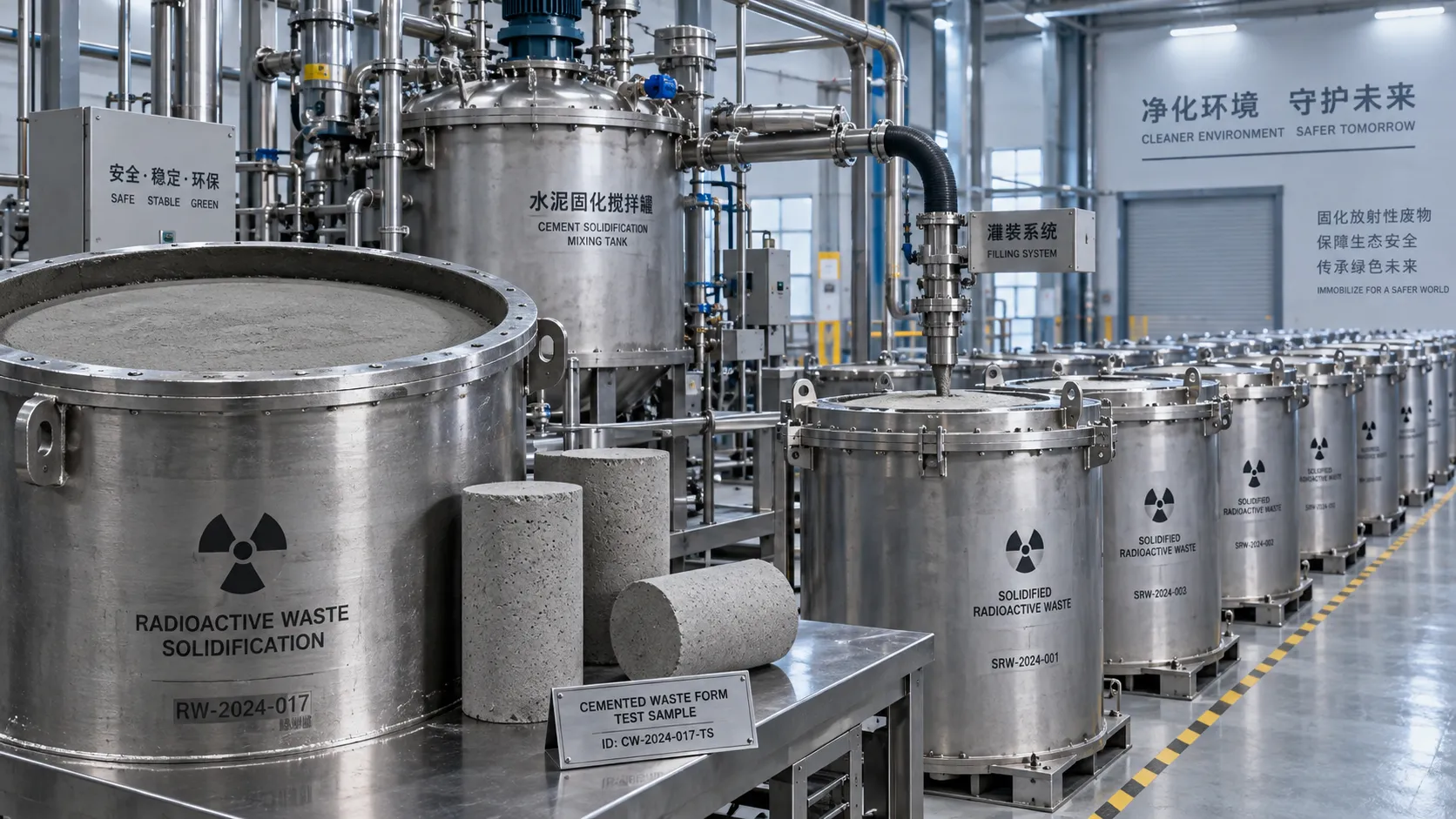
When is cementation suitable for nuclear decommissioning waste?
Explore nuclear waste treatment technology for decommissioning: learn when cementation fits, which risks to assess, and how disposal criteria guide an effective treatment choice.
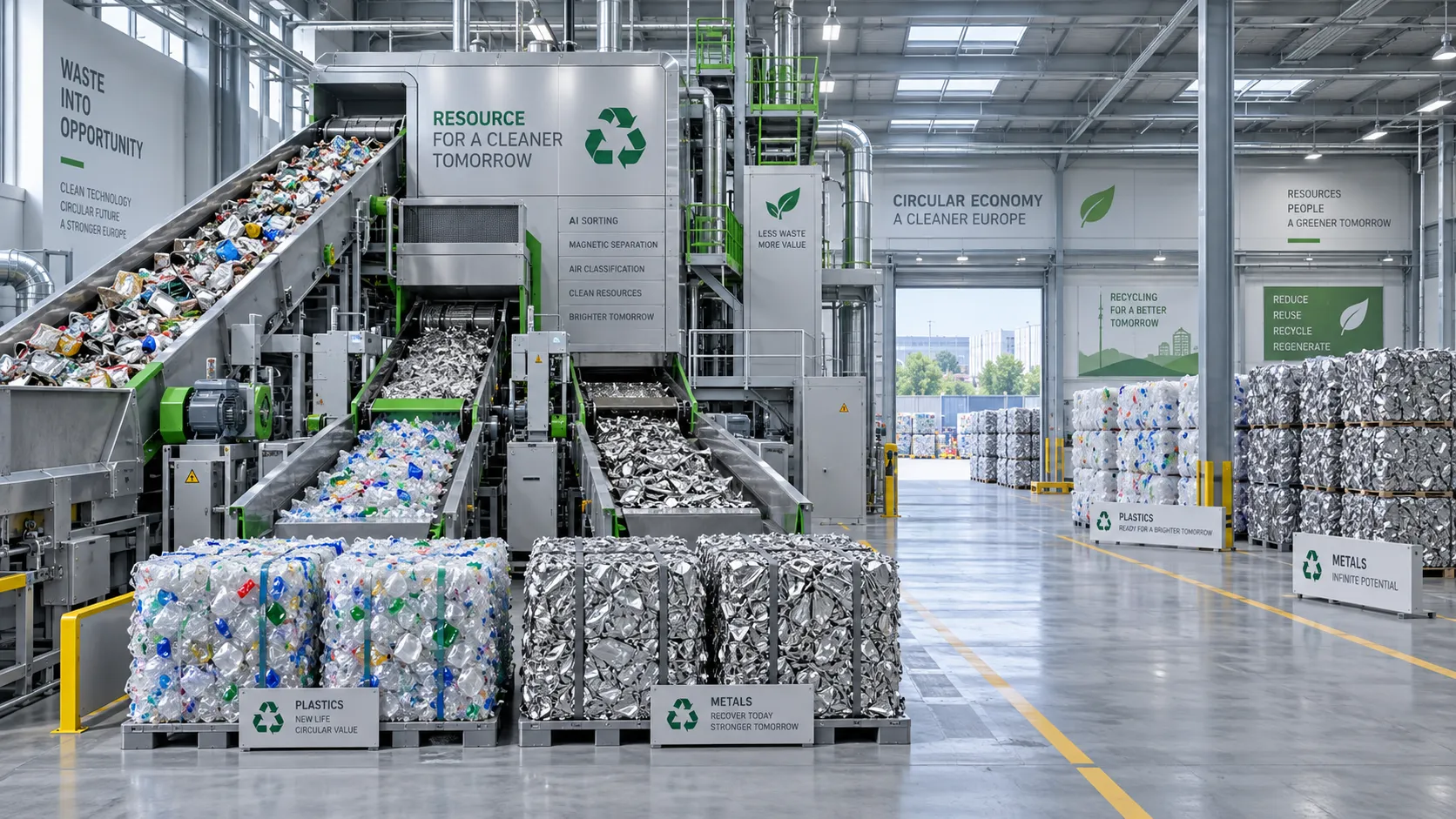
What determines payback for waste-to-resource systems in Europe?
Assess waste-to-resource systems Europe-wide: compare feedstock, recovery yields, costs and contracts to uncover payback drivers and make smarter investment decisions.
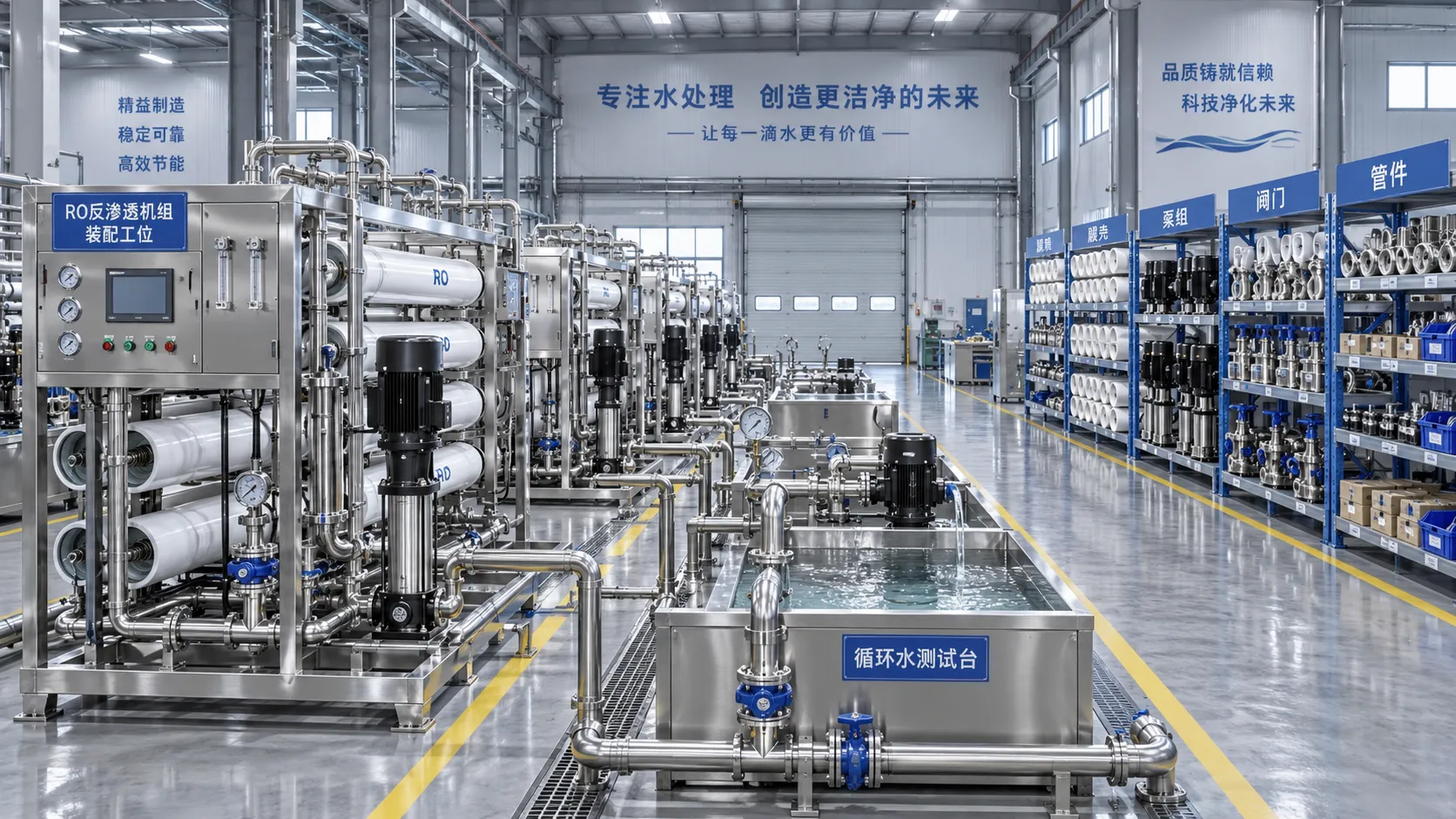
How to verify a water treatment system factory’s production capacity
Verify a water treatment systems factory’s production capacity through records, bottlenecks, component availability, and testing. Learn what to check before accepting a delivery promise.
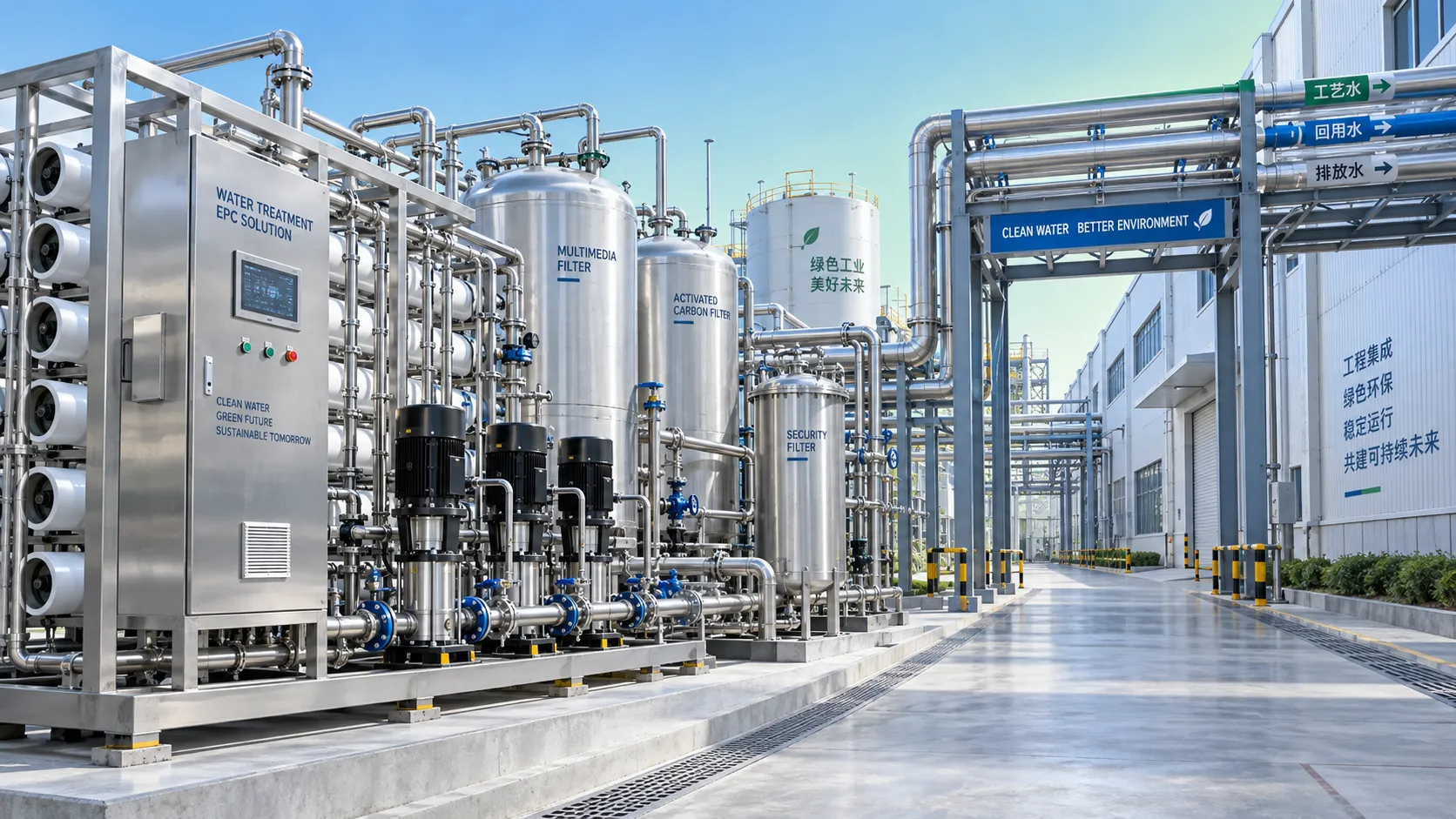
When does EPC environmental project support reduce delivery risk?
EPC environmental project support engineering reduces delivery risk by aligning design, procurement, compliance, construction, and commissioning decisions.
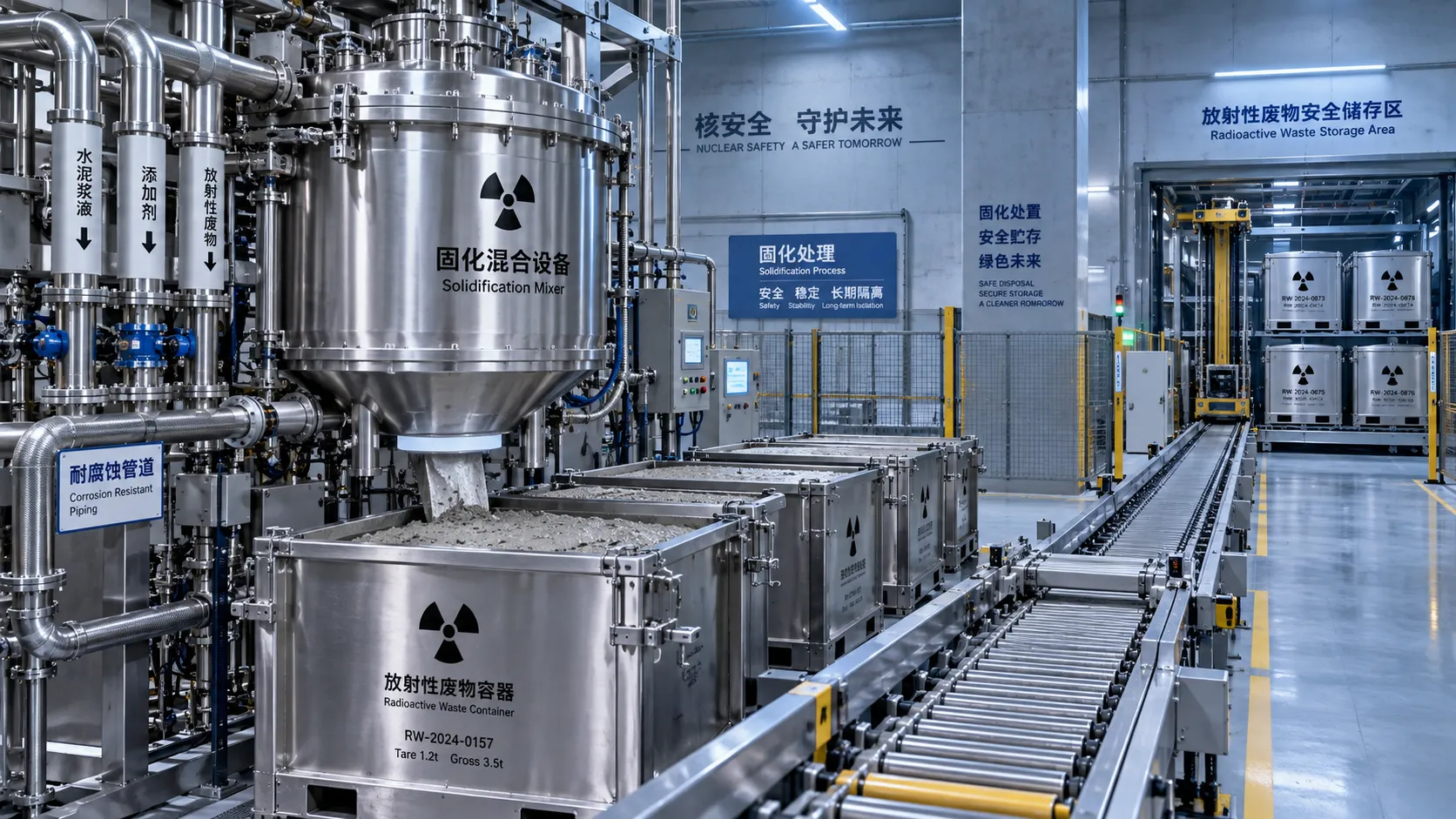
How nuclear plants select a radioactive waste solidification method
Radioactive waste management for nuclear plants: compare vitrification, cementation, polymers, and ceramics to select a compliant, durable solidification solution.
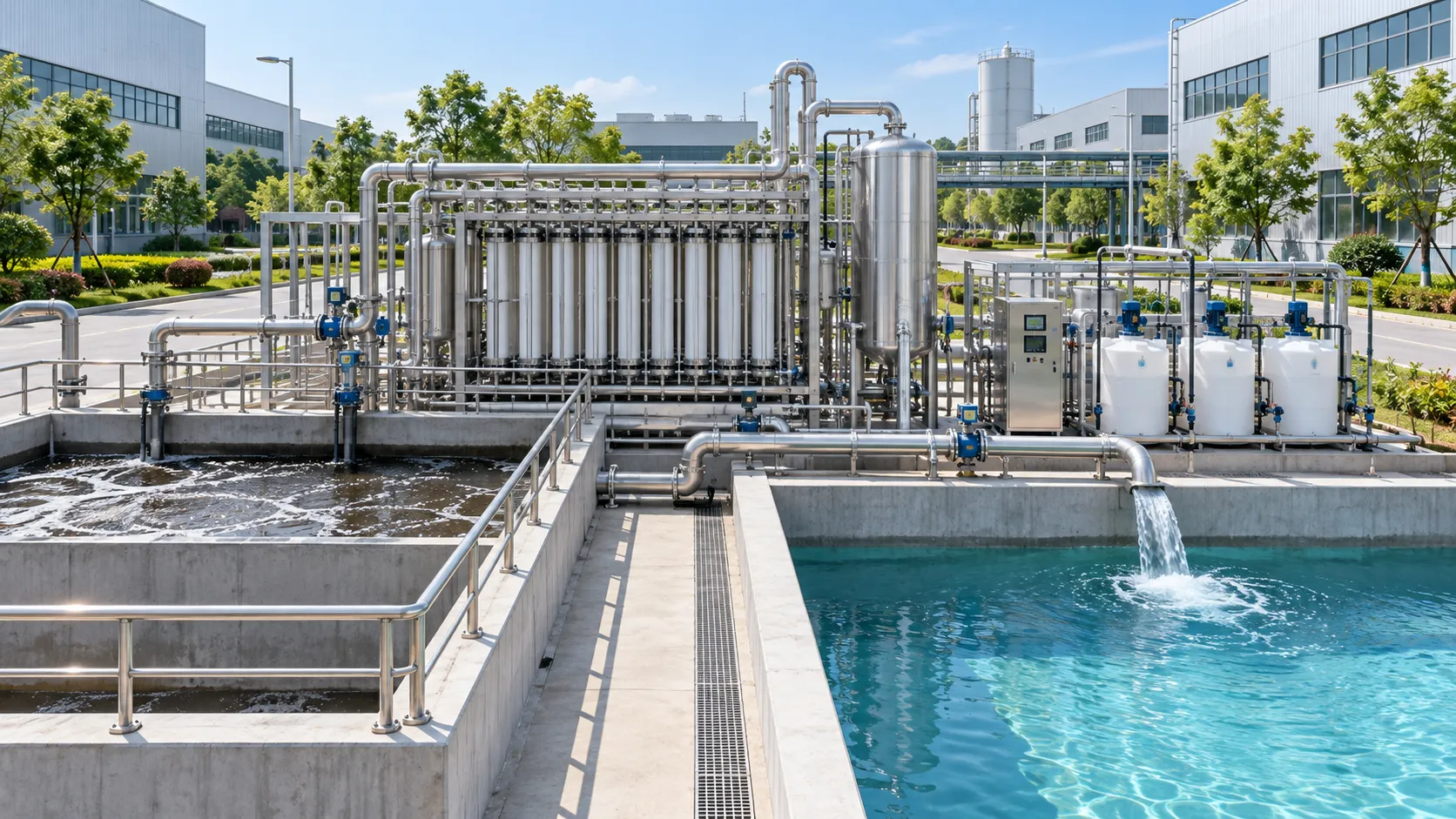
Comparing Upgrade Costs for Industrial Park Wastewater Treatment Systems
Compare costs for wastewater system upgrades in industrial parks with a lifecycle view of CAPEX, OPEX, compliance, resilience, and future expansion.
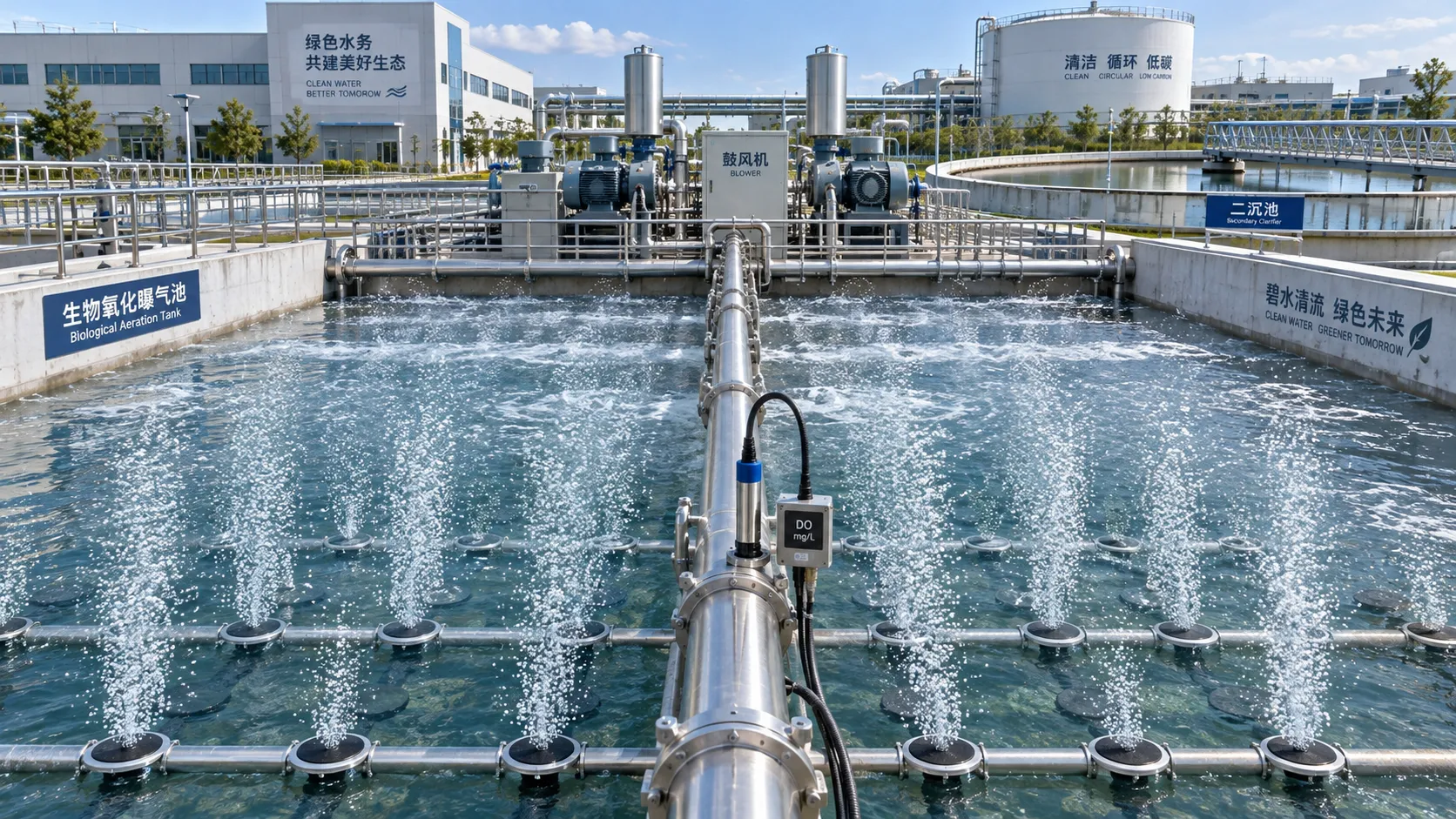
Biological Wastewater Oxidation Explained: Aeration Demand and Process Control
Biological wastewater oxidation explained: optimize aeration demand, DO control, nitrification, and sludge age for stable effluent quality and lower energy costs.
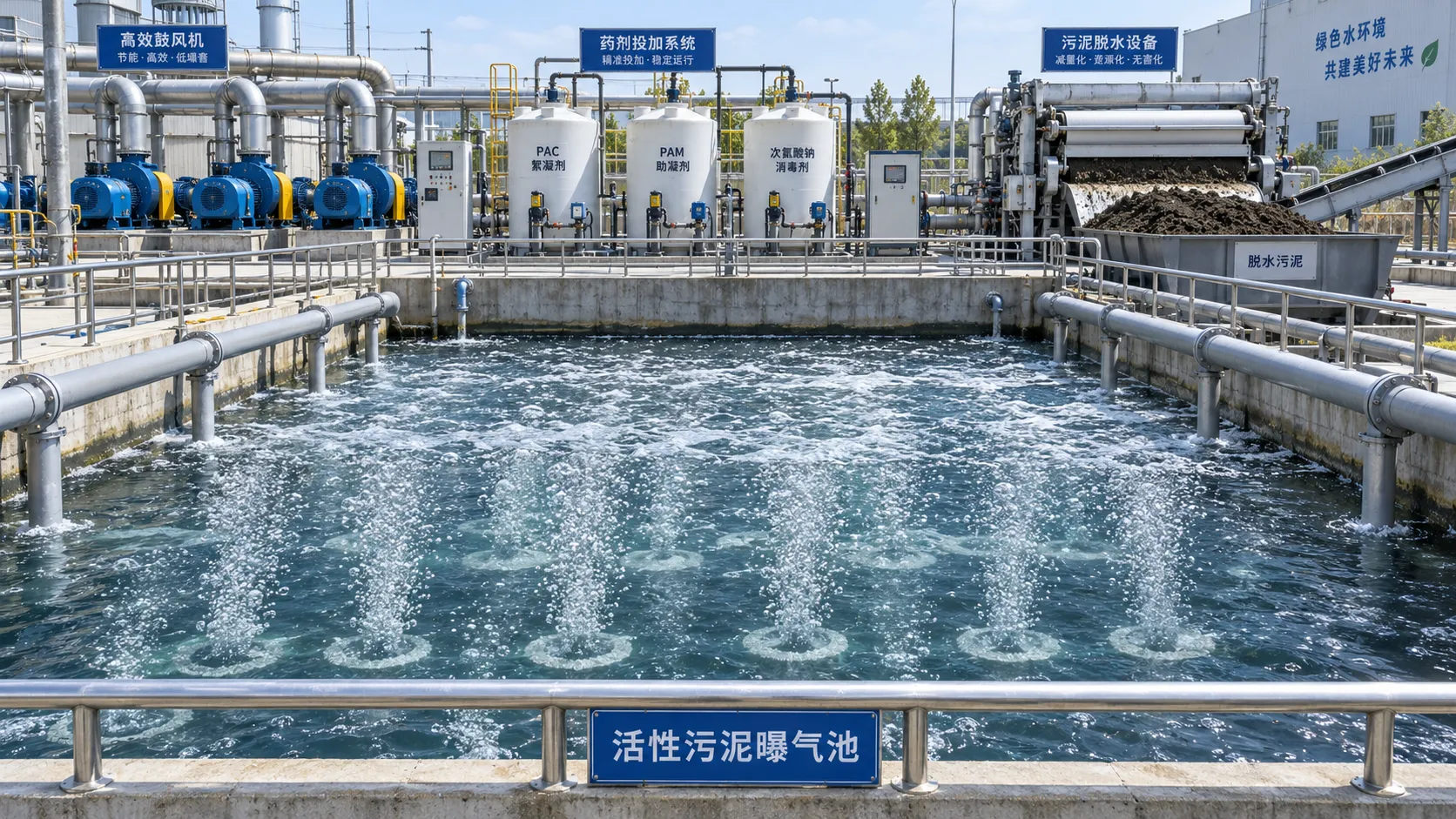
Activated Sludge Cost: Budgeting Energy, Chemicals, Sludge, and Labor
Activated sludge cost explained: compare energy, chemicals, sludge disposal, labor, and compliance risks to build a reliable lifecycle budget.
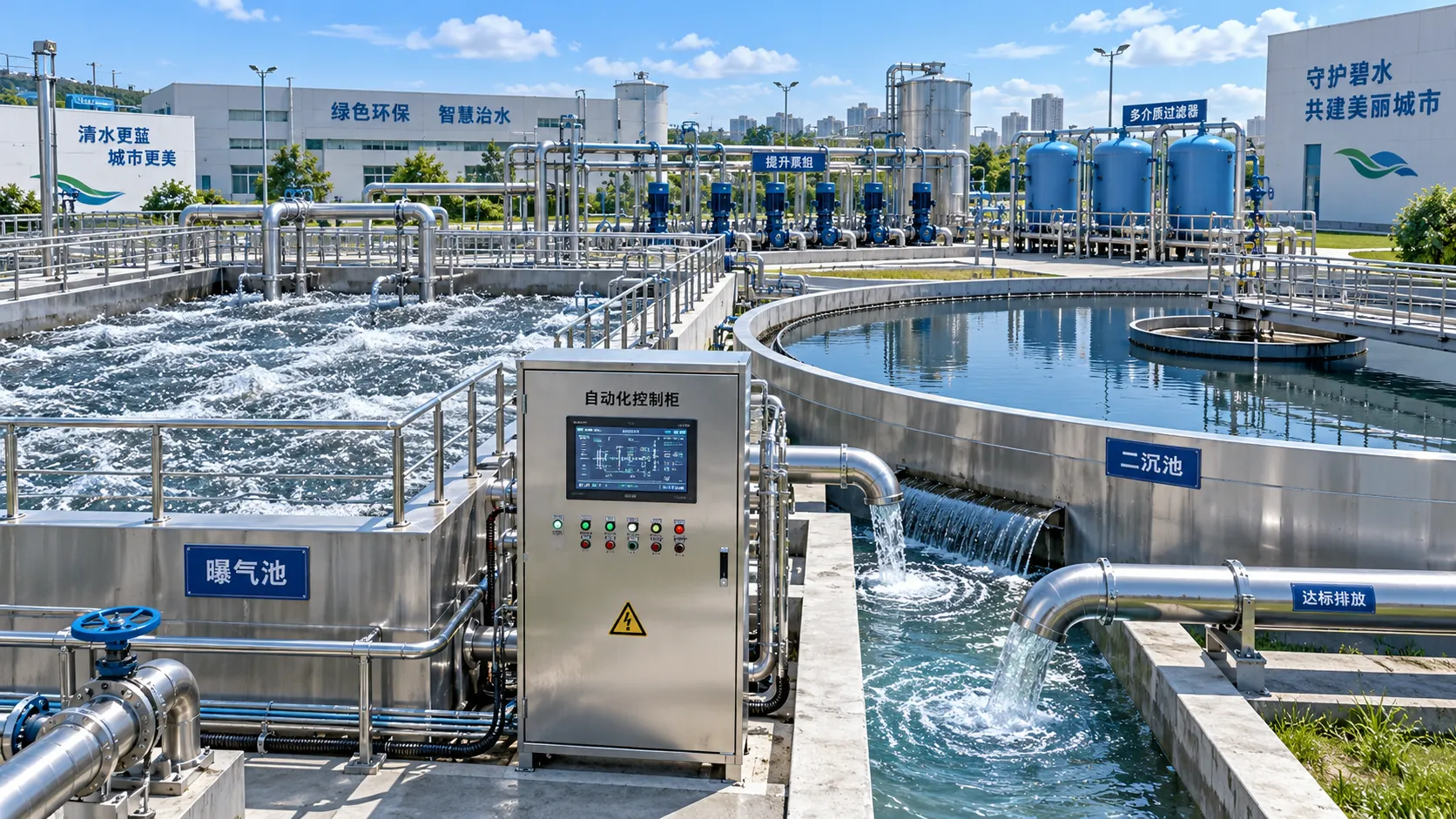
When Should Municipal Wastewater Plants Upgrade Treatment Capacity and Controls?
Municipal wastewater treatment upgrades: learn when capacity, controls, and resilient planning are needed to protect compliance and optimize plant performance.