
Industry News
Curation by industry experts
Hot Articles
Popular Tags
How Green Tech Enterprises Are Reshaping Industrial Growth
As industries face tighter environmental rules, rising resource pressure, and faster technology shifts, green tech enterprises are becoming a decisive force in industrial transformation. From advanced water treatment and waste recovery to desalination and nuclear waste control, these innovators are not only improving compliance and efficiency but also redefining long-term growth. For business decision-makers, understanding this shift is essential to building resilient, competitive, and future-ready industrial strategies.
Why are green tech enterprises becoming central to industrial growth?
Industrial growth no longer depends only on production volume, labor efficiency, or access to raw materials. It increasingly depends on how well companies manage water stress, waste liabilities, carbon exposure, air emissions, and long-horizon compliance risk.
That is why green tech enterprises now influence capital allocation, plant design, procurement priorities, and export competitiveness. They provide the systems that allow manufacturers, utilities, EPC contractors, and resource-intensive operators to keep growing under stricter ecological boundaries.
For decision-makers, the shift is practical rather than ideological. A treatment train that improves recovery rates, a sorting line that increases secondary resource yield, or a desalination configuration that reduces specific energy consumption directly changes project economics and regulatory resilience.
- They reduce operational interruption caused by non-compliance, discharge exceedance, or unstable environmental performance.
- They convert environmental obligations into measurable business value through reuse, resource recovery, and lower lifecycle risk.
- They help industrial groups defend bids, financing cases, and export access in markets shaped by CBAM, carbon neutrality targets, and tighter permit conditions.
In this context, the real question is not whether to engage with green tech enterprises, but how to identify which technologies, partners, and intelligence sources can support scalable, bankable growth.
Where do green tech enterprises create the most industrial value?
The strongest value appears in sectors where environmental performance is tightly linked to throughput, licensing, or cost volatility. ESD tracks this through five interconnected pillars of ecological engineering, each affecting industrial expansion in a different way.
1. Large-scale water treatment and ZLD
Water-intensive industries face tightening discharge permits and growing freshwater constraints. Green tech enterprises supporting membrane systems, brine concentration, biological polishing, and ZLD enable plants to maintain output even in stressed water basins.
2. Solid waste recovery and circular feedstock
Waste is no longer just a disposal cost. With AI sorting, thermal conversion, and material recovery systems, industrial by-products and municipal streams become secondary resource channels. That changes margin structure and reduces raw material dependency.
3. Flue gas treatment and industrial air compliance
Heavy industry still depends on combustion, mineral processing, and thermal operations. Green tech enterprises supplying FGD, SCR, dust removal, and integrated emissions control systems help operators protect permits, improve public acceptance, and adapt to tightening atmospheric rules.
4. Seawater desalination for strategic water security
For industrial clusters in coastal or water-scarce regions, desalination is no longer a last resort. It is infrastructure for continuity. The challenge is balancing SWRO membrane performance, pretreatment robustness, and energy intensity under rising demand.
5. Nuclear waste management and high-consequence safety
In nuclear-linked value chains, environmental control is inseparable from license to operate. Green tech enterprises involved in conditioning, containment, vitrification support, and remote handling contribute to long-term safety assurance rather than short-term output alone.
The table below shows how different green tech enterprise capabilities align with industrial growth priorities and board-level concerns.
For many industrial groups, the most attractive projects are not those with the lowest upfront cost, but those that remove strategic growth bottlenecks. That is exactly where green tech enterprises are reshaping investment logic.
What should decision-makers compare before choosing a green tech enterprise?
Procurement teams often compare proposals on capex alone. That creates avoidable risk. In environmental infrastructure, weak selection can lead to unstable commissioning, hidden energy consumption, poor spare parts planning, and delayed compliance acceptance.
A better approach is to compare green tech enterprises using technical depth, process fit, compliance readiness, data transparency, and lifecycle support. This is especially important in complex projects such as high-salinity wastewater, low-temperature denitrification, or nuclear waste stabilization.
Key evaluation dimensions
- Process adaptability: Can the solution handle real feed variability, seasonal changes, contaminant spikes, and future capacity increases?
- Performance verifiability: Are recovery rate, removal efficiency, reagent demand, and energy profile documented under comparable conditions?
- Compliance traceability: Does the design align with local permits, export expectations, and international engineering norms?
- Integration capability: Can the supplier align with EPC schedules, automation architecture, civil constraints, and multi-vendor packages?
- Lifecycle economics: What are the membrane replacement cycle, catalyst life, consumables burden, maintenance intensity, and downtime exposure?
This comparison table helps enterprise buyers assess green tech enterprises beyond headline pricing.
A mature offer is easier to defend internally because it reduces hidden uncertainty. That matters when a project board is balancing budget discipline against regulatory exposure and delivery deadlines.
How does strategic intelligence improve selection and timing?
Even strong equipment can underperform if chosen at the wrong time, for the wrong market, or under outdated assumptions. That is why intelligence matters as much as hardware in modern environmental investment.
ESD’s Strategic Intelligence Center is valuable because it connects technical parameters with market signals and compliance trends. For example, membrane selection is not only a matter of flux and rejection. It is also tied to energy pricing, pretreatment robustness, maintenance capability, and regional demand patterns.
Where intelligence changes outcomes
- Bidding strategy: EPC firms need demand visibility and specification insight to position competitively in government-scale projects.
- Technology timing: Enterprises need to know when a retrofit can wait and when delayed action will trigger higher future capex or market loss.
- Compliance forecasting: Regulatory iteration, including carbon-linked trade mechanisms, changes the economics of environmental investment.
- Risk filtering: Feed chemistry, catalyst behavior, brine management, and vitrification stability all require deeper technical interpretation than a standard brochure provides.
This is where ESD stands apart. Its coverage of SWRO membrane nanostructures, low-temperature SCR catalyst kinetics, closed-loop recovery logic, and nuclear waste stabilization issues helps business leaders move from vendor comparison to decision confidence.
Which procurement mistakes do companies make with green tech enterprises?
Many procurement errors come from treating environmental systems as add-on utilities instead of production-critical assets. That mindset creates scope gaps, underestimates integration complexity, and weakens post-handover performance.
Common mistakes
- Choosing on lowest bid without stress-testing OPEX assumptions, consumables exposure, or ramp-up stability.
- Ignoring feed variability and designing only for average conditions rather than worst credible scenarios.
- Separating compliance review from technical review, which leads to redesign during approvals or commissioning.
- Underestimating service logistics, especially for membranes, catalysts, instrumentation, and specialist shutdown maintenance.
- Failing to model how environmental systems affect future capacity expansion, export readiness, and financing discussions.
Green tech enterprises that understand these failure points become strategic partners rather than line-item vendors. They help buyers ask the right questions before cost and schedule pressures narrow the available choices.
What standards and compliance signals should executives monitor?
While requirements vary by country and project type, industrial buyers should review environmental investments through a compliance lens that includes discharge, emissions, waste handling, occupational safety, and reporting transparency. The exact code set depends on geography, but the strategic logic is consistent.
For export-oriented or infrastructure-scale projects, green tech enterprises should also be assessed against documentation discipline, traceability of key components, and their ability to support permit reviews, technical clarifications, and audit questions.
Practical compliance checklist
- Confirm target performance against local discharge or emissions permits, not only internal design goals.
- Verify whether the project requires alignment with EPC specifications, lender standards, or public tender conditions.
- Review data logging and reporting capability for inspections, customer audits, and environmental disclosure obligations.
- Check whether spare parts, control systems, and consumables can support long-term compliance stability.
This is especially important in sectors where one environmental underperformance event can stall expansion permits or damage external stakeholder confidence.
How will green tech enterprises shape the next phase of industrial strategy?
The next phase of industrial growth will be defined by resource productivity, environmental resilience, and intelligence-led infrastructure decisions. Green tech enterprises are positioned at the center of that transition because they connect operational continuity with ecological performance.
Three trends stand out. First, water and waste systems will become more integrated with production planning rather than managed as downstream obligations. Second, circular resource recovery will gain strategic importance as input markets remain volatile. Third, compliance will become more predictive, data-driven, and linked to trade and investment access.
For business leaders, the implication is clear: companies that treat environmental systems as intelligence-rich growth infrastructure will make stronger capital decisions than those that treat them as unavoidable cost centers.
FAQ: what do buyers ask most about green tech enterprises?
How do we decide whether to prioritize water, waste, air, or desalination investment first?
Start with the bottleneck that most directly constrains revenue, permitting, or plant uptime. If wastewater discharge limits are delaying expansion, water treatment comes first. If disposal cost and raw material volatility are eroding margins, recovery systems may deliver faster value. A cross-functional review of compliance risk, payback sensitivity, and production dependence usually gives the clearest priority order.
What should we request in a proposal from green tech enterprises?
Ask for design basis assumptions, operating envelope, energy and consumables estimate, spare parts philosophy, commissioning scope, key exclusions, and expected performance under feed fluctuation. If the project is strategic, also request a compliance support outline and lifecycle service plan.
Are high-end environmental systems only suitable for large corporations?
Not necessarily. The issue is not company size but risk profile. A mid-sized industrial operator facing water scarcity, export compliance exposure, or high waste disposal cost may have a stronger case for advanced systems than a larger company in a less constrained operating environment.
How long does evaluation usually take before procurement?
For standard upgrades, early technical and commercial screening may take a few weeks. For complex systems involving ZLD, desalination integration, or high-consequence waste control, evaluation is usually longer because feed characterization, compliance review, and lifecycle modeling require deeper validation.
Why choose us for green tech enterprise intelligence and project guidance?
ESD is built for decision-makers who need more than general market news. Our value lies in connecting technical detail, regulatory movement, and commercial timing across large-scale water treatment, solid waste recovery, flue gas control, seawater desalination, and nuclear waste management.
If your team is evaluating green tech enterprises, we can support the questions that matter most before capital is committed.
- Parameter confirmation for wastewater, desalination, gas treatment, and recovery system scenarios.
- Technology selection support based on process complexity, feed conditions, and project risk.
- Delivery-cycle judgment for EPC planning, tender preparation, and multi-package coordination.
- Custom solution direction for ZLD, AI sorting, SWRO, SCR, FGD, and high-safety waste control frameworks.
- Compliance and documentation guidance related to environmental approvals, export expectations, and project bankability.
- Commercial insight support for quote comparison, lifecycle cost discussion, and bid positioning.
When industrial growth depends on ecological performance, the right intelligence can be as valuable as the right equipment. If you are refining specifications, comparing options, or preparing a strategic environmental investment, ESD can help your team move faster with greater technical and commercial clarity.
Recommended News
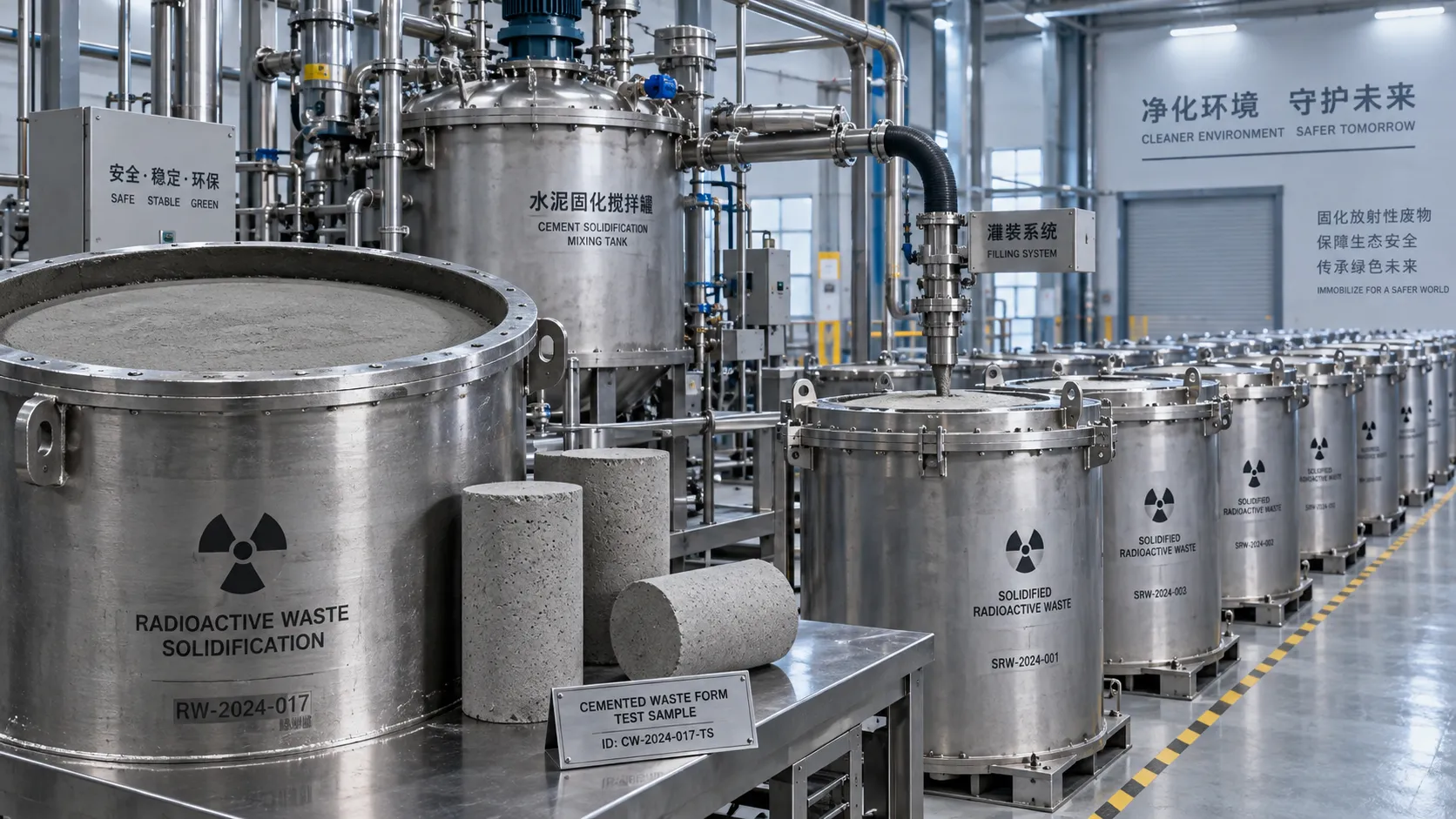
When is cementation suitable for nuclear decommissioning waste?
Explore nuclear waste treatment technology for decommissioning: learn when cementation fits, which risks to assess, and how disposal criteria guide an effective treatment choice.
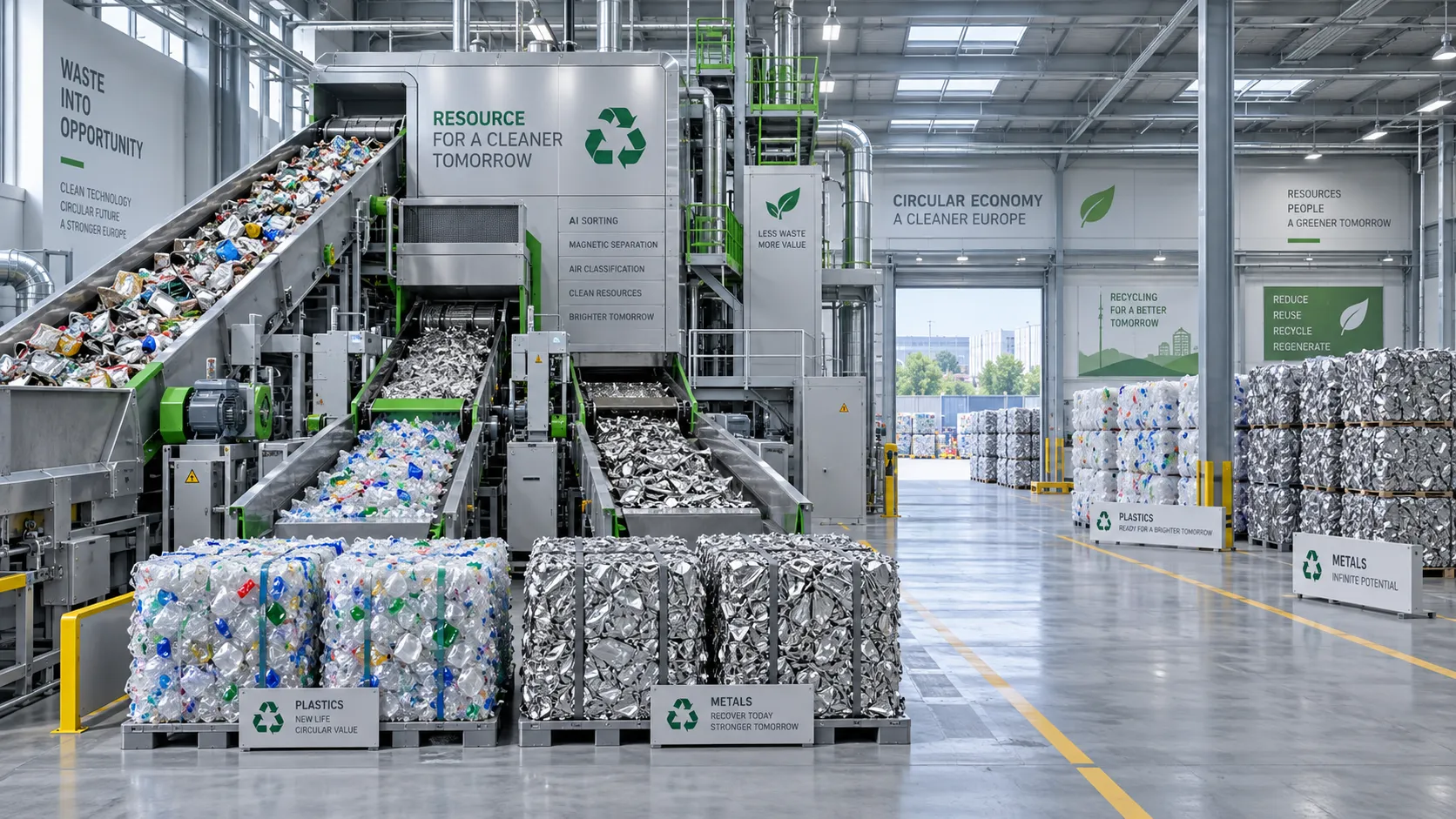
What determines payback for waste-to-resource systems in Europe?
Assess waste-to-resource systems Europe-wide: compare feedstock, recovery yields, costs and contracts to uncover payback drivers and make smarter investment decisions.
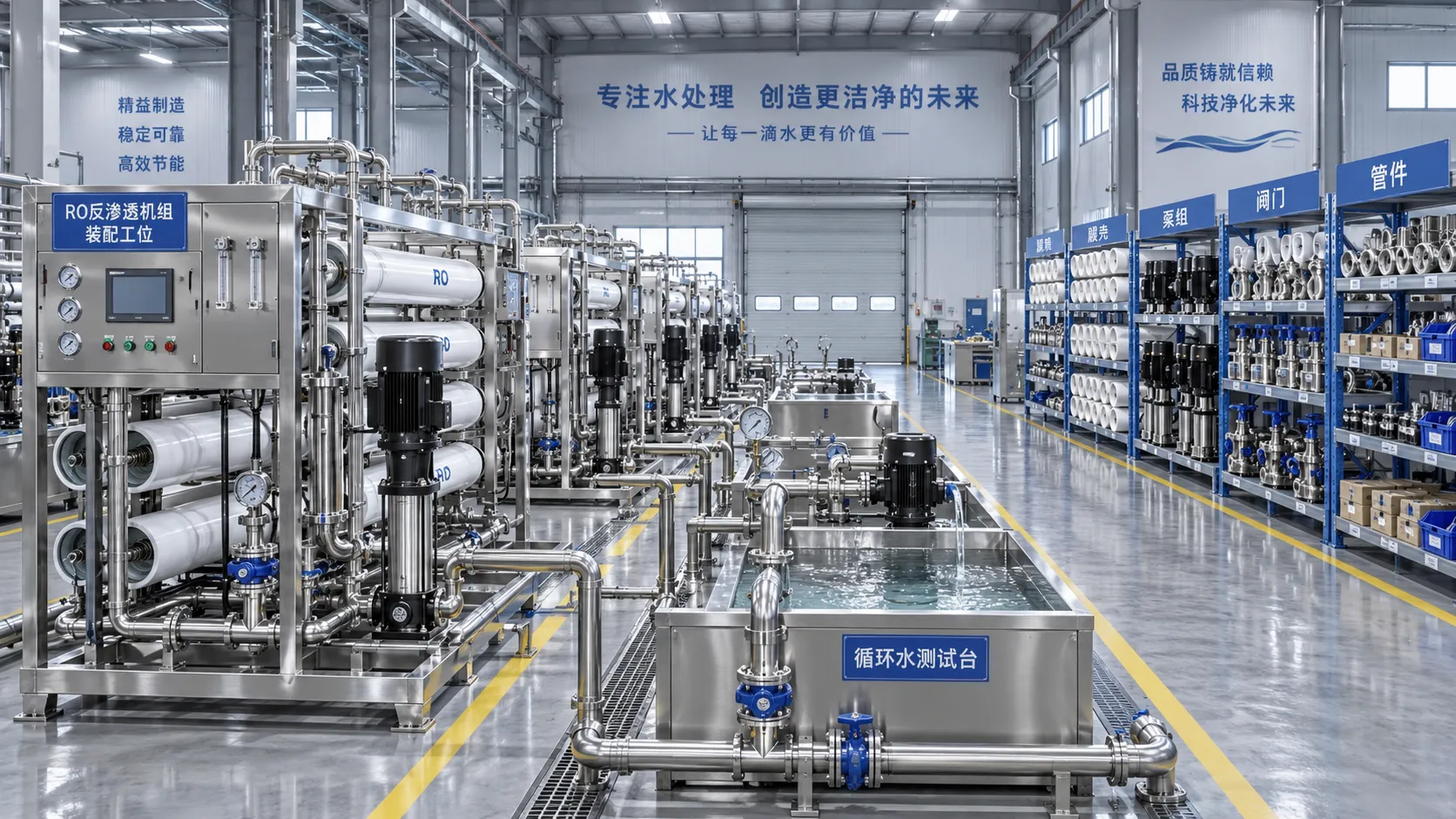
How to verify a water treatment system factory’s production capacity
Verify a water treatment systems factory’s production capacity through records, bottlenecks, component availability, and testing. Learn what to check before accepting a delivery promise.
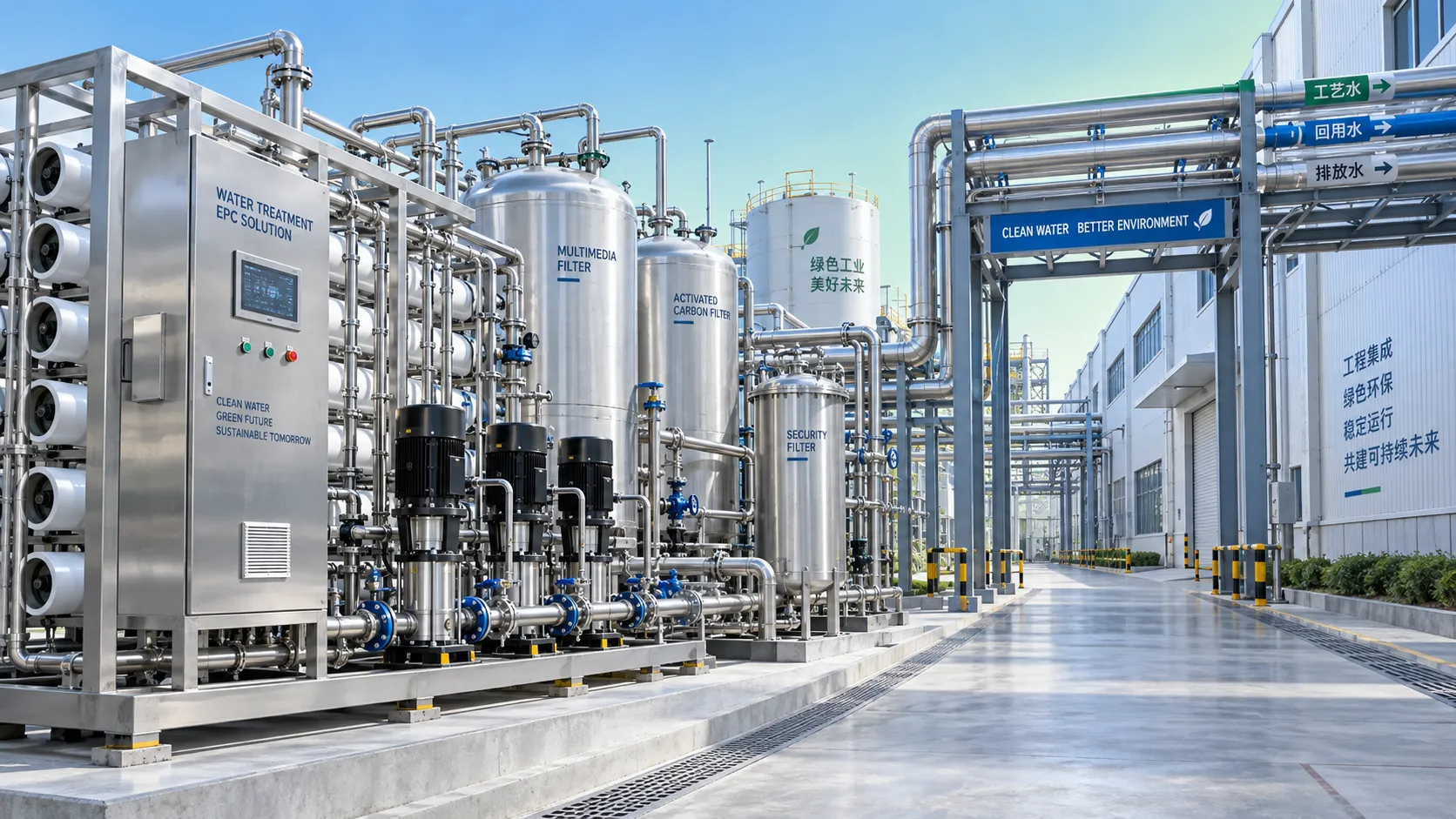
When does EPC environmental project support reduce delivery risk?
EPC environmental project support engineering reduces delivery risk by aligning design, procurement, compliance, construction, and commissioning decisions.
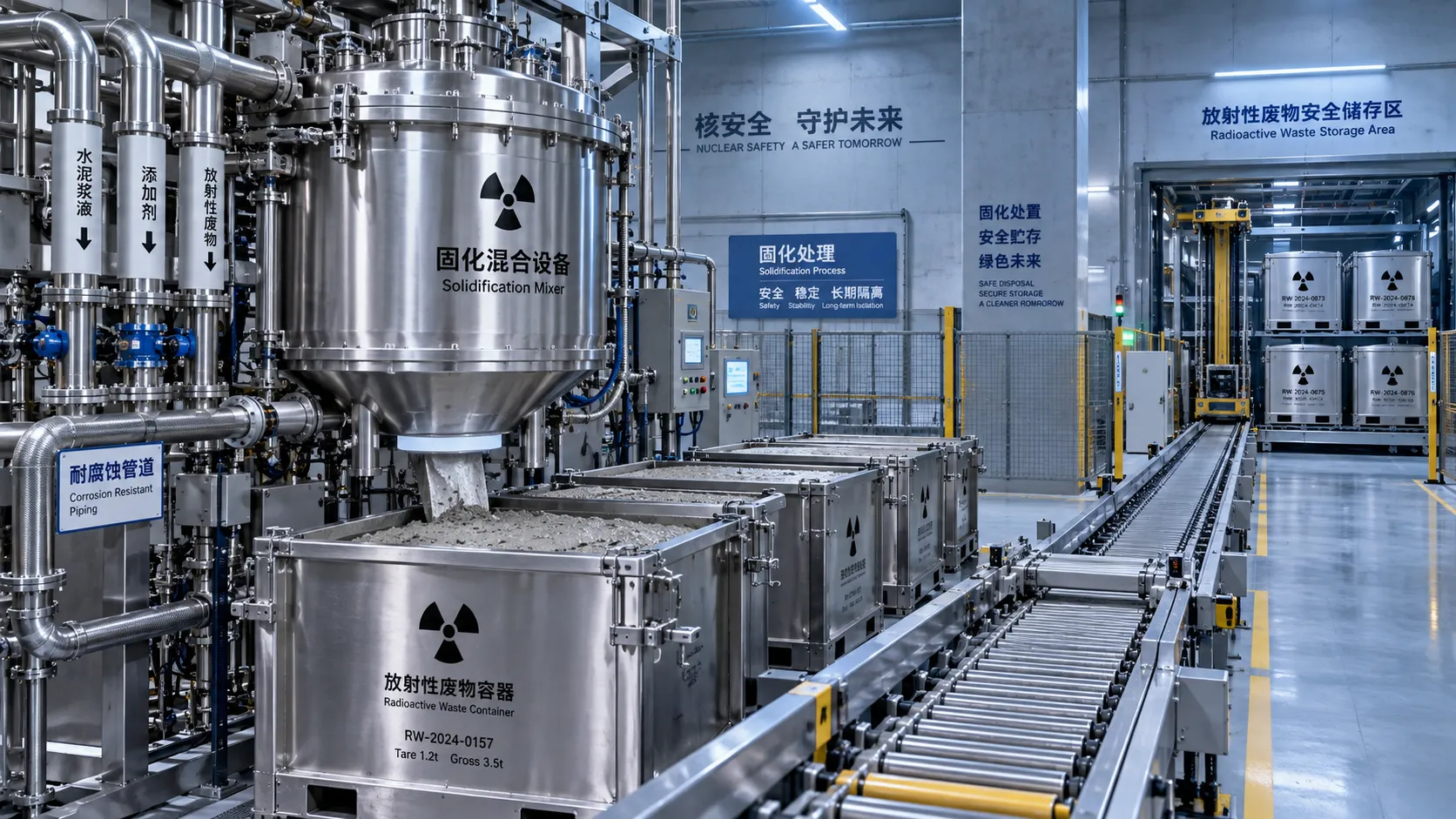
How nuclear plants select a radioactive waste solidification method
Radioactive waste management for nuclear plants: compare vitrification, cementation, polymers, and ceramics to select a compliant, durable solidification solution.
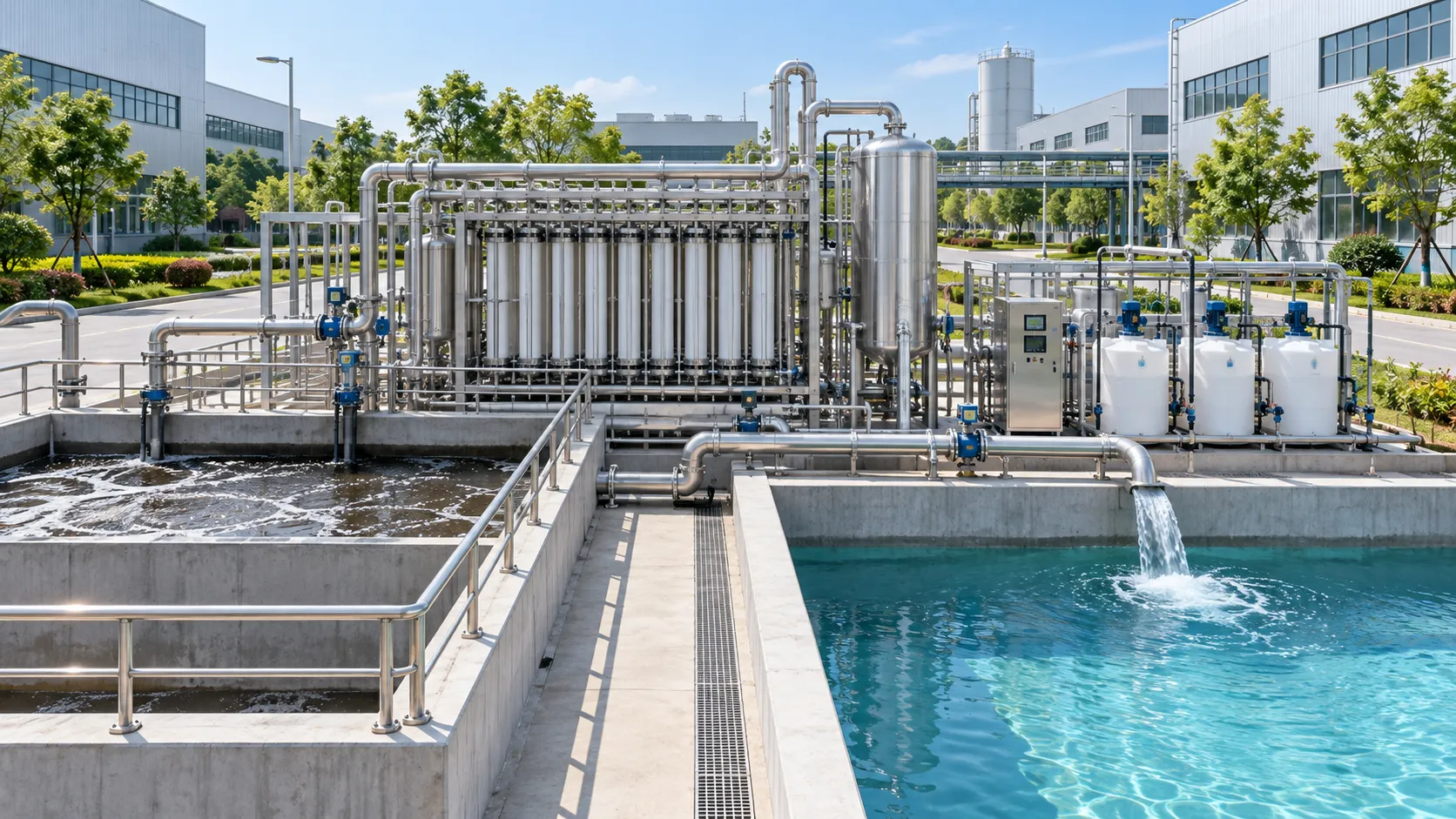
Comparing Upgrade Costs for Industrial Park Wastewater Treatment Systems
Compare costs for wastewater system upgrades in industrial parks with a lifecycle view of CAPEX, OPEX, compliance, resilience, and future expansion.
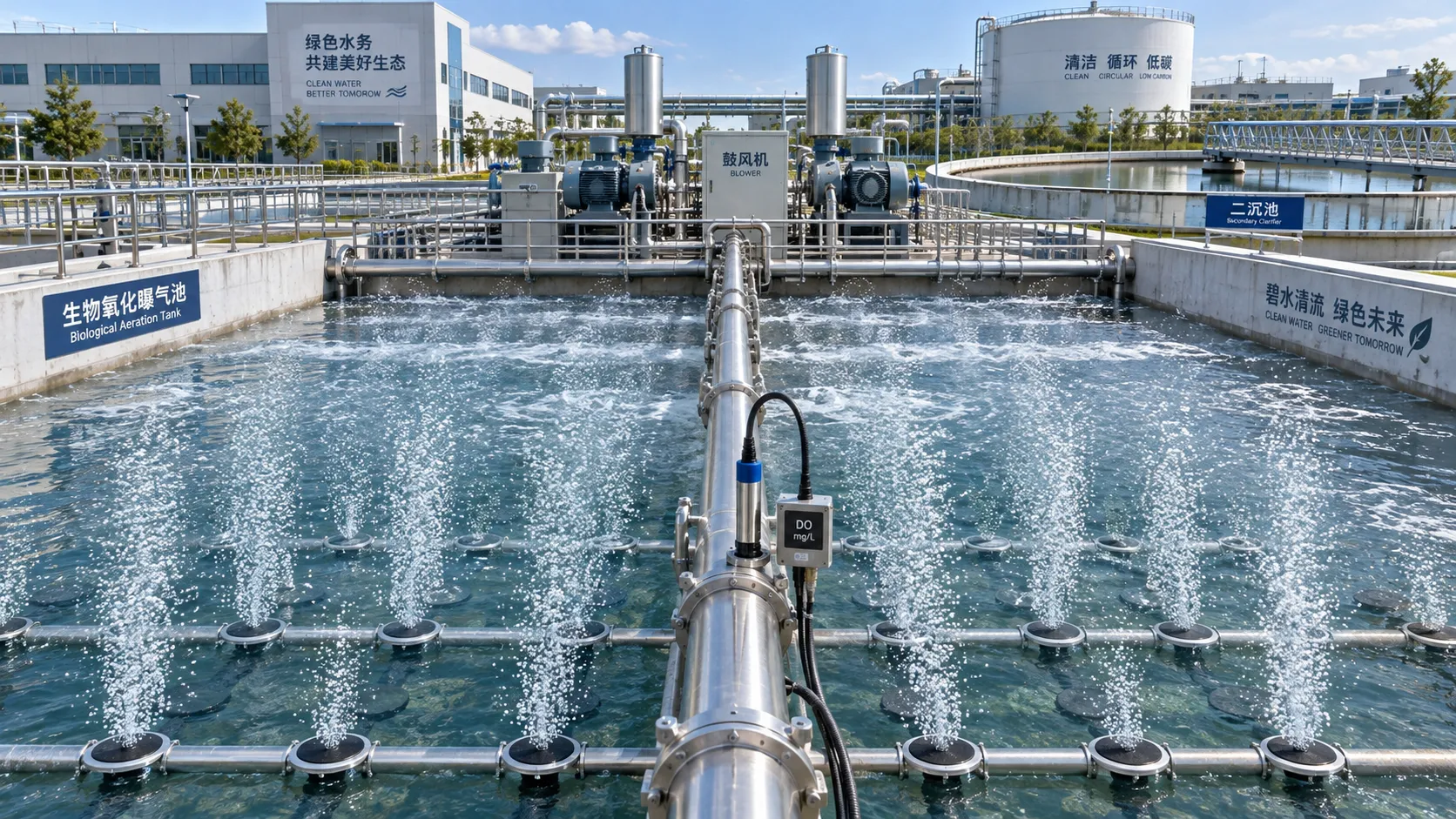
Biological Wastewater Oxidation Explained: Aeration Demand and Process Control
Biological wastewater oxidation explained: optimize aeration demand, DO control, nitrification, and sludge age for stable effluent quality and lower energy costs.
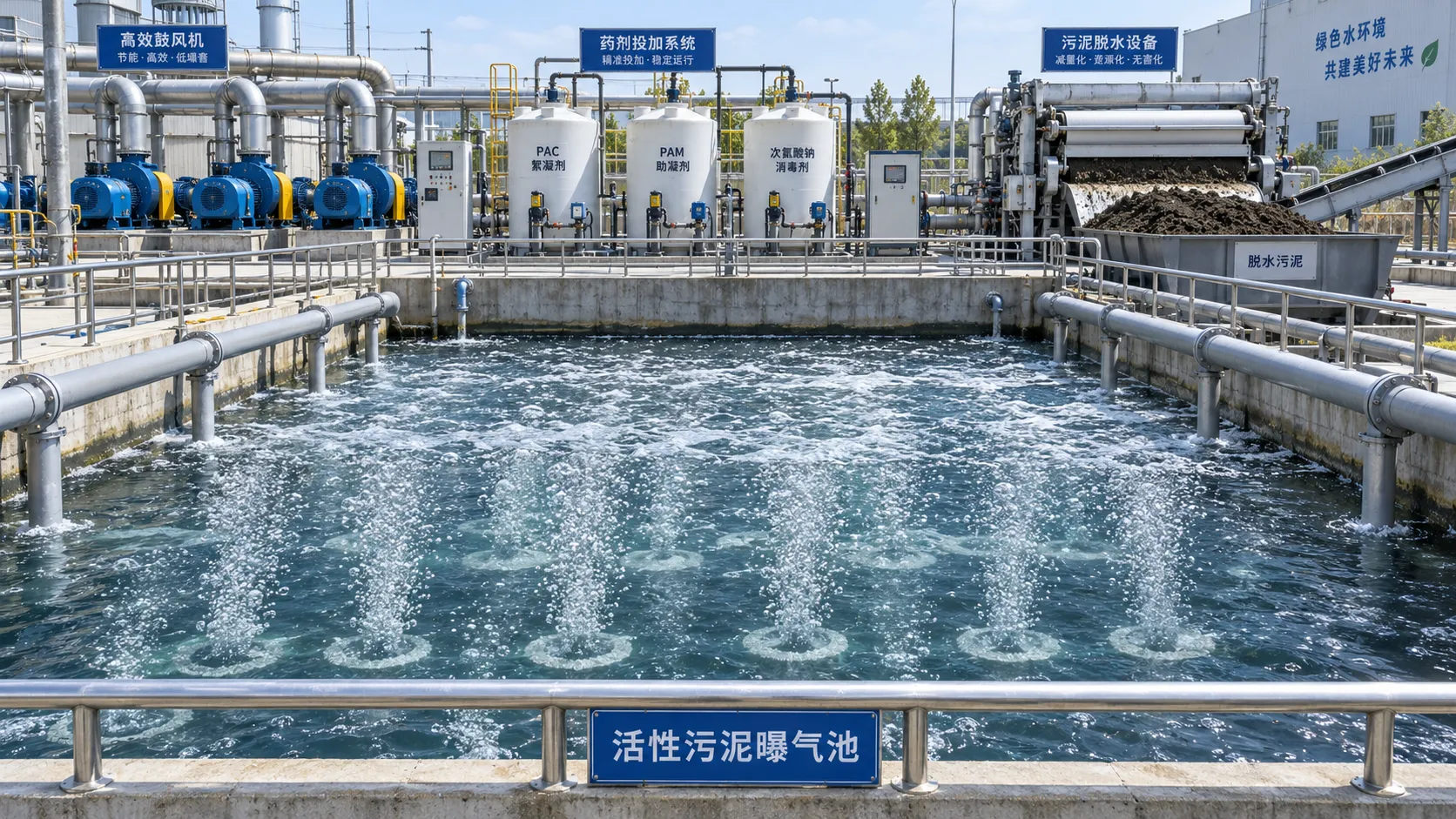
Activated Sludge Cost: Budgeting Energy, Chemicals, Sludge, and Labor
Activated sludge cost explained: compare energy, chemicals, sludge disposal, labor, and compliance risks to build a reliable lifecycle budget.
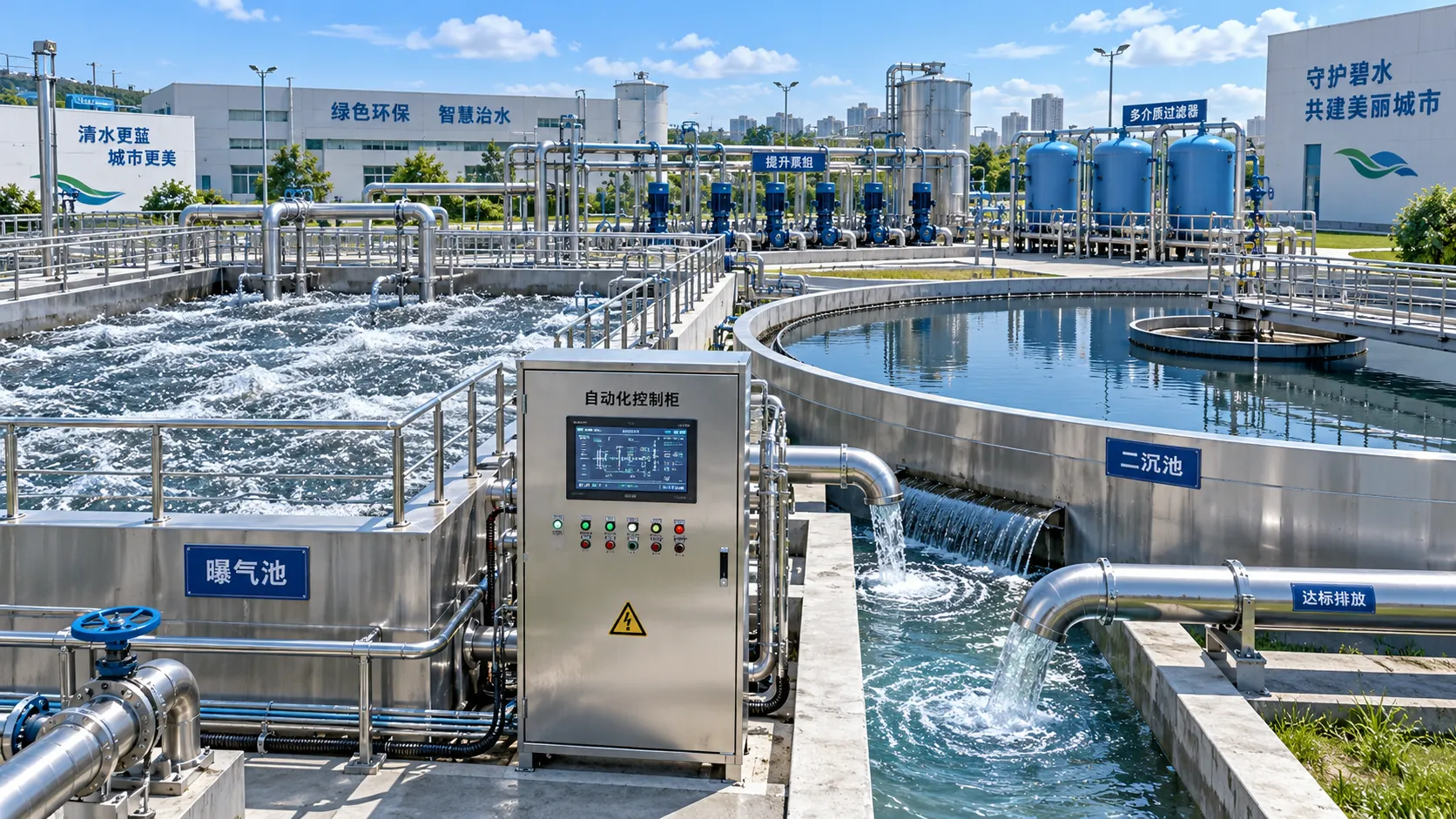
When Should Municipal Wastewater Plants Upgrade Treatment Capacity and Controls?
Municipal wastewater treatment upgrades: learn when capacity, controls, and resilient planning are needed to protect compliance and optimize plant performance.