
Industry News
Curation by industry experts
Hot Articles
Popular Tags
Global Environmental Governance Trends to Watch in 2026
As 2026 approaches, global environmental governance is shifting from policy discussion to hard-edged execution, reshaping compliance, capital allocation, and technology choices across water treatment, waste recovery, desalination, and nuclear waste management. For business evaluators, tracking these trends is essential to identify regulatory risk, equipment demand, and competitive positioning in a market increasingly defined by carbon rules, resource security, and industrial resilience.
For B2B decision teams, this is no longer a matter of reading policy headlines. It is about estimating bid viability, equipment lifecycle exposure, project bankability, and the cost of delayed compliance across facilities expected to operate for 15 to 30 years.
In sectors observed closely by ESD, the practical impact of global environmental governance now appears in discharge limits, traceability rules, carbon-adjusted procurement, energy intensity thresholds, and stricter resilience planning for mission-critical treatment systems.
Why 2026 Marks an Execution Phase for Global Environmental Governance
The next phase of global environmental governance is defined by enforcement depth rather than policy breadth. Regulators are moving from framework design to measurable performance, with more rules tied to reporting cycles of 12 months, project reviews every 3 to 5 years, and tighter penalties for non-compliance.
For business evaluators, the key shift is that environmental compliance is becoming inseparable from asset valuation. A wastewater line with poor ZLD readiness, or a flue gas system unable to maintain target removal efficiency at low loads, can weaken financing assumptions and contract competitiveness.
Three forces accelerating the shift
- Carbon-linked trade measures are influencing equipment sourcing, especially for export-facing industries with 2 to 4 year investment horizons.
- Water security stress is pushing municipalities and industry to prioritize reuse rates, desalination capacity, and drought resilience planning.
- Hazardous and nuclear waste oversight is expanding from storage compliance to long-duration containment integrity and monitoring transparency.
What this means for procurement reviews
Traditional price-only assessments are losing relevance. In 2026, evaluation teams increasingly need 4 core lenses: compliance adaptability, energy intensity, digital traceability, and maintenance resilience. A lower upfront bid may become less attractive if reagent consumption, membrane replacement cycles, or downtime risks are underestimated.
The table below helps frame how global environmental governance is changing the business logic behind major environmental infrastructure categories.
The main takeaway is that global environmental governance now changes selection criteria at the equipment level. Evaluators must compare technical robustness and regulatory fit together, not as separate exercises.
Five Governance Trends Business Evaluators Should Watch Closely
The environmental market is broad, but five trend lines will likely shape procurement strategy, CAPEX screening, and supplier qualification through 2026. Each one affects not just policy exposure, but real equipment demand and operating cost assumptions.
1. Compliance is shifting from end-of-pipe to full-chain accountability
Facilities are increasingly assessed across the full chain: input materials, treatment process stability, by-product handling, emissions reporting, and downstream disposal. In practical terms, a plant may need 5 to 7 documented control points instead of only 2 or 3 final discharge indicators.
This matters in wastewater reuse, hazardous solids handling, and nuclear waste packaging, where traceability gaps can delay approvals or trigger repeat audits. Procurement teams should therefore prioritize systems with integrated sensors, historian compatibility, and audit-friendly reporting architecture.
2. Water stress is pushing desalination and reuse into strategic infrastructure status
In arid and coastal growth corridors, desalination is increasingly treated as strategic resilience infrastructure rather than a supplemental utility. That raises the bar for uptime targets, often above 92% to 95%, while forcing closer scrutiny of pretreatment reliability and brine management.
For business evaluators, global environmental governance in this area means reviewing not only membrane performance, but energy recovery devices, intake risk, chemical dosing optimization, and permitting exposure linked to coastal ecosystems.
3. Circularity targets are redefining solid waste project economics
Waste recovery systems are being judged by resource yield, contamination rate, and digital transparency. AI sorting lines, mechanical-biological treatment, and pyrolysis units are increasingly expected to show feedstock adaptability across 3 to 5 material profiles rather than a single ideal stream.
That affects financial models directly. A project with higher recovery purity and better data traceability can secure stronger offtake confidence, while a plant dependent on narrowly specified feedstock may face utilization volatility within the first 12 to 24 months.
4. Air, water, and waste regulation is converging under carbon logic
One of the most important developments in global environmental governance is convergence. Flue gas treatment, wastewater concentration, and waste logistics are no longer isolated compliance domains; they are increasingly assessed through a carbon and energy lens.
For example, a system that achieves higher removal efficiency but raises electricity demand by 15% to 20% may be less attractive under carbon-adjusted procurement rules. Evaluators need to test performance against integrated metrics, not single-point compliance claims.
5. Nuclear waste oversight is becoming more systems-based and less static
Nuclear waste management is moving beyond containment as a static engineering question. Governance attention is expanding toward monitoring frequency, documentation continuity, package integrity over decades, and the interface between vitrification quality and storage pathway design.
This creates opportunities for suppliers that can support long-horizon reliability with disciplined technical records, materials stability data, and emergency planning logic. It also raises the burden of proof during pre-qualification and technical due diligence.
How to Evaluate Equipment and Project Exposure Under New Governance Rules
A practical response to global environmental governance starts with evaluation design. Business teams should move from broad market scanning to scenario-based screening that compares regulatory exposure, equipment fit, and lifecycle cost under multiple operating conditions.
A four-part evaluation framework
- Map compliance triggers by region, sector, and likely tightening cycle over the next 24 to 36 months.
- Test process equipment against variable load, feed quality shifts, and stricter reporting demands.
- Compare lifecycle cost elements, including consumables, replacement intervals, labor intensity, and downtime exposure.
- Review supplier support depth, including commissioning, training, digital interfaces, and spare parts access within 48 to 72 hours where critical.
Priority checkpoints for high-value projects
Projects above large municipal or industrial thresholds often fail at the interface between technology promise and operational discipline. The most common weak points are inconsistent influent assumptions, under-scoped sludge handling, poor traceability design, and maintenance plans built around ideal rather than realistic operating windows.
The table below provides a usable procurement checklist for environmental governance-sensitive infrastructure.
This checklist helps evaluators convert global environmental governance from an abstract risk into a procurement tool. The strongest suppliers are usually those that can explain not only how equipment works, but how it remains compliant as conditions change.
Sector-Specific Implications Across ESD Priority Markets
Although governance trends are global, their commercial impact differs by sector. Business evaluators should examine where compliance intensity is most likely to create near-term demand, premium pricing, or accelerated replacement cycles.
Large water treatment plants
Municipal and industrial treatment assets are under pressure to combine lower discharge loads with stronger reuse performance. Projects that once optimized around one standard may now need 2-stage or 3-stage logic, especially where nutrient removal, salinity, and micropollutant control intersect.
Solid waste and resource recovery
Governance changes are rewarding plants that can deliver measurable diversion and material recovery rather than simple throughput. For evaluators, the important metrics include impurity rates, residue management, equipment uptime, and digital proof of material flows across transfer points.
Flue gas treatment
Industrial air pollution control remains a core compliance pillar, but the next challenge is stable performance under variable fuels and lower operating temperatures. SCR catalyst selection, reagent efficiency, and corrosion resistance can materially change lifecycle economics over 5 to 8 year periods.
Heavy seawater desalination
Desalination will continue to expand where climate stress and industrial growth converge. Yet under global environmental governance, success depends on more than output volume. Intake design, pretreatment consistency, energy recovery, and brine discharge strategy must all withstand tighter ecological review.
Nuclear waste management
This field remains highly specialized, but demand for robust governance logic is rising. Evaluators should focus on packaging integrity, immobilization performance, thermal behavior, storage interface, and documentation continuity, especially for assets requiring multi-decade accountability.
What Smart Business Evaluators Should Do Before 2026
The most effective response to global environmental governance is early preparation. Companies that wait for formal enforcement often lose flexibility in supplier choice, contract timing, and financing structure. A 6 to 12 month review cycle can create a meaningful advantage before new rules fully bite.
Recommended action plan
- Re-rank environmental assets by compliance sensitivity, energy intensity, and strategic revenue relevance.
- Update procurement templates to include traceability, reporting compatibility, and lifecycle cost fields.
- Stress-test key projects under at least 3 scenarios: tighter limits, higher energy cost, and lower feedstock stability.
- Engage intelligence partners that can connect regulatory movement with equipment implications and bid strategy.
The value of informed market intelligence
In a fragmented market, raw information is not enough. Evaluators need structured intelligence that links regulation, technology, and commercial timing. That is especially true in sectors such as ZLD, SWRO, resource recovery, and nuclear waste containment, where technical detail directly affects commercial risk.
Global environmental governance in 2026 will reward organizations that think beyond compliance as a checkbox. The winners will be those that translate governance pressure into smarter equipment selection, more resilient project design, and stronger bidding authority.
For business evaluators navigating water treatment, waste recovery, desalination, flue gas control, or nuclear waste management, the priority is clear: build decisions on technical depth, regulatory foresight, and lifecycle realism. To explore tailored market intelligence, compare technology pathways, or assess governance-sensitive project opportunities, contact ESD, request a customized solution, or learn more about sector-specific environmental governance strategies.
Recommended News
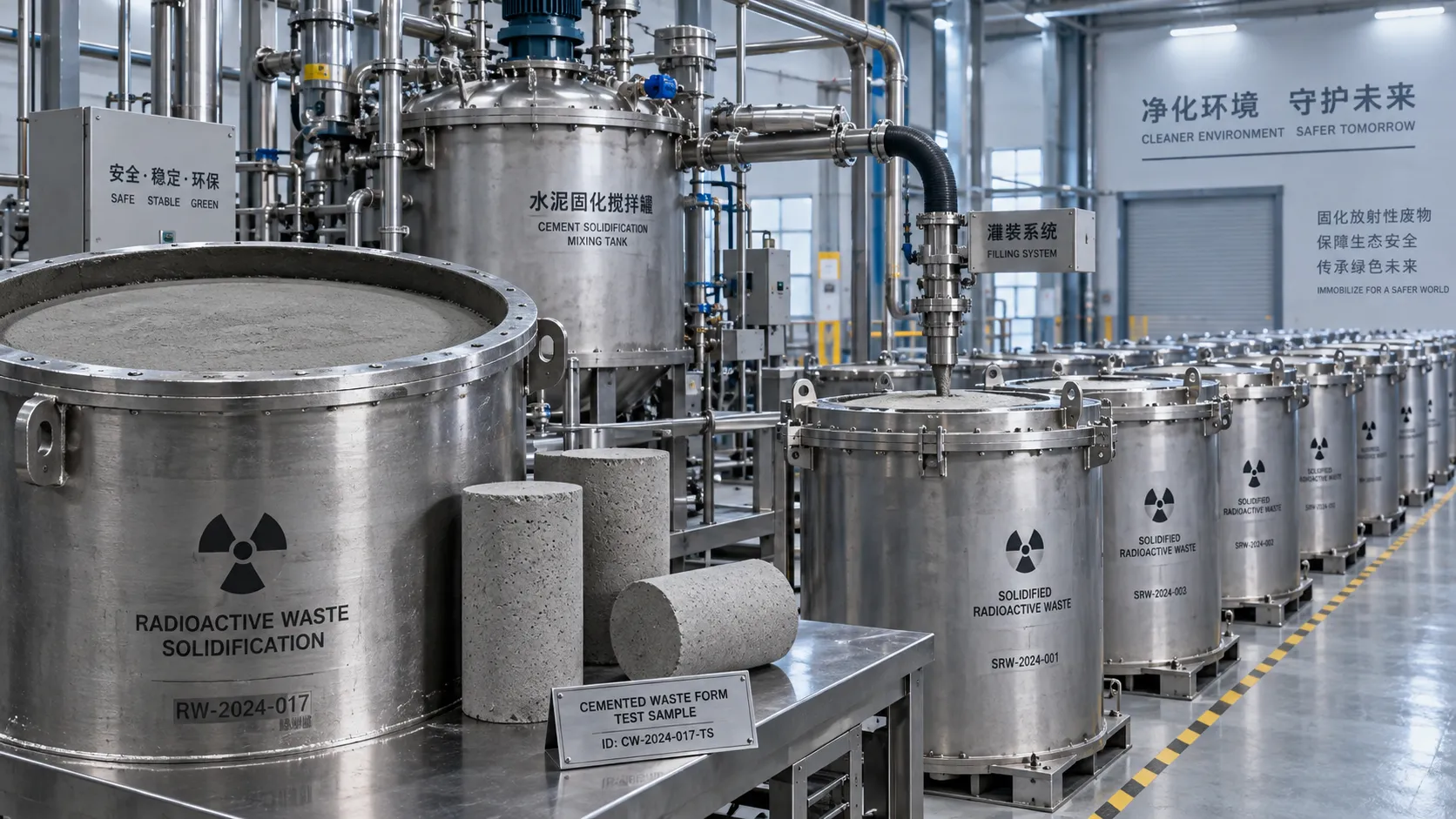
When is cementation suitable for nuclear decommissioning waste?
Explore nuclear waste treatment technology for decommissioning: learn when cementation fits, which risks to assess, and how disposal criteria guide an effective treatment choice.
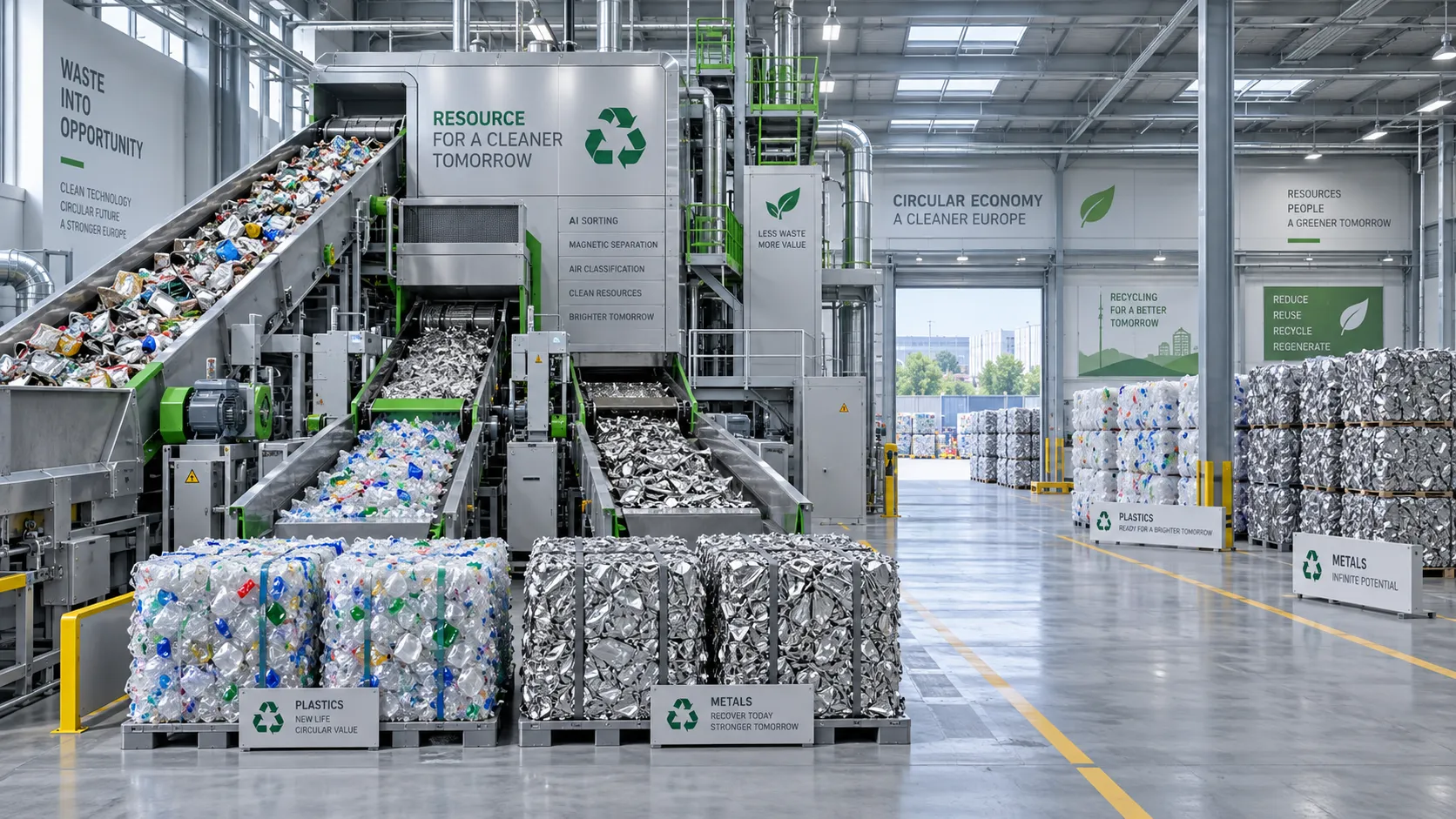
What determines payback for waste-to-resource systems in Europe?
Assess waste-to-resource systems Europe-wide: compare feedstock, recovery yields, costs and contracts to uncover payback drivers and make smarter investment decisions.
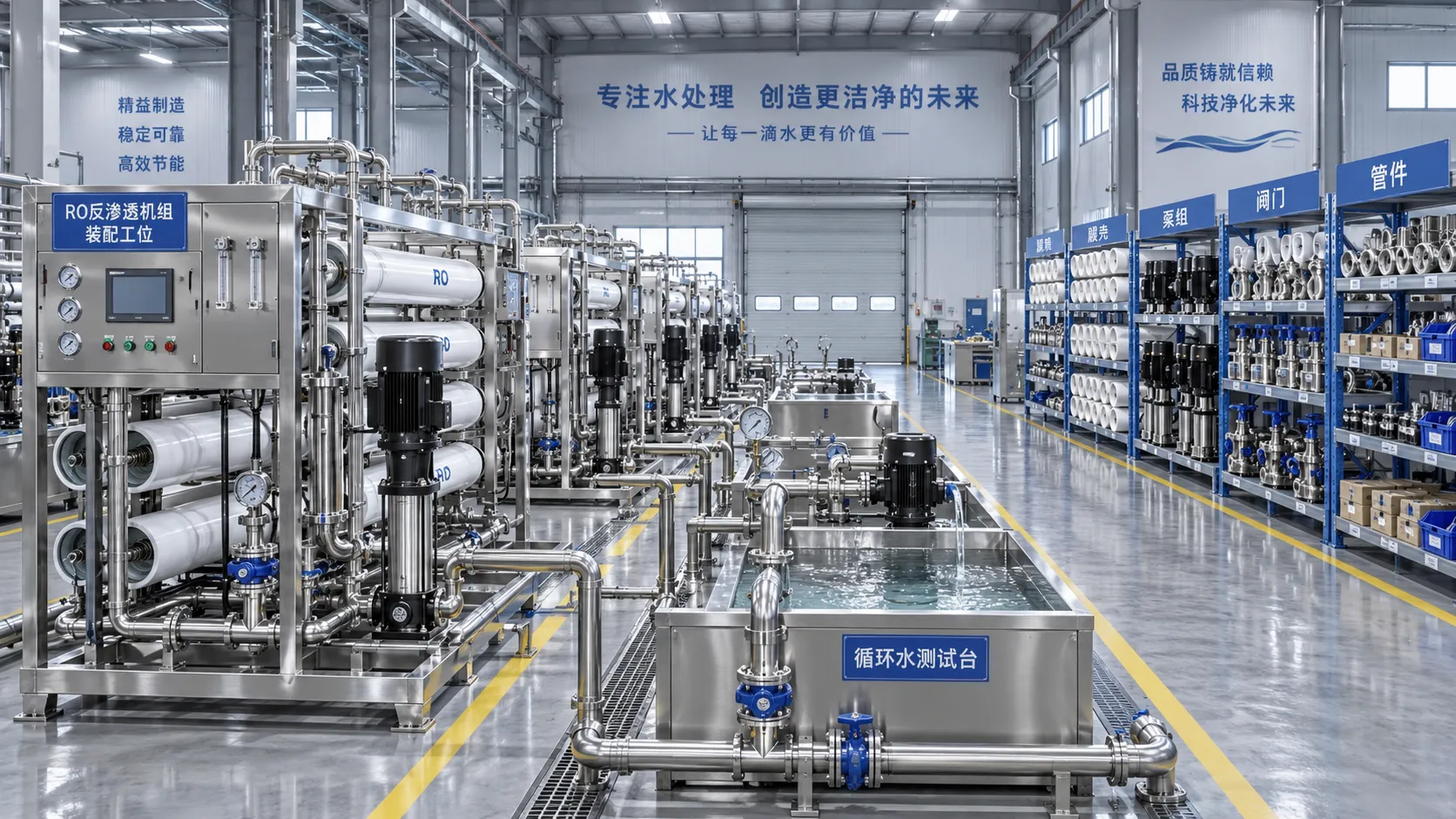
How to verify a water treatment system factory’s production capacity
Verify a water treatment systems factory’s production capacity through records, bottlenecks, component availability, and testing. Learn what to check before accepting a delivery promise.
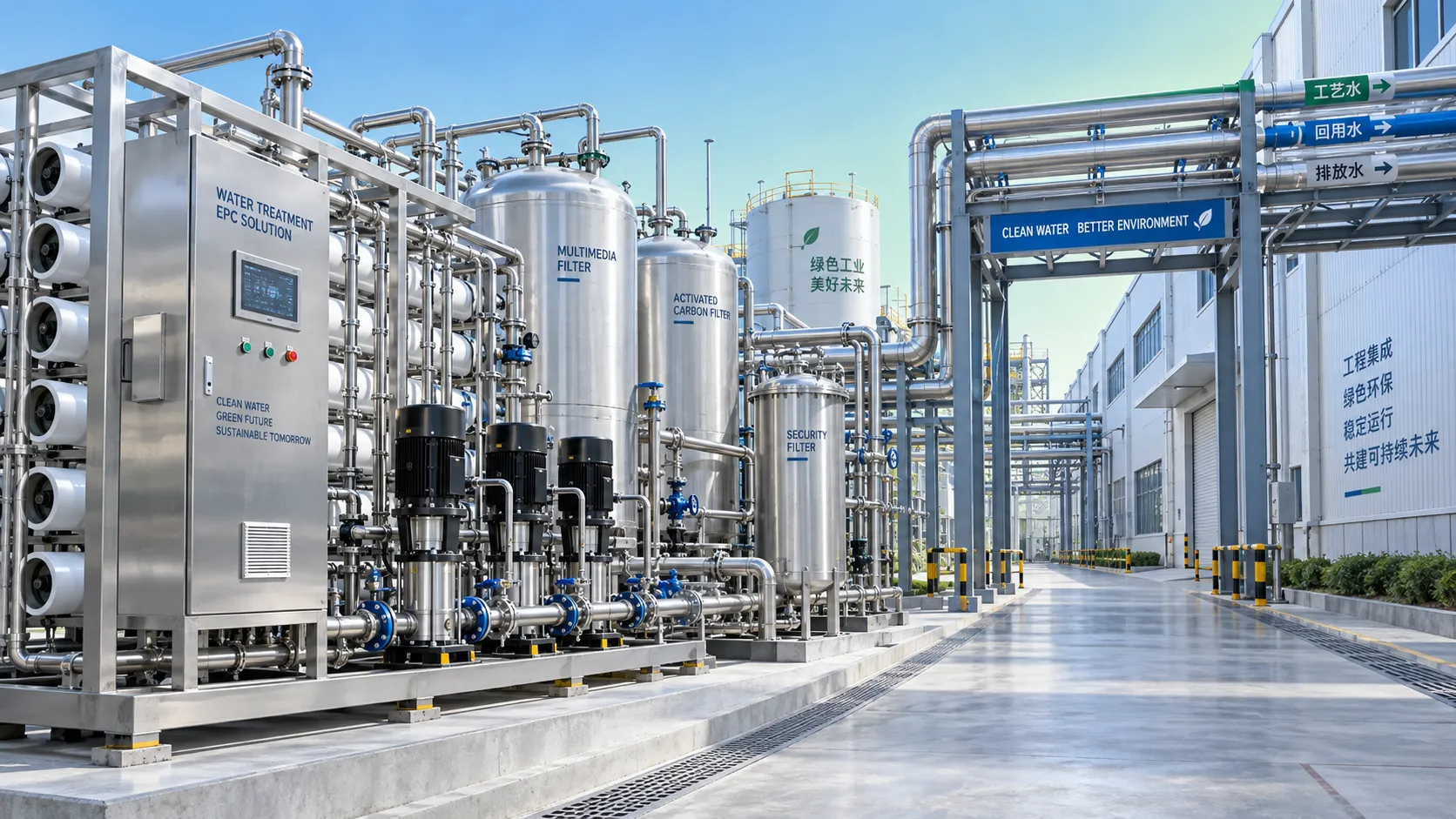
When does EPC environmental project support reduce delivery risk?
EPC environmental project support engineering reduces delivery risk by aligning design, procurement, compliance, construction, and commissioning decisions.
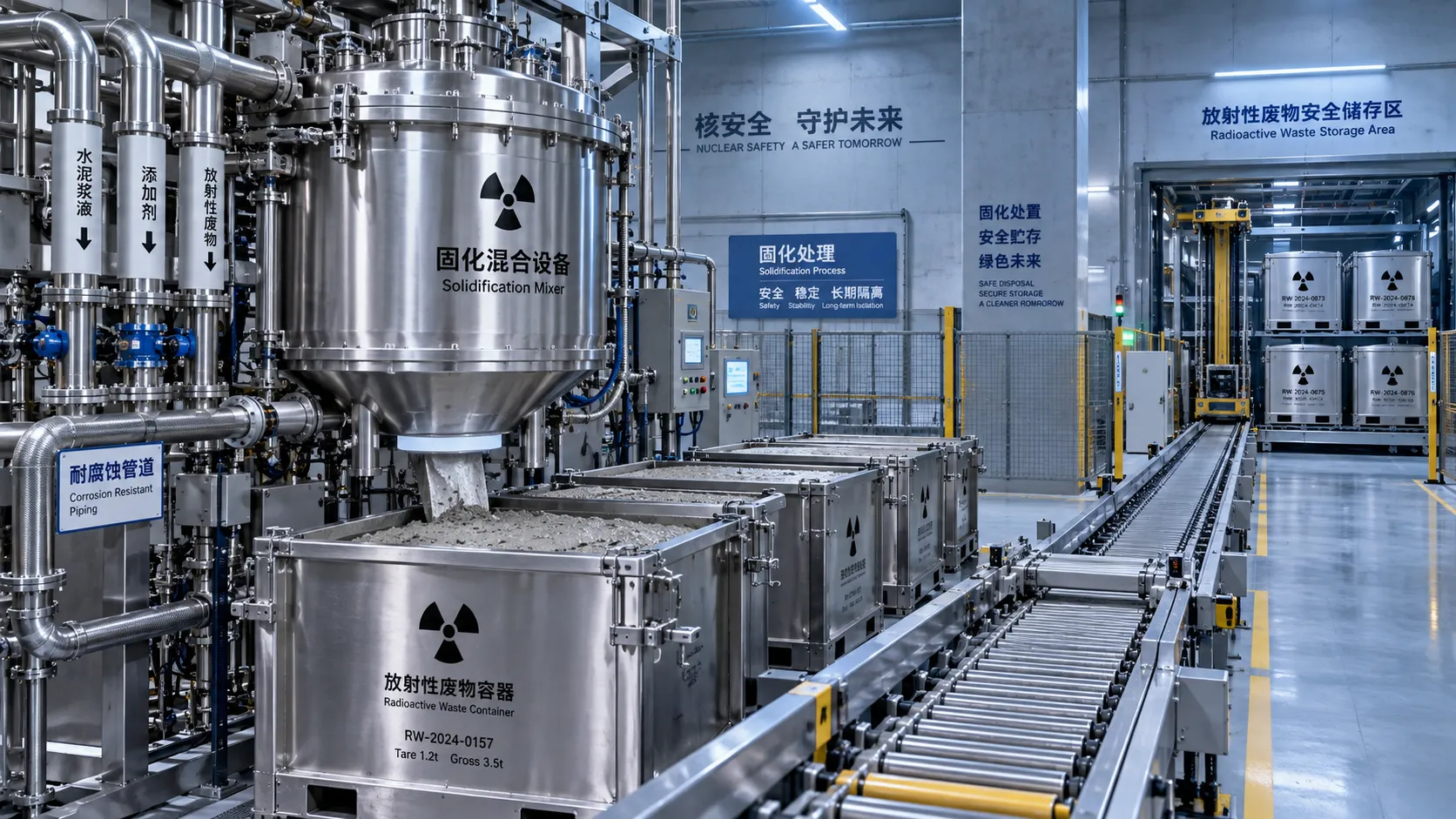
How nuclear plants select a radioactive waste solidification method
Radioactive waste management for nuclear plants: compare vitrification, cementation, polymers, and ceramics to select a compliant, durable solidification solution.
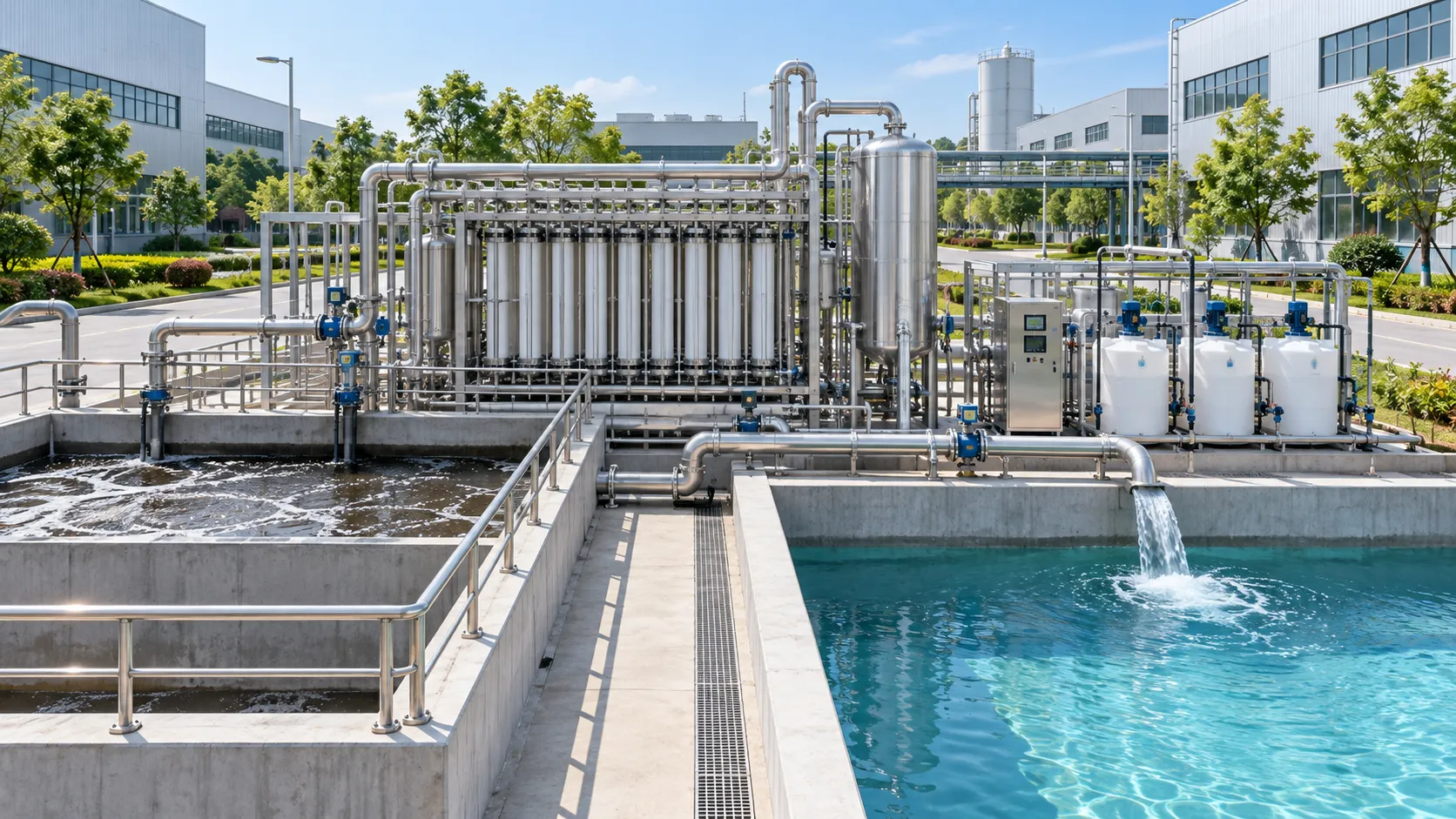
Comparing Upgrade Costs for Industrial Park Wastewater Treatment Systems
Compare costs for wastewater system upgrades in industrial parks with a lifecycle view of CAPEX, OPEX, compliance, resilience, and future expansion.
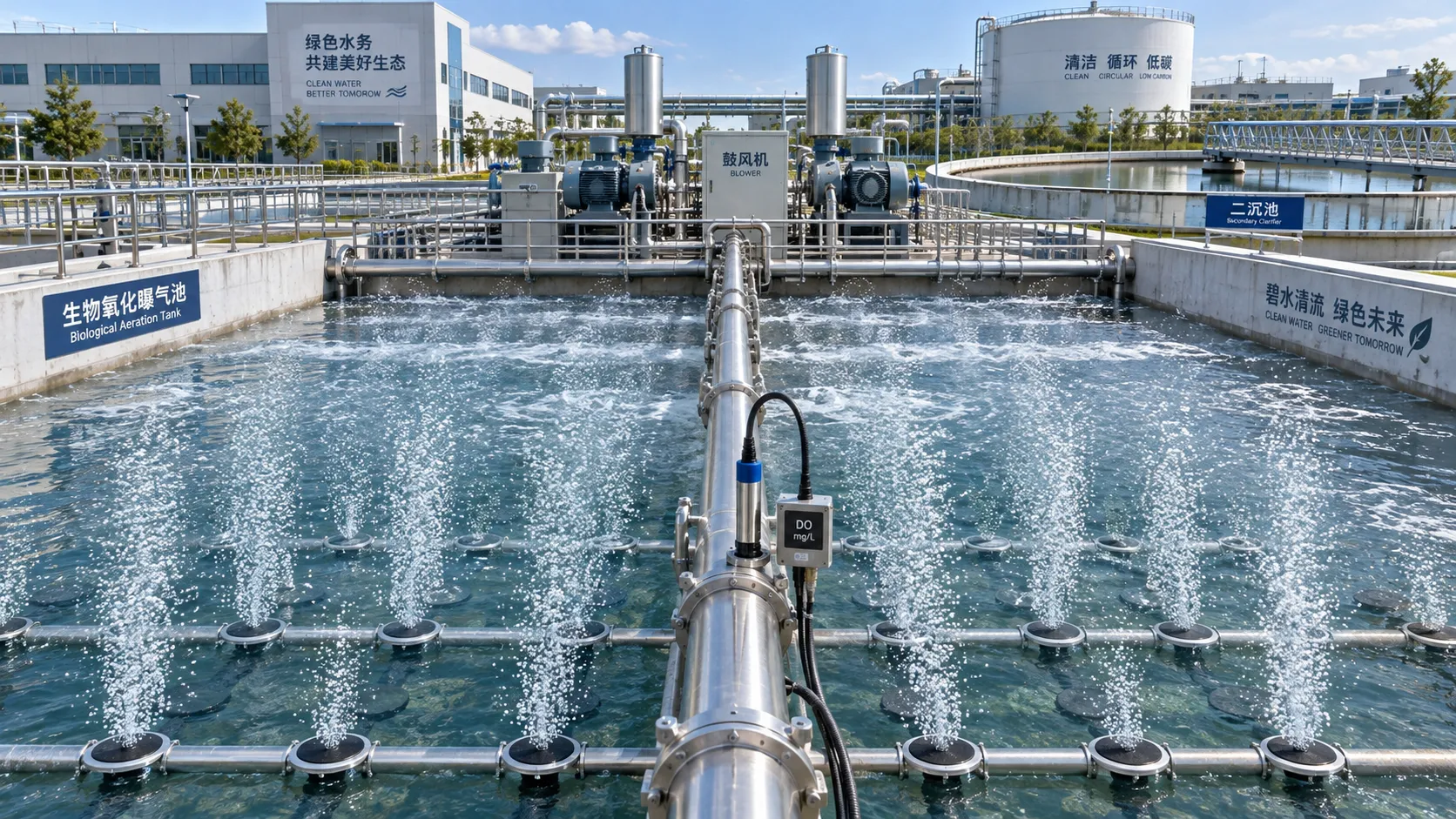
Biological Wastewater Oxidation Explained: Aeration Demand and Process Control
Biological wastewater oxidation explained: optimize aeration demand, DO control, nitrification, and sludge age for stable effluent quality and lower energy costs.
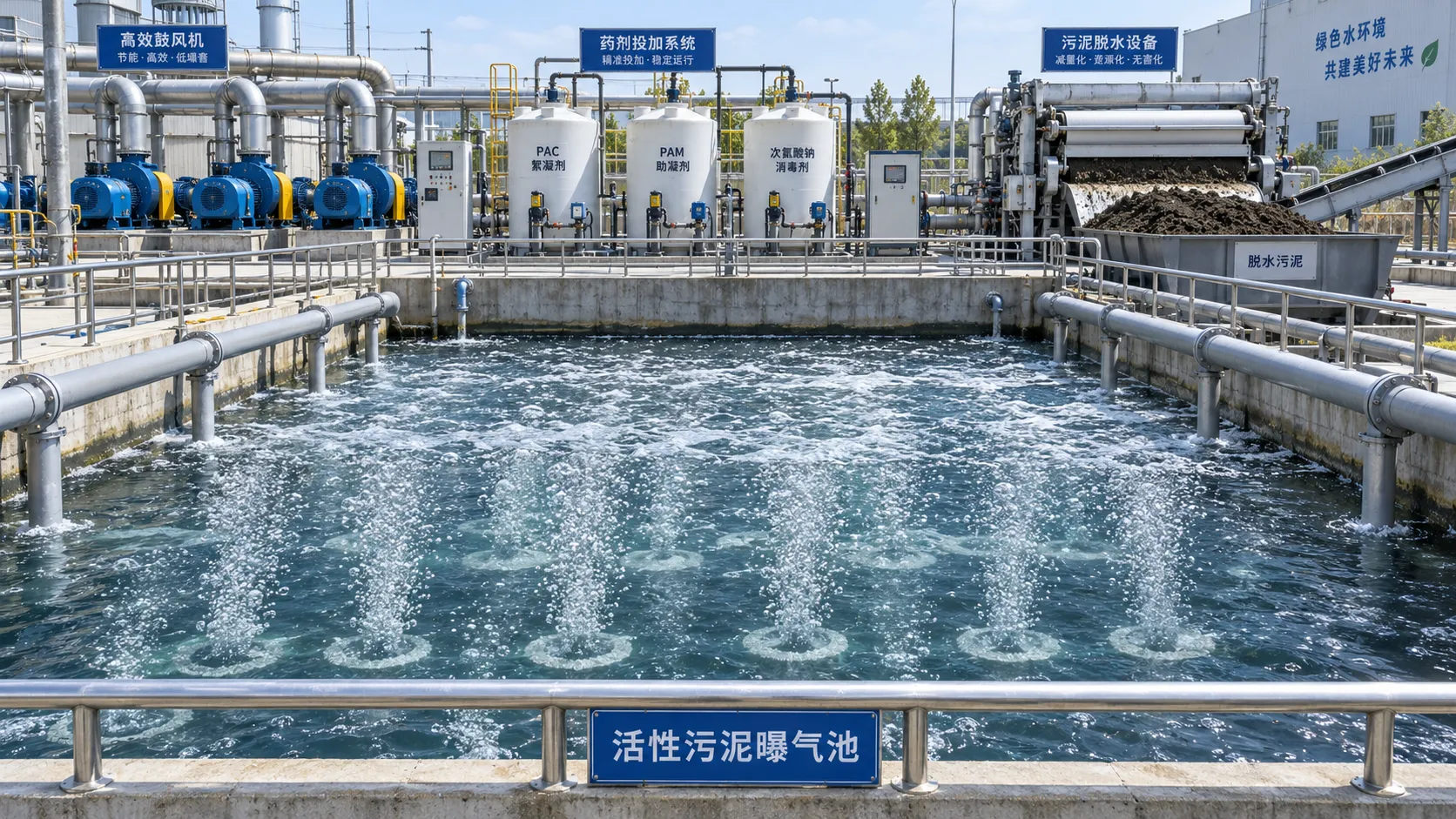
Activated Sludge Cost: Budgeting Energy, Chemicals, Sludge, and Labor
Activated sludge cost explained: compare energy, chemicals, sludge disposal, labor, and compliance risks to build a reliable lifecycle budget.
When Should Municipal Wastewater Plants Upgrade Treatment Capacity and Controls?
Municipal wastewater treatment upgrades: learn when capacity, controls, and resilient planning are needed to protect compliance and optimize plant performance.