
Industry News
Curation by industry experts
Hot Articles
Popular Tags
Environmental Governance Gaps That Raise Compliance Risk
Why do environmental governance gaps become compliance risks so quickly?
Environmental governance rarely fails because one rule is missing. It usually fails when operations, records, and regulatory updates move at different speeds.
That gap is especially dangerous in complex systems. Wastewater treatment, waste recovery, desalination, flue gas control, and nuclear waste handling all depend on disciplined control points.
When one control point slips, the issue can spread fast. A sampling error becomes a reporting error. A reporting error becomes an audit finding. Then the compliance risk grows beyond the site.
In practice, environmental governance is not just about permits. It covers monitoring logic, escalation rules, maintenance evidence, contractor oversight, and traceable decisions.
This is why the topic matters across industrial sectors. High-stakes facilities now operate under tighter scrutiny, more digital reporting, and stronger expectations around accountability.
A useful way to see it is through the lens used by ESD. Environmental governance sits where technical performance meets regulatory interpretation and business continuity.
That intersection is not theoretical. It affects ZLD reliability, AI sorting traceability, scrubber performance, SWRO efficiency, and radioactive waste containment documentation.
What does an environmental governance gap actually look like on site?
Most gaps are not dramatic. They look routine, which is why they often survive until an inspection, permit renewal, or customer review exposes them.
A common example is data without ownership. Emissions, discharge quality, or residue volumes are measured, but no one confirms whether deviations trigger action.
Another gap appears when procedures exist, yet field practice differs. Operators improvise, contractors use older forms, or lab methods change without documented approval.
In large treatment assets, this can affect calibration, sludge classification, membrane cleaning records, reagent dosing, or waste transfer manifests.
In recovery or thermal systems, the issue may involve feedstock variability. Material changes upstream, but downstream controls and compliance assumptions remain unchanged.
The table below helps separate typical weak signals from the compliance risk they create.
What matters is not only finding the gap. It is understanding whether the gap changes legal exposure, reporting accuracy, or environmental performance.
Which operations face the highest environmental governance pressure?
The highest pressure usually appears where process conditions are extreme, residues are sensitive, or regulations evolve faster than operating routines.
Large water treatment plants are a clear case. ZLD systems and industrial wastewater lines generate dense data, difficult chemistry, and narrow discharge tolerances.
Solid waste recovery also carries governance pressure. Once waste becomes a resource stream, classification, traceability, and end-use compliance become harder to manage.
Flue gas treatment adds another layer. The equipment may perform well, yet catalyst condition, low-temperature behavior, bypass events, and reagent quality can alter compliance outcomes.
Desalination projects face a different balance. Brine management, energy intensity, marine discharge constraints, and membrane performance must align with both technical and environmental governance expectations.
Nuclear waste management remains the most unforgiving area. Documentation, chain of custody, containment integrity, and long-term evidence standards leave almost no room for informal practice.
Across these sectors, the pattern is similar. The more complex the environmental interface, the more damaging a small governance weakness becomes.
This is where intelligence-led review becomes valuable. ESD’s cross-sector perspective helps connect engineering detail with regulatory consequence instead of treating them as separate issues.
How can you tell whether the problem is technical, procedural, or organizational?
A missed limit does not always point to faulty equipment. Sometimes the equipment works, but the governance structure around it is weak.
A practical test is to ask three questions. Was the condition detected on time? Was the response defined? Was the evidence retained clearly?
If detection failed, the weakness may sit in instruments, sampling, analytics, or dashboard review logic. That is often a technical governance issue.
If detection worked but response varied, the gap is usually procedural. The trigger existed, yet staff or contractors followed different rules.
If both detection and response happened, but evidence is fragmented, the problem is organizational. Roles, approvals, or retention controls are not aligned.
In actual audits, these categories overlap. A poor change-management routine can cause technical drift, procedural confusion, and reporting inconsistency at the same time.
That is why quick fixes often disappoint. Replacing a sensor helps little if no one owns regulatory interpretation or verifies whether limits changed.
- Map each compliance point to one named owner.
- Link every threshold to a current legal source.
- Test whether field records support audit reconstruction.
- Review process changes before they affect waste or emissions profiles.
This method turns environmental governance from a policy topic into an operational control discipline.
What mistakes keep repeating when teams try to reduce compliance risk?
One repeated mistake is treating environmental governance as a document exercise. Good files matter, but they cannot compensate for weak field execution.
Another mistake is over-focusing on annual audits. Compliance risk grows between audits, often through routine deviations that nobody escalates.
Many sites also separate environmental, safety, and quality reviews too sharply. On paper, that looks organized. In reality, shared risks can disappear between departments.
For example, a maintenance delay may be logged as a reliability issue, while its emission consequence is missed. The governance gap starts in that handoff.
There is also a timing problem. Regulatory change tracking is often slower than operational change, especially in multinational or contractor-heavy environments.
CBAM, discharge tightening, waste classification updates, and reporting digitization all increase the cost of stale assumptions.
A more reliable approach is to watch for recurring symptoms, not only major incidents.
- Corrective actions close late or without evidence.
- Sampling plans differ across shifts or vendors.
- Waste codes or residue categories change without review.
- Permit obligations live in too many disconnected systems.
When these signs appear together, environmental governance is already under strain, even if no penalty has arrived yet.
What is the most practical way to strengthen environmental governance now?
Start with a focused review, not a full reinvention. The first goal is to identify where compliance risk can grow silently.
Choose the most exposed process first. That may be wastewater discharge, air emissions, solid residue transfer, desalination brine control, or high-consequence waste storage.
Then compare four things side by side: permit terms, operating practice, monitoring evidence, and escalation behavior.
If those four elements do not match, the environmental governance system needs repair before the next inspection cycle.
In more advanced settings, external intelligence also matters. Sector-specific insight helps teams see whether a local issue reflects a broader regulatory or technical shift.
That is where ESD’s strategic intelligence model becomes relevant. It connects membrane behavior, catalyst kinetics, resource recovery logic, and regulatory movement in one decision frame.
The value is not promotional. It is practical. Better environmental governance depends on seeing technical details and compliance obligations as one system.
A sensible next step is to build a short governance review list for the highest-risk asset and test it against recent deviations, permit updates, and record quality.
If the same weaknesses keep appearing, do not treat them as isolated findings. They are usually signals that environmental governance needs stronger ownership, tighter review cycles, and cleaner evidence chains.
Recommended News
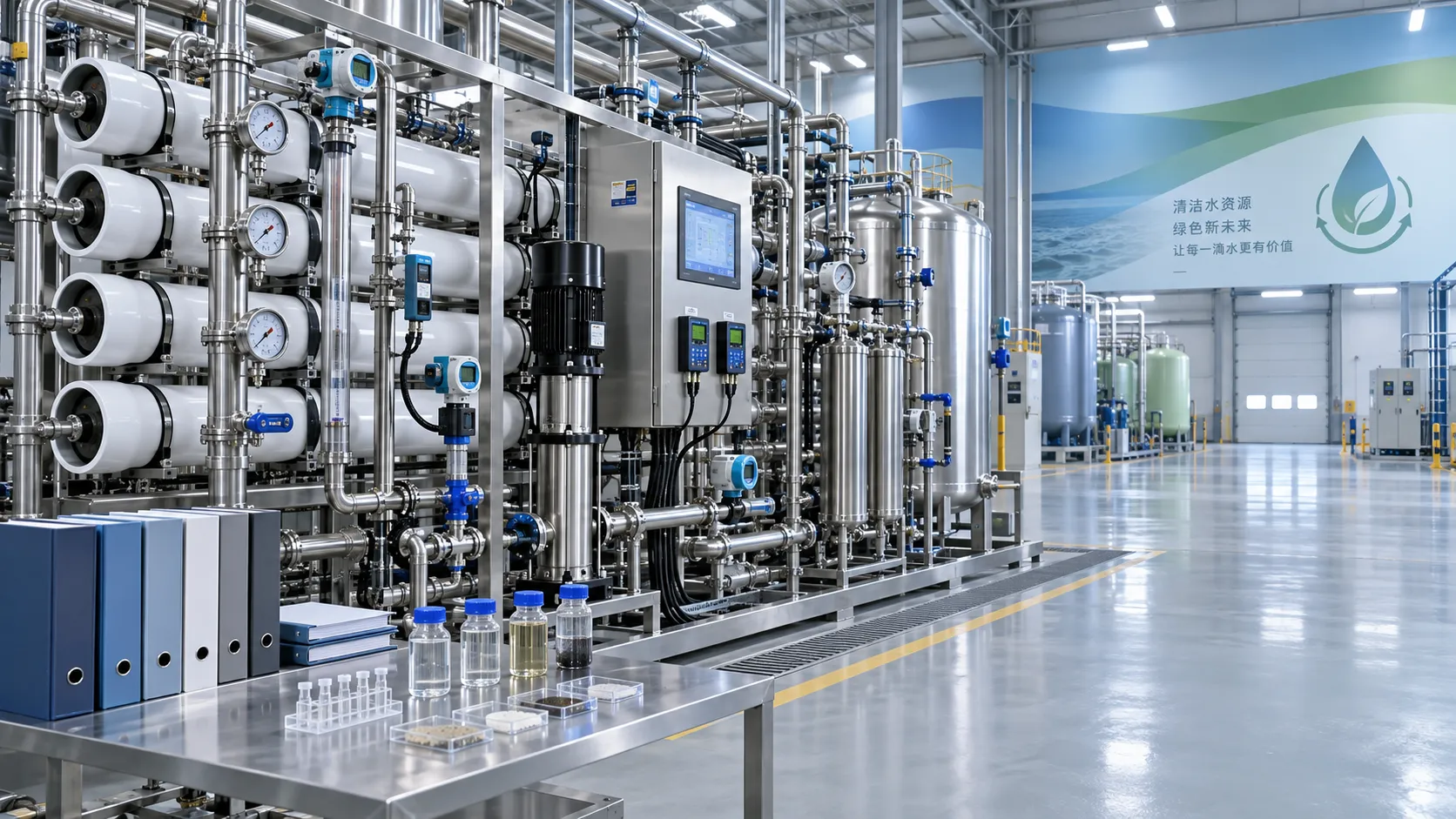
How to verify standards in an environmental equipment directory
environmental equipment directory standards reference: learn to verify certifications, performance evidence, scope, and project fit for confident, compliant equipment selection.
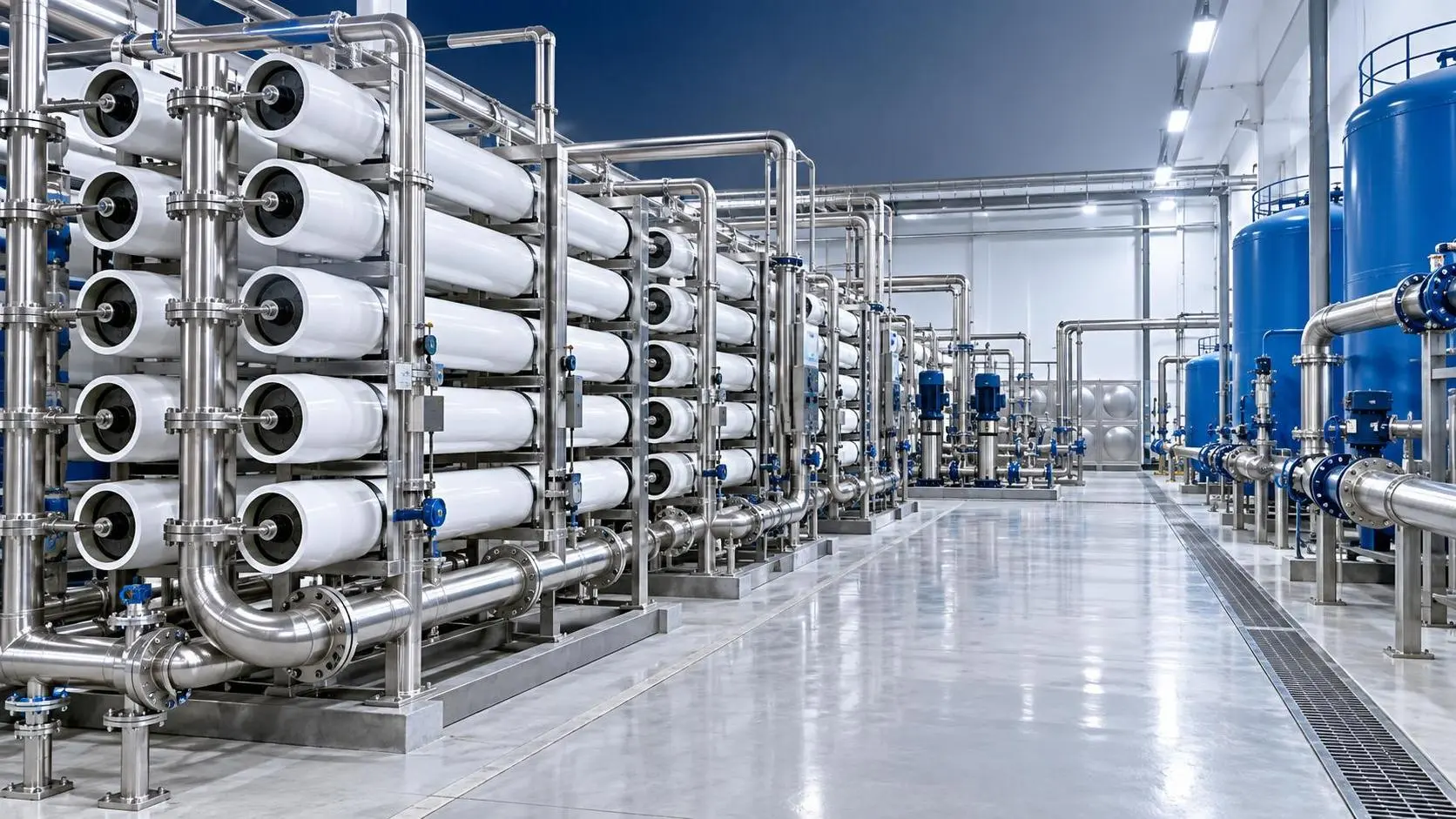
When high flux membrane water treatment justifies a larger footprint
High flux membrane water treatment can justify a larger footprint when variable feedwater, fouling risk, and uptime demands require resilient, lower-flux operation.
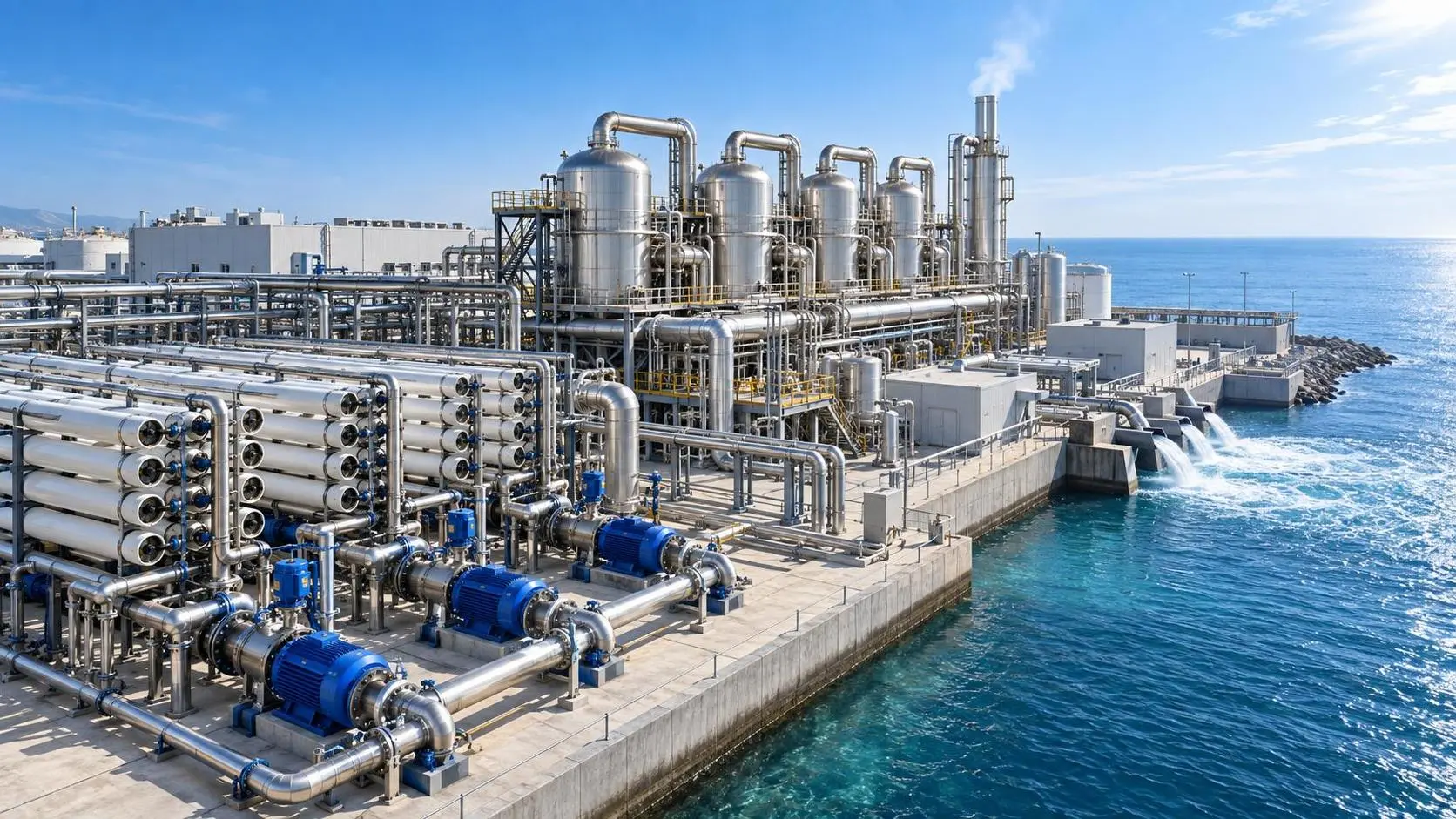
RO vs MED desalination: which is more energy-efficient at scale?
Desalination technology comparison: RO vs MED at scale. See how energy use, waste heat, feedwater, carbon, and flexibility determine the best choice.
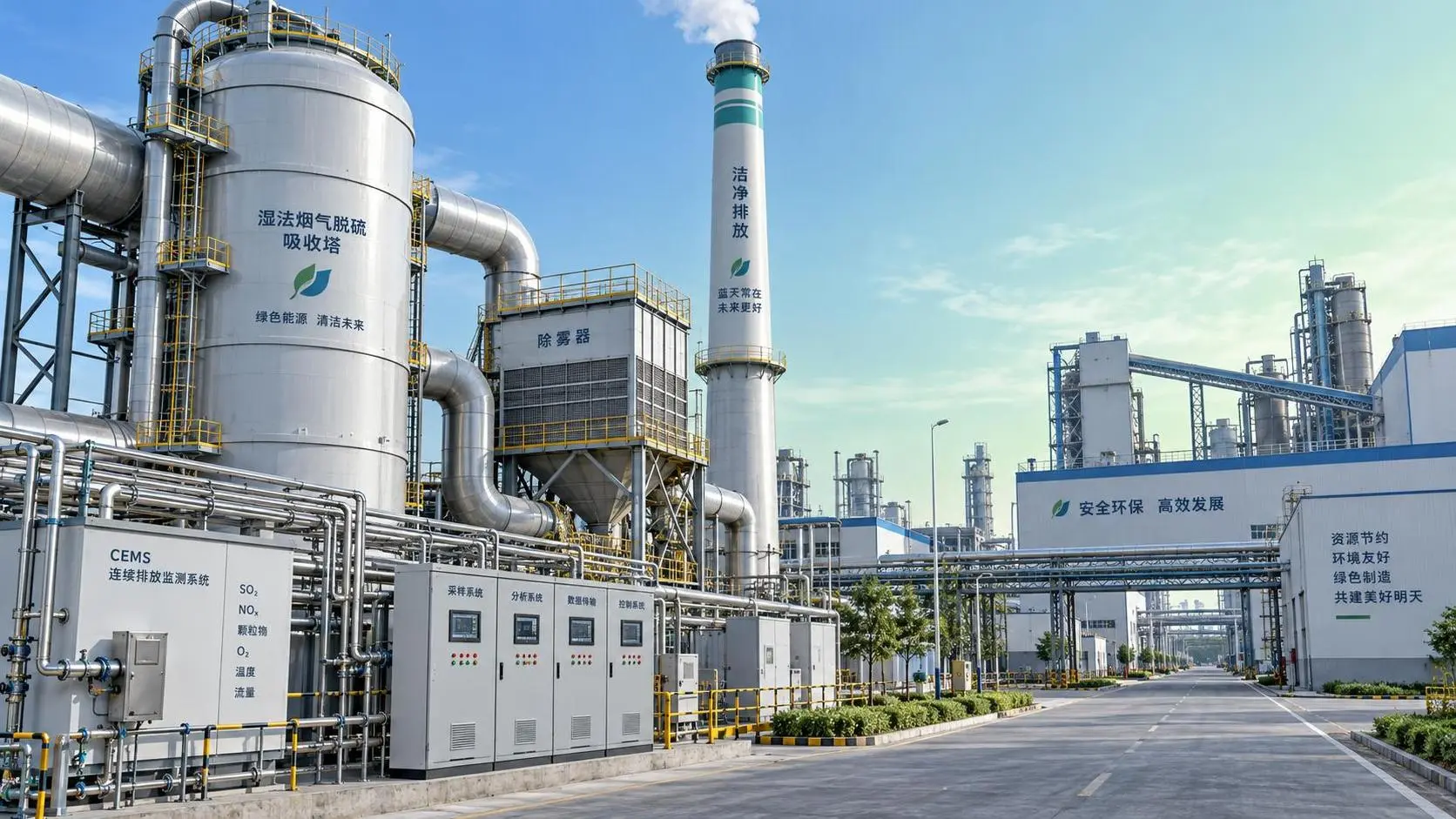
Which ISO standards apply to flue gas treatment systems?
Flue gas treatment systems ISO standards: explore key requirements for emissions testing, CEMS, safety, fabrication, corrosion control, and compliant project evaluation.

When corrosion resistant purification systems are needed for brine treatment
Corrosion resistant purification systems for brine treatment: assess chloride, heat, scaling, materials, and lifecycle reliability for demanding water projects.

How preventive maintenance reduces seawater desalination equipment downtime
Seawater desalination equipment maintenance reduces downtime through proactive monitoring, pretreatment protection, and planned repairs. Explore practical strategies for reliable RO performance.
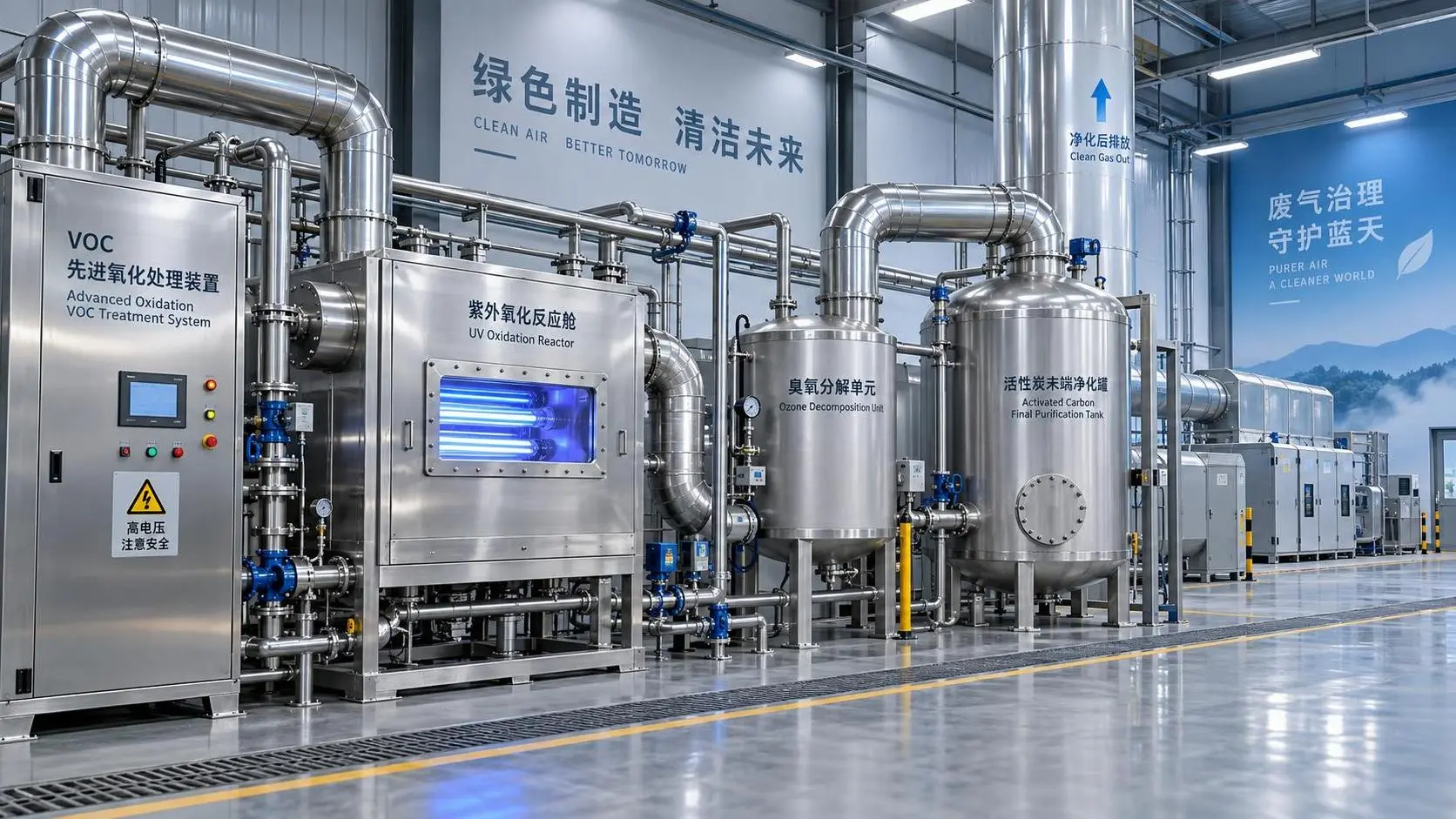
When are advanced oxidation processes the right choice for VOC control?
Advanced oxidation processes for VOC control: learn when AOPs outperform conventional options, manage by-products, and achieve reliable compliance.
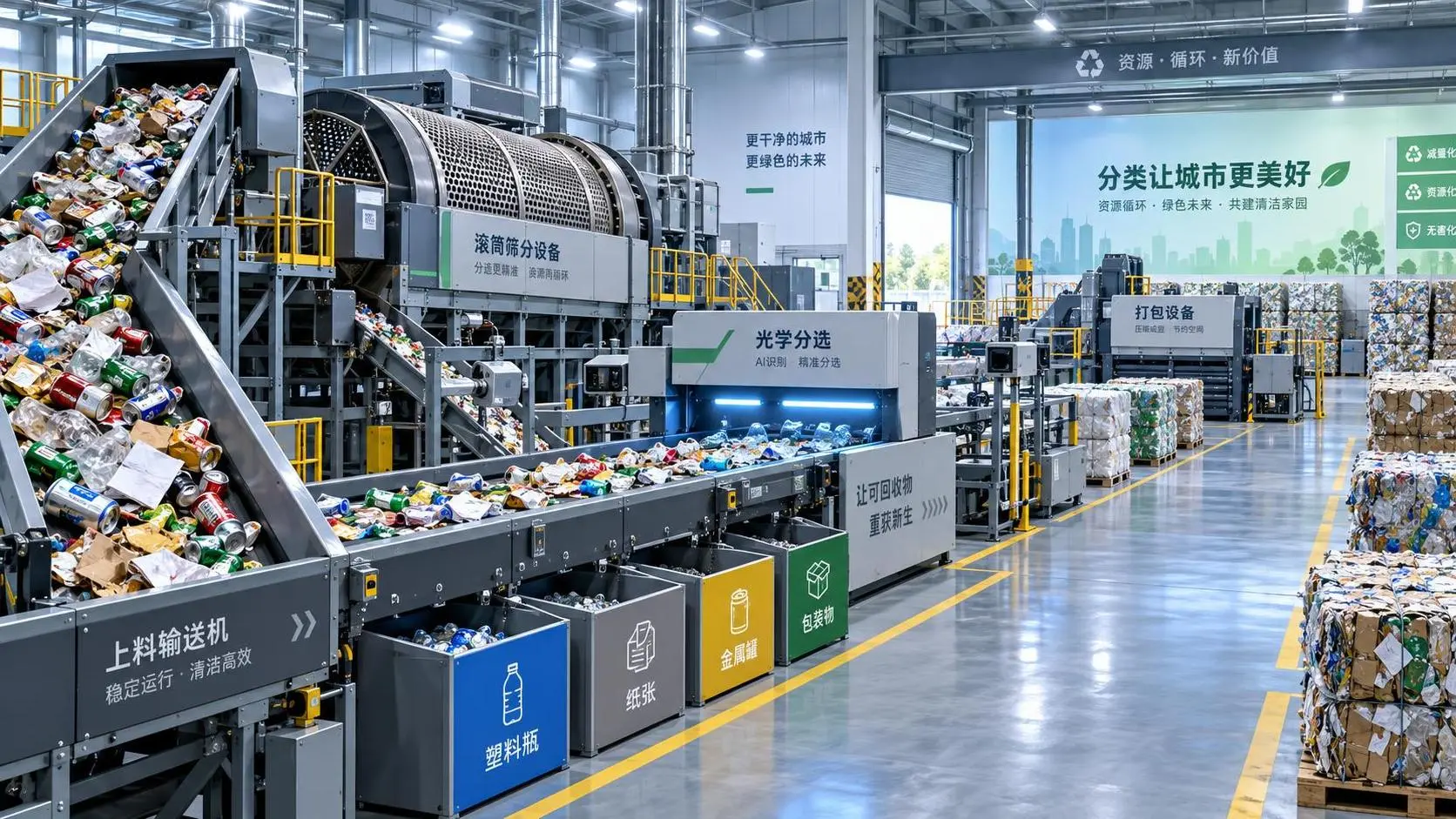
What throughput should municipal waste sorting equipment deliver?
Waste sorting equipment for municipal waste: learn how to set reliable throughput based on peak loads, material quality, uptime, and recovery targets.
What carbon neutrality means for corporate investment decisions
Carbon neutrality is transforming corporate investment decisions. Explore how lifecycle economics, efficiency, compliance, and resilience can drive measurable returns and lasting advantage.