
Industry News
Curation by industry experts
Hot Articles
Popular Tags
Environmental Regulations Impact Assessment: Key Cost Factors
Environmental Regulations Impact Assessment: Key Cost Factors
For financial decision-makers, an environmental regulations impact assessment is no longer a box-ticking exercise.
It now shapes budgets, approval logic, and long-term asset performance.
In water treatment, desalination, waste recovery, flue gas control, and nuclear waste projects, regulation shifts move faster than many cost models.
That creates a simple problem.
If the assessment is weak, approvals look accurate on paper but fail under delivery pressure.
A strong environmental regulations impact assessment helps teams price risk early, defend investment logic, and avoid expensive surprises later.
Why Cost Pressure Starts with Regulatory Timing
The biggest mistake is treating compliance as a fixed line item.
In reality, cost exposure depends on when rules tighten and how quickly assets must adapt.
A new discharge limit can trigger membrane upgrades, redesign work, extra automation, and longer commissioning cycles.
A revised waste classification rule can reprice transport, storage, insurance, and contractor qualifications.
This is why an environmental regulations impact assessment must be dynamic, not static.
From a budgeting view, timing affects four cost windows:
- Pre-approval design adjustments.
- Procurement and supplier qualification changes.
- Construction and commissioning delays.
- Post-startup operating and reporting costs.
The earlier these windows are modeled, the stronger the approval case becomes.
The Core Cost Factors in an Environmental Regulations Impact Assessment
A useful environmental regulations impact assessment should focus on cost drivers that can actually move project economics.
1. Technology compliance upgrades
This is usually the most visible factor.
Stricter standards may require higher-grade pumps, advanced membranes, upgraded scrubbers, better liners, robotic sorting, or more secure containment systems.
In desalination, tighter brine disposal rules can force additional concentration or ZLD stages.
In nuclear waste management, packaging and vitrification specifications can materially raise capital intensity.
2. Engineering redesign and validation
Regulatory change rarely affects equipment alone.
It often leads to new process modeling, hazard studies, performance testing, and external certification.
That adds engineering hours before a purchase order even turns into physical progress.
For large EPC projects, redesign costs also create knock-on effects in scheduling and contractor coordination.
3. Permitting and approval delays
A delayed permit is not only an administrative issue.
It changes cash flow timing, debt drawdown schedules, site overhead, and revenue start dates.
This becomes more serious when imported systems face additional environmental documentation reviews.
A practical environmental regulations impact assessment must translate delay risk into real carrying cost.
4. Monitoring, reporting, and audit obligations
More rules usually mean more data.
Continuous emissions monitoring, effluent traceability, waste chain documentation, and digital compliance platforms all add recurring expense.
These costs may look small during approval.
Over a fifteen-year asset life, they can become a major OPEX burden.
5. Supply chain and localization requirements
Environmental policy increasingly overlaps with trade, carbon disclosure, and local content rules.
That affects vendor selection and total landed cost.
CBAM-related exposure, country-specific certifications, and component traceability can all raise procurement complexity.
In many cases, compliance-friendly sourcing is more expensive upfront but less risky over time.
Sector-Specific Cost Signals That Matter
The same environmental regulations impact assessment framework should not be applied blindly across sectors.
Each asset class has different compliance pressure points.
In actual procurement reviews, these sector signals help teams challenge overly generic budget assumptions.
How to Turn Assessment into Better Procurement Decisions
An environmental regulations impact assessment adds value only when it changes buying behavior.
That means linking regulatory findings to sourcing, contract structure, and lifecycle cost comparisons.
Use total compliance cost, not sticker price
The cheapest equipment quote may carry the highest future compliance exposure.
Compare bids using total compliance cost over the expected operating life.
Include retrofit probability, reporting costs, permit sensitivity, and penalty risk.
Build regulatory buffers into contracts
Performance guarantees should reflect likely policy tightening, not only today's minimum standard.
This reduces the chance of paying twice for the same compliance objective.
Where possible, define upgrade pathways, test obligations, and data-sharing requirements in advance.
Stress-test schedules against policy change
If a project depends on a narrow permit window, even small rule changes can damage returns.
Scenario planning should model best case, expected case, and delayed approval case.
That gives approvers a clearer view of schedule-linked cost volatility.
A Practical Review Checklist
When reviewing a major project, this checklist keeps the environmental regulations impact assessment commercially useful.
- Identify regulations likely to change within the asset payback period.
- Map each rule to capex, opex, schedule, and financing effects.
- Test whether selected equipment can meet tighter future thresholds.
- Check supplier certifications, localization exposure, and reporting capability.
- Quantify permit delay costs and startup deferral losses.
- Review contractual protection for compliance-driven redesign or retrofits.
- Compare options using total compliance cost, not purchase cost alone.
This approach makes the environmental regulations impact assessment far more useful in approval meetings.
Final Takeaway
A credible environmental regulations impact assessment is really a cost-control tool.
It shows where compliance pressure will hit, how fast it may arrive, and which investments stay resilient.
For complex environmental infrastructure, that clarity matters more than ever.
The better the assessment, the easier it becomes to protect margins, defend procurement logic, and avoid stranded capital.
Before approving the next project, review whether your environmental regulations impact assessment measures compliance cost as a future business reality, not a current paperwork task.
Recommended News
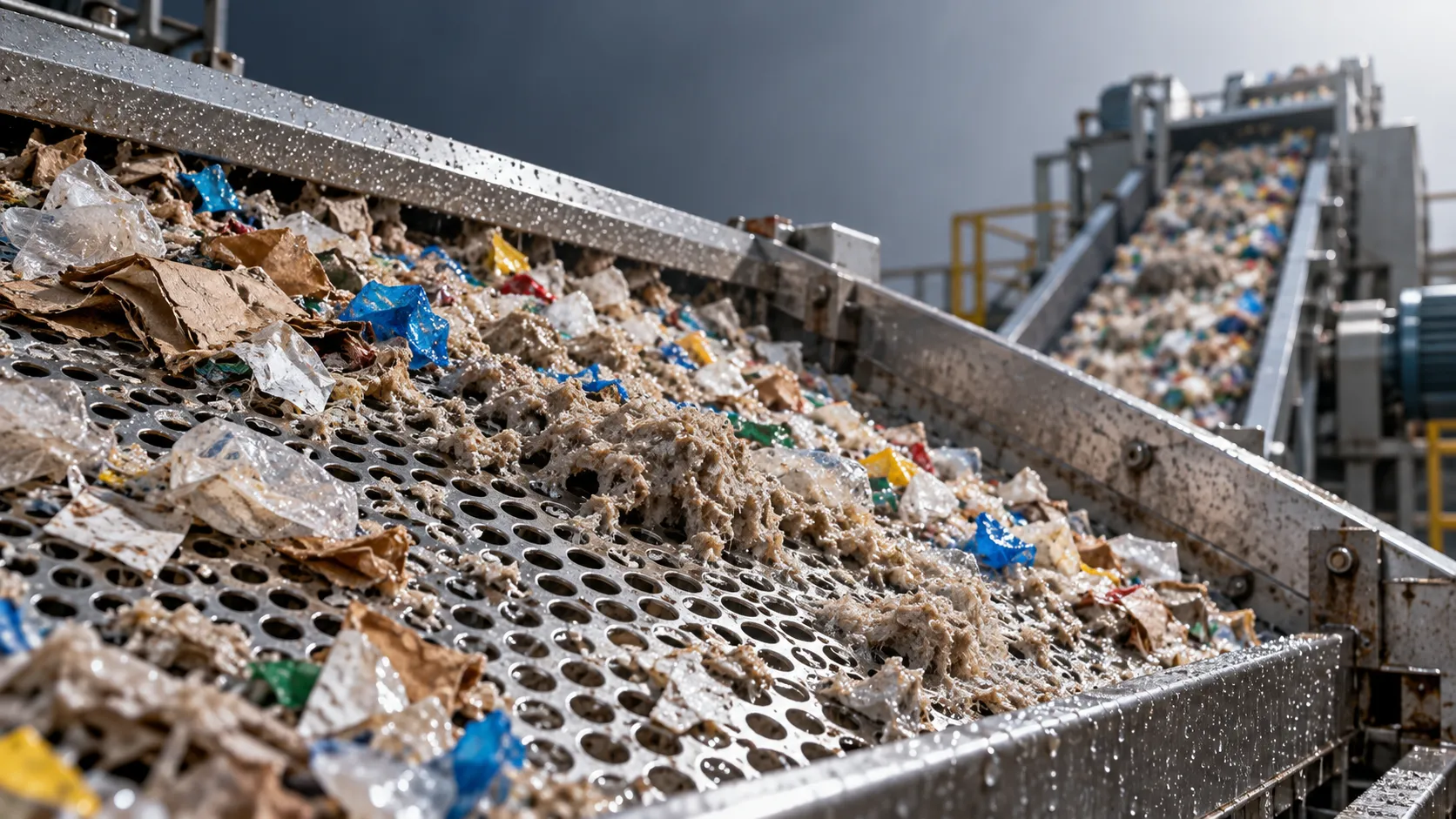
How moisture affects material separation in solid waste recovery
Improve solid waste recovery material separation by understanding moisture effects on screening and sorting. Discover practical ways to boost recovery, purity, and throughput.
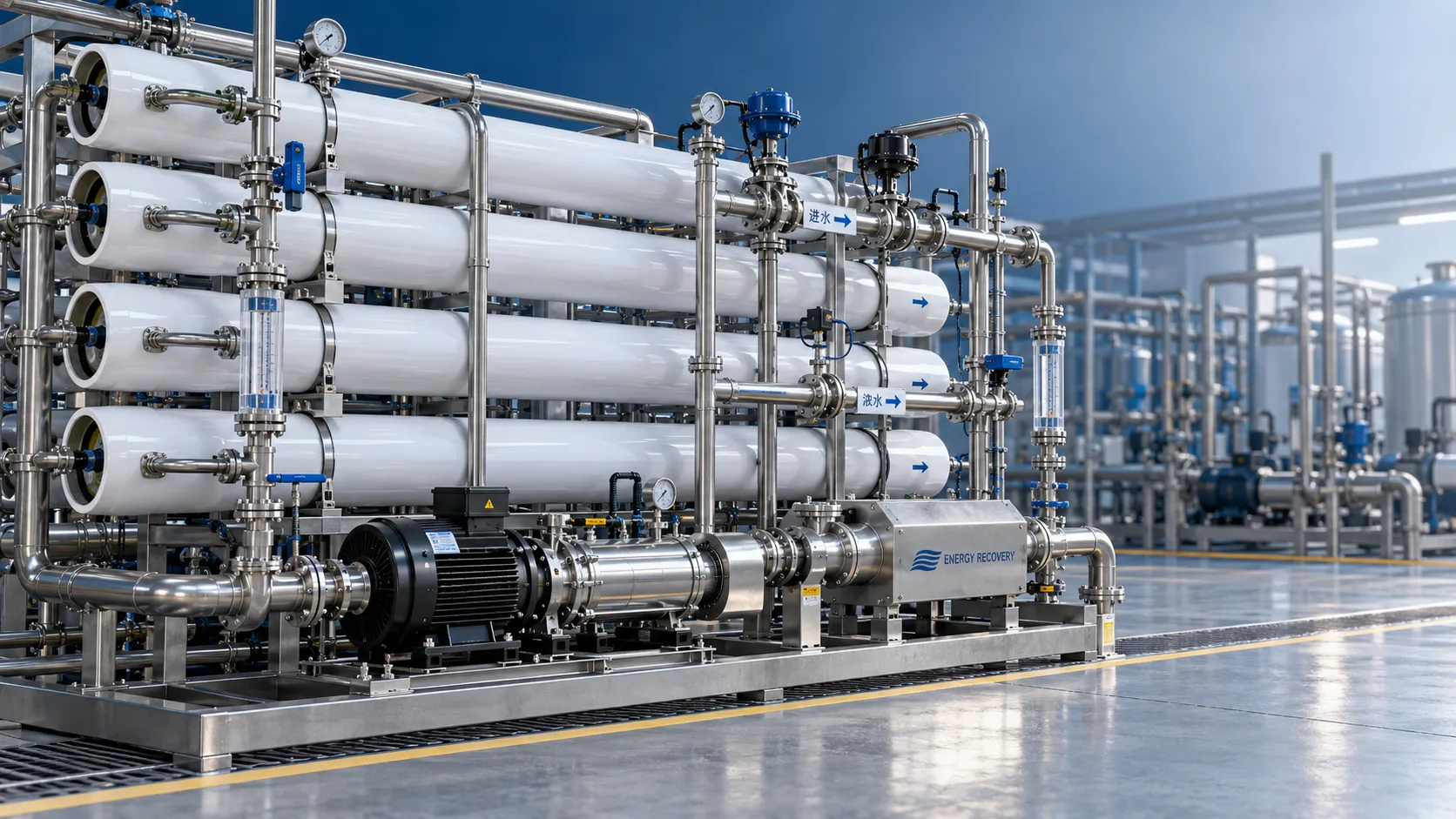
How to set recovery rates in seawater reverse osmosis system design
Explore seawater desalination systems engineering: learn to set SWRO recovery rates that balance energy, scaling risks, and water quality for reliable, cost-effective operation.
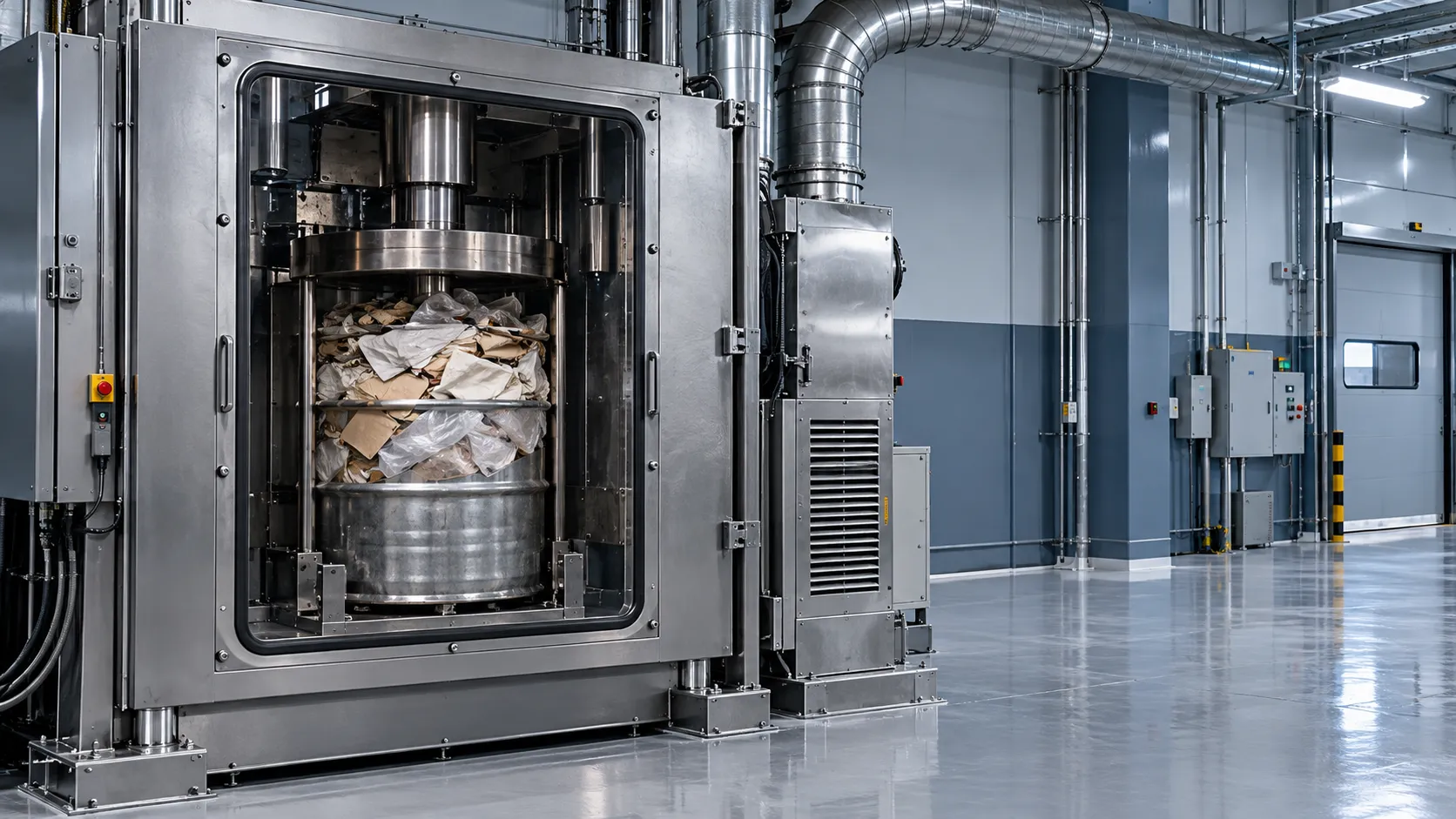
When is compaction suitable for solid nuclear waste treatment?
Is compaction right for solid nuclear waste treatment? Discover suitable waste streams, key safety checks, and disposal requirements to reduce package volume and optimize costs.
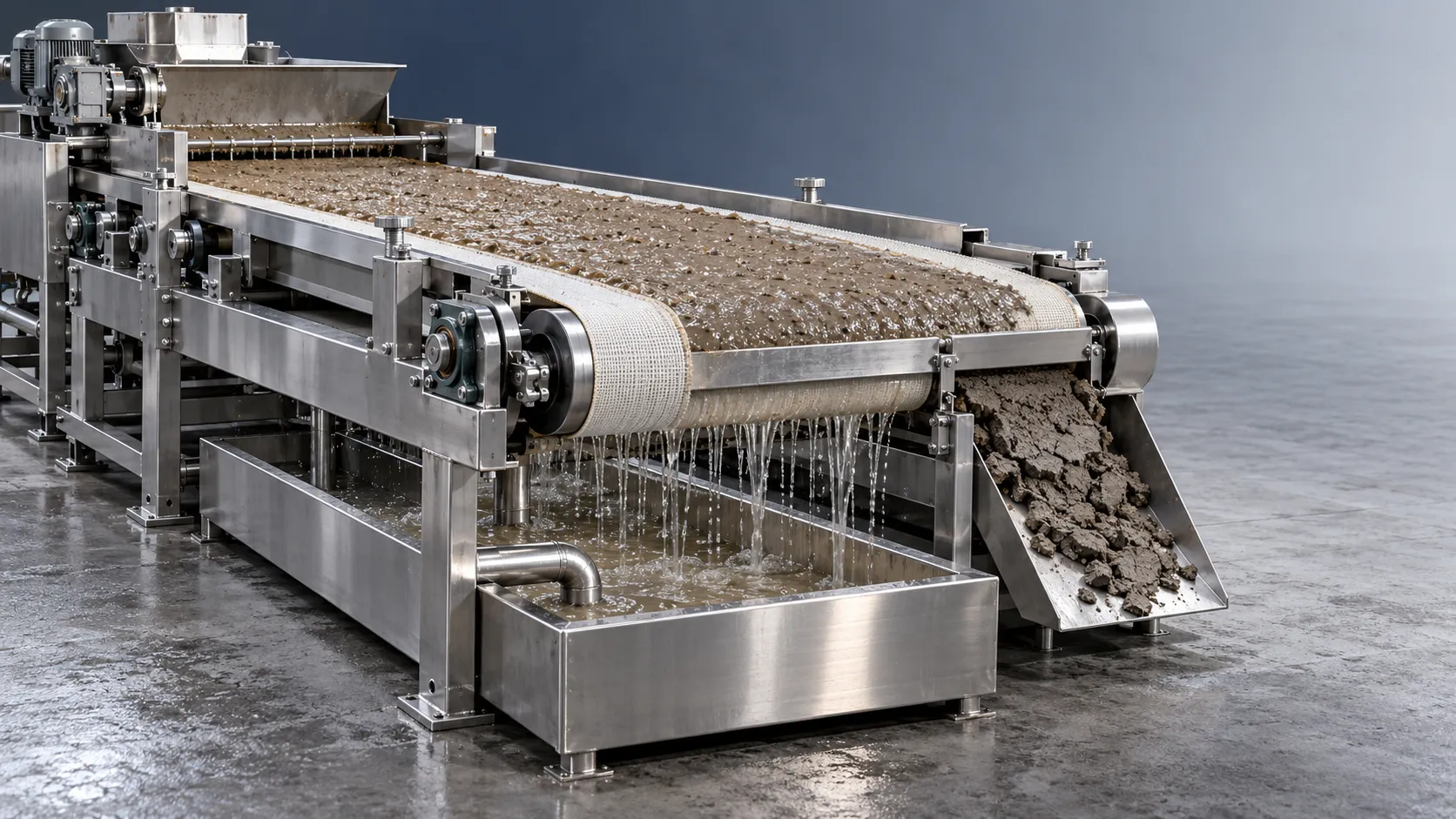
How solids concentration affects dewatering in waste recovery systems
Optimize waste recovery systems dewatering with insights on solids concentration. Learn to balance throughput, cake dryness, and solids capture while avoiding costly equipment overloads.
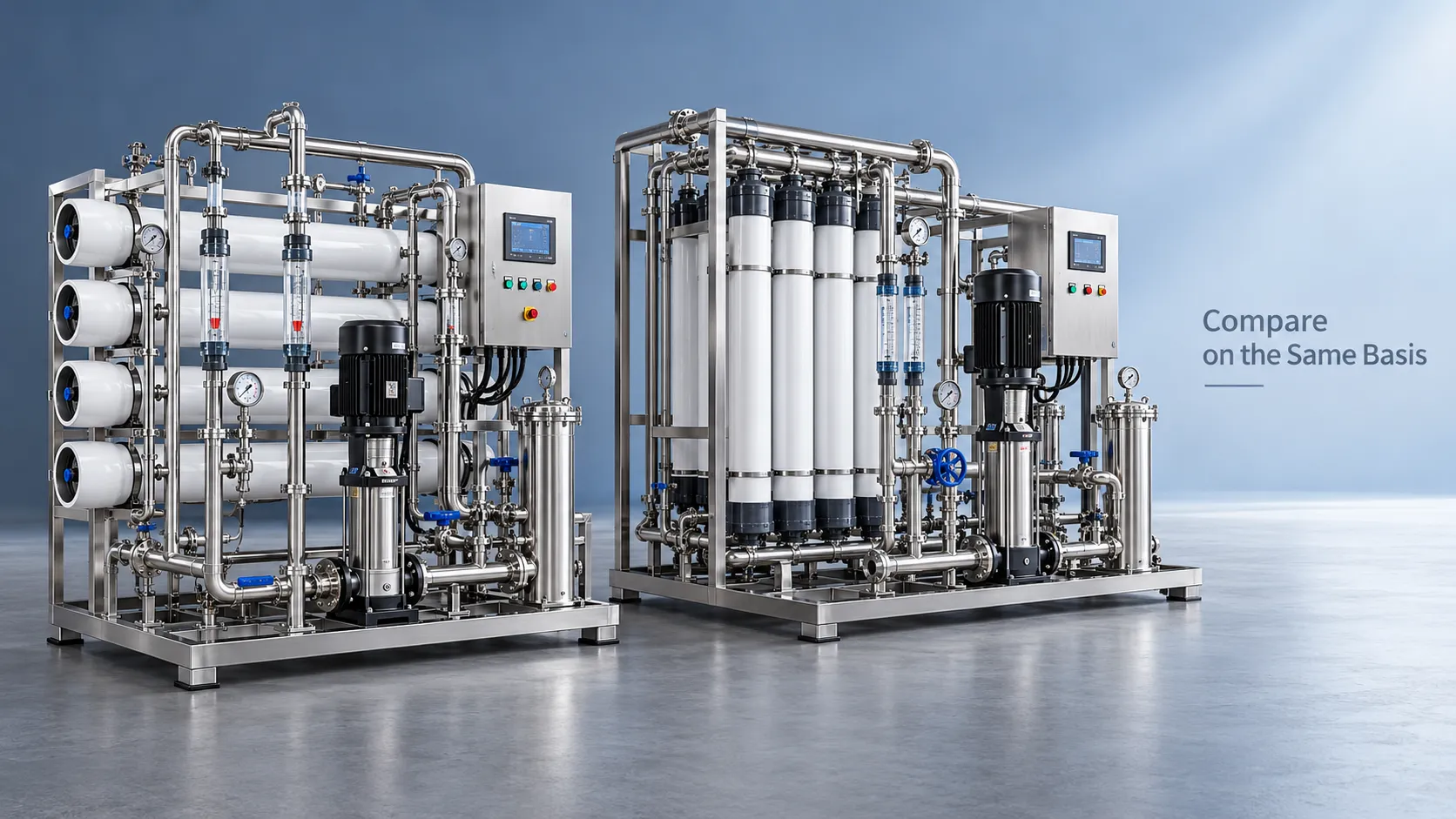
How to compare technical specs in an environmental equipment directory
Use this environmental equipment directory technical guide to compare capacity, energy use, compliance, and supplier evidence. Build a defensible shortlist and choose with confidence.
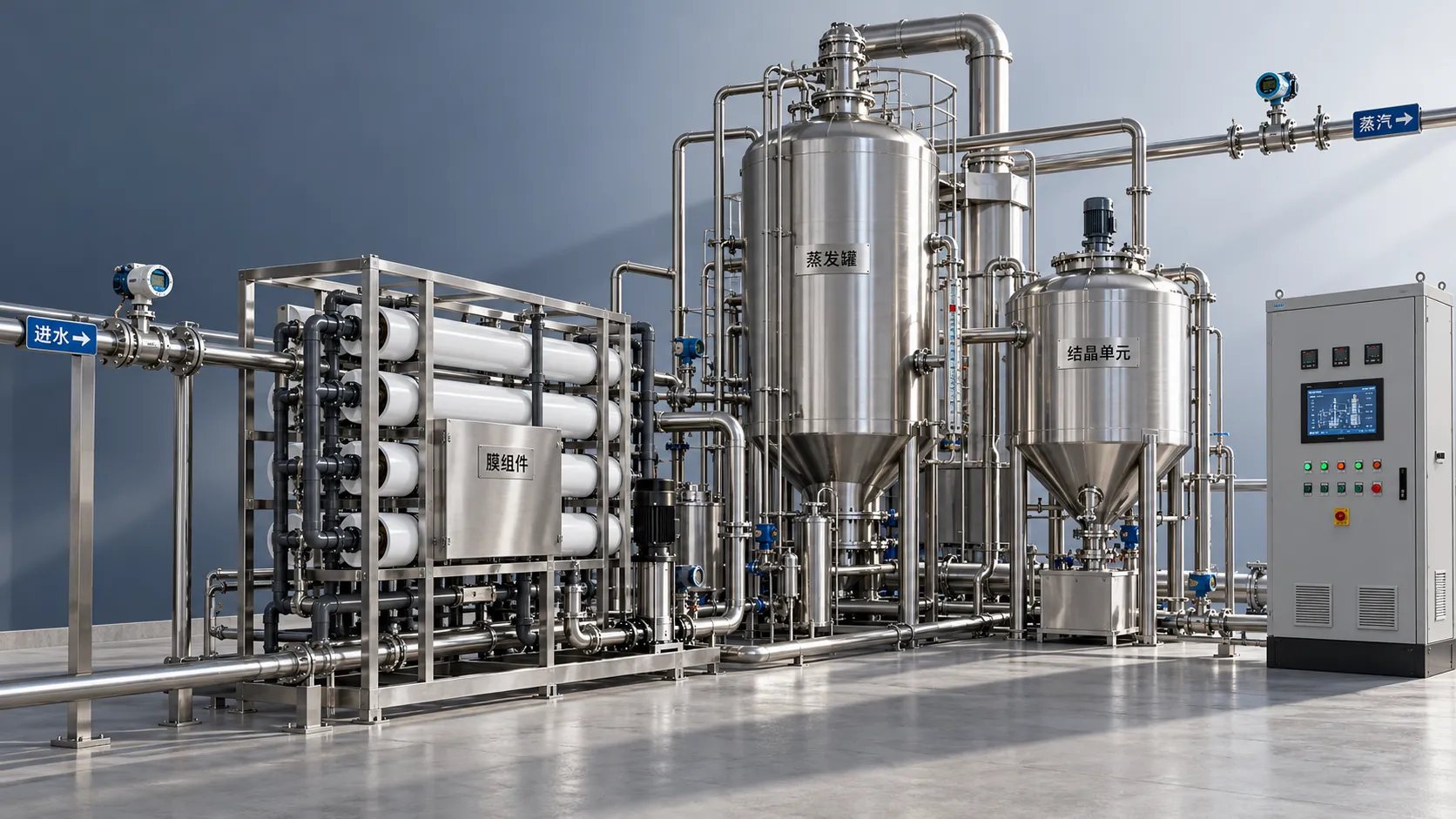
How to assess a zero liquid discharge equipment supplier’s energy claims
Assess a zero liquid discharge equipment supplier’s energy claims. Learn how to verify system boundaries, compare real costs, and demand testable guarantees before you buy.
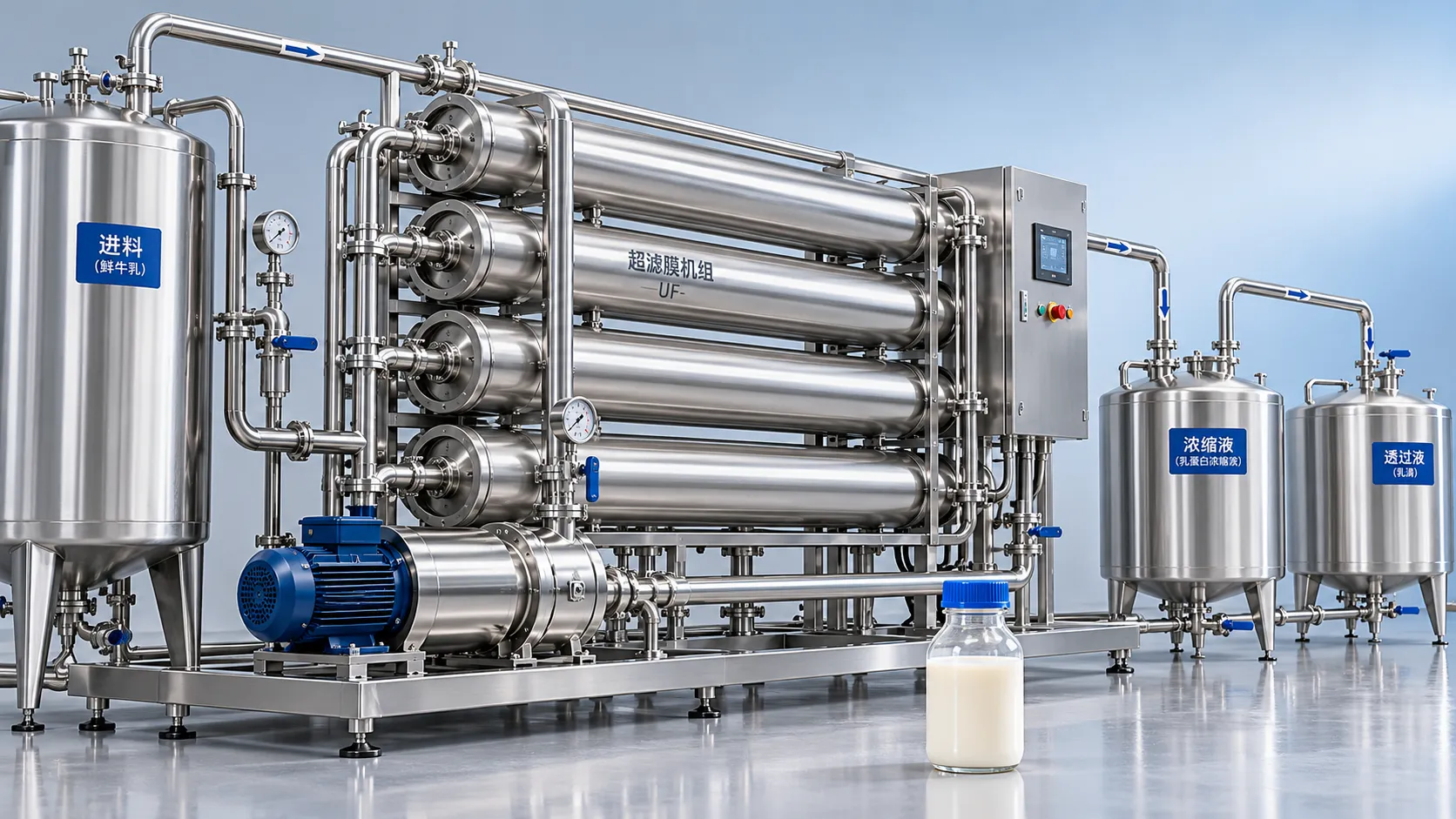
Which membrane filtration process suits dairy protein concentration?
Explore membrane filtration for dairy: compare UF, MF, and RO to select the right process for protein concentration, lactose reduction, and better recovery. Find your best fit.
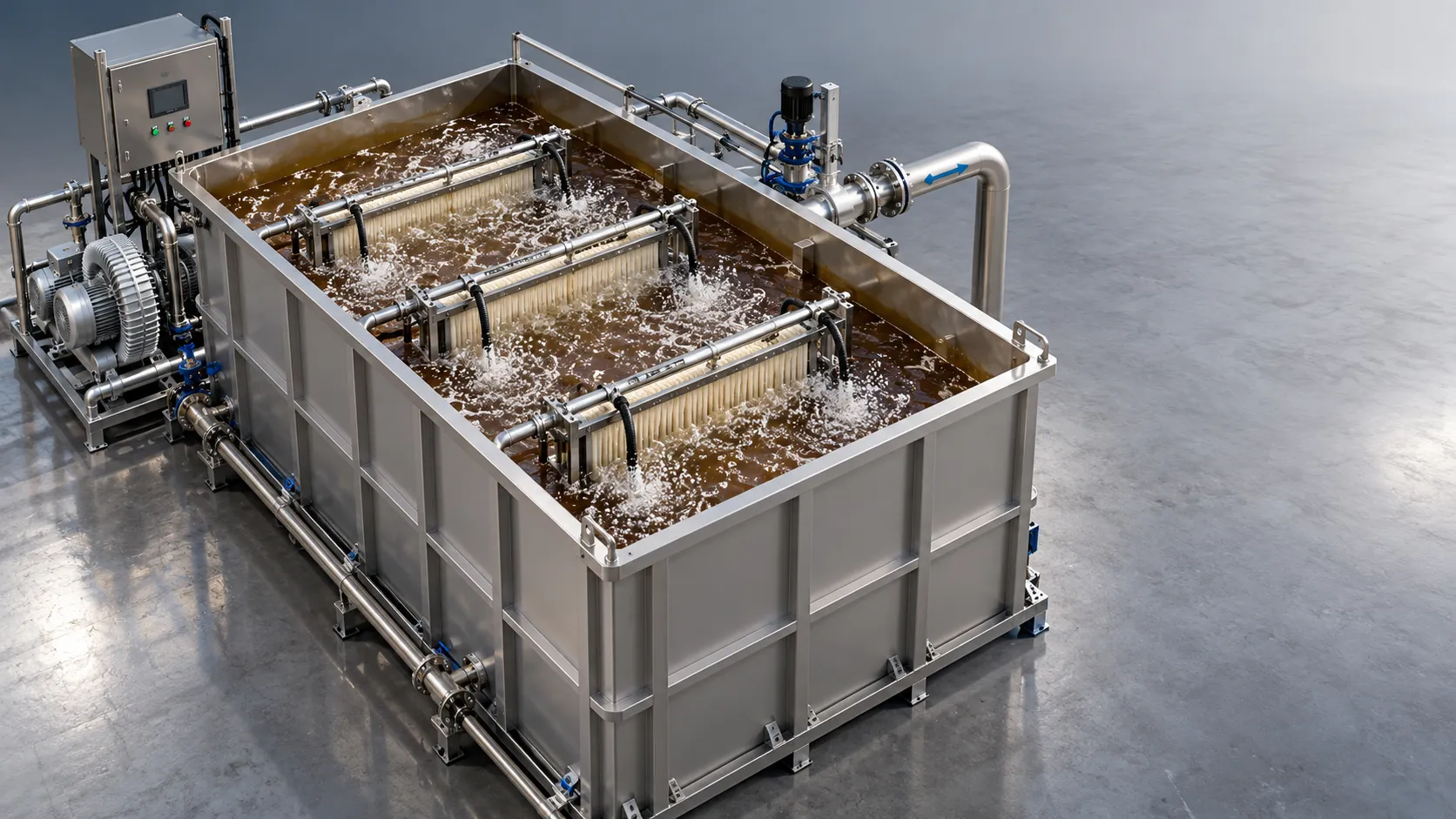
When is an MBR suitable for wastewater purification for bioprocessing?
For wastewater purification for bioprocessing, discover when an MBR fits your needs. Compare water quality, fouling risks, and lifecycle costs before investing.
How to check a water treatment quotation for hidden project costs
Review your water treatment quotation for hidden costs, scope gaps, and operating expenses. Learn what to check before signing to protect your budget and avoid costly surprises.