
Industry News
Curation by industry experts
Hot Articles
Popular Tags
Green Tech Innovations in Water Treatment to Watch in 2026
Green Tech Innovations in Water Treatment Are Entering a More Strategic Phase
In 2026, green tech innovations in water treatment are no longer viewed as isolated efficiency projects.
They are becoming core infrastructure decisions linked to compliance, resilience, and long-term operating control.
That shift is visible across municipal plants, industrial wastewater systems, desalination assets, and resource-recovery networks.
The pressure is not coming from one direction.
Water scarcity is tightening feedwater variability.
Energy costs remain volatile.
Permitting standards are becoming more exacting.
At the same time, carbon accounting is reaching deeper into environmental infrastructure decisions.
For platforms such as ESD, this matters because water treatment can no longer be assessed alone.
Its economics now connect with circular recovery, desalination efficiency, emissions control, and broader ecological compliance logic.
The most important green tech innovations in water treatment are the ones that improve purification performance while reducing energy intensity, chemical dependence, downtime risk, and discharge exposure.
Why the Signals Look Stronger Now
Recent demand patterns show that upgrade decisions are being driven by tighter operational constraints rather than image-led sustainability targets.
Plants are being asked to treat more complex influent with less tolerance for failure.
That alone changes investment priorities.
Another clear signal is the convergence of regulation and asset intelligence.
Discharge limits, PFAS scrutiny, brine management rules, and carbon-border effects are creating a more data-intensive operating environment.
Green tech innovations in water treatment now need to prove process stability as much as headline efficiency.
This is why green tech innovations in water treatment are increasingly judged by lifecycle intelligence, not by standalone equipment claims.
The Technologies Drawing the Most Attention in 2026
The market is not moving toward one single breakthrough.
It is moving toward combinations of digital control, material science, and recovery-oriented process design.
AI optimization is shifting from dashboards to process control
Earlier digital projects often stopped at visibility.
Now, AI models are being tied to aeration, chemical dosing, fouling prediction, and maintenance scheduling.
The value comes from fewer process upsets and better energy-to-treatment ratios.
Advanced membranes are becoming more selective and less energy-hungry
Membrane innovation is no longer only about flux.
Attention is shifting to fouling resistance, chemical durability, and lower operating pressure.
In desalination, next-generation SWRO designs are being watched for how they balance permeability with brine and power realities.
Resource recovery is changing the economics of wastewater
A more important signal is that wastewater is being treated as a recoverable stream.
Nutrients, heat, salts, and reusable water are now part of project value models.
This aligns closely with ESD’s wider view of closed-loop industrial ecology.
Impact Is Spreading Beyond the Treatment Train
One reason green tech innovations in water treatment matter more now is that their effects reach multiple business layers.
They influence financing assumptions, permitting confidence, EPC competitiveness, and site expansion planning.
- For industrial sites, stronger treatment flexibility reduces shutdown risk from feedstock or production shifts.
- For municipalities, efficient biological and membrane systems improve compliance without proportionate energy growth.
- For desalination operators, energy-efficient desalination changes the cost profile of drought resilience.
- For circular economy projects, water reuse links directly with waste recovery and emissions strategy.
This broader impact is also why benchmarking cannot stop at capex.
The more relevant comparison is between systems that protect continuity and those that only meet design conditions on paper.
What Decision Frameworks Should Focus on Next
In actual project evaluation, the strongest choices are often not the most novel ones.
They are the options that perform under unstable loads, evolving standards, and rising scrutiny over energy and residuals.
That means green tech innovations in water treatment should be screened through a tighter set of questions.
- Can the system maintain target quality under variable salinity, organics, or toxic shock loads?
- Does the energy model stay credible after pretreatment, cleaning, brine handling, and downtime are included?
- Will the technology still fit if PFAS rules, water reuse standards, or CBAM-related reporting become stricter?
- Can process data be integrated into wider environmental intelligence and maintenance systems?
- Is there a clear path from treatment to recovery, reuse, or lower waste intensity?
These questions are becoming more important than generic promises of smarter plants or greener operations.
The Next Competitive Edge May Come from Integration
A final point deserves attention.
The best-performing green tech innovations in water treatment are increasingly those that connect with adjacent environmental systems.
Desalination design now intersects with renewable power strategies and brine valorization.
Industrial wastewater planning increasingly overlaps with solid waste recovery and thermal integration.
Compliance intelligence increasingly links water data with emissions, material traceability, and cross-border carbon exposure.
That integrated perspective has become central to how ESD reads the ecological equipment landscape.
The market is rewarding systems that can stitch together purification parameters, recovery logic, and regulatory foresight.
In 2026, that is where practical advantage is likely to emerge.
A sensible next step is to map current assets against three gaps: controllability, energy intensity, and recovery potential.
From there, compare which green tech innovations in water treatment can solve immediate constraints while remaining adaptable to the next regulatory cycle.
The plants that move early on that basis are more likely to gain durable operating room, not just incremental efficiency.
Recommended News
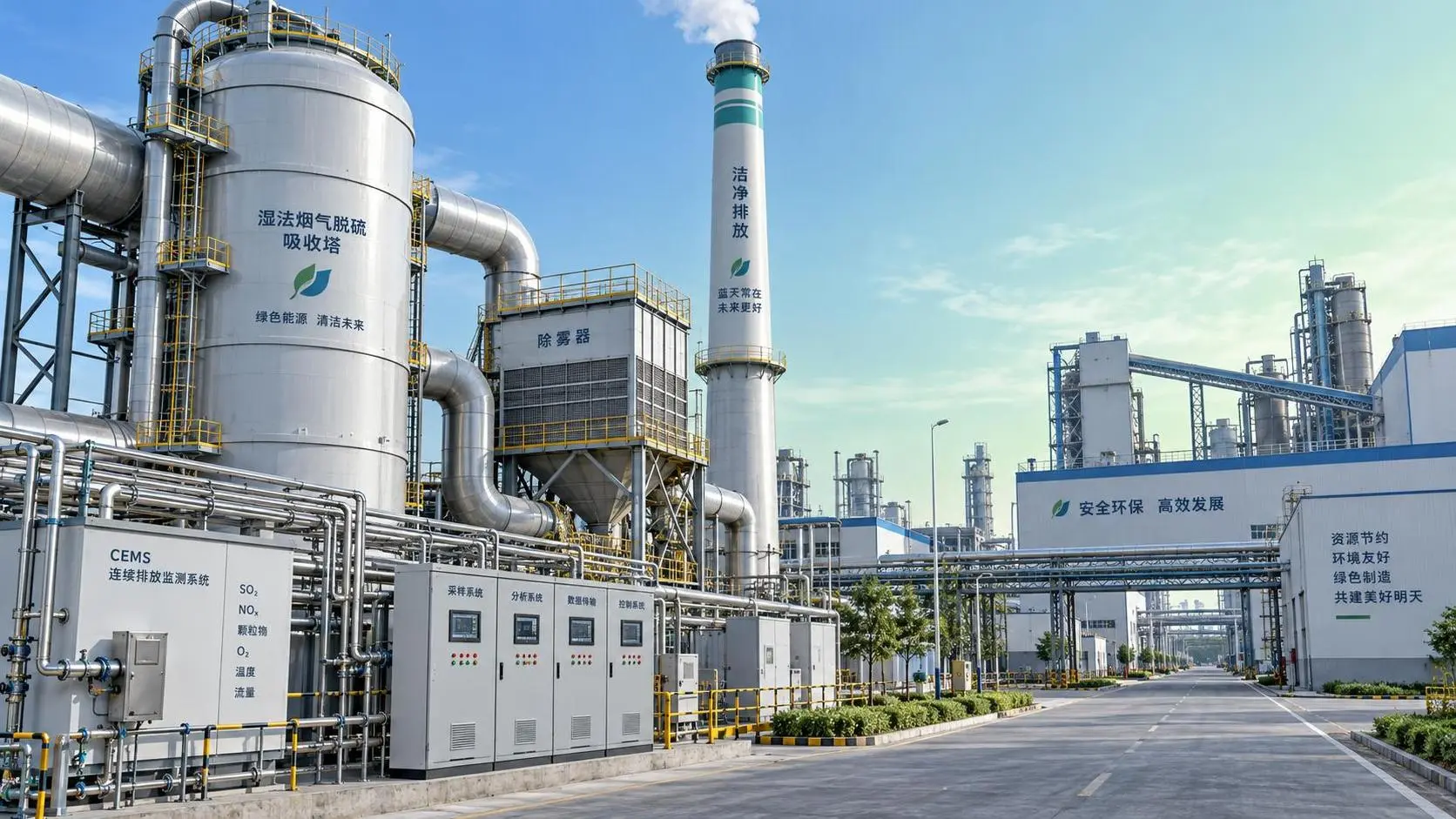
Which ISO standards apply to flue gas treatment systems?
Flue gas treatment systems ISO standards: explore key requirements for emissions testing, CEMS, safety, fabrication, corrosion control, and compliant project evaluation.

When corrosion resistant purification systems are needed for brine treatment
Corrosion resistant purification systems for brine treatment: assess chloride, heat, scaling, materials, and lifecycle reliability for demanding water projects.

How preventive maintenance reduces seawater desalination equipment downtime
Seawater desalination equipment maintenance reduces downtime through proactive monitoring, pretreatment protection, and planned repairs. Explore practical strategies for reliable RO performance.
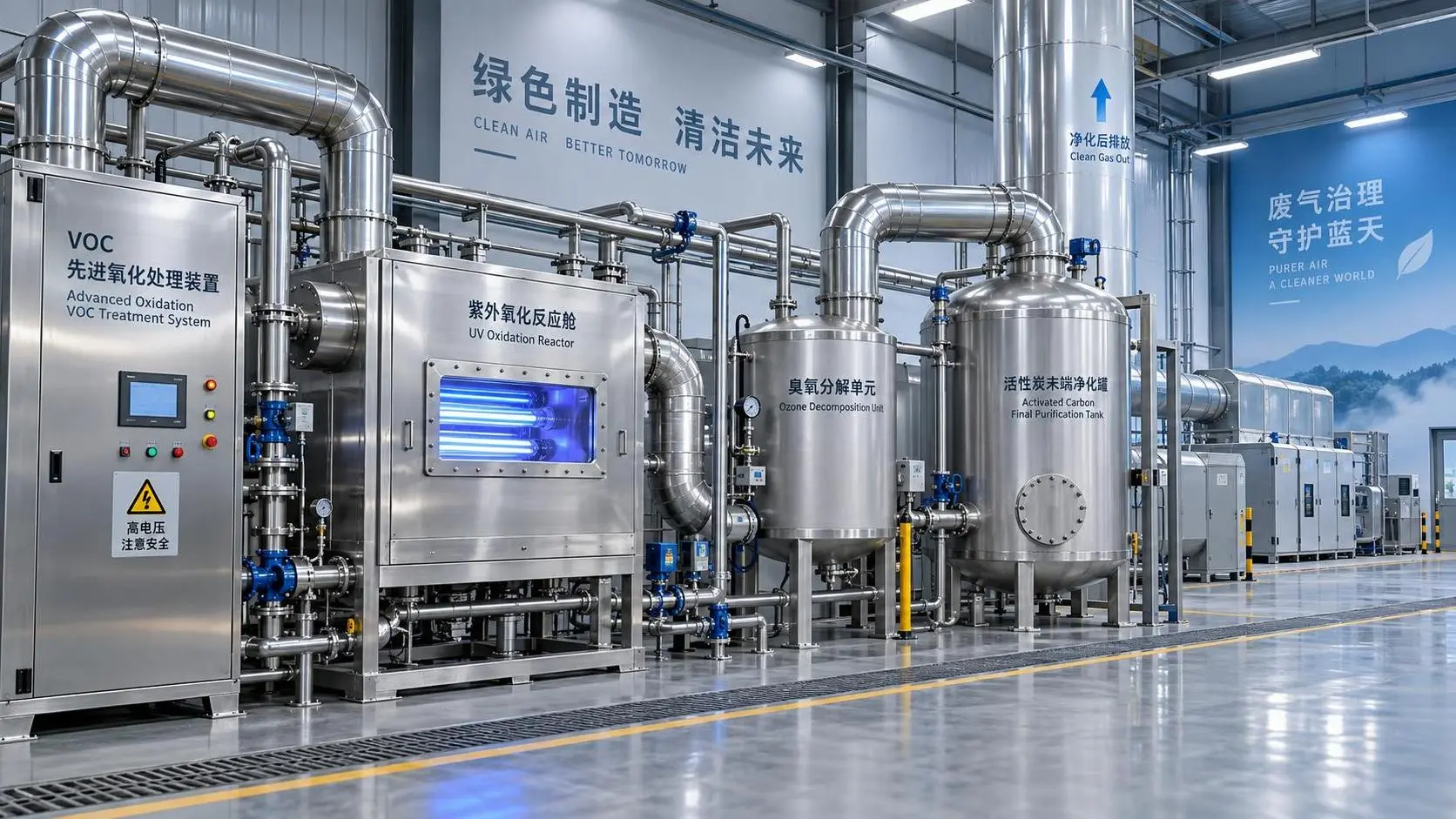
When are advanced oxidation processes the right choice for VOC control?
Advanced oxidation processes for VOC control: learn when AOPs outperform conventional options, manage by-products, and achieve reliable compliance.
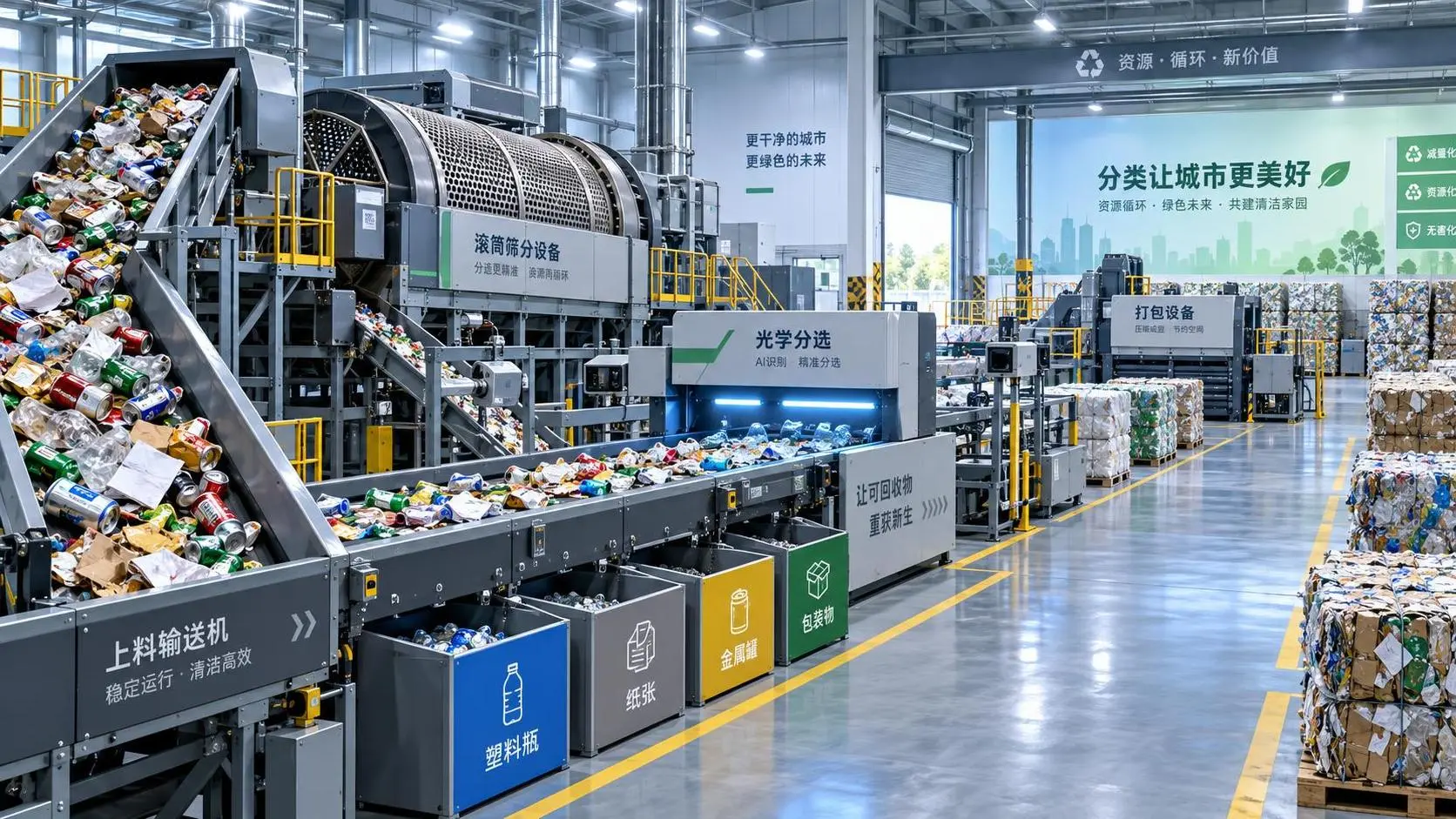
What throughput should municipal waste sorting equipment deliver?
Waste sorting equipment for municipal waste: learn how to set reliable throughput based on peak loads, material quality, uptime, and recovery targets.
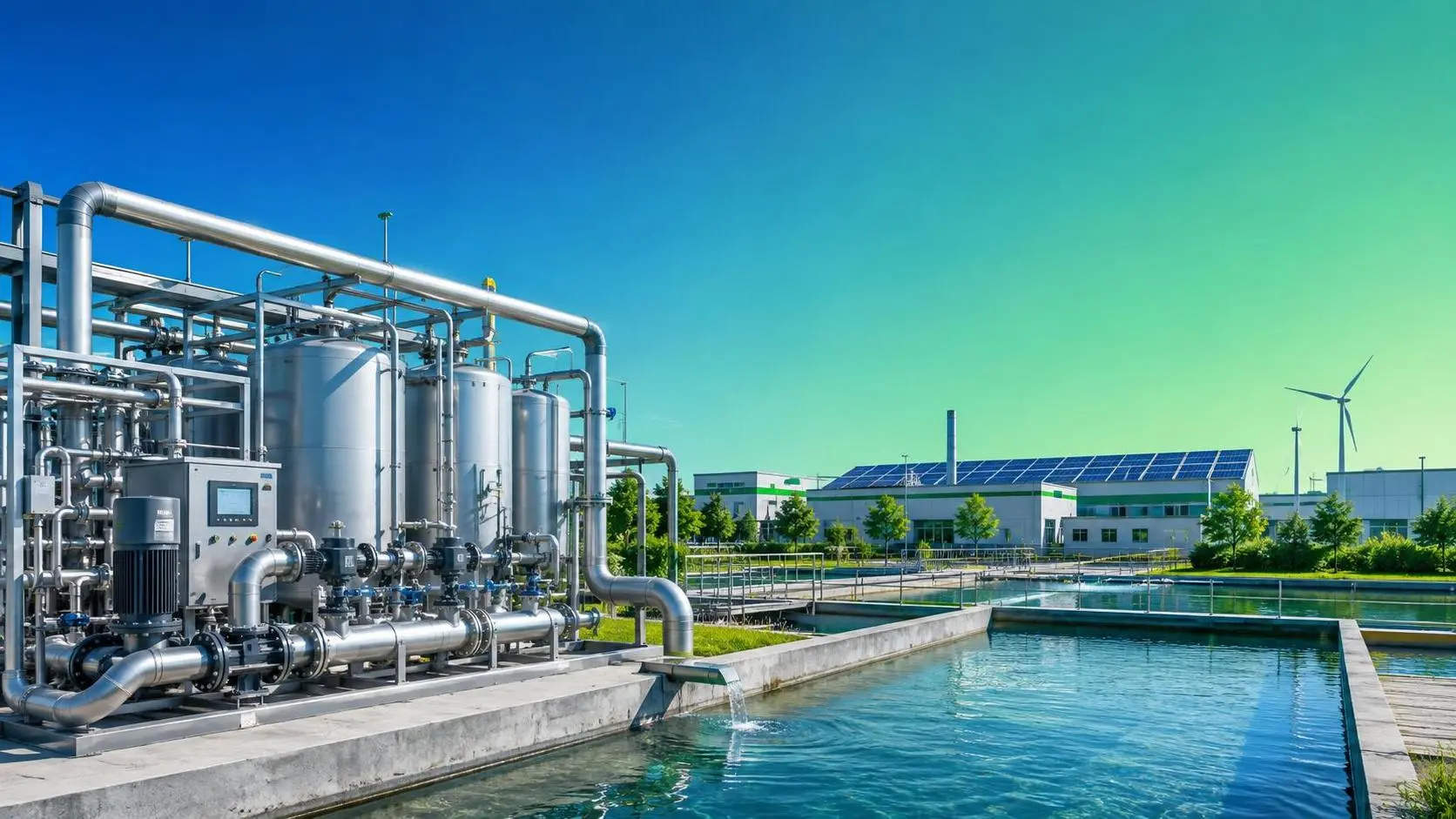
What carbon neutrality means for corporate investment decisions
Carbon neutrality is transforming corporate investment decisions. Explore how lifecycle economics, efficiency, compliance, and resilience can drive measurable returns and lasting advantage.
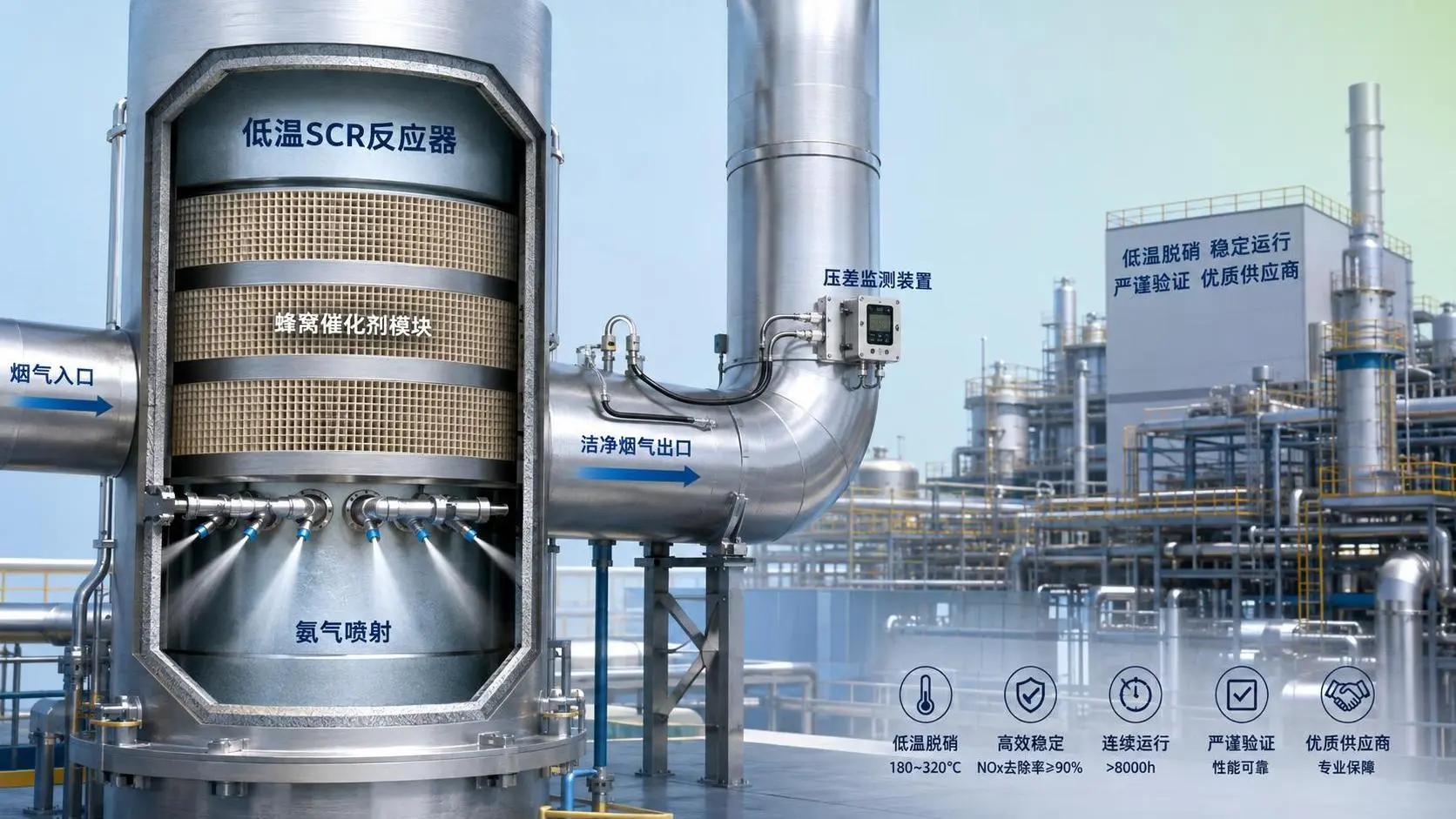
What to verify before choosing a low temperature SCR supplier
Low temperature SCR supplier checklist: verify catalyst temperature range, sulfur resistance, ammonia slip, pressure drop, lifecycle cost, and support before award.
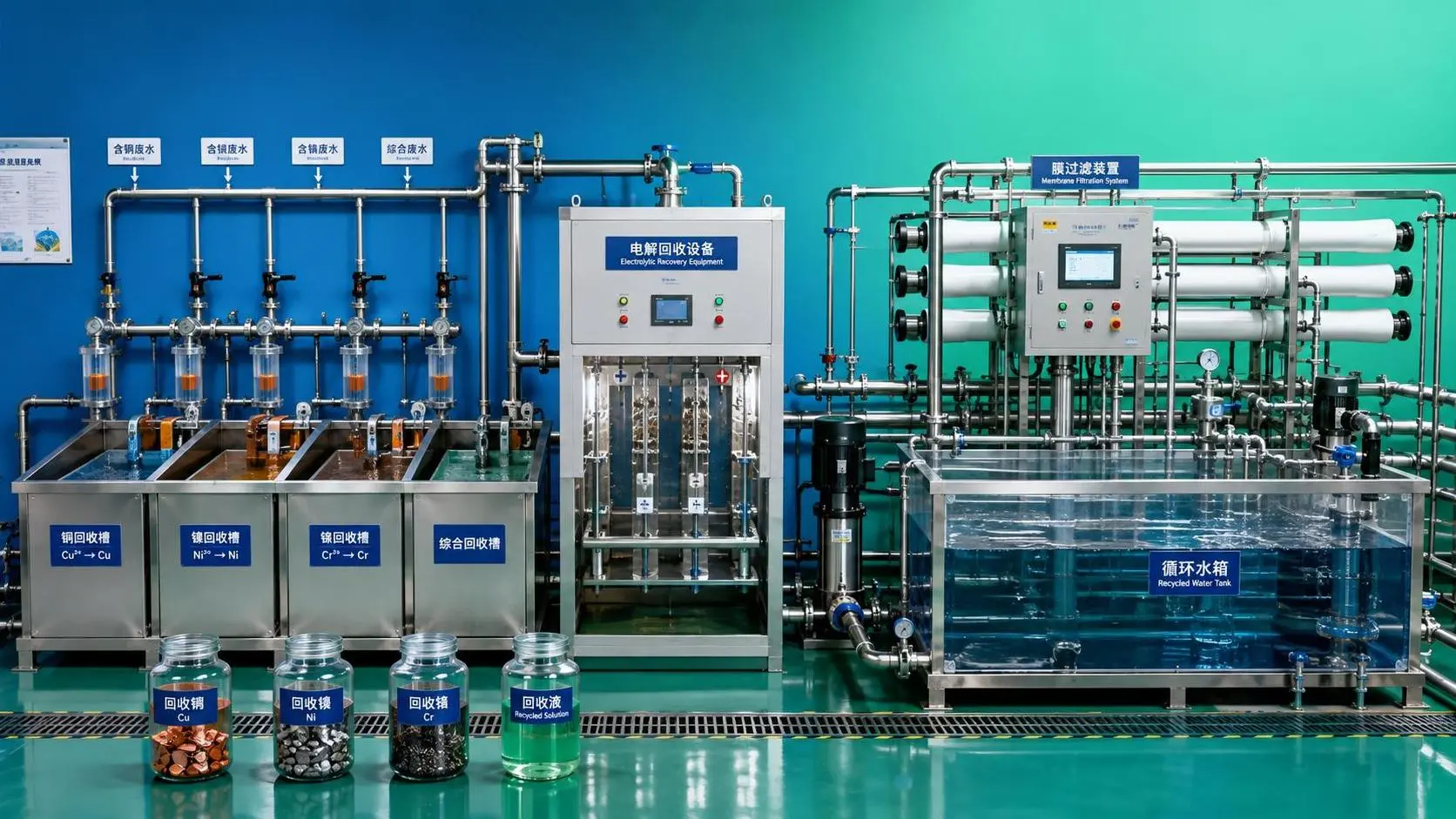
How closed-loop resource recovery for electroplating cuts metal waste
Closed-loop resource recovery for electroplating reduces metal waste, sludge, and water use through smarter stream segregation, recovery, and reuse strategies.
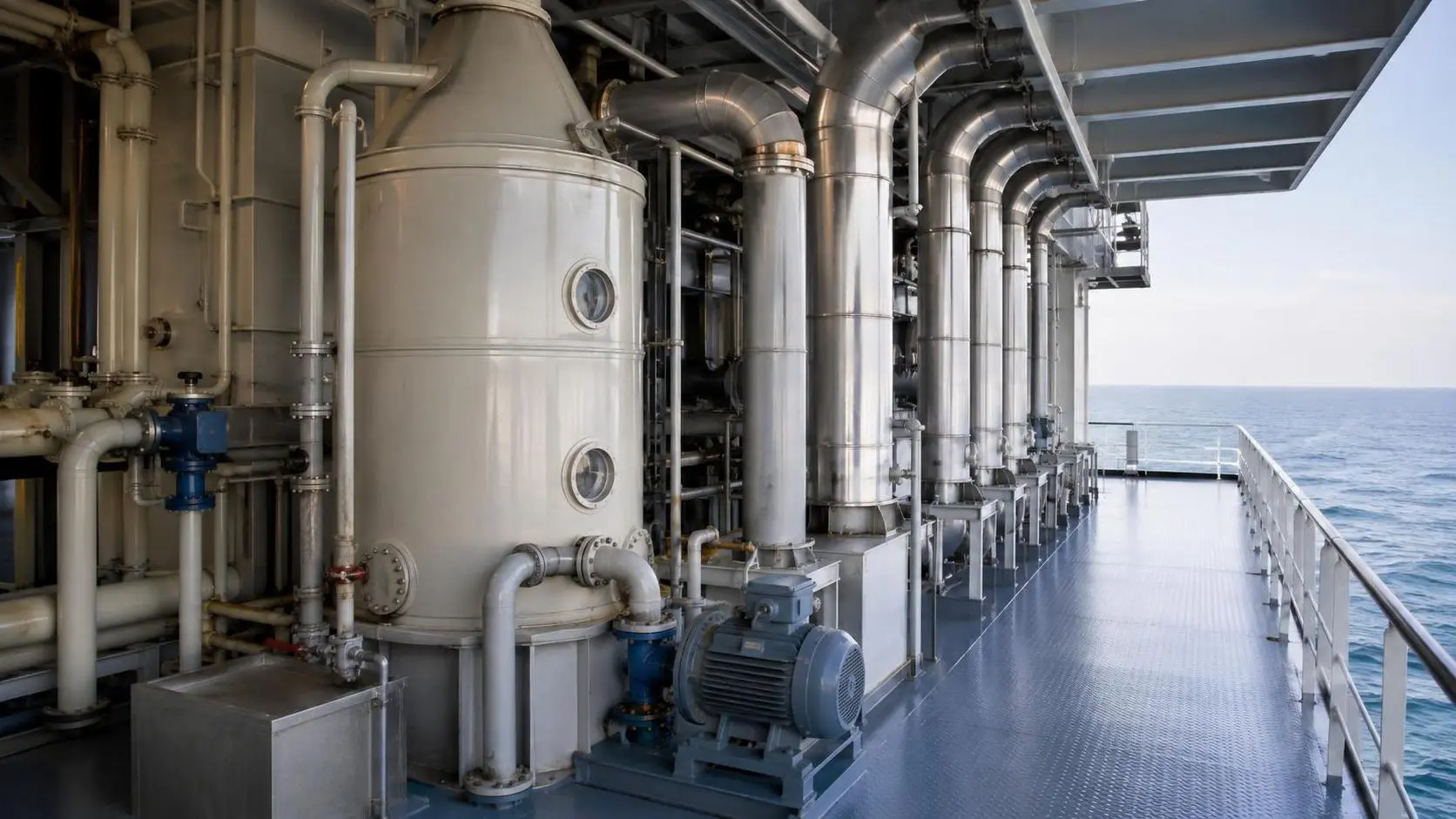
How to size flue gas cleaning systems for marine boilers
Flue gas cleaning systems for marine boilers: learn how to size for gas flow, sulfur load, backpressure, and compliance—improve reliability and reduce operating risk.