Plant expansion can unlock capacity, market access, and operational resilience, but it can also expose project teams to costly environmental governance failures.
For project managers and engineering leads, the central question is not whether expansion is technically possible, but whether it remains compliant, bankable, and socially durable.
Environmental governance is no longer a downstream checklist. It shapes site selection, technology choices, contractor behavior, commissioning schedules, and long-term liability.
Why Environmental Governance Becomes a Critical Expansion Risk
Expansion projects rarely begin on a blank slate. They inherit legacy permits, old drainage routes, historical emissions, and community expectations built over many years.
When capacity grows, regulators often reassess the whole operating envelope, not only the new line, tank farm, incinerator, or wastewater package.
This is where environmental governance becomes a project-control discipline. It connects legal obligations, technical design, operational accountability, and stakeholder confidence.
The risk is not only a fine after completion. Poor governance can delay permits, trigger redesign, weaken financing, and damage bidding credibility.
For engineering leaders, the practical objective is simple: identify environmental constraints early enough to influence scope, budget, schedule, and procurement strategy.
The First Risk: Treating Permitting as an Administrative Step
Permitting risk is usually underestimated because teams assume expansion will follow the existing facility’s regulatory pathway. In practice, thresholds may change quickly.
A larger wastewater volume, higher stack flow, additional hazardous storage, or new thermal process can trigger stricter review and public consultation.
Project managers should map all applicable approvals before freezing the design basis. This includes air, water, waste, chemicals, noise, land, and biodiversity.
The permitting strategy should also consider sequencing. Some permits depend on environmental impact assessments, discharge modeling, or technology vendor data.
If these inputs arrive late, the critical path shifts from construction productivity to regulatory waiting time, creating avoidable schedule exposure.
Baseline Data Gaps Can Undermine the Entire Business Case
Good environmental governance depends on reliable baseline data. Without it, teams cannot prove incremental impact, design adequate controls, or defend compliance assumptions.
Baseline gaps are common in older industrial sites. Monitoring points may be poorly located, data may be inconsistent, and historical incidents may be undocumented.
Before expansion approval, teams should verify wastewater characteristics, stormwater quality, groundwater conditions, air emissions, waste composition, and sensitive receptors.
This work is not academic. It determines treatment capacity, buffer distances, emergency systems, environmental insurance, and potential remediation liabilities.
When baseline uncertainty remains high, the project should carry explicit contingency, not hide uncertainty inside optimistic design allowances.
Wastewater and ZLD Decisions Often Carry Hidden Governance Exposure
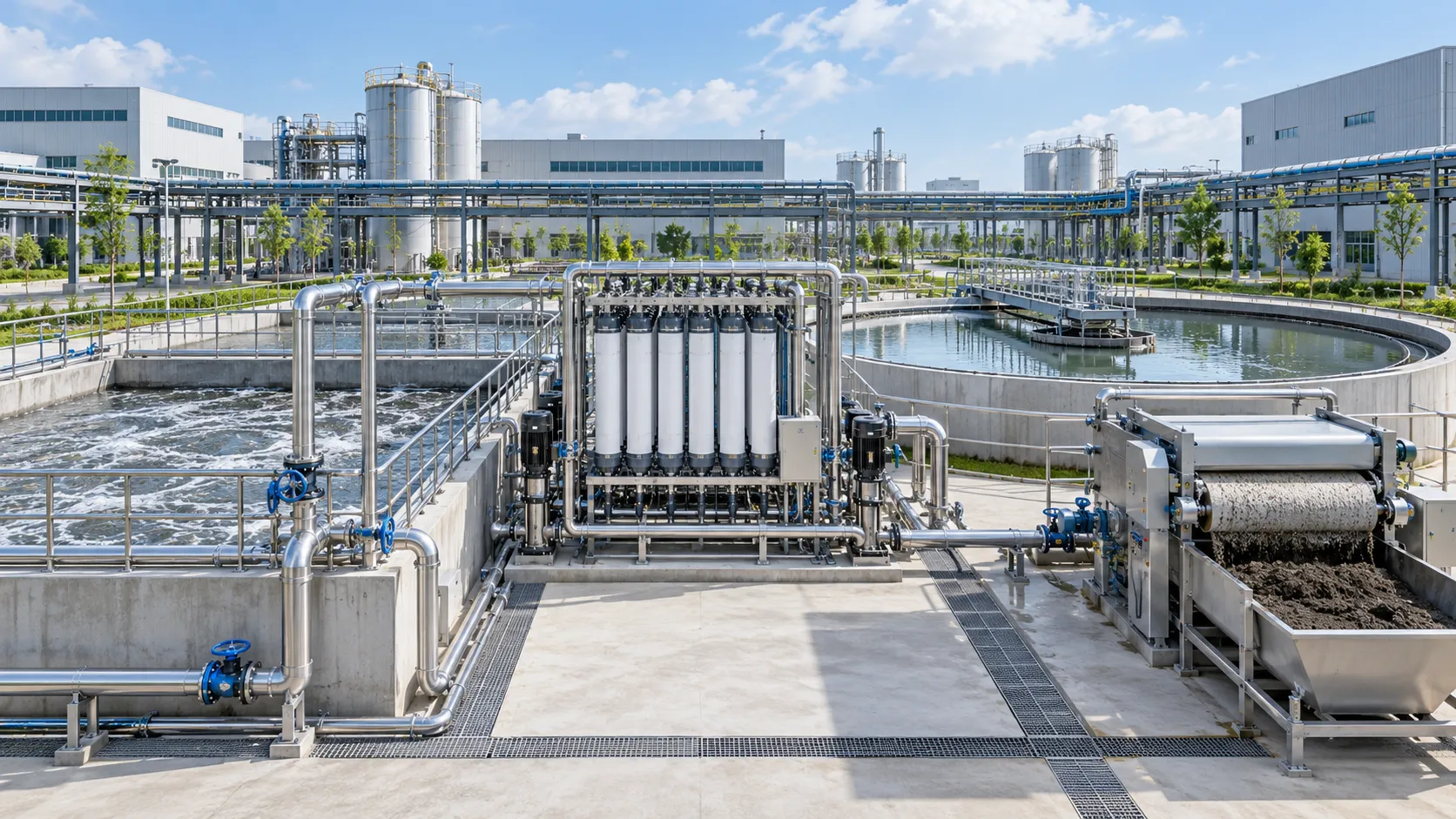
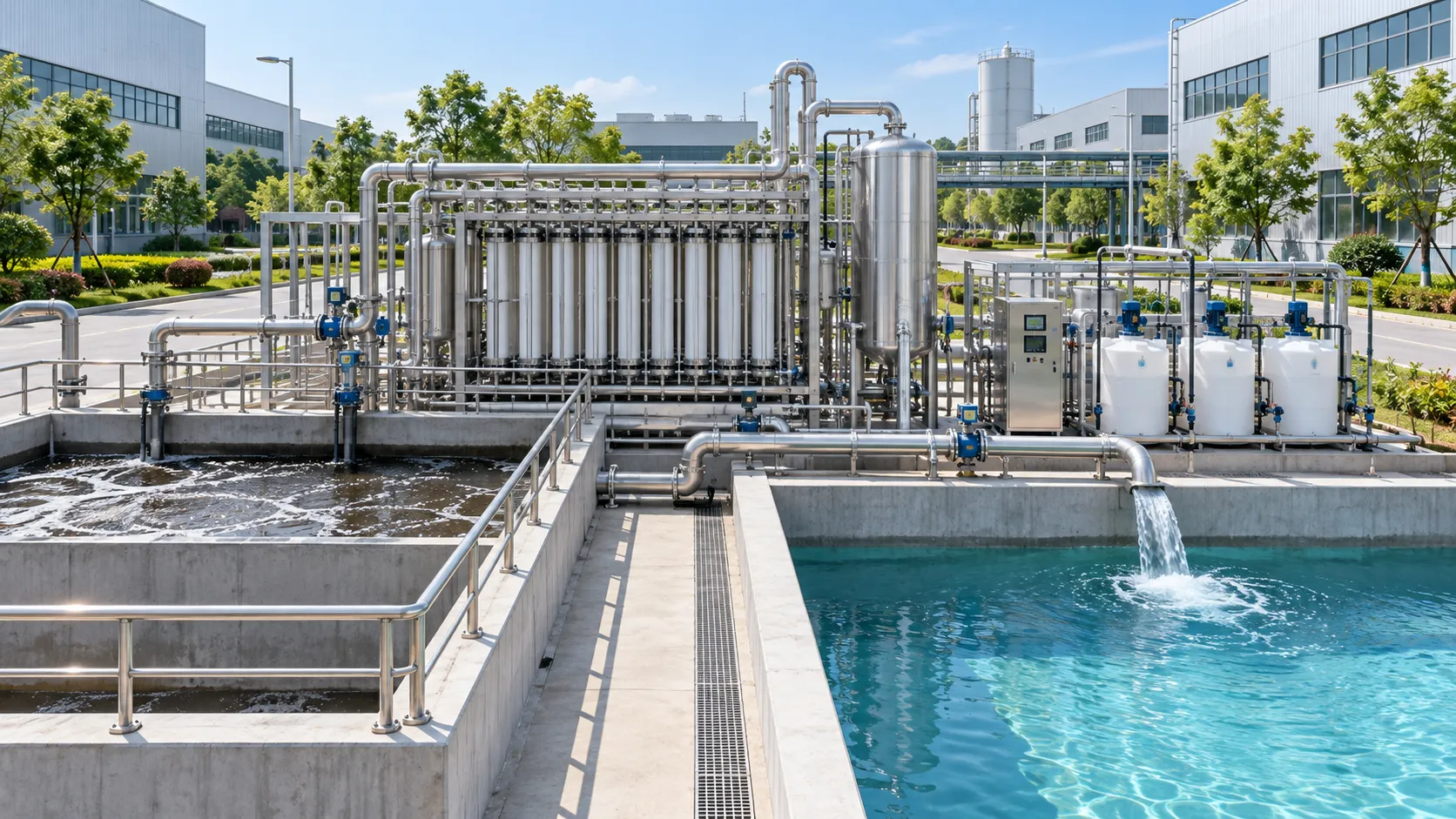
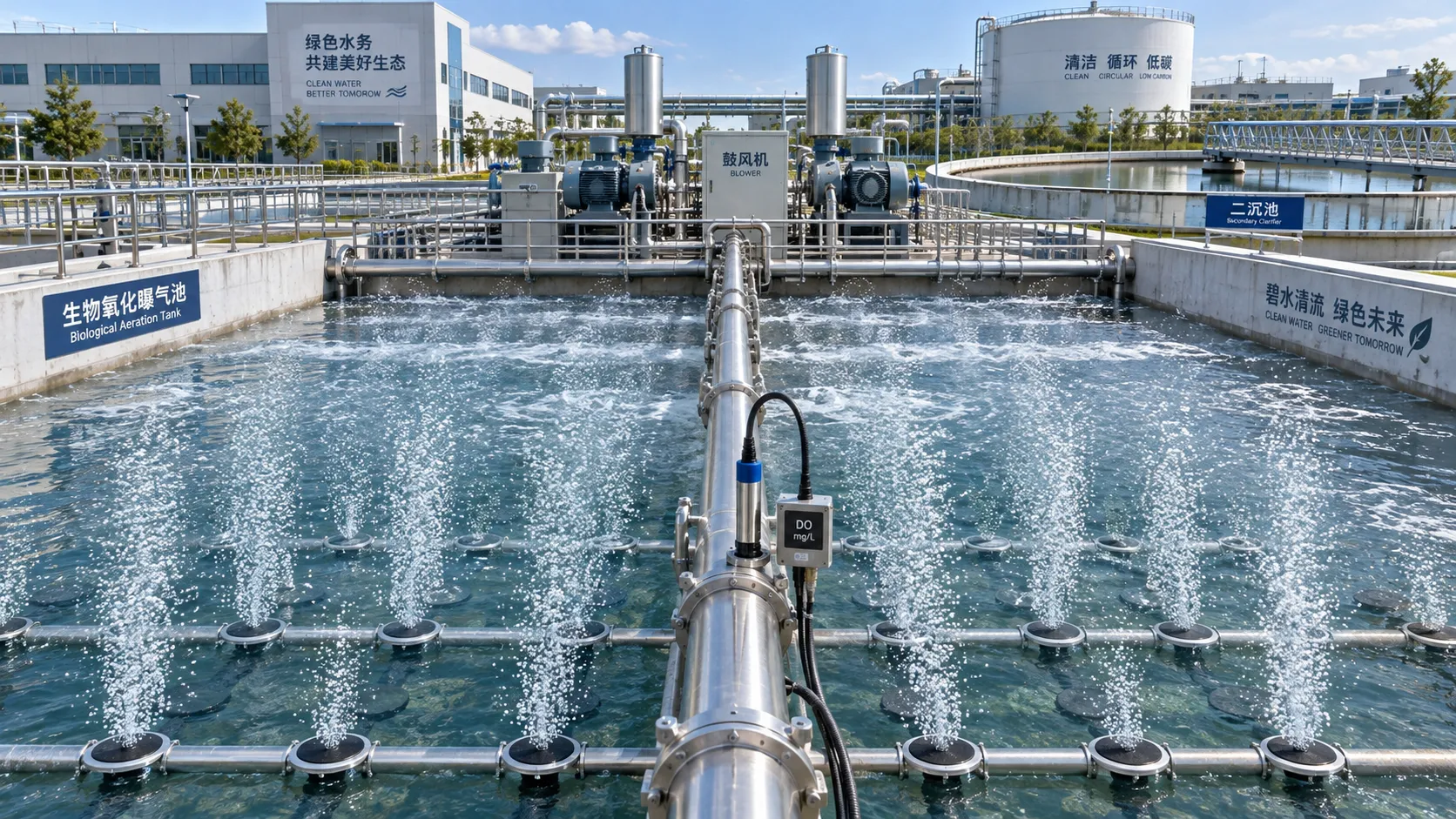
Plant expansion frequently increases hydraulic load and contaminant complexity. Existing wastewater systems may handle average flows but fail during peaks.
For high-salinity, toxic, or variable industrial streams, Zero Liquid Discharge may appear attractive, but governance risks remain significant.
ZLD systems generate concentrated brine, salts, sludge, and energy demand. These outputs require compliant disposal, reuse pathways, or stable crystallization plans.
Project teams should evaluate the full water balance, not only the treatment skid. Rainfall events, cleaning cycles, and emergency bypasses matter.
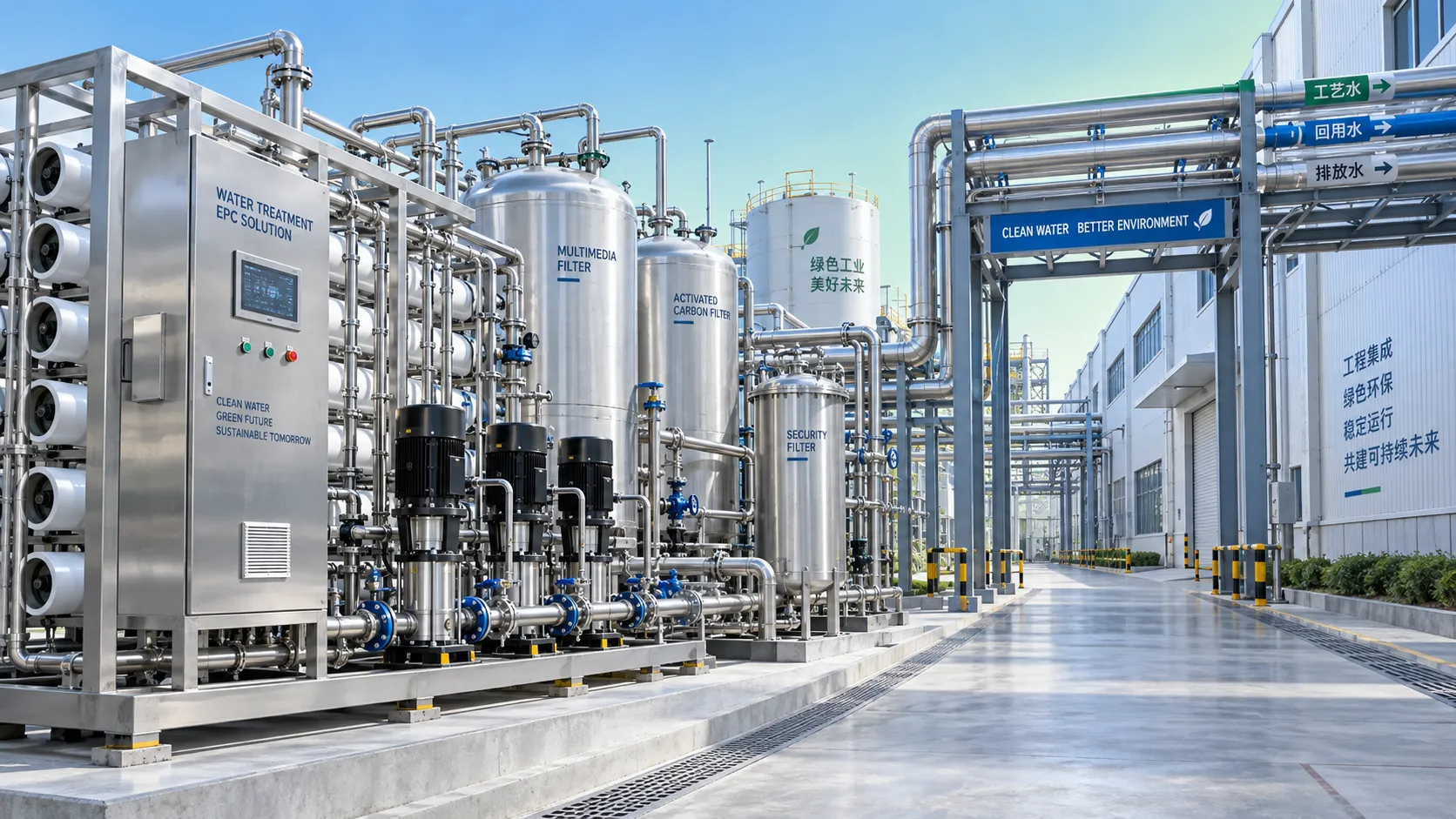
A bankable solution links process changes, segregation, equalization, membrane selection, evaporation strategy, and residue management under one accountable operating model.
Air Emissions Risk Is Increasingly Linked to Carbon and Community Impact
Flue gas treatment used to focus mainly on particulate matter, sulfur oxides, nitrogen oxides, and acid gases. That view is now incomplete.
Expansion teams must consider greenhouse gases, odor, visible plumes, toxic trace compounds, and cumulative effects on nearby communities.
Regulators are also connecting air permits with decarbonization commitments, energy efficiency, and carbon pricing exposure in export-oriented supply chains.
Technology choices should therefore compare compliance margin, catalyst performance, reagent supply, byproduct handling, and operating flexibility under partial loads.
The strongest governance approach is to model emissions under realistic operating scenarios, including startup, shutdown, maintenance, and off-spec raw materials.
Solid Waste and Resource Recovery Need More Than Disposal Contracts
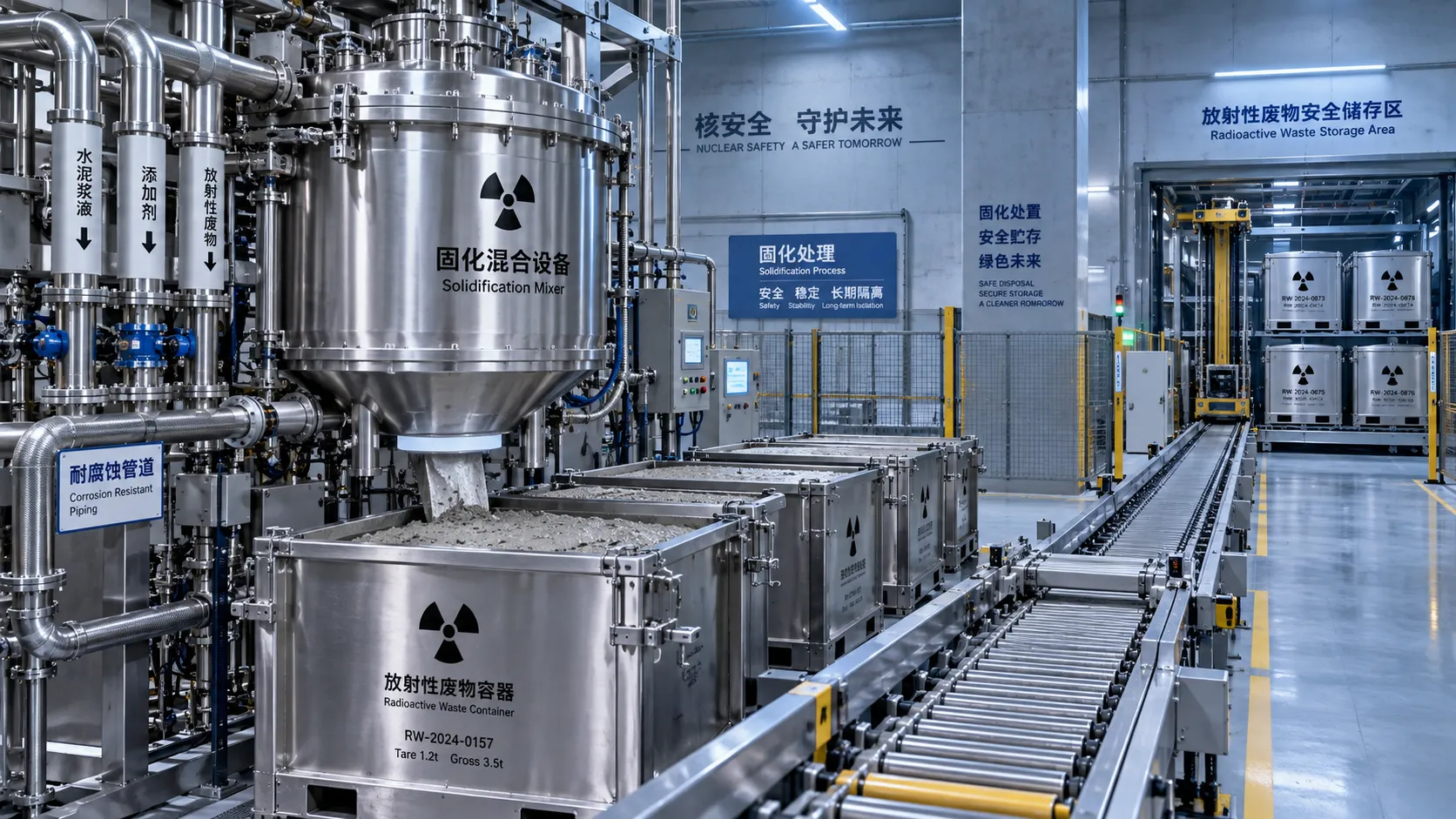
Expansion usually changes the quantity and character of solid waste. New residues can affect classification, storage design, transport rules, and treatment obligations.
Some project teams rely too heavily on disposal vendors. This creates risk if downstream handlers lack permits or fail compliance audits.
Environmental governance requires traceability from generation to final recovery or disposal. Waste manifests, sampling protocols, and vendor qualification are essential.
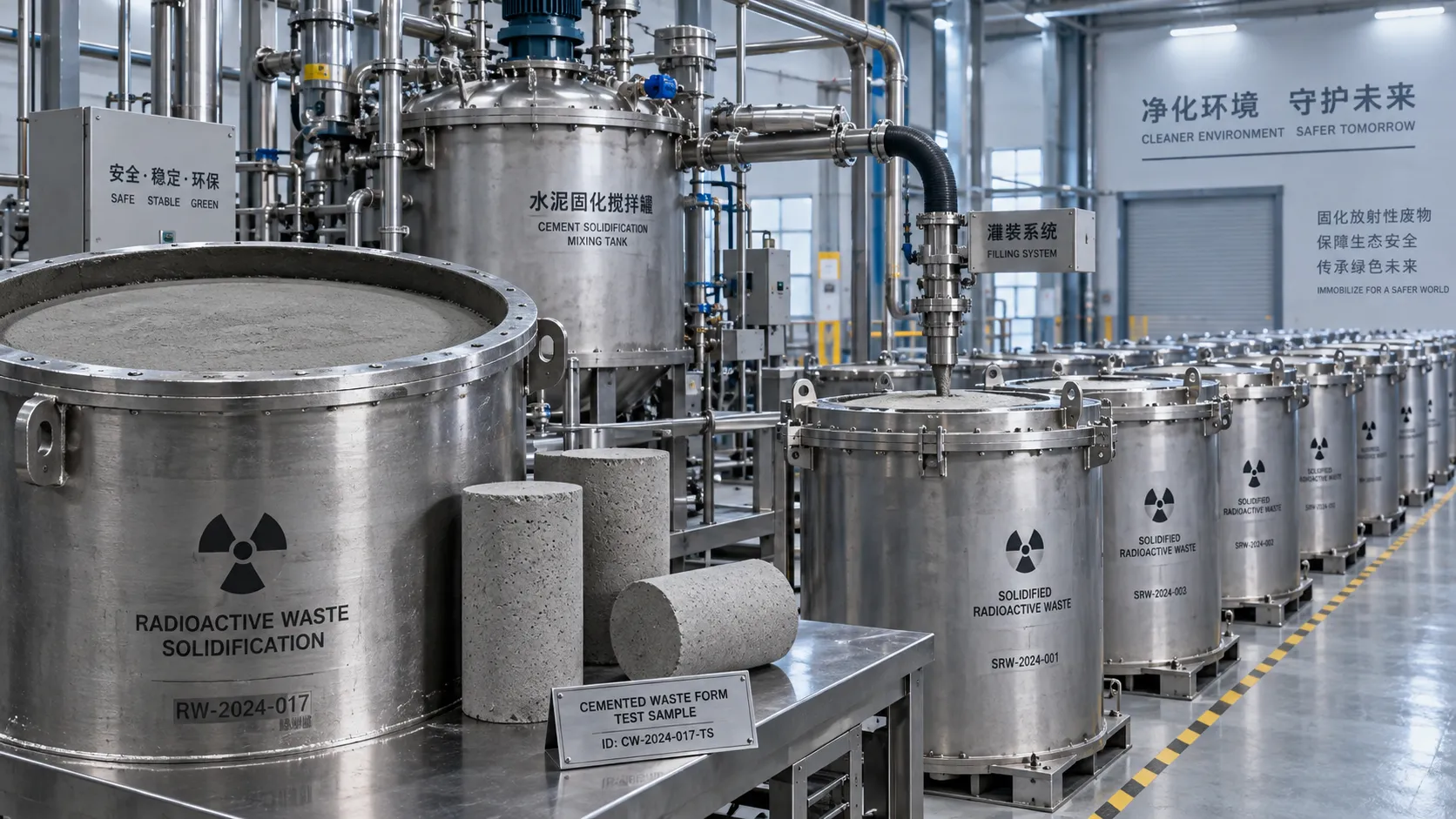
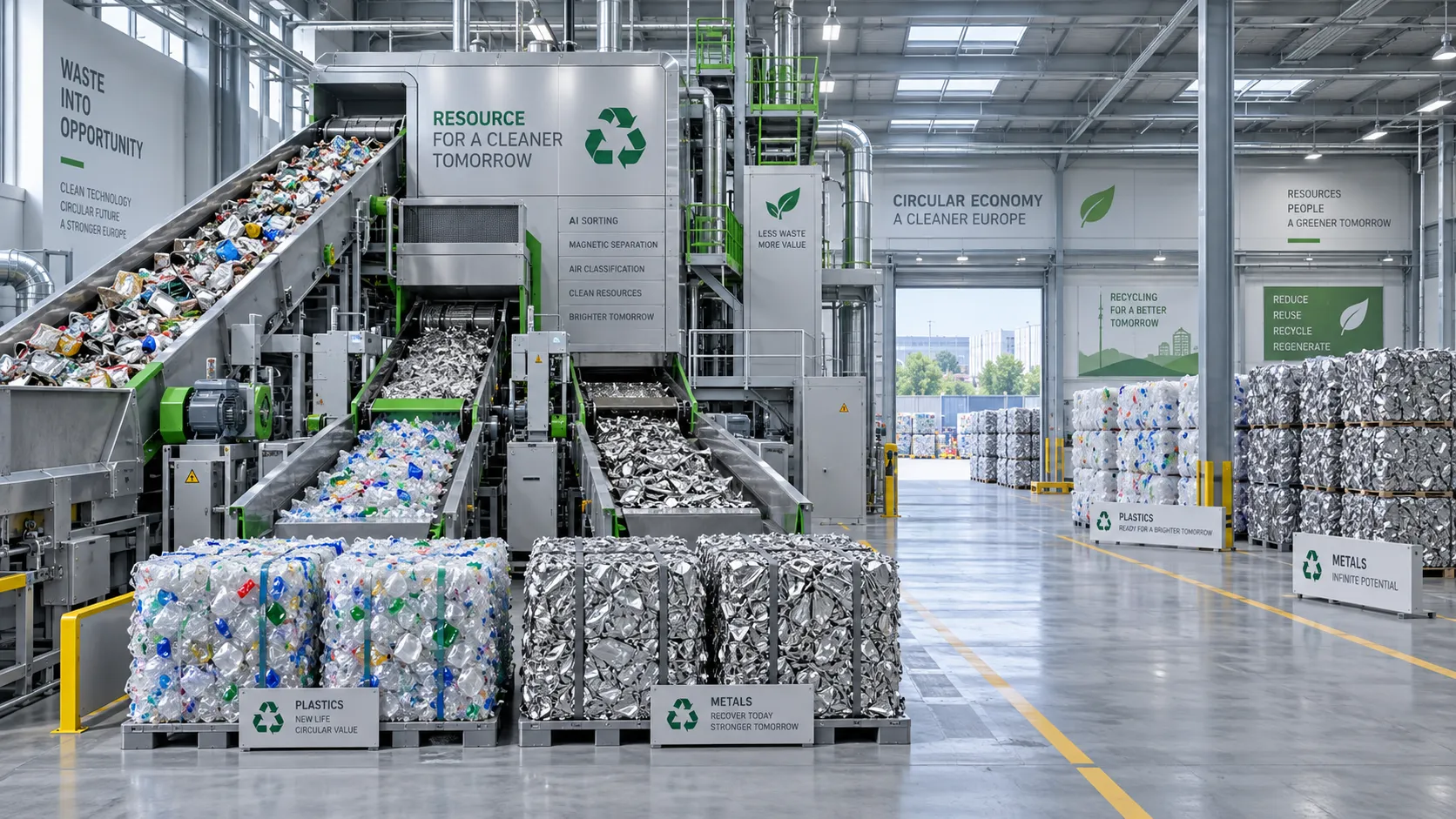
Where possible, circular economy options should be assessed early. Reuse, co-processing, pyrolysis, and materials recovery may reduce liability and improve economics.
However, recovery claims must be technically credible. A weak recycling route can become reputational risk if material is ultimately dumped or stockpiled.
Contractor Governance Is Often the Weakest Link During Construction
Many environmental incidents occur during construction, not steady-state operation. Temporary drainage, excavation, fuel storage, dust, and waste segregation are frequent failure points.
Project managers should not assume contractors will manage these risks correctly without clear specifications, training, supervision, and enforcement authority.
Environmental requirements must be written into contracts, method statements, inspection plans, and payment conditions. Otherwise, they become optional behavior.
Key controls include spill response readiness, erosion controls, hazardous material storage, wastewater handling, noise management, and documentation of corrective actions.
A practical governance model assigns responsibility by work package and gives the owner visibility through audits, digital records, and escalation triggers.
Community Opposition Can Become a Schedule and Financing Risk
Community risk is not only about public relations. It can influence permit hearings, political support, lender confidence, and litigation probability.
Expansion projects may raise concerns about odor, truck traffic, noise, water use, health impacts, and property values near the site.
Teams should engage stakeholders before formal opposition forms. Early dialogue helps identify concerns that technical teams might otherwise overlook.
Strong engagement provides understandable impact data, complaint channels, response timelines, and evidence that community feedback can influence mitigation measures.
For project leaders, the goal is not universal approval. The goal is transparent process, credible evidence, and reduced uncertainty.
Technology Selection Should Be Tested Against Governance Requirements
Equipment selection is often driven by capacity, capital cost, footprint, and delivery time. Environmental governance adds another layer of evaluation.
A treatment system must be operable by the site team, resilient to feed variation, auditable, and compatible with future regulatory tightening.
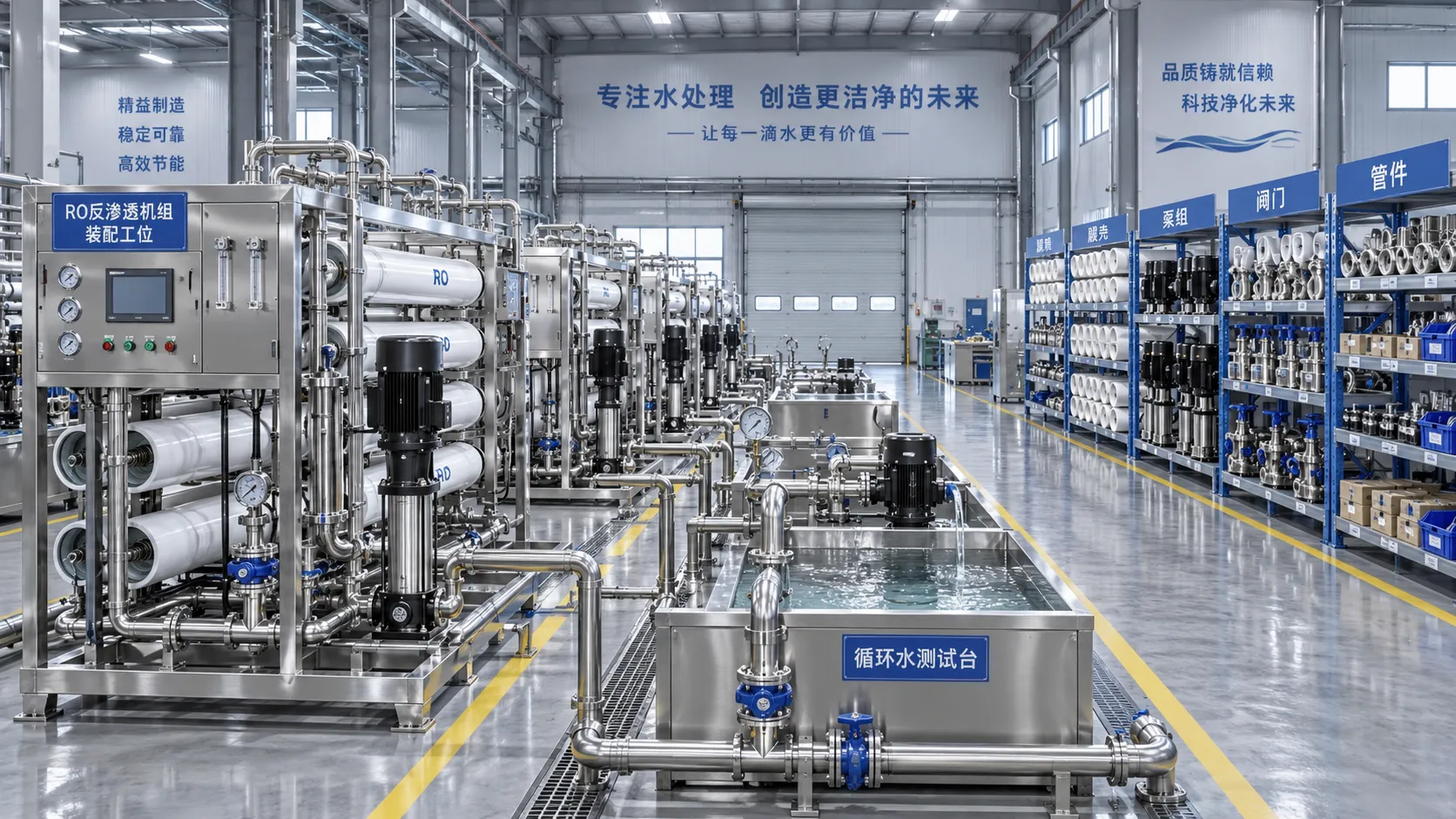
For example, membrane systems require pretreatment discipline, cleaning chemical management, concentrate handling, and performance monitoring to remain compliant.
Flue gas systems need reagent logistics, catalyst life tracking, continuous monitoring, and safe byproduct handling across operating conditions.
The lowest bid may become expensive if it lacks compliance margin, digital monitoring, spare parts support, or verified reference performance.
Data, Monitoring, and Reporting Are Now Core Project Deliverables
Modern environmental governance depends on defensible data. Manual logs and fragmented spreadsheets are increasingly inadequate for expanded industrial operations.
Projects should define monitoring architecture during design, including sampling points, online instruments, calibration procedures, alarms, and data retention rules.
Continuous emissions monitoring, wastewater analytics, energy metering, and waste traceability can support both compliance and operational optimization.
Data integrity also matters. Regulators and lenders may question results if instruments are poorly maintained or reporting workflows lack control.
A robust system assigns data ownership, review frequency, exception handling, and management reporting before the plant reaches full production.
Climate, Water Scarcity, and Physical Resilience Must Be Included
Expansion plans increasingly face climate-related constraints. Flooding, heat stress, drought, storm intensity, and water scarcity can affect operating continuity.
Environmental governance should include physical risk assessment, not only emissions control. A compliant plant can still fail if resilience is ignored.
Water-intensive facilities should test supply reliability under drought scenarios, competing users, and possible restrictions on abstraction or discharge.
Coastal sites need attention to sea-level rise, corrosion, storm surge, desalination intake impacts, and emergency shutdown procedures.
Design margins, redundancy, elevated equipment, alternative water sources, and emergency storage can protect both compliance and production availability.
Financing and Investor Scrutiny Raise the Standard of Evidence
Environmental governance risks increasingly influence financing terms, insurance availability, and investor approval. Lenders expect more than legal minimum compliance.
They may require environmental and social due diligence, climate risk disclosure, pollution prevention standards, and evidence of stakeholder engagement.
For export-linked industries, carbon intensity and resource efficiency can also affect market access through procurement standards or border adjustment mechanisms.
Project managers should prepare evidence packages early. These may include permits, monitoring plans, technology justifications, risk registers, and emergency procedures.
A well-governed expansion is easier to finance because it reduces uncertainty around delays, penalties, stranded assets, and reputational damage.
A Practical Risk-Control Framework for Project Teams
The most effective approach is to integrate environmental governance into stage-gate project management, rather than adding reviews after design maturity.
At concept stage, screen site constraints, regulatory triggers, water availability, community sensitivity, and major pollution pathways.
At feasibility stage, develop baseline studies, permitting strategy, technology options, preliminary risk register, and budget allowances for mitigation.
At detailed design stage, lock monitoring points, emergency systems, waste routes, contractor requirements, and compliance-critical performance guarantees.
During construction and commissioning, verify controls through inspections, permit condition tracking, performance testing, training, and management sign-off.
Key Questions Project Managers Should Ask Before Approval
Before approving expansion, leaders should ask whether the project has identified every environmental permit affected by higher capacity or new processes.
They should confirm whether baseline data is current, defensible, and sufficient to separate legacy impacts from expansion-related impacts.
They should also ask whether wastewater, emissions, residues, and stormwater controls are designed for abnormal conditions, not only average operation.
Contractor obligations deserve close review. Environmental controls must be measurable, auditable, and tied to accountability during construction.
Finally, leaders should test whether the project can withstand lender due diligence, community questioning, and likely regulatory tightening over time.
Common Warning Signs That Governance Risk Is Being Underestimated
One warning sign is a schedule that assumes permits will arrive without questions, revisions, hearings, or supplemental environmental information.
Another is a design package where treatment equipment is specified, but residues, rejects, sludge, or byproducts have no verified destination.
Teams should also be cautious when vendor performance claims are not supported by comparable references, feed data, or enforceable guarantees.
Weak documentation is another signal. If decisions are not traceable, it becomes difficult to defend the project under scrutiny.
When environmental actions sit outside the main risk register, senior management often learns about them only after delays become unavoidable.
How Strong Governance Creates Measurable Project Value
Environmental governance is sometimes treated as a cost center, but strong governance can create measurable project value.
It reduces redesign, avoids permit surprises, improves contractor discipline, and strengthens negotiations with regulators, lenders, insurers, and communities.
It can also improve operating performance by forcing better water balance, energy efficiency, materials recovery, and process stability decisions.
For EPC teams and plant owners, strong governance supports bid credibility, especially in large public or strategic infrastructure projects.
The commercial message is clear: predictable compliance improves project bankability, and bankability often determines whether expansion proceeds at all.
Conclusion: Expansion Success Depends on Governance Discipline
Plant expansion is not only an engineering challenge. It is a governance test involving permits, technology, contractors, data, communities, and long-term liability.
Project managers who treat environmental governance as a strategic control framework can identify constraints before they become expensive surprises.
The best expansion projects build compliance into site planning, design assumptions, procurement documents, construction controls, and operating systems.
This approach does more than reduce environmental risk. It protects schedule certainty, financing confidence, community legitimacy, and future operational resilience.
For industrial leaders, the practical lesson is direct: capacity growth is valuable only when the expanded plant can operate responsibly, reliably, and defensibly.