
Industry News
Curation by industry experts
Hot Articles
Popular Tags
Green Tech Solutions for Water Treatment Compared
Choosing the right green tech solutions for water treatment requires more than comparing headline efficiency claims. For technical evaluators, the real differentiators lie in lifecycle energy demand, contaminant removal limits, membrane and catalyst durability, automation readiness, residuals management, and compliance resilience under tightening global regulations. This comparison frames today’s leading water treatment technologies through an engineering and operational lens, helping decision-makers assess which solutions can deliver reliable purification, lower carbon intensity, and scalable performance across municipal, industrial, and resource-recovery applications.
What Makes Green Tech Solutions for Water Treatment Evaluation Different?
Technical evaluators rarely buy a single machine. They validate a treatment chain that must withstand variable feedwater, stricter permits, energy pressure, and operator limitations.
Green tech solutions for water treatment therefore need assessment across process stability, carbon intensity, chemical consumption, brine handling, and long-term maintainability.
Core evaluation questions before shortlisting
- Can the technology meet discharge, reuse, or ZLD targets under worst-case influent quality rather than average laboratory conditions?
- Does the solution reduce total lifecycle emissions, including pumping power, chemical logistics, sludge transport, and replacement parts?
- Is the system compatible with digital monitoring, predictive maintenance, remote troubleshooting, and plant-level automation architecture?
- Are residuals, concentrates, spent media, and sludge streams manageable within existing permits and disposal infrastructure?
This is where ESD’s intelligence approach is useful. It connects physicochemical limits, compliance logic, and equipment performance into practical decision evidence.
Which Technology Families Should Be Compared First?
The strongest green tech solutions for water treatment are usually hybrid configurations, not isolated technologies. Each process has a preferred operating window.
The table below compares common options used in municipal reuse, industrial wastewater, desalination pretreatment, and resource-recovery projects.
No single row is universally superior. The preferred green tech solutions for water treatment depend on influent variability, discharge targets, energy tariffs, and residuals routes.
How Should Technical Performance Be Weighted?
Performance comparison should move beyond removal percentage. A 98% reduction may still fail if influent spikes exceed design assumptions.
For green tech solutions for water treatment, evaluators should normalize results against hydraulic loading, temperature, salinity, fouling tendency, and operating mode.
Key parameters that reveal real operating resilience
The following parameter set helps convert vendor claims into comparable engineering evidence for pilot tests, tender scoring, and board-level investment justification.
A robust scorecard reduces procurement bias. It also exposes whether green tech solutions for water treatment can survive real feedwater chemistry.
Which Application Scenarios Change the Decision?
Application context reshapes the technology ranking. Municipal plants prioritize reliability, while industrial facilities often need selective removal and discharge certainty.
In desalination, green tech solutions for water treatment must balance membrane protection, recovery rate, brine concentration, and energy recovery integration.
Scenario-based selection logic
- For municipal reuse, prioritize MBR, tertiary filtration, disinfection, and online monitoring that support stable reclaimed water quality.
- For electronics or chemical wastewater, verify metals, fluoride, solvents, PFAS-related indicators, and ZLD concentrate behavior early.
- For food and beverage plants, compare anaerobic pretreatment, nutrient recovery, odor control, and cleaning schedule compatibility.
- For coastal desalination, examine SWRO membrane selection, intake ecology, energy recovery devices, and brine diffusion requirements.
Why ESD looks across adjacent environmental systems
Water decisions increasingly connect to solid waste recovery, flue gas treatment, and carbon reporting. A sludge route may affect both permits and emissions.
ESD evaluates green tech solutions for water treatment within that broader eco-shield system, linking purification with resource circulation and compliance resilience.
Procurement Guide: What Should Be Checked Before Tender Approval?
Many procurement failures start with vague specifications. Technical evaluators need measurable acceptance criteria before comparing price and delivery claims.
When evaluating green tech solutions for water treatment, the tender should define feedwater envelopes, performance guarantees, testing methods, and responsibility boundaries.
A practical pre-award checklist
- Confirm design basis, including flow peaks, contaminant peaks, temperature ranges, salinity, oil and grease, and shock-load frequency.
- Request pilot or reference data that matches the intended operating window rather than unrelated low-risk applications.
- Define energy, chemical, membrane, catalyst, resin, and sludge assumptions as part of lifecycle cost comparison.
- Clarify automation interfaces, spare parts availability, commissioning support, training, cybersecurity expectations, and remote data access.
- Set acceptance tests for effluent quality, recovery rate, downtime, alarm logic, and residual mass balance.
This checklist prevents under-specified green tech solutions for water treatment from appearing cheaper than systems engineered for long-term compliance.
Cost and Alternatives: Where Do Hidden Expenses Appear?
Capital cost is only the visible part of a water treatment decision. Power, chemicals, cleaning, residuals, and downtime often dominate lifecycle economics.
The cost profile of green tech solutions for water treatment should be compared by duty cycle, plant staffing, local disposal tariffs, and compliance penalties.
Lifecycle cost elements to quantify
Before selecting alternatives, evaluators should ask vendors to disclose the following cost drivers using the same operating assumptions.
A lower CAPEX option may still be rational for short-term compliance. For strategic reuse or ZLD, lifecycle performance usually matters more.
Compliance and Standards: What Evidence Is Reasonable?
Regulatory pressure is increasing through water reuse rules, industrial discharge limits, carbon reporting, and cross-border supply chain requirements.
Green tech solutions for water treatment should be reviewed against applicable local permits and recognized frameworks such as ISO 14001 or ISO 50001.
Compliance evidence to request
- Documented testing protocols for COD, BOD, TSS, nutrients, metals, salinity, pathogens, and site-specific priority pollutants.
- Materials compatibility information for corrosion, chemical exposure, seawater service, and high-temperature cleaning conditions.
- Instrumentation calibration approach, data logging frequency, alarm thresholds, and audit-ready reporting capability.
- Residual classification assumptions, waste contractor requirements, and contingency planning for off-spec effluent.
ESD tracks regulation shifts, CBAM-related pressure, and technology evolution so evaluators can avoid designs that become obsolete after commissioning.
Common Misjudgments in Green Water Technology Selection
Technical teams often know the process science yet still face commercial pressure. The risk is approving a solution with incomplete operating proof.
Mistakes that distort comparison
- Comparing nominal removal rates without checking influent concentration, hydraulic retention time, and analytical detection limits.
- Treating brine, sludge, and spent media as secondary issues when they may determine final permit feasibility.
- Ignoring operator skill requirements, which can turn advanced green tech solutions for water treatment into unstable assets.
- Selecting equipment before confirming space, utilities, civil works, chemical storage, and maintenance access.
A disciplined review converts these risks into measurable tender requirements, acceptance tests, and lifecycle budget allowances.
FAQ for Technical Evaluators
How do I choose between membrane and biological green tech solutions for water treatment?
Choose biological treatment for biodegradable load reduction and membranes for separation, polishing, or reuse-grade water. Many plants combine both.
The decision should consider COD fraction, nutrients, salinity, footprint, sludge strategy, and cleaning tolerance rather than technology preference alone.
Are ZLD systems always the greenest option?
Not always. ZLD can reduce liquid discharge but may increase energy demand, crystallized solids, chemicals, and maintenance complexity.
ZLD is strongest when water scarcity, discharge restrictions, product recovery, or strategic permitting value justify higher lifecycle cost.
What data is needed before requesting a quotation?
Provide flow profile, wastewater analysis, target limits, site utilities, space constraints, temperature range, operating hours, and residual disposal options.
Better data improves quotation accuracy and reduces later variation claims, especially for complex green tech solutions for water treatment.
How long should pilot testing run?
Pilot duration depends on variability. Industrial streams with seasonal production changes usually need longer trials than stable municipal influent.
A useful pilot captures normal operation, peak loading, cleaning events, residual formation, and at least one defined stress condition.
Why Choose ESD for Technology Intelligence and Decision Support?
ESD supports evaluators who need to compare green tech solutions for water treatment with engineering depth, not promotional simplification.
Our Strategic Intelligence Center connects water purification science, circular economy logic, desalination trends, and environmental compliance analysis.
What you can consult with ESD
- Parameter confirmation for membranes, oxidation systems, biological processes, electrochemical units, and ZLD pretreatment trains.
- Technology shortlisting for municipal reuse, industrial wastewater, seawater desalination, brine management, and resource recovery applications.
- Tender review support covering lifecycle cost, compliance evidence, automation readiness, residuals strategy, and delivery risk.
- Custom intelligence reports on SWRO membrane evolution, tightening regulations, CBAM pressure, and emerging treatment alternatives.
- Quotation communication guidance, pilot-test scope definition, certification questions, and project-specific evaluation matrices.
If your team is comparing green tech solutions for water treatment, ESD can help turn complex process claims into a defensible decision framework.
Contact ESD to discuss feedwater parameters, project constraints, delivery timelines, compliance targets, and the evidence needed for confident technical approval.
Recommended News
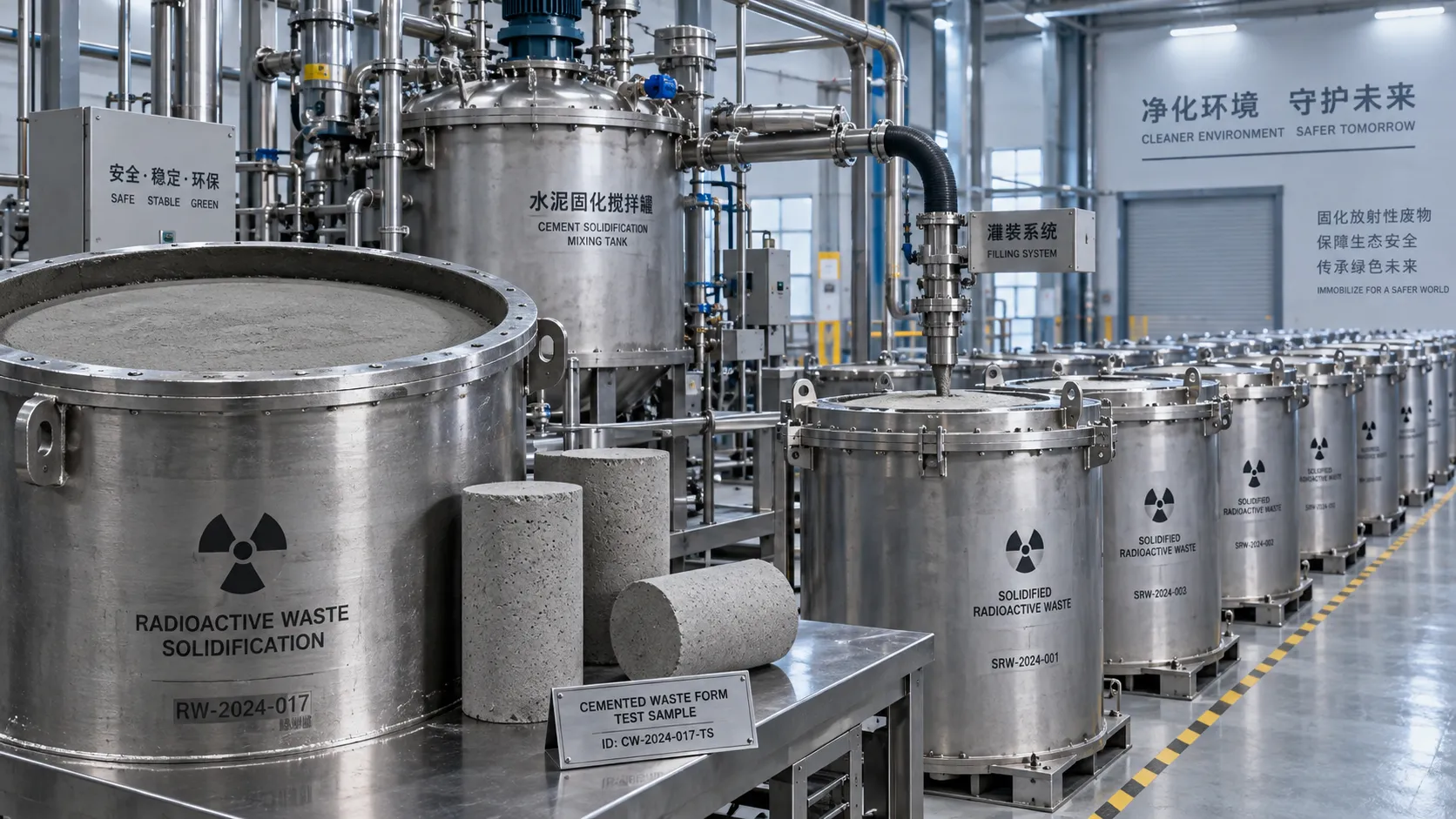
When is cementation suitable for nuclear decommissioning waste?
Explore nuclear waste treatment technology for decommissioning: learn when cementation fits, which risks to assess, and how disposal criteria guide an effective treatment choice.
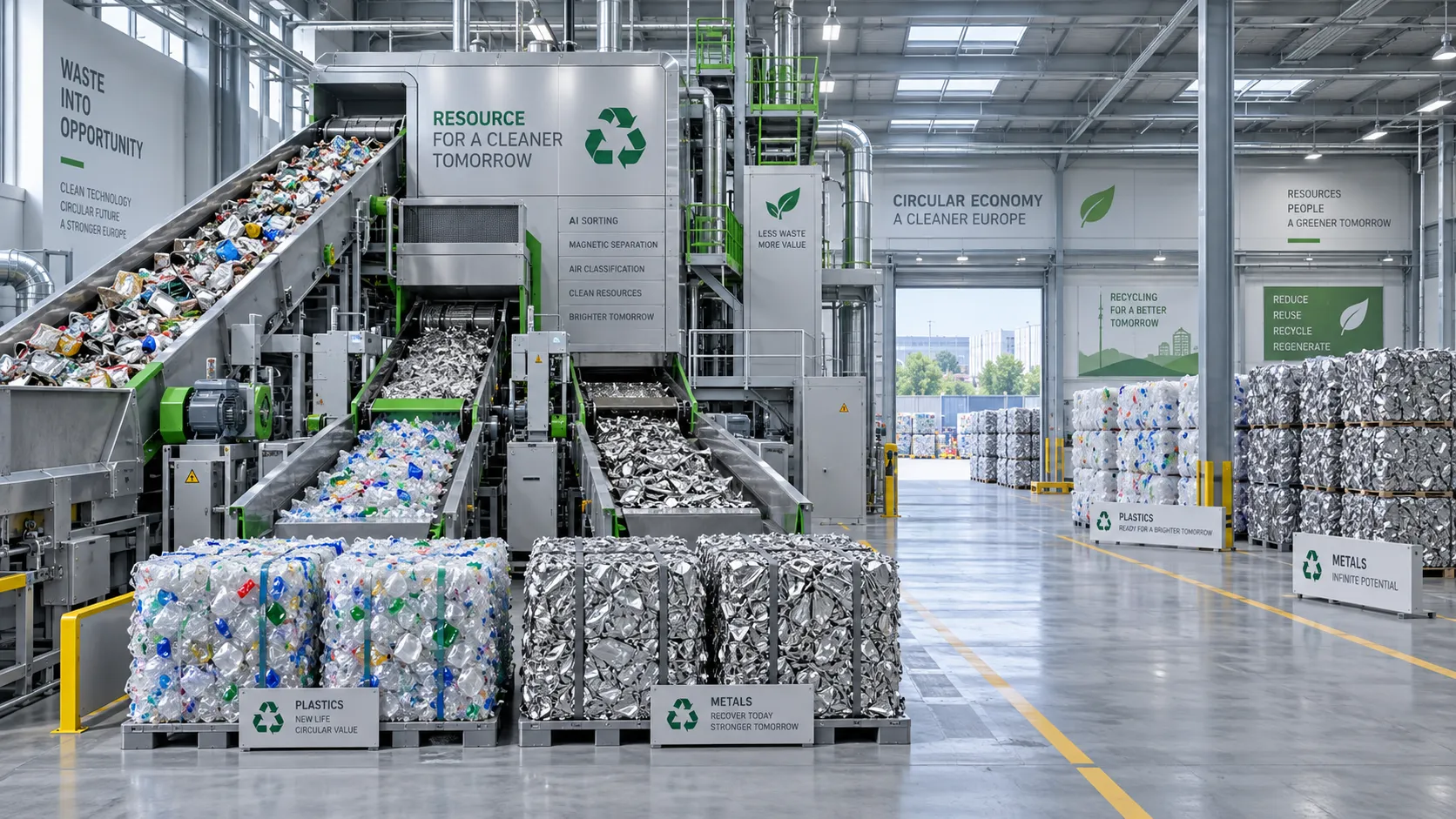
What determines payback for waste-to-resource systems in Europe?
Assess waste-to-resource systems Europe-wide: compare feedstock, recovery yields, costs and contracts to uncover payback drivers and make smarter investment decisions.
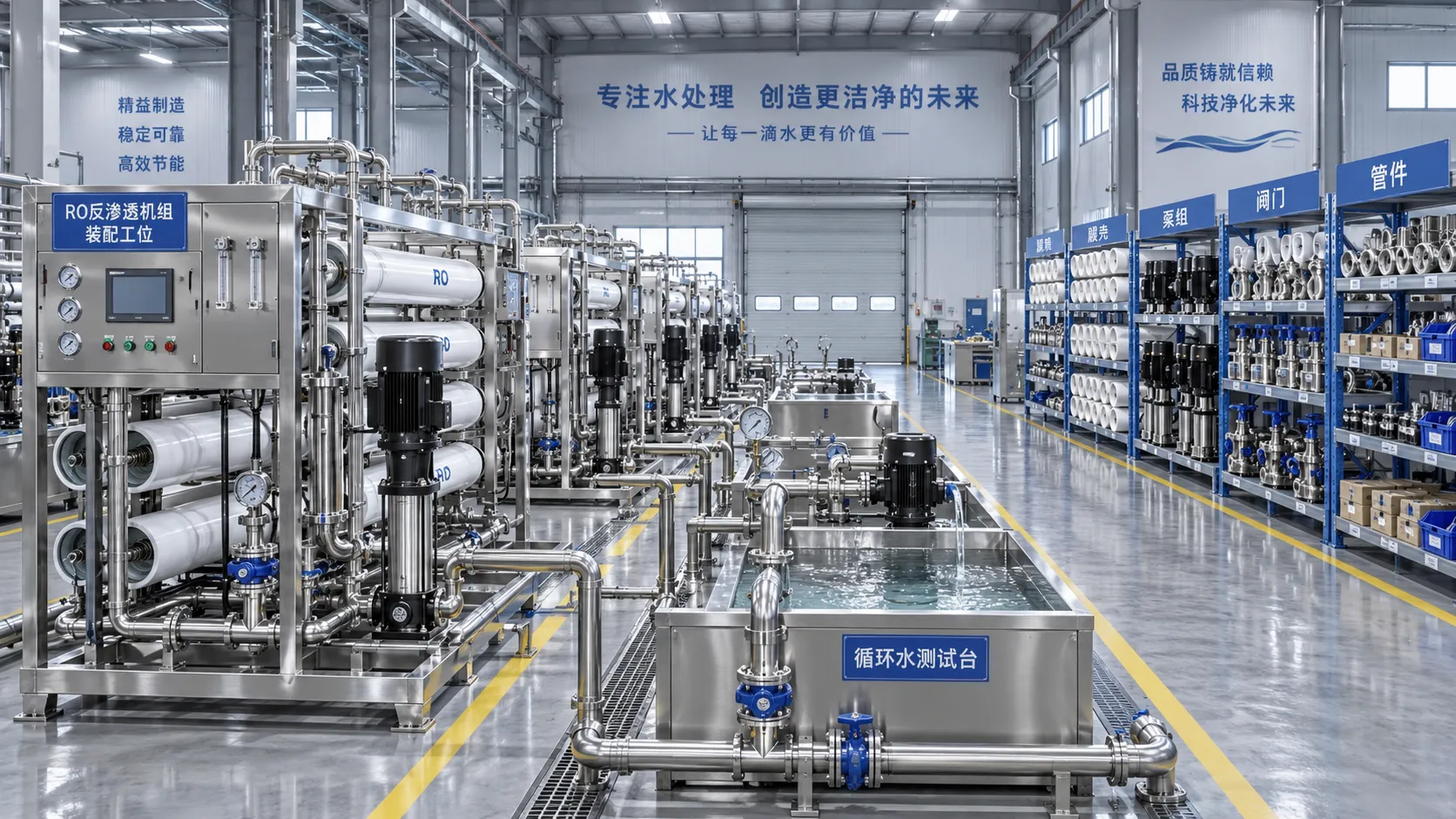
How to verify a water treatment system factory’s production capacity
Verify a water treatment systems factory’s production capacity through records, bottlenecks, component availability, and testing. Learn what to check before accepting a delivery promise.
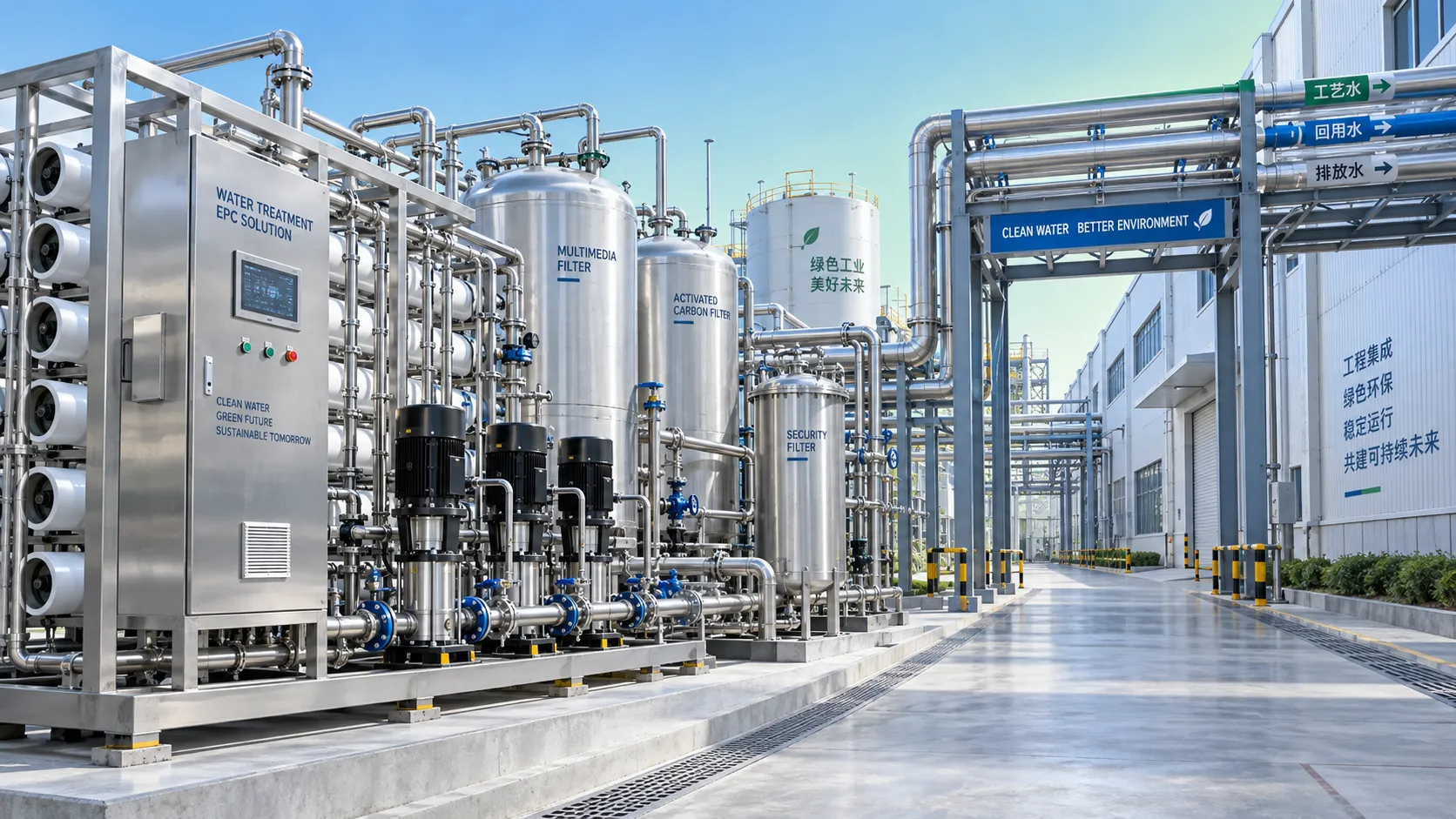
When does EPC environmental project support reduce delivery risk?
EPC environmental project support engineering reduces delivery risk by aligning design, procurement, compliance, construction, and commissioning decisions.
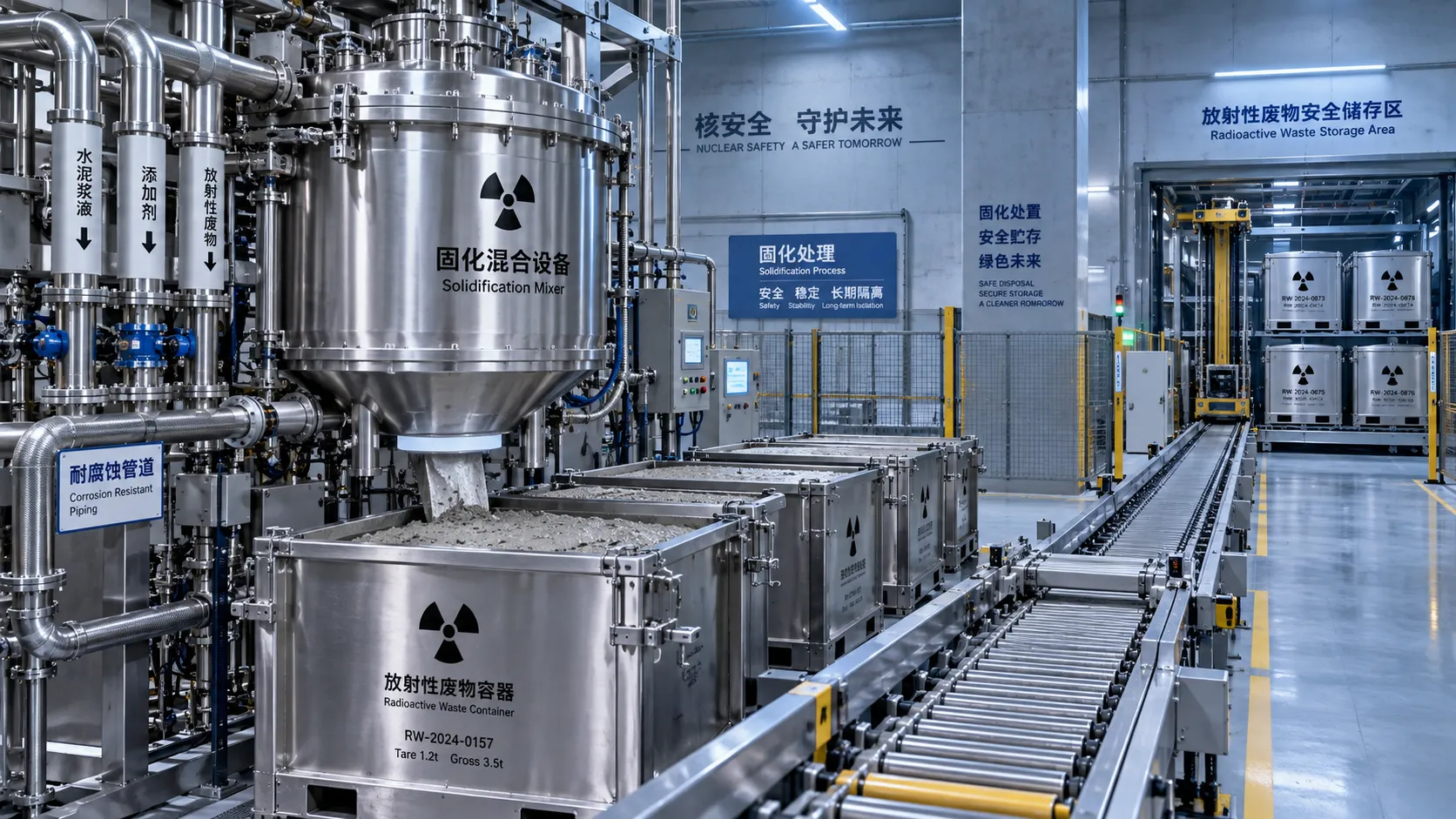
How nuclear plants select a radioactive waste solidification method
Radioactive waste management for nuclear plants: compare vitrification, cementation, polymers, and ceramics to select a compliant, durable solidification solution.
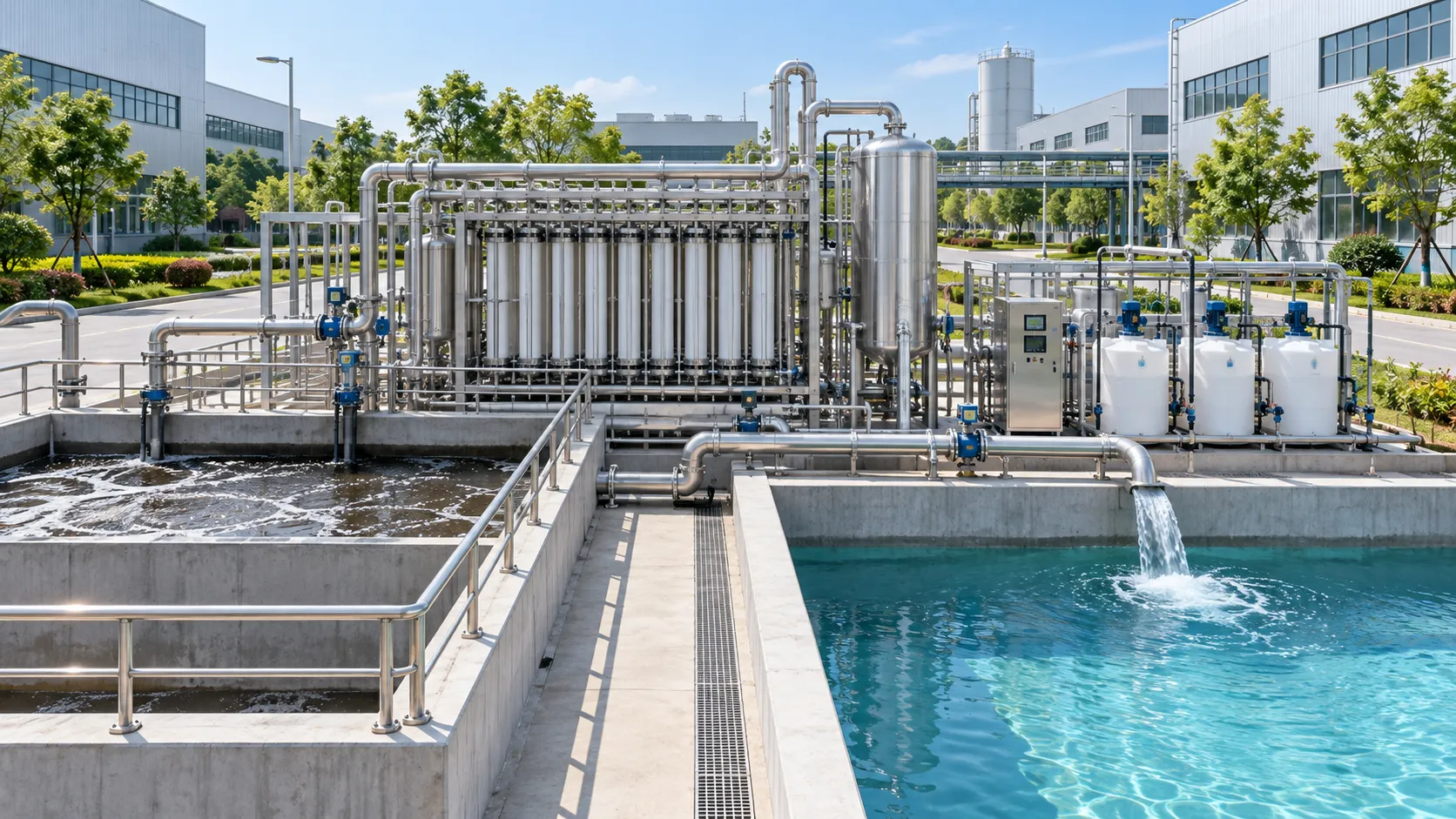
Comparing Upgrade Costs for Industrial Park Wastewater Treatment Systems
Compare costs for wastewater system upgrades in industrial parks with a lifecycle view of CAPEX, OPEX, compliance, resilience, and future expansion.
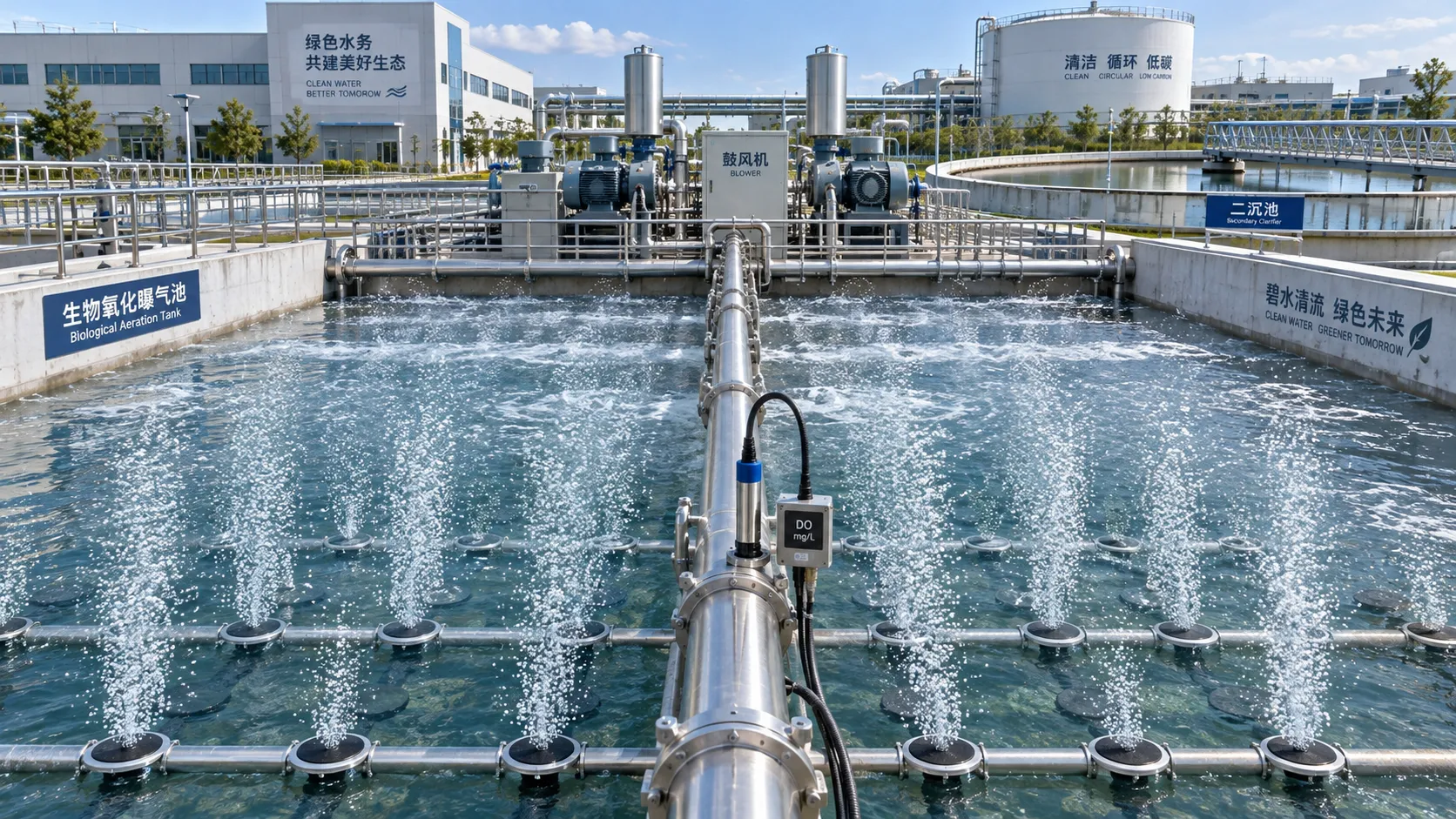
Biological Wastewater Oxidation Explained: Aeration Demand and Process Control
Biological wastewater oxidation explained: optimize aeration demand, DO control, nitrification, and sludge age for stable effluent quality and lower energy costs.
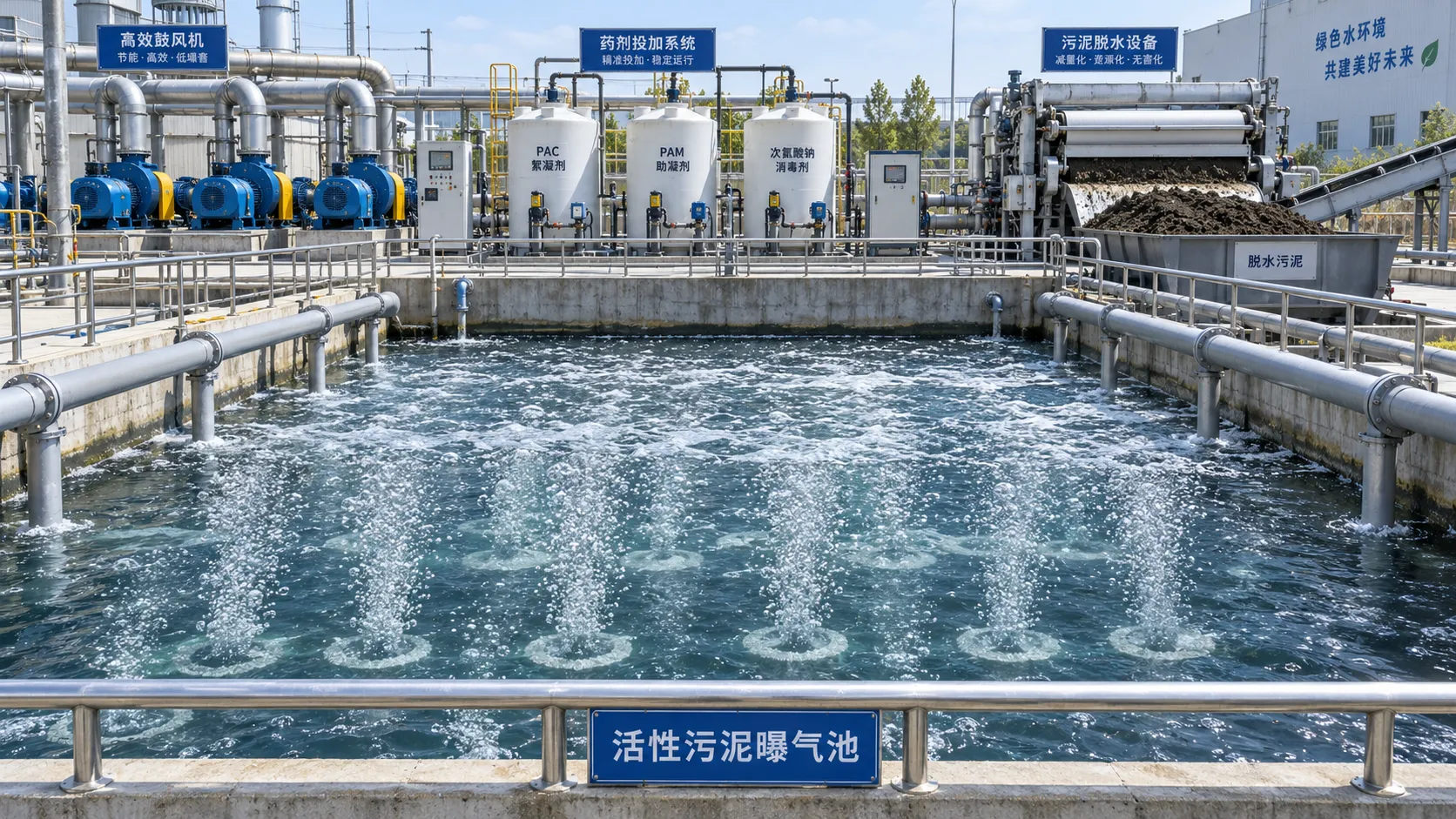
Activated Sludge Cost: Budgeting Energy, Chemicals, Sludge, and Labor
Activated sludge cost explained: compare energy, chemicals, sludge disposal, labor, and compliance risks to build a reliable lifecycle budget.
When Should Municipal Wastewater Plants Upgrade Treatment Capacity and Controls?
Municipal wastewater treatment upgrades: learn when capacity, controls, and resilient planning are needed to protect compliance and optimize plant performance.