
Industry News
Curation by industry experts
Hot Articles
Popular Tags
Environmental Regulations Compliance Guide for High-Emission Facilities
For quality control and safety managers at high-emission facilities, this environmental regulations compliance guide outlines how to align daily operations with evolving global standards while reducing legal, financial, and reputational risks. From emissions monitoring and waste handling to documentation, audits, and cross-border compliance pressures, it offers a practical starting point for building resilient, inspection-ready environmental management systems.
In sectors such as large water treatment, flue gas control, solid waste recovery, seawater desalination, and nuclear waste management, compliance is no longer a yearly reporting task. It is a daily operational discipline shaped by permit limits, monitoring frequency, incident response speed, and evidence quality.
For B2B operators, the practical challenge is clear: how to maintain production continuity while meeting stricter emissions thresholds, tighter waste traceability rules, and growing international scrutiny tied to carbon and environmental performance. A strong environmental regulations compliance guide must therefore connect field execution with management control.
Why Compliance Has Become a Core Operating Function
High-emission facilities face a more complex regulatory environment than they did even 3 to 5 years ago. Requirements increasingly cover not only stack emissions and effluent discharge, but also hazardous waste storage duration, leak detection intervals, emergency preparedness, and supplier-side environmental documentation.
For quality control and safety managers, this means environmental compliance must be managed with the same rigor applied to process safety, product quality, and maintenance reliability. A missed sampling event, an incomplete waste manifest, or a delayed calibration can trigger non-conformance during an inspection within 24 to 72 hours.
The main pressure points in high-emission operations
- Multiple emission sources: stacks, vents, wastewater outlets, runoff, sludge, ash, and off-spec materials.
- Different control technologies: scrubbers, bag filters, SCR systems, ZLD units, membrane trains, incineration lines, and storage containment.
- Short reporting windows: many incidents require internal escalation in less than 2 hours and external notification within 24 hours, depending on jurisdiction.
- Cross-functional coordination: EHS, QC, operations, maintenance, procurement, and legal teams all influence compliance outcomes.
What regulators and auditors usually test first
Most inspections begin with evidence, not explanations. Inspectors typically review permit conditions, monitoring records from the last 6 to 12 months, calibration certificates, abnormal event logs, corrective action closure, and waste transfer documentation. If records are inconsistent, technical performance claims quickly lose credibility.
This is especially important in facilities handling high-salinity wastewater, thermal treatment residues, flue gas desulfurization by-products, or radioactive waste streams, where non-compliance often involves both environmental and safety consequences.
The table below summarizes the compliance areas that most often create operational exposure in large industrial and ecological engineering systems.
The key message is that most failures are not caused by a single piece of equipment. They emerge from weak control loops between process data, inspection routines, operator training, and document retention. A useful environmental regulations compliance guide must therefore address systems, not just limits.
Building a Practical Compliance Framework for Daily Operations
A workable compliance system should convert regulations into repeatable site actions. For most high-emission facilities, that means defining 4 layers of control: source inventory, monitoring plan, deviation response, and management review. If any one layer is weak, inspection readiness drops quickly.
1. Map every regulated source and waste stream
Start with a source register that covers all emission points, discharge points, storage areas, and transport interfaces. A medium-to-large facility may have 20 to 80 regulated points when stacks, drains, tanks, temporary storage zones, and by-product handling lines are counted properly.
For water treatment and desalination plants, include reject brine, cleaning chemicals, membrane replacement waste, and sludge cake. For flue gas systems, include reagent storage, spent catalysts, fly ash, gypsum, and bypass events. For recovery systems, define contaminated fractions and non-recyclable residues clearly.
Minimum source register fields
- Source name and physical location
- Permit reference and limit type
- Monitoring method and frequency
- Responsible department and backup owner
- Required records and retention period
2. Set monitoring frequencies that match risk
Not every parameter requires continuous monitoring, but every regulated parameter needs a defined control method. Typical site practice includes continuous emissions monitoring for major stacks, daily walkdowns for visible leaks or spills, weekly storage inspections, and monthly record verification.
Where online systems are used, calibration and drift checks should follow a fixed schedule such as daily zero and span review, weekly functionality checks, and formal periodic calibration at 1-month or 3-month intervals, depending on instrument design and permit requirements.
3. Create a deviation response clock
An exceedance is not only a technical issue; it is a timing issue. The site should define a response clock that starts the moment a deviation is detected. A practical model is 15 minutes for internal notification, 2 hours for first technical assessment, 24 hours for provisional cause identification, and 7 days for corrective action planning.
This approach is particularly useful in plants operating ZLD crystallizers, FGD scrubbers, SCR reactors, pyrolysis lines, or nuclear waste conditioning units, where deviations can escalate across environmental, safety, and asset integrity boundaries.
4. Keep records in inspection-ready form
A strong environmental regulations compliance guide always includes record architecture. Keep records searchable by date, source, parameter, and event type. In many facilities, retaining at least 3 years of routine records and 5 years of incident and corrective action files provides a practical baseline, unless local law requires longer periods.
Inspection-ready records should answer 5 basic questions within 10 minutes: what happened, where it happened, what limit applied, who responded, and how closure was verified. If the answer depends on personal memory, the control system is too weak.
Operational Controls for Air, Water, Waste, and Special Risk Streams
Different environmental media require different compliance tools, but the management principle is similar: define limits, verify performance, document anomalies, and prove containment. The sections below translate that principle into high-emission facility practice.
Air emissions and flue gas treatment
For combustion, thermal recovery, incineration, and heavy process industries, stack compliance often focuses on particulate matter, SOx, NOx, acid gases, and selected metals or organics. The compliance burden grows when sites run several control units in parallel or operate load swings above 20% in short periods.
Quality and safety managers should verify three items every shift: operating status of control equipment, instrument health signals, and any event that could invalidate data. A filter pressure drop trend, absorber reagent consumption shift, or low-temperature SCR efficiency drop can be early indicators before a limit breach is formally recorded.
Wastewater, desalination reject, and ZLD compliance
Facilities treating high-TDS wastewater or seawater concentrate face a layered risk profile. Compliance may cover pH, conductivity, COD, suspended solids, residual chemicals, flow volume, and sludge disposal route. Even where discharge is minimized, concentrate handling and evaporator residues still require documented control.
In practice, many sites benefit from a 3-tier review model: operator checks each shift, supervisor review each week, and management review each month. This catches drift in membrane cleaning frequency, antiscalant use, sludge generation, or crystallizer solids balance before it becomes a regulatory issue.
Solid waste recovery and hazardous residues
Recovery systems can reduce disposal cost, but they also create classification risk. Pyrolysis char, sorted fractions, ash, spent media, contaminated packaging, and maintenance waste may fall under different storage and transport rules. Misclassification often becomes visible only when transfer documentation is reviewed line by line.
A common control method is to inspect storage condition, labeling, compatibility, and accumulation time every 7 days. Sites with high waste turnover may need daily checks. The goal is not paperwork volume, but traceability from generation point to final treatment or disposal route.
Special controls for nuclear or radiological waste interfaces
Where radioactive materials or contaminated auxiliary waste are present, environmental compliance and safety governance overlap tightly. Managers should focus on segregation, shielding-related handling procedures, container integrity, chain-of-custody documentation, and clearly defined release criteria for non-radioactive pathways.
In these environments, even a small documentation gap can cause significant delay because waste acceptance often depends on complete characterization records. The operational lesson is simple: analytical data, packaging records, and movement logs must stay synchronized at every stage.
The following matrix can help managers prioritize controls according to media type and failure severity.
This matrix shows that frequency should follow both hazard and complexity. Sites often over-monitor low-risk points while under-controlling data integrity at critical ones. A better environmental regulations compliance guide prioritizes the sources most likely to trigger enforcement, shutdown, or reputational harm.
Documentation, Audits, and Cross-Border Compliance Pressures
Documentation quality increasingly affects commercial competitiveness. Buyers, project owners, and public-sector tender authorities often ask for environmental records before contract award, especially in large EPC, utility, desalination, and resource recovery projects. Weak compliance history can therefore influence bidding outcomes as much as technical capability.
How to prepare for internal and external audits
A useful audit cycle usually has 3 layers: monthly self-checks, quarterly cross-functional reviews, and an annual management audit. The monthly check should verify permits, logs, calibration status, and open actions. The quarterly review should test whether procedures still match actual field practice.
During annual review, managers should examine trend data from the previous 12 months, including repeat deviations, closure time, contractor performance, waste handling errors, and near-miss environmental events. Repetition matters: three minor documentation failures often reveal the same root weakness as one major breach.
Managing supply-chain and trade-related compliance exposure
Cross-border regulation is widening the compliance scope beyond the fence line. Carbon-linked trade measures, customer environmental questionnaires, and procurement screening now require facilities to demonstrate more than end-of-pipe control. They may need to show operating discipline, emissions transparency, waste destination control, and corrective action governance.
For facilities supplying equipment, treated outputs, or recovered materials into international value chains, this can affect approval timelines, tender eligibility, or contract terms. In practical terms, a missing emission log or unverified disposal route can become a commercial barrier, not just a site issue.
Five records buyers and auditors often request
- Recent permit and license status
- Monitoring summaries for the last 6 to 12 months
- Corrective action records after exceedances or incidents
- Waste transfer and final treatment evidence
- Equipment maintenance and calibration history
Common mistakes that undermine an otherwise good system
One common mistake is treating compliance as a separate office task rather than an operating parameter. Another is relying on annual training alone when high-risk roles may need refreshers every 3 to 6 months. A third is keeping too many spreadsheets without a single controlled source of truth.
Facilities also underestimate contractor risk. Tank cleaners, waste transporters, maintenance teams, and temporary operators may affect environmental performance directly. If induction, supervision, and permit-to-work controls are weak, site compliance can fail through third-party actions in a single shift.
How ESD Intelligence Supports Better Environmental Decision-Making
For organizations working across water treatment, waste recovery, flue gas control, desalination, and nuclear waste interfaces, regulatory compliance cannot be managed by generic checklists alone. It requires technical context, awareness of evolving global rules, and a clear link between equipment behavior and compliance exposure.
This is where specialized intelligence becomes valuable. By tracking regulatory iteration, process technology performance, and project-side commercial demand, ESD helps quality control and safety managers understand which compliance issues are operational, which are strategic, and which are likely to affect procurement, expansion, or international market access within the next 12 to 24 months.
Whether your facility is optimizing ZLD reliability, strengthening waste traceability, improving stack control evidence, or preparing for more rigorous buyer scrutiny, a structured environmental regulations compliance guide reduces uncertainty and supports faster, more defensible decisions.
If your team needs deeper intelligence on environmental equipment trends, regulatory developments, or compliance-oriented project planning, contact ESD to get a tailored solution, discuss specific facility risks, and explore more practical strategies for inspection-ready environmental management.
Recommended News
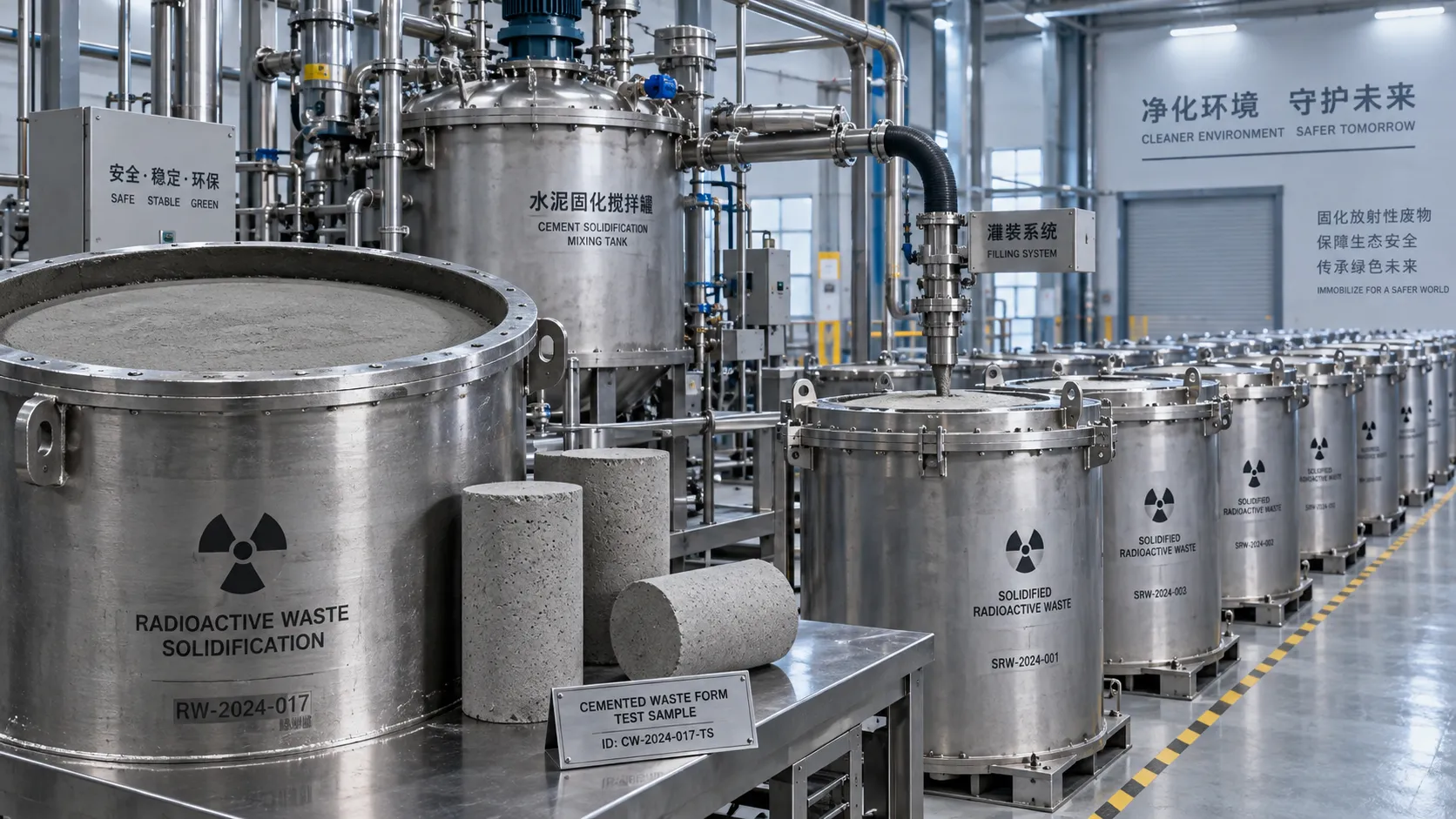
When is cementation suitable for nuclear decommissioning waste?
Explore nuclear waste treatment technology for decommissioning: learn when cementation fits, which risks to assess, and how disposal criteria guide an effective treatment choice.
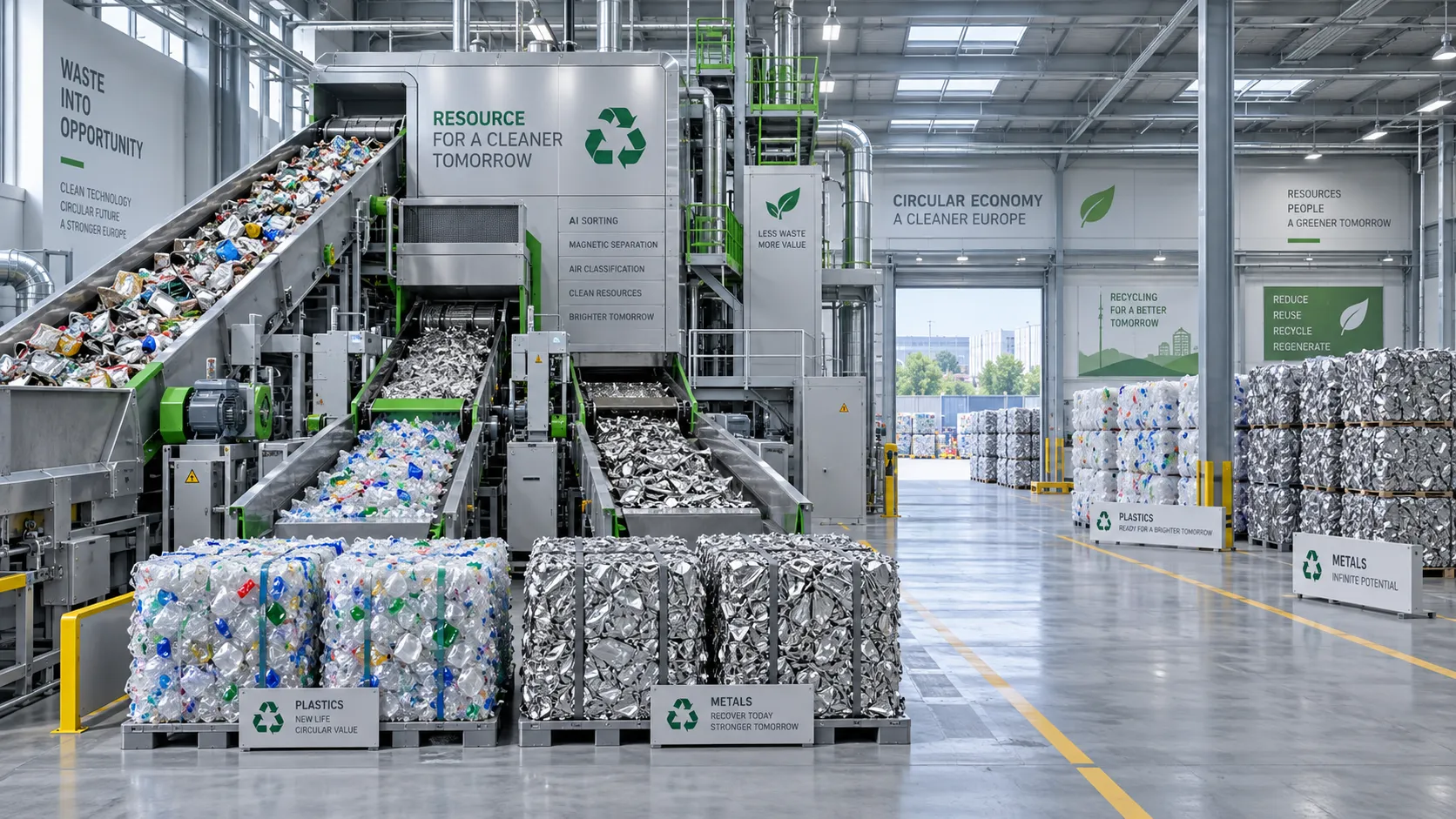
What determines payback for waste-to-resource systems in Europe?
Assess waste-to-resource systems Europe-wide: compare feedstock, recovery yields, costs and contracts to uncover payback drivers and make smarter investment decisions.
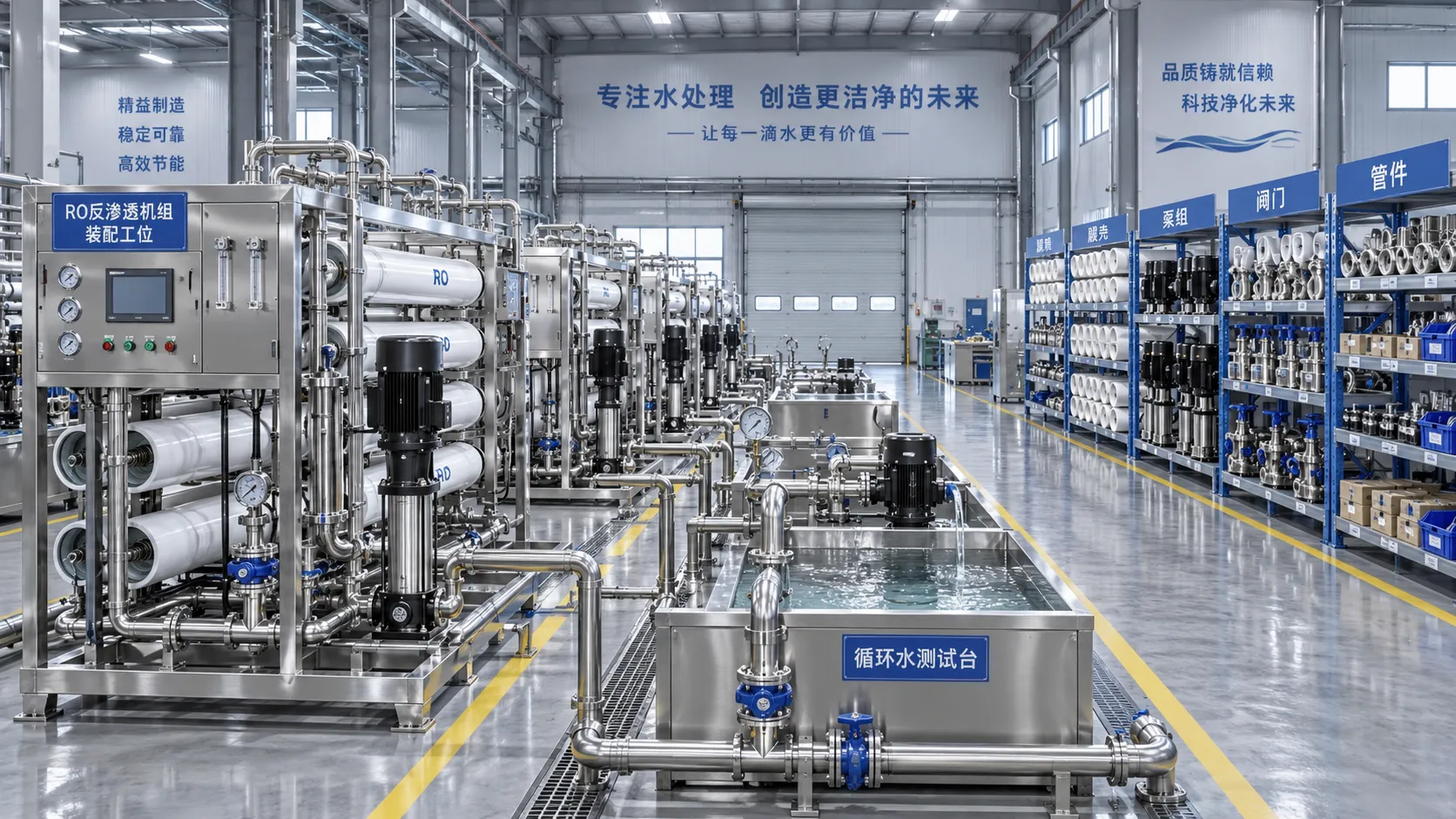
How to verify a water treatment system factory’s production capacity
Verify a water treatment systems factory’s production capacity through records, bottlenecks, component availability, and testing. Learn what to check before accepting a delivery promise.
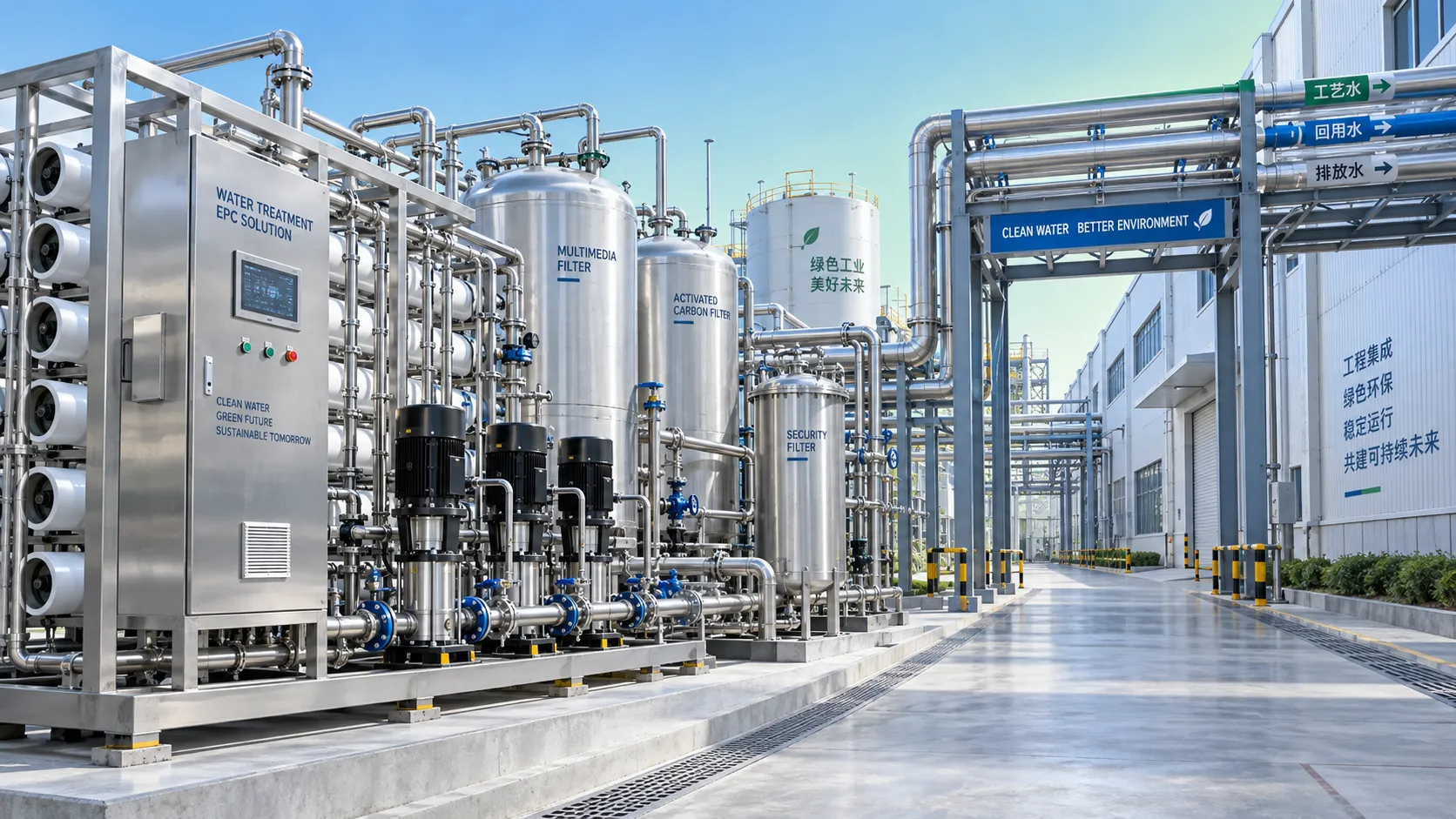
When does EPC environmental project support reduce delivery risk?
EPC environmental project support engineering reduces delivery risk by aligning design, procurement, compliance, construction, and commissioning decisions.
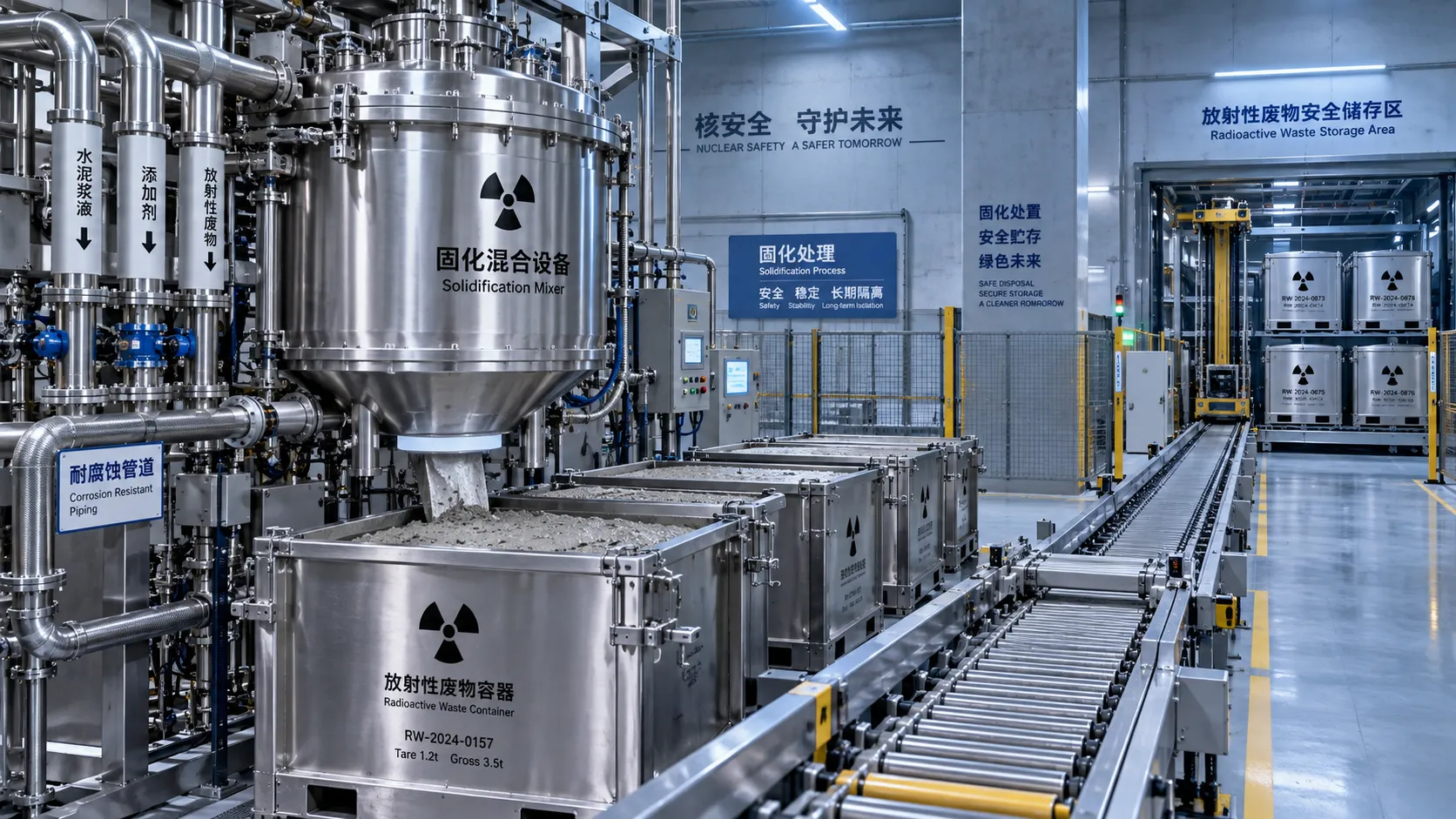
How nuclear plants select a radioactive waste solidification method
Radioactive waste management for nuclear plants: compare vitrification, cementation, polymers, and ceramics to select a compliant, durable solidification solution.
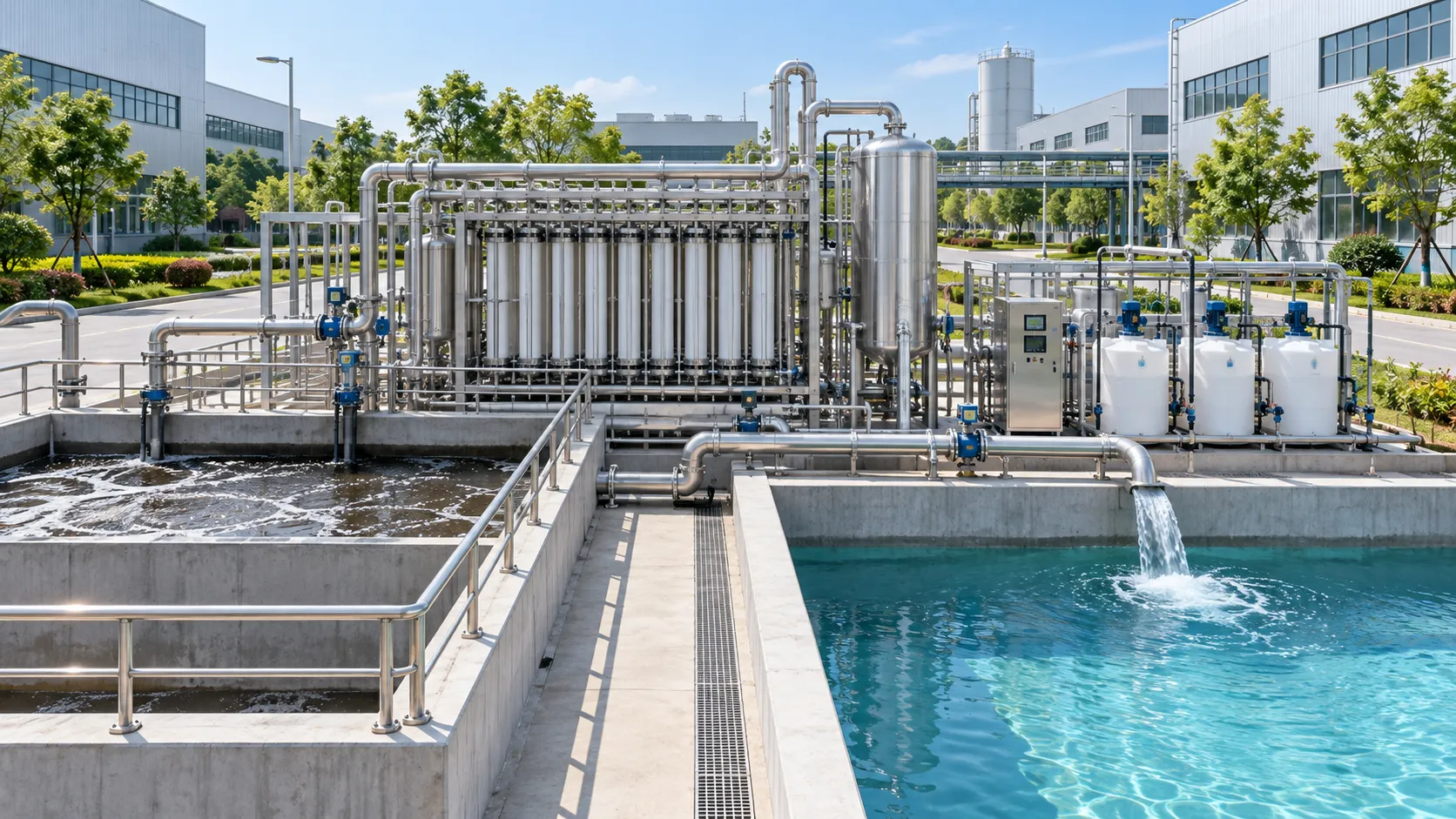
Comparing Upgrade Costs for Industrial Park Wastewater Treatment Systems
Compare costs for wastewater system upgrades in industrial parks with a lifecycle view of CAPEX, OPEX, compliance, resilience, and future expansion.
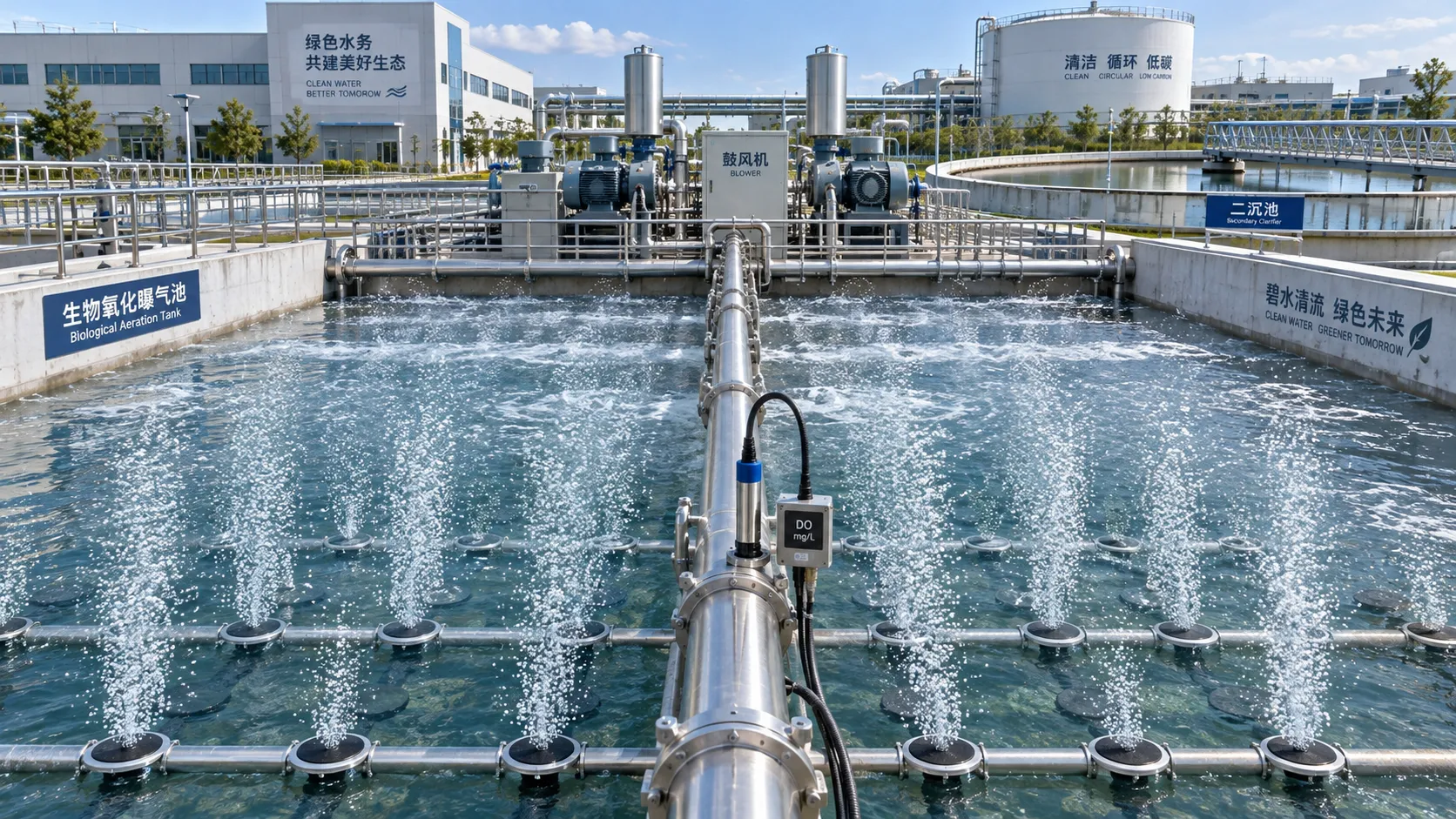
Biological Wastewater Oxidation Explained: Aeration Demand and Process Control
Biological wastewater oxidation explained: optimize aeration demand, DO control, nitrification, and sludge age for stable effluent quality and lower energy costs.
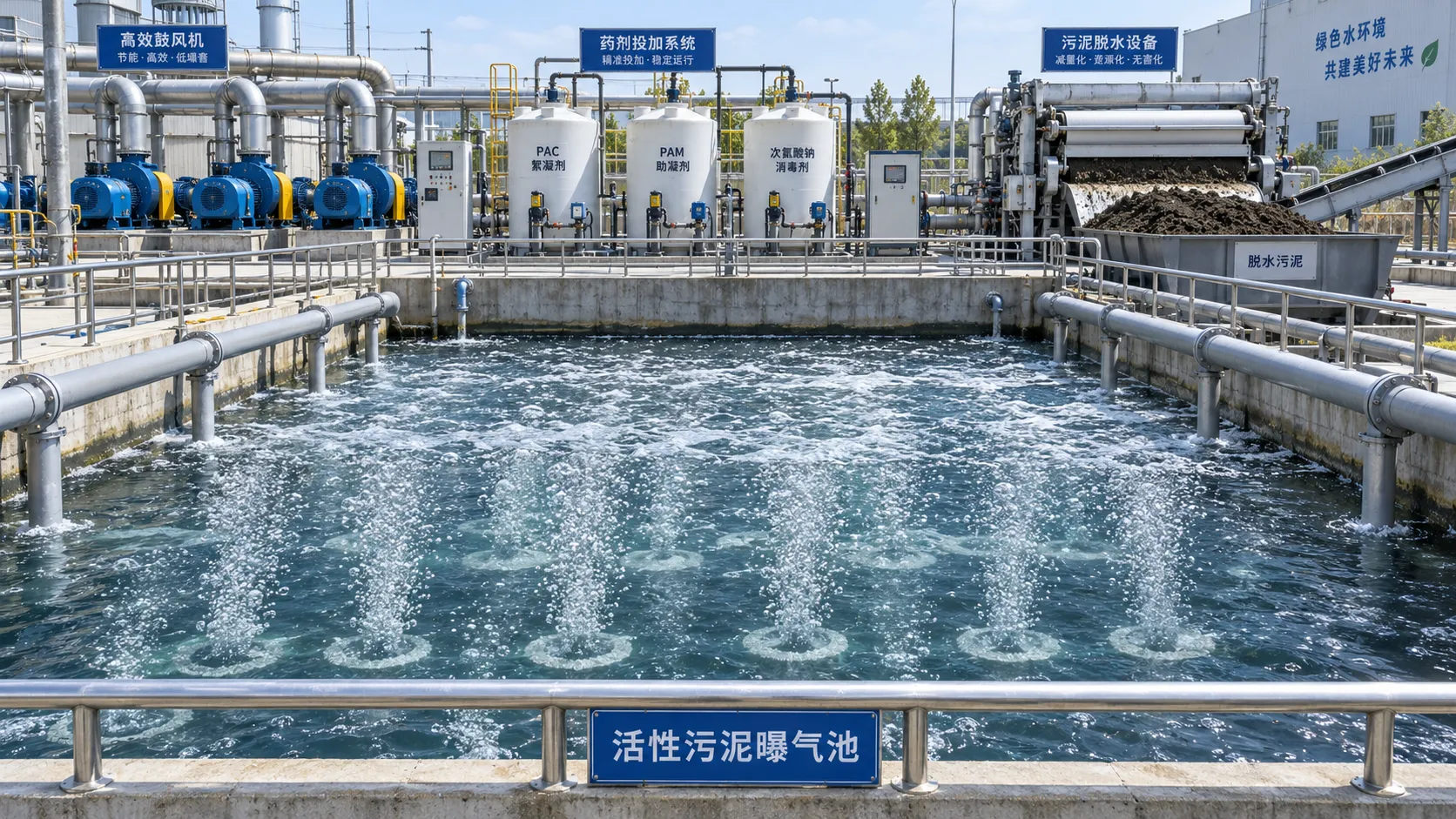
Activated Sludge Cost: Budgeting Energy, Chemicals, Sludge, and Labor
Activated sludge cost explained: compare energy, chemicals, sludge disposal, labor, and compliance risks to build a reliable lifecycle budget.
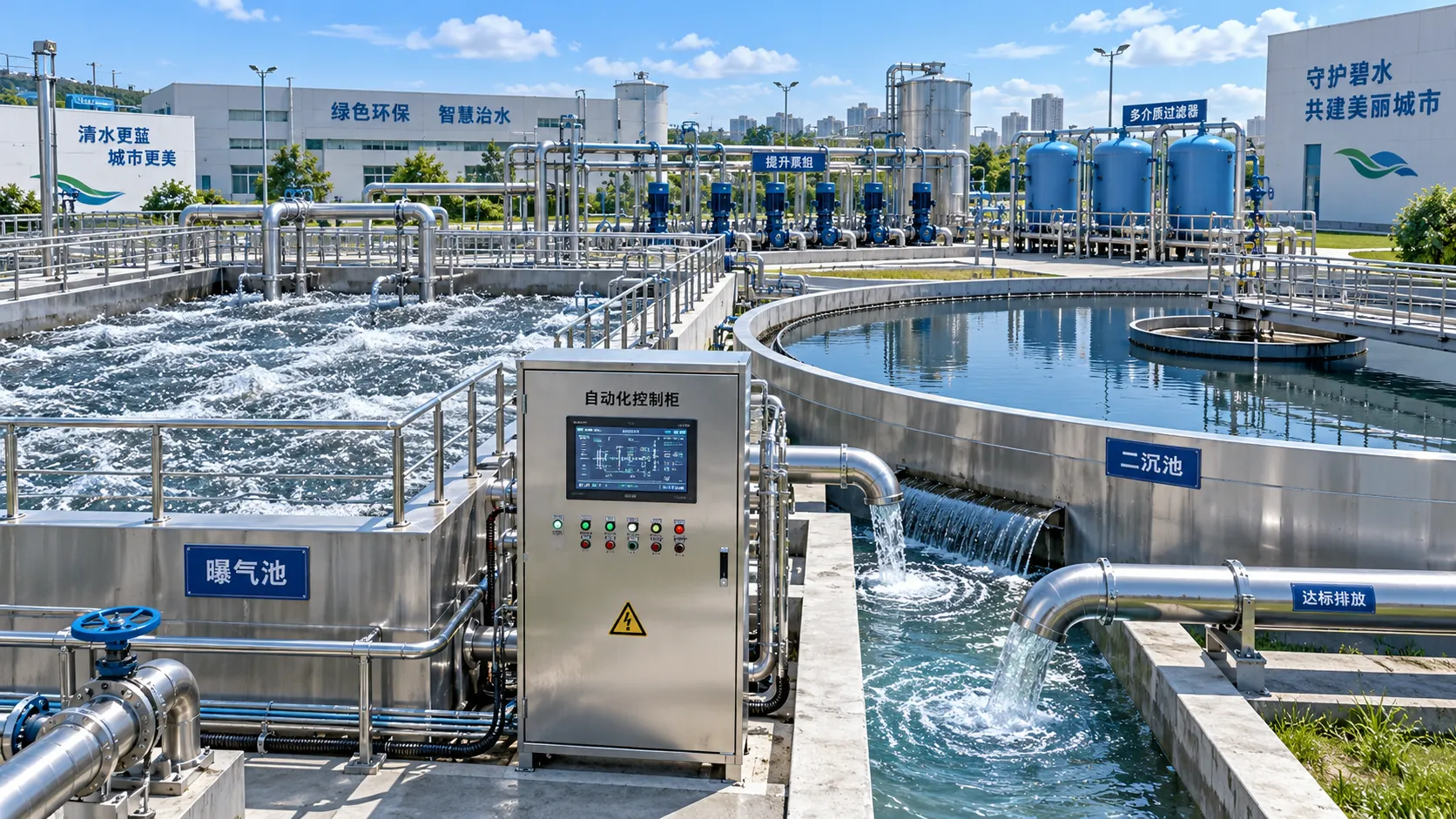
When Should Municipal Wastewater Plants Upgrade Treatment Capacity and Controls?
Municipal wastewater treatment upgrades: learn when capacity, controls, and resilient planning are needed to protect compliance and optimize plant performance.