
Industry News
Curation by industry experts
Hot Articles
Popular Tags
Decarbonization Technologies for Heavy Industries: Which Options Scale Best?
As carbon constraints tighten across global supply chains, decision-makers are under pressure to identify decarbonization technologies for heavy industries that are both technically viable and commercially scalable.
From electrification and hydrogen to carbon capture and circular resource systems, the core challenge is deployment at industrial scale, not invention alone.
For energy-intensive sectors, the best pathway depends on process heat, feedstock chemistry, water availability, compliance exposure, and infrastructure readiness.
This guide examines decarbonization technologies for heavy industries through practical questions, comparing cost, timing, technical maturity, and strategic resilience.
What counts as the most scalable decarbonization technologies for heavy industries?
Scalable options are not simply low-carbon on paper. They must perform reliably across large plants, variable grids, strict regulations, and long asset lifecycles.
In practice, the leading decarbonization technologies for heavy industries fall into five groups with different scaling conditions.
- Energy efficiency and digital optimization
- Industrial electrification for low and medium temperature heat
- Green or low-carbon hydrogen for high-temperature heat and feedstock
- Carbon capture, utilization, and storage for process emissions
- Circular resource recovery, waste heat reuse, and material substitution
The fastest to scale are usually efficiency upgrades and process integration. They need less new infrastructure and often produce immediate operating savings.
Electrification scales well where power supply is stable and clean. Hydrogen scales more slowly because it depends on electrolyzers, renewable power, storage, and transport networks.
Carbon capture becomes critical where emissions come from chemistry itself, such as cement, lime, refining, and certain waste treatment lines.
For integrated environmental systems, circular recovery can be highly scalable. It reduces virgin material demand, waste disposal cost, and carbon intensity at the same time.
Which technologies work best for different heavy industry processes?
No single solution fits every industrial process. The best decarbonization technologies for heavy industries depend on whether emissions come from energy use, chemical reactions, or waste streams.
For low and medium temperature operations
Electric boilers, heat pumps, thermal storage, and advanced controls usually scale best. These options are especially useful in water treatment, desalination, and auxiliary plant systems.
For high-temperature furnaces and kilns
Hydrogen, bioenergy, plasma heating, and hybrid fuel systems are promising. Yet economics remain highly sensitive to fuel cost and retrofitting complexity.
For process emissions
Carbon capture often becomes unavoidable. Cement calcination, refinery hydrogen units, and some waste-to-energy facilities cannot reach deep cuts through fuel switching alone.
For resource-intensive environmental infrastructure
Closed-loop water reuse, sludge valorization, solvent recovery, and AI-driven sorting create dual benefits. They lower both emissions and raw material dependence.
This matters strongly in ESD-relevant sectors. Desalination, flue gas treatment, solid waste recovery, and nuclear waste management all face large energy and compliance burdens.
In these systems, decarbonization technologies for heavy industries should be evaluated together with water intensity, waste handling, corrosion resistance, and operating reliability.
How do electrification, hydrogen, and carbon capture compare?
These three pathways dominate most industrial decarbonization discussions. Each can scale, but under different technical and commercial conditions.
Electrification often wins first because it is modular, efficient, and increasingly compatible with renewable power procurement strategies.
Hydrogen becomes stronger when direct combustion temperatures are extreme or when the molecule itself is required in the process.
Carbon capture scales best in clusters. Shared pipelines, storage hubs, and industrial parks can significantly lower the unit cost of captured carbon.
The most effective decarbonization technologies for heavy industries are often combined. For example, electrify auxiliaries, use hydrogen selectively, and capture residual process emissions.
What hidden factors determine whether a pathway is commercially viable?
Technology performance matters, but scale depends on system economics. Several hidden variables often determine success or failure.
- Electricity price, grid carbon intensity, and connection lead times
- Water demand for hydrogen, cooling, and solvent systems
- Permitting complexity and environmental compliance deadlines
- Asset downtime during retrofit installation
- Access to carbon markets, incentives, or border adjustment rules
- Supply chain maturity for membranes, catalysts, compressors, and control systems
Water-intensive decarbonization choices require careful review. In arid regions, a low-carbon solution can become operationally fragile if it raises freshwater dependence.
This is where environmental intelligence matters. Desalination efficiency, wastewater reuse, and ZLD integration can materially improve the feasibility of low-carbon industrial transitions.
Another overlooked factor is waste byproduct management. Carbon capture solvents, spent catalysts, brines, and recovered residues all require reliable downstream treatment.
Therefore, the best decarbonization technologies for heavy industries are not selected in isolation. They must fit the wider eco-industrial system.
What are the most common mistakes when choosing decarbonization technologies for heavy industries?
A frequent mistake is treating carbon reduction as a single equipment purchase. Heavy industry decarbonization usually requires process redesign, utilities planning, and cross-site integration.
Another mistake is comparing technologies by headline emissions only. Cost volatility, uptime risk, maintenance burden, and regulatory fit can change the ranking quickly.
Many projects also underestimate infrastructure dependencies. A plant may be ready for hydrogen or CO2 capture, but the external network may not exist yet.
There is also a tendency to ignore circular systems. Waste heat recovery, solvent recycling, metal recovery, and byproduct reuse can deliver lower-cost abatement than flagship technologies.
Finally, some strategies overlook future compliance. CBAM exposure, disclosure standards, product carbon footprints, and local water rules are becoming investment-critical.
How should industrial sites prioritize next steps over the next three to ten years?
A practical roadmap starts with measures that cut emissions quickly while preserving flexibility for deeper future changes.
- Audit emissions by source, temperature level, and process chemistry.
- Capture efficiency gains through controls, heat integration, and leak reduction.
- Electrify feasible auxiliary loads and medium-heat applications first.
- Assess hydrogen only where heat intensity or chemistry justifies it.
- Evaluate carbon capture for hard-to-abate process emissions.
- Integrate water reuse, waste recovery, and byproduct valorization into the decarbonization model.
This sequence reduces regret. It also aligns with how capital projects, permits, and utility upgrades usually progress in real industrial settings.
Among decarbonization technologies for heavy industries, the strongest scalable portfolio is usually layered, not singular.
Efficiency and electrification deliver early gains. Carbon capture addresses residual process emissions. Circular recovery improves economics, resilience, and environmental performance together.
For sectors linked to water treatment, waste recovery, desalination, flue gas systems, and nuclear waste management, this integrated logic is especially important.
The next step is to evaluate technologies through plant-specific data, utility constraints, water balance, compliance exposure, and long-term asset strategy.
When decarbonization technologies for heavy industries are selected through that wider systems lens, scale becomes far more achievable and commercially defensible.
Recommended News
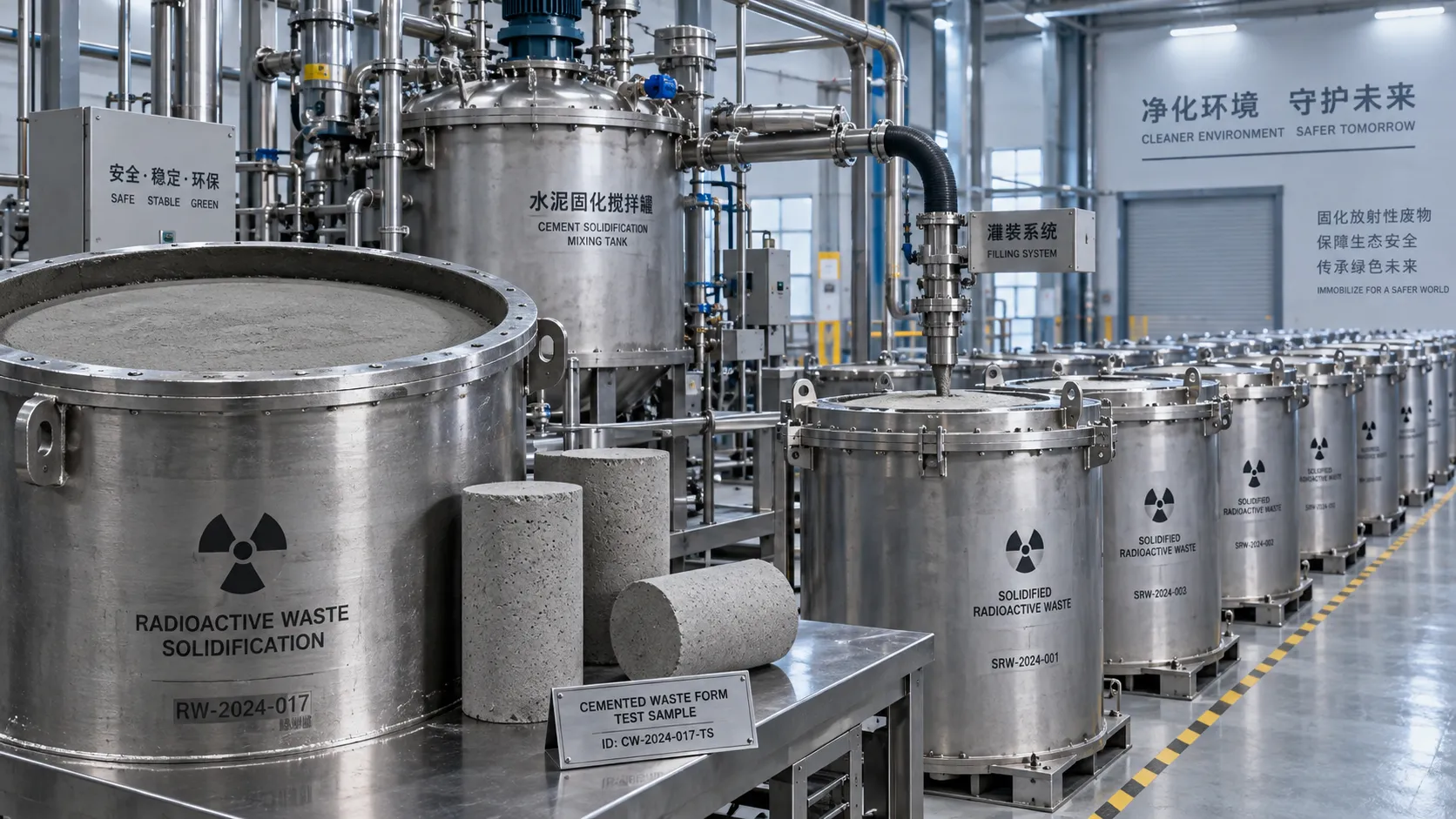
When is cementation suitable for nuclear decommissioning waste?
Explore nuclear waste treatment technology for decommissioning: learn when cementation fits, which risks to assess, and how disposal criteria guide an effective treatment choice.
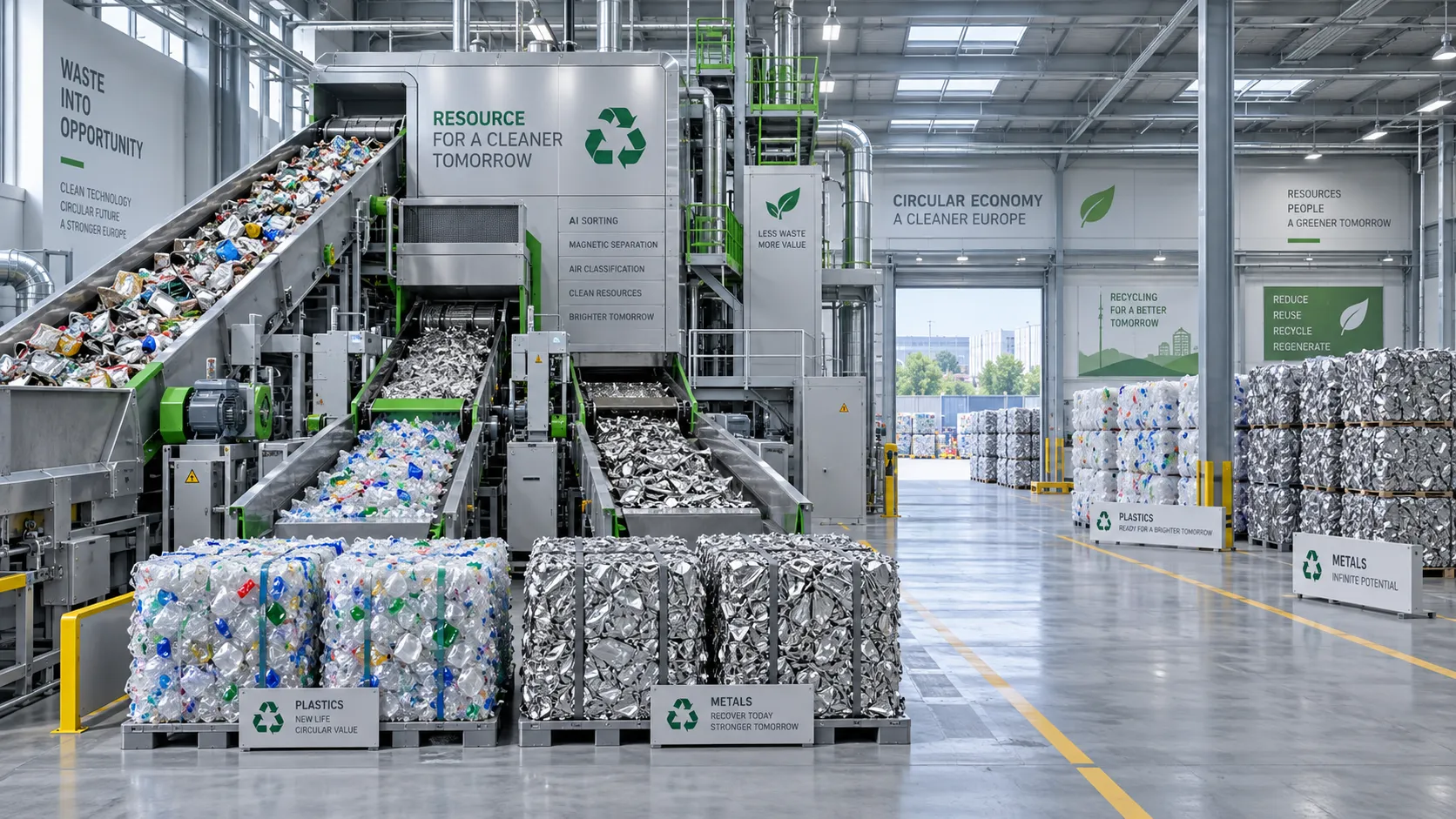
What determines payback for waste-to-resource systems in Europe?
Assess waste-to-resource systems Europe-wide: compare feedstock, recovery yields, costs and contracts to uncover payback drivers and make smarter investment decisions.
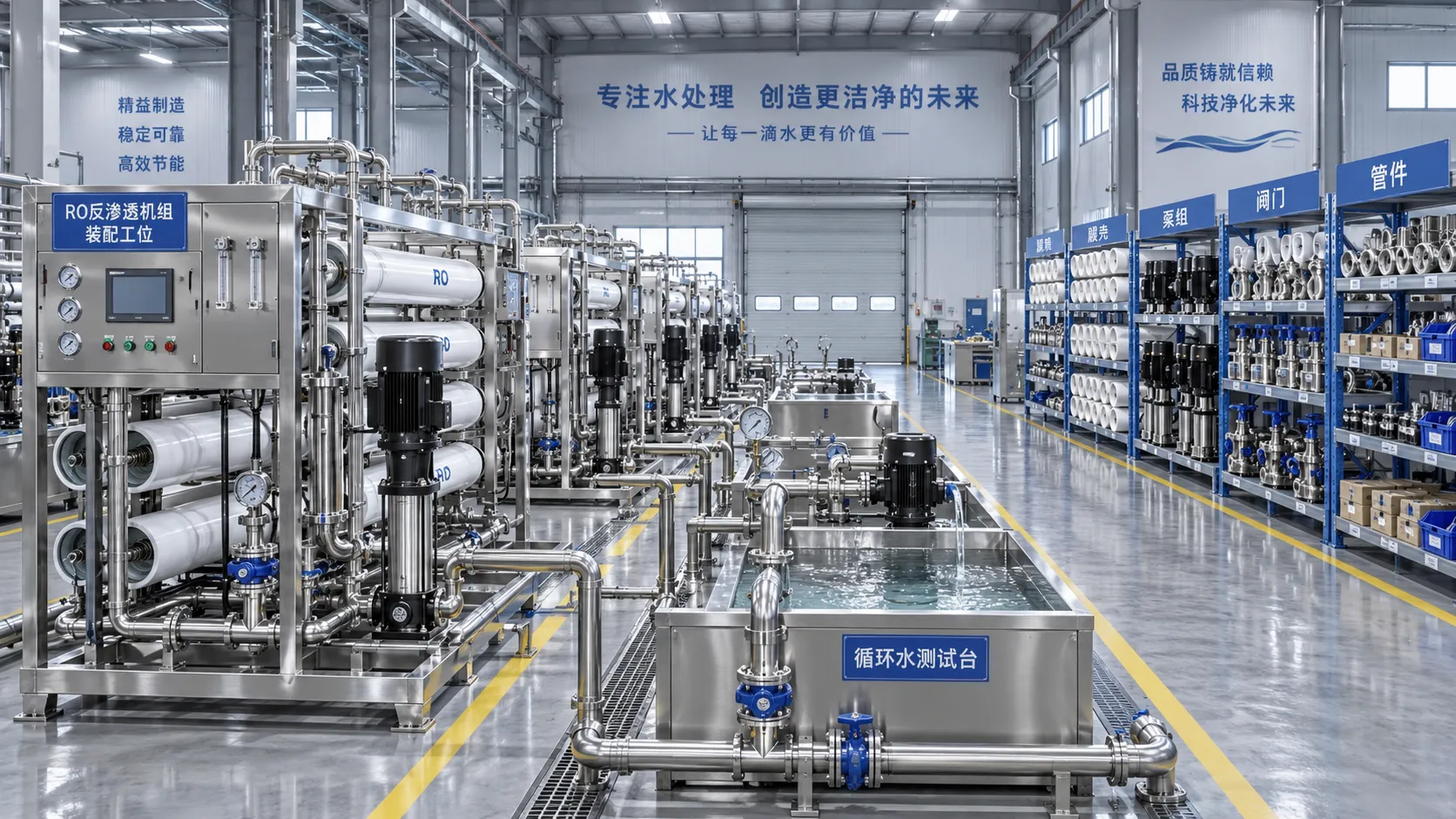
How to verify a water treatment system factory’s production capacity
Verify a water treatment systems factory’s production capacity through records, bottlenecks, component availability, and testing. Learn what to check before accepting a delivery promise.
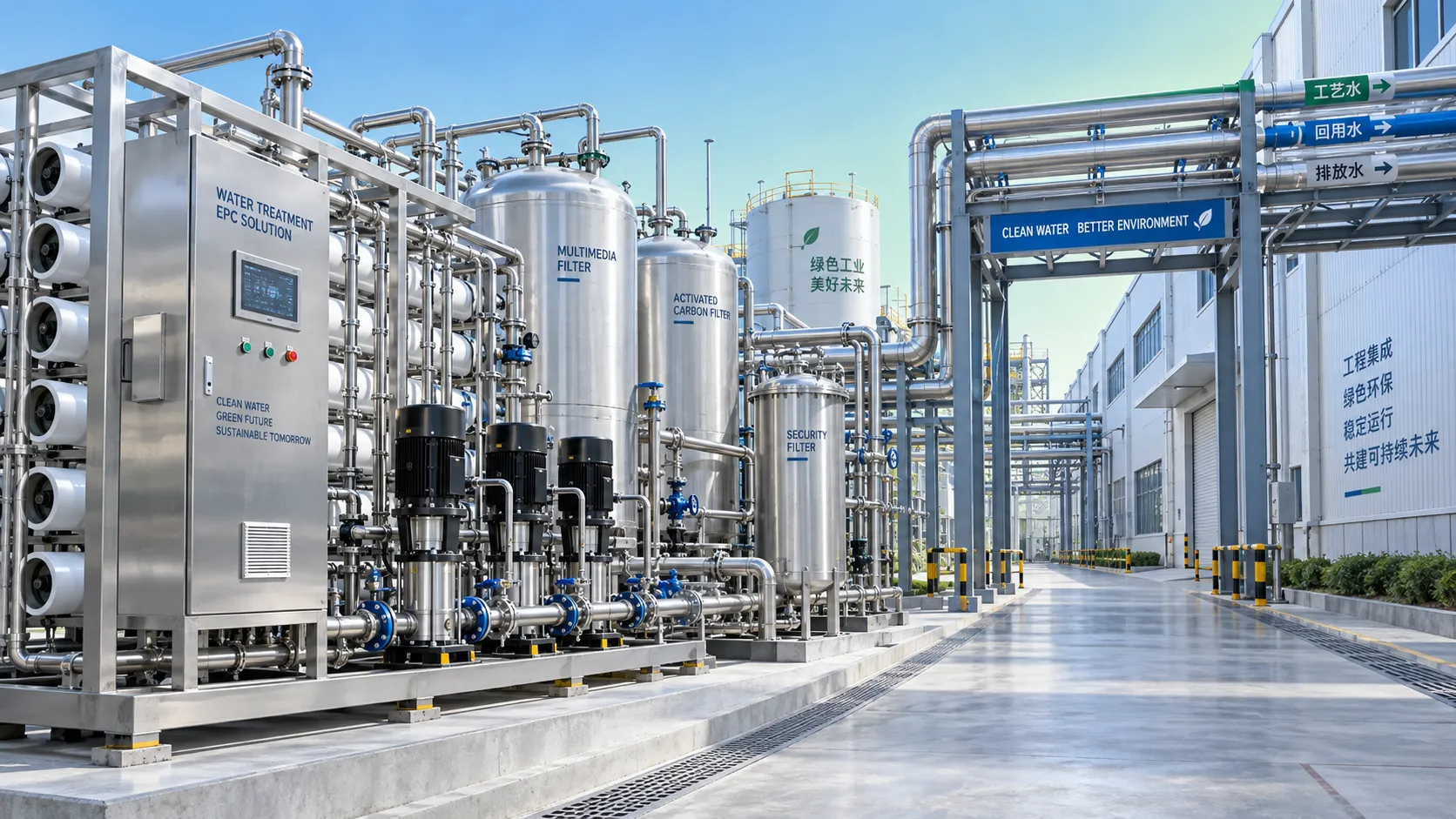
When does EPC environmental project support reduce delivery risk?
EPC environmental project support engineering reduces delivery risk by aligning design, procurement, compliance, construction, and commissioning decisions.
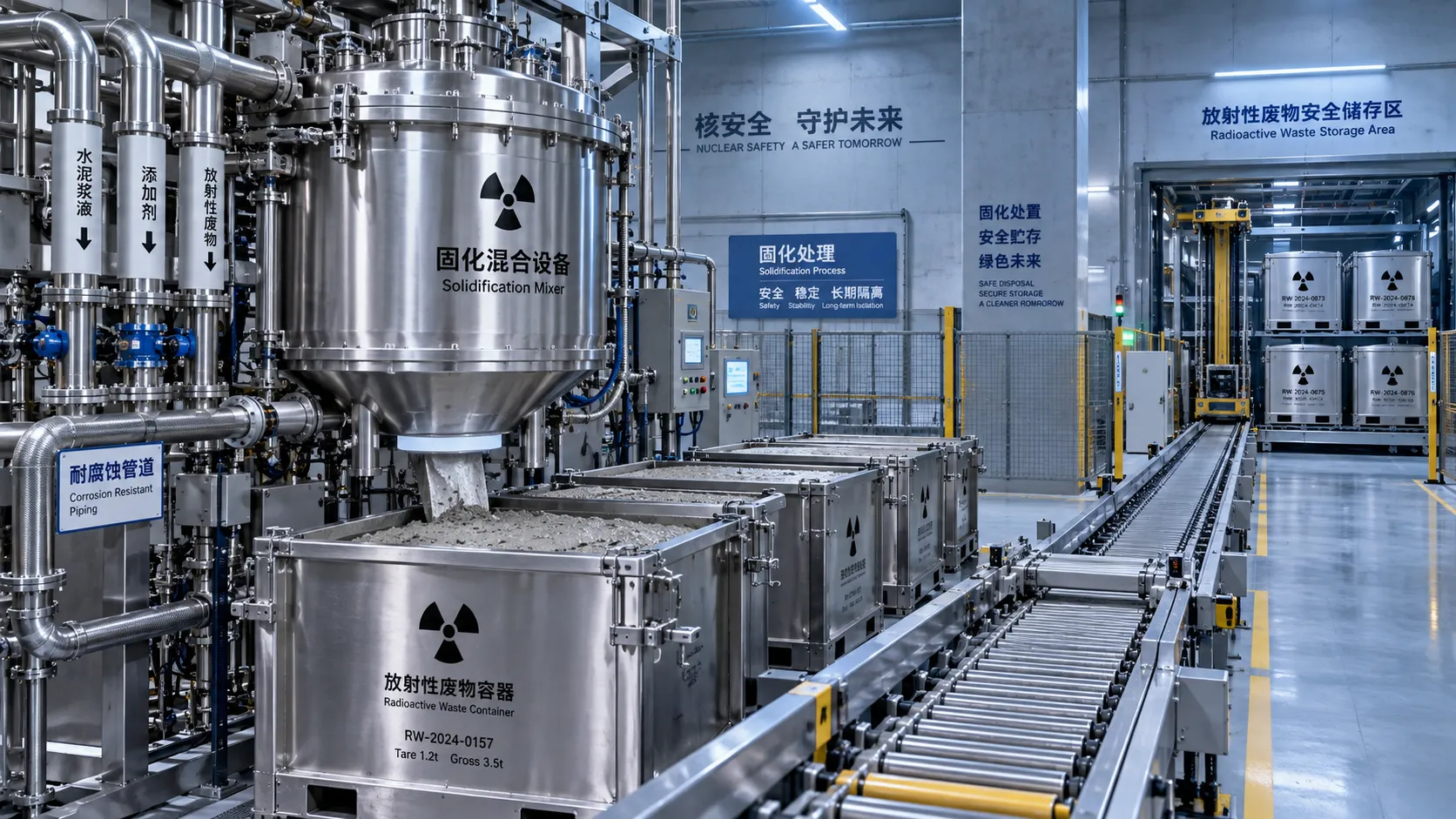
How nuclear plants select a radioactive waste solidification method
Radioactive waste management for nuclear plants: compare vitrification, cementation, polymers, and ceramics to select a compliant, durable solidification solution.
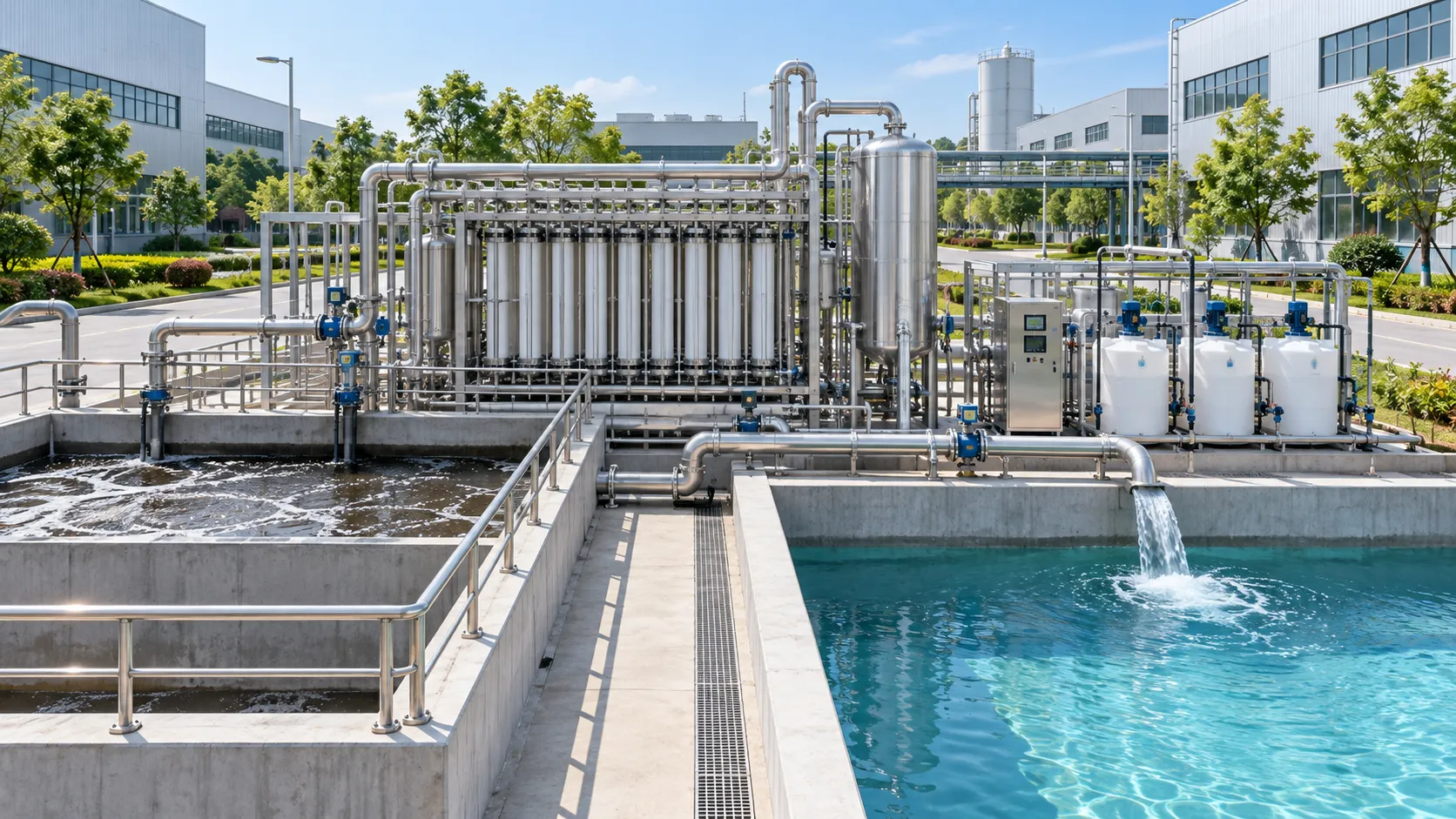
Comparing Upgrade Costs for Industrial Park Wastewater Treatment Systems
Compare costs for wastewater system upgrades in industrial parks with a lifecycle view of CAPEX, OPEX, compliance, resilience, and future expansion.
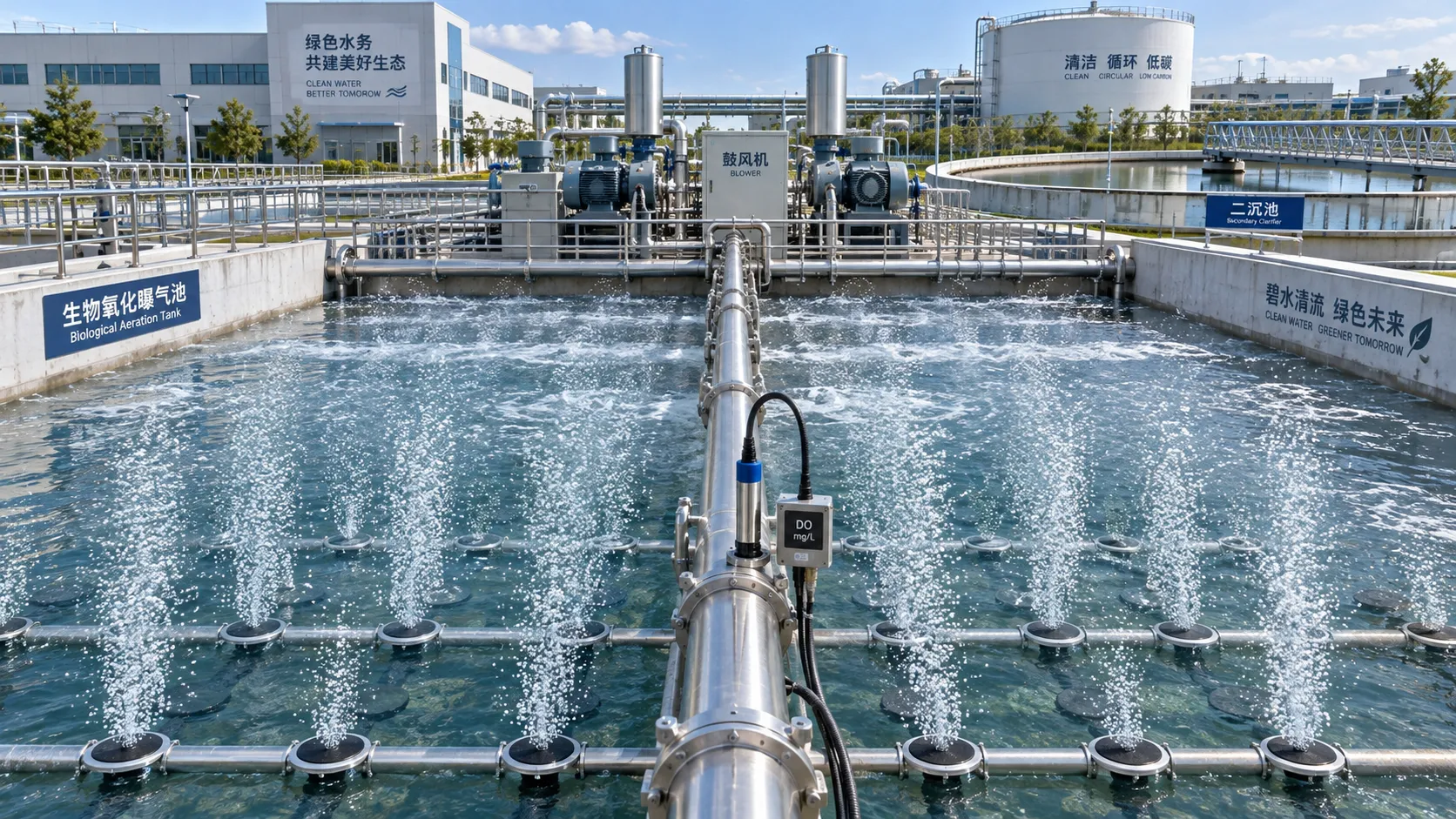
Biological Wastewater Oxidation Explained: Aeration Demand and Process Control
Biological wastewater oxidation explained: optimize aeration demand, DO control, nitrification, and sludge age for stable effluent quality and lower energy costs.
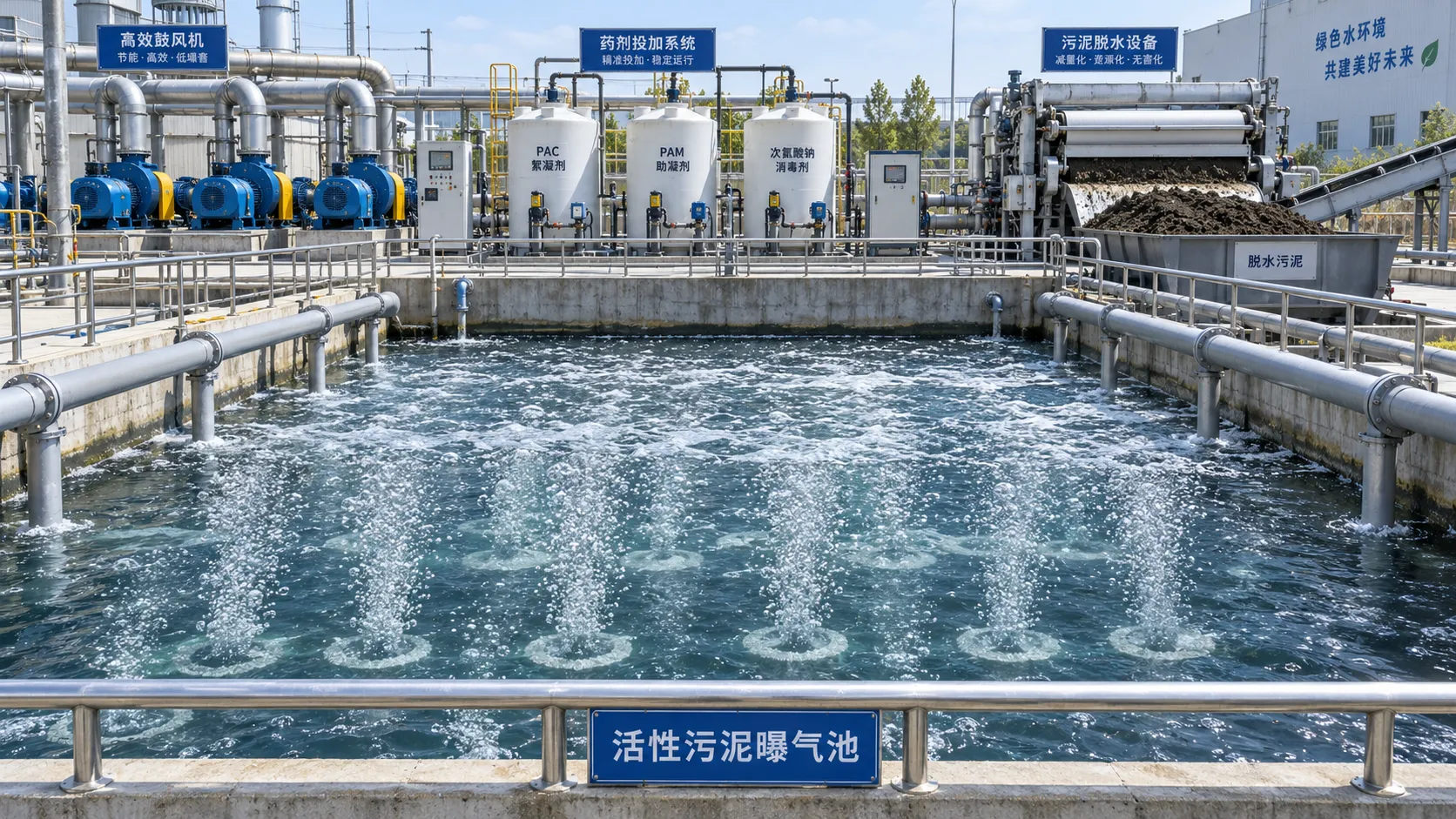
Activated Sludge Cost: Budgeting Energy, Chemicals, Sludge, and Labor
Activated sludge cost explained: compare energy, chemicals, sludge disposal, labor, and compliance risks to build a reliable lifecycle budget.
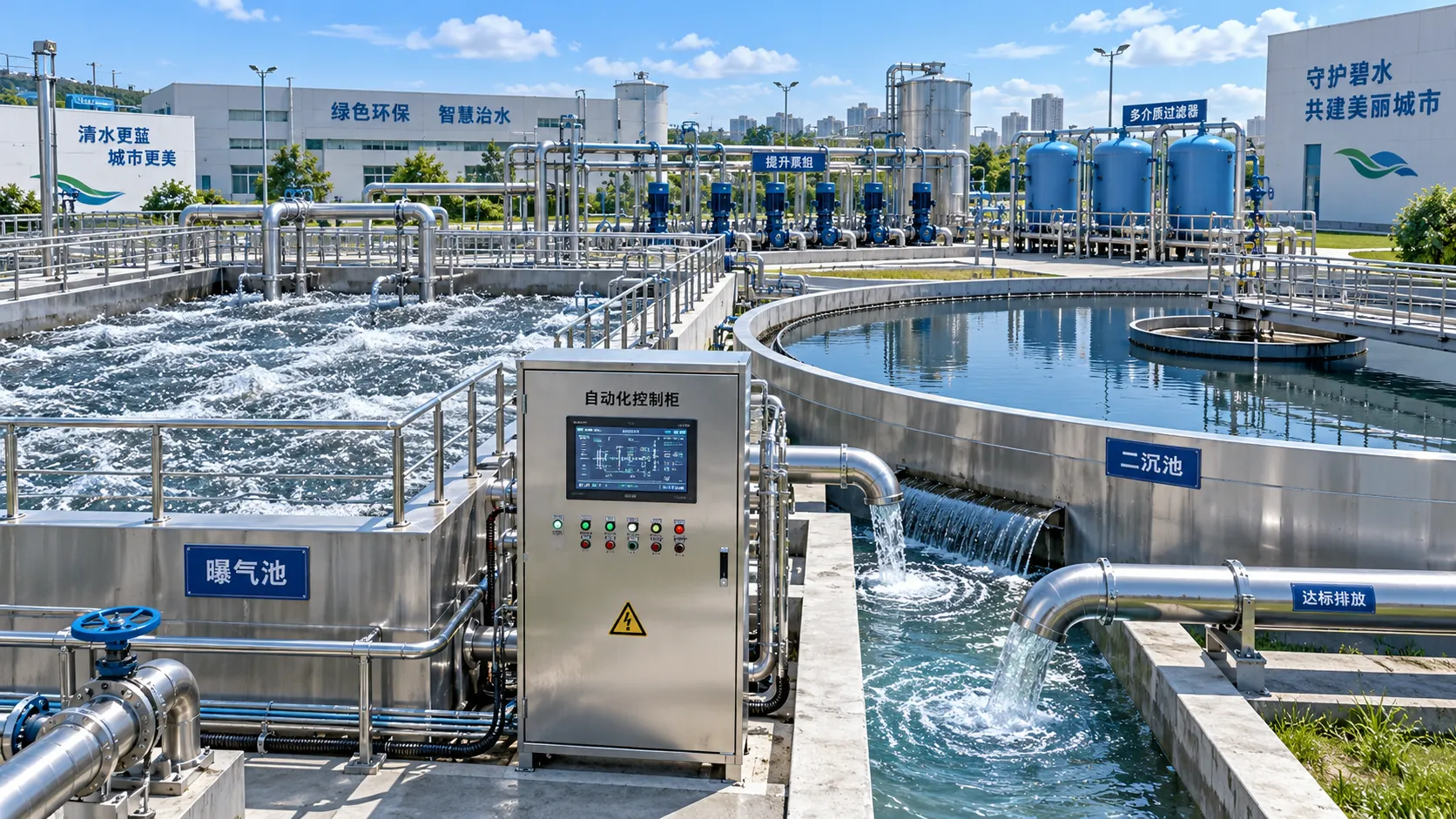
When Should Municipal Wastewater Plants Upgrade Treatment Capacity and Controls?
Municipal wastewater treatment upgrades: learn when capacity, controls, and resilient planning are needed to protect compliance and optimize plant performance.