
Industry News
Curation by industry experts
Hot Articles
Popular Tags
Urban Mining Equipment Suppliers: What to Check Beyond Recovery Rates
Choosing urban mining equipment suppliers based only on recovery rates can lead to expensive procurement errors. High headline recovery numbers do not guarantee stable throughput, compliant emissions, acceptable maintenance costs, or long-term return on investment.
For procurement teams comparing recycling and resource recovery systems, the better question is simple: can this supplier deliver consistent performance on your actual feedstock, under your regulatory conditions, with support that protects uptime and asset value?
This is where many buying decisions go wrong. A line that performs well in a controlled test may struggle with mixed municipal waste, variable e-scrap, contaminated plastics, or changing commodity prices once installed at scale.
When evaluating urban mining equipment suppliers, buyers should look beyond nominal recovery rates and verify sorting precision, feedstock flexibility, operating stability, emissions control, automation maturity, spare parts planning, and total lifecycle accountability.
For large capital projects, the winning supplier is rarely the one with the most aggressive brochure numbers. It is usually the one that can prove bankable performance, manageable risk, and reliable post-installation support.
Why recovery rate alone is a weak procurement metric
Recovery rate is important, but it is only one output indicator. It says little about how much labor is needed, how clean the recovered fraction is, how often the system stops, or how much residue still requires disposal.
In urban mining, value comes from more than volume. Buyers need to know whether recovered metals, plastics, glass, or mineral fractions meet downstream quality requirements and whether those outputs can be sold consistently at marketable grades.
A supplier may advertise high recovery under narrow feed conditions, yet performance can decline sharply when moisture rises, particle size changes, contaminants increase, or the inbound mix shifts across seasons and collection districts.
Procurement teams should therefore treat recovery rate as one line in a broader technical and commercial due diligence framework, not as the primary deciding factor for selecting urban mining equipment suppliers.
Can the equipment handle real-world feedstock variability?
This is often the first practical question that matters. Urban mining systems process materials that are inconsistent by nature, including mixed dry recyclables, construction waste, industrial residues, e-waste, batteries, and post-consumer scrap with unpredictable contamination.
Ask suppliers to define the exact design envelope of the system. What moisture range, bulk density, particle distribution, metal content, chlorine level, or organic contamination can the line tolerate without major throughput losses?
Buyers should request case data from plants handling feedstock similar to their own, not just generic reference sites. A plant processing clean commercial scrap is not a meaningful proxy for a facility treating highly variable municipal recovery streams.
It is also wise to ask how performance changes outside the ideal design point. The best urban mining equipment suppliers can explain derating logic, bypass strategies, preprocessing needs, and alarm thresholds before problems emerge in operation.
Feedstock adaptability matters because it directly affects uptime, product quality, labor intensity, and financial resilience. In volatile waste streams, flexibility is often worth more than a slightly higher claimed recovery rate under perfect conditions.
Sorting accuracy matters more than many buyers expect
In many urban mining applications, sorting accuracy has a greater impact on project economics than top-line recovery. A recovered fraction with excessive contamination can lose value quickly or become unsuitable for downstream refining and remanufacturing.
For AI sorting, optical systems, eddy current separators, sensor-based identification, and robotic picking lines, buyers should verify both positive and negative sorting performance. It is not enough to know what the machine captures.
You also need to know what it misses and what impurities remain. Purity, yield, and false-positive rates should all be reviewed together because improvements in one metric may come at the expense of another.
Ask for test protocols, material balance reports, and performance definitions. Suppliers should specify how they measure purity, what sampling frequency is used, and whether results come from pilot runs, factory acceptance tests, or long-term plant operation.
For procurement teams, this translates into a simple principle: saleable output quality is often more valuable than gross recovery quantity. A supplier that delivers cleaner fractions may generate stronger economics even with a slightly lower nominal recovery figure.
How stable is the equipment in continuous operation?
Procurement decisions should reflect not just performance at startup, but performance after months and years of operation. Stable throughput under continuous load is one of the strongest indicators of a supplier’s engineering maturity.
Ask for documented availability, mean time between failures, planned maintenance frequency, and historical causes of unplanned stoppages. These metrics reveal far more about plant reality than polished sales presentations.
Urban mining lines are especially sensitive to wear, wrapping, dust accumulation, corrosion, heat exposure, and impact loading. Equipment that looks efficient on paper may become maintenance-heavy under abrasive or heterogeneous feed conditions.
Buyers should review the wear life of screens, shredders, blades, bearings, belts, sensor housings, and refractory or thermal components where applicable. Consumables cost and replacement intervals can significantly affect operating expenditure.
Strong urban mining equipment suppliers will discuss maintenance access, modular replacement design, remote diagnostics, and operator training with transparency. If a supplier avoids hard uptime questions, that is usually a warning sign.
Emissions, safety, and compliance should be checked early
For procurement personnel, compliance risk can be as important as process performance. Resource recovery systems may involve dust, volatile organic compounds, noise, wastewater, fire hazards, thermal decomposition gases, or hazardous residue streams.
That means emissions control should not be treated as a secondary package decision. It should be integrated into supplier evaluation from the beginning, especially for shredding, pyrolysis, thermal treatment, battery processing, and e-waste recovery projects.
Ask what air pollution control systems are included, what stack performance is guaranteed, and how the supplier addresses dust explosion protection, odor management, leachate control, and worker exposure to heavy metals or toxic compounds.
Procurement teams should also verify whether the supplier’s design aligns with local permitting requirements, future tightening of environmental standards, and insurer expectations. A technically sound process can still become a commercial failure if compliance costs escalate after installation.
Reliable suppliers provide emissions data, safety documentation, hazard analysis, and references from jurisdictions with demanding environmental enforcement. This is particularly important when importing systems into markets with strict operating licenses.
Digital intelligence is now a procurement issue, not a bonus
Many buyers still treat automation and software as optional extras. In reality, digital capability increasingly determines how well an urban mining line can maintain quality, adapt to feed changes, and reduce unplanned maintenance.
Ask whether the system includes real-time material tracking, sensor diagnostics, remote troubleshooting, predictive maintenance logic, recipe management, and automated reporting for throughput, purity, downtime, and energy consumption.
For larger facilities, data architecture matters. Buyers should know whether control systems can integrate with plant SCADA, MES, ERP, laboratory data, and compliance reporting platforms without costly custom engineering later.
Good digital design also supports procurement goals after handover. It makes warranty disputes easier to resolve, helps benchmark supplier promises against actual performance, and reduces dependency on manual operator judgment.
Among leading urban mining equipment suppliers, digital maturity is becoming a differentiator because it improves transparency, responsiveness, and lifecycle optimization. For asset-heavy operations, this often translates directly into lower risk and faster decision-making.
Evaluate the supplier’s process accountability, not just machine supply
Some vendors mainly supply individual machines. Others take responsibility for line integration, process tuning, commissioning, and performance optimization. Procurement teams need to be clear about which type of supplier they are assessing.
In complex urban mining projects, interface risk is a major source of delay and underperformance. Conveying systems, shredding, sorting, thermal units, emissions control, utilities, and digital controls all need to work as one process, not as isolated packages.
Ask who owns the mass balance, who guarantees system performance, and who is responsible when throughput, purity, or environmental metrics are not achieved. Gaps in accountability can become very expensive after contract award.
The most dependable urban mining equipment suppliers usually provide a clear responsibility matrix covering engineering, civil interfaces, startup support, operator training, spare parts, and performance verification after commissioning.
For procurement, this matters because a lower equipment price can be misleading if process integration risk is pushed back onto the buyer or split among multiple subcontractors with limited coordination.
Spare parts, service response, and local support shape real asset value
After installation, service quality often determines whether the equipment remains profitable. Even strong technology can become a poor investment if spare parts are slow, field engineers are unavailable, or troubleshooting depends on overseas response times.
Buyers should assess the supplier’s regional service footprint, critical spare inventory strategy, training model, escalation process, and guaranteed response time. These operational details directly affect plant availability and revenue continuity.
It is also important to distinguish between generic mechanical parts and proprietary components. If key sensors, software modules, blades, or control boards can only be sourced from one manufacturer, supply chain exposure increases.
Ask suppliers for recommended spare parts packages for one, two, and five years. A serious supplier should be able to justify stocking logic based on wear patterns, lead times, and criticality to plant uptime.
For buyers comparing urban mining equipment suppliers, after-sales capability is not a support issue alone. It is a major commercial variable that should be included in total cost and risk evaluation.
Total cost of ownership is a better comparison tool than capex alone
Procurement teams often face pressure to compare bids mainly on capital price. But urban mining systems should be evaluated on total cost of ownership, including energy use, consumables, labor, maintenance, residue disposal, compliance, and downtime losses.
A cheaper line may consume more power, require more manual sorting, produce lower-quality outputs, or generate more reject material. These hidden costs can outweigh the original purchase saving within a short operating period.
Buyers should build a scenario-based model using realistic feed variability, local energy tariffs, labor assumptions, expected uptime, and commodity price ranges for recovered fractions. This provides a more defensible procurement basis.
When possible, ask suppliers to support the model with reference plant data rather than best-case projections. The goal is not to identify the cheapest bid, but the most resilient economic performer under real operating conditions.
This is especially relevant in circular economy projects, where profitability often depends on thin margins and volatile secondary material markets. Robust economics require more than optimistic brochure performance.
Questions procurement teams should ask before shortlisting suppliers
First, what performance has been achieved on feedstock materially similar to ours? Second, which metrics are guaranteed, and under what exact operating assumptions? Third, what happens contractually if those metrics are missed?
Fourth, what are the major wear parts, expected replacement cycles, and annual maintenance budget assumptions? Fifth, what emissions and safety controls are included in the base scope, and which are optional?
Sixth, how much operator skill is required for stable performance, and what training is included? Seventh, can the control platform integrate with our plant systems and reporting requirements?
Eighth, what local service capability exists, including parts stock and field engineering support? Ninth, what references can be provided from plants of comparable scale, complexity, and regulatory context?
Tenth, how does the supplier support future process adaptation if feedstock composition, regulations, or market requirements change? This final question often reveals whether the supplier is selling equipment or long-term capability.
What strong urban mining equipment suppliers usually have in common
The best suppliers are typically disciplined in data, realistic in claims, and transparent about limits. They do not rely only on peak recovery numbers to win projects because they understand that procurement success depends on plant-wide outcomes.
They can explain process trade-offs clearly, provide evidence from relevant installations, and translate technical performance into commercial consequences for the buyer. This makes internal procurement approval much easier.
They also tend to be stronger in commissioning, training, and lifecycle service. In practice, these capabilities often matter more than small differences in advertised process efficiency.
Most importantly, they understand that urban mining is a systems business. Recovery, purity, emissions, uptime, digital visibility, and downstream marketability are linked, and buyers need a partner that can manage those links competently.
Conclusion: buy for bankable performance, not just headline efficiency
If you are comparing urban mining equipment suppliers, recovery rate should remain on the checklist, but it should never dominate the decision on its own. Procurement value comes from reliable, compliant, adaptable, and serviceable performance over time.
The most effective buying approach is to verify feedstock fit, sorting accuracy, operating stability, emissions control, digital capability, support infrastructure, and total lifecycle economics before awarding the contract.
For procurement professionals, this creates a clearer basis for vendor comparison and reduces the risk of selecting equipment that looks impressive in a proposal but underperforms in the field.
In urban mining, the best supplier is not simply the one that recovers the most in theory. It is the one that can protect output quality, uptime, compliance, and long-term asset returns in real operating conditions.
Recommended News
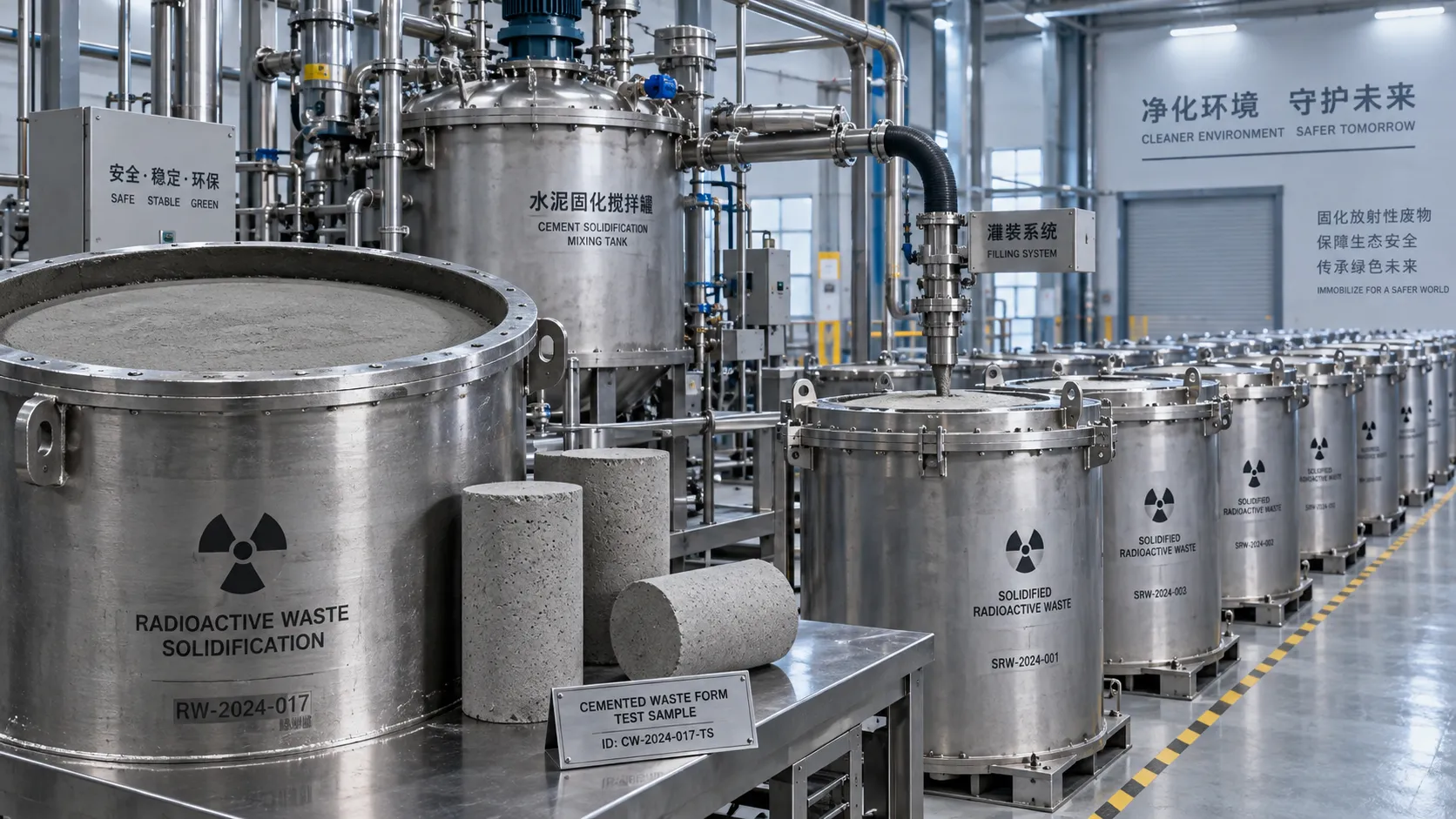
When is cementation suitable for nuclear decommissioning waste?
Explore nuclear waste treatment technology for decommissioning: learn when cementation fits, which risks to assess, and how disposal criteria guide an effective treatment choice.
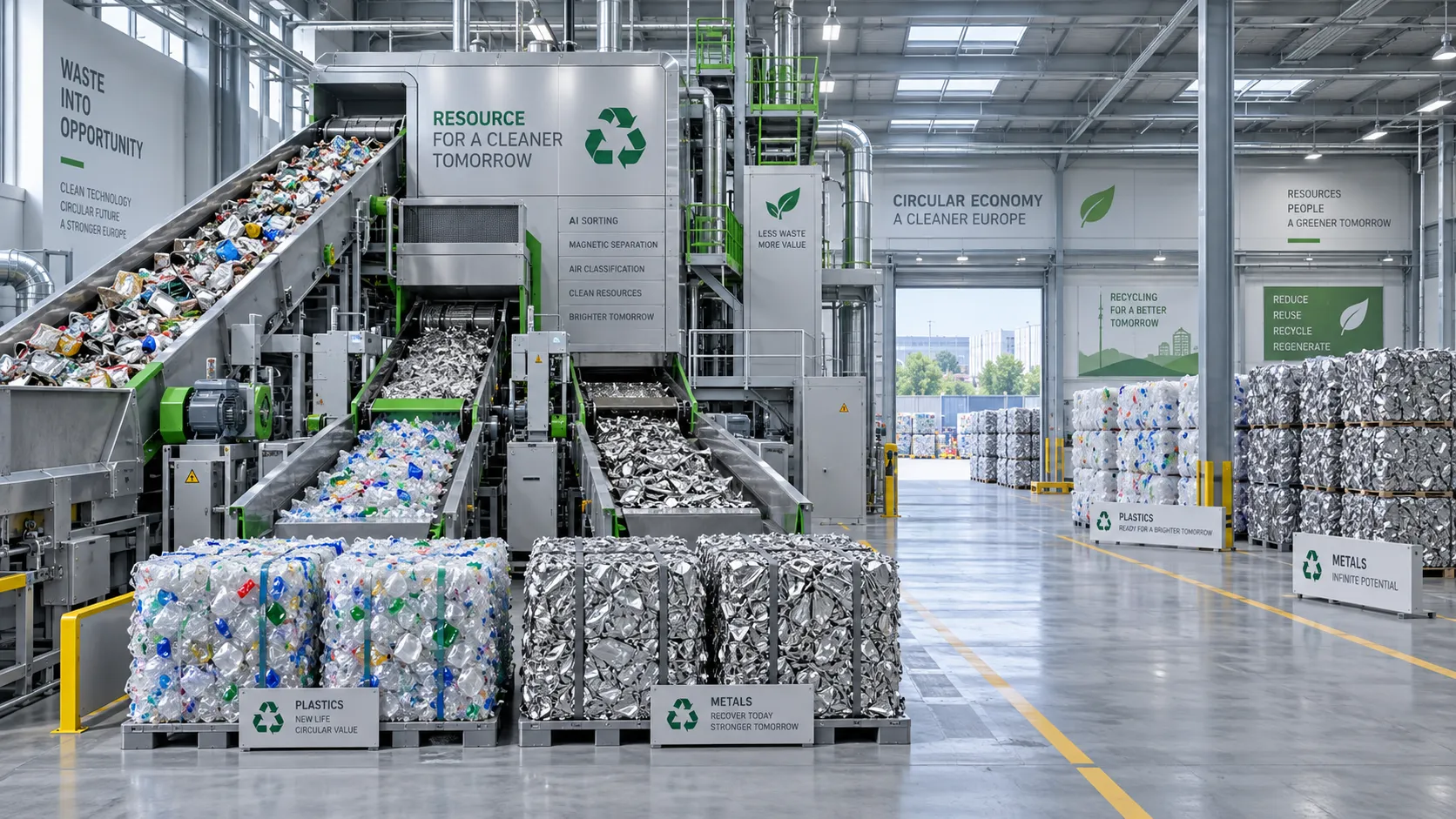
What determines payback for waste-to-resource systems in Europe?
Assess waste-to-resource systems Europe-wide: compare feedstock, recovery yields, costs and contracts to uncover payback drivers and make smarter investment decisions.
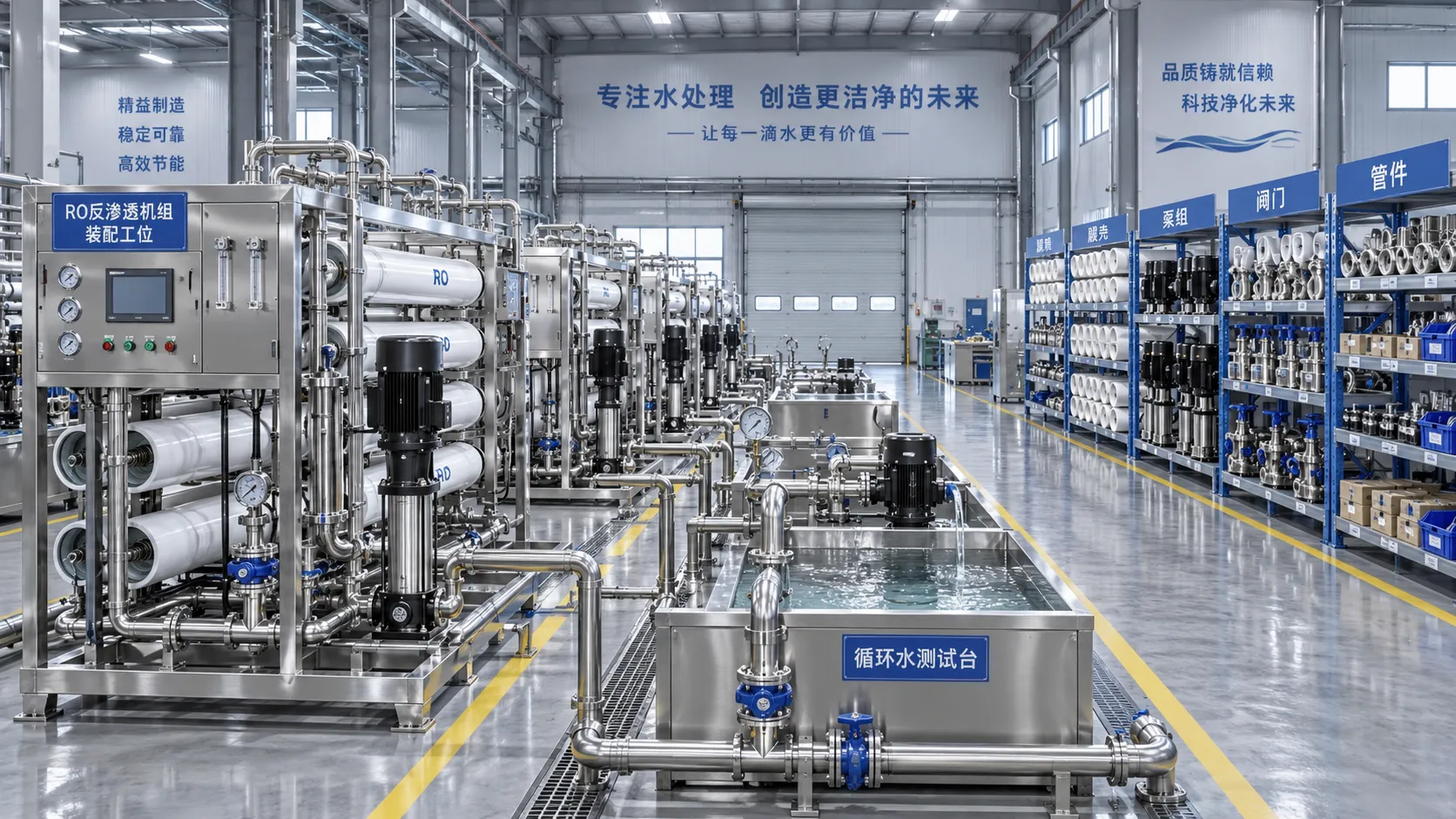
How to verify a water treatment system factory’s production capacity
Verify a water treatment systems factory’s production capacity through records, bottlenecks, component availability, and testing. Learn what to check before accepting a delivery promise.
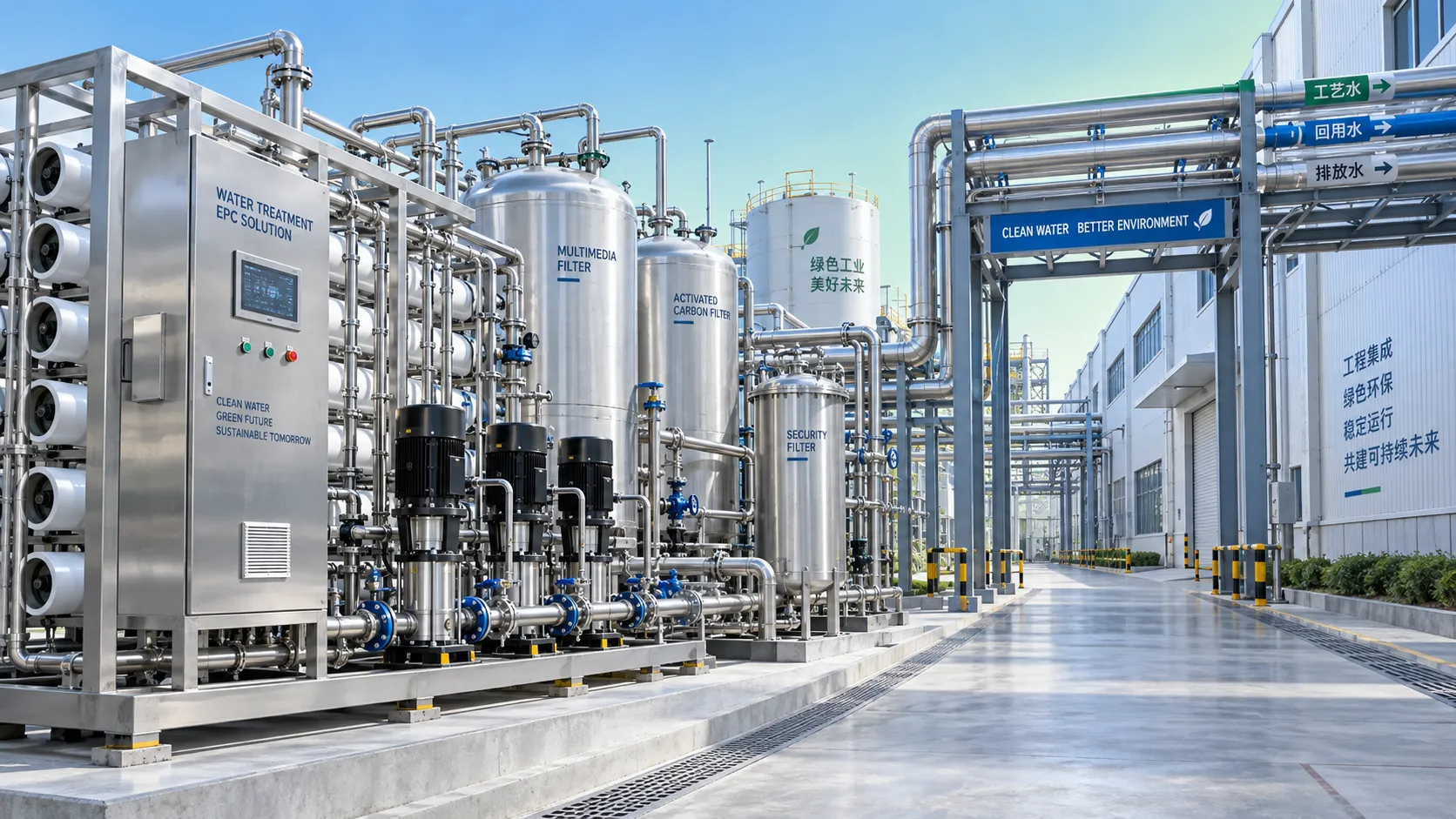
When does EPC environmental project support reduce delivery risk?
EPC environmental project support engineering reduces delivery risk by aligning design, procurement, compliance, construction, and commissioning decisions.

How nuclear plants select a radioactive waste solidification method
Radioactive waste management for nuclear plants: compare vitrification, cementation, polymers, and ceramics to select a compliant, durable solidification solution.
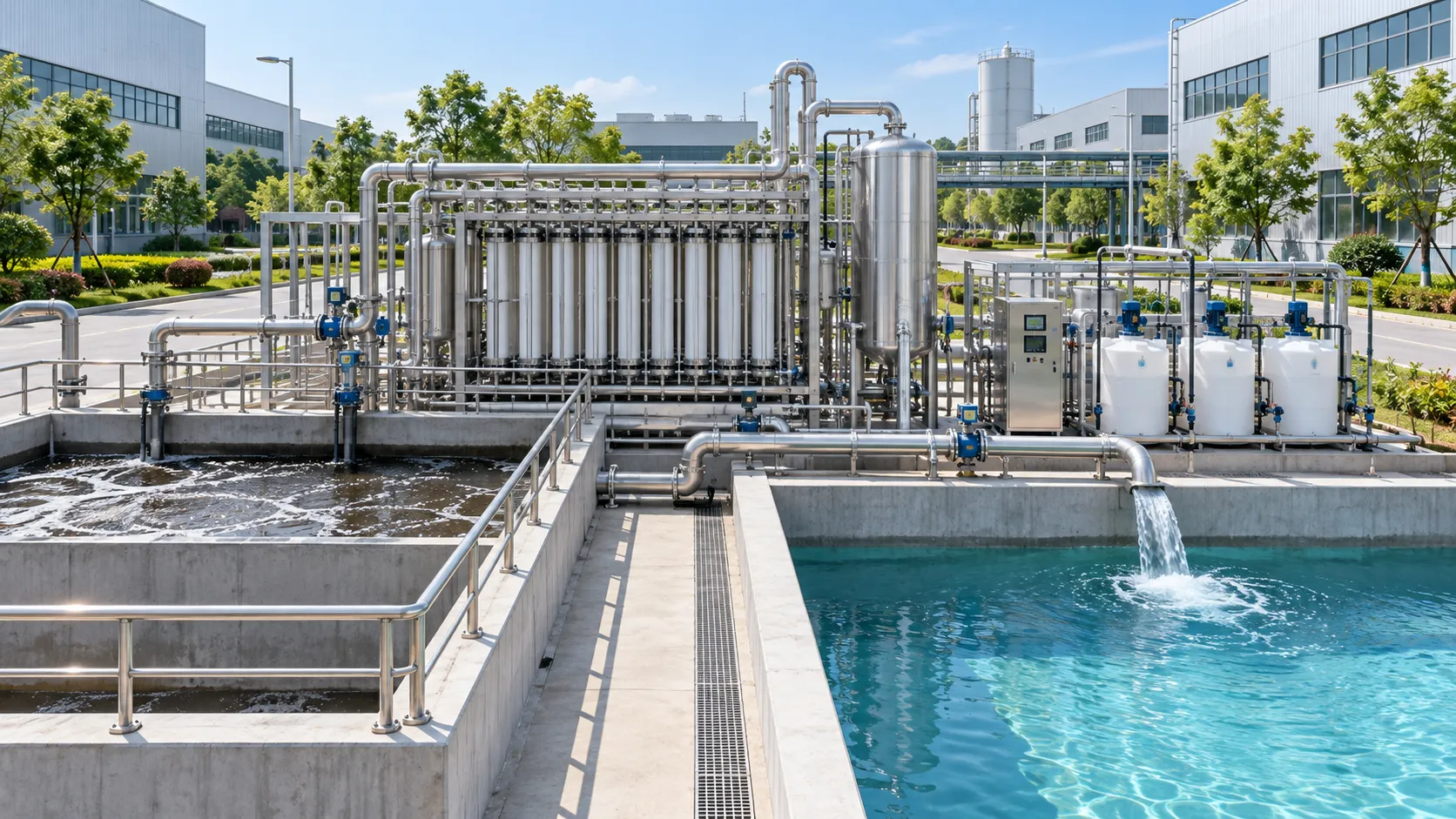
Comparing Upgrade Costs for Industrial Park Wastewater Treatment Systems
Compare costs for wastewater system upgrades in industrial parks with a lifecycle view of CAPEX, OPEX, compliance, resilience, and future expansion.
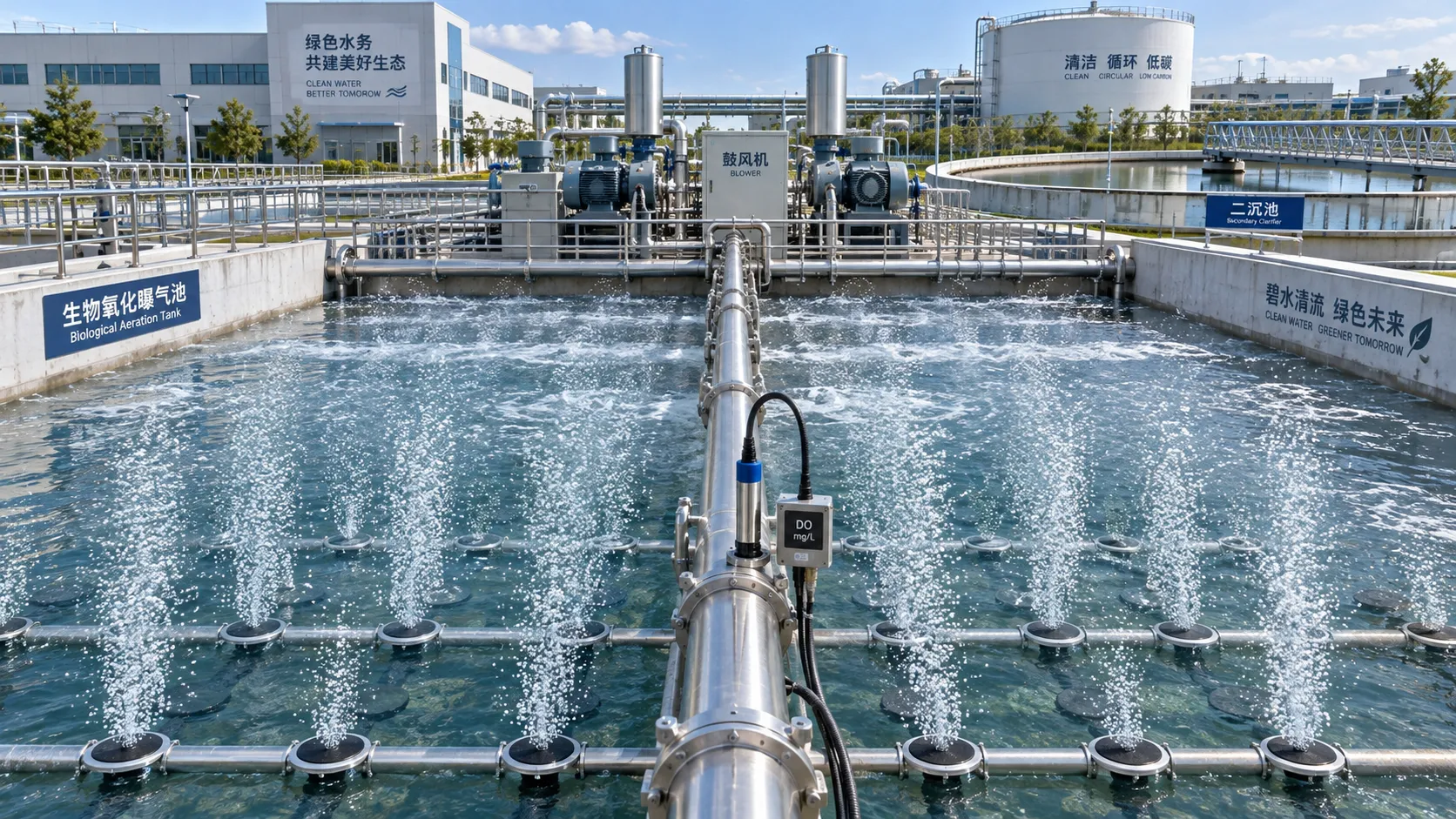
Biological Wastewater Oxidation Explained: Aeration Demand and Process Control
Biological wastewater oxidation explained: optimize aeration demand, DO control, nitrification, and sludge age for stable effluent quality and lower energy costs.
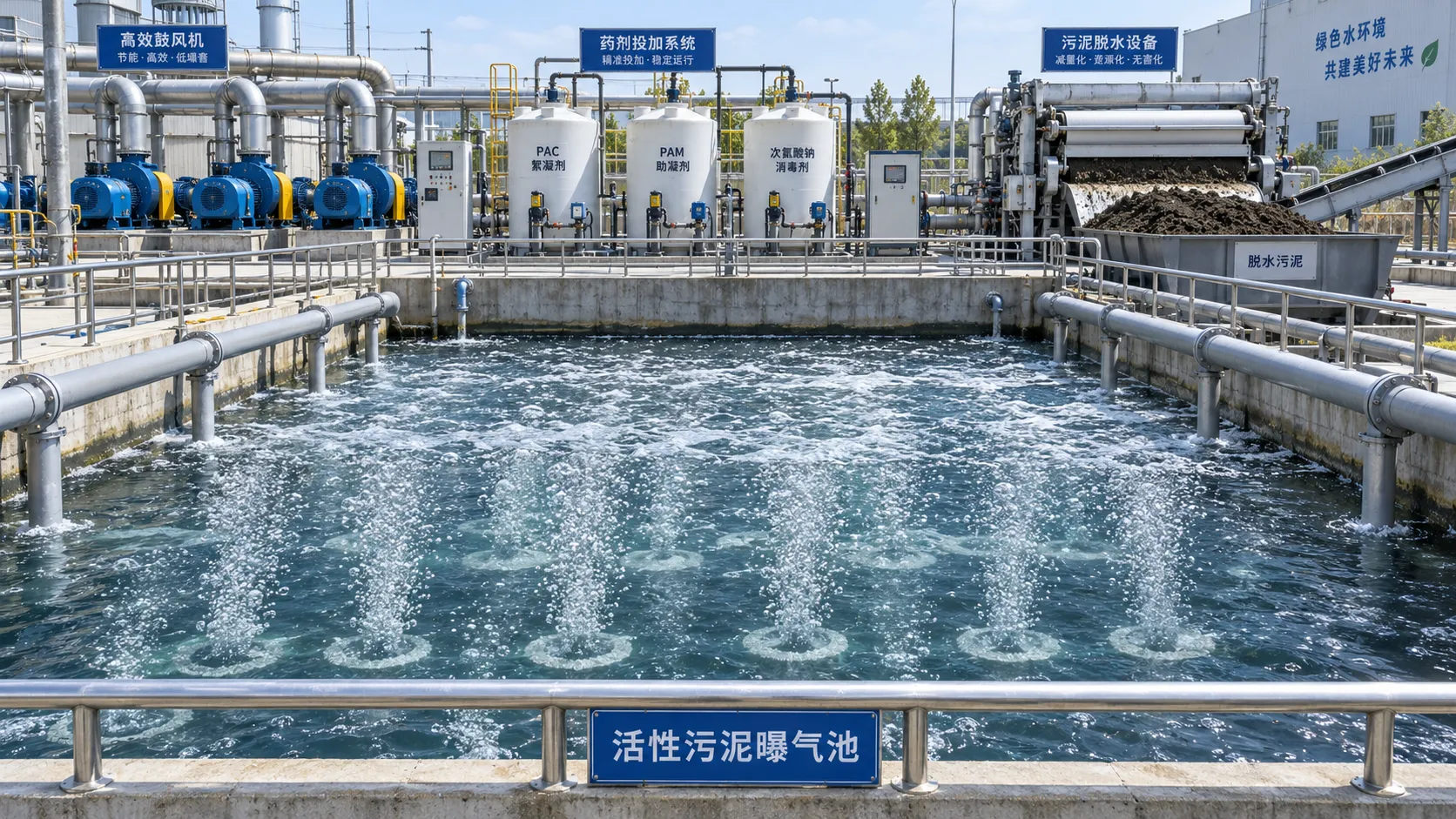
Activated Sludge Cost: Budgeting Energy, Chemicals, Sludge, and Labor
Activated sludge cost explained: compare energy, chemicals, sludge disposal, labor, and compliance risks to build a reliable lifecycle budget.
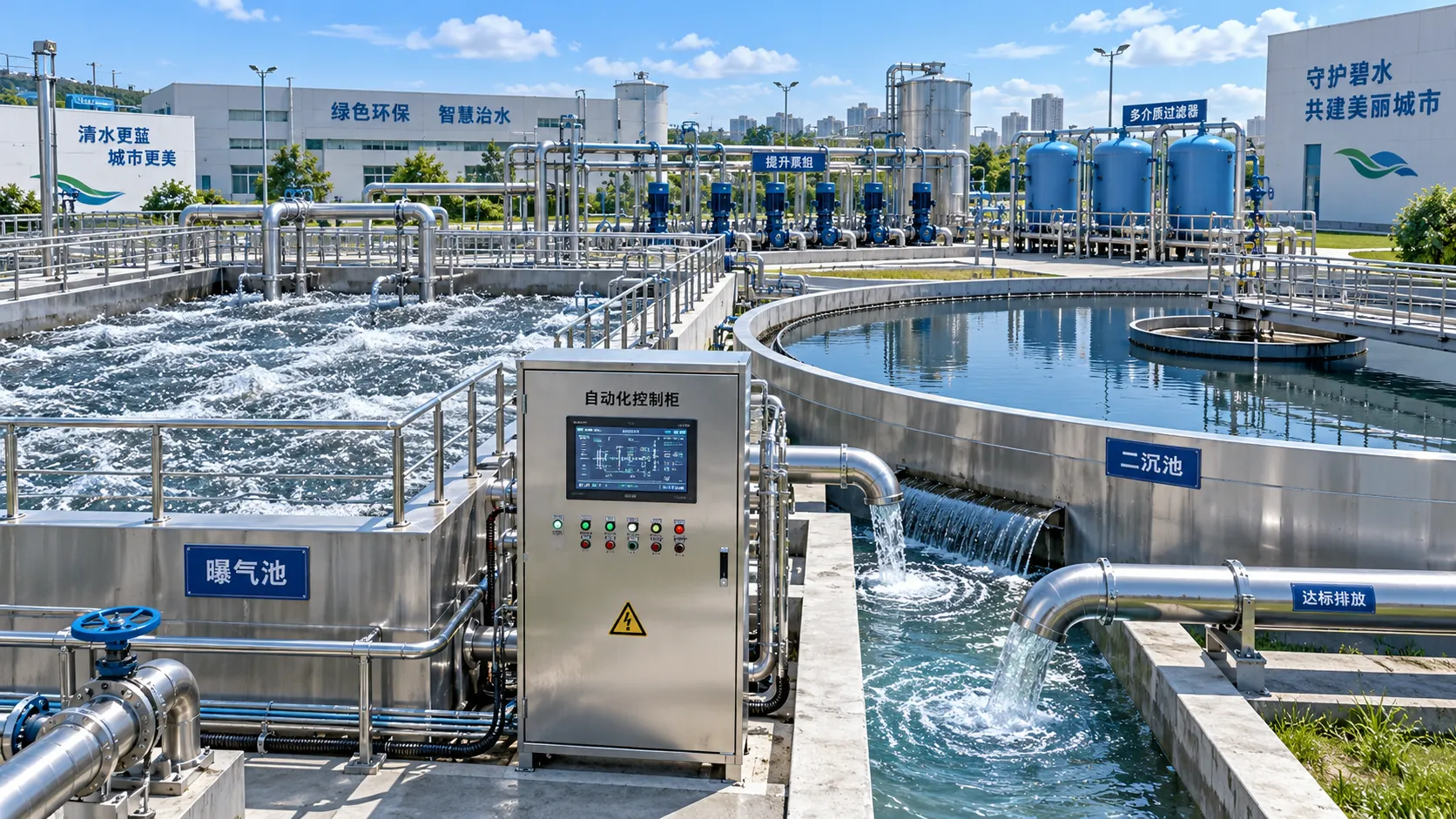
When Should Municipal Wastewater Plants Upgrade Treatment Capacity and Controls?
Municipal wastewater treatment upgrades: learn when capacity, controls, and resilient planning are needed to protect compliance and optimize plant performance.