
Industry News
Curation by industry experts
Hot Articles
Popular Tags
Environmental Regulations Compliance Guide for Industrial Water Systems
Why does an environmental regulations compliance guide matter for industrial water systems now?
Industrial water systems now sit under tighter scrutiny than many teams expected a few years ago.
Discharge permits are changing faster, sampling rules are becoming stricter, and audit trails are no longer a minor paperwork issue.
That is why a practical environmental regulations compliance guide is no longer just a legal reference.
It becomes an operating framework for wastewater treatment, reuse, sludge handling, chemical dosing, monitoring, and incident response.
In real facilities, compliance problems rarely begin with one dramatic failure.
More often, they begin with drifting pH, incomplete logs, delayed calibration, overloaded equalization tanks, or unreviewed contractor changes.
A strong environmental regulations compliance guide helps connect daily control decisions with broader environmental obligations.
This matters even more across sectors linked to large water treatment, desalination, resource recovery, flue gas treatment, and sensitive waste streams.
ESD tracks these links closely because regulatory pressure no longer stops at the outfall.
It now affects equipment selection, project bidding, carbon reporting, and international supply chain credibility.
What should be inside a workable compliance system, not just a binder on a shelf?
A useful environmental regulations compliance guide should translate law into routines people can actually follow.
The best systems are simple in structure, but detailed in execution.
They usually cover permit conditions, process limits, monitoring frequency, reporting deadlines, corrective actions, and change control.
They also define who reviews abnormal trends before they become violations.
One common mistake is treating compliance as separate from process reliability.
In practice, the two are tightly linked.
If membranes foul early, if biological loading becomes unstable, or if brine management is underdesigned, compliance risk rises quickly.
A practical system normally includes these elements:
- A current register of discharge limits, testing methods, and reporting obligations.
- Defined control points for flow, pH, COD, BOD, TSS, conductivity, metals, and temperature where relevant.
- Calibration, maintenance, and verification schedules for sensors, analyzers, and sampling devices.
- Escalation rules for near-miss events, bypasses, spills, and temporary operating changes.
- A document trail that matches what the plant actually does, not what old procedures once described.
Where ESD adds value is in linking these plant-level controls with bigger shifts.
Examples include ZLD economics, desalination concentrate management, recovery-loop traceability, and CBAM-related disclosure expectations.
Which warning signs usually show that compliance risk is already building?
Many sites do not fail because standards are impossible.
They fail because early warning signs are ignored or normalized.
If a result is still technically within limit, teams sometimes assume everything is fine.
That is often the wrong reading.
A good environmental regulations compliance guide should flag weak signals before a formal exceedance occurs.
These signs are especially important in high-load wastewater plants and advanced reuse systems.
They also matter where desalination brine, hazardous residues, or mixed industrial streams complicate normal sampling logic.
How do global rules, CBAM pressure, and cross-border expectations change the compliance picture?
Compliance is no longer only local.
Even when a facility follows domestic discharge permits, international customers or investors may ask for more evidence.
That evidence can include water intensity, traceable waste handling, energy use, and emissions tied to treatment systems.
This is where an environmental regulations compliance guide becomes strategic, not merely defensive.
CBAM is one example of wider pressure.
While it focuses on embedded carbon, it pushes companies to prove process discipline across environmental systems.
Weak water compliance often signals broader ESG control weakness.
In sectors with desalination, flue gas treatment, or resource recovery, this connection becomes more visible.
ESD’s Strategic Intelligence Center follows these interactions because technology choices now influence compliance positioning.
For example, SWRO membrane efficiency, scrubber chemistry, and waste vitrification stability all carry reporting and risk implications.
A better question is not only, “Are we permitted?”
It is also, “Can our data withstand external review across jurisdictions and supply chains?”
What usually causes audit trouble even when treatment equipment looks technically adequate?
Audits often expose management gaps rather than hardware gaps.
A plant can have strong treatment capacity and still perform poorly during inspection.
The problem is usually inconsistency between field reality, records, and declared procedures.
A dependable environmental regulations compliance guide should therefore cover behavior, not only equipment.
Common trouble spots include:
- Sampling points that do not match approved drawings or permit descriptions.
- Lab methods that changed without formal review.
- Corrective actions closed on paper, but not verified in operating data.
- Training records that miss temporary staff or specialist contractors.
- Wastewater incidents recorded internally, but not assessed against notification thresholds.
Needless complexity can make this worse.
Long procedures that nobody uses are weaker than short procedures tied to actual control points.
In practical terms, audit readiness depends on whether data, action, and accountability connect cleanly.
How should teams prioritize upgrades when budgets, time, and permit pressure collide?
Not every compliance gap requires a major capital project.
Some risks are best reduced through better monitoring, tighter procedures, or stronger change management.
Others do require equipment investment, especially where loading has outgrown original design assumptions.
A sensible environmental regulations compliance guide helps separate urgent fixes from strategic upgrades.
A useful prioritization method looks at four questions:
- Which gap could trigger a permit breach within weeks, not months?
- Which issue undermines the reliability of reported data?
- Which upgrade improves both compliance margin and operating stability?
- Which decision will still make sense if standards tighten again?
For some sites, that means improving equalization, online analyzers, and alarm logic first.
For others, it means evaluating ZLD pathways, advanced oxidation, membrane retrofits, or concentrate minimization.
ESD’s broader industry lens is useful here because compliance spending should not be judged in isolation.
It should be compared against water reuse value, waste recovery potential, energy tradeoffs, and future regulatory direction.
What is the smartest next step if a site wants a stronger compliance position?
Start with a reality check, not a presentation.
Map permits, operating data, incident records, lab methods, sludge routes, and contractor changes into one review path.
That quickly shows whether the environmental regulations compliance guide matches actual plant behavior.
Then identify where margin is thin.
Thin margin may appear in discharge quality, documentation integrity, spare capacity, or cross-border reporting confidence.
From there, build a short action list with owners, deadlines, and verification criteria.
The most durable compliance systems are not the most complicated ones.
They are the ones that link process control, evidence quality, and regulatory foresight.
That is also why ESD’s intelligence approach matters.
When water treatment, resource recovery, desalination, air pollution control, and high-risk waste systems are viewed together, compliance decisions become clearer.
A stronger next move is to review current obligations, compare them with real operating limits, and watch the regulatory signals that could reshape tomorrow’s standards.
Recommended News
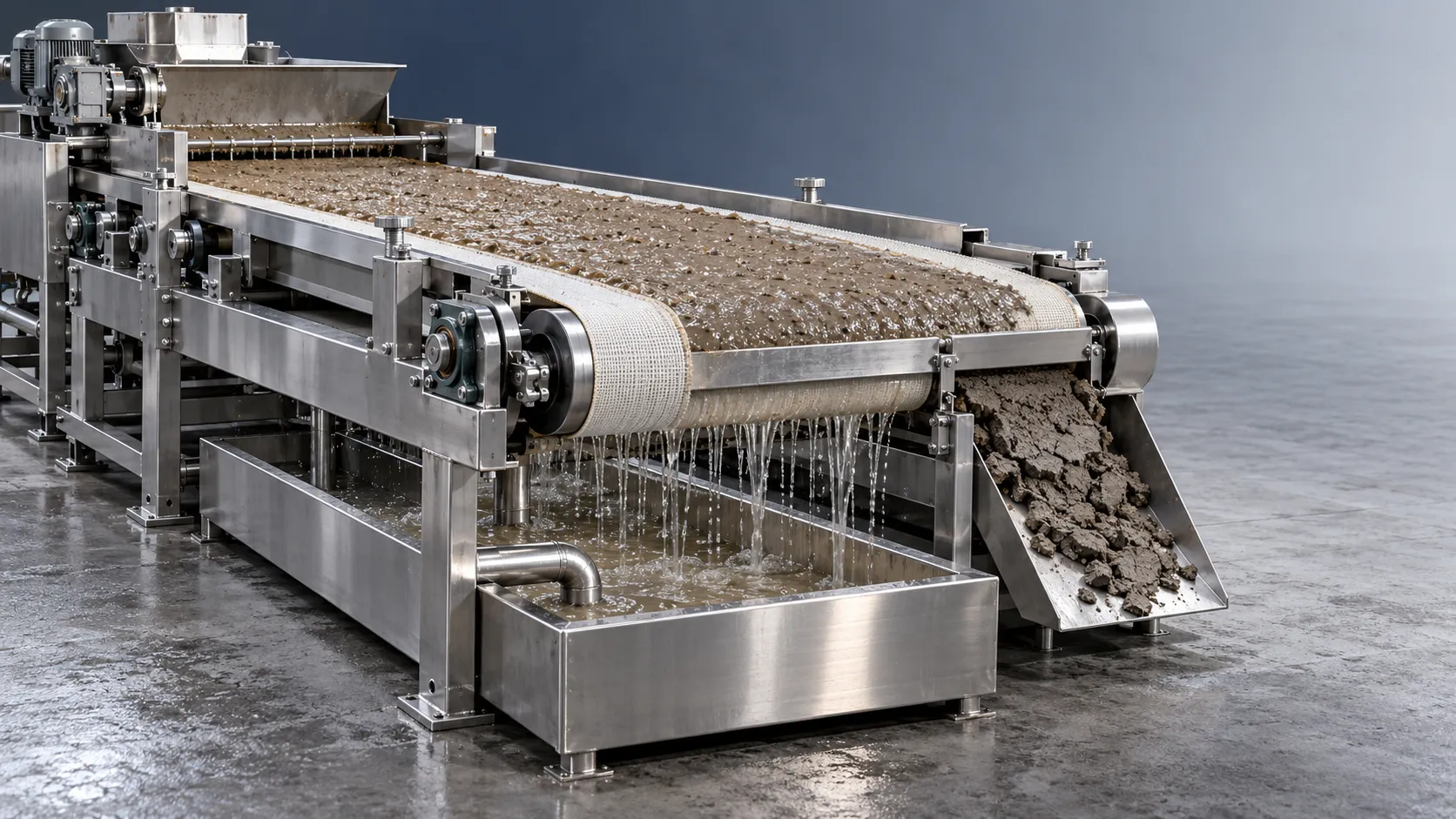
How solids concentration affects dewatering in waste recovery systems
Optimize waste recovery systems dewatering with insights on solids concentration. Learn to balance throughput, cake dryness, and solids capture while avoiding costly equipment overloads.
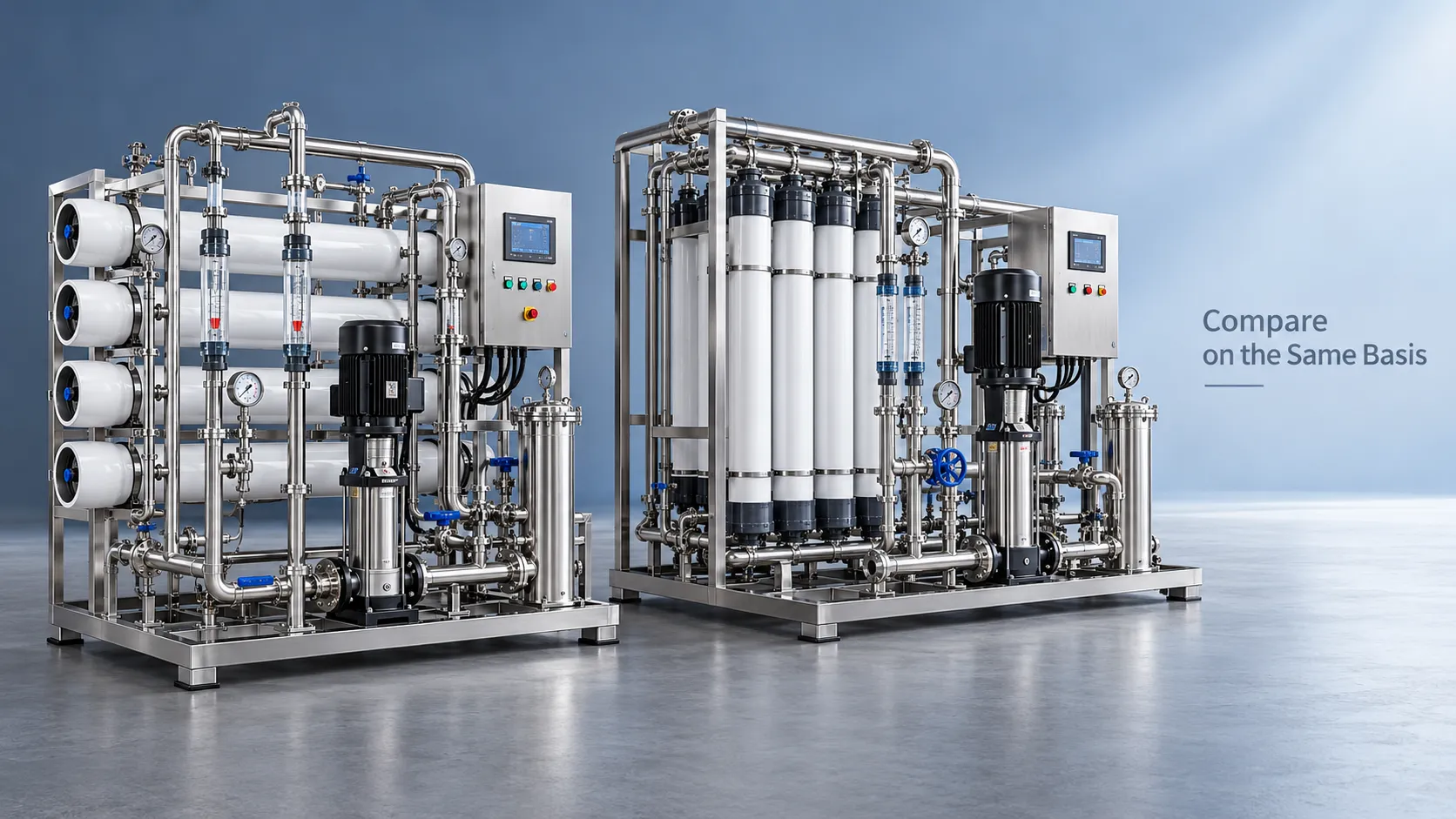
How to compare technical specs in an environmental equipment directory
Use this environmental equipment directory technical guide to compare capacity, energy use, compliance, and supplier evidence. Build a defensible shortlist and choose with confidence.
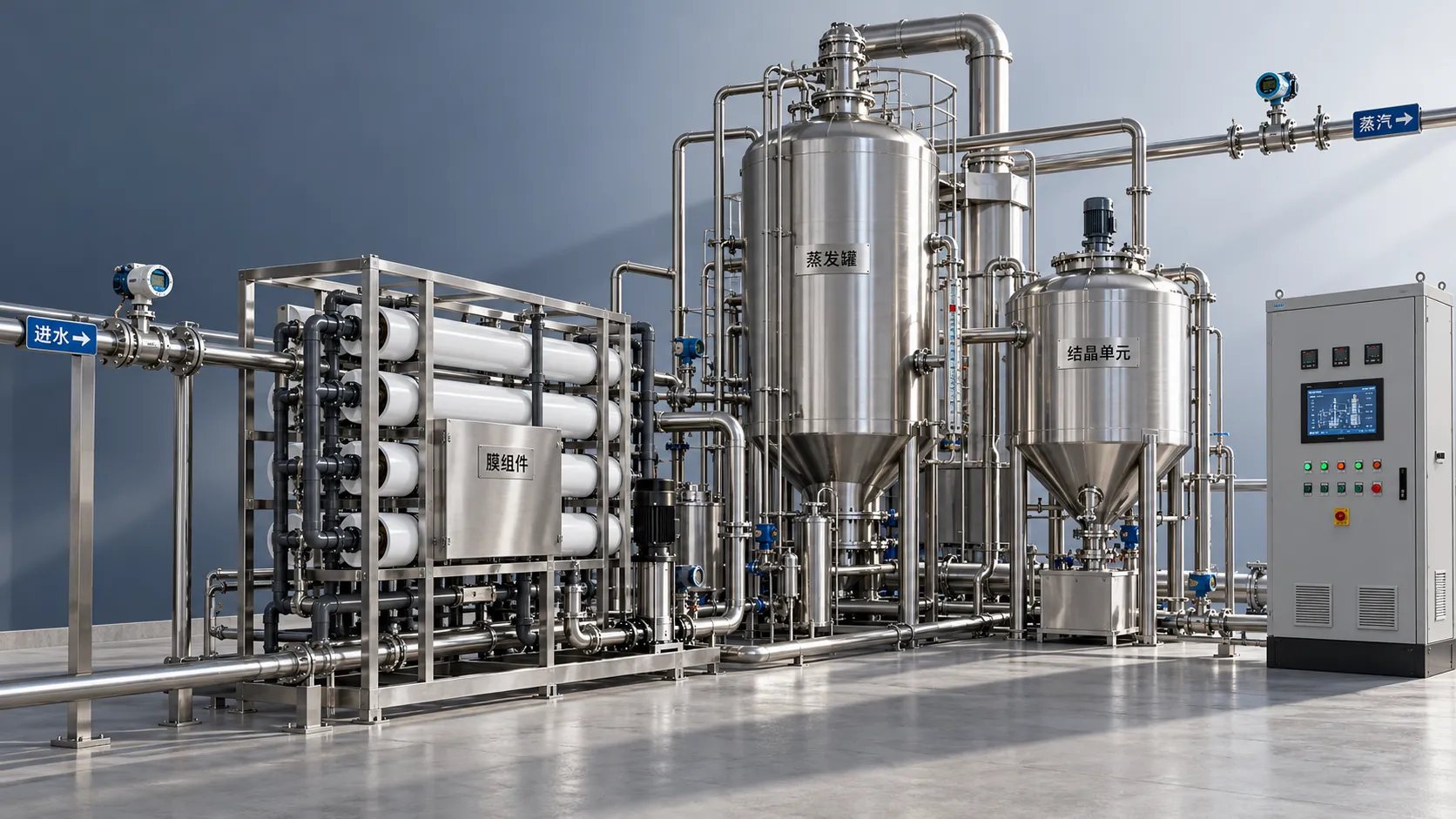
How to assess a zero liquid discharge equipment supplier’s energy claims
Assess a zero liquid discharge equipment supplier’s energy claims. Learn how to verify system boundaries, compare real costs, and demand testable guarantees before you buy.
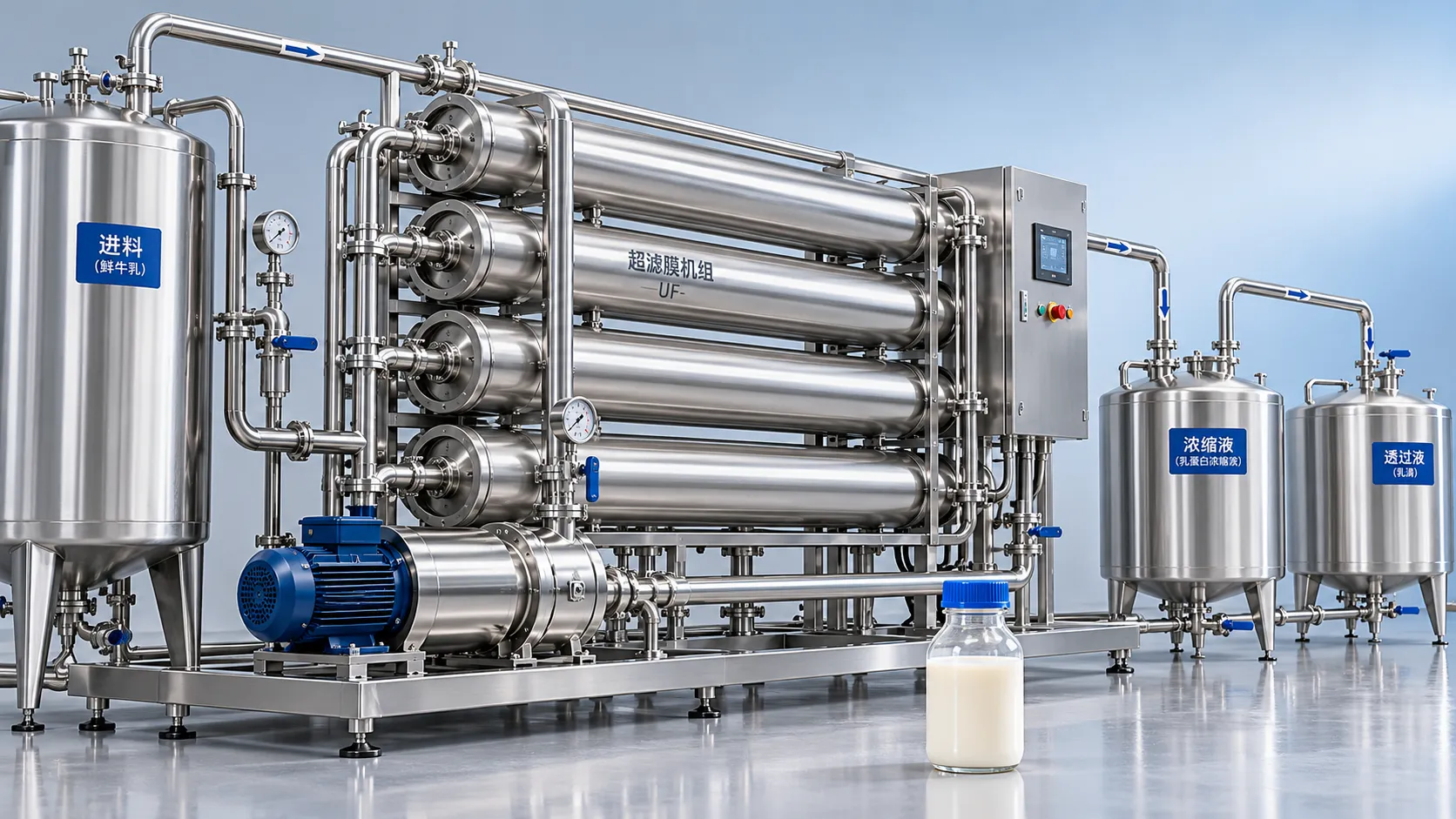
Which membrane filtration process suits dairy protein concentration?
Explore membrane filtration for dairy: compare UF, MF, and RO to select the right process for protein concentration, lactose reduction, and better recovery. Find your best fit.
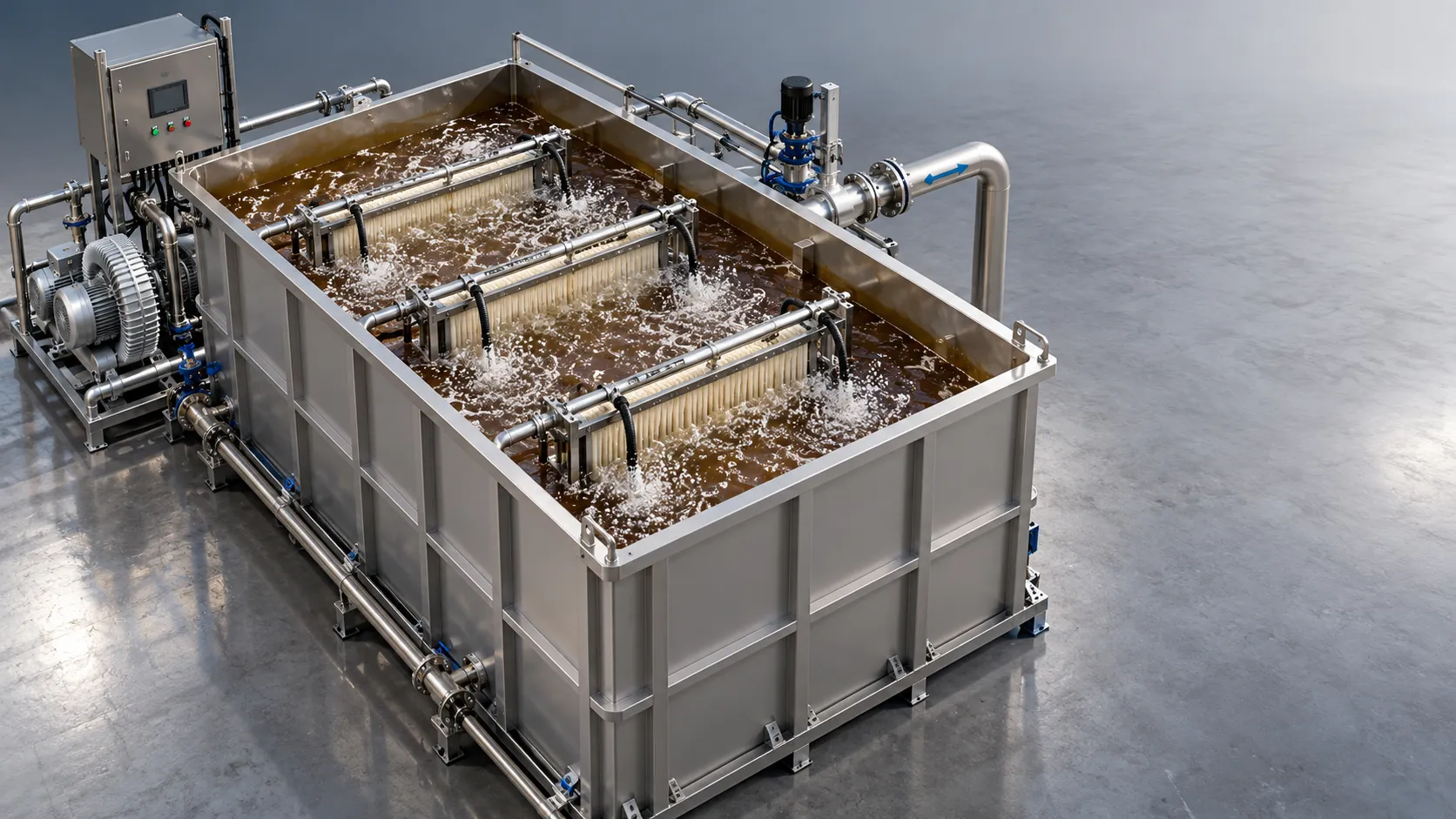
When is an MBR suitable for wastewater purification for bioprocessing?
For wastewater purification for bioprocessing, discover when an MBR fits your needs. Compare water quality, fouling risks, and lifecycle costs before investing.
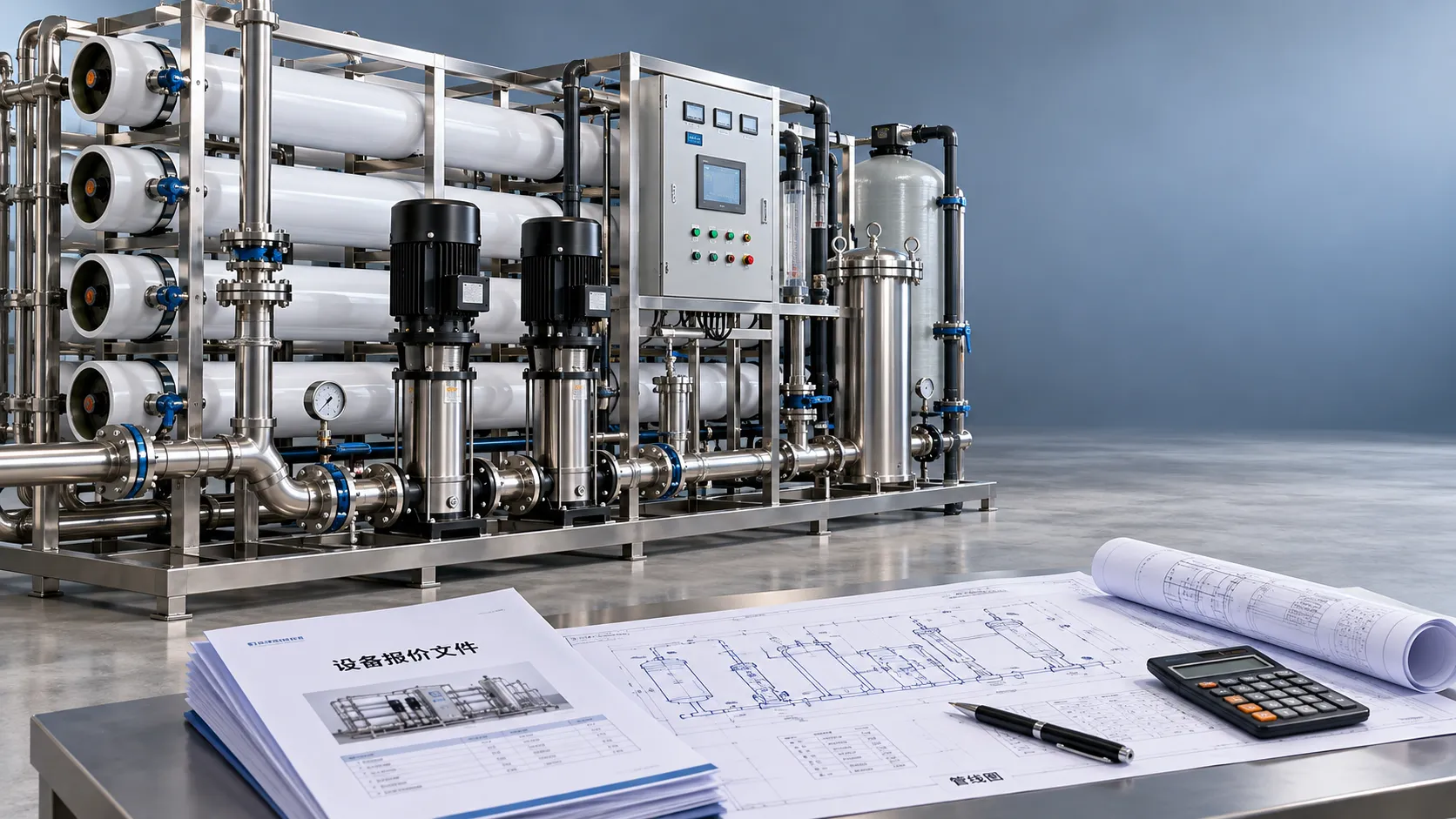
How to check a water treatment quotation for hidden project costs
Review your water treatment quotation for hidden costs, scope gaps, and operating expenses. Learn what to check before signing to protect your budget and avoid costly surprises.
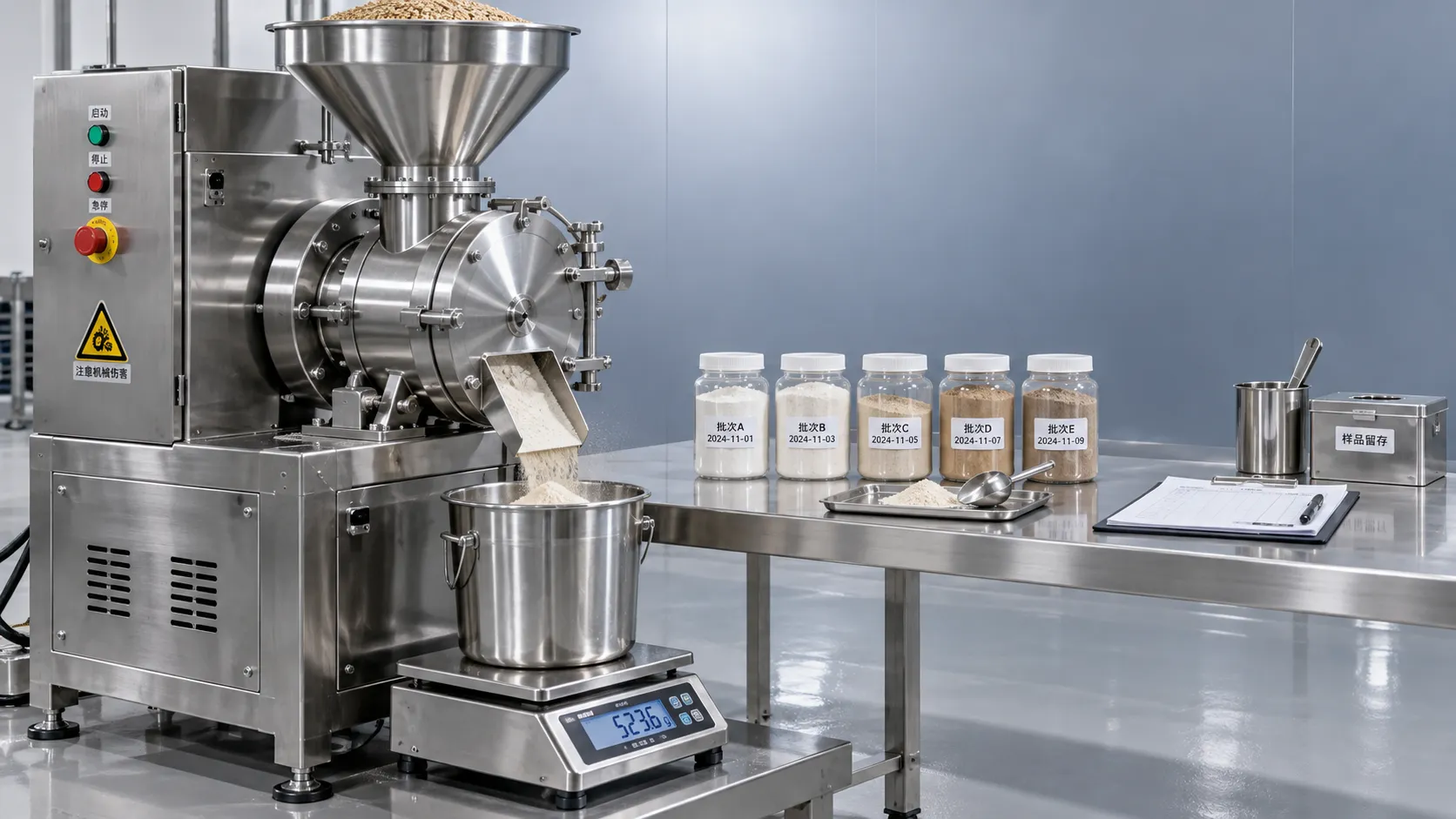
How to vet ingredient processing equipment manufacturers using trials
Vet ingredient processing equipment manufacturers with real-world trials. Learn how to verify yield, cleaning, energy use, and scale-up before you invest.
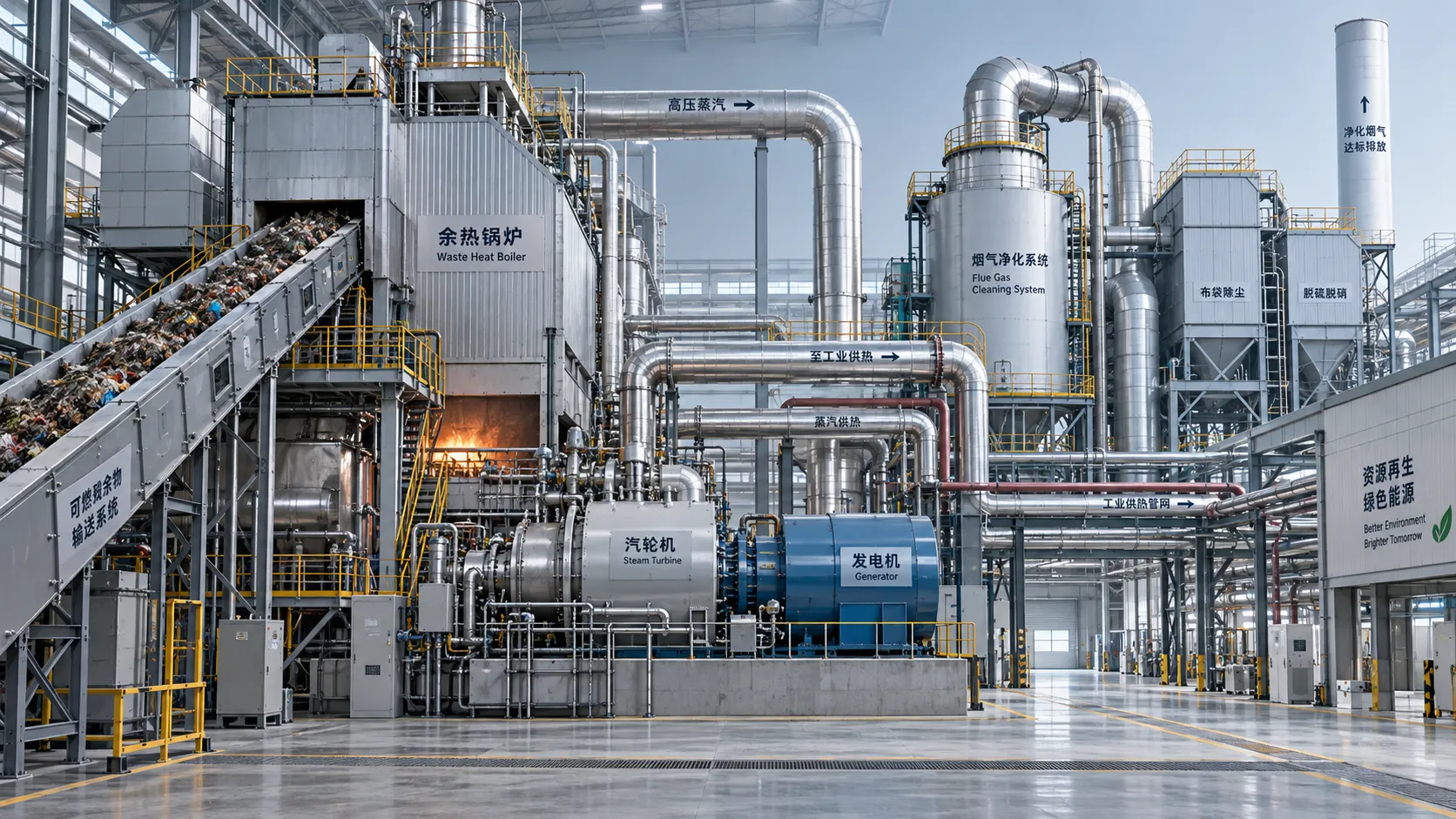
When is energy recovery viable in the solid waste recovery process?
When is energy recovery viable in the solid waste recovery process? Explore feedstock quality, net energy, emissions, and costs to assess feasibility and make smarter investment decisions.
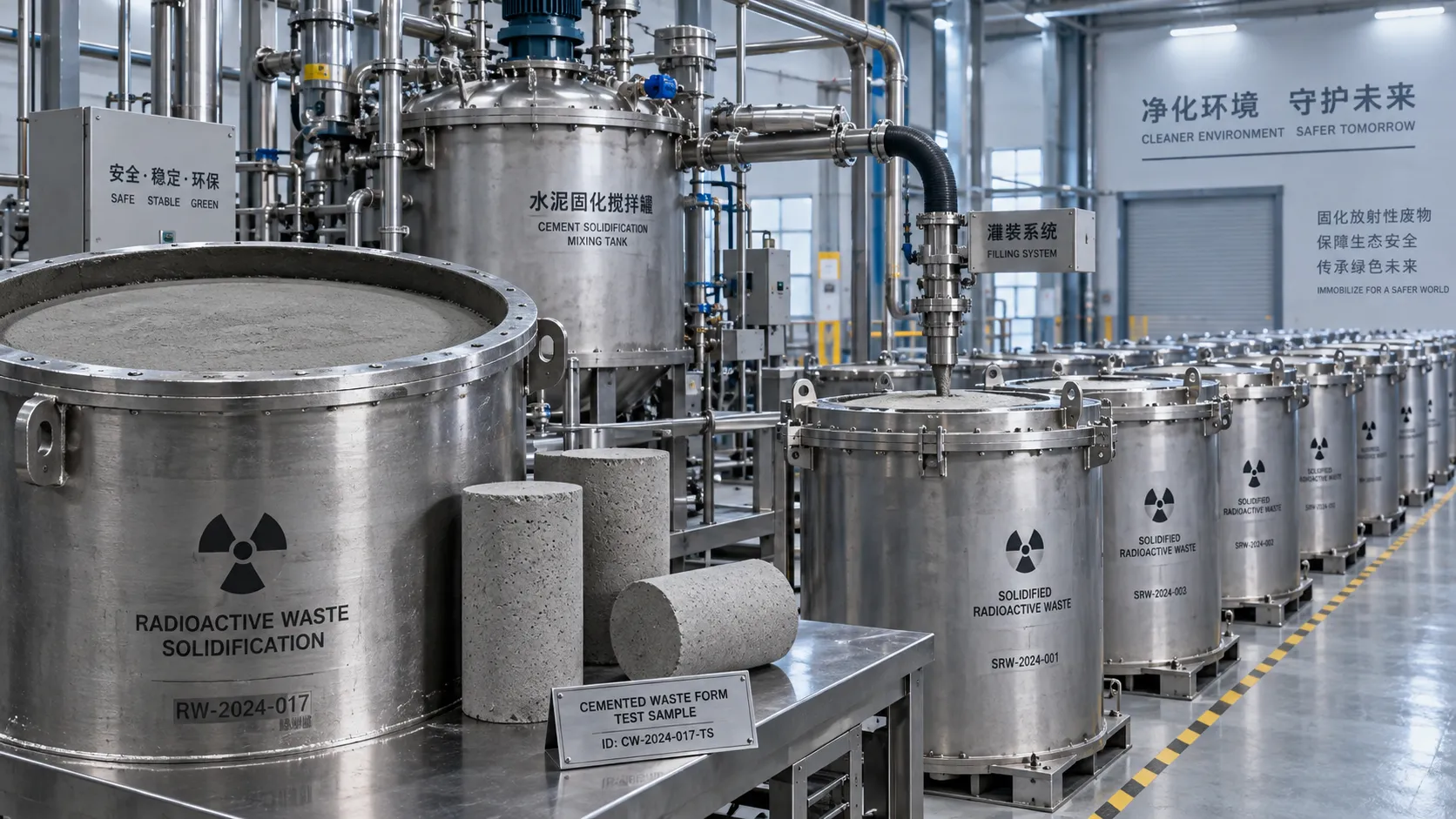
When is cementation suitable for nuclear decommissioning waste?
Explore nuclear waste treatment technology for decommissioning: learn when cementation fits, which risks to assess, and how disposal criteria guide an effective treatment choice.