
Industry News
Curation by industry experts
Hot Articles
Popular Tags
Green Tech Investment Opportunities in Water Treatment for 2026
Green Tech Investment Opportunities in Water Treatment Are Entering a More Selective Phase
Water treatment is no longer viewed as a defensive utility asset alone.
By 2026, it is becoming a strategic infrastructure category shaped by water scarcity, industrial compliance, and carbon discipline.
That shift is changing how green tech investment opportunities are evaluated across the broader environmental market.
Capital is moving away from generic equipment stories.
It is moving toward technologies that can prove resilience, measurable recovery value, and compliance durability under tighter rules.
This is especially visible in water treatment, where membrane performance, discharge limits, digital control, and resource reuse now intersect.
From the perspective of ESD’s ecological engineering intelligence, the strongest signal is not simple market expansion.
It is the integration of purification science, circular economy logic, and global environmental compliance into one investment framework.
That makes green tech investment opportunities in water treatment more attractive, but also less forgiving of weak assumptions.
Why the market signal looks stronger than it did a year ago
Several changes are now reinforcing each other.
Industrial plants are facing tougher effluent standards while municipalities are under pressure to modernize aging networks.
At the same time, desalination demand is expanding in water-stressed regions, even as energy intensity remains under scrutiny.
More importantly, compliance has become a board-level issue.
Carbon accounting, CBAM-related trade exposure, and water risk disclosure are pushing environmental infrastructure into financial conversations.
That is why green tech investment opportunities are increasingly tied to assets that reduce both regulatory uncertainty and operating volatility.
In practical terms, buyers and investors are asking harder questions.
Can a system maintain flux under difficult feedwater conditions?
Can ZLD economics survive energy price swings?
Can digital monitoring reduce downtime rather than simply create dashboards?
That shift favors companies with engineering depth instead of broad sustainability messaging.
The drivers behind this momentum
The most credible green tech investment opportunities are now clustered around performance bottlenecks
The next wave of value is not evenly spread across the sector.
It is concentrating where treatment systems face the greatest technical and regulatory friction.
That makes 2026 a year of selective positioning rather than broad enthusiasm.
Advanced membranes are moving from component choice to strategic differentiator
Membranes remain central to many green tech investment opportunities in water treatment.
The reason is no longer basic filtration demand.
It is the need for higher selectivity, lower fouling risk, and better lifecycle economics under complex feed conditions.
SWRO, industrial RO, nanofiltration, and hybrid membrane trains are all benefiting from this shift.
As ESD’s intelligence lens suggests, micro-scale materials performance now has macro-scale commercial consequences.
ZLD is gaining ground where discharge risk outweighs energy penalties
Zero Liquid Discharge used to be treated as a niche compliance solution.
That is changing in high-salinity industry clusters and water-stressed manufacturing corridors.
The investment case improves when fines, water insecurity, and site expansion limits are considered together.
The more bankable projects combine thermal concentration, membrane pre-treatment, and recovery pathways for valuable byproducts.
Digital layers are becoming operational tools, not presentation tools
Intelligent monitoring is another area where green tech investment opportunities are maturing quickly.
The strongest platforms do not stop at visualization.
They connect sensor data, predictive maintenance, chemical dosing control, and energy optimization into daily plant decisions.
That matters because reliability is now valued as highly as nominal treatment capacity.
Impact is spreading well beyond standalone water assets
One reason this market deserves attention is its cross-sector reach.
Water treatment now affects industrial competitiveness, urban resilience, and trade compliance at the same time.
That widens the field for green tech investment opportunities far beyond traditional utility projects.
- Heavy industry needs advanced treatment to protect production continuity and emissions-linked market access.
- Municipal systems need retrofit-friendly technologies that improve compliance without rebuilding entire networks.
- Coastal regions need desalination systems with better energy efficiency and stronger brine management logic.
- Resource recovery projects need water lines that connect with solids, heat, and chemical reuse strategies.
This wider impact also explains why adjacent sectors matter.
Solid waste recovery, flue gas treatment, and even nuclear waste management increasingly share the same investment language.
That language is built around closed-loop performance, risk containment, and extreme reliability.
ESD’s broader eco-shield perspective is useful here because it frames water treatment as part of an integrated environmental control architecture.
Where caution is still necessary in 2026
Not every promising segment will convert into durable returns.
A recurring mistake is to underestimate process complexity while overestimating policy speed.
Some technologies perform well in pilot conditions but struggle with variable industrial loads, maintenance quality, or energy pricing shocks.
Another risk is assuming that all regulation-driven demand is immediate.
In reality, projects often depend on permitting cycles, public finance timing, and EPC execution strength.
That is why the best green tech investment opportunities are usually attached to clear deployment pathways.
Look for technology positions that align with measurable compliance thresholds, service ecosystems, and replacement cycles.
That is generally more reliable than chasing broad sustainability narratives.
Questions worth asking before capital is committed
- Does the technology solve a real bottleneck in discharge, reuse, salinity, or energy intensity?
- Can performance be maintained under unstable influent quality or seasonal operating stress?
- Is value created through lower lifecycle cost, higher recovery yield, or reduced compliance exposure?
- Does the provider fit within larger EPC, retrofit, or public infrastructure delivery chains?
The smarter move is to track convergence, not isolated technologies
A useful way to read 2026 is through convergence.
Membranes are converging with analytics.
Water reuse is converging with resource recovery.
Compliance is converging with carbon and trade strategy.
This means green tech investment opportunities should be screened through a systems lens.
Projects that only improve one metric in isolation may lose priority.
Projects that improve water security, resource efficiency, and auditability together are more likely to hold value.
For that reason, ongoing market observation matters as much as technology selection.
Track membrane material advances, ZLD cost curves, desalination energy benchmarks, and regulation updates in parallel.
A narrow reading of the sector will miss where the strongest green tech investment opportunities are actually forming.
The next step is practical.
Map current exposure to water risk, compare technology pathways by operating context, and build a staged watchlist around scalable environmental infrastructure themes.
In 2026, the advantage is likely to belong to those who treat water treatment not as an isolated cost center, but as a high-resolution indicator of industrial transition.
Recommended News
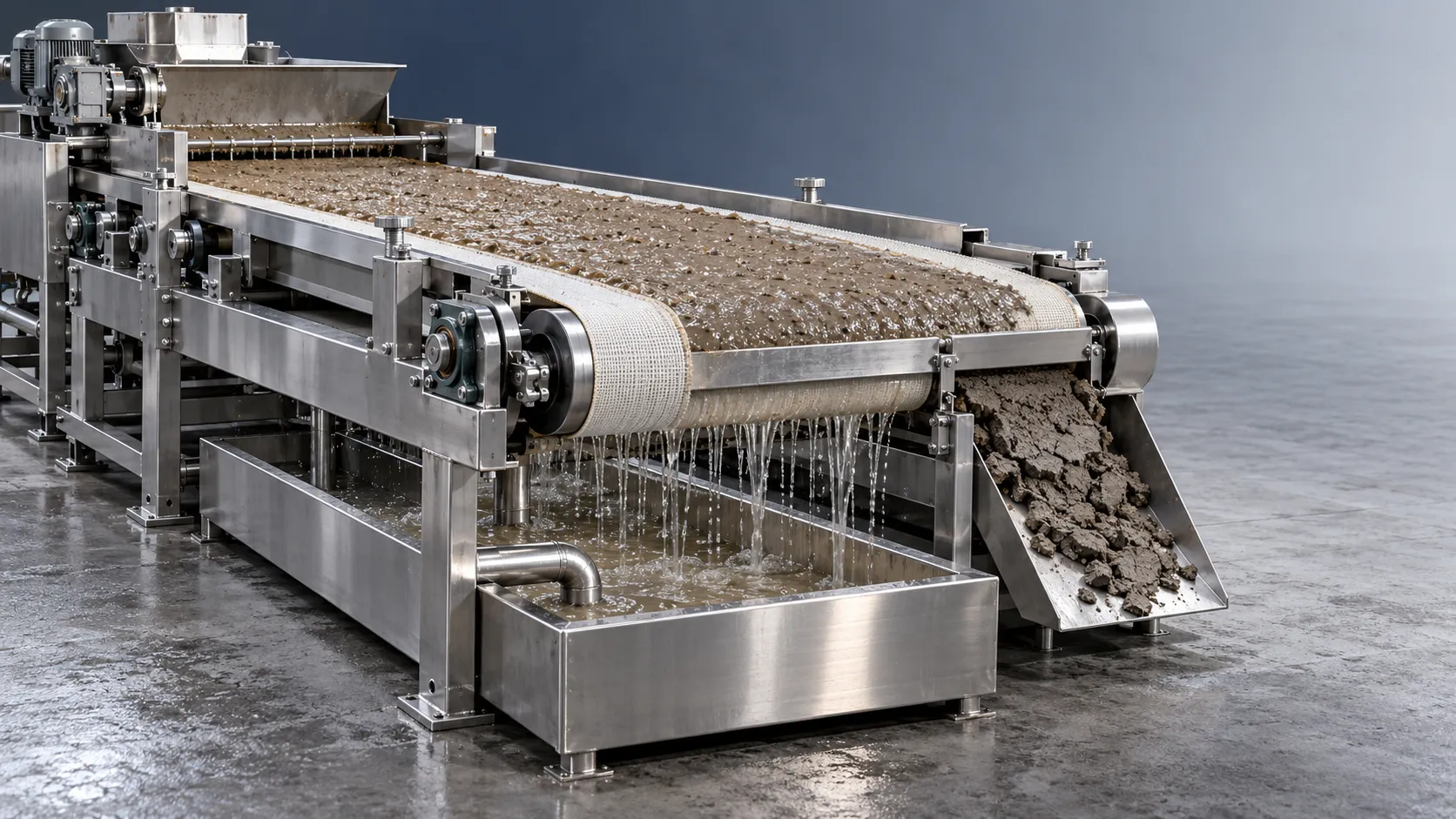
How solids concentration affects dewatering in waste recovery systems
Optimize waste recovery systems dewatering with insights on solids concentration. Learn to balance throughput, cake dryness, and solids capture while avoiding costly equipment overloads.
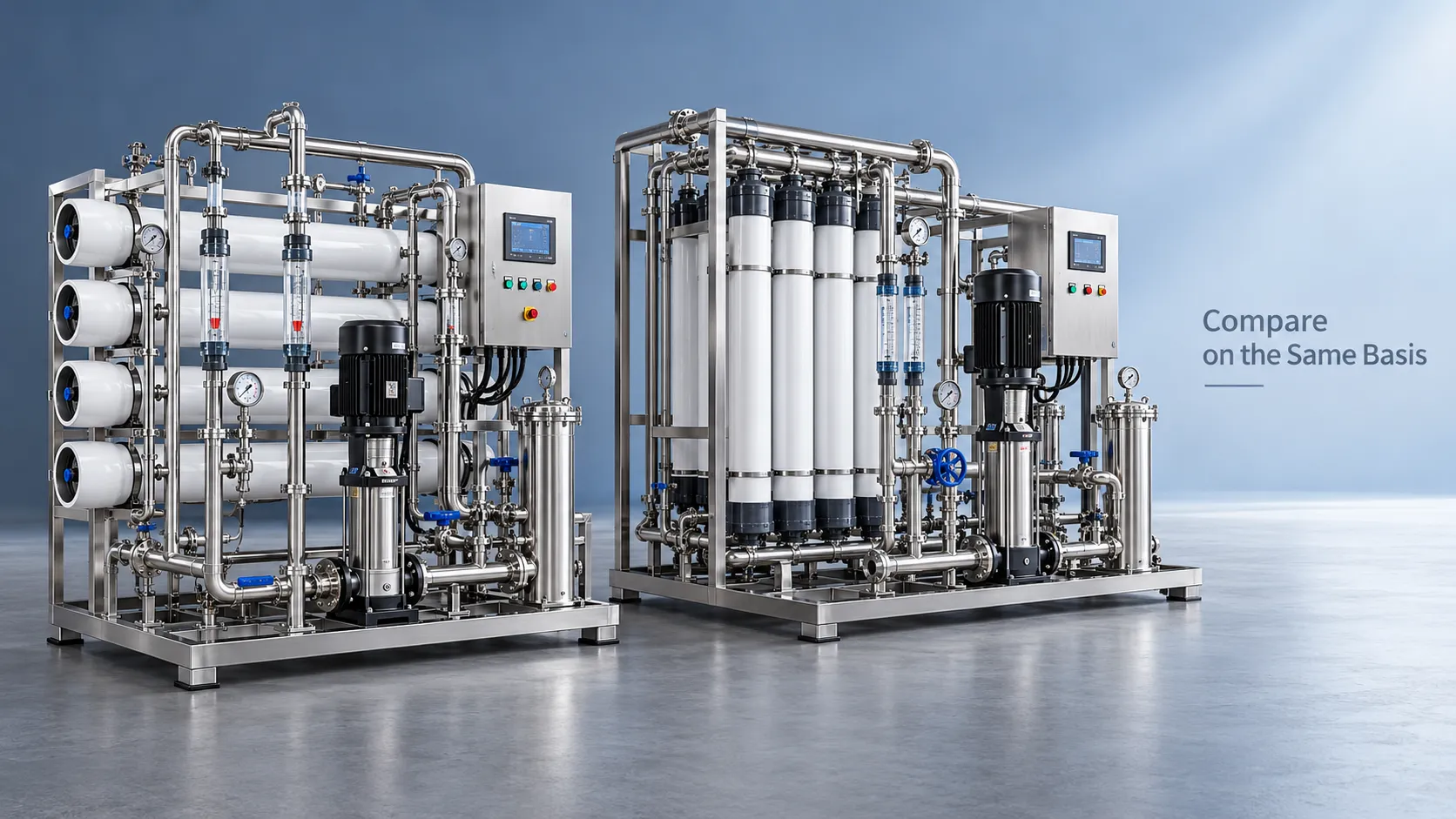
How to compare technical specs in an environmental equipment directory
Use this environmental equipment directory technical guide to compare capacity, energy use, compliance, and supplier evidence. Build a defensible shortlist and choose with confidence.
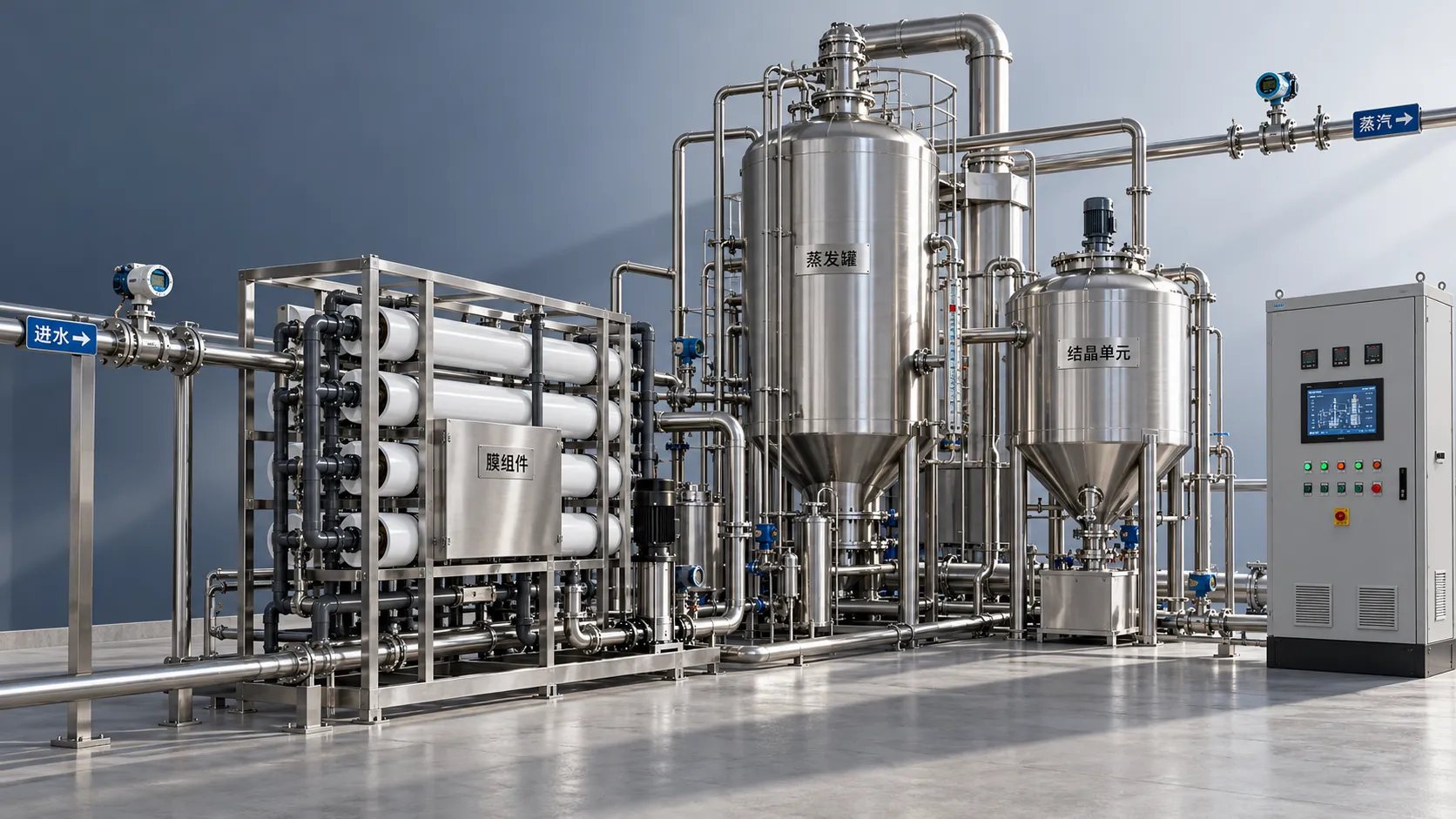
How to assess a zero liquid discharge equipment supplier’s energy claims
Assess a zero liquid discharge equipment supplier’s energy claims. Learn how to verify system boundaries, compare real costs, and demand testable guarantees before you buy.
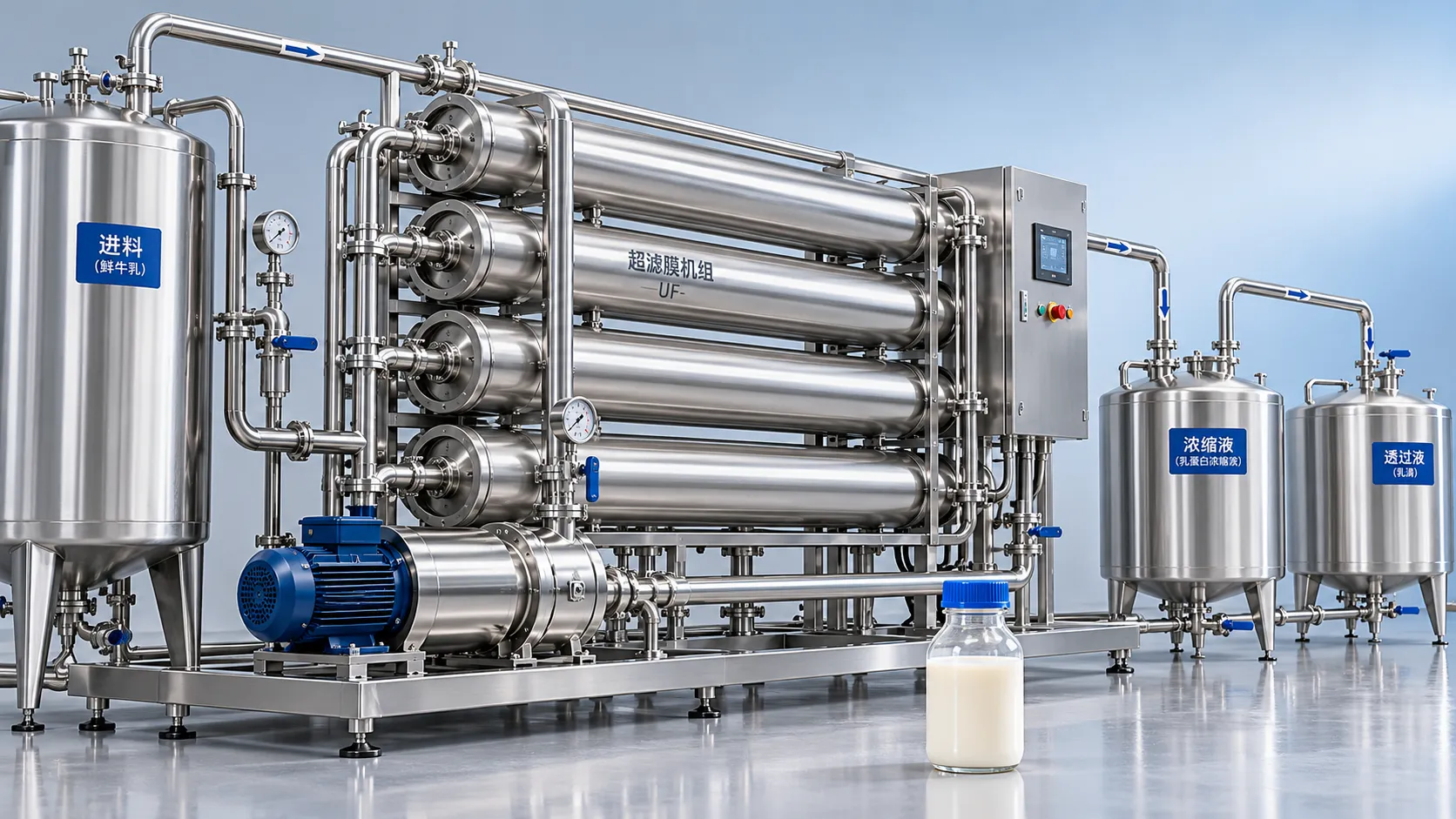
Which membrane filtration process suits dairy protein concentration?
Explore membrane filtration for dairy: compare UF, MF, and RO to select the right process for protein concentration, lactose reduction, and better recovery. Find your best fit.
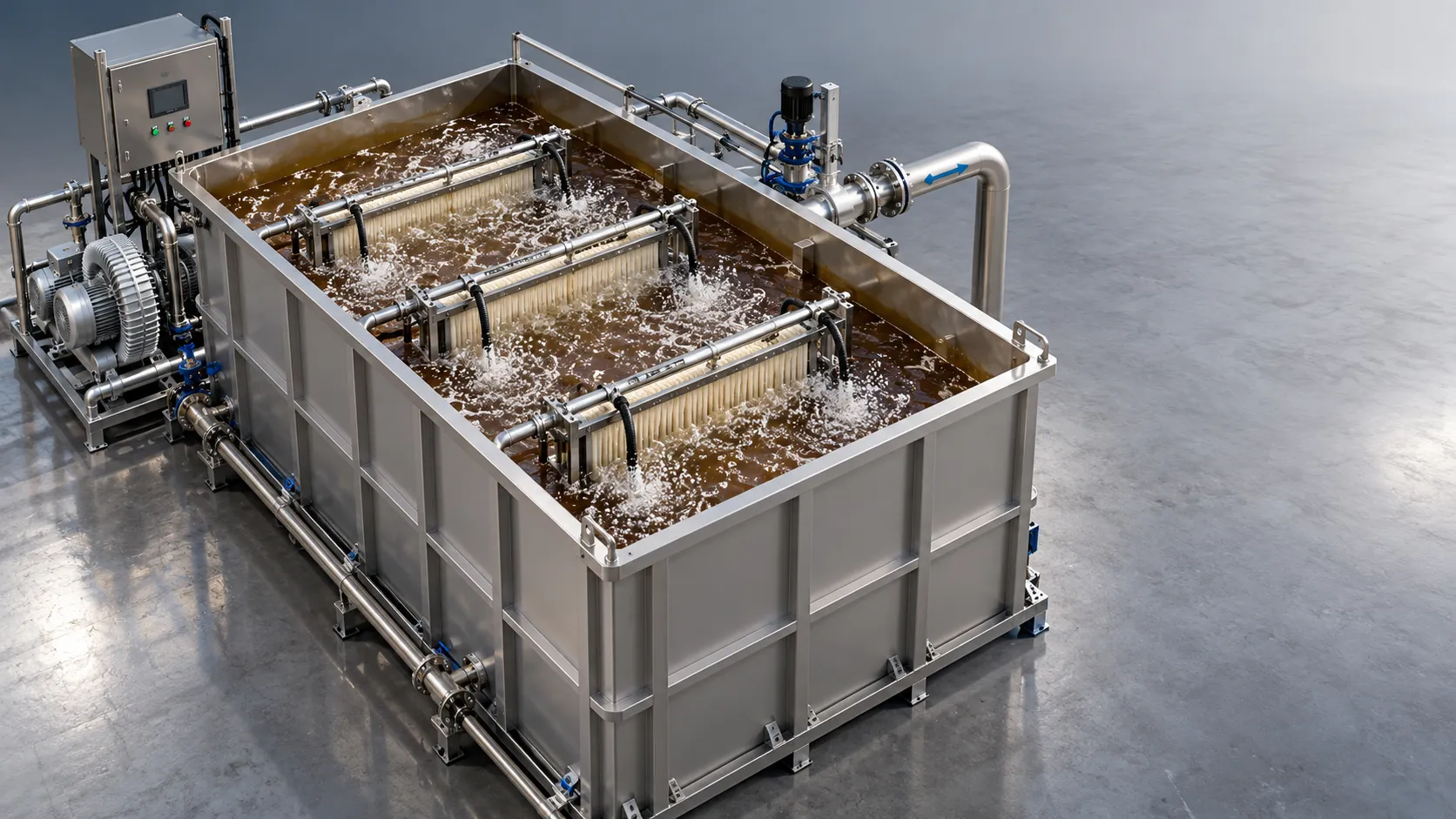
When is an MBR suitable for wastewater purification for bioprocessing?
For wastewater purification for bioprocessing, discover when an MBR fits your needs. Compare water quality, fouling risks, and lifecycle costs before investing.
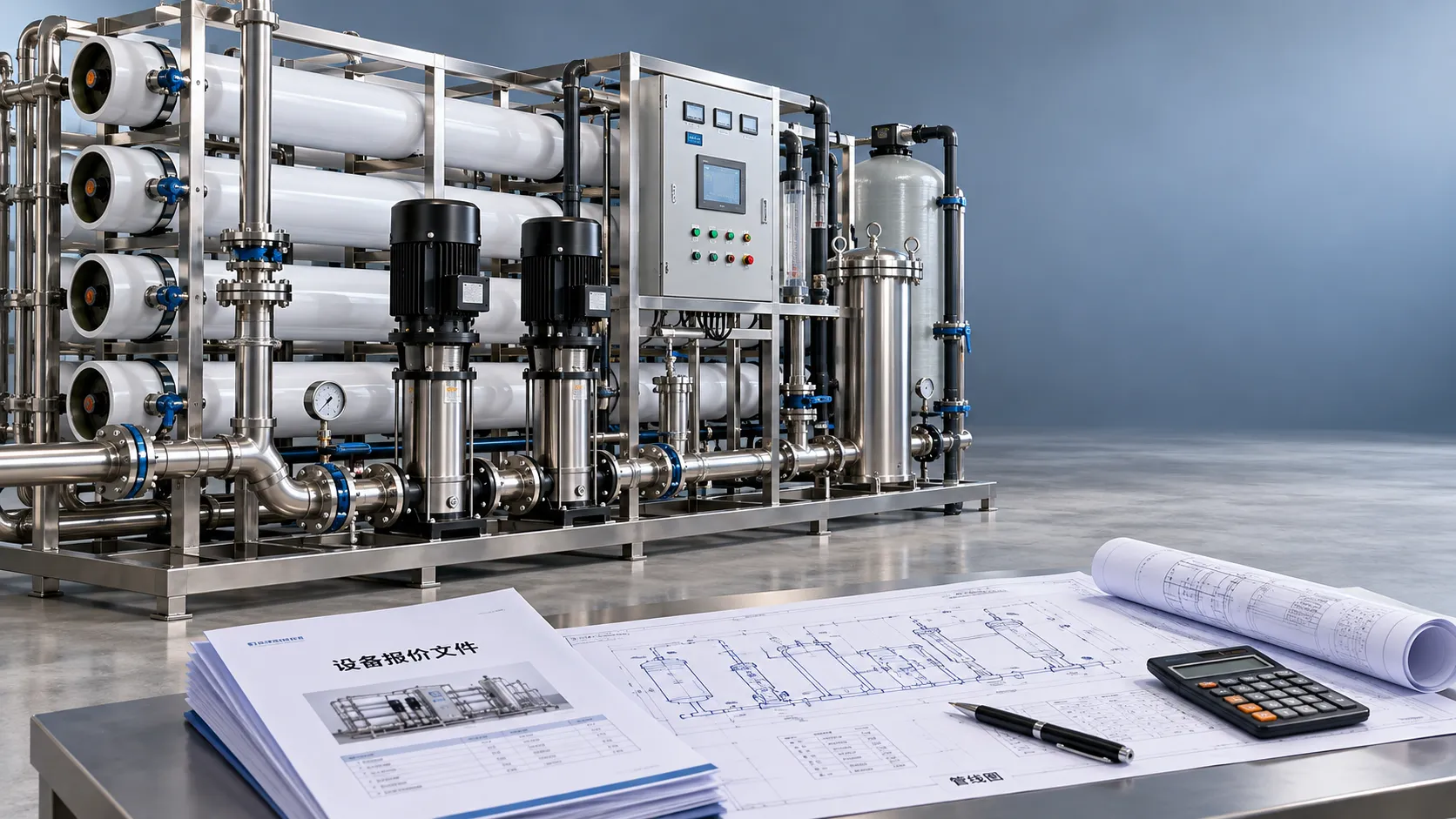
How to check a water treatment quotation for hidden project costs
Review your water treatment quotation for hidden costs, scope gaps, and operating expenses. Learn what to check before signing to protect your budget and avoid costly surprises.
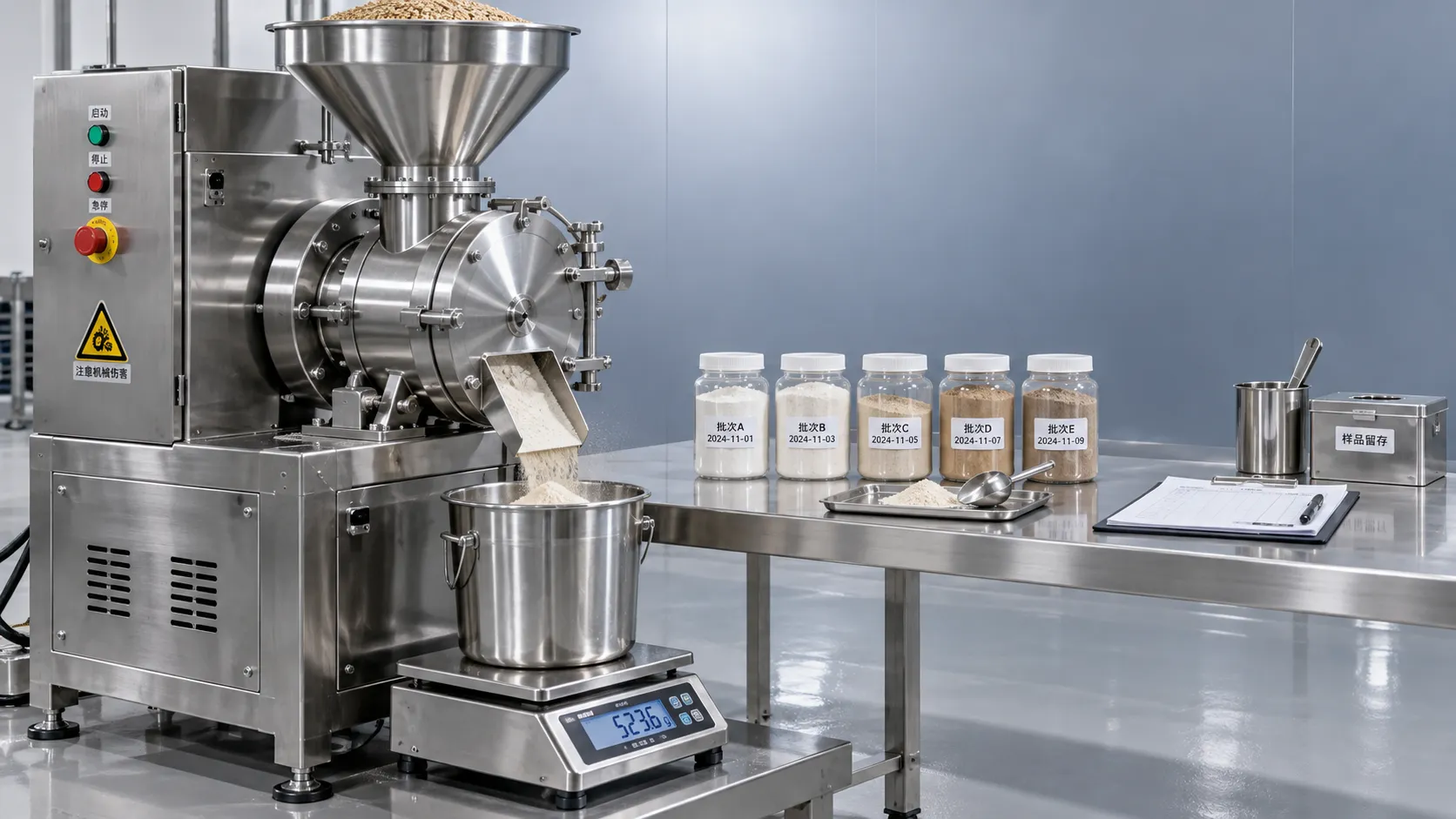
How to vet ingredient processing equipment manufacturers using trials
Vet ingredient processing equipment manufacturers with real-world trials. Learn how to verify yield, cleaning, energy use, and scale-up before you invest.
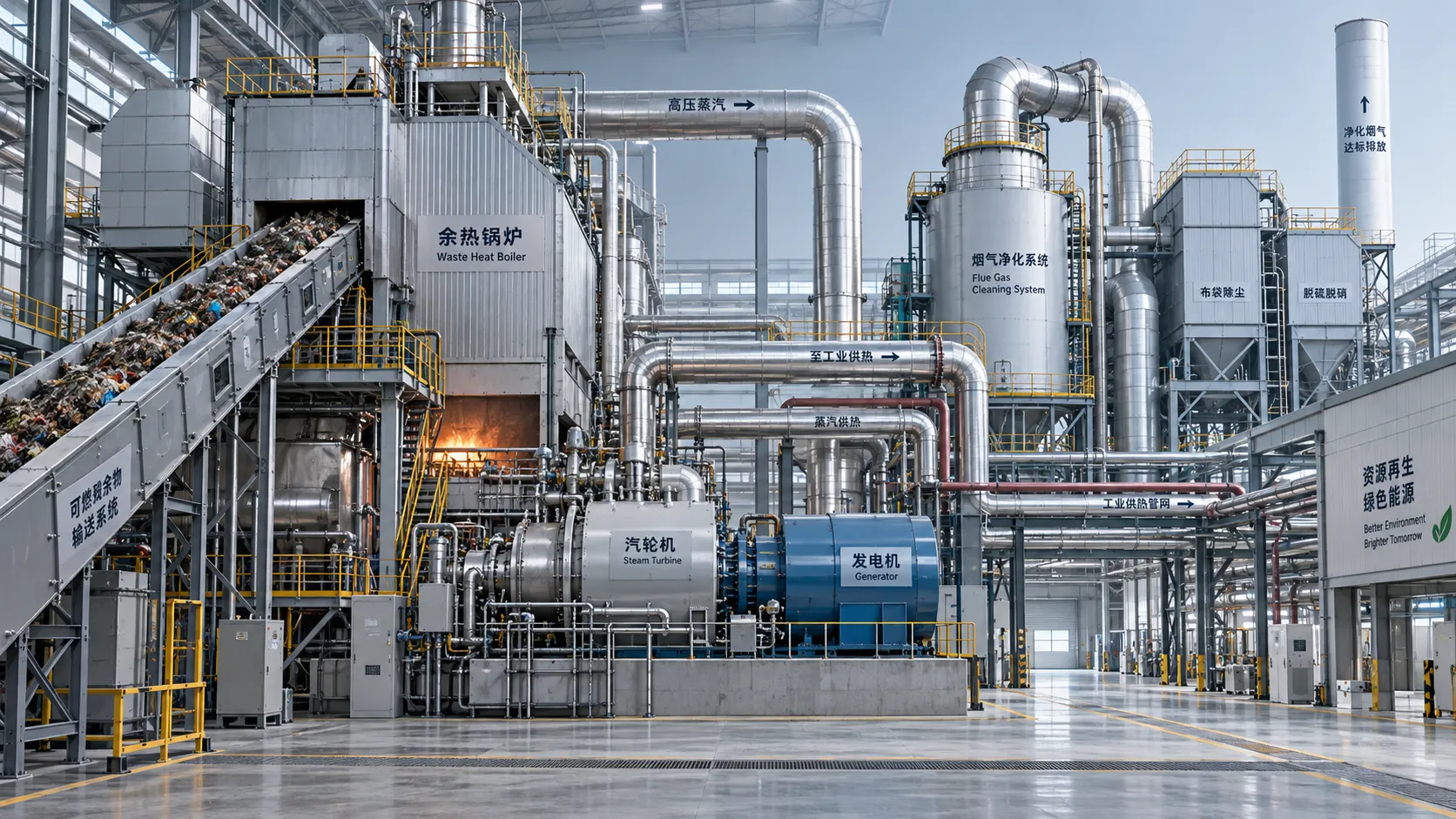
When is energy recovery viable in the solid waste recovery process?
When is energy recovery viable in the solid waste recovery process? Explore feedstock quality, net energy, emissions, and costs to assess feasibility and make smarter investment decisions.
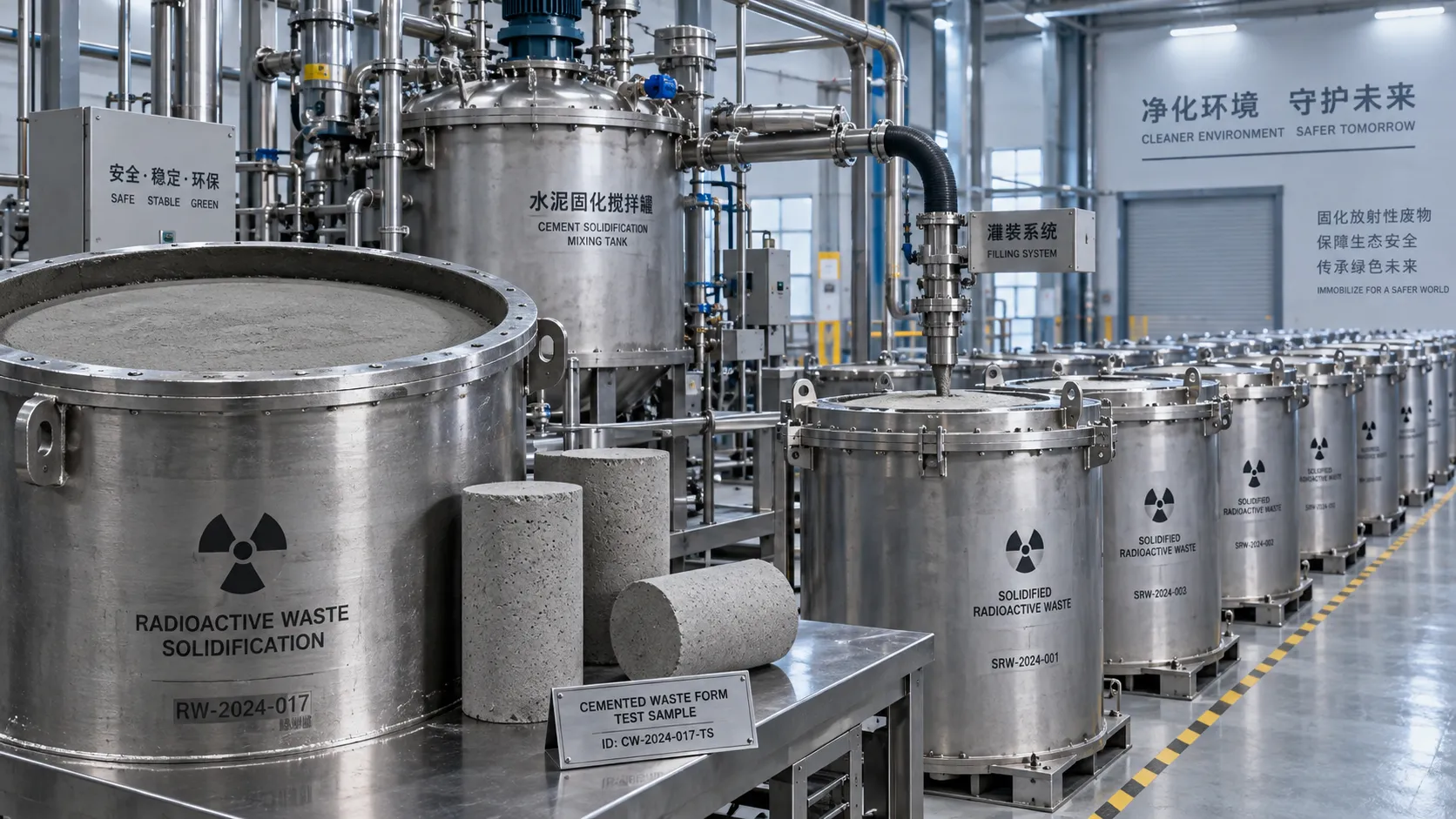
When is cementation suitable for nuclear decommissioning waste?
Explore nuclear waste treatment technology for decommissioning: learn when cementation fits, which risks to assess, and how disposal criteria guide an effective treatment choice.