
Industry News
Curation by industry experts
Hot Articles
Popular Tags
How Wastewater Intelligence Improves Process Control and Uptime
Wastewater intelligence is moving from a useful digital layer to a core operating discipline in treatment infrastructure. It matters because process stability, compliance exposure, energy use, and equipment uptime are now shaped by how quickly plants can interpret changing water conditions and turn data into timely action.
For large treatment systems, especially those handling industrial variability, the issue is no longer data collection alone. The real advantage comes from connecting sensor streams, asset behavior, laboratory results, maintenance records, and regulatory signals into decisions that improve control before disruption becomes visible.
Why wastewater intelligence now sits closer to operations
Treatment plants are operating under tighter margins than in the past. Influent composition shifts faster, discharge limits are stricter, and unplanned downtime is more expensive across municipal and industrial environments.
At the same time, plants have more instrumentation than ever. SCADA trends, online analyzers, membrane performance data, chemical dosing logs, and vibration signals generate large volumes of information, but not all of it supports better decisions on its own.
That gap explains the growing role of wastewater intelligence. It organizes fragmented operational signals into a usable picture of process condition, asset risk, and likely performance drift.
From the broader perspective of ecological infrastructure, this is also consistent with the direction of platforms such as ESD. Across large water treatment, desalination, resource recovery, and other compliance-critical systems, intelligence is becoming the practical link between complex physicochemical processes and reliable plant decisions.
What wastewater intelligence actually includes
In practice, wastewater intelligence is not a single dashboard. It is a working framework that combines monitoring, contextual analysis, and decision support around treatment performance.
Its value comes from interpretation. A conductivity spike means something different in a ZLD pretreatment line than in a biological nutrient removal train. A drop in dissolved oxygen may be routine in one basin and a warning sign in another.
Strong wastewater intelligence usually brings together several layers:
- real-time process data from sensors, analyzers, and control systems
- historical trends that reveal normal ranges and recurring deviation patterns
- asset condition indicators tied to pumps, blowers, membranes, clarifiers, and dosing systems
- compliance context, including permit thresholds and reporting priorities
- operational logic that translates signals into action priorities
Simple data visibility is not enough. Useful wastewater intelligence helps distinguish noise from a meaningful process shift, and that is what improves uptime.
How it strengthens process control
Process control improves when operators can react earlier and with more precision. Wastewater intelligence supports that by highlighting relationships that may be missed in isolated tag-by-tag monitoring.
Earlier recognition of process drift
Many treatment failures do not begin as alarms. They start as subtle drift in oxidation reduction potential, transmembrane pressure, sludge age, nutrient balance, or chemical consumption.
Wastewater intelligence can detect those weak signals sooner. That allows adjustment before a biological upset, membrane fouling event, or solids carryover grows into a shutdown risk.
Better control under variable influent
Industrial wastewater rarely behaves like a steady textbook stream. Batch discharges, seasonal loads, upstream cleaning cycles, and production changes can alter pH, COD, ammonia, salinity, or toxicity within hours.
With wastewater intelligence, control strategies can be adjusted using pattern recognition instead of delayed manual interpretation. That is especially relevant for equalization, aeration control, chemical dosing, and pretreatment sequencing.
More confident operating windows
Plants often operate conservatively when uncertainty is high. Extra chemicals, higher aeration, and earlier cleanings are common responses, but they increase cost and can reduce equipment life.
A mature wastewater intelligence approach narrows uncertainty. It helps define what normal looks like, what change matters, and where tighter control limits can be used safely.
Why uptime improves when intelligence becomes operational
Uptime is not only a maintenance outcome. In treatment plants, it depends on the interaction between water quality, process configuration, operator response, and asset condition.
Wastewater intelligence improves uptime because it reduces surprise. It makes failure pathways easier to see before they trigger emergency intervention.
In other words, wastewater intelligence supports uptime by aligning process awareness with maintenance timing. Plants avoid reacting too late, but they also avoid intervening too early without evidence.
Where the value is most visible
The strongest benefits appear where treatment complexity is high and failure costs are immediate. That includes municipal systems, industrial reuse plants, desalination pretreatment, and advanced recovery facilities.
Large municipal and regional plants
Here, wastewater intelligence helps manage load swings, wet-weather events, nutrient removal stability, and energy-intensive aeration decisions. It also improves cross-unit visibility from headworks to final discharge.
Industrial and high-strength wastewater
Facilities with variable chemistry gain from faster anomaly detection and better root-cause tracing. That matters when wastewater characteristics are linked directly to production cycles, cleaning chemicals, or upstream process changes.
ZLD and desalination-related treatment chains
In high-recovery systems, small changes can affect membranes, evaporators, brine management, and energy cost. Wastewater intelligence supports tighter pretreatment control and more disciplined asset protection.
This is where the wider ESD context becomes relevant. Intelligence across water, recovery, emissions, and high-reliability infrastructure is increasingly interconnected, especially as compliance and decarbonization targets begin to overlap.
What to evaluate before calling a system intelligent
Not every digital platform produces meaningful wastewater intelligence. Some systems collect data well but add little operational clarity. A practical evaluation should focus on decision quality rather than interface design.
- Check whether the platform handles context, not only thresholds.
- Review how it links process behavior with asset condition.
- Look for explainable alerts, not black-box warnings with no cause path.
- Confirm it supports variable influent and site-specific baselines.
- Assess whether outputs can guide operations, maintenance, and compliance teams together.
- Examine data quality governance, including calibration discipline and missing-data handling.
It is also worth asking whether the intelligence model reflects real treatment physics and chemistry. A system that ignores process fundamentals may produce attractive dashboards but weak recommendations.
A practical path for adoption
Implementation usually works best when it starts with a narrow operational problem. Plants often get more value by targeting one unstable area first than by trying to digitize every unit at once.
Useful starting points include recurrent membrane cleaning, aeration inefficiency, clarifier instability, dosing variability, or unexplained compliance near-misses. Each gives wastewater intelligence a measurable role.
From there, the next step is to define a common evidence set. Process data, maintenance history, laboratory confirmation, and operator observations should be aligned before new rules or analytics are trusted.
Over time, wastewater intelligence becomes more valuable when it is treated as an operating capability rather than a software purchase. That means regular model review, clearer alarm rationalization, and tighter feedback between plant reality and digital interpretation.
What comes next for evaluation and decision-making
The next stage is less about collecting more data and more about building sharper operational judgment. In complex treatment environments, wastewater intelligence should help define where instability begins, which assets are most exposed, and which control points truly influence uptime.
A useful review starts with three questions: where process drift appears first, where downtime costs escalate fastest, and where better context could change a real decision. Those answers create a stronger basis for comparing platforms, setting performance criteria, and deciding what intelligence is worth scaling.
When evaluated this way, wastewater intelligence becomes more than digital modernization. It becomes a disciplined method for protecting treatment continuity, improving process control, and supporting the wider reliability goals shaping today’s environmental infrastructure.
Recommended News
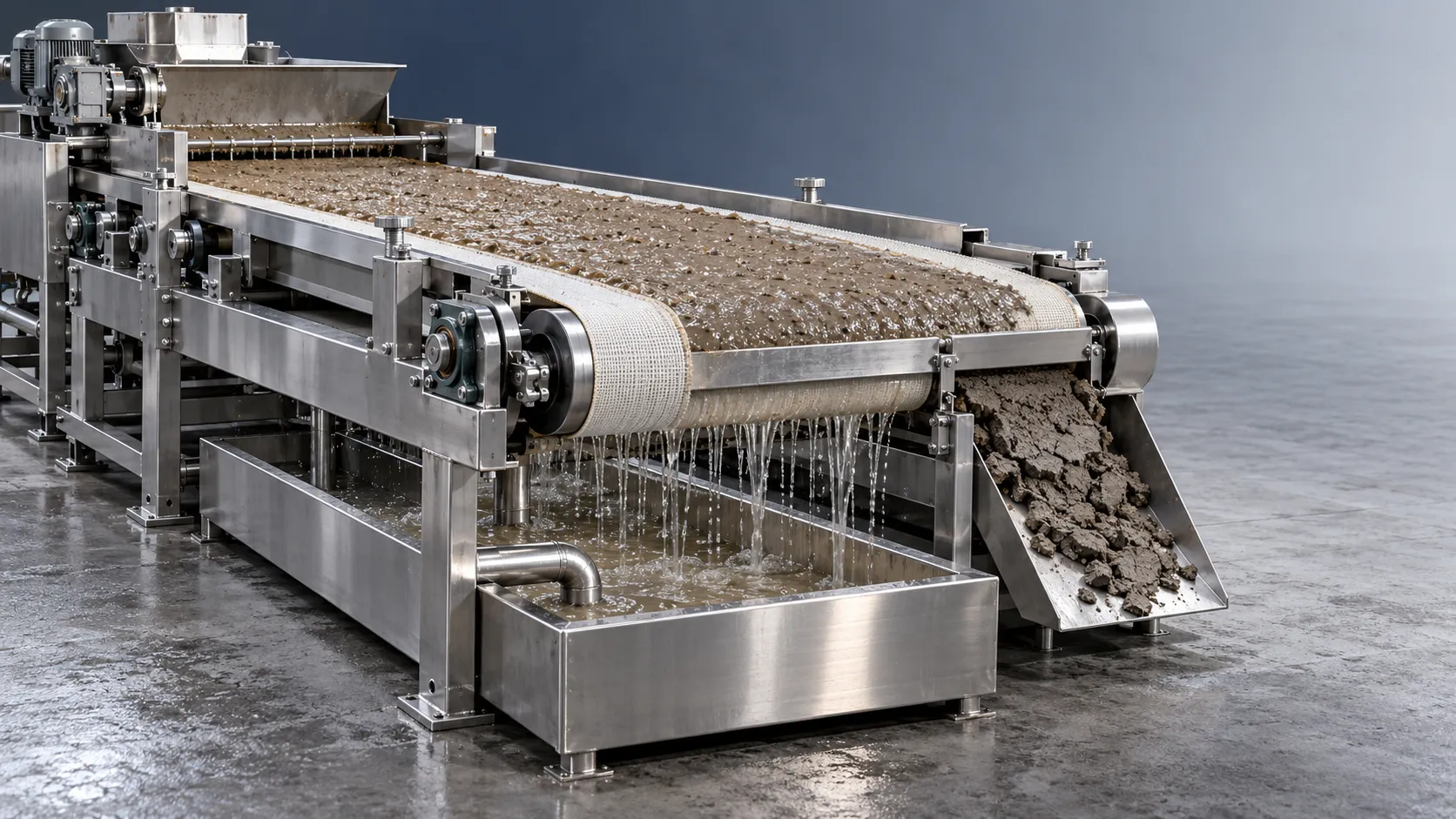
How solids concentration affects dewatering in waste recovery systems
Optimize waste recovery systems dewatering with insights on solids concentration. Learn to balance throughput, cake dryness, and solids capture while avoiding costly equipment overloads.
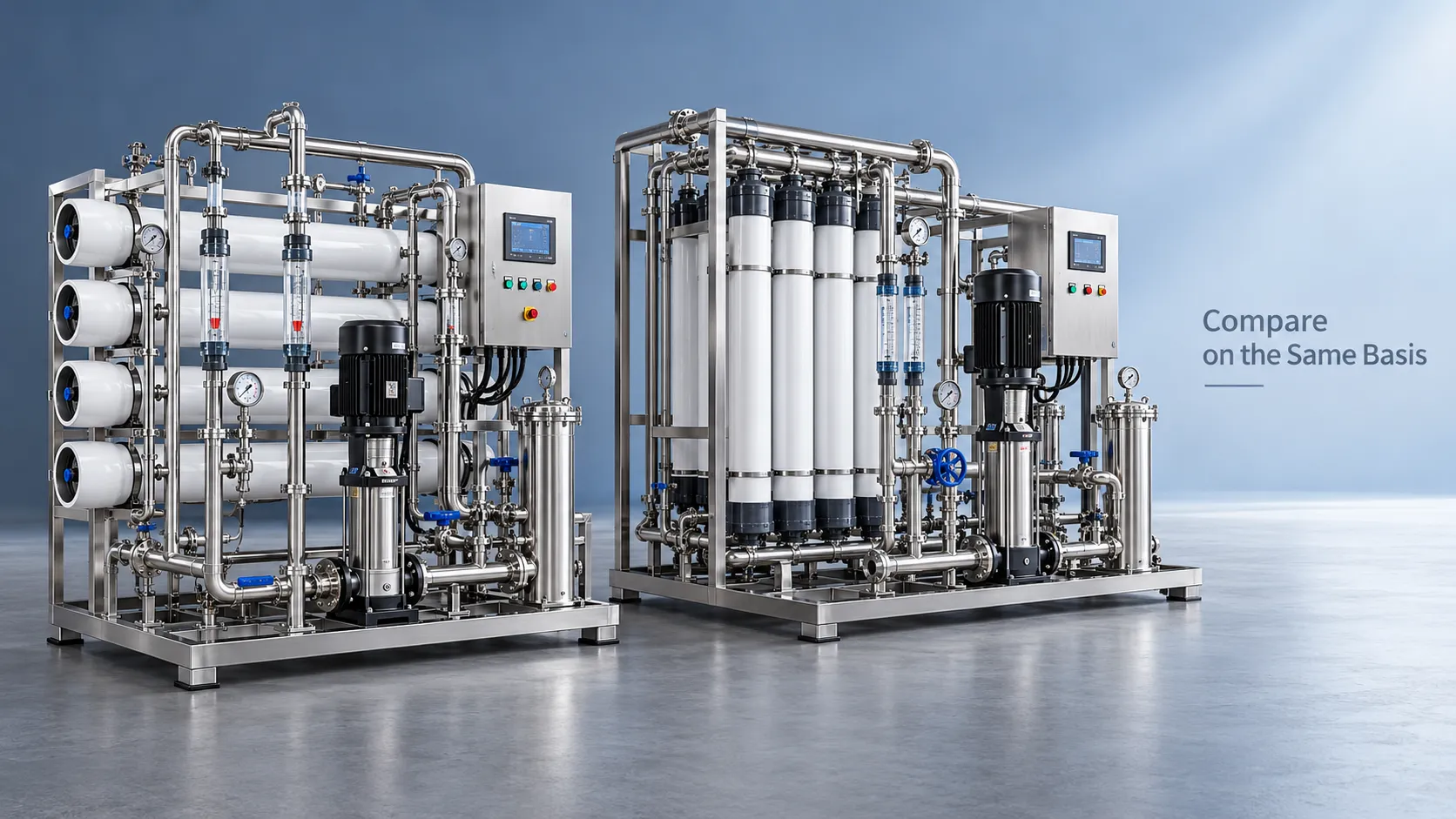
How to compare technical specs in an environmental equipment directory
Use this environmental equipment directory technical guide to compare capacity, energy use, compliance, and supplier evidence. Build a defensible shortlist and choose with confidence.
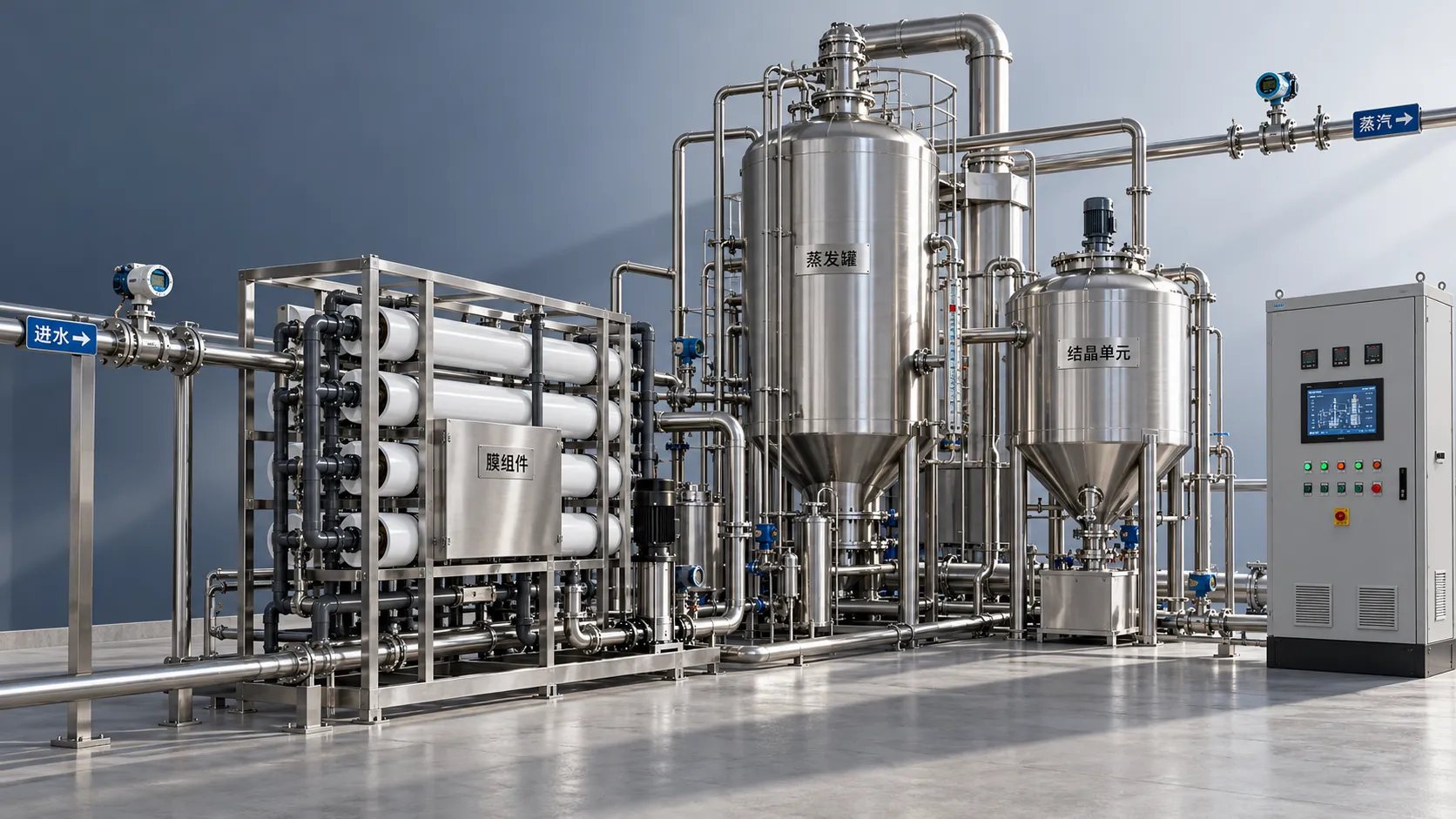
How to assess a zero liquid discharge equipment supplier’s energy claims
Assess a zero liquid discharge equipment supplier’s energy claims. Learn how to verify system boundaries, compare real costs, and demand testable guarantees before you buy.
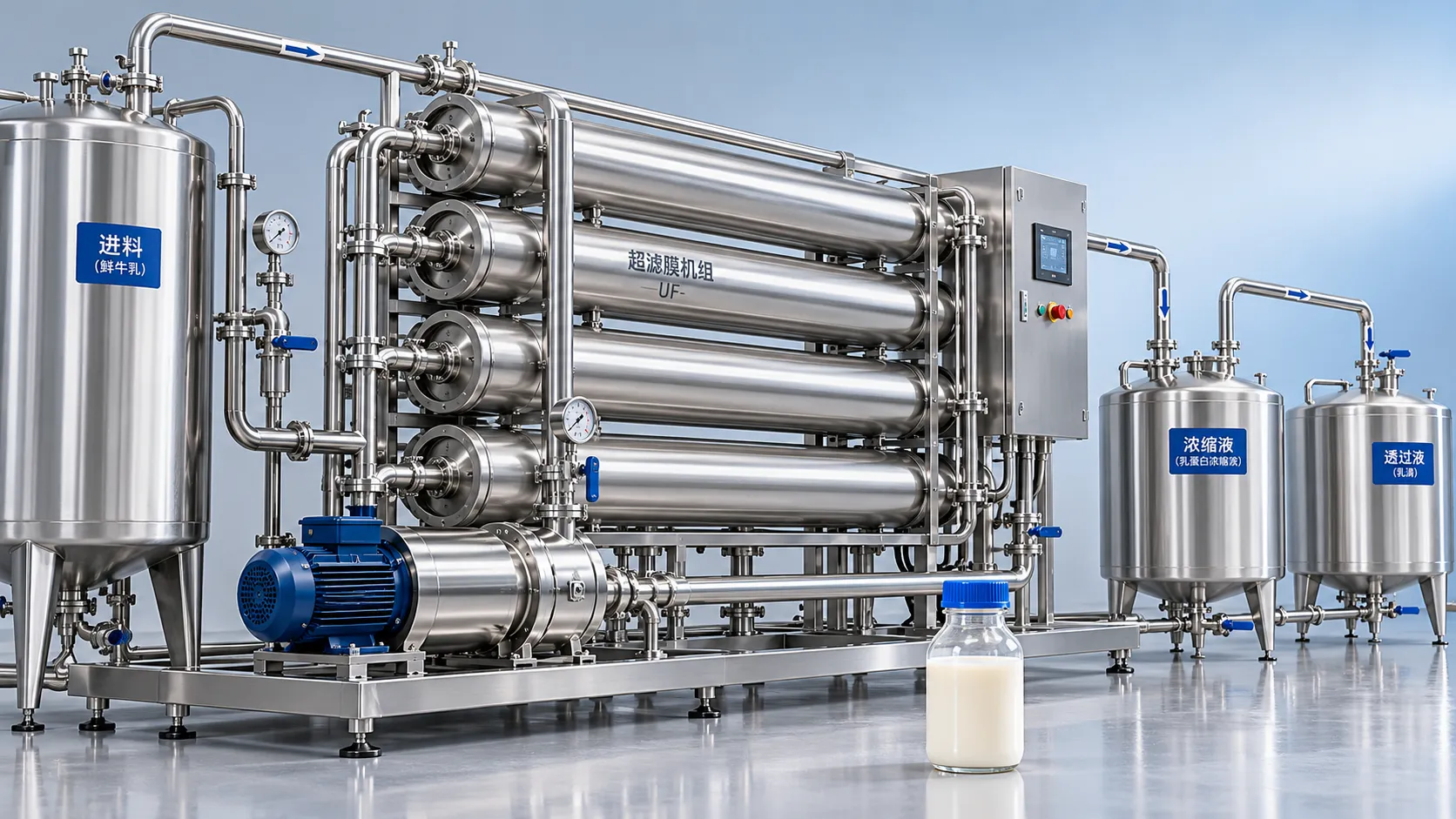
Which membrane filtration process suits dairy protein concentration?
Explore membrane filtration for dairy: compare UF, MF, and RO to select the right process for protein concentration, lactose reduction, and better recovery. Find your best fit.
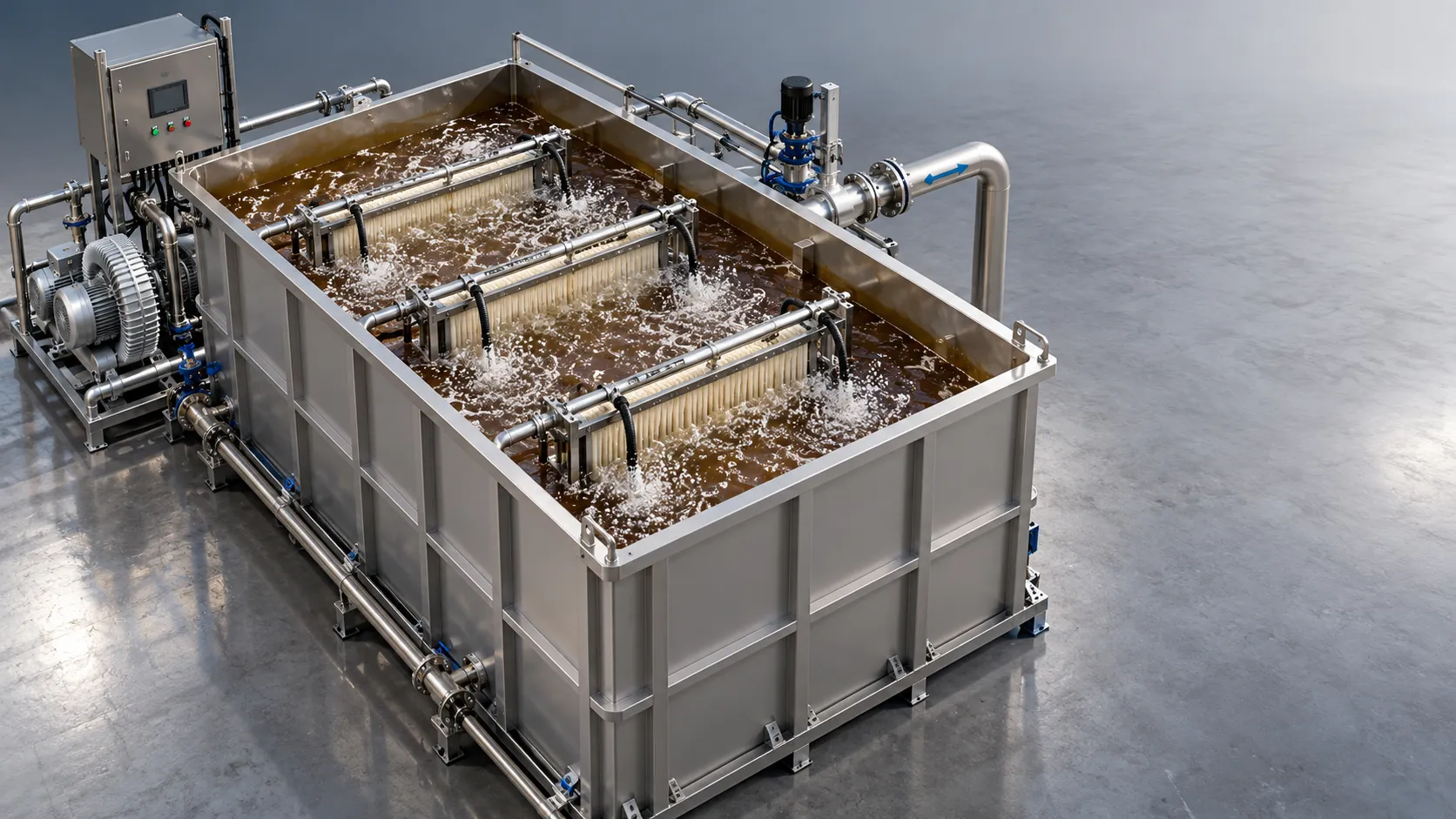
When is an MBR suitable for wastewater purification for bioprocessing?
For wastewater purification for bioprocessing, discover when an MBR fits your needs. Compare water quality, fouling risks, and lifecycle costs before investing.
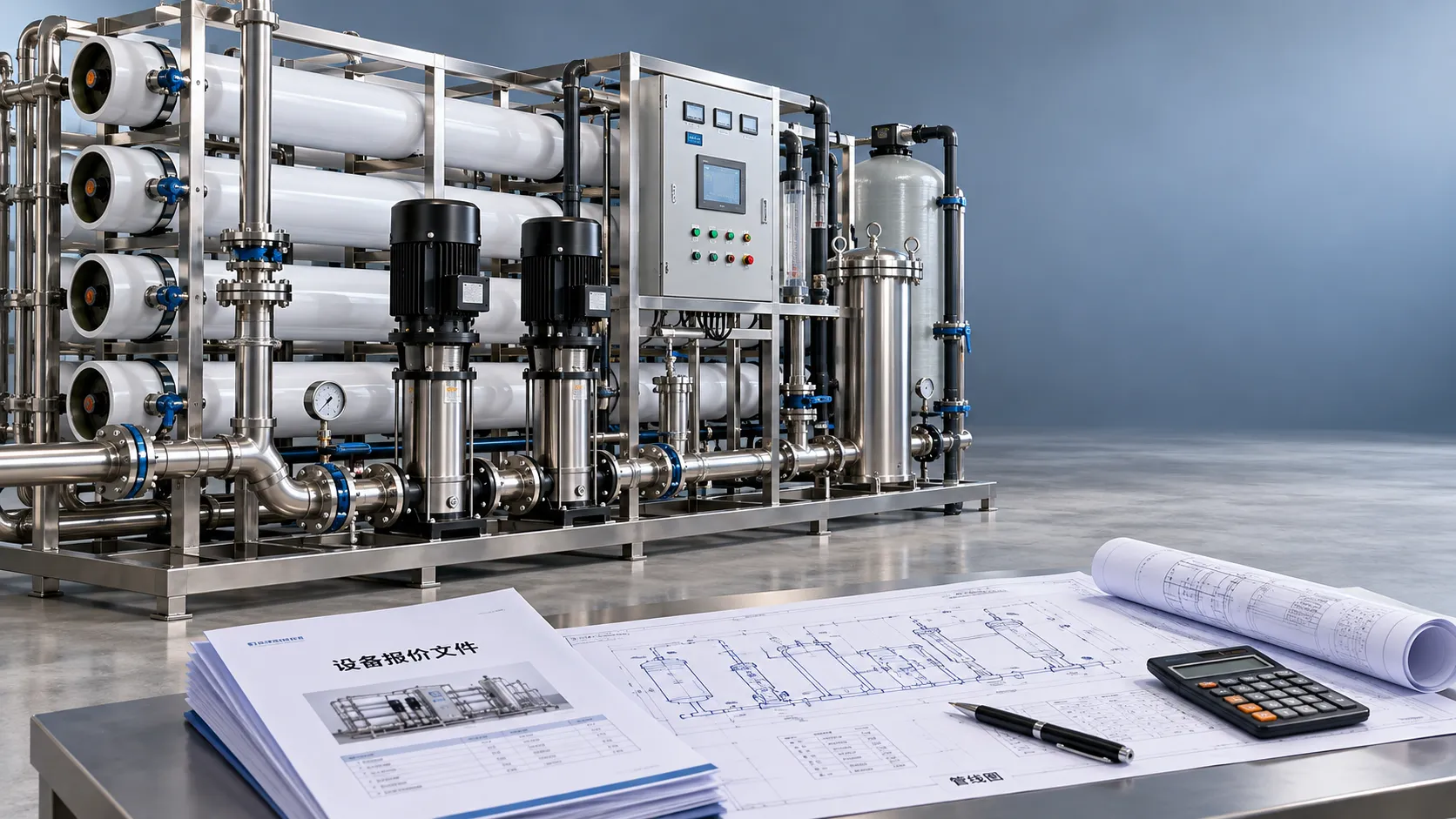
How to check a water treatment quotation for hidden project costs
Review your water treatment quotation for hidden costs, scope gaps, and operating expenses. Learn what to check before signing to protect your budget and avoid costly surprises.
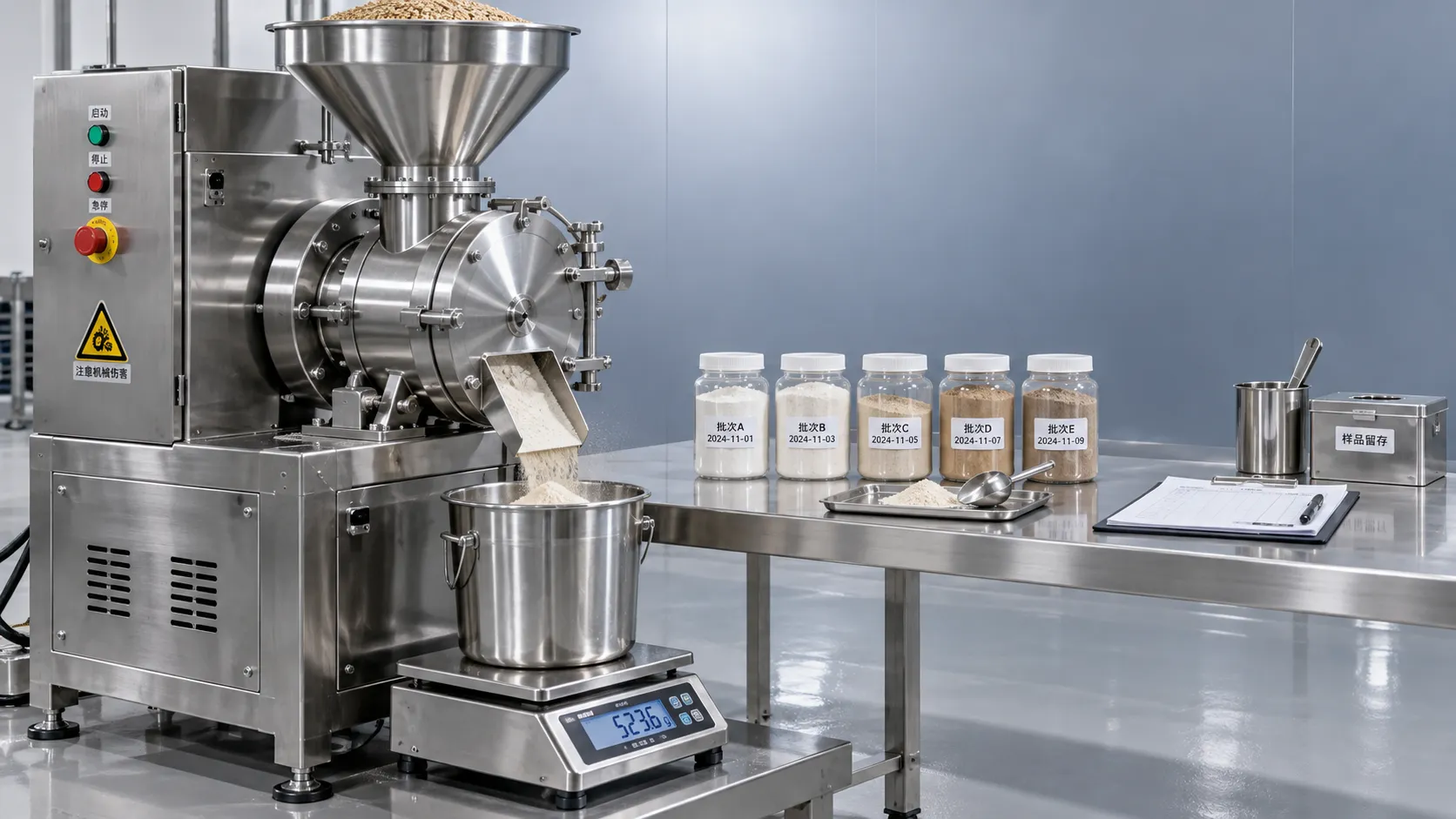
How to vet ingredient processing equipment manufacturers using trials
Vet ingredient processing equipment manufacturers with real-world trials. Learn how to verify yield, cleaning, energy use, and scale-up before you invest.
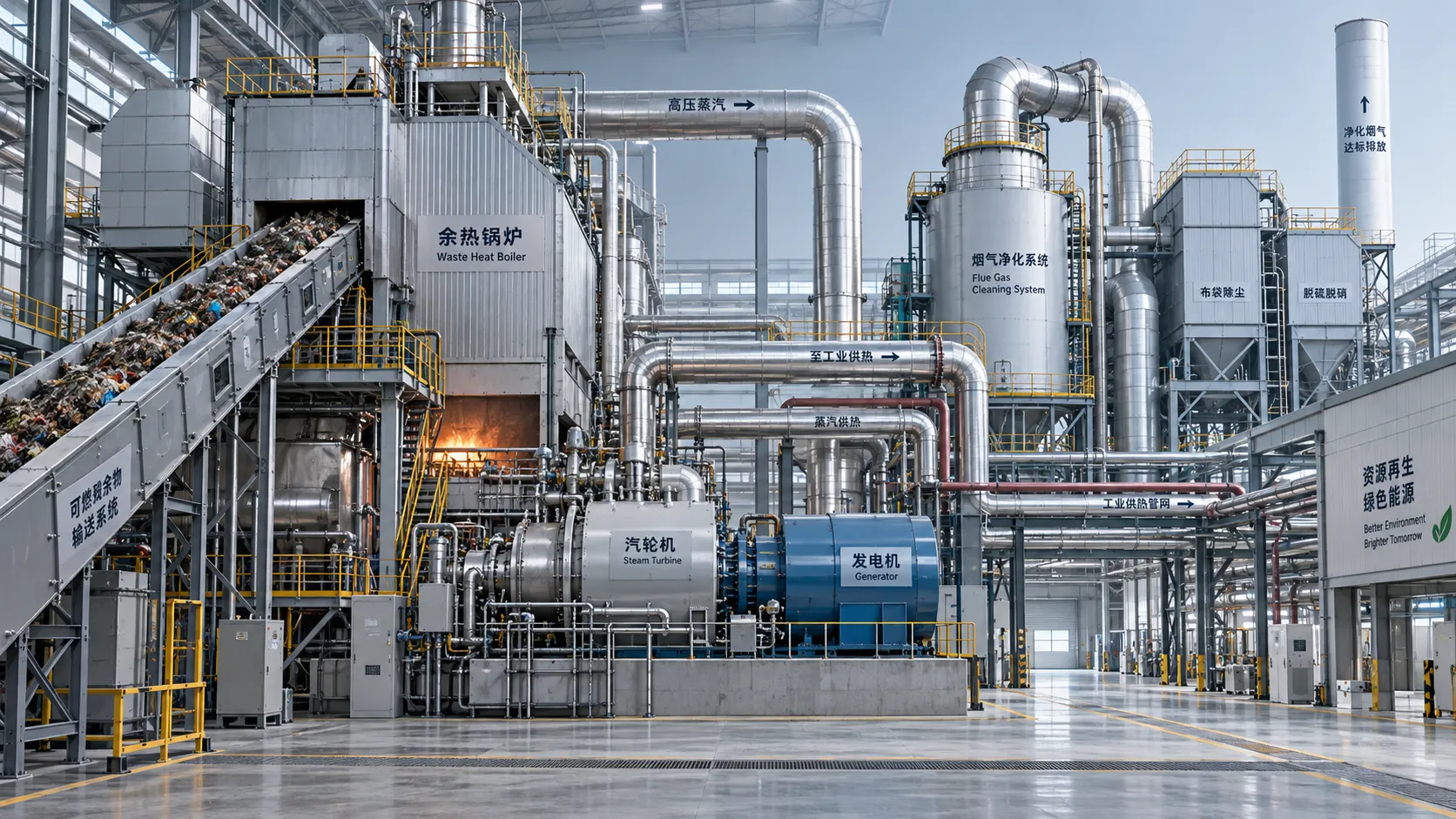
When is energy recovery viable in the solid waste recovery process?
When is energy recovery viable in the solid waste recovery process? Explore feedstock quality, net energy, emissions, and costs to assess feasibility and make smarter investment decisions.
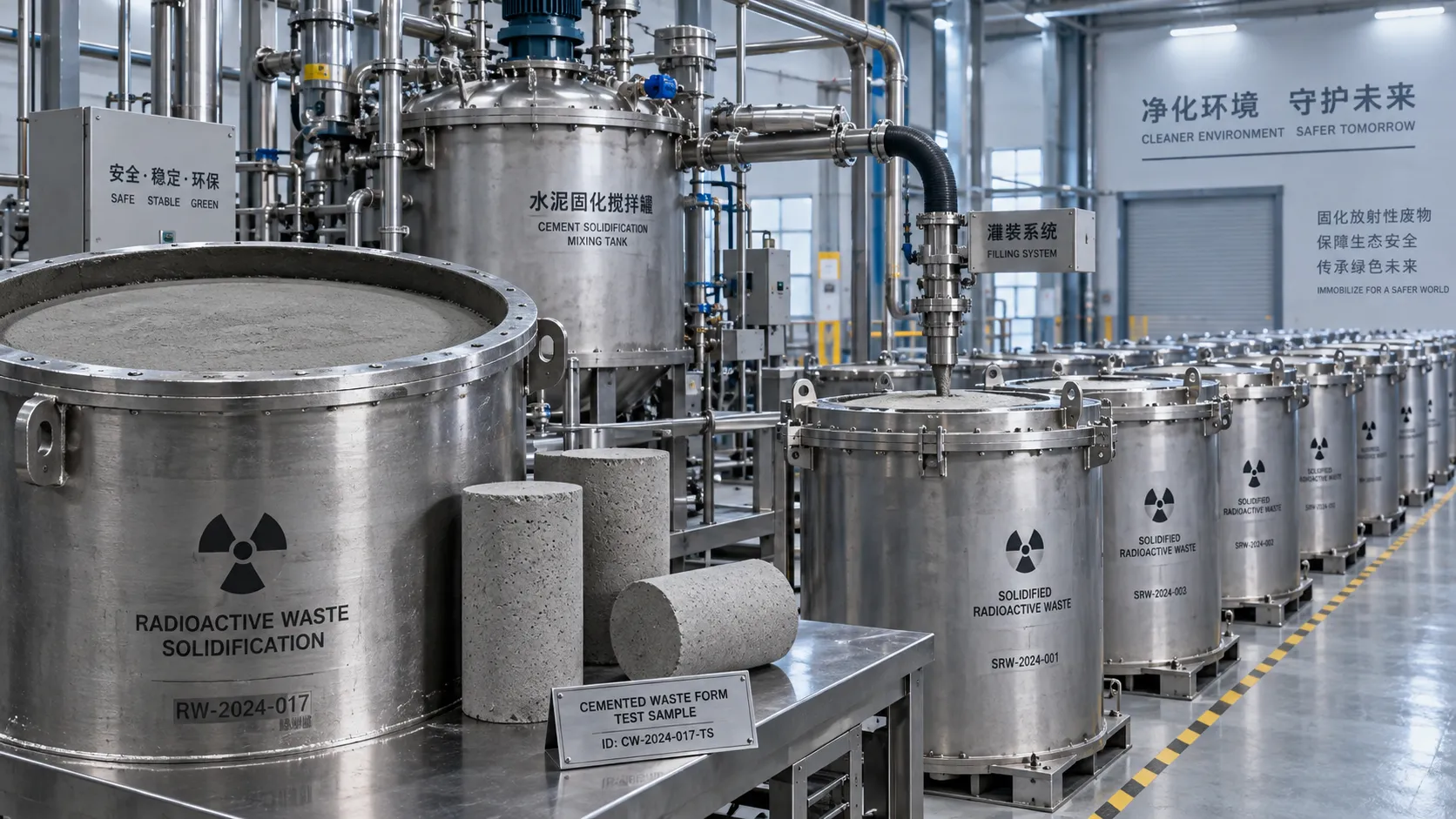
When is cementation suitable for nuclear decommissioning waste?
Explore nuclear waste treatment technology for decommissioning: learn when cementation fits, which risks to assess, and how disposal criteria guide an effective treatment choice.