
Industry News
Curation by industry experts
Hot Articles
Popular Tags
Environmental Regulations Impact Assessment: 2026 Compliance Cost Signals
For enterprise decision-makers navigating tighter global standards, environmental regulations impact assessment is becoming a critical lens for 2026 planning. From water treatment and desalination to waste recovery and nuclear waste management, early compliance cost signals can reshape capital allocation, technology selection, and market access. This article highlights the regulatory shifts, cost pressures, and strategic implications that leaders must track to protect competitiveness and long-term resilience.
In capital-intensive environmental infrastructure, compliance is no longer a back-end legal review. It now influences bid eligibility, financing terms, engineering design windows, and lifecycle operating cost assumptions over 10–25 years.
For operators, EPC firms, and equipment suppliers across water treatment, flue gas control, resource recovery, desalination, and nuclear waste handling, a robust environmental regulations impact assessment helps convert uncertain policy change into measurable planning inputs.
Why 2026 Is Becoming a Turning Point for Compliance Cost Planning
The 2026 horizon matters because several regulatory trends are converging within the same budgeting cycle. Emission thresholds are tightening, reporting obligations are becoming more traceable, and cross-border carbon mechanisms are starting to affect procurement and export economics.
In many industrial projects, compliance cost used to represent a narrow 3%–8% line item in early feasibility work. For high-specification environmental assets, that share can now move into the 8%–20% range when monitoring, redundancy, waste handling, energy penalties, and audit readiness are fully included.
Three regulatory shifts decision-makers should monitor
- More granular discharge and emission control requirements, especially for PFAS-adjacent contaminants, brine management, NOx, SOx, particulates, and hazardous residues.
- Higher frequency digital reporting, with monthly, quarterly, or event-triggered submissions replacing annual summary-only models.
- Stronger supply-chain scrutiny, where embodied carbon, secondary waste generation, and end-of-life treatment affect project approval and commercial access.
What this means for long-cycle assets
Plants designed in 2025 and commissioned in 2027 may already face a compliance gap on day one if design assumptions are frozen too early. A 12–18 month engineering and procurement cycle now requires regulation-sensitive scenario planning at FEED stage, not after vendor selection.
This is especially relevant for ZLD systems, SWRO trains, flue gas scrubbers, pyrolysis lines, and radioactive waste immobilization units, where retrofits can raise installed cost by 15%–35% compared with integrating requirements at original design stage.
The table below summarizes where compliance cost signals are becoming most visible across ESD-relevant sectors and how they can affect project economics before contract award.
A consistent pattern emerges: the largest cost increases are often indirect. Monitoring architecture, documentation, secondary containment, energy penalties, and approval delays can outweigh the headline equipment upgrade itself.
How Environmental Regulations Impact Assessment Changes Capital Decisions
An effective environmental regulations impact assessment should translate policy language into project variables that boards and investment committees can compare. That means converting new rules into capex bands, opex sensitivities, schedule risk, and market-access consequences.
In practice, decision-makers should model at least 3 scenarios: current compliance, probable 2026 compliance, and stressed compliance. This structure helps evaluate whether a lower-cost design today will still be bankable under tighter limits in 18–36 months.
Four cost channels that deserve board-level attention
- Direct equipment upgrades, such as additional membrane stages, polishing units, scrubber enhancements, or redundant containment barriers.
- Operating cost shifts, including electricity, reagent consumption, sludge management, concentrate treatment, and monitoring labor.
- Schedule extensions, where permitting, environmental review, and commissioning verification add 3–9 months to project realization.
- Commercial exposure, including exclusion from tenders, carbon-adjusted trade friction, or insurance and financing premium increases.
A practical budgeting lens
For complex environmental assets, a useful early-stage method is to reserve 10%–15% contingency specifically for regulatory drift rather than blending it into generic project contingency. This creates clearer governance and prevents compliance costs from being hidden until late procurement.
It also improves vendor comparison. Two bids with similar base prices may diverge sharply once analyzers, continuous emissions monitoring, brine mitigation, residue stabilization, or digital audit systems are normalized into total compliance cost.
Where technology selection is most exposed
Technology choices with narrow compliance margins are especially risky. For example, selecting a membrane train operating near fouling and recovery limits may reduce initial capex but increase the probability of off-spec discharge and cleaning frequency within the first 24 months.
Similarly, low-temperature SCR performance, pyrolysis off-gas control, or vitrified waste form stability should be assessed not just for nominal performance, but for how they behave under seasonal fluctuation, feedstock variability, and tighter reporting thresholds.
Sector-Specific Compliance Pressure Points Across the Eco-Shield Value Chain
Not all environmental sectors absorb regulation in the same way. A meaningful environmental regulations impact assessment must distinguish between process sensitivity, permitting complexity, and the cost of proving compliance over time.
Large-scale water treatment and ZLD
Water treatment projects face rising pressure on concentrate handling, trace contaminants, and online verification. Plants treating industrial wastewater with TDS above 35,000–70,000 mg/L may need additional brine minimization or crystallization steps if disposal pathways tighten.
That changes both energy demand and maintenance planning. Evaporation-heavy solutions can materially raise electricity intensity, while advanced pretreatment raises consumables and membrane protection requirements across 6–12 month operating cycles.
Seawater desalination
Desalination developers are increasingly evaluated on both water output and environmental footprint. Recovery ratio, specific energy consumption, intake ecology, and brine dispersion design are moving closer to the center of permit approval and public acceptance.
A small design change can have major compliance implications. For example, improving energy recovery device performance or optimizing SWRO staging may reduce carbon-linked operating burden over a 15–20 year asset life, even when upfront equipment cost is higher.
Solid waste recovery and resource circularity
Resource recovery systems now need to prove not only diversion rates but also downstream legitimacy. Sorting purity, residual ash handling, fugitive emissions, and traceability of recycled fractions are increasingly relevant in municipal and industrial procurement.
Facilities relying on pyrolysis or thermal conversion should stress-test compliance at variable feedstock moisture, chlorine content, and impurity levels. A 5%–10% feedstock shift can materially affect gas cleaning load, residue profile, and reporting obligations.
Flue gas treatment and nuclear waste management
For flue gas systems, the cost challenge is increasingly dynamic rather than static. Plants must maintain compliant emissions during load swings, startup, and low-temperature conditions, not just at steady-state design points.
In nuclear waste management, the burden is even more documentation-intensive. Material compatibility, storage integrity, immobilization quality, and transport packaging can extend qualification steps by 6–18 months, making early regulatory mapping essential to avoid rework.
The following comparison table helps decision-makers identify which compliance levers typically drive cost, schedule, and risk by sector.
This comparison shows why a one-size-fits-all compliance model fails. The cost of environmental regulations impact assessment lies in identifying the dominant risk variable in each asset class before contracts and guarantees are locked.
A Five-Step Assessment Framework for Enterprise Leaders
Decision-makers do not need perfect foresight, but they do need a disciplined process. A practical framework should fit investment review, procurement, engineering, and operations without becoming a purely legal exercise.
Step 1: Map the regulatory perimeter
Define the 4 layers that apply to the project: local permits, national environmental rules, sector-specific technical standards, and trade-related mechanisms such as carbon-linked import exposure. This prevents hidden obligations from appearing after tender close.
Step 2: Convert rules into engineering variables
Translate policy into measurable items such as discharge thresholds, analyzer count, reagent storage needs, residue classification pathways, redundancy level, and reporting frequency. If it cannot be engineered, it cannot be budgeted reliably.
Step 3: Build cost bands
Use low, base, and high compliance scenarios with explicit assumptions. A 3-band model is often enough for board use, provided it distinguishes direct capex, annual opex, approval delay risk, and retrofit exposure over the first 5 years.
Step 4: Stress-test vendor and technology options
Evaluate at least 6 criteria: compliance headroom, monitoring compatibility, energy penalty, consumables sensitivity, residue management burden, and upgradeability. This is where a true environmental regulations impact assessment becomes a procurement advantage.
Step 5: Prepare an implementation and audit pathway
Assign owners, evidence requirements, acceptance milestones, and review frequency. Quarterly governance is often more effective than annual review for projects facing active permit revision or cross-border market exposure.
Common execution mistakes
- Treating monitoring systems as accessories rather than core compliance infrastructure.
- Assuming current discharge routes or residue outlets will remain available for the next 10 years.
- Comparing vendor proposals on base capex without normalizing compliance-driven opex.
- Ignoring startup, low-load, and upset-condition compliance behavior.
Strategic Implications for Market Access, Procurement, and Competitive Position
Compliance is rapidly becoming a commercial differentiator. Buyers in public infrastructure and heavy industry increasingly favor suppliers and EPC partners that can document environmental performance, risk controls, and future upgrade pathways with precision.
That is particularly important in billion-dollar tenders where qualification depends on lifecycle credibility, not only lowest initial price. A disciplined environmental regulations impact assessment can strengthen bid strategy by clarifying which specifications are negotiable and which are structural.
What enterprise leaders should ask now
- Which 2026 rules could change plant design assumptions within the next 12 months?
- Where do we face the largest compliance-driven opex increase: energy, chemicals, monitoring, or waste handling?
- Which assets have less than 10% compliance headroom under plausible tighter thresholds?
- Can our current vendors support digital reporting, retrofit pathways, and auditable performance verification?
For organizations operating across water, waste, desalination, flue gas, and nuclear sectors, the winning strategy is rarely overbuilding everything. It is building enough flexibility into design, data, and contracting to absorb regulation without losing speed or profitability.
ESD’s intelligence perspective is especially valuable here: decision quality improves when compliance signals are interpreted alongside process chemistry, equipment behavior, closed-loop resource logic, and cross-border commercial trends rather than in isolation.
As 2026 approaches, the most resilient companies will be those that treat environmental regulations impact assessment as an operating discipline, not a one-time report. Early visibility into cost signals can improve technology selection, protect market access, and reduce expensive redesign later in the project cycle.
If you are evaluating large-scale water treatment, solid waste recovery, desalination, flue gas treatment, or nuclear waste management investments, now is the right time to review compliance exposure in detail. Contact us to explore tailored intelligence, compare solution pathways, and get a more decision-ready compliance cost outlook for your next project.
Recommended News
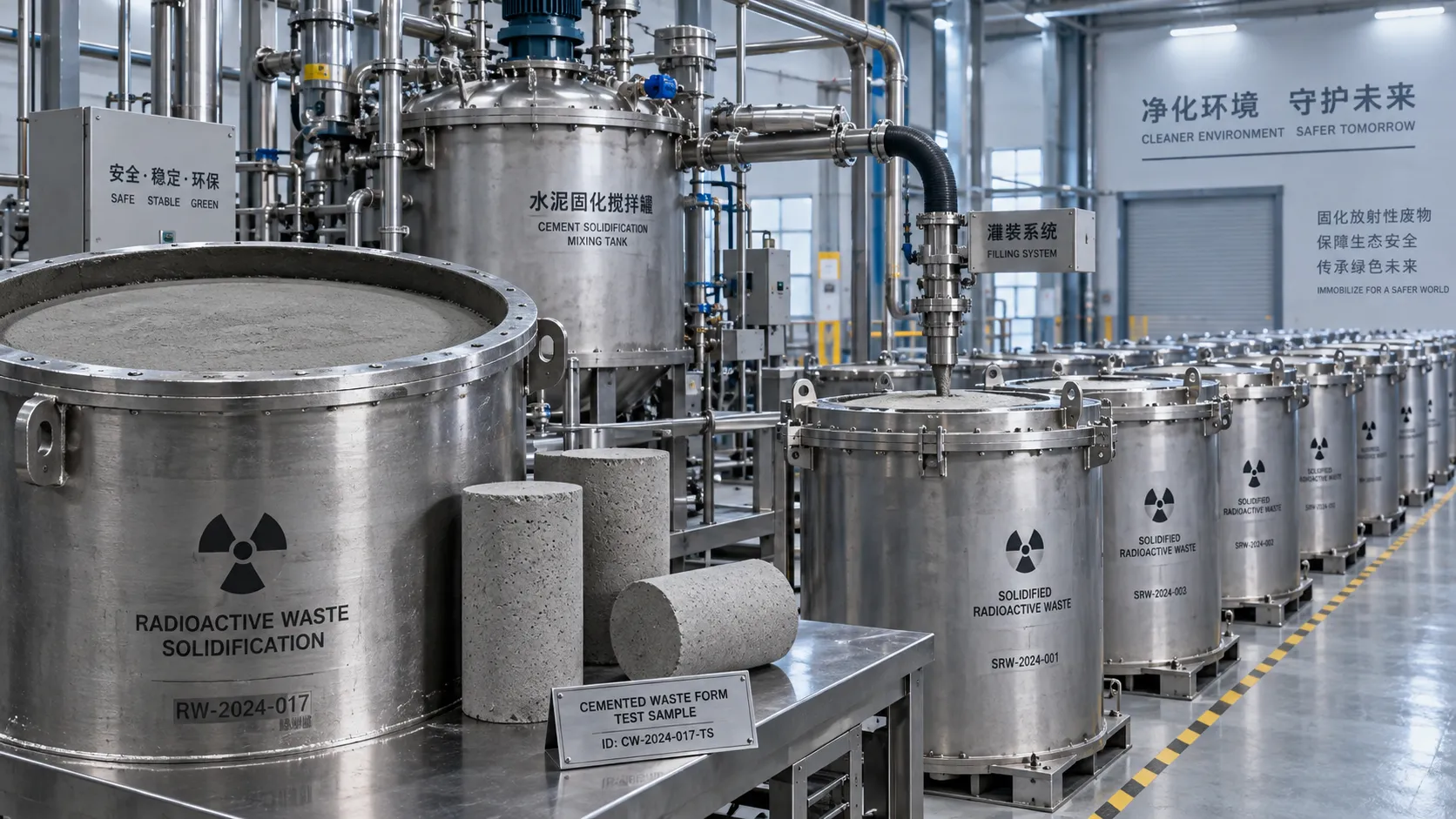
When is cementation suitable for nuclear decommissioning waste?
Explore nuclear waste treatment technology for decommissioning: learn when cementation fits, which risks to assess, and how disposal criteria guide an effective treatment choice.
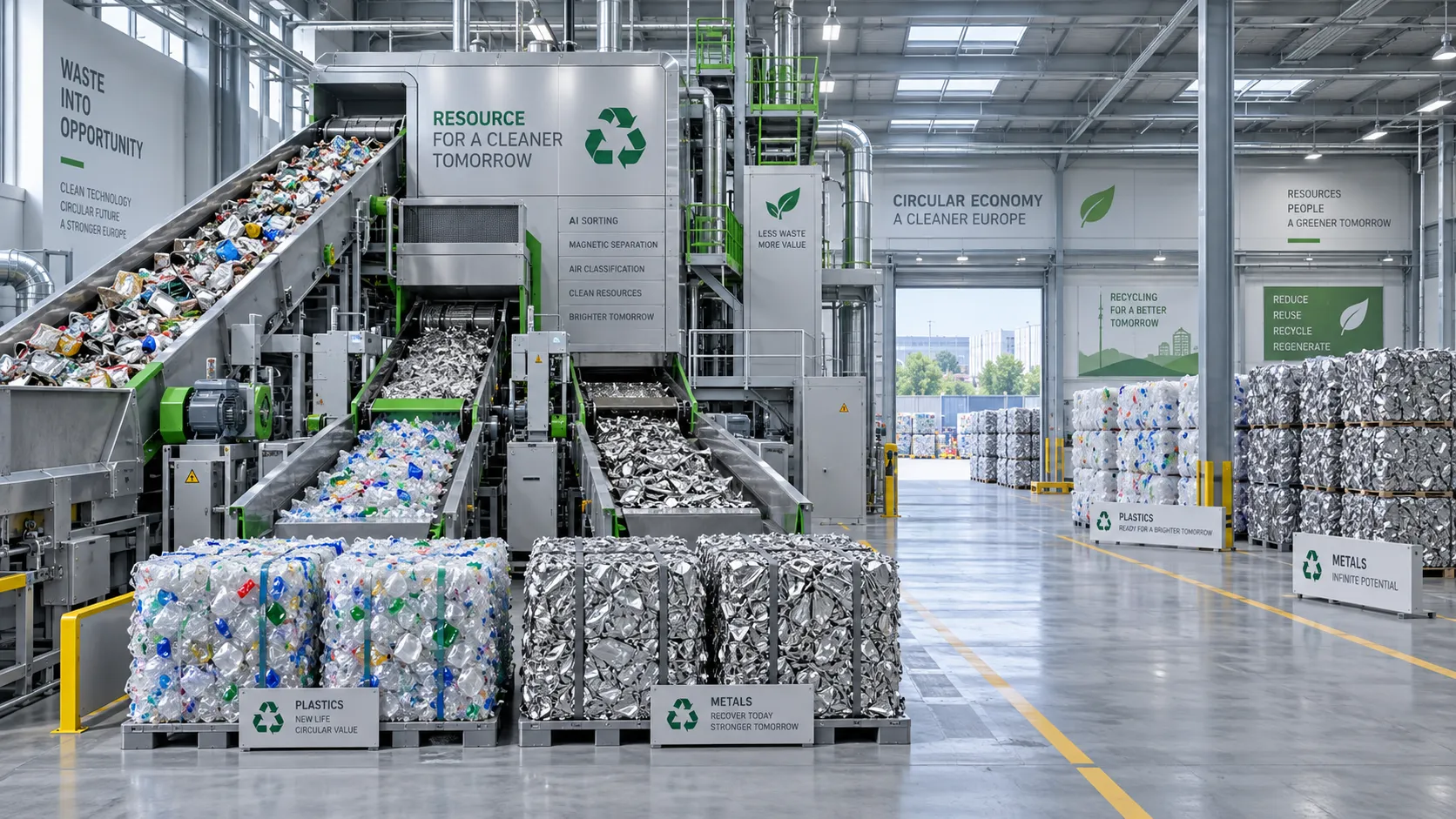
What determines payback for waste-to-resource systems in Europe?
Assess waste-to-resource systems Europe-wide: compare feedstock, recovery yields, costs and contracts to uncover payback drivers and make smarter investment decisions.
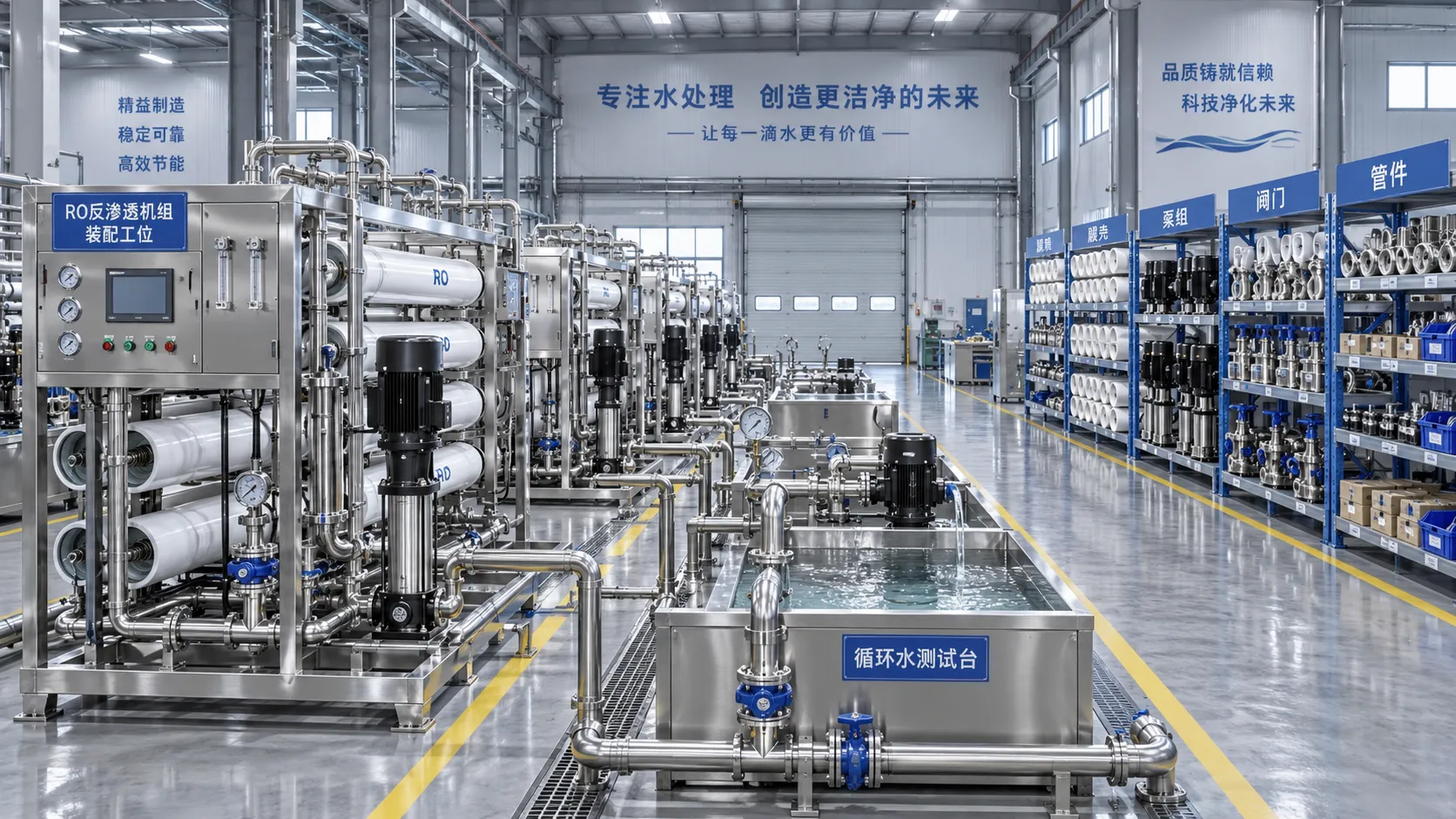
How to verify a water treatment system factory’s production capacity
Verify a water treatment systems factory’s production capacity through records, bottlenecks, component availability, and testing. Learn what to check before accepting a delivery promise.
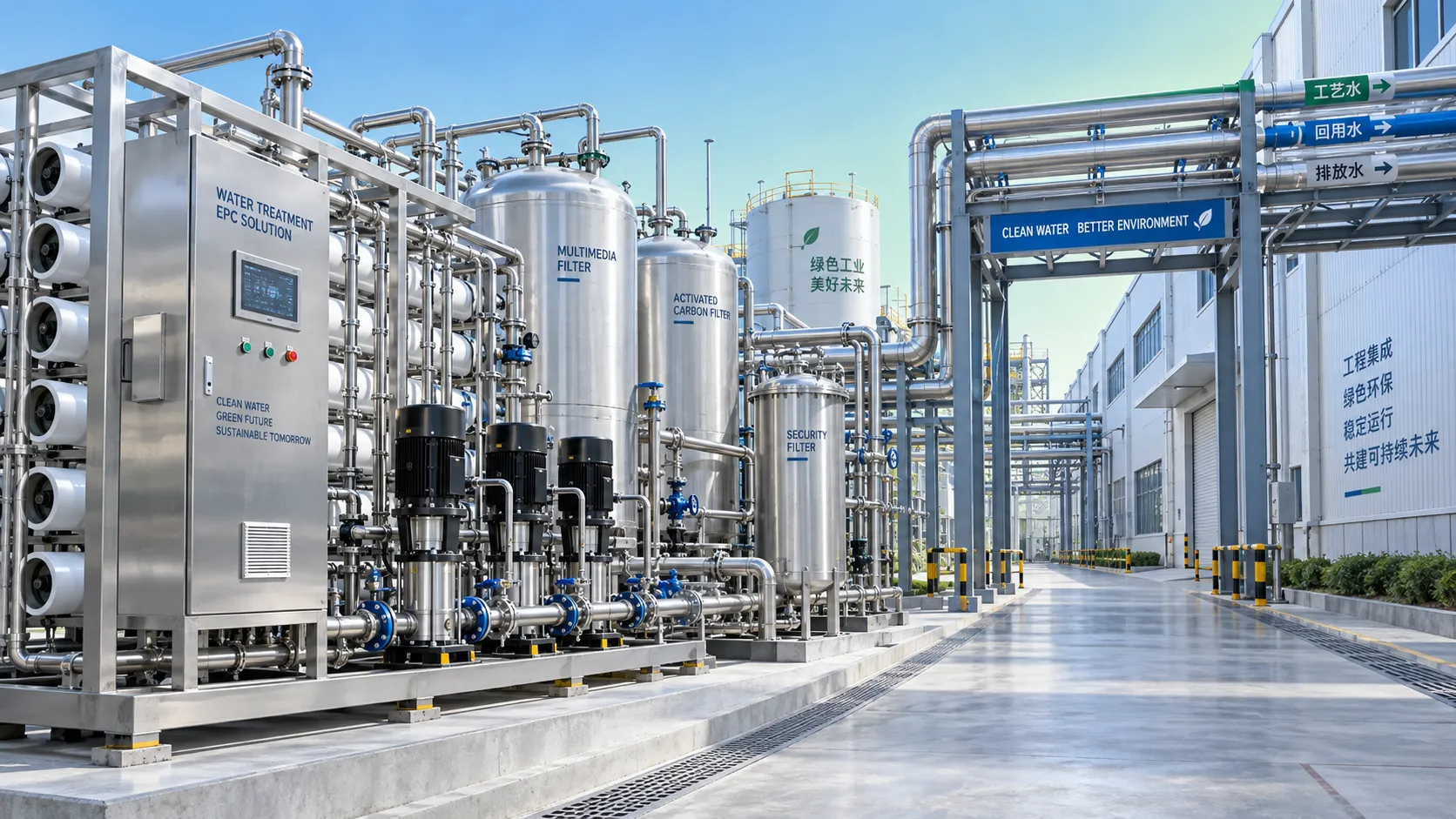
When does EPC environmental project support reduce delivery risk?
EPC environmental project support engineering reduces delivery risk by aligning design, procurement, compliance, construction, and commissioning decisions.
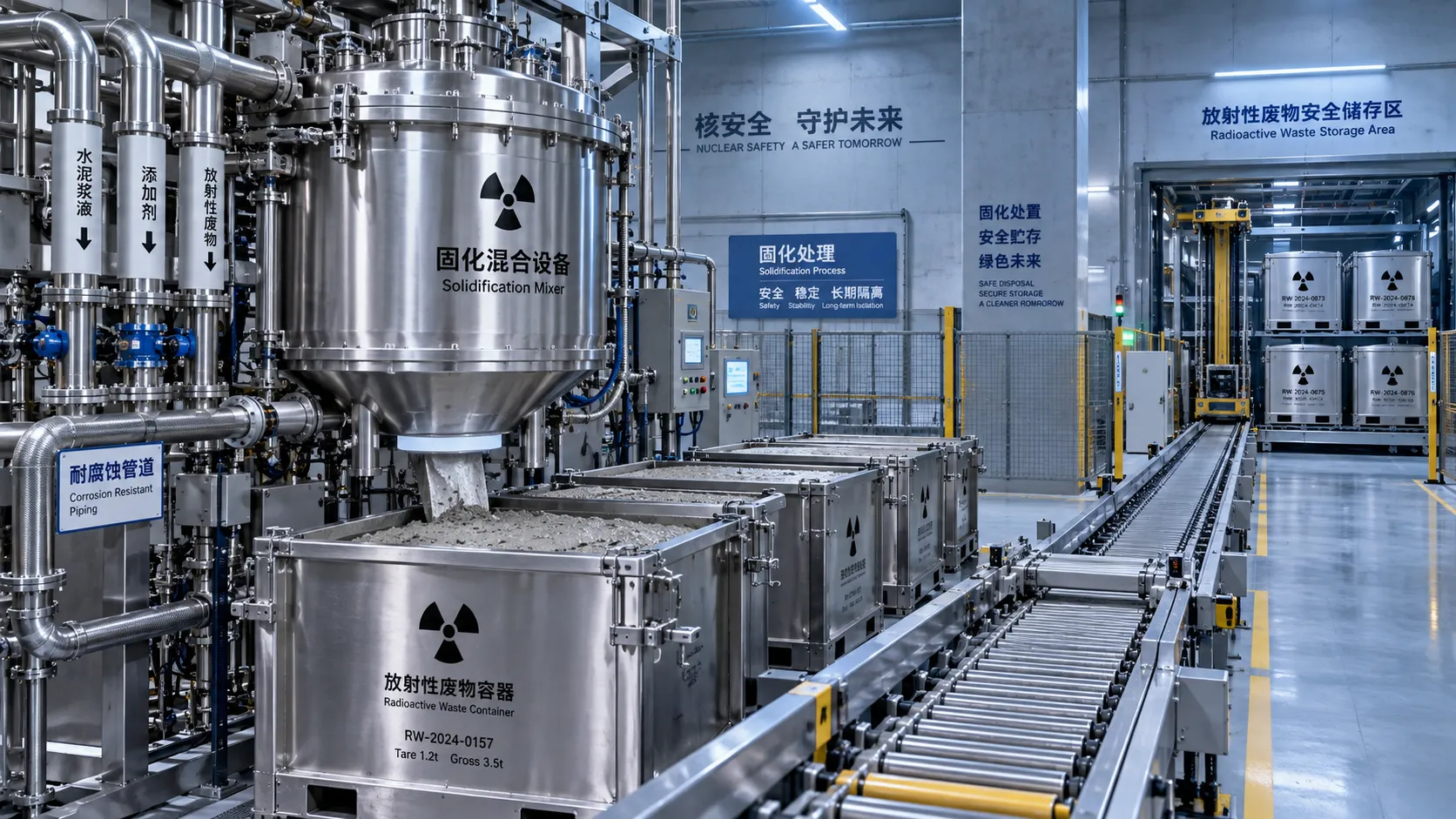
How nuclear plants select a radioactive waste solidification method
Radioactive waste management for nuclear plants: compare vitrification, cementation, polymers, and ceramics to select a compliant, durable solidification solution.
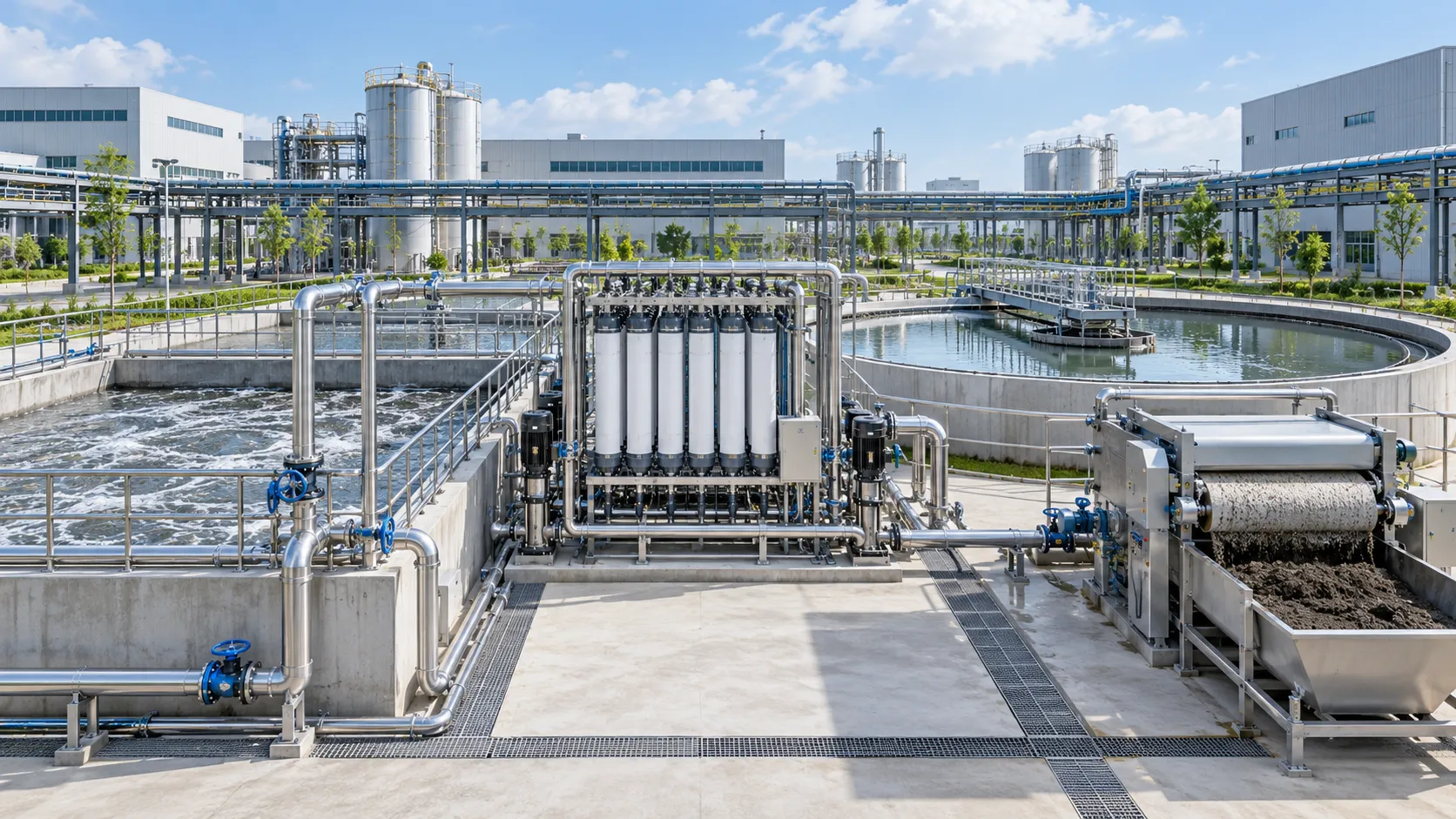
What Drives the Cost of Wastewater System Upgrades in Industrial Parks?
Costs of wastewater system upgrades in industrial parks: uncover key drivers from influent variability and civil works to sludge, energy, compliance, and lifecycle risk.
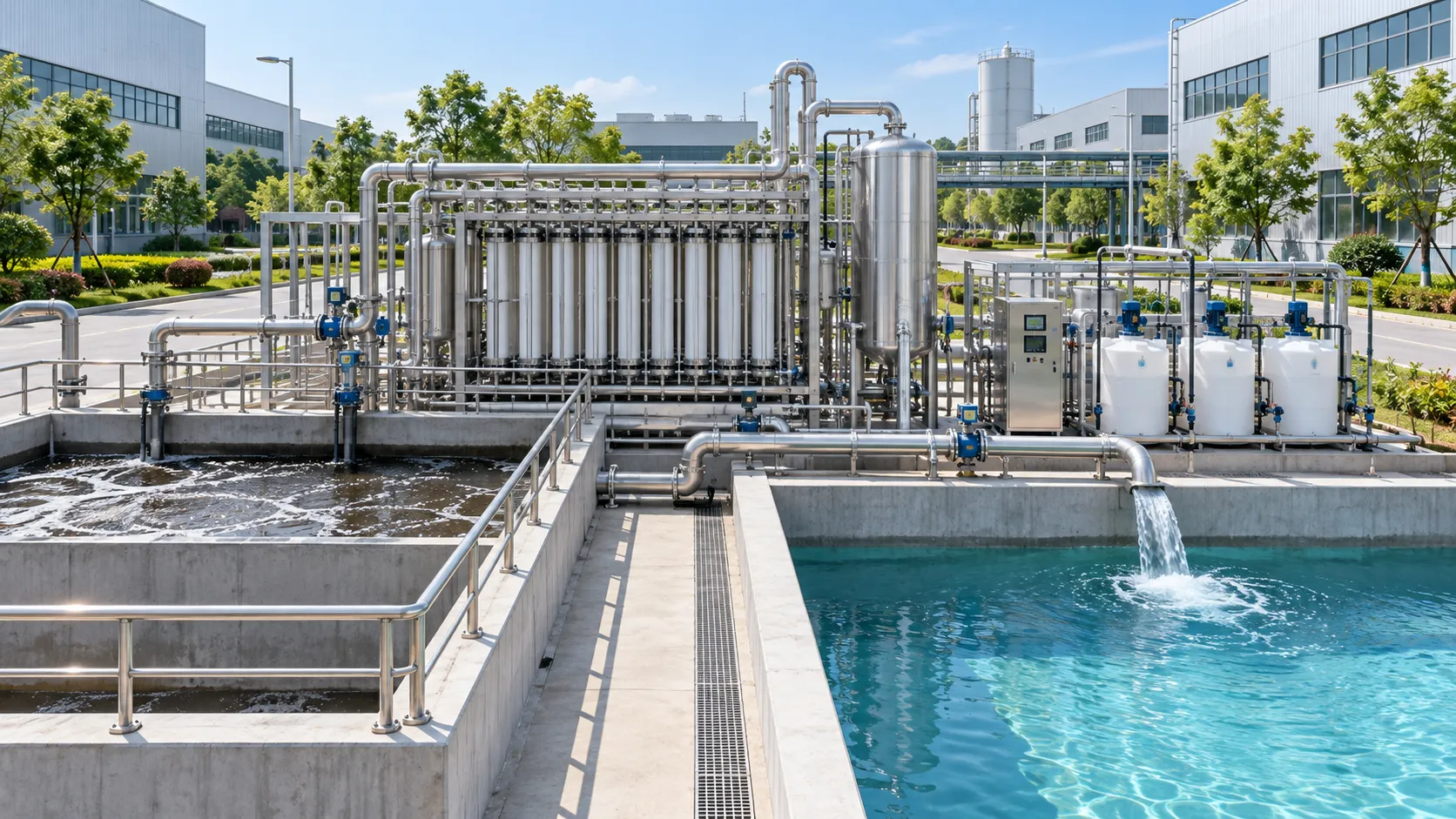
Comparing Upgrade Costs for Industrial Park Wastewater Treatment Systems
Compare costs for wastewater system upgrades in industrial parks with a lifecycle view of CAPEX, OPEX, compliance, resilience, and future expansion.
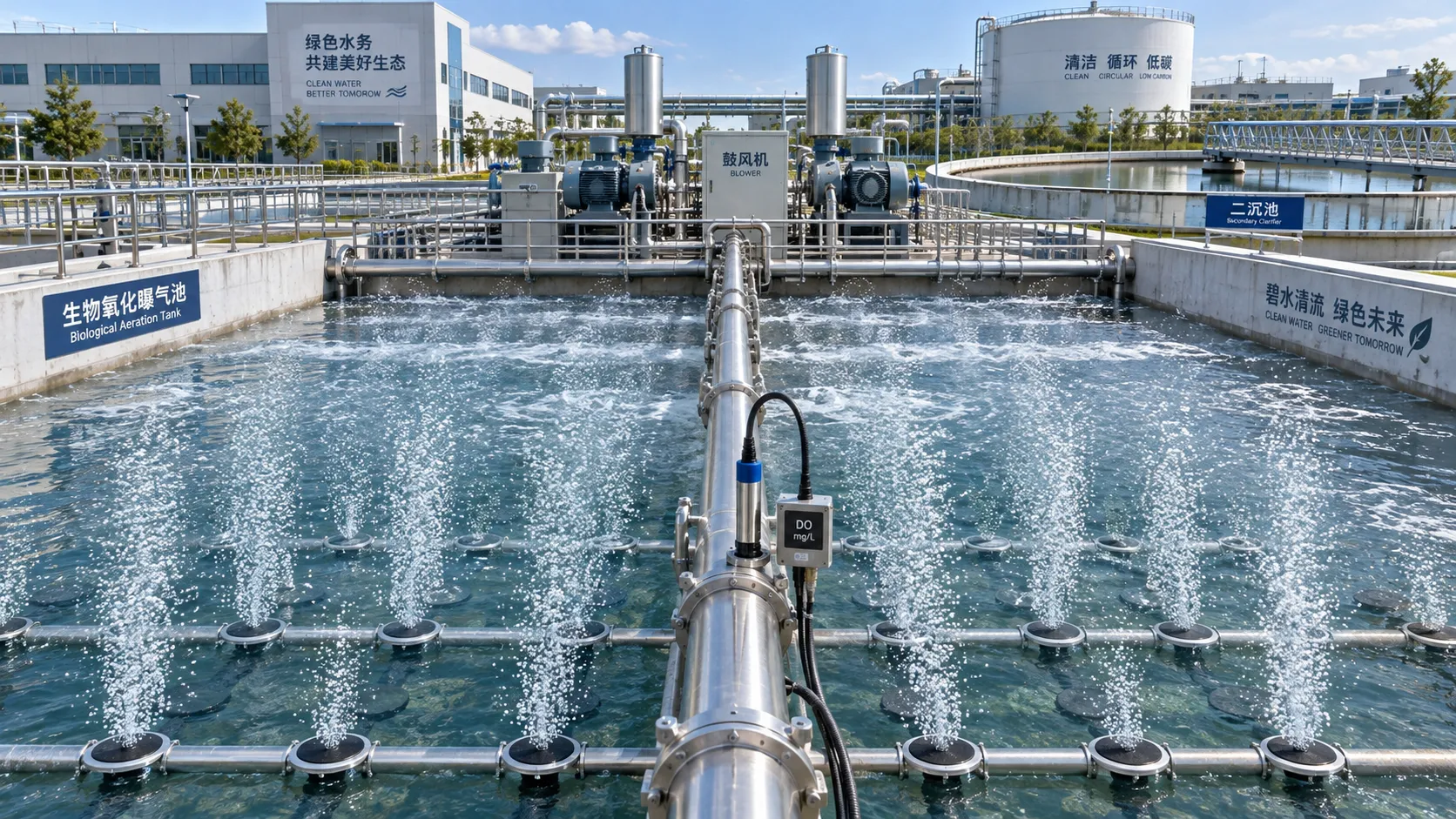
Biological Wastewater Oxidation Explained: Aeration Demand and Process Control
Biological wastewater oxidation explained: optimize aeration demand, DO control, nitrification, and sludge age for stable effluent quality and lower energy costs.
Activated Sludge Cost: Budgeting Energy, Chemicals, Sludge, and Labor
Activated sludge cost explained: compare energy, chemicals, sludge disposal, labor, and compliance risks to build a reliable lifecycle budget.