
Industry News
Curation by industry experts
Hot Articles
Popular Tags
Urban Mining Technology Advancements Reshaping E-Waste Yield in 2026
As global e-waste volumes surge and resource security becomes a strategic priority, urban mining technology advancements are redefining recovery yield, purity, and operational efficiency in 2026. For technology evaluation professionals, this shift goes beyond recycling—it signals a new benchmark in AI sorting, hydrometallurgy, and closed-loop system design, where performance, compliance, and return on investment must be assessed as one integrated decision framework.
For most evaluators, the core question is no longer whether urban mining matters. It is which technologies materially improve metal recovery, reduce contamination, meet compliance targets, and sustain profitability under volatile feedstock conditions.
That is why the most important 2026 developments are not isolated breakthroughs. They are system-level advances that connect sensor-driven pre-sorting, adaptive dismantling, selective metallurgy, emissions control, and digital traceability into measurable yield gains.
What Searchers Really Want to Know About Urban Mining Technology Advancements
When professionals search for urban mining technology advancements, they are usually looking for practical evaluation guidance. They want to know which innovations are improving e-waste yield, where the bottlenecks remain, and how to compare competing process routes.
For technology assessment teams, yield is not a single number. It includes collection efficiency, identification accuracy, liberation performance, metal recovery rate, product purity, residue minimization, and the operating stability required for commercial scale.
In 2026, the strongest market interest centers on printed circuit boards, lithium-ion batteries, rare earth components, and mixed small electronic waste. These streams carry high value but also present difficult separation, safety, and environmental control challenges.
Why E-Waste Yield Is Being Reshaped in 2026
Several structural forces are driving this shift. Global e-waste volumes continue to rise, while primary mining faces tighter permitting, geopolitical risk, and higher environmental scrutiny. Urban mines have therefore become a strategic supplement to conventional resource supply.
At the same time, regulators are demanding better reporting, safer handling, lower emissions, and documented downstream accountability. As a result, urban mining technology advancements are judged not only by recovery rates but by full-chain compliance performance.
Another important factor is feedstock complexity. Devices are becoming smaller, more integrated, and harder to disassemble. This raises the value of precision sorting, robotic handling, and selective extraction technologies that can recover target materials without excessive losses.
Capital markets are also influencing equipment selection. Investors increasingly prefer facilities that can prove resilient economics across changing commodity prices, labor costs, and producer responsibility frameworks. That makes data-backed yield forecasting more important than headline capacity figures.
Which Technologies Are Delivering the Biggest Yield Improvements
The largest gains are coming from the combination of intelligent front-end sorting and more selective downstream recovery. Facilities that still rely heavily on manual classification are finding it harder to maintain purity and throughput as input streams diversify.
Advanced sensor fusion systems now combine near-infrared, X-ray transmission, X-ray fluorescence, hyperspectral imaging, and machine vision. Together, these tools improve material recognition beyond traditional color or shape-based sorting and reduce misclassification in mixed electronic scrap.
AI models trained on component-level datasets are also improving sorting decisions in real time. Instead of simply separating broad fractions, systems can identify battery chemistries, precious-metal-rich boards, flame-retardant plastics, and hazardous sub-streams with higher confidence.
Robotic dismantling is another meaningful development. While full automation remains difficult for highly variable products, semi-automated workcells now deliver better consistency in removing batteries, displays, wiring, and high-value modules before shredding begins.
This matters because better pre-processing improves liberation and reduces contamination downstream. In urban mining, one of the most costly mistakes is feeding poorly prepared material into complex metallurgical stages, where impurities raise reagent consumption and lower final product quality.
How AI Sorting Changes the Economics of Recovery
AI sorting has become central to urban mining technology advancements because it affects both yield and cost structure. Better recognition means fewer valuable materials are lost into low-grade fractions or contaminated residues.
For evaluators, the right question is not whether a system uses AI, but whether the model performs reliably under real operating conditions. Dust, damaged housings, mixed brands, nonstandard products, and changing feed composition can quickly expose weak training data.
Key assessment metrics include recognition accuracy by material class, false reject rates, throughput under realistic loading, retraining frequency, hardware maintenance demands, and integration quality with conveyors, robotics, and plant control architecture.
Another economic benefit is labor optimization. AI sorting does not always eliminate manual work, but it can move personnel toward exception handling, safety checks, and quality control rather than repetitive first-pass identification. That improves consistency and can reduce exposure to hazardous components.
However, high performance depends on a strong data loop. The best plants treat sorting intelligence as a living asset, continuously updating models using feedback from assay results, manual audits, and downstream recovery outcomes.
Why Hydrometallurgy Is Gaining Ground Over Conventional Routes
Hydrometallurgy is gaining momentum because it can offer higher selectivity, lower thermal intensity, and better adaptability for complex e-waste streams. In 2026, advances are focused on reagent efficiency, impurity control, and modular process design.
Compared with purely pyrometallurgical routes, hydrometallurgical systems can be more effective for recovering copper, gold, silver, cobalt, nickel, lithium, and selected rare earths from pre-concentrated streams. They are especially attractive where feedstock segregation is already strong.
New leaching approaches are improving target-metal dissolution while reducing attack on unwanted matrices. This increases recovery potential and simplifies purification. Solvent extraction, ion exchange, membrane separation, and electro-winning stages are also becoming more tightly optimized.
For evaluators, the most useful comparison points are not broad claims about green chemistry. They are extraction efficiency by feed type, reagent recirculation rate, wastewater load, impurity tolerance, scale-up stability, and sensitivity to variable upstream preparation quality.
Closed-loop water management is especially important. Since urban mining facilities often operate under strict discharge limits, hydrometallurgical advantages can disappear if water reuse, residue stabilization, and effluent polishing are not engineered as part of the original process package.
Battery Recycling and Critical Minerals Recovery Are Raising the Bar
Lithium-ion battery recycling is now one of the most important fronts in urban mining technology advancements. The sector has moved beyond basic black mass production toward higher-value recovery pathways for lithium, nickel, cobalt, manganese, graphite, and copper.
What changed in 2026 is the emphasis on chemistry-aware processing. LFP, NMC, NCA, and emerging battery formats require different pre-treatment and extraction logic. Facilities that cannot distinguish and route these streams precisely face lower yield and less predictable economics.
Discharge safety, thermal event prevention, and electrolyte management remain essential evaluation areas. A technology with strong metal recovery but weak safety design may fail practical deployment, particularly in regions with strict environmental and occupational regulation.
Rare earth recovery is also advancing, although commercial complexity remains high. Permanent magnets in motors, drives, and electronics contain valuable elements, but separation and purification still require highly controlled process conditions and disciplined feedstock targeting.
This makes front-end concentration critical. In both battery and rare earth systems, profitability depends less on generic access to e-waste and more on the plant’s ability to isolate high-value sub-streams before expensive recovery stages begin.
What Technology Evaluation Professionals Should Measure First
For technical evaluators, the first priority is to define yield in a way that reflects business reality. A vendor may advertise impressive recovery for one metal, while overall value capture remains weak due to losses, contamination, downtime, or high residue disposal costs.
A better framework starts with feed characterization. Assess metal content distribution, product mix variability, hazardous fractions, moisture, particle size after shredding, and the proportion of embedded components requiring selective dismantling.
Then evaluate process performance across six practical layers: capture rate, sorting purity, liberation effectiveness, metallurgical recovery, final product specification, and residuals management. Weakness in any layer can erase gains achieved elsewhere in the system.
Technology maturity must also be separated from pilot-stage promise. Many urban mining technology advancements look compelling in controlled demonstrations but struggle when exposed to mixed municipal or commercial collection streams at industrial throughput.
Finally, compare systems using scenario analysis. Test economics under different metal prices, utility costs, labor constraints, and compliance obligations. The strongest solution is usually not the one with the highest peak margin, but the one with the best resilience across realistic market conditions.
How Compliance, Traceability, and Residue Management Affect Real Yield
True yield is increasingly shaped by compliance architecture. If a process generates hazardous residues that are expensive to stabilize or export, apparent recovery performance can be offset by hidden downstream costs and regulatory risk.
Traceability requirements are also tightening. Buyers, regulators, and OEM partners increasingly want documented proof of origin, chain of custody, material balance, and recovery destination. Digital tracking platforms are therefore becoming part of the technology stack, not just an administrative add-on.
For technology evaluation teams, this means asking whether a plant can produce auditable mass-balance data. Can it verify how much copper, gold, lithium, or plastic entered the system, where it moved, and what specification the final output achieved?
Air emissions, wastewater, dust control, and fire prevention systems should be assessed with the same seriousness as separation equipment. In advanced urban mining, environmental control is not overhead. It is a prerequisite for uptime, licensing stability, and customer acceptance.
Where the Best Investment Cases Are Emerging
The strongest investment cases are emerging in integrated facilities that combine high-quality collection networks, targeted pre-processing, intelligent sorting, and specialized downstream recovery modules. Integration reduces leakage between process stages and improves value capture.
Another attractive model is hub-and-spoke design. Regional sites perform collection, depollution, dismantling, and primary concentration, while centralized plants handle higher-complexity metallurgical recovery. This can improve logistics economics and standardize quality control.
Partnerships with OEMs, utilities, telecom operators, and data center decommissioning programs are also becoming more important. Stable feedstock quality often matters more than nominal plant capacity, especially for systems designed around high-purity output streams.
For evaluators, the implication is clear: technology should be judged within a supply-chain model. Even excellent recovery equipment can underperform if collection quality, feedstock contracts, or downstream offtake agreements are weak.
What Will Differentiate Winners in 2026 and Beyond
The winners will be facilities that treat urban mining as a precision resource recovery business rather than a volume-driven waste handling operation. That means better data, tighter process control, and stronger alignment between sorting logic and metallurgical design.
Urban mining technology advancements are moving the sector toward modular, adaptive plants that can respond to changing device composition, battery chemistries, and compliance rules. Flexibility is becoming as important as peak efficiency.
For technology assessment professionals, the best decision framework combines three questions. Does the system improve recoverable value per ton? Can it maintain performance under variable real-world inputs? And does it remain compliant and investable at scale?
If the answer to all three is yes, 2026 offers a genuine turning point. Urban mining is no longer a peripheral recycling concept. It is becoming a strategic industrial platform for material security, circular manufacturing, and environmentally disciplined resource recovery.
In summary, the most important urban mining technology advancements are those that connect AI sorting, selective dismantling, hydrometallurgy, traceability, and environmental controls into one coherent operating model. For evaluators, yield must be measured across the whole chain.
The practical takeaway is simple: prioritize technologies that prove recovery, purity, compliance, and economic resilience together. In 2026, that integrated standard is what separates promising pilots from scalable urban mining infrastructure.
Recommended News
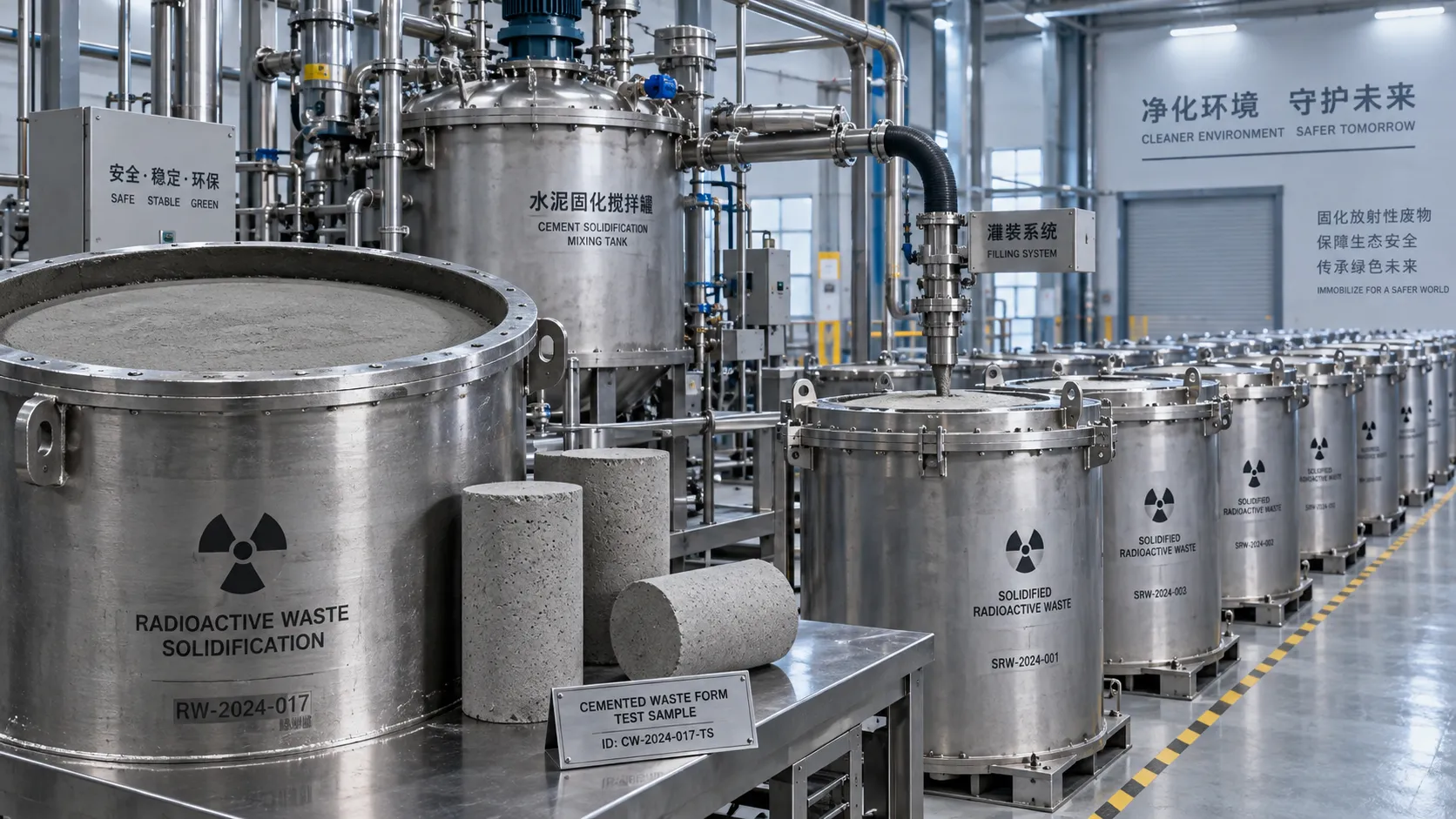
When is cementation suitable for nuclear decommissioning waste?
Explore nuclear waste treatment technology for decommissioning: learn when cementation fits, which risks to assess, and how disposal criteria guide an effective treatment choice.
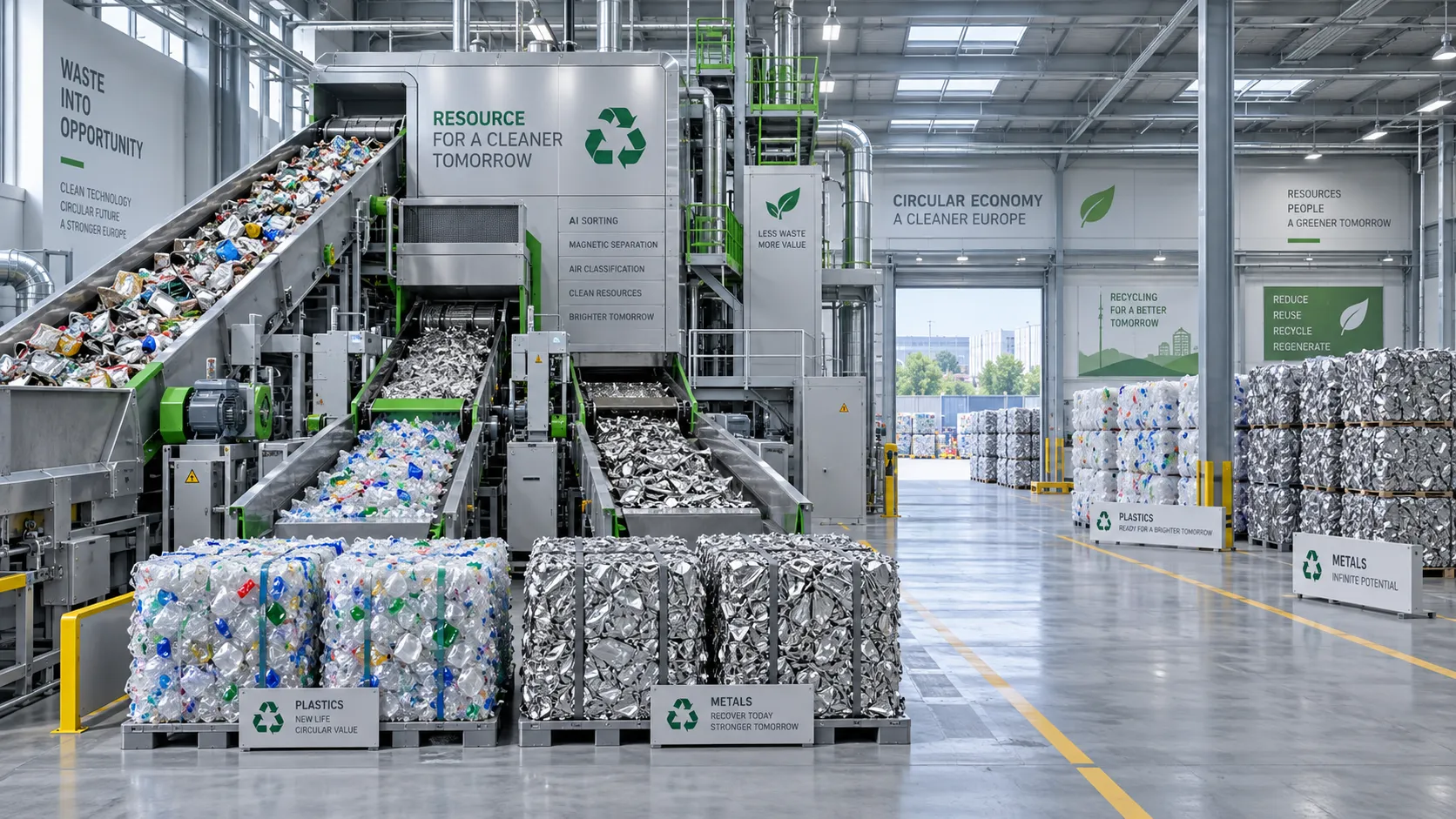
What determines payback for waste-to-resource systems in Europe?
Assess waste-to-resource systems Europe-wide: compare feedstock, recovery yields, costs and contracts to uncover payback drivers and make smarter investment decisions.
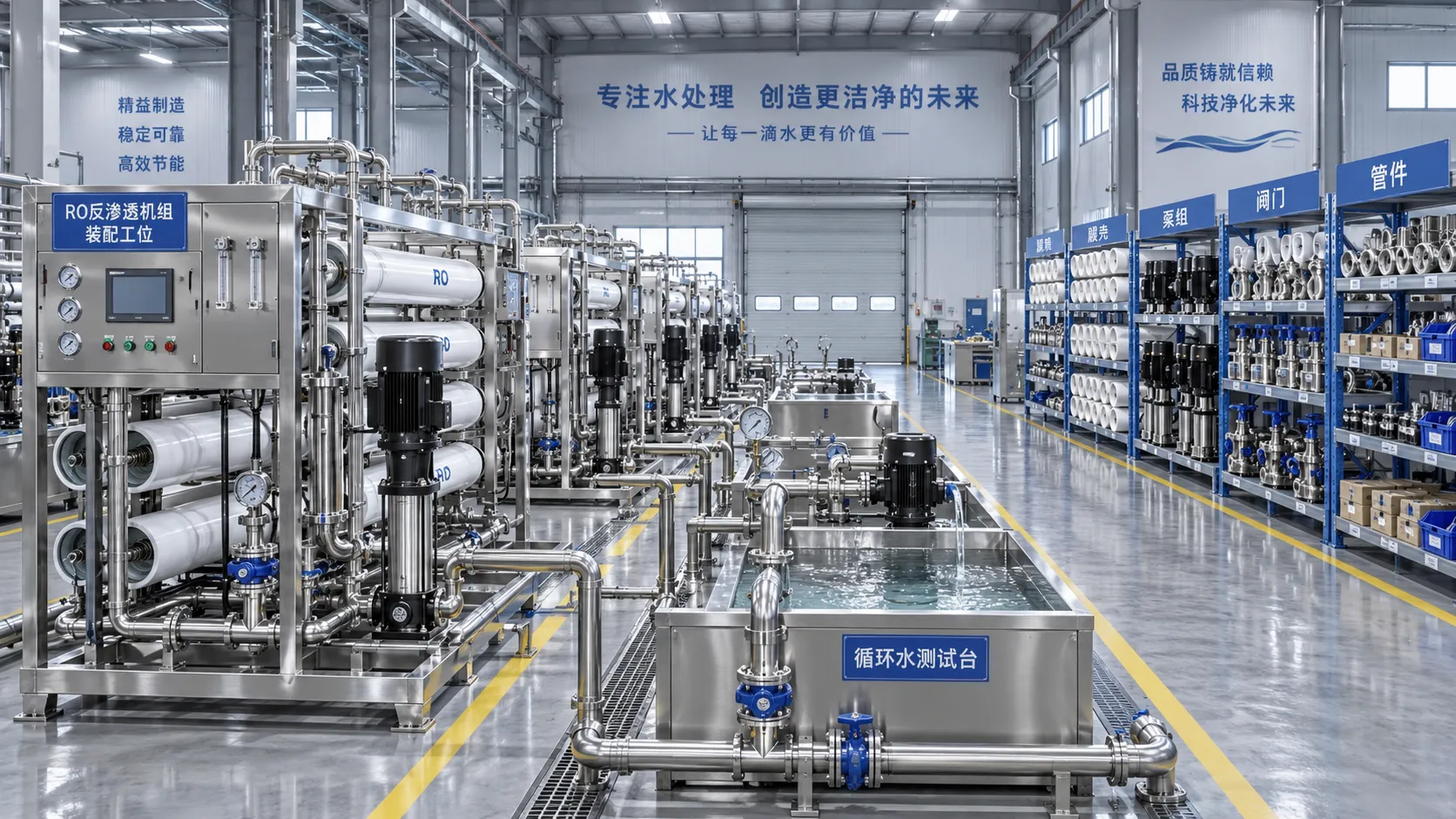
How to verify a water treatment system factory’s production capacity
Verify a water treatment systems factory’s production capacity through records, bottlenecks, component availability, and testing. Learn what to check before accepting a delivery promise.
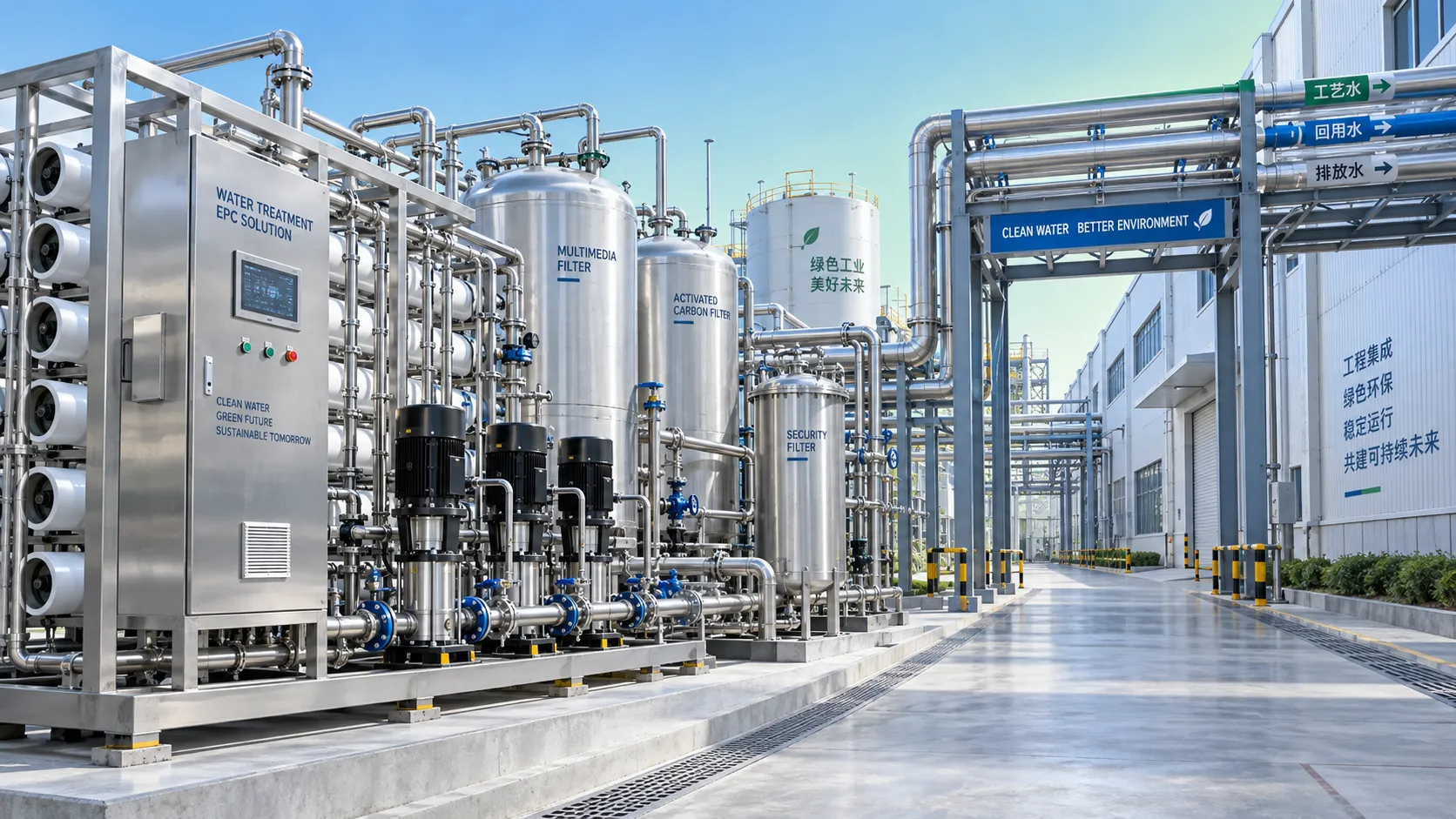
When does EPC environmental project support reduce delivery risk?
EPC environmental project support engineering reduces delivery risk by aligning design, procurement, compliance, construction, and commissioning decisions.
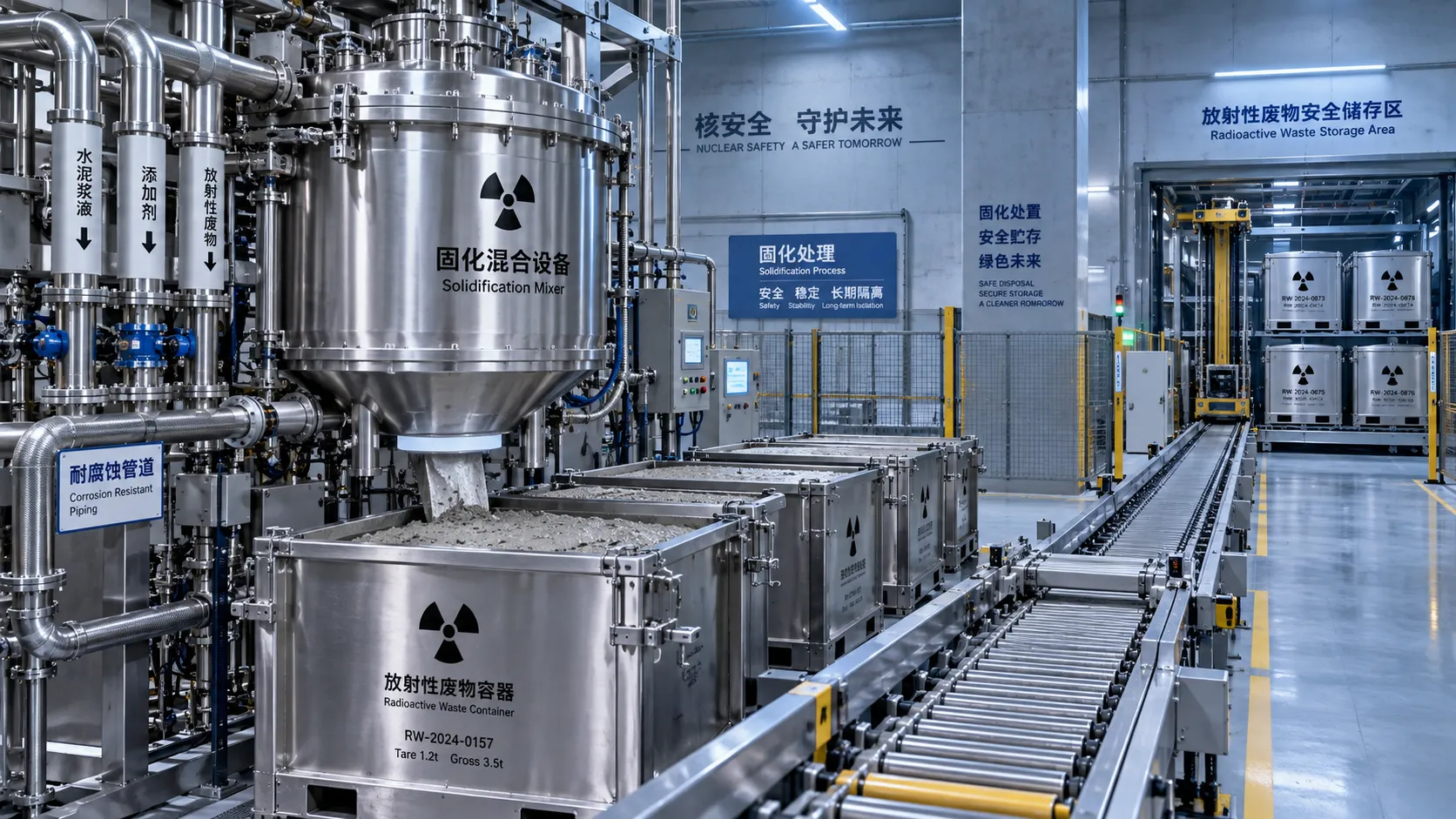
How nuclear plants select a radioactive waste solidification method
Radioactive waste management for nuclear plants: compare vitrification, cementation, polymers, and ceramics to select a compliant, durable solidification solution.
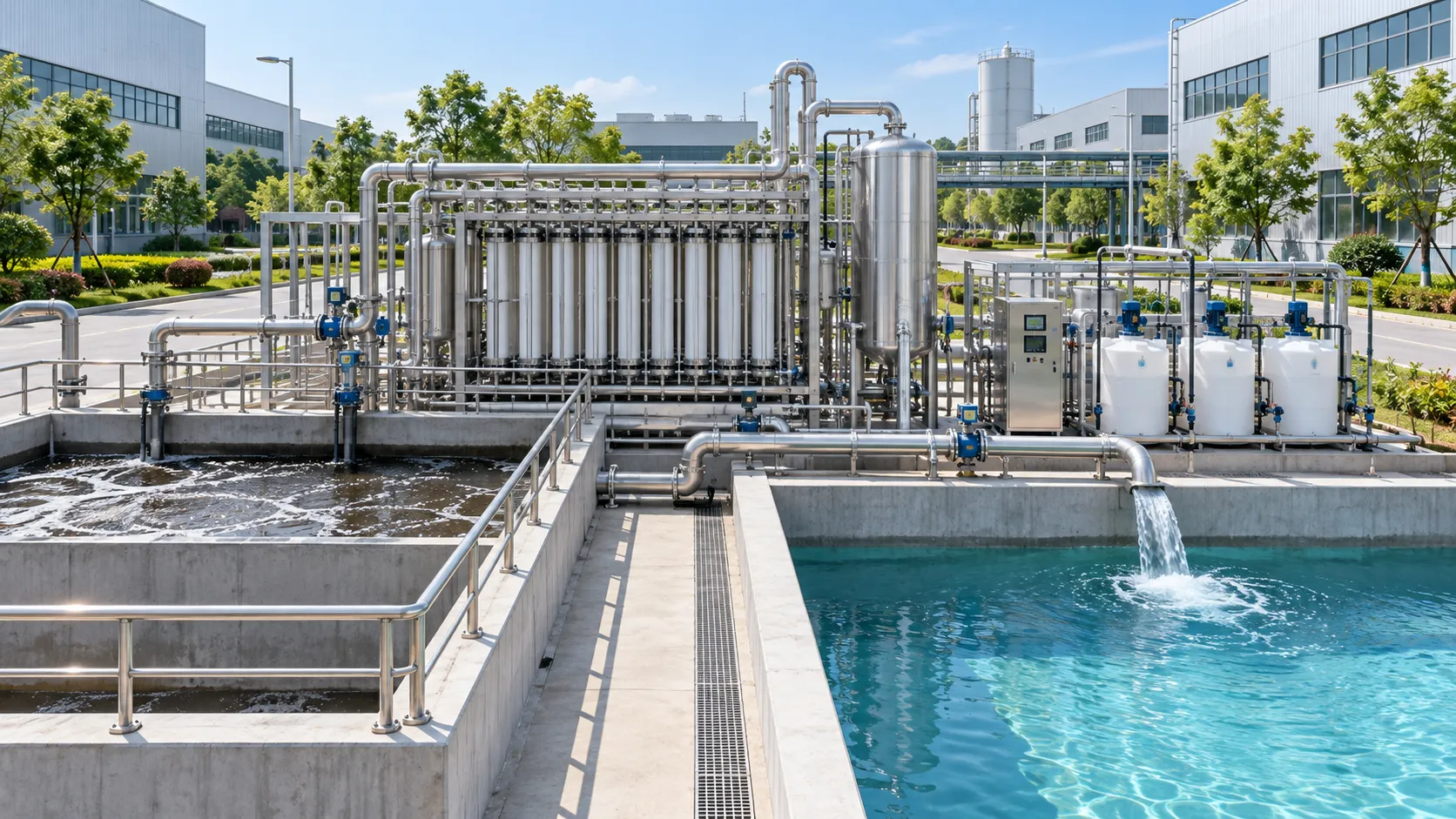
Comparing Upgrade Costs for Industrial Park Wastewater Treatment Systems
Compare costs for wastewater system upgrades in industrial parks with a lifecycle view of CAPEX, OPEX, compliance, resilience, and future expansion.
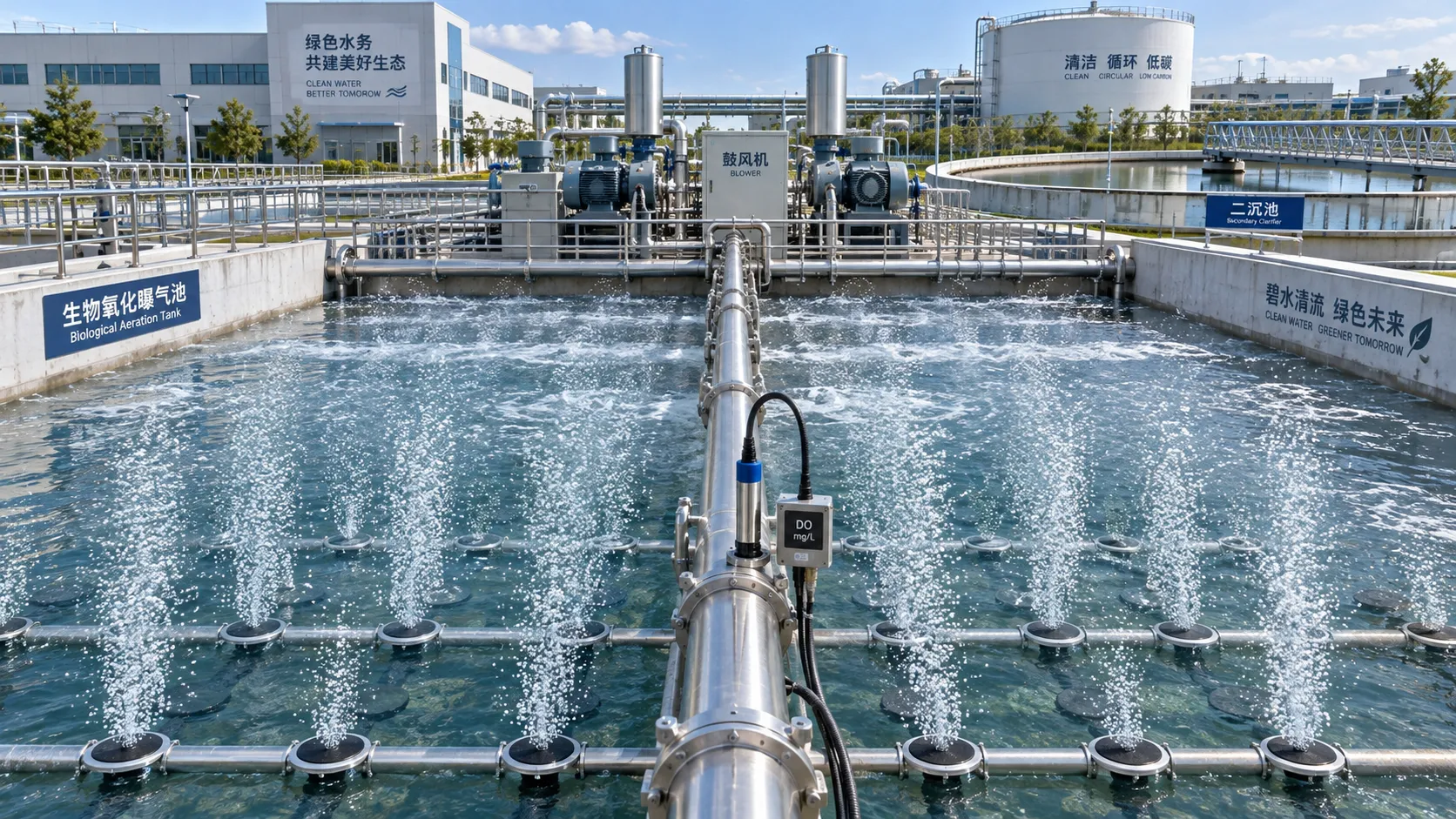
Biological Wastewater Oxidation Explained: Aeration Demand and Process Control
Biological wastewater oxidation explained: optimize aeration demand, DO control, nitrification, and sludge age for stable effluent quality and lower energy costs.
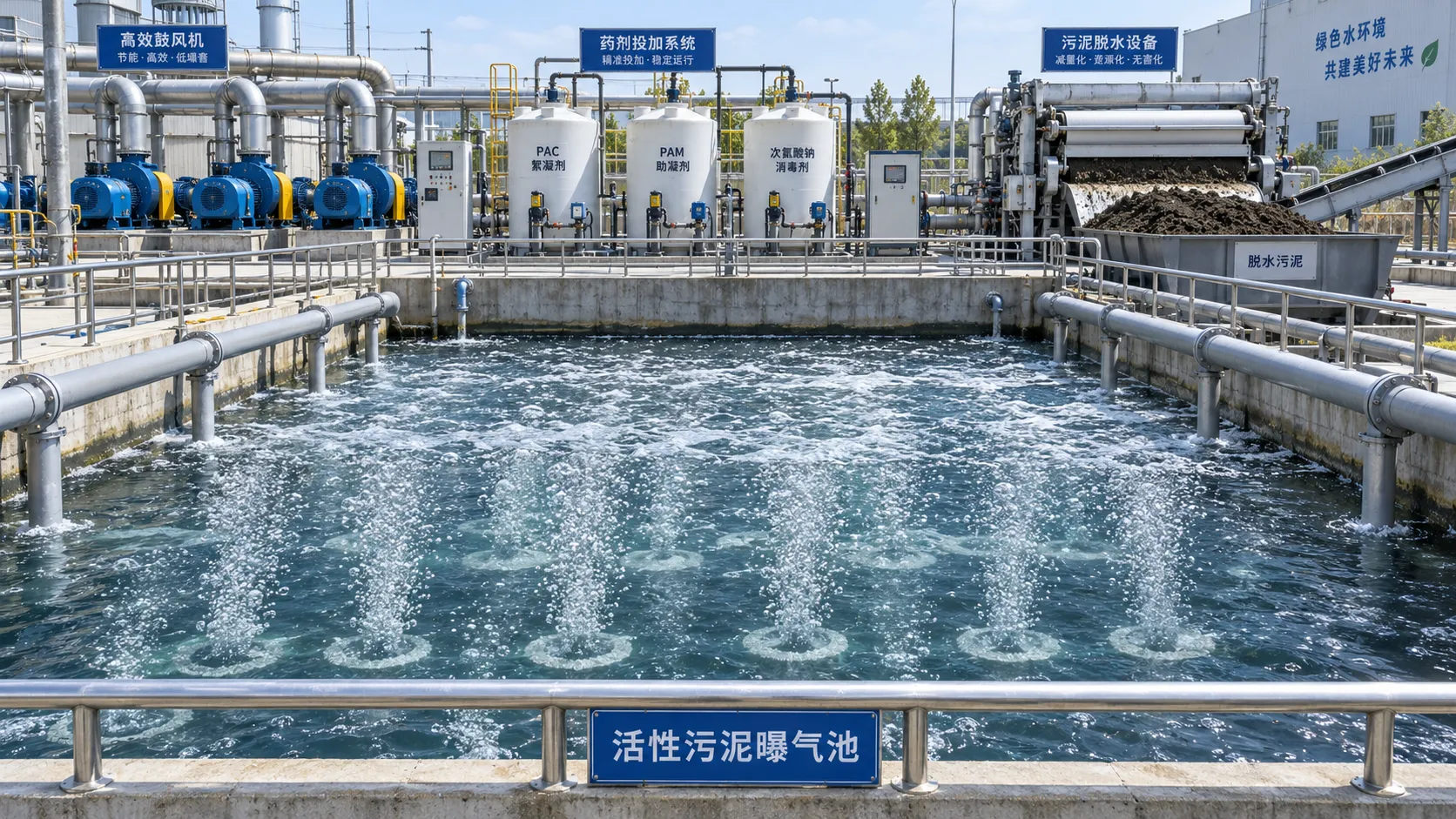
Activated Sludge Cost: Budgeting Energy, Chemicals, Sludge, and Labor
Activated sludge cost explained: compare energy, chemicals, sludge disposal, labor, and compliance risks to build a reliable lifecycle budget.
When Should Municipal Wastewater Plants Upgrade Treatment Capacity and Controls?
Municipal wastewater treatment upgrades: learn when capacity, controls, and resilient planning are needed to protect compliance and optimize plant performance.