
Industry News
Curation by industry experts
Hot Articles
Popular Tags
How to Compare Urban Mining Equipment Suppliers in 2026
How to Compare Urban Mining Equipment Suppliers in 2026
Choosing among urban mining equipment suppliers in 2026 requires more than comparing catalogs or prices.
The stronger question is this: which supplier can reduce risk while improving long-term recovery value?
That matters even more now, as recycling targets, traceability rules, and feedstock complexity keep rising.
In practice, procurement decisions now sit at the intersection of technology, compliance, uptime, and economics.
This guide explains how to compare urban mining equipment suppliers with a sharper, more practical evaluation framework.
Why Supplier Comparison Looks Different in 2026
Urban mining is no longer limited to basic scrap handling or manual sorting lines.
Today, buyers assess systems for e-waste, battery black mass, plastics recovery, metal separation, and residue valorization.
More importantly, regulations increasingly demand measurable outputs, cleaner emissions, and auditable material flows.
That changes how urban mining equipment suppliers should be compared.
A low quoted price may hide weak automation, unstable throughput, or poor downstream integration.
A premium supplier may actually lower total cost through higher recovery rates and fewer shutdowns.
From a sourcing perspective, the goal is not just equipment acquisition.
It is securing a resilient resource recovery capability that stays bankable over time.
Start with Process Fit, Not Brand Familiarity
The first filter for urban mining equipment suppliers should always be process fit.
Well-known names can still be the wrong choice if their technology was designed for different waste streams.
Ask suppliers to map their equipment against actual feedstock variability.
This includes moisture, contamination, particle size, hazardous fractions, and seasonal composition changes.
A credible comparison should cover the full process chain, not one machine in isolation.
For example, shredding performance affects sorting purity, and sorting purity affects refining economics.
This is where experienced urban mining equipment suppliers stand out.
They discuss yield curves, bottlenecks, dust control, rejects handling, and plant balance.
They do not stop at product brochures.
Questions That Expose Real Process Capability
- What feedstock compositions have been validated in operating plants?
- How does throughput change under mixed or contaminated input conditions?
- What recovery rate and purity level are contractually supportable?
- Which upstream and downstream units are required for stable performance?
- What residue streams remain, and how are they managed?
Compare Recovery Performance with Data, Not Claims
Many urban mining equipment suppliers promote efficiency, intelligence, and sustainability.
Those words mean little without comparable operating data.
A stronger method is to request standardized performance evidence across several dimensions.
Look at throughput stability, recovery rate, output purity, energy consumption, and downtime frequency.
Also review how performance changes after six months or one year of operation.
Initial test results can look strong while long-term performance fades due to wear or calibration issues.
That is especially relevant when comparing AI-enabled sorting or sensor-based detection systems.
Ask whether models can adapt to changing material signatures without heavy manual retraining.
Useful Metrics for Supplier Scorecards
Check Compliance Readiness Early
In 2026, compliance is no longer a late-stage engineering topic.
It is a front-end supplier selection criterion.
The best urban mining equipment suppliers understand emissions, worker safety, discharge controls, and material traceability requirements.
This matters for thermal processing, battery recycling, cable granulation, and mixed waste recovery lines.
A supplier may offer strong core machinery yet leave critical environmental interfaces unresolved.
That creates permit delays, redesign costs, and avoidable exposure during commissioning.
A more reliable comparison includes dust collection, wastewater handling, VOC control, fire suppression, and data logging.
This is also where intelligence-led evaluation helps.
At ESD, sector analysis consistently shows compliance failures often begin with incomplete system boundaries.
Compliance Signals Worth Reviewing
- Documented conformity with local and export market standards
- Clear EHS design boundaries and interface responsibilities
- Monitoring architecture for traceability and reporting
- Emergency response logic for fire, dust, and hazardous releases
- Commissioning support for permit-linked acceptance testing
Evaluate Lifecycle Economics, Not Just CAPEX
When comparing urban mining equipment suppliers, CAPEX is only the opening number.
The more important figure is lifecycle value per recovered ton.
That includes maintenance, consumables, labor intensity, utilities, software fees, and unplanned stoppages.
It also includes hidden costs from lower purity outputs or unstable feed handling.
In real projects, the cheaper supplier sometimes becomes the most expensive one after eighteen months.
A sound sourcing process should model best case, base case, and stress case economics.
Stress cases should reflect mixed feedstock, spare part delays, labor shortages, and commodity price swings.
This creates a more honest comparison among urban mining equipment suppliers.
Cost Areas Buyers Often Miss
- Sensor recalibration, software licenses, and data platform subscriptions
- Wear parts for shredders, screens, conveyors, and separation units
- Utility peaks during non-ideal operating windows
- Extra staffing needed to stabilize inconsistent material flow
- Downgraded sales value from off-spec recovered fractions
Look Closely at Service Depth and Local Support
Strong equipment with weak after-sales support can still damage plant performance.
That is why service depth should be central when screening urban mining equipment suppliers.
Ask how quickly critical spares can reach site.
Review whether local technicians can handle commissioning, troubleshooting, and operator retraining.
Remote diagnostics are useful, but they do not replace field capability during major incidents.
The better urban mining equipment suppliers now bundle service intelligence with hardware delivery.
That includes predictive maintenance alerts, performance benchmarking, and process optimization reviews.
This becomes especially valuable as feedstock profiles evolve faster than original design assumptions.
Assess Scalability and Integration Potential
A smart procurement decision should work for today’s line and tomorrow’s expansion.
This is another area where urban mining equipment suppliers differ sharply.
Some offer modular growth paths.
Others require costly replacement when throughput or target fractions increase.
Check how easily the solution integrates with MES, ERP, traceability tools, and environmental reporting systems.
Also ask whether future additions can support battery recycling, precious metal recovery, or advanced plastics upgrading.
In 2026, flexibility is not a bonus feature.
It is a hedge against market and regulatory change.
Build a Practical Supplier Comparison Framework
To compare urban mining equipment suppliers fairly, use a weighted scorecard.
Keep it simple enough to use, but rigorous enough to defend internally.
A practical model usually includes technical fit, recovery performance, compliance readiness, lifecycle cost, and service capability.
Financial stability and reference quality should also be included.
Recent changes across recycling markets show that supplier resilience now matters almost as much as equipment design.
Suggested Evaluation Weighting
- Technical and process fit: 25%
- Recovery performance and purity: 20%
- Compliance and EHS readiness: 15%
- Lifecycle economics: 20%
- Service and spare support: 10%
- Scalability and integration: 10%
Final Takeaway
The best urban mining equipment suppliers in 2026 are not simply machine vendors.
They are process partners with proven data, compliance awareness, and strong lifecycle support.
If comparison starts with process fit, verified performance, and total value, sourcing decisions become much more defensible.
That also lowers operational surprises after installation.
In a circular economy under pressure to scale, that kind of clarity is a real competitive advantage.
The next smart step is to turn these criteria into a shortlist matrix before asking urban mining equipment suppliers for final proposals.
Recommended News
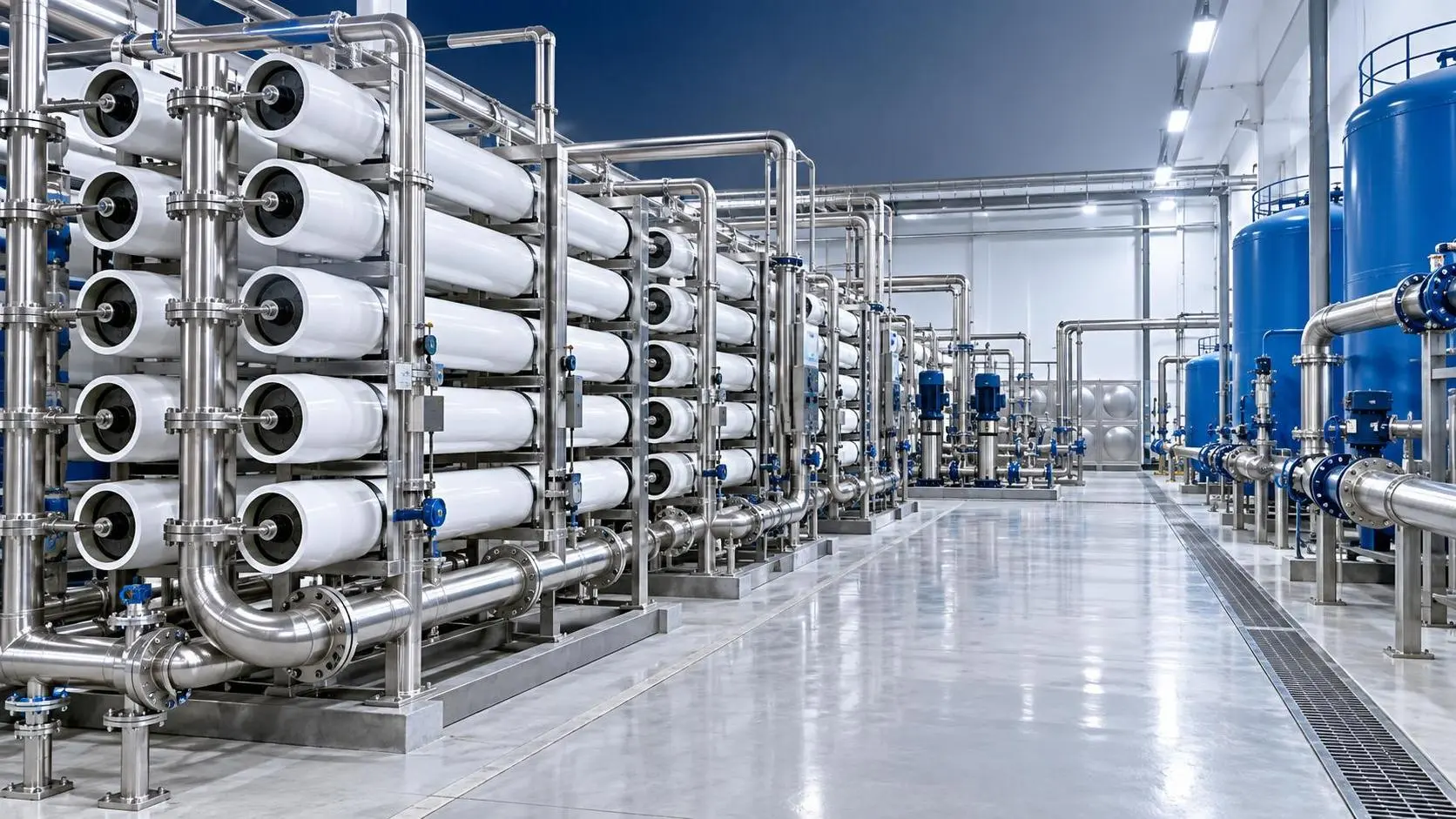
When high flux membrane water treatment justifies a larger footprint
High flux membrane water treatment can justify a larger footprint when variable feedwater, fouling risk, and uptime demands require resilient, lower-flux operation.

RO vs MED desalination: which is more energy-efficient at scale?
Desalination technology comparison: RO vs MED at scale. See how energy use, waste heat, feedwater, carbon, and flexibility determine the best choice.
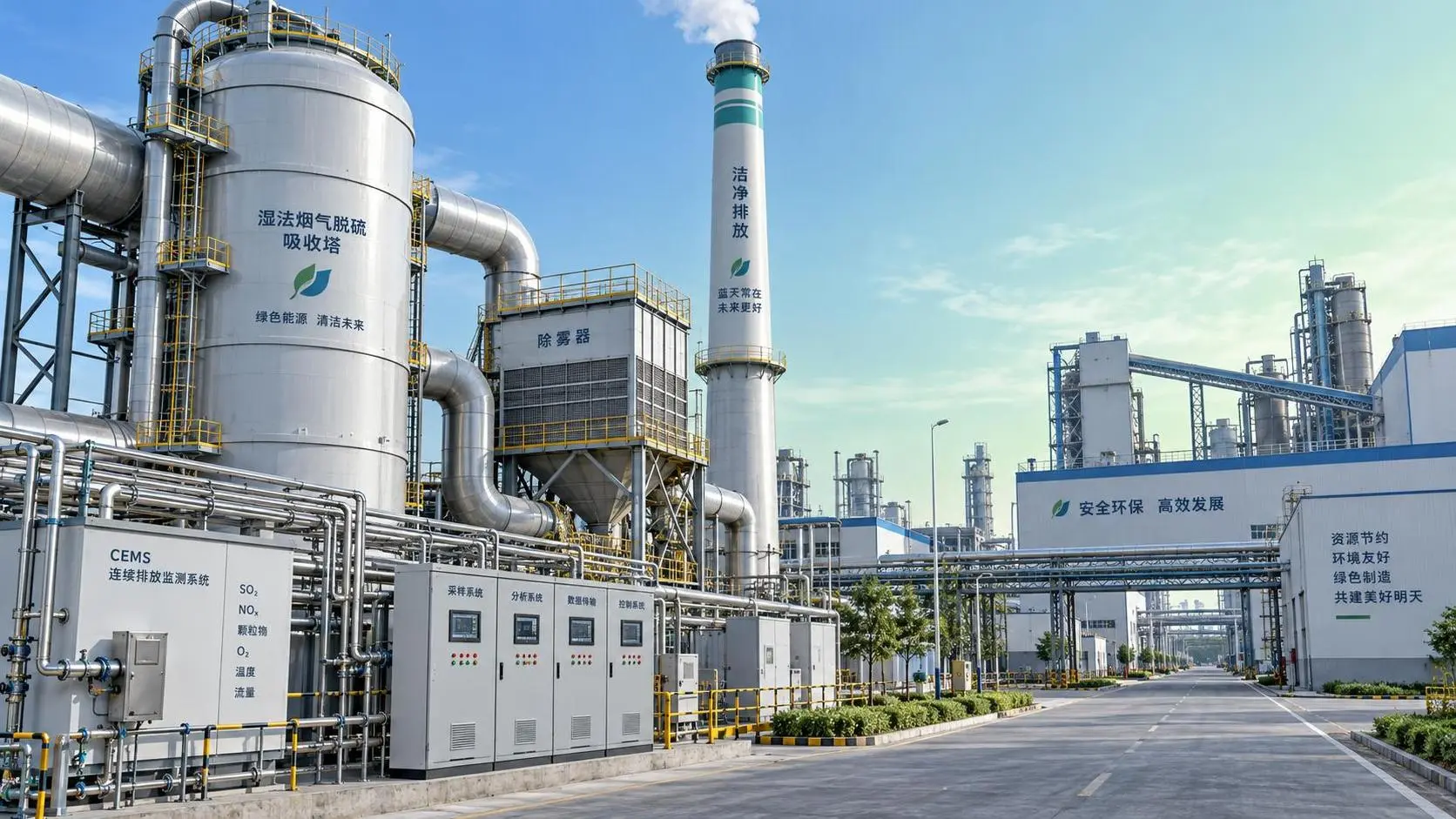
Which ISO standards apply to flue gas treatment systems?
Flue gas treatment systems ISO standards: explore key requirements for emissions testing, CEMS, safety, fabrication, corrosion control, and compliant project evaluation.

When corrosion resistant purification systems are needed for brine treatment
Corrosion resistant purification systems for brine treatment: assess chloride, heat, scaling, materials, and lifecycle reliability for demanding water projects.

How preventive maintenance reduces seawater desalination equipment downtime
Seawater desalination equipment maintenance reduces downtime through proactive monitoring, pretreatment protection, and planned repairs. Explore practical strategies for reliable RO performance.
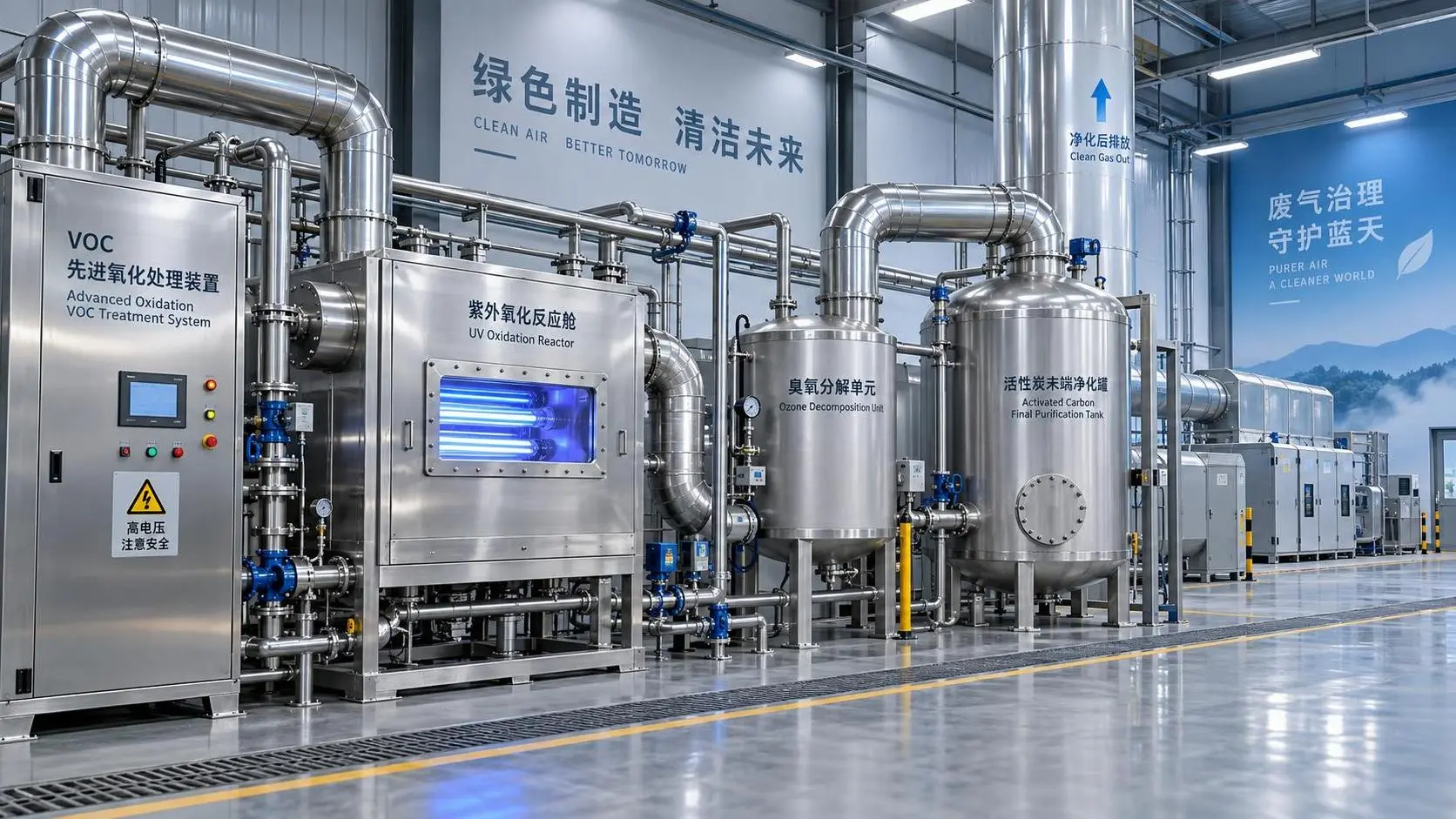
When are advanced oxidation processes the right choice for VOC control?
Advanced oxidation processes for VOC control: learn when AOPs outperform conventional options, manage by-products, and achieve reliable compliance.
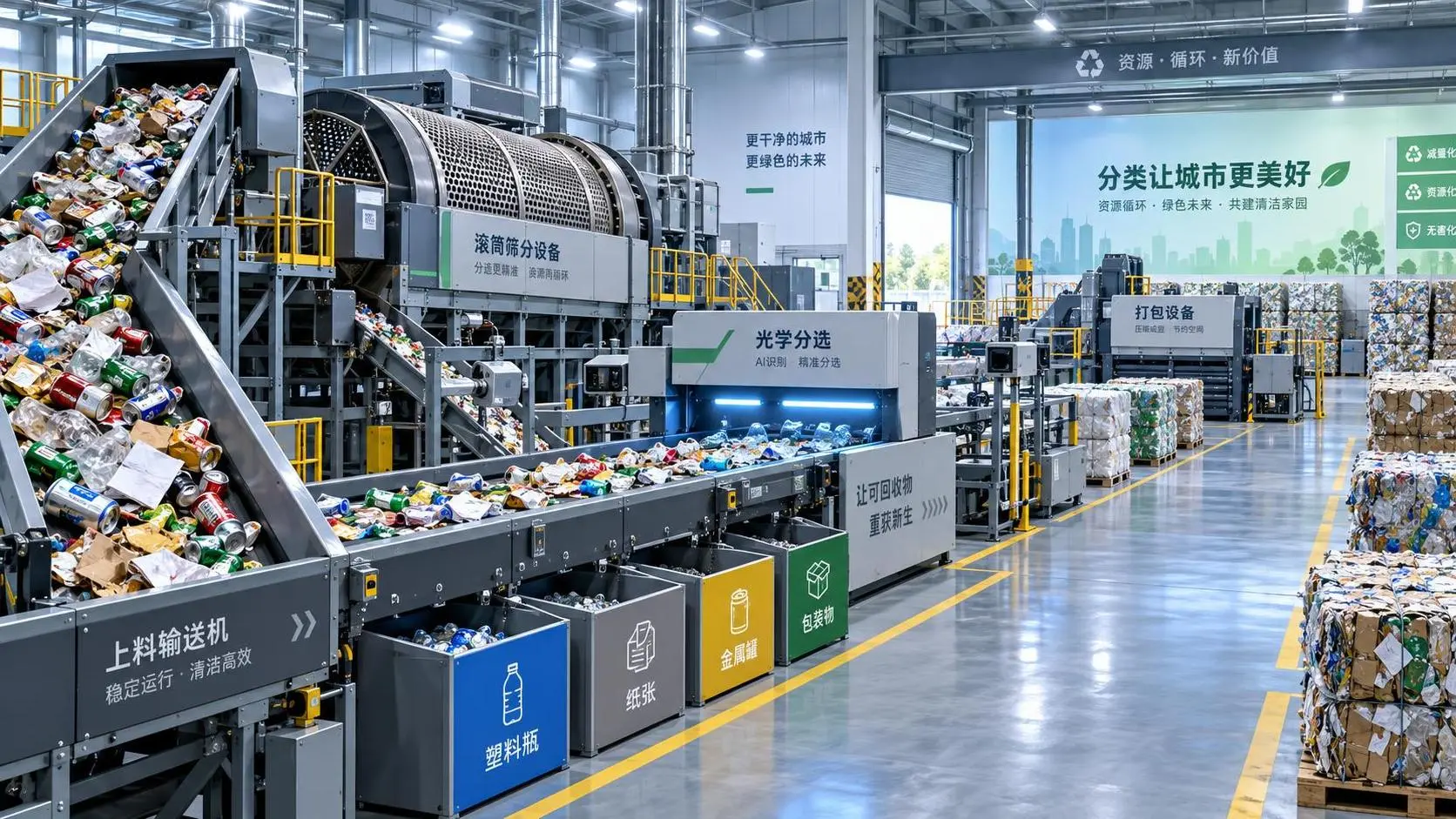
What throughput should municipal waste sorting equipment deliver?
Waste sorting equipment for municipal waste: learn how to set reliable throughput based on peak loads, material quality, uptime, and recovery targets.

What carbon neutrality means for corporate investment decisions
Carbon neutrality is transforming corporate investment decisions. Explore how lifecycle economics, efficiency, compliance, and resilience can drive measurable returns and lasting advantage.
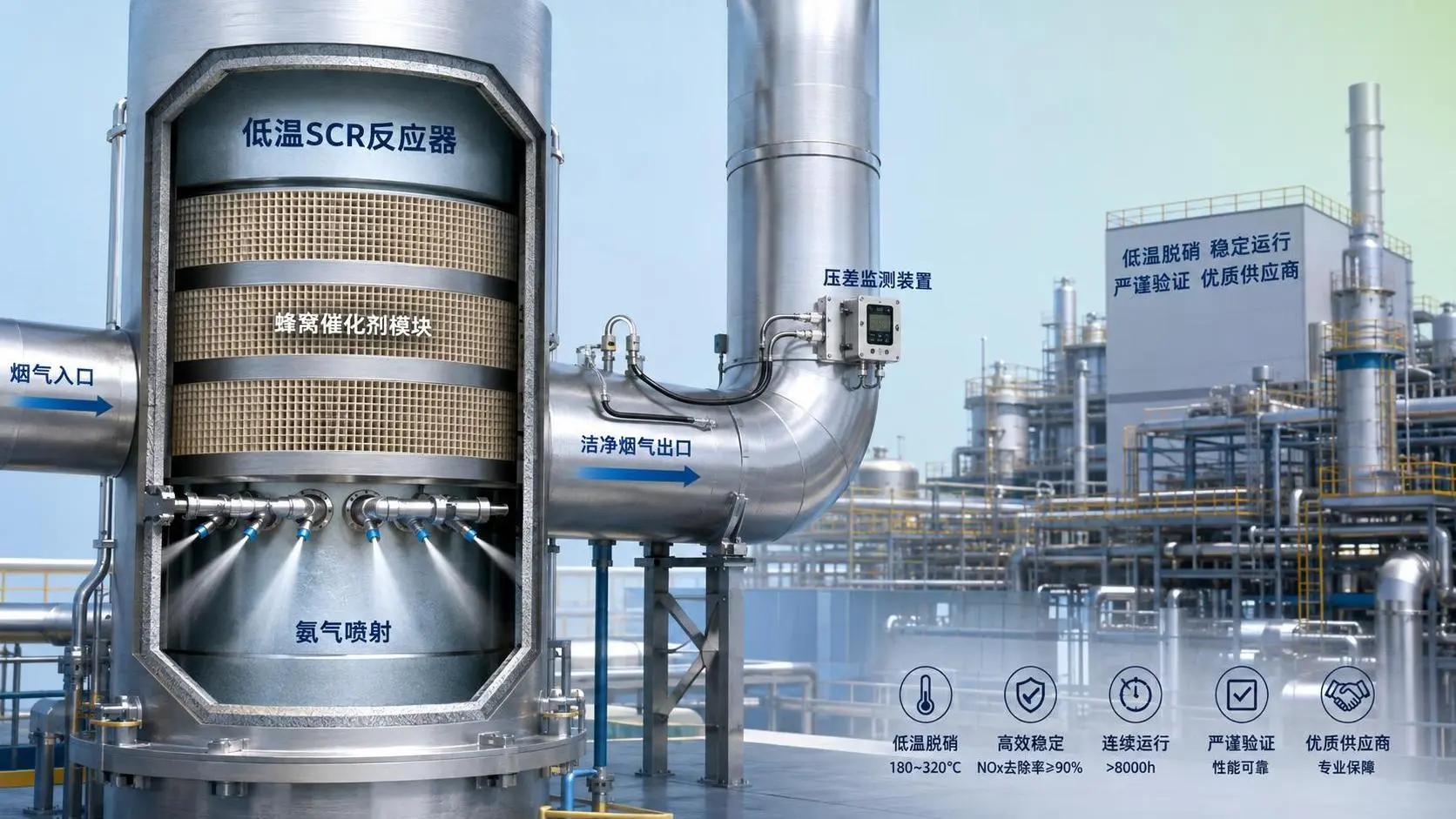
What to verify before choosing a low temperature SCR supplier
Low temperature SCR supplier checklist: verify catalyst temperature range, sulfur resistance, ammonia slip, pressure drop, lifecycle cost, and support before award.