
Industry News
Curation by industry experts
Hot Articles
Popular Tags
Global Environmental Governance: 2026 Policy Shifts and Business Risk Signals
Global environmental governance is entering a harder operating cycle
Global environmental governance is moving into a phase where policy is no longer a distant backdrop.
By 2026, regulation increasingly shapes capital timing, technology choice, contract structure, and even export access.
The shift matters because environmental compliance now reaches beyond permits and audits.
It reaches procurement models, emissions disclosure, waste traceability, water reuse targets, and cross-border supply verification.
That makes global environmental governance a board-level issue across infrastructure, industry, utilities, and resource-intensive operations.
From recent market signals, the more important change is not a single new law.
It is the tightening connection between environmental policy, industrial competitiveness, and strategic resilience.
This is especially visible in water treatment, solid waste recovery, seawater desalination, flue gas systems, and nuclear waste management.
These are no longer niche technical domains.
They are becoming core assets within the ecological immune system of industrial civilization.
Why 2026 feels different from earlier policy cycles
Earlier waves of regulation often focused on end-of-pipe compliance.
The 2026 cycle is broader, more integrated, and financially sharper.
Three drivers explain why global environmental governance now carries stronger business risk signals.
- Climate adaptation pressure is forcing faster investment in water security, recovery systems, and pollution control reliability.
- Trade-linked rules such as CBAM are turning environmental data into market access evidence.
- Public finance and sovereign infrastructure planning increasingly favor measurable circularity, emissions reduction, and operational transparency.
This also explains why technical detail matters more than before.
A desalination project is now judged on energy intensity, brine strategy, and supply security.
A waste recovery line is judged on traceability, output purity, and carbon performance.
A nuclear waste program is judged on long-horizon safety, material stability, and public governance credibility.
That is why intelligence platforms such as ESD gain relevance.
The value is not just news aggregation.
The value lies in stitching regulation, engineering parameters, and project economics into one decision picture.
The clearest signals are appearing in infrastructure-heavy sectors
Global environmental governance usually becomes visible first where assets are large, long-lived, and publicly scrutinized.
That pattern is now accelerating.
In practical terms, the policy shift is rewarding operational proof over broad sustainability claims.
Facilities that cannot document stability under real conditions will face slower approvals and costlier financing.
Risk is spreading across the whole project chain
One common mistake is to treat global environmental governance as a compliance department issue.
The stronger signal is that risk now travels across the entire project chain.
Upstream risk starts with specification and sourcing
Membranes, catalysts, absorbents, sensors, corrosion-resistant alloys, and control modules all carry embedded compliance exposure.
If origin data or lifecycle evidence is weak, bids become vulnerable.
Midstream risk appears during financing and contracting
Lenders increasingly ask whether technology assumptions remain valid under future regulation, not only current rules.
That changes payback models for desalination, recycling, and advanced treatment facilities.
Downstream risk shows up in operations and public acceptance
Once operational data becomes part of environmental accountability, underperformance is harder to hide and more expensive to fix.
This is particularly important in nuclear waste management and waste recovery infrastructure.
In both areas, technical adequacy and governance legitimacy are tightly connected.
What deserves closer attention over the next 12 to 18 months
Not every policy headline will reshape markets.
The more useful approach is to watch a smaller group of indicators that reveal where global environmental governance is becoming commercially binding.
- Changes in discharge, residue, and reuse thresholds that force process redesign rather than reporting upgrades.
- Tender language that asks for lifecycle efficiency, digital traceability, or resilience under stressed operating conditions.
- Import or export requirements linking environmental performance with customs treatment or industrial subsidy access.
- Insurance and lender covenants tied to operating reliability in hazardous or resource-constrained facilities.
- Public funding preferences for circular economy infrastructure, high-recovery systems, and lower-energy purification technologies.
More worth noting is the rise of parameter-level scrutiny.
Questions around SWRO membrane durability, low-temperature SCR kinetics, or vitrification stability are no longer purely technical debates.
They increasingly affect bankability, approval speed, and long-term asset valuation.
The companies best positioned are already changing how they read policy
Leading organizations are not waiting for final rules before acting.
They are translating global environmental governance into scenario-based operating decisions.
That usually means three internal shifts.
- They connect policy monitoring with engineering review, instead of isolating those functions.
- They compare equipment choices through future compliance resilience, not just present capex.
- They build evidence frameworks early, so traceability and operating data can support bids and approvals later.
This is where a strategic intelligence model becomes useful.
For sectors handled by ESD, the decision advantage often comes from connecting micro-level technical indicators with macro-level regulatory movement.
That connection helps explain why some projects win financing, why others stall, and why supply chains suddenly reprice.
A workable response begins with selective action, not broad reaction
The next move is not to chase every policy update.
It is to identify where global environmental governance could materially alter project economics or market access.
A practical sequence can look like this.
- Map operations and planned investments against likely 2026 environmental rule changes.
- Review whether critical technologies can meet tighter performance and traceability demands.
- Stress-test contracts, supply chains, and financing assumptions under stricter compliance scenarios.
- Set a staged monitoring routine for standards, tender language, and cross-border policy signals.
Global environmental governance is becoming less about formal obligation and more about strategic positioning.
Those who read the signals early can protect margins, strengthen bids, and avoid stranded environmental assets.
Those who wait for certainty may discover that the market has already repriced the risk.
The smarter path now is to track the signals, compare technical options carefully, and build a phased response before 2026 turns policy pressure into operating reality.
Recommended News

When is compaction suitable for solid nuclear waste treatment?
Is compaction right for solid nuclear waste treatment? Discover suitable waste streams, key safety checks, and disposal requirements to reduce package volume and optimize costs.

How solids concentration affects dewatering in waste recovery systems
Optimize waste recovery systems dewatering with insights on solids concentration. Learn to balance throughput, cake dryness, and solids capture while avoiding costly equipment overloads.
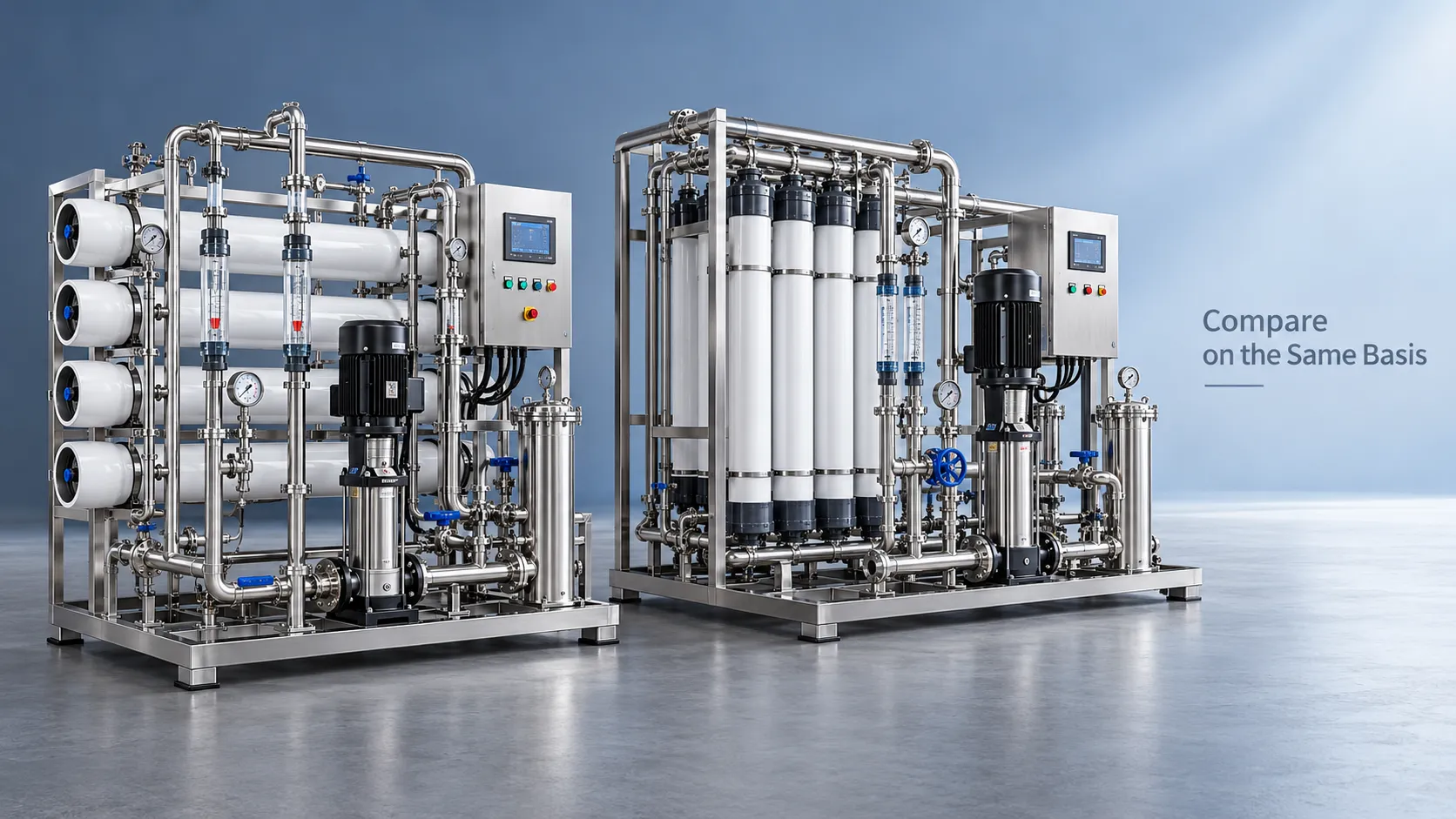
How to compare technical specs in an environmental equipment directory
Use this environmental equipment directory technical guide to compare capacity, energy use, compliance, and supplier evidence. Build a defensible shortlist and choose with confidence.
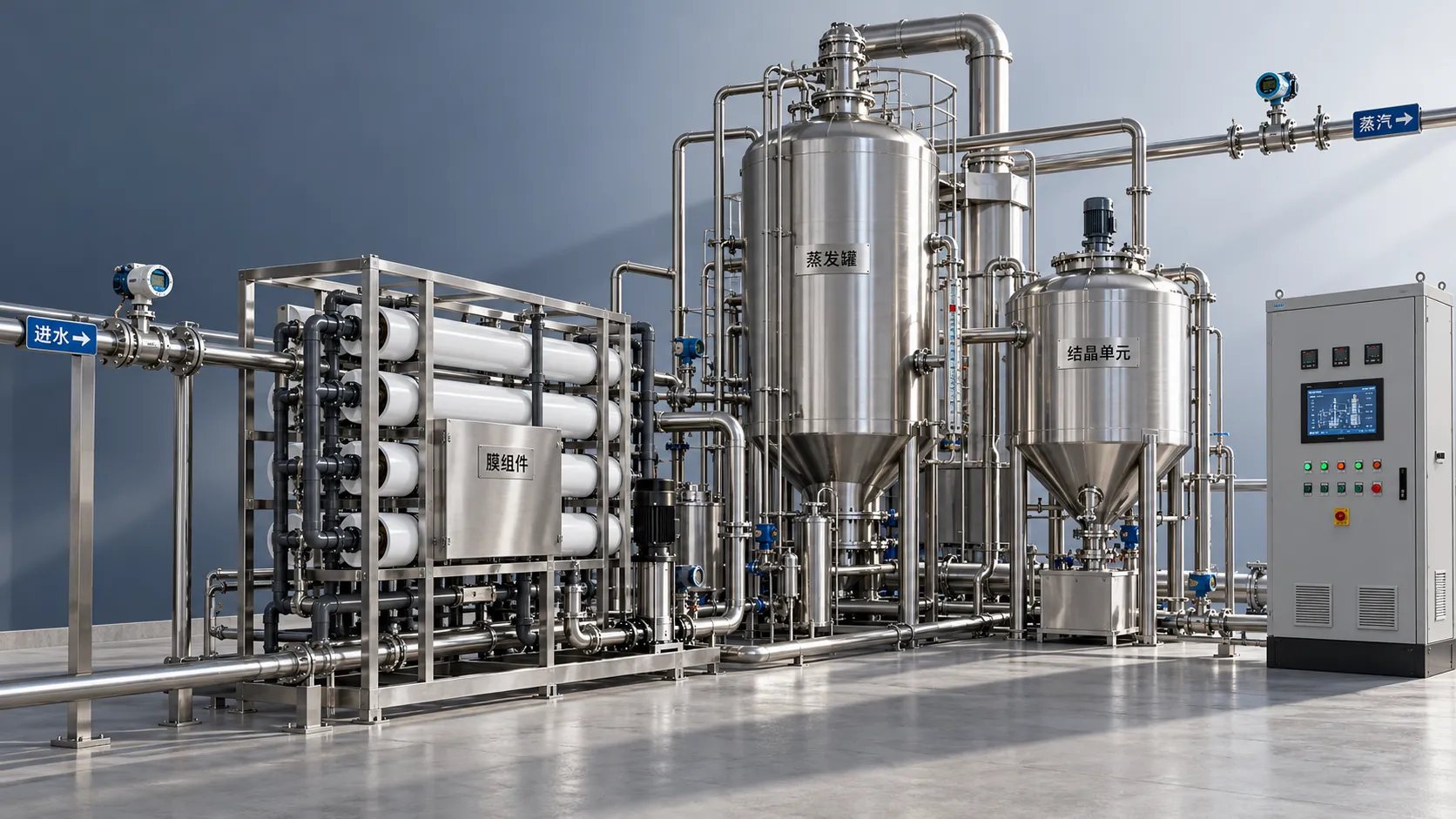
How to assess a zero liquid discharge equipment supplier’s energy claims
Assess a zero liquid discharge equipment supplier’s energy claims. Learn how to verify system boundaries, compare real costs, and demand testable guarantees before you buy.
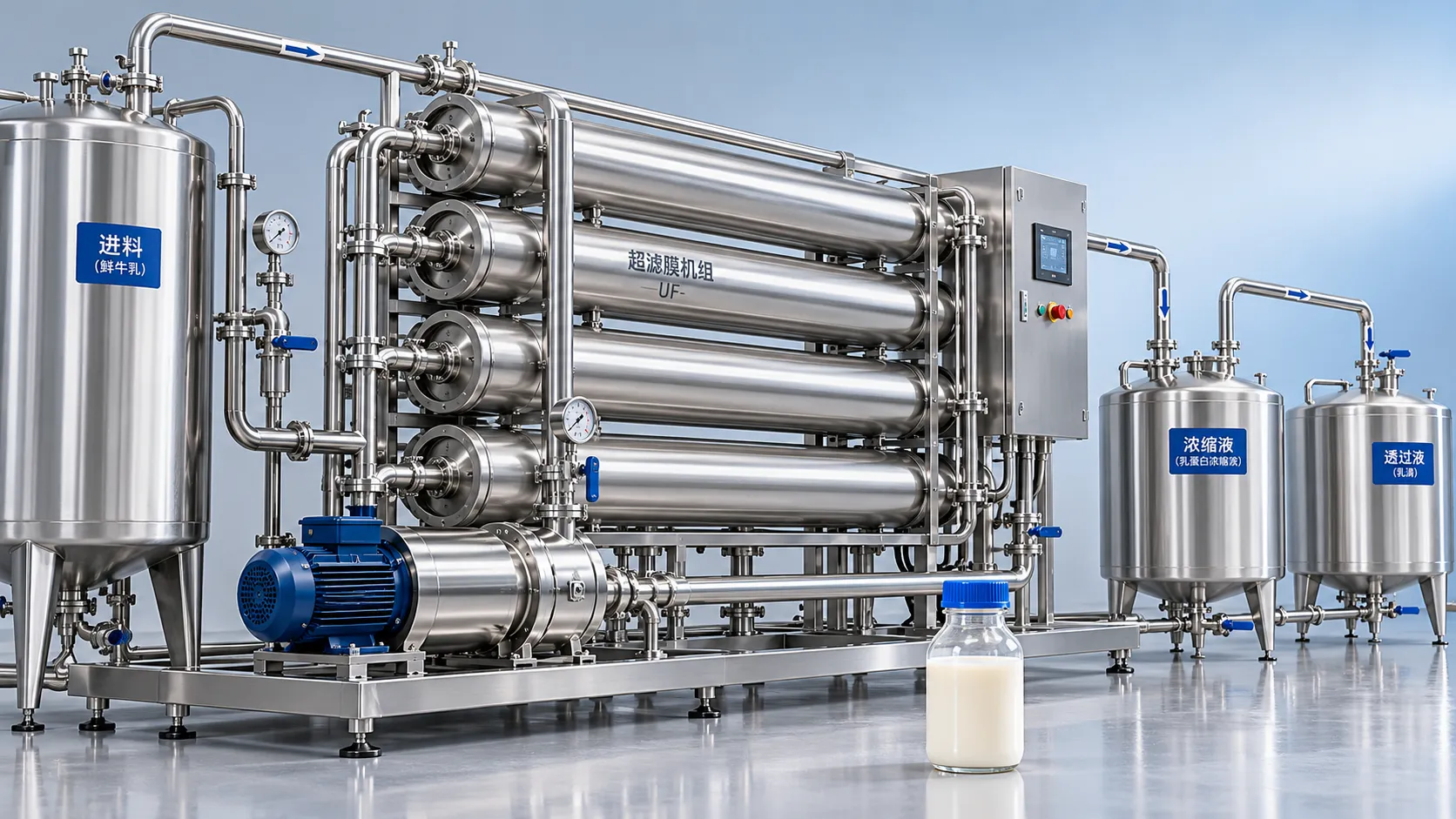
Which membrane filtration process suits dairy protein concentration?
Explore membrane filtration for dairy: compare UF, MF, and RO to select the right process for protein concentration, lactose reduction, and better recovery. Find your best fit.
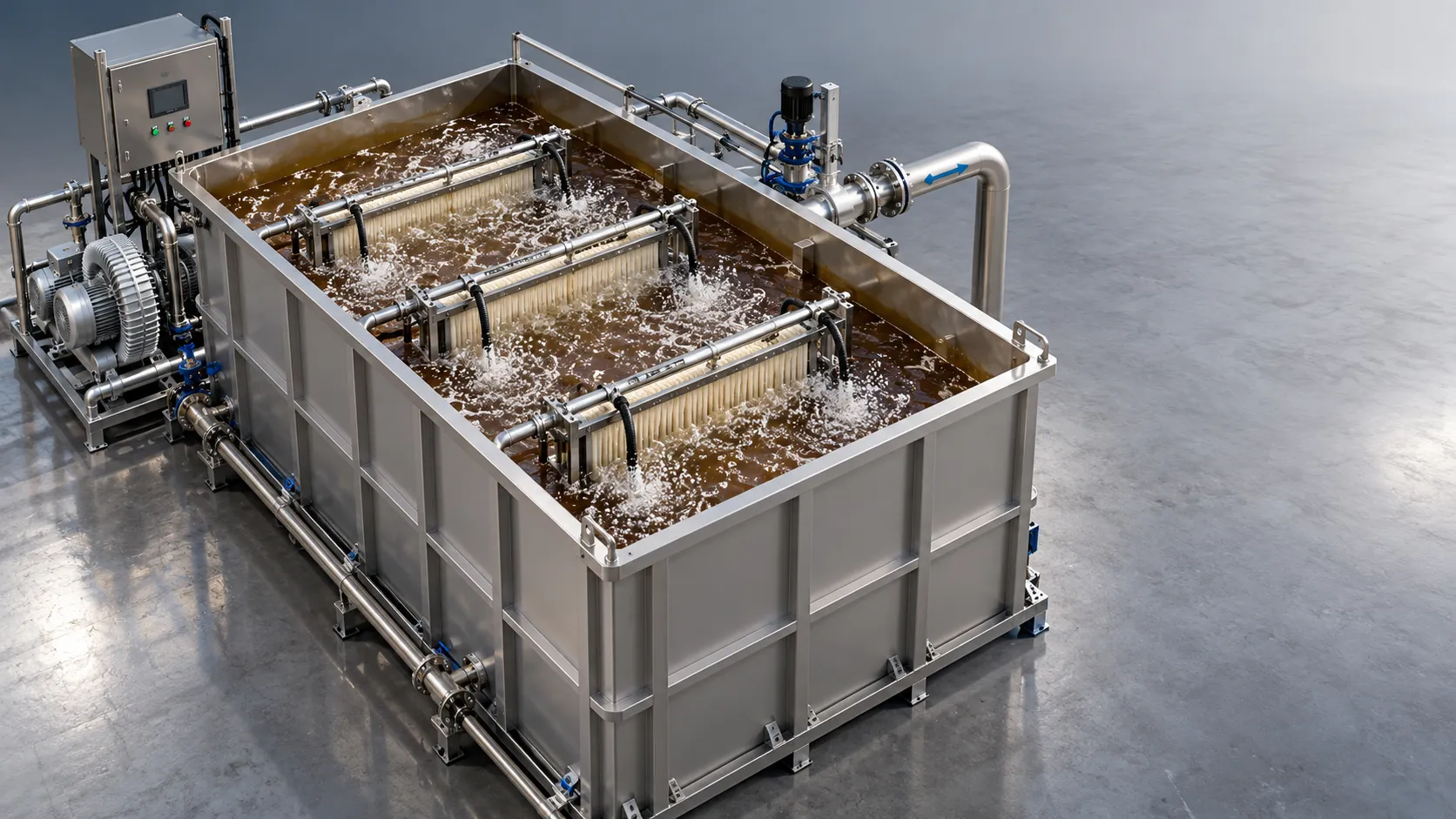
When is an MBR suitable for wastewater purification for bioprocessing?
For wastewater purification for bioprocessing, discover when an MBR fits your needs. Compare water quality, fouling risks, and lifecycle costs before investing.
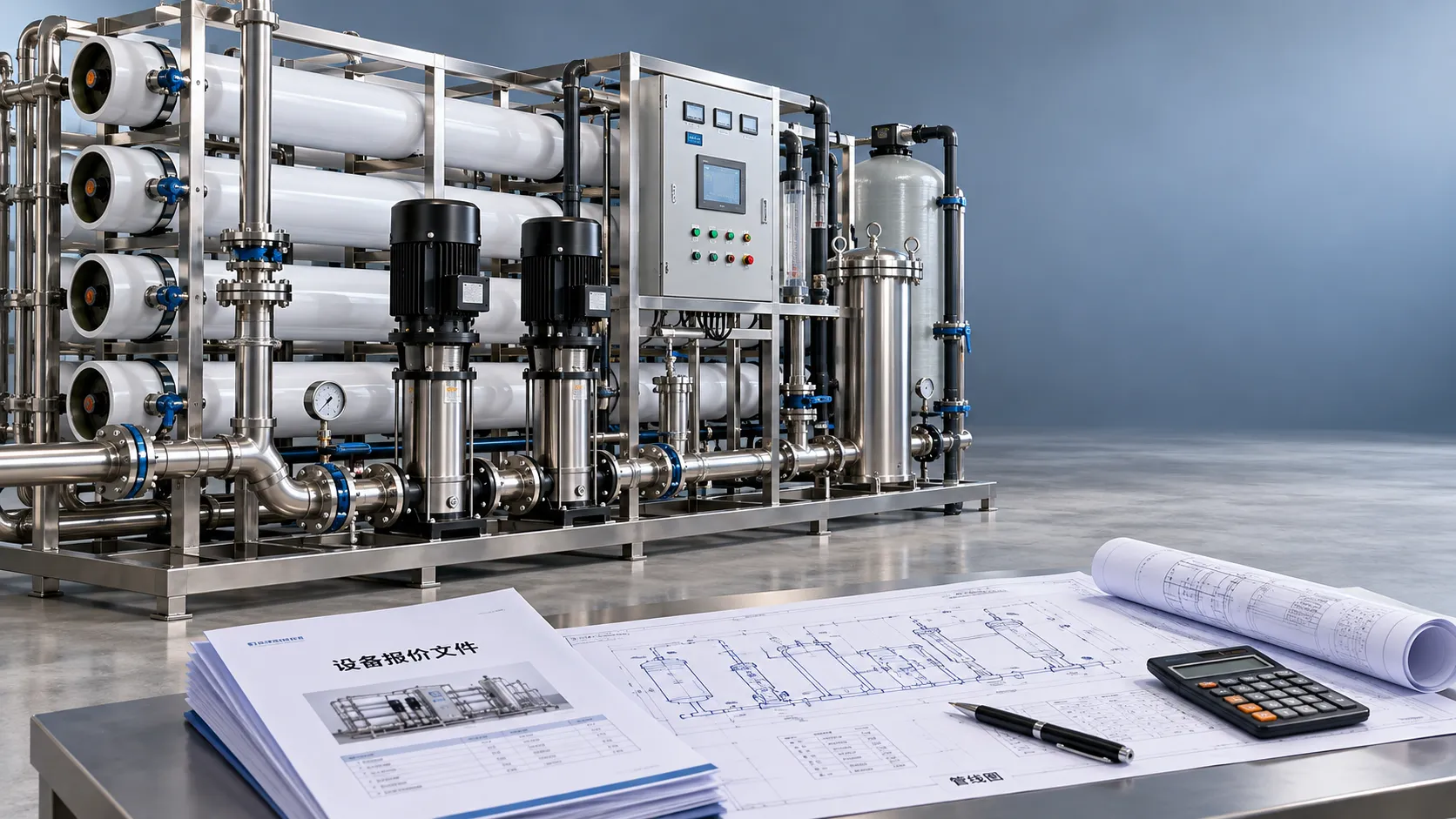
How to check a water treatment quotation for hidden project costs
Review your water treatment quotation for hidden costs, scope gaps, and operating expenses. Learn what to check before signing to protect your budget and avoid costly surprises.

How to vet ingredient processing equipment manufacturers using trials
Vet ingredient processing equipment manufacturers with real-world trials. Learn how to verify yield, cleaning, energy use, and scale-up before you invest.
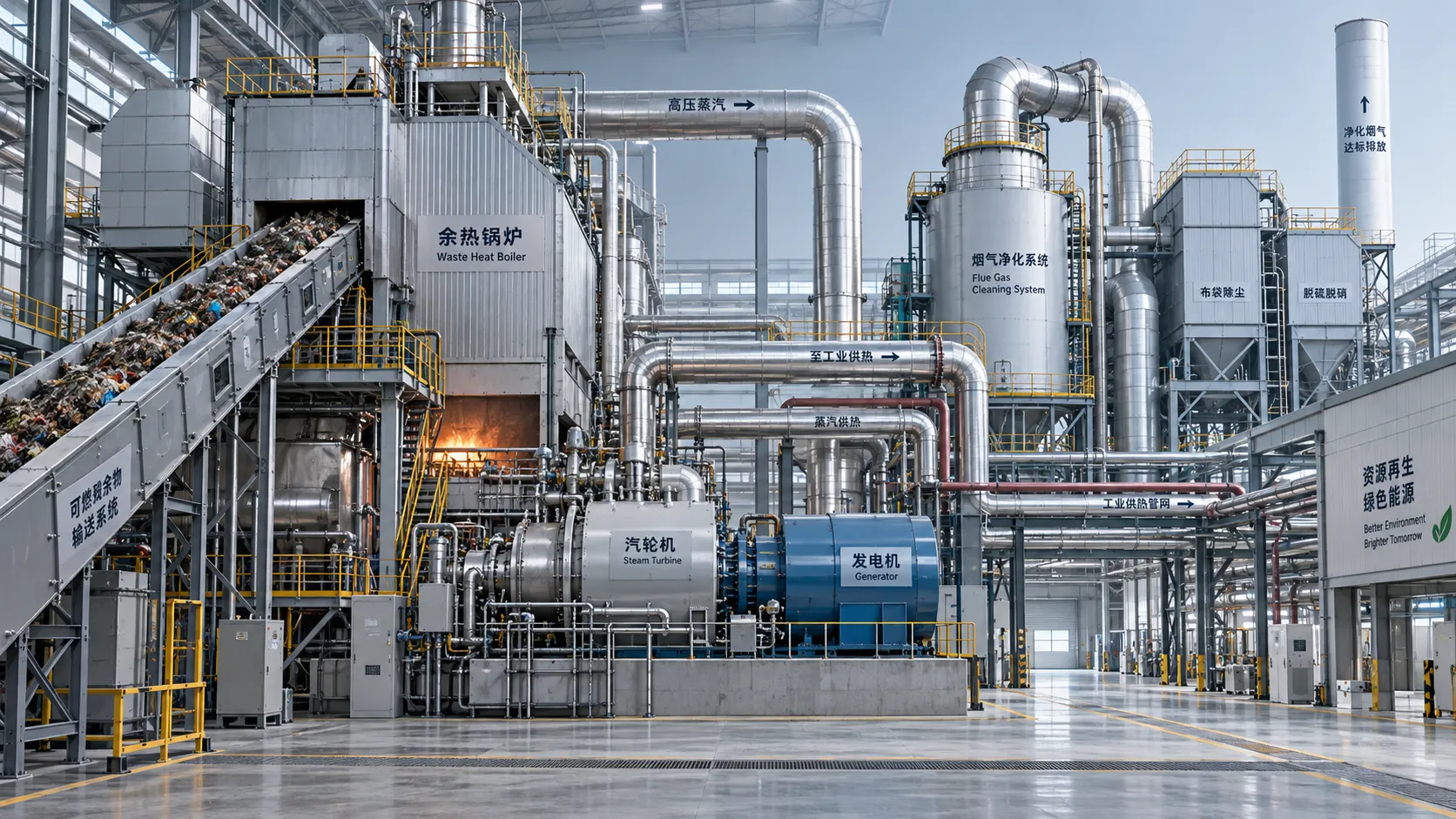
When is energy recovery viable in the solid waste recovery process?
When is energy recovery viable in the solid waste recovery process? Explore feedstock quality, net energy, emissions, and costs to assess feasibility and make smarter investment decisions.