
Industry News
Curation by industry experts
Hot Articles
Popular Tags
Nuclear Waste Safety: Main Storage Risks and Control Measures
Nuclear Waste Safety: Main Storage Risks and Control Measures
Nuclear waste safety is not just a regulatory box to tick.
It is the foundation of environmental trust, asset protection, and stable plant operations.
When storage controls fail, the impact can extend far beyond one facility.
It can trigger contamination, legal exposure, shutdowns, and years of public concern.
That is why nuclear waste safety must be managed as a living system, not a fixed checklist.
In practice, the biggest storage risks are usually predictable.
The challenge is turning that knowledge into daily control measures that actually hold under pressure.
Why Nuclear Waste Safety Starts With Storage Discipline
Storage is where technical design meets long time horizons.
Waste may remain hazardous for decades, centuries, or even longer.
This changes the safety mindset completely.
A minor weakness in packaging, monitoring, or site conditions can grow into a major event over time.
More importantly, nuclear waste safety depends on barriers working together.
The waste form, the container, the storage structure, and the surrounding geology all matter.
If one barrier weakens, the rest must still provide protection.
This layered approach is central to modern nuclear waste management.
Main Storage Risks That Threaten Nuclear Waste Safety
Radiation Leakage
Radiation leakage is the first concern most teams think about, and for good reason.
It can result from seal failure, container cracking, impact damage, or shielding loss.
Even low-level releases can create serious investigation and remediation costs.
For nuclear waste safety, early detection is far more effective than late containment.
Container Corrosion and Material Degradation
Storage containers are exposed to heat, moisture, salts, and chemical reactions.
Over time, these factors can reduce wall thickness, weaken welds, and damage protective coatings.
Dry storage does not remove the risk.
It simply shifts the control focus toward temperature, atmosphere, and inspection quality.
Heat Build-Up and Ventilation Failure
Some waste streams continue generating heat after packaging.
If heat removal is inadequate, internal pressure can rise and material performance can decline.
In actual operations, blocked airflow paths and poorly calibrated sensors are common weak points.
This makes thermal control a practical pillar of nuclear waste safety.
Geological and Environmental Instability
Long-term storage depends heavily on site stability.
Groundwater movement, seismic activity, flooding, and soil settlement can all undermine storage integrity.
What looks acceptable today may not remain safe under future climate pressure.
That is a growing reality in nuclear waste management planning.
Human Error and Traceability Gaps
Many storage incidents begin with small process failures rather than dramatic equipment breakdowns.
Typical examples include incorrect labeling, incomplete records, unauthorized movement, and weak inspection follow-up.
When traceability is weak, nuclear waste safety becomes harder to prove and harder to defend.
Control Measures That Strengthen Nuclear Waste Safety
1. Use a True Multi-Barrier Storage Strategy
Strong nuclear waste safety starts with barrier redundancy.
Do not rely on one container or one room to do all the work.
Match the waste form, canister material, shielding design, and storage environment to the hazard profile.
For high-risk streams, independent containment and separate monitoring layers are worth the added complexity.
2. Build Inspection Around Degradation Mechanisms
Routine inspection should not be generic.
It should target the actual failure modes expected at the site.
That includes corrosion mapping, seal integrity checks, weld review, and thermal trend analysis.
This is where nuclear waste safety becomes measurable rather than assumed.
3. Control Temperature, Moisture, and Airflow
Environmental control is often the quiet difference between stable storage and creeping risk.
Use reliable sensors, alarm thresholds, and preventive maintenance for cooling and ventilation systems.
A simple blocked vent can become a serious nuclear waste safety issue if left unchecked.
4. Strengthen Site and Geological Surveillance
Long-term storage needs more than periodic visual inspection.
It requires groundwater monitoring, structural movement tracking, drainage review, and updated climate risk assumptions.
From recent industry changes, extreme weather is no longer a low-probability footnote.
It is a design input for nuclear waste safety.
5. Make Traceability Non-Negotiable
Every package should be identifiable, verifiable, and linked to a complete handling history.
Digital records, tamper-evident labeling, and controlled access are basic safeguards.
In real facilities, strong traceability often prevents bigger nuclear waste safety failures later.
A Practical Nuclear Waste Safety Checklist
If storage performance needs a quick operational review, focus on the points below.
- Confirm container material matches radiation, heat, and chemical exposure.
- Verify shielding performance through scheduled monitoring, not assumptions.
- Check seal condition, weld quality, and any signs of surface degradation.
- Review temperature, humidity, and ventilation trend data weekly.
- Track groundwater, drainage, and site movement around storage zones.
- Audit labels, records, and package locations for full traceability.
- Test emergency response steps for leakage, fire, flooding, and access loss.
This kind of checklist keeps nuclear waste safety visible in daily management.
It also helps teams catch weak signals before they become nonconformities.
Risk Priorities by Storage Issue
How to Turn Policy Into Daily Nuclear Waste Safety Practice
Good policies do not guarantee good storage outcomes.
Execution is where nuclear waste safety either becomes credible or fragile.
A useful approach is to connect each policy requirement to one observable task.
For example, storage integrity should connect to inspection frequency, alarm review, and documented acceptance limits.
The clearer the link, the easier it is to maintain nuclear waste safety during staff changes or external audits.
It also supports a stronger compliance posture in an era of tighter environmental scrutiny.
Conclusion
Nuclear waste safety depends on seeing storage as an active control system.
The main risks are clear: leakage, degradation, heat stress, site instability, and human error.
The right response is equally clear.
Use layered barriers, inspect for real failure modes, control the environment, watch the site, and protect traceability.
When these measures work together, nuclear waste safety becomes more than compliance.
It becomes a durable operating advantage and a measurable safeguard for the future.
Recommended News
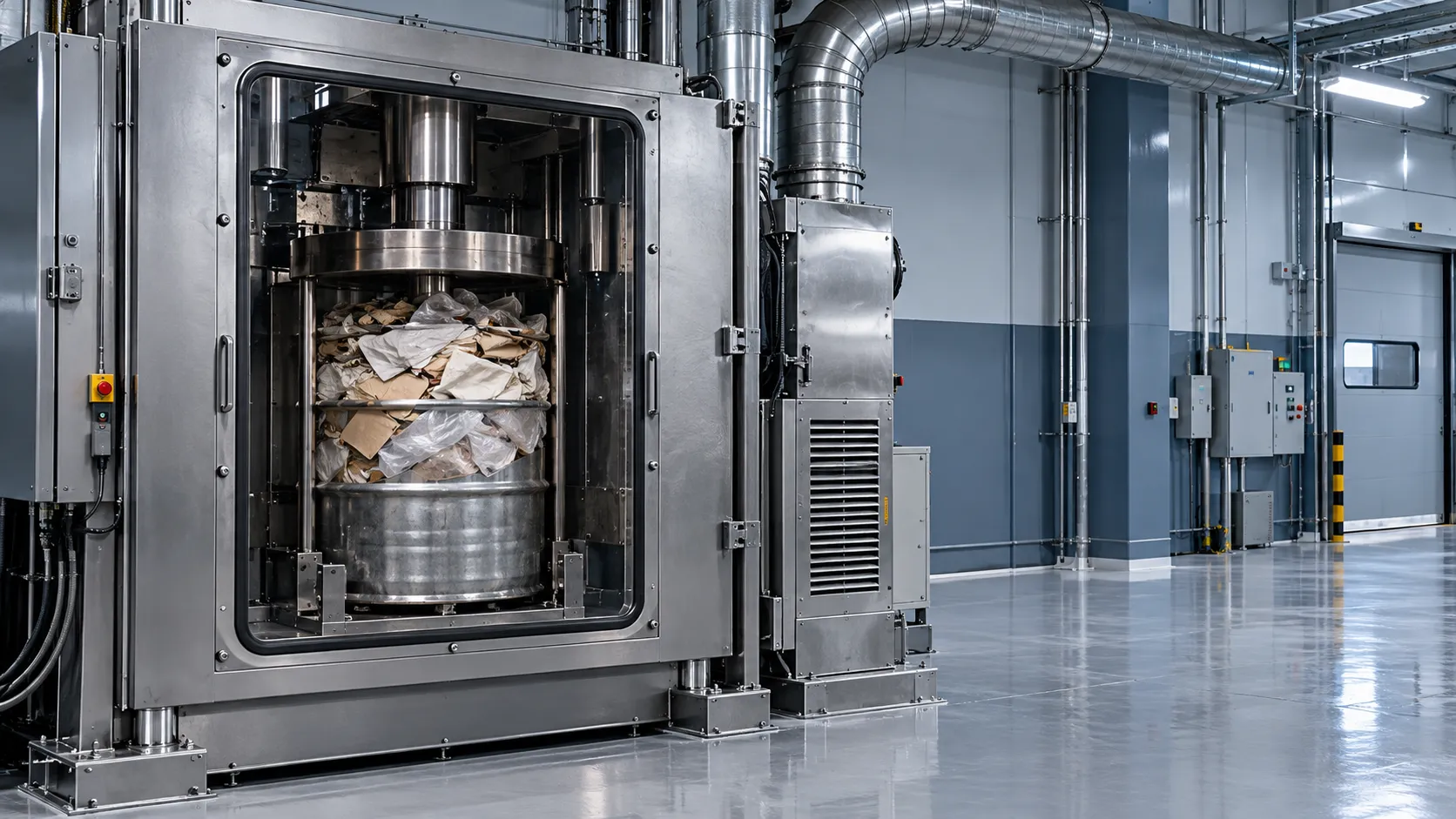
When is compaction suitable for solid nuclear waste treatment?
Is compaction right for solid nuclear waste treatment? Discover suitable waste streams, key safety checks, and disposal requirements to reduce package volume and optimize costs.
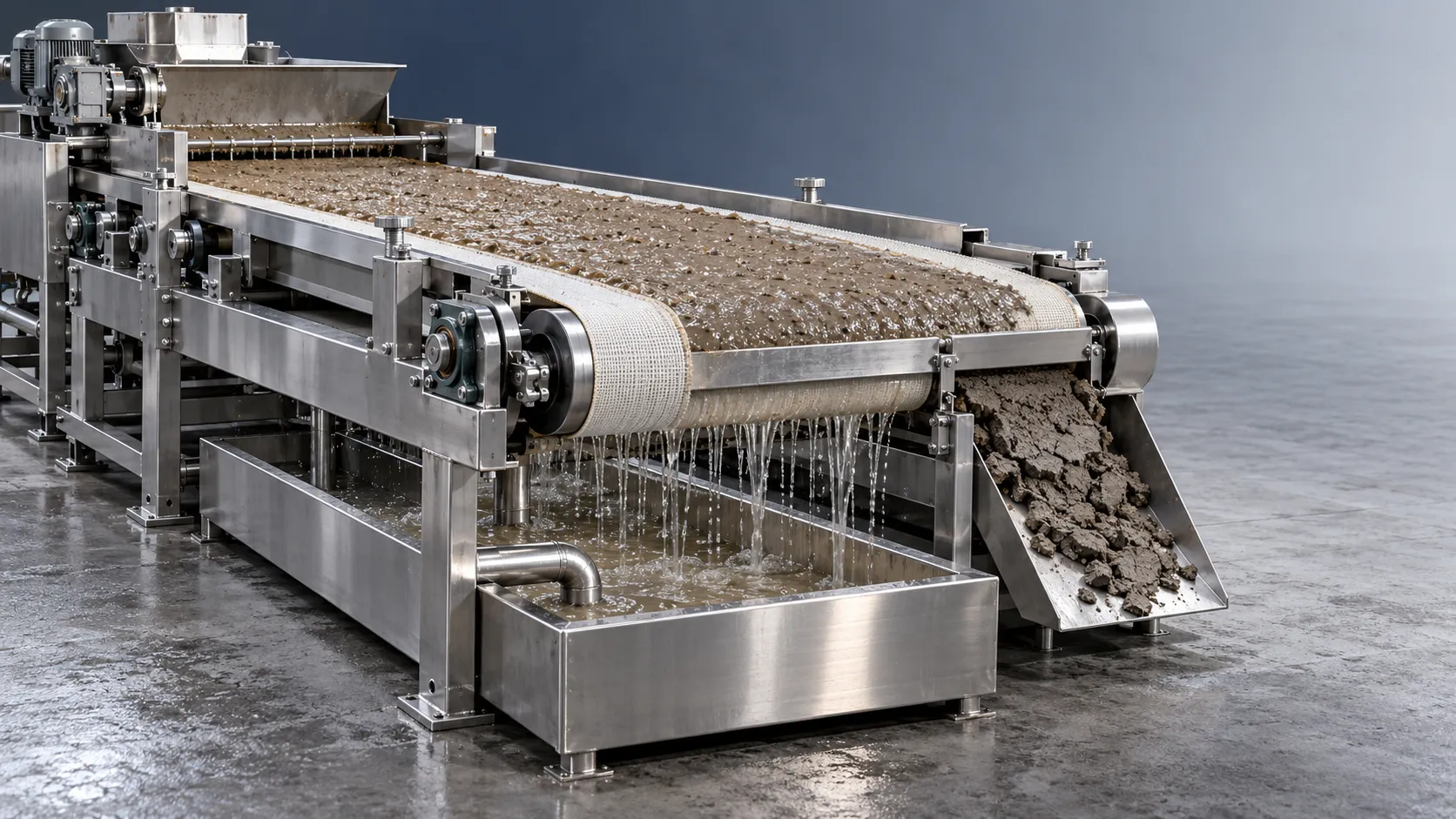
How solids concentration affects dewatering in waste recovery systems
Optimize waste recovery systems dewatering with insights on solids concentration. Learn to balance throughput, cake dryness, and solids capture while avoiding costly equipment overloads.
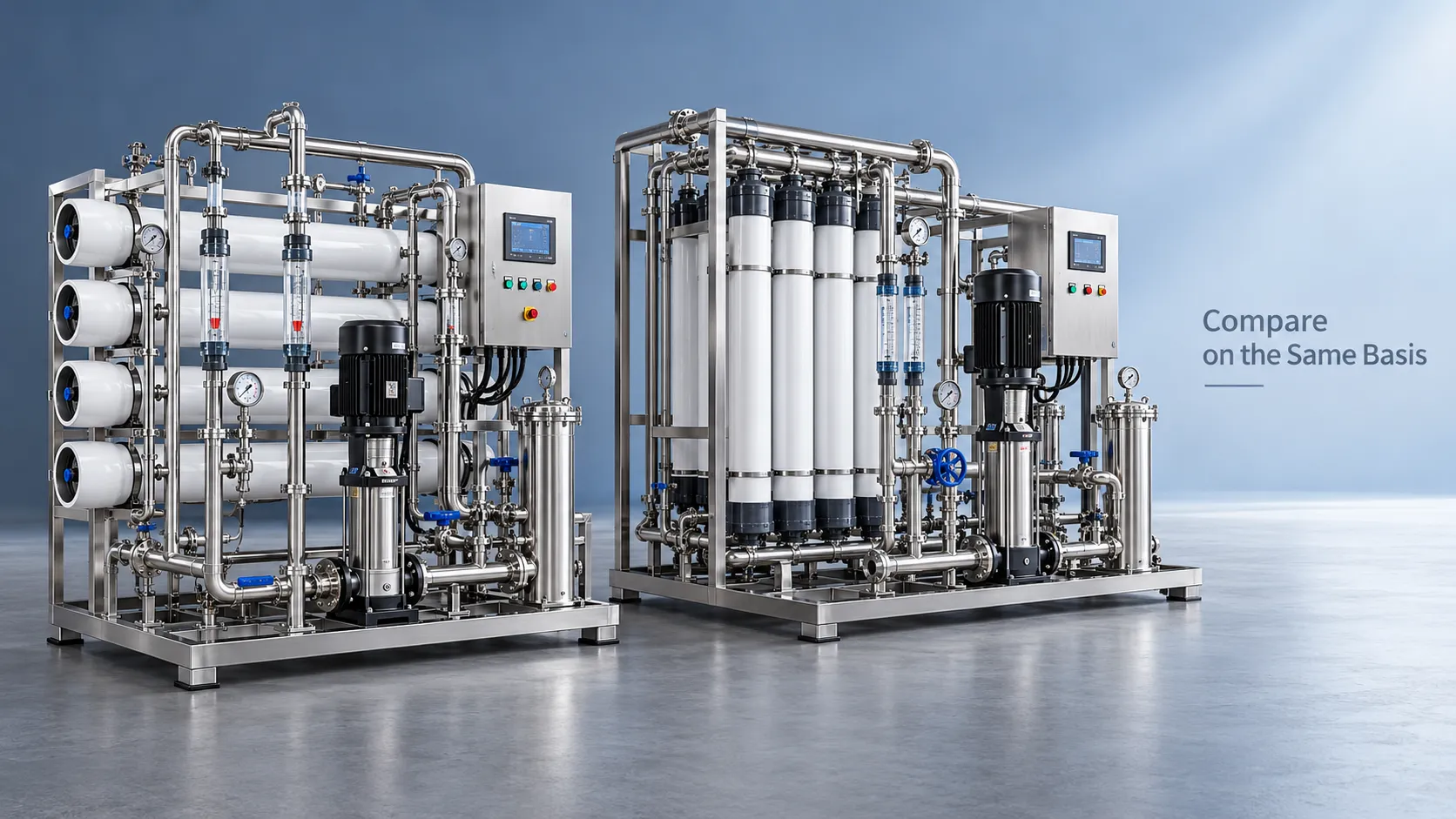
How to compare technical specs in an environmental equipment directory
Use this environmental equipment directory technical guide to compare capacity, energy use, compliance, and supplier evidence. Build a defensible shortlist and choose with confidence.
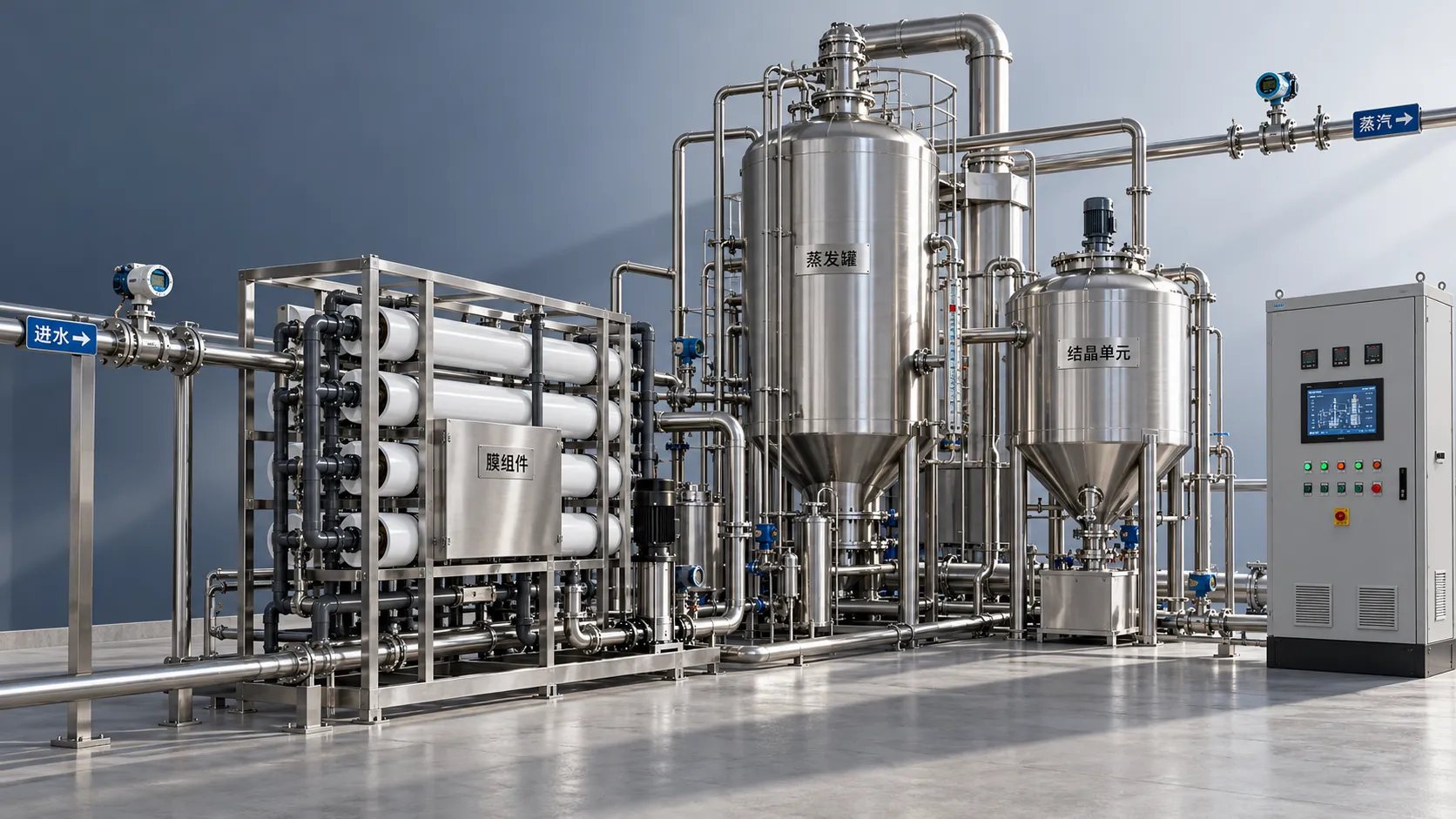
How to assess a zero liquid discharge equipment supplier’s energy claims
Assess a zero liquid discharge equipment supplier’s energy claims. Learn how to verify system boundaries, compare real costs, and demand testable guarantees before you buy.
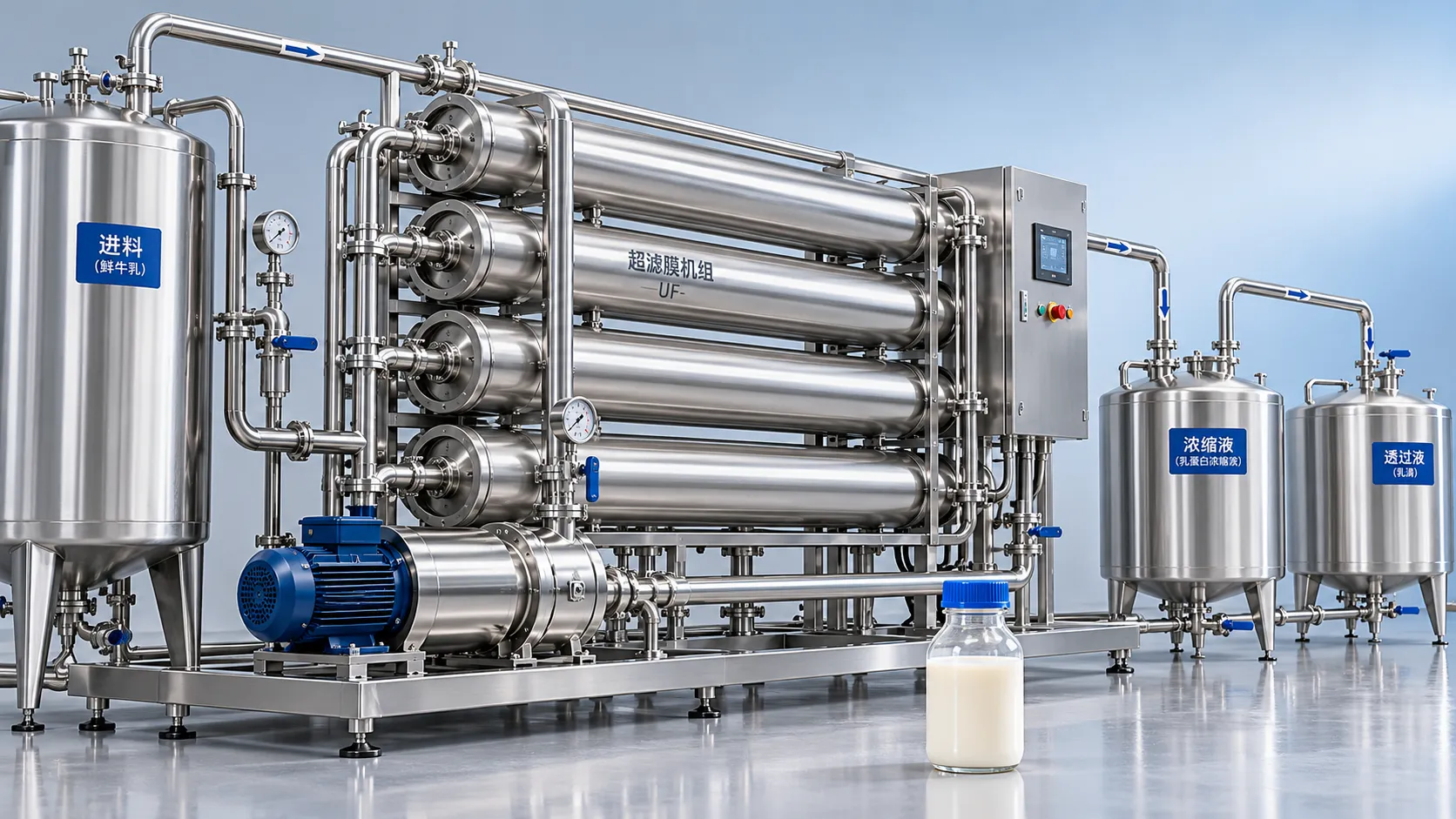
Which membrane filtration process suits dairy protein concentration?
Explore membrane filtration for dairy: compare UF, MF, and RO to select the right process for protein concentration, lactose reduction, and better recovery. Find your best fit.
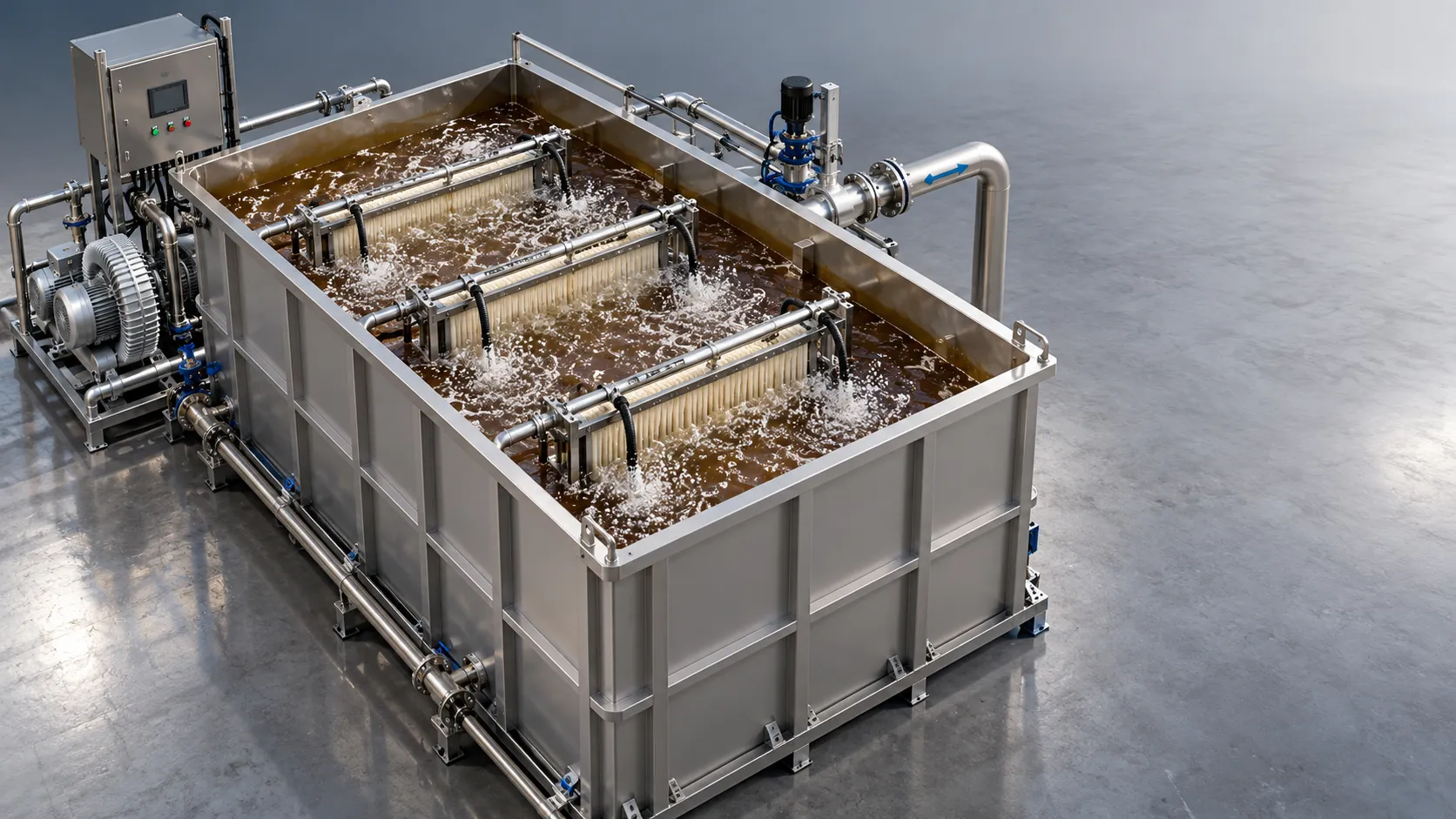
When is an MBR suitable for wastewater purification for bioprocessing?
For wastewater purification for bioprocessing, discover when an MBR fits your needs. Compare water quality, fouling risks, and lifecycle costs before investing.
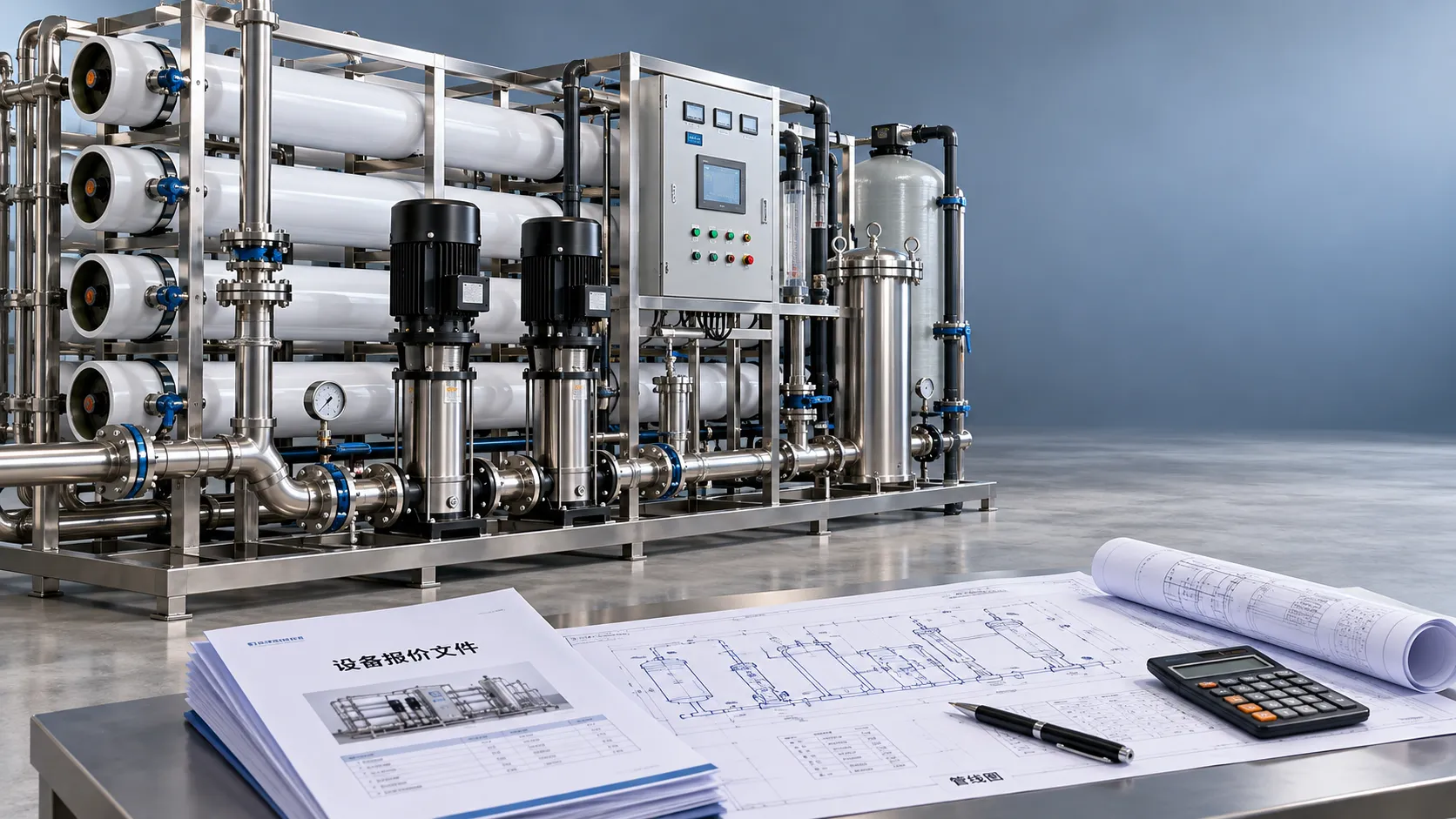
How to check a water treatment quotation for hidden project costs
Review your water treatment quotation for hidden costs, scope gaps, and operating expenses. Learn what to check before signing to protect your budget and avoid costly surprises.
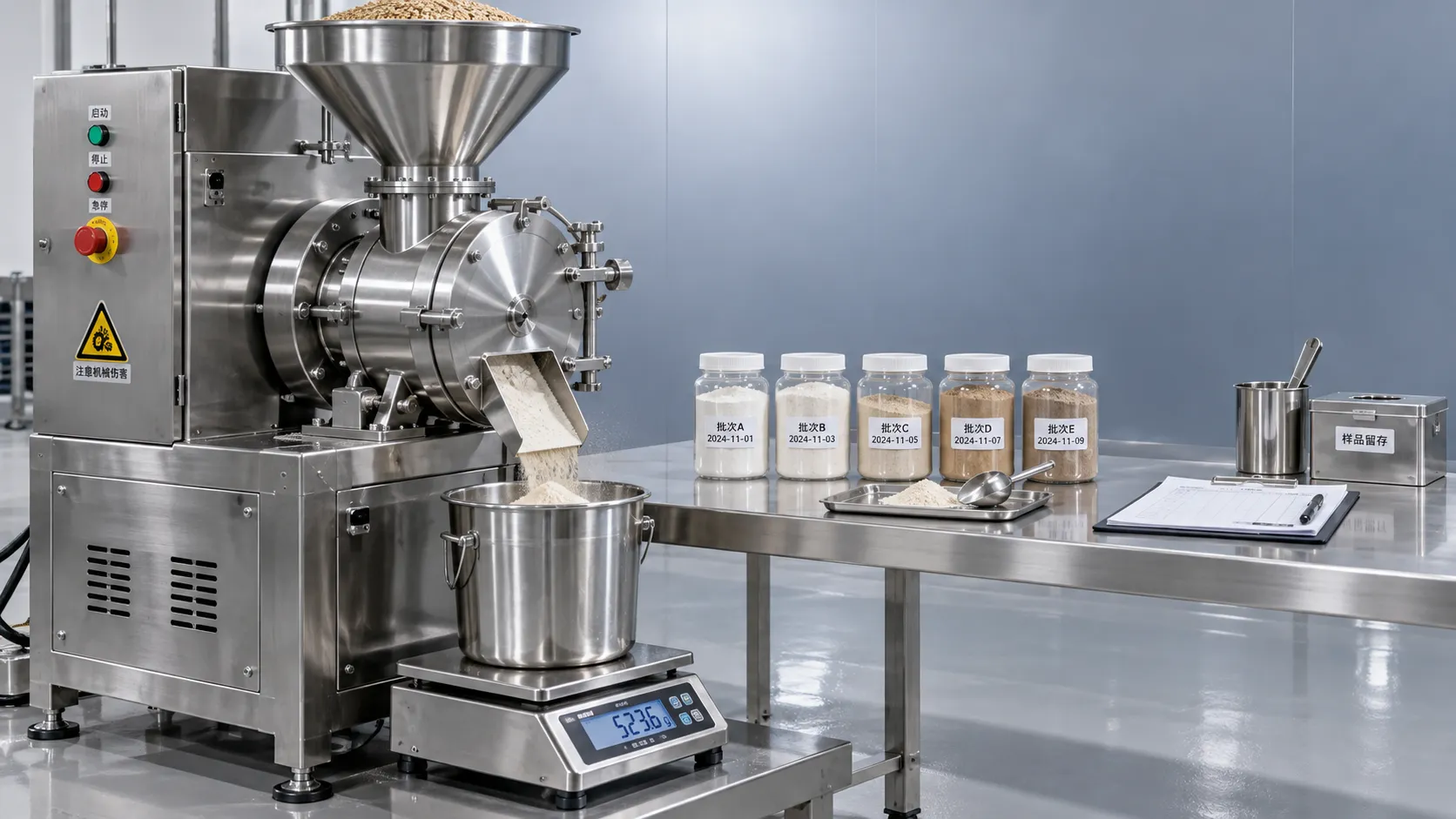
How to vet ingredient processing equipment manufacturers using trials
Vet ingredient processing equipment manufacturers with real-world trials. Learn how to verify yield, cleaning, energy use, and scale-up before you invest.
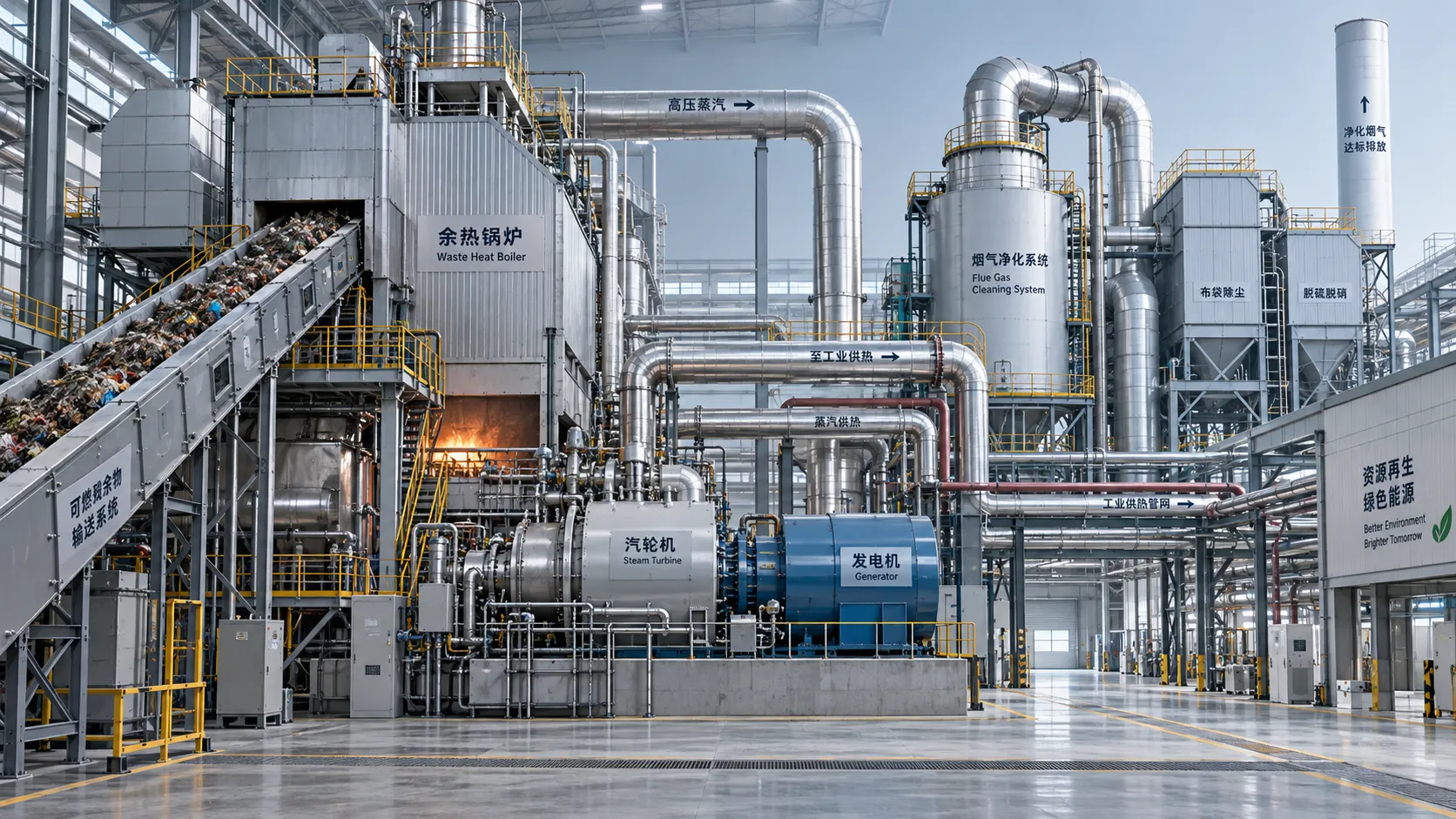
When is energy recovery viable in the solid waste recovery process?
When is energy recovery viable in the solid waste recovery process? Explore feedstock quality, net energy, emissions, and costs to assess feasibility and make smarter investment decisions.