
Industry News
Curation by industry experts
Hot Articles
Popular Tags
Environmental Value Chain Gaps That Raise Project Risk
In complex environmental infrastructure projects, gaps across the environmental value chain can quietly amplify cost, compliance, and delivery risks. From water treatment and waste recovery to desalination and nuclear waste management, weak links often sit between design intent and field execution. This article explains where environmental value chain gaps appear, why they raise project risk, and how better intelligence improves resilience.
Why a checklist approach matters for the environmental value chain
Large environmental projects fail less from a single technical error and more from disconnected decisions. A checklist makes the environmental value chain visible across engineering, procurement, compliance, commissioning, and long-term performance.
This matters in integrated sectors such as wastewater treatment, flue gas control, desalination, resource recovery, and radioactive waste handling. Each system depends on upstream material quality, process stability, regulatory timing, and asset reliability.
When one environmental value chain node is underdefined, project teams inherit hidden exposure. Typical outcomes include retrofit costs, permit delays, underperforming equipment, carbon reporting disputes, and reduced lifecycle returns.
Core checklist: environmental value chain gaps that raise project risk
- Map upstream feed variability early, including salinity, contaminants, calorific value, sludge composition, corrosion drivers, and seasonal fluctuations that can destabilize design assumptions and equipment selection.
- Verify regulatory alignment across jurisdictions, especially discharge limits, air emissions, waste transport rules, radiological controls, and carbon disclosure obligations affecting the environmental value chain.
- Audit interface points between process licensors, EPC scopes, utility suppliers, automation packages, and O&M plans, because most environmental value chain failures occur at handoff boundaries.
- Test supply chain depth for membranes, catalysts, alloys, pumps, liners, sensors, vitrification media, and control hardware to avoid single-source dependence and extended replacement cycles.
- Quantify energy intensity with realistic operating windows, not nameplate conditions, since parasitic loads, pretreatment instability, and part-load operation often reshape project economics.
- Validate waste residue pathways, including brine concentrate, fly ash, spent resins, gypsum, char, reject fractions, and radioactive secondary waste requiring secure downstream treatment.
- Review digital monitoring architecture from laboratory methods to SCADA integration, ensuring data quality, alarm logic, cybersecurity, and traceability for environmental value chain decisions.
- Stress-test commissioning plans against startup chemistry, operator readiness, spare parts availability, permit sequencing, and vendor attendance, because early instability can lock in chronic underperformance.
- Check financial assumptions behind recovered resources, avoided disposal, water reuse credits, and carbon benefits, separating proven market value from speculative circular economy upside.
- Establish lifecycle accountability for performance guarantees, degradation rates, maintenance intervals, and end-of-life obligations so environmental value chain risks remain owned after handover.
Where environmental value chain gaps emerge in major project scenarios
Water treatment and Zero Liquid Discharge systems
In industrial water treatment, the environmental value chain often breaks at feed characterization. Designers may size pretreatment for average loads, while real plants experience shock contaminants, scaling ions, and biological swings.
ZLD projects face an added risk layer. Evaporation, crystallization, and solids handling can perform well separately, yet fail economically when steam integration, brine chemistry, and disposal routes are poorly linked.
Solid waste recovery and circular processing
Waste recovery plants depend on stable inbound material streams. A gap in the environmental value chain appears when sorting assumptions ignore moisture, contamination, packaging shifts, or informal collection dynamics.
Pyrolysis, gasification, and AI sorting systems also need a credible outlet for outputs. Recovered oil, syngas, metals, and secondary polymers only create value when quality specifications match real off-take markets.
Seawater desalination infrastructure
In desalination, environmental value chain risk frequently starts with intake conditions and pretreatment resilience. Harmful algal blooms, suspended solids, and temperature swings can quickly undermine membrane performance and plant availability.
Another common gap sits between energy planning and water pricing. SWRO economics can deteriorate when recovery targets, pressure exchanger performance, and grid volatility are treated as isolated variables.
Flue gas treatment and emissions compliance
FGD, SCR, and particulate control projects are vulnerable when fuel quality assumptions remain static. Sulfur, chlorine, ash chemistry, and load cycling can shift removal efficiency and residue generation across the environmental value chain.
Compliance risk increases when stack monitoring, reagent logistics, and by-product handling are scoped separately. A technically sound absorber can still trigger project failure if gypsum purity or ammonia slip exceeds downstream limits.
Nuclear waste management systems
Nuclear waste projects operate with the narrowest tolerance for uncertainty. Here, environmental value chain gaps often involve containment material qualification, long-duration storage assumptions, and incomplete traceability of waste forms.
Even small disconnects between vitrification chemistry, transport packaging, and repository acceptance criteria can generate major redesign exposure. In this field, configuration control is itself a risk barrier.
Commonly overlooked gaps that deserve extra attention
Data quality gaps
Poor sampling protocols create false confidence. If laboratory data, online analyzers, and operating records do not align, every environmental value chain decision built on them becomes weaker.
Secondary waste blind spots
Projects often optimize the primary process while ignoring residues. Concentrates, spent media, contaminated packaging, and maintenance waste can become the real cost and compliance bottleneck.
Guarantee mismatch
Performance guarantees may be written around ideal feed and stable utilities. When contract language excludes realistic variability, the environmental value chain carries technical risk without commercial protection.
Local capability constraints
Advanced assets require calibration, specialty chemicals, and disciplined maintenance. If local service ecosystems are thin, equipment reliability can decline long after successful commissioning.
Policy timing risk
Environmental value chain economics can change when discharge rules tighten, carbon accounting expands, or import standards shift. Policy lag in project planning often becomes a late-stage financial shock.
Practical execution steps to close environmental value chain gaps
- Build a cross-functional gap register linking process design, procurement, permitting, digital controls, residue pathways, and lifecycle service assumptions.
- Use scenario ranges, not single-point values, for feed quality, utility prices, equipment degradation, and compliance thresholds.
- Tie milestone reviews to evidence, including pilot data, supplier audits, material certificates, and downstream acceptance agreements.
- Create interface ownership matrices so every environmental value chain boundary has one accountable decision path.
- Update risk models during commissioning and first-year operation, when hidden integration issues become measurable rather than theoretical.
Conclusion and next actions
Environmental value chain gaps rarely announce themselves early. They appear as fragmented data, weak interfaces, unrealistic assumptions, and missing downstream pathways. In high-stakes environmental infrastructure, those gaps directly raise project risk.
A disciplined checklist helps convert complexity into visible decisions. Start by mapping the full environmental value chain, testing every handoff, and validating how technical, regulatory, and commercial conditions interact in real operation.
For projects spanning water treatment, recovery systems, desalination, emissions control, or nuclear waste management, sharper intelligence is not optional. It is the practical shield against delay, non-compliance, and underperforming capital.
Recommended News
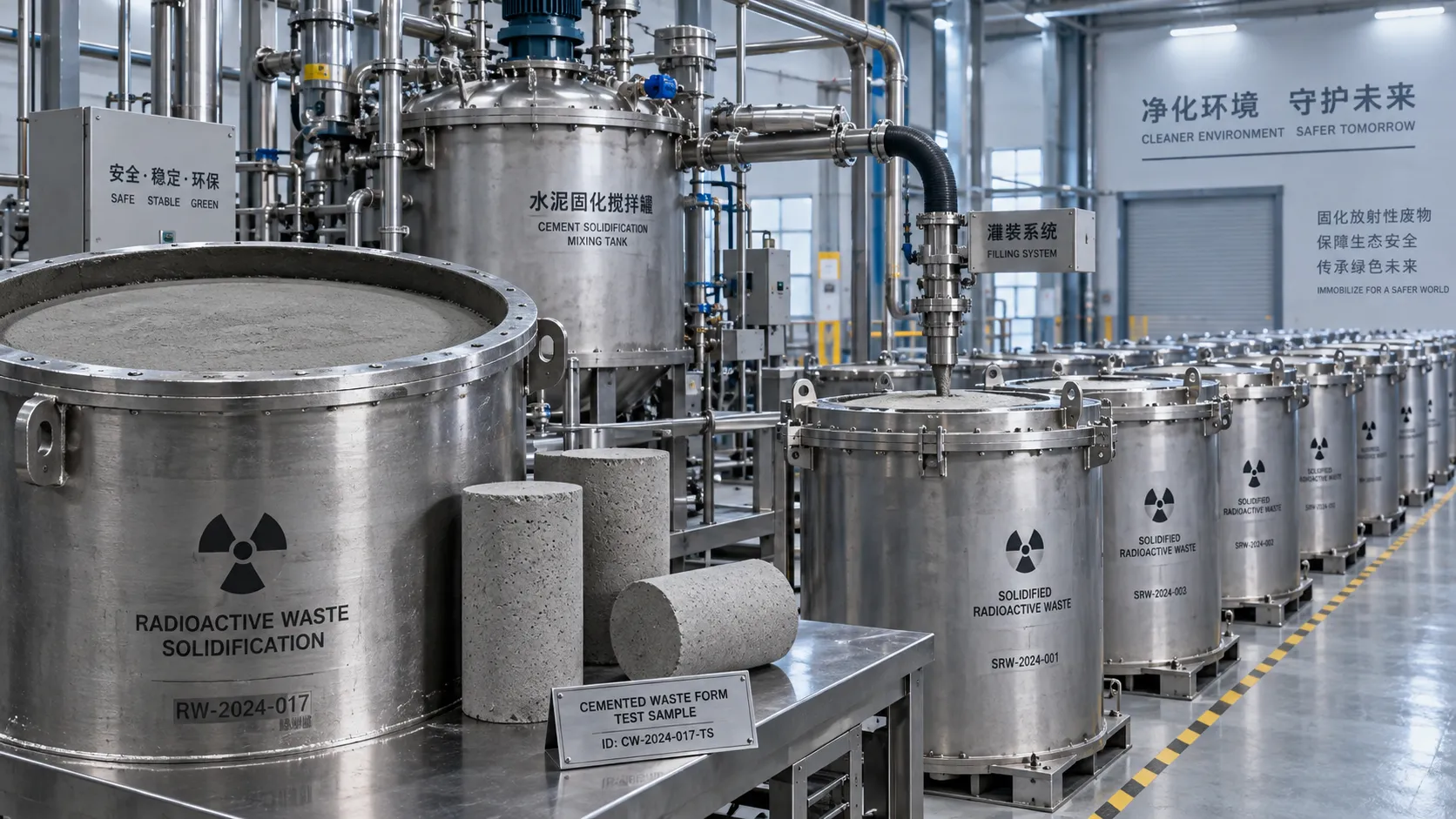
When is cementation suitable for nuclear decommissioning waste?
Explore nuclear waste treatment technology for decommissioning: learn when cementation fits, which risks to assess, and how disposal criteria guide an effective treatment choice.
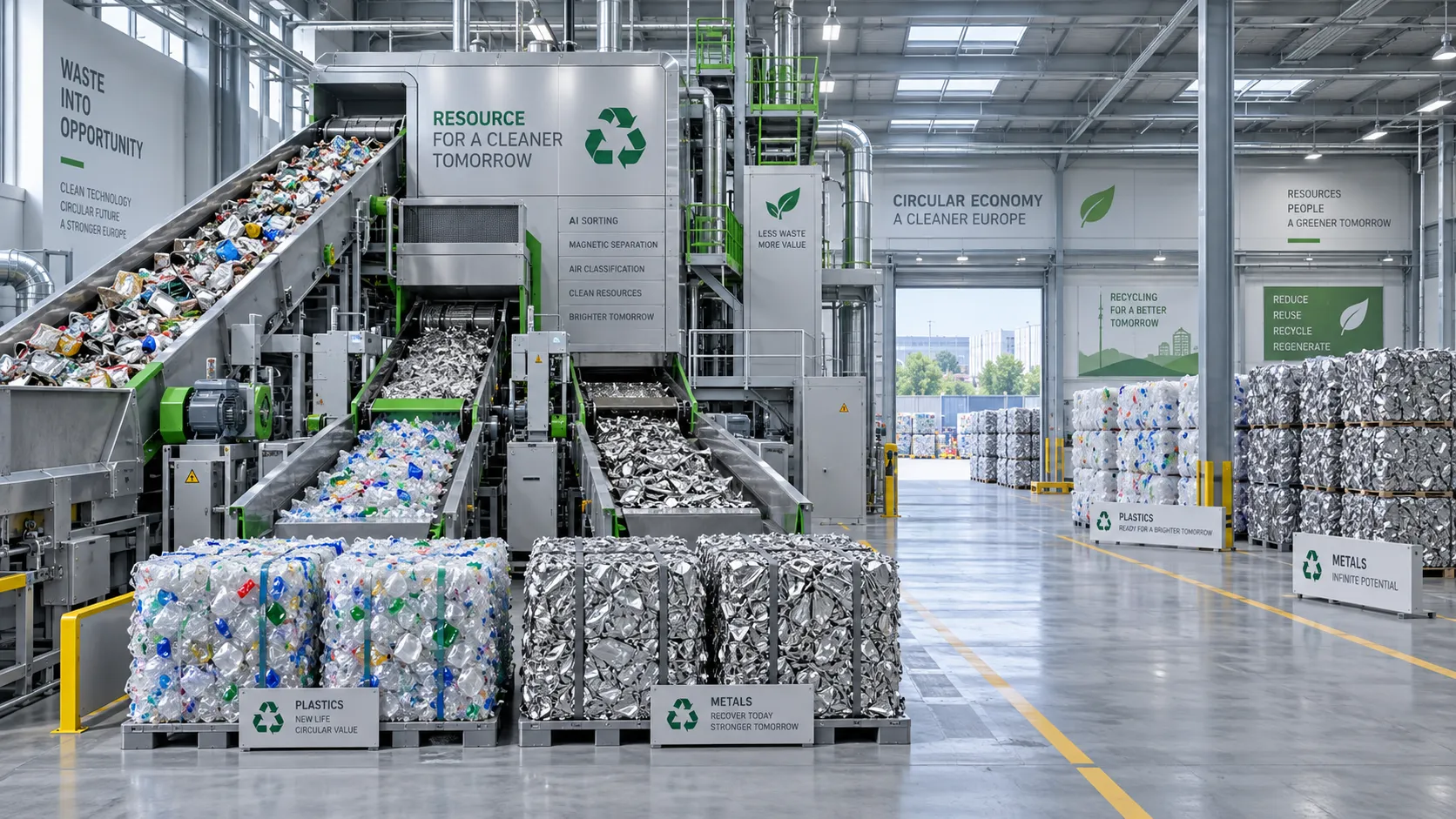
What determines payback for waste-to-resource systems in Europe?
Assess waste-to-resource systems Europe-wide: compare feedstock, recovery yields, costs and contracts to uncover payback drivers and make smarter investment decisions.
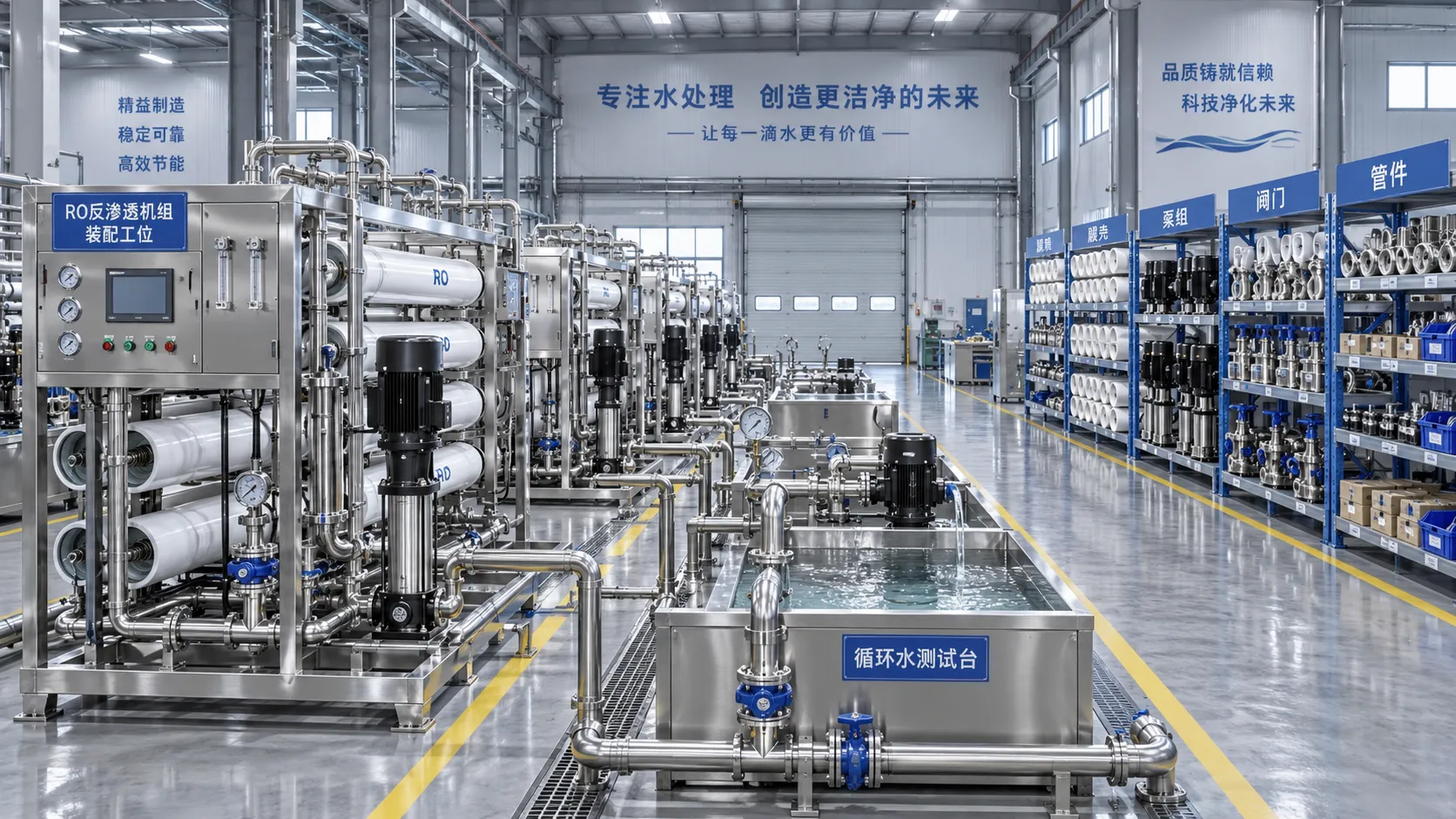
How to verify a water treatment system factory’s production capacity
Verify a water treatment systems factory’s production capacity through records, bottlenecks, component availability, and testing. Learn what to check before accepting a delivery promise.
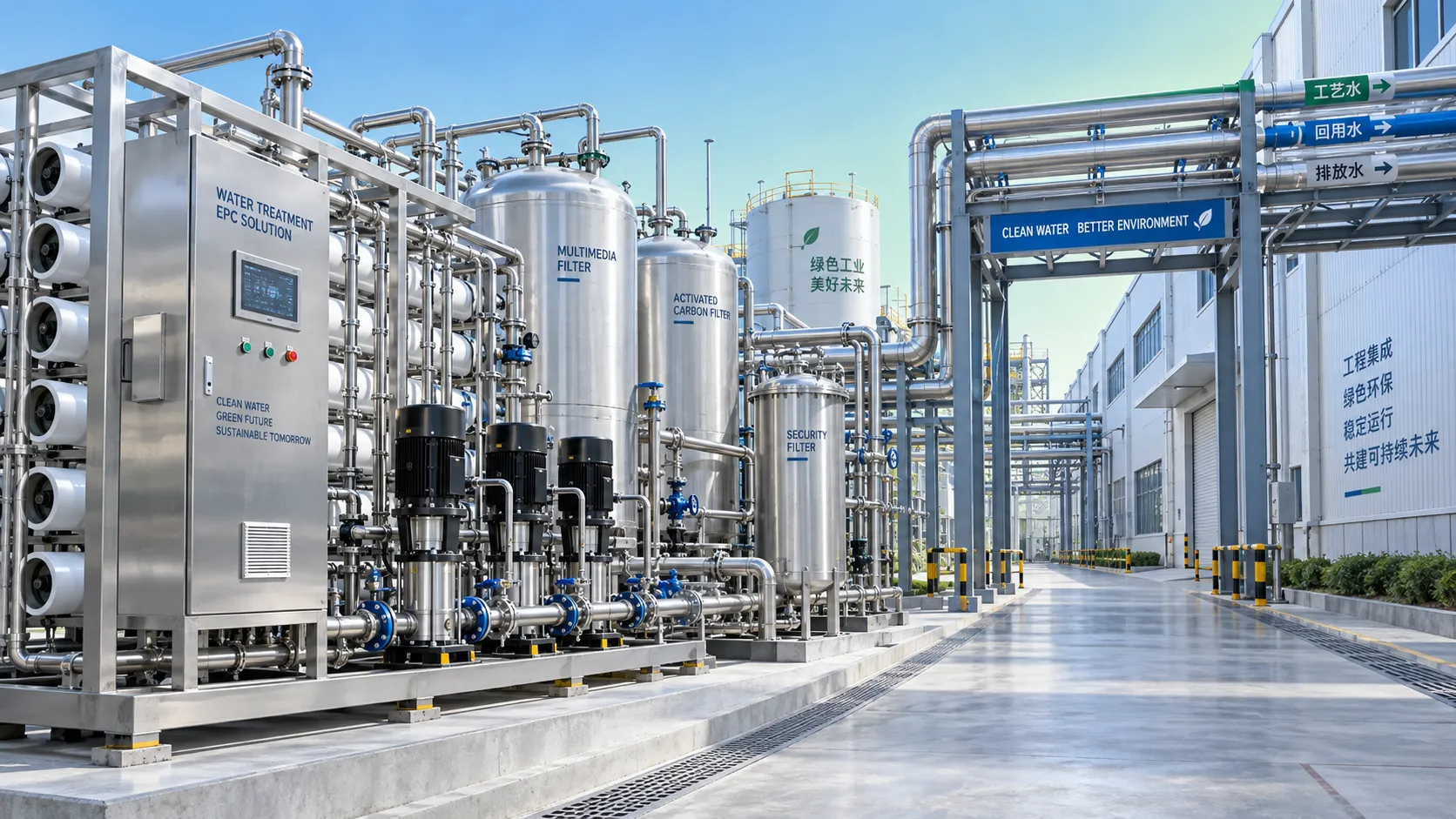
When does EPC environmental project support reduce delivery risk?
EPC environmental project support engineering reduces delivery risk by aligning design, procurement, compliance, construction, and commissioning decisions.
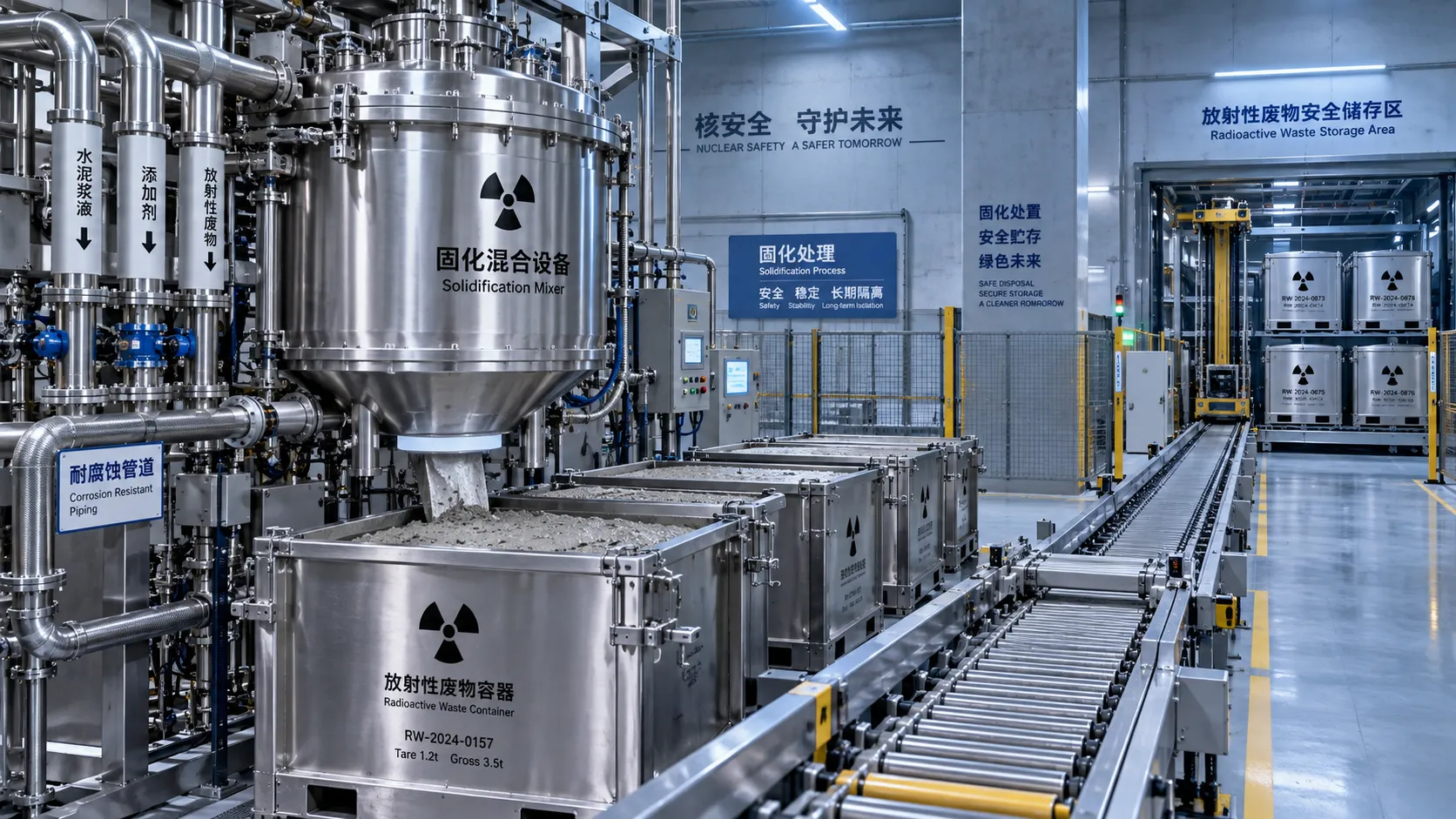
How nuclear plants select a radioactive waste solidification method
Radioactive waste management for nuclear plants: compare vitrification, cementation, polymers, and ceramics to select a compliant, durable solidification solution.
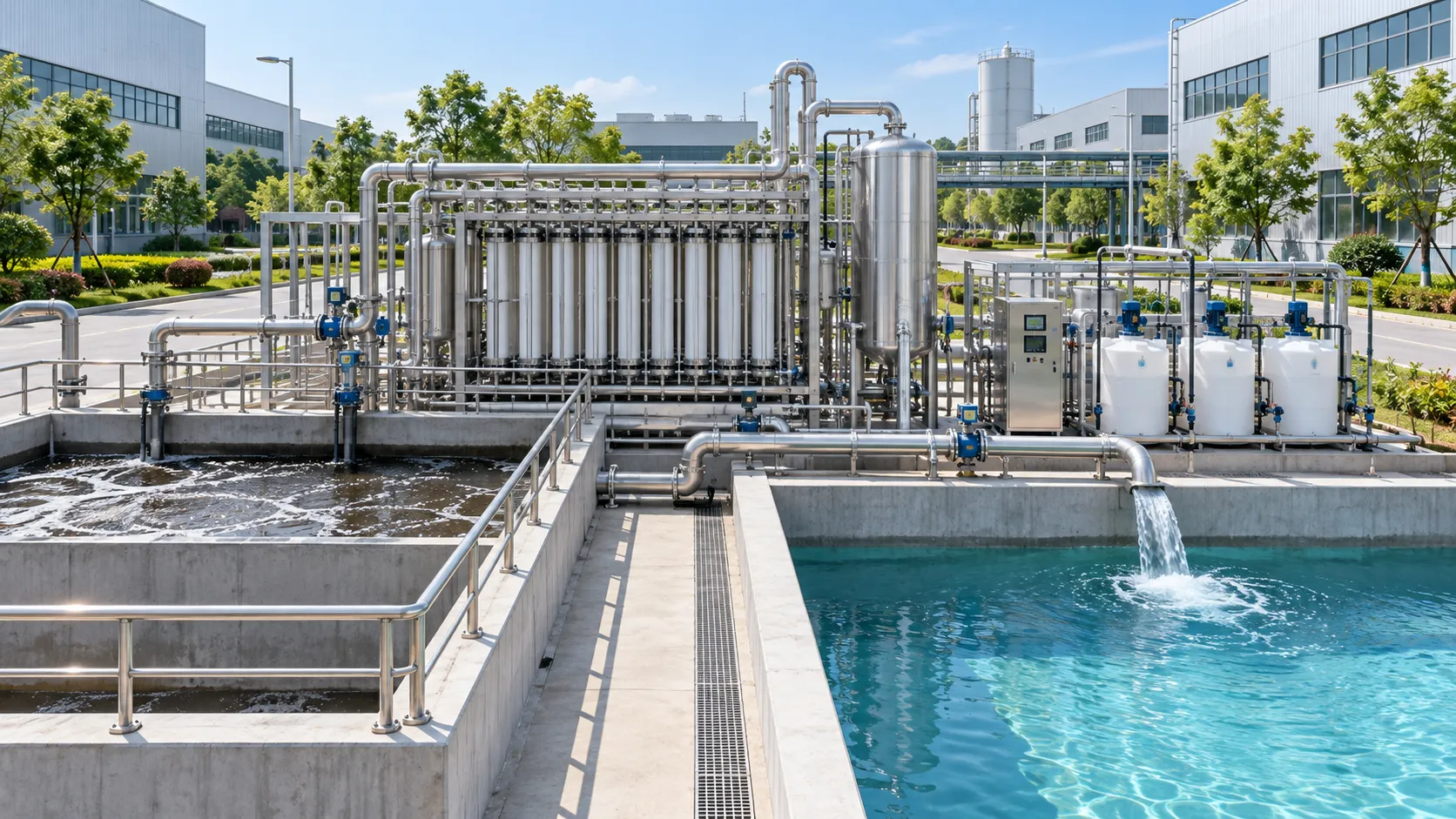
Comparing Upgrade Costs for Industrial Park Wastewater Treatment Systems
Compare costs for wastewater system upgrades in industrial parks with a lifecycle view of CAPEX, OPEX, compliance, resilience, and future expansion.
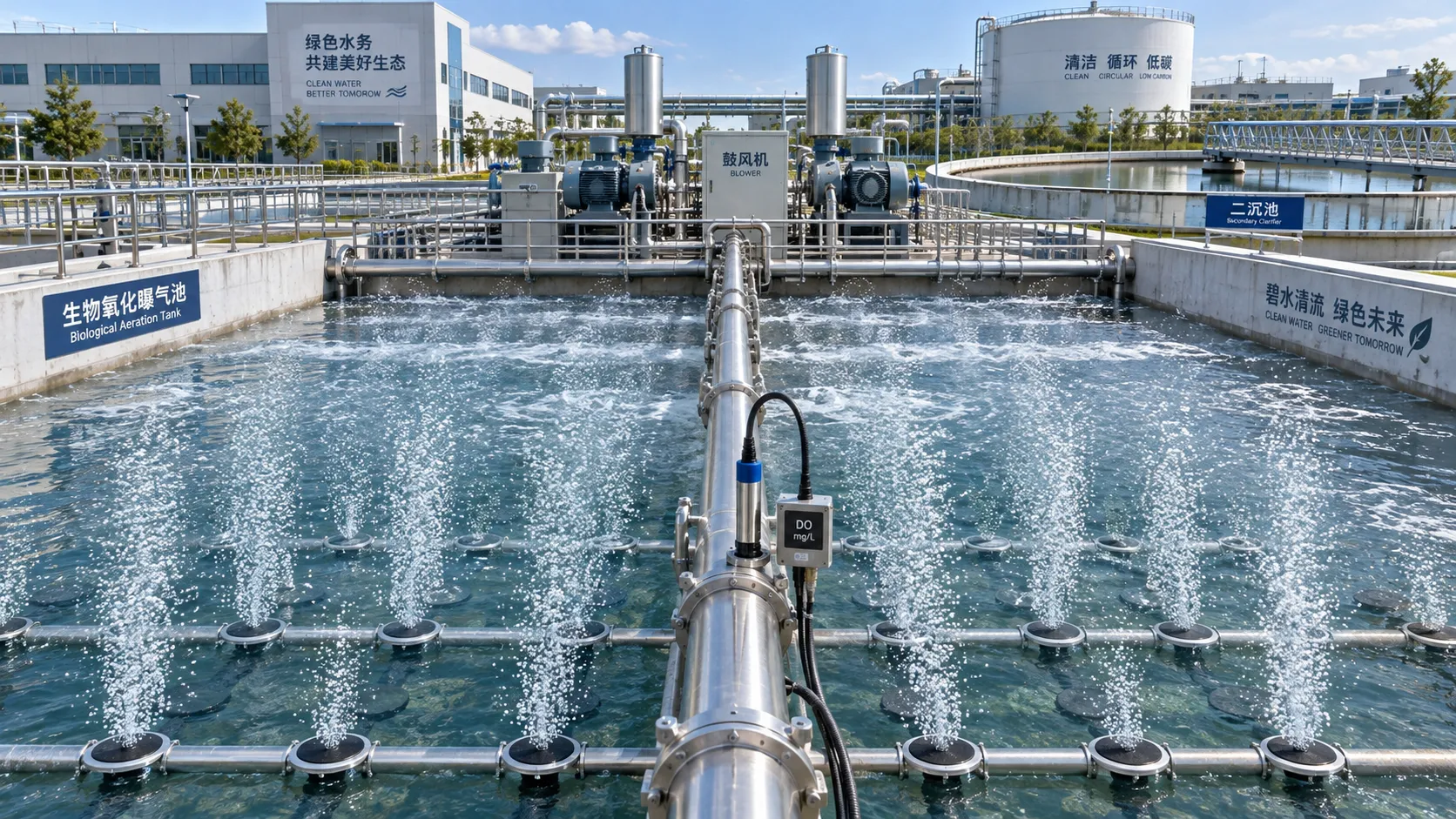
Biological Wastewater Oxidation Explained: Aeration Demand and Process Control
Biological wastewater oxidation explained: optimize aeration demand, DO control, nitrification, and sludge age for stable effluent quality and lower energy costs.
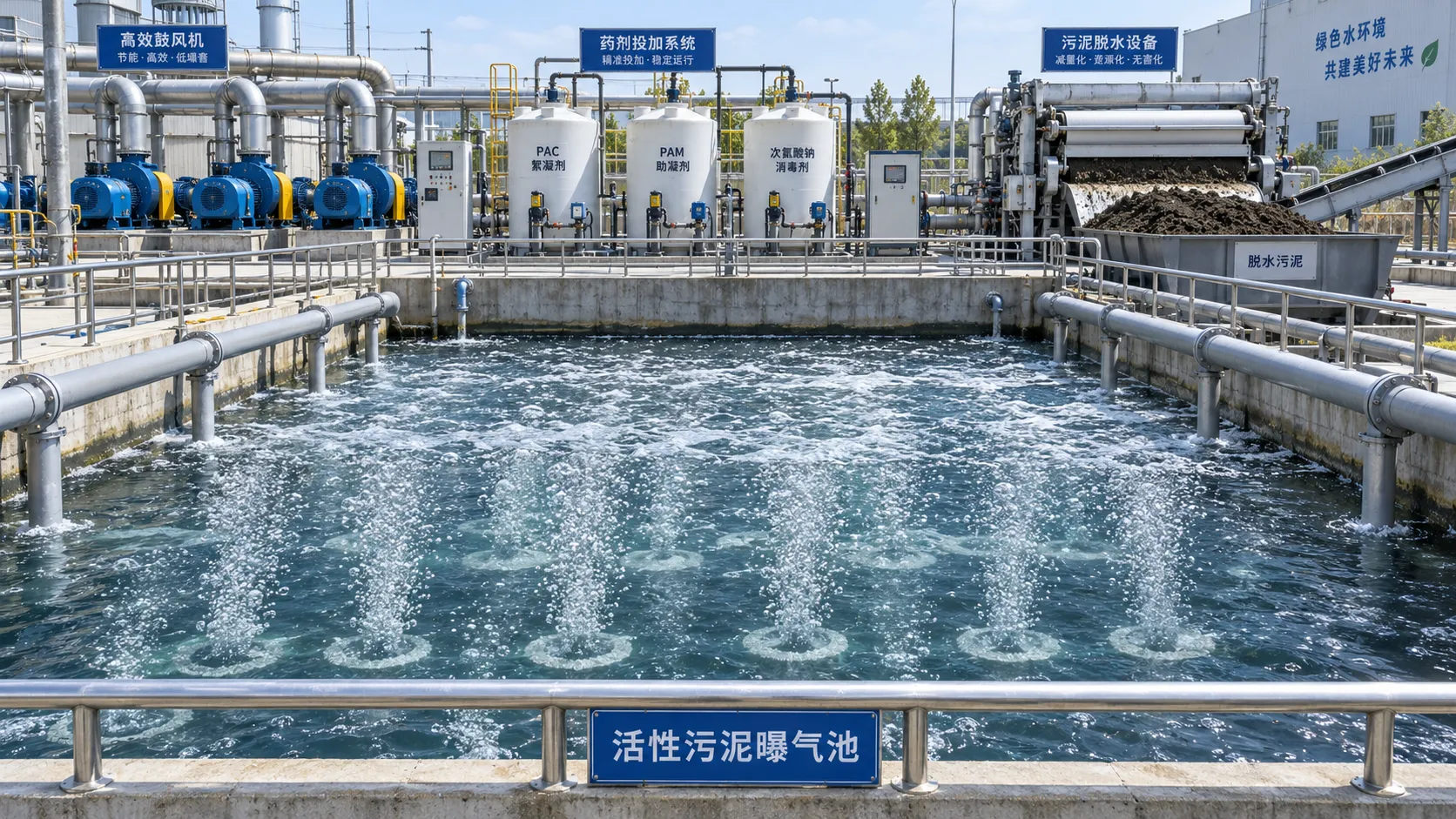
Activated Sludge Cost: Budgeting Energy, Chemicals, Sludge, and Labor
Activated sludge cost explained: compare energy, chemicals, sludge disposal, labor, and compliance risks to build a reliable lifecycle budget.
When Should Municipal Wastewater Plants Upgrade Treatment Capacity and Controls?
Municipal wastewater treatment upgrades: learn when capacity, controls, and resilient planning are needed to protect compliance and optimize plant performance.