
Industry News
Curation by industry experts
Hot Articles
Popular Tags
Radioactive Waste Storage Facilities: Key Safety Risks to Check Before Approval
Before any approval milestone, radioactive waste storage facilities demand a disciplined review of containment integrity, radiation shielding, environmental monitoring, emergency readiness, and long-term compliance controls. For quality control and safety managers, the challenge is not only meeting regulatory checklists but also identifying hidden failure points that could compromise workers, surrounding communities, or future decommissioning plans. This article outlines the key safety risks that must be assessed early, helping decision-makers strengthen technical due diligence and build a defensible approval framework.
Approval is not a single signature; it is a technical confidence threshold. In nuclear waste management, small deviations in design assumptions, inspection records, or surveillance coverage can become long-cycle liabilities.
For quality control teams, the practical question is direct: can the facility safely store classified radioactive material for the planned period, under normal, abnormal, and post-event conditions?
Containment Integrity: The First Approval Gate
The most critical safety risk in radioactive waste storage facilities is loss of containment. This includes primary packages, overpacks, vaults, liners, drainage barriers, and building envelopes.
Before approval, assess whether each containment layer has a defined design life, inspection method, and acceptance criterion. A 30-year storage plan requires different evidence than a 5-year interim solution.
Primary and Secondary Barriers
Primary containers should be checked for corrosion allowance, weld quality, lid sealing, venting logic, and compatibility with the waste matrix. Secondary systems must remain functional if primary containment degrades.
QC reviewers should request traceable records for material certificates, non-destructive testing, coating thickness, dimensional tolerances, and handling damage. Missing records can be as serious as visible defects.
Key containment questions
- Is the waste form chemically stable under expected temperature and humidity ranges?
- Are seals, gaskets, and welds verified through documented inspection stages?
- Can any single barrier fail without immediate worker or environmental exposure?
- Are package identification, dose rate, and inventory data linked in one controlled record?
A practical approval review should classify containment risks by consequence, detectability, and time dependency. The following matrix helps safety managers prioritize technical evidence.
The table shows why containment is not only a civil or mechanical issue. It combines material science, handling discipline, environmental control, and data integrity.
Radiation Shielding and Worker Exposure Control
Shielding design is often approved on calculation, but operational reality must also be tested. Radioactive waste storage facilities need dose control across receipt, storage, inspection, and retrieval.
Safety managers should verify that shielding assumptions match actual radionuclide inventory, package geometry, occupancy time, and maintenance access. A conservative drawing does not replace field validation.
Dose Rate Mapping and Access Zoning
Dose rate surveys should be performed at defined points, such as package surface, 1 meter distance, aisle centerline, operator stations, and boundary locations.
Approval dossiers should include survey frequency, instrument calibration status, and trend records. For active storage areas, quarterly mapping is common, with additional surveys after inventory changes.
Shielding risks to challenge
- Hot spots created by mixed waste packages or unexpected activity concentration.
- Temporary shielding removed during inspection and not restored before operations resume.
- Access routes that require staff to pass within high-dose zones for routine tasks.
- Ventilation or fire protection penetrations that weaken shielding continuity.
For approval, the review team should compare calculated shielding performance with measured values. Deviations beyond agreed margins require documented investigation and corrective action.
In many projects, practical control comes from 3 measures working together: time reduction, distance planning, and shielding verification. None should be treated as optional.
Environmental Monitoring and Leak Detection
Radioactive waste storage facilities must prove that contamination can be detected early, localized quickly, and contained before migration reaches soil, groundwater, drains, or external air pathways.
Monitoring plans should include baseline measurements, routine sampling, alarm thresholds, analytical methods, and responsibilities. Without baseline data, post-event interpretation becomes weak.
Monitoring Network Design
A defensible monitoring network typically covers at least 4 zones: storage cells, drainage points, ventilation exhaust, and site boundary. Groundwater wells may be required where hydrogeology creates exposure pathways.
Sampling frequency should reflect risk. High-activity interim storage may require weekly visual checks, monthly contamination surveys, and semi-annual laboratory trend reviews.
The table below summarizes monitoring elements that quality and safety managers should request before approving storage readiness or expansion capacity.
The key conclusion is simple: monitoring must be tied to decisions. Data that is collected but not trended, alarmed, reviewed, or escalated has limited safety value.
Fire, Flood, Seismic, and External Event Risks
External events can stress multiple safety barriers at once. Approval reviews for radioactive waste storage facilities should test beyond normal conditions and consider credible combined scenarios.
A 1-in-100-year flood level, site-specific seismic demand, extreme wind loads, and regional wildfire exposure may each require different engineering controls and emergency procedures.
Fire Protection Without Creating New Pathways
Fire protection must control combustion risk while preventing contaminated runoff. Storage areas need material segregation, ignition source control, detection coverage, and drainage isolation.
Safety managers should review whether firefighting water can be captured, sampled, and treated. In some areas, dry suppression or compartmentalization may reduce secondary contamination risks.
Flood and Water Intrusion
Flood risk is not limited to river sites. Roof failure, blocked drains, pipe rupture, and stormwater backflow can affect storage integrity within minutes.
- Check finished floor elevation against design flood assumptions and drainage capacity.
- Verify sump redundancy, emergency power, and alarm testing at least every 3–6 months.
- Confirm that packages cannot float, overturn, or become inaccessible during water ingress.
- Review contaminated water holding capacity for firefighting and extreme rainfall scenarios.
External event approval should include drills, engineering calculations, and recovery plans. A facility that survives the event but loses inventory control remains unsafe.
Quality Documentation and Regulatory Traceability
For QC personnel, the approval risk is often hidden in documentation gaps. Radioactive waste storage facilities depend on records that remain usable for decades.
The review should confirm that design basis, waste acceptance criteria, inspection records, calibration files, training logs, and incident reports are controlled under revision discipline.
Waste Acceptance Criteria
Waste acceptance criteria should define radionuclide limits, physical form, chemical compatibility, package requirements, dose rate limits, heat output, and prohibited materials.
A strong approval file links each package to characterization data, conditioning method, storage position, inspection interval, and final disposition pathway.
Document control red flags
- Unclear ownership between operations, radiation protection, engineering, and waste management teams.
- Manual spreadsheets used as the only inventory control system for regulated packages.
- Calibration certificates expired by more than 30 days without risk assessment.
- Inspection deviations closed without root cause, corrective action, or effectiveness review.
Traceability also affects future decommissioning. If package histories are incomplete, retrieval campaigns become slower, more expensive, and more difficult to justify to regulators.
Emergency Readiness and Human Performance
Emergency readiness determines whether an abnormal condition remains controlled. Plans for radioactive waste storage facilities should be practical, rehearsed, and aligned with site response resources.
Approval should not rely on a binder alone. Reviewers need evidence from drills, response timing, equipment checks, communication tests, and post-drill corrective actions.
Response Scenarios to Test
At minimum, emergency exercises should cover container damage, contamination spread, fire alarm, worker injury in a controlled area, loss of ventilation, and external power failure.
- Detect the event using installed alarms, survey instruments, or operator observation.
- Stabilize the scene with access control, source isolation, and radiological assessment.
- Protect personnel through evacuation, dosimetry review, and contamination checks.
- Communicate internally and externally according to regulatory notification thresholds.
- Recover operations only after approval from authorized safety and quality functions.
A 5-step response flow is useful only when roles are clear. Shift coverage, contractor access, and night operations should be included in readiness checks.
Training and Competence
Personnel competence should be role-specific. Forklift operators, radiation protection technicians, waste package inspectors, maintenance teams, and supervisors require different authorization levels.
Training refreshers are commonly scheduled annually, while critical emergency drills may be repeated every 6 months for higher-risk interim storage operations.
Approval Checklist for Safety and Quality Managers
A practical approval framework should convert technical concerns into gated decisions. Radioactive waste storage facilities should not advance when evidence is incomplete or responsibilities are unclear.
For B2B project teams, the checklist should support design review, supplier evaluation, construction acceptance, commissioning, and operational readiness within one integrated control logic.
Recommended 6-Part Approval Sequence
- Confirm waste inventory, classification, storage period, and acceptance criteria.
- Review containment design, materials, inspection records, and barrier redundancy.
- Validate shielding calculations through dose surveys and controlled access zoning.
- Test monitoring systems, alarm response, sample handling, and data review cycles.
- Challenge external event scenarios, including fire, flood, seismic, and power loss.
- Approve emergency readiness, staff competence, document control, and corrective actions.
This sequence works best when each gate has pass, conditional pass, and hold criteria. A conditional pass should include deadlines, owners, and verification evidence.
Procurement and Technical Due Diligence
When selecting equipment, EPC partners, or advisory support, buyers should compare engineering depth rather than only price. Lowest upfront cost can increase inspection burden and lifecycle risk.
ESD’s intelligence perspective emphasizes equipment reliability, environmental compliance, and closed-loop safety thinking. That is valuable when projects involve desalination, waste recovery, flue gas control, or nuclear waste management interfaces.
Decision-makers should seek partners capable of reviewing technical parameters, regulatory evolution, monitoring architecture, and long-term maintainability before the approval milestone becomes irreversible.
Common Approval Mistakes to Avoid
Many radioactive waste storage facilities pass early design reviews but struggle during commissioning because assumptions were not tested against operational constraints and maintenance realities.
The most damaging mistakes are usually predictable. They include incomplete inventory characterization, weak change control, insufficient emergency drills, and monitoring data without escalation rules.
Do Not Treat Interim Storage as Low Risk
Interim storage can last longer than planned. A facility approved for 3–5 years may face extension pressure due to disposal pathway delays or policy changes.
Approval should therefore assess aging mechanisms, spare parts availability, inspection access, and records preservation. Temporary does not mean technically simple.
Do Not Separate Safety from Commercial Decisions
Commercial decisions affect safety margins. Package density, automation level, monitoring redundancy, and building layout all influence future dose exposure and response complexity.
A defensible project budget should include commissioning tests, independent review, spare monitoring instruments, emergency equipment, periodic training, and lifecycle documentation management.
Building a Defensible Safety Case
Approval of radioactive waste storage facilities should result in a safety case that is understandable, auditable, and practical for daily operations.
The strongest cases connect design intent with measurable controls: containment inspections, dose mapping, environmental monitoring, emergency drills, inventory reconciliation, and corrective action closure.
For quality control and safety managers, the goal is not only regulatory acceptance. It is a facility that remains safe through inventory changes, aging, abnormal events, and eventual decommissioning.
ESD supports decision-makers by translating complex environmental engineering and nuclear safety intelligence into practical review logic for high-consequence infrastructure projects.
If your team is preparing an approval review, supplier assessment, or technical due diligence plan for radioactive waste storage facilities, contact us to discuss a tailored safety intelligence framework.
Get a customized solution, consult detailed project requirements, or explore more nuclear waste management insights with ESD’s Strategic Intelligence Center.
Recommended News
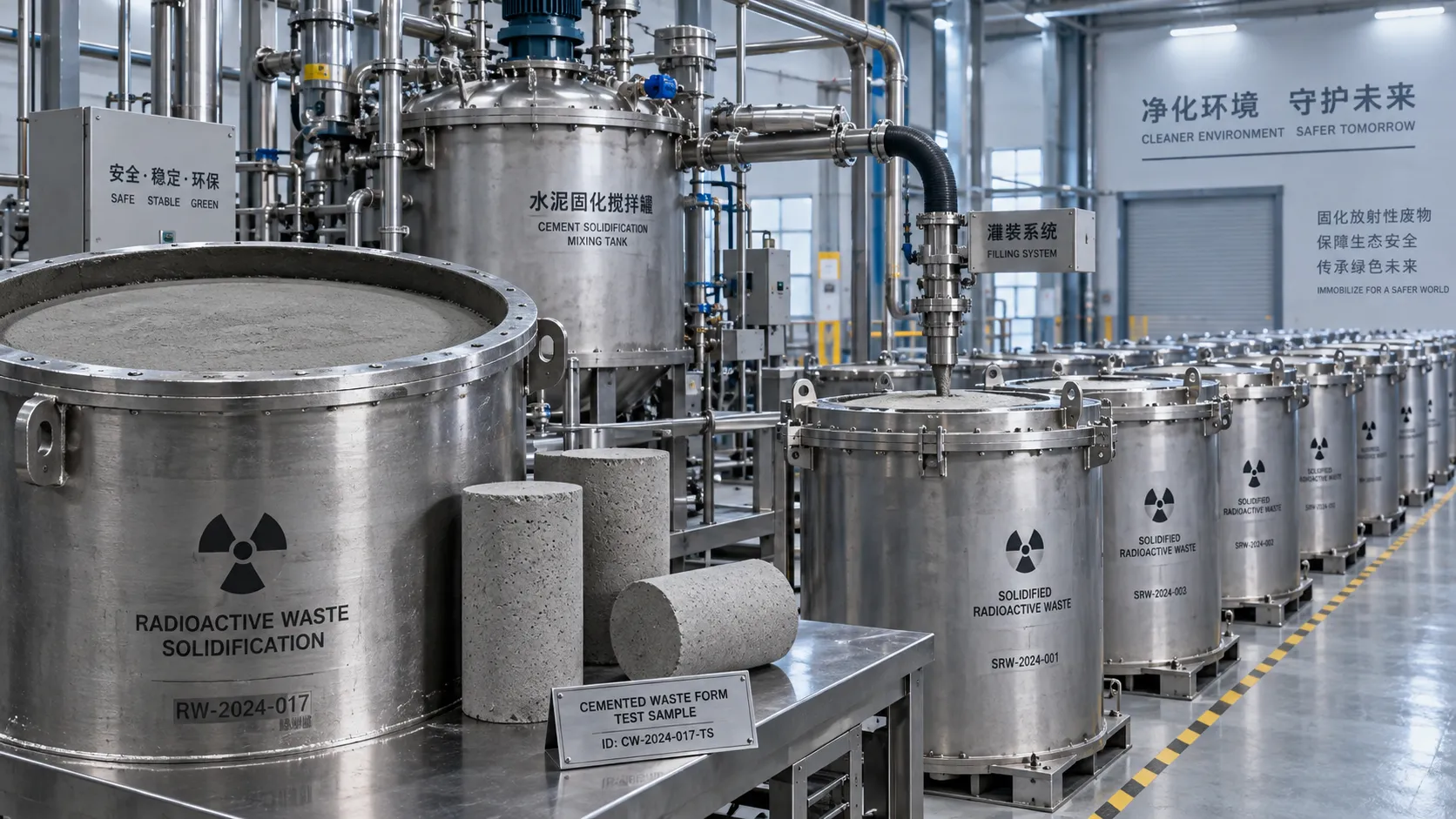
When is cementation suitable for nuclear decommissioning waste?
Explore nuclear waste treatment technology for decommissioning: learn when cementation fits, which risks to assess, and how disposal criteria guide an effective treatment choice.
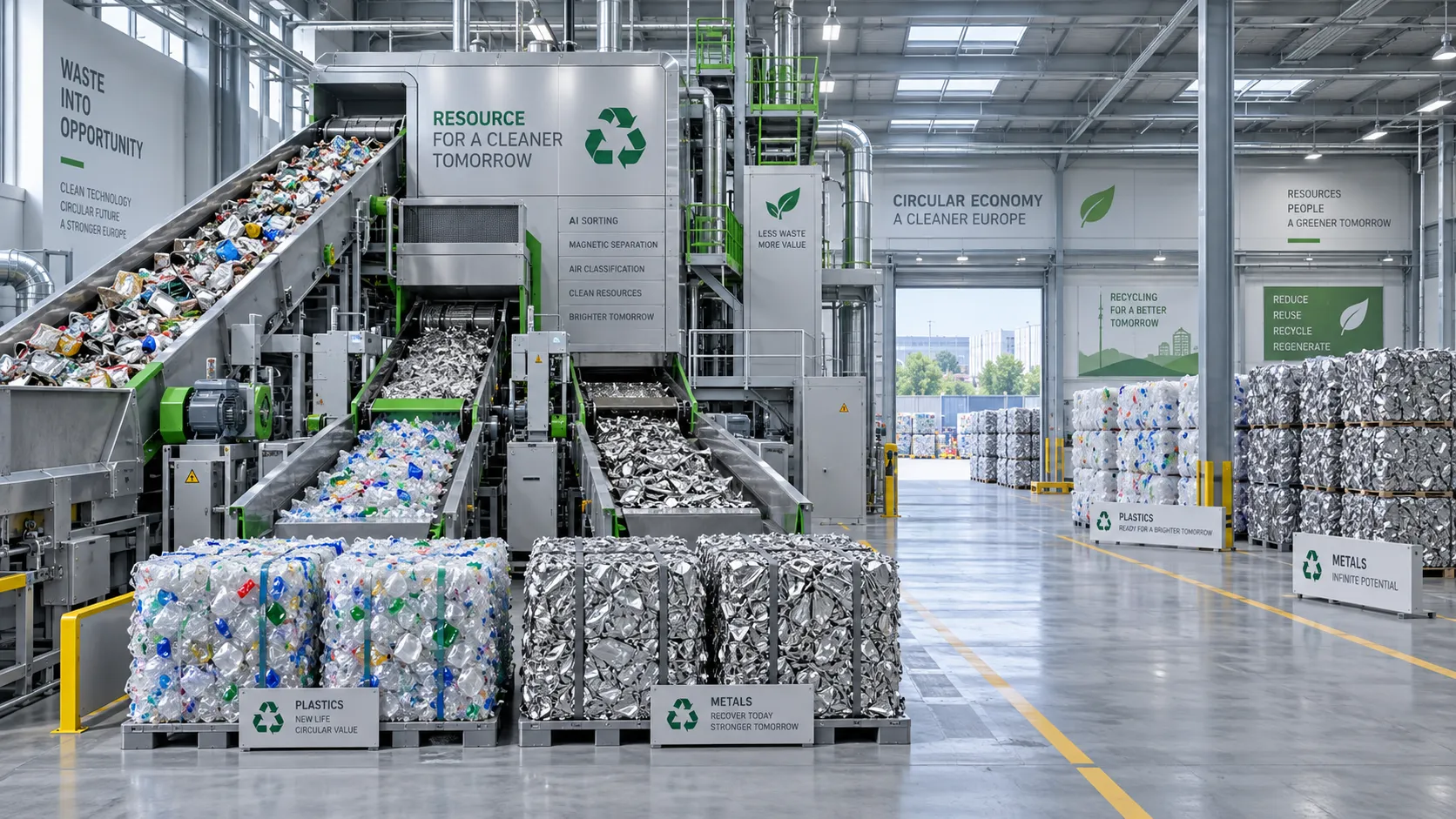
What determines payback for waste-to-resource systems in Europe?
Assess waste-to-resource systems Europe-wide: compare feedstock, recovery yields, costs and contracts to uncover payback drivers and make smarter investment decisions.
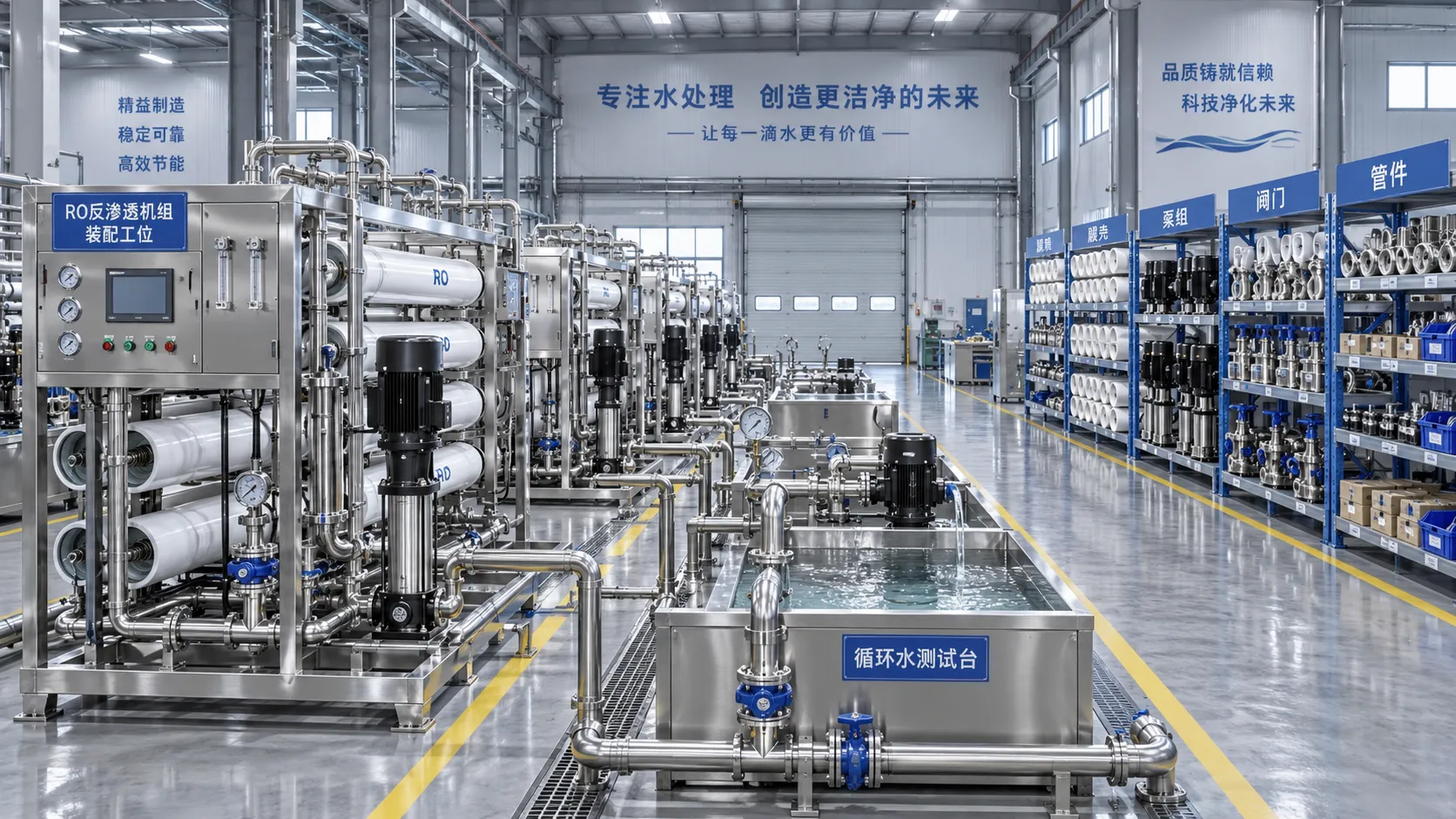
How to verify a water treatment system factory’s production capacity
Verify a water treatment systems factory’s production capacity through records, bottlenecks, component availability, and testing. Learn what to check before accepting a delivery promise.
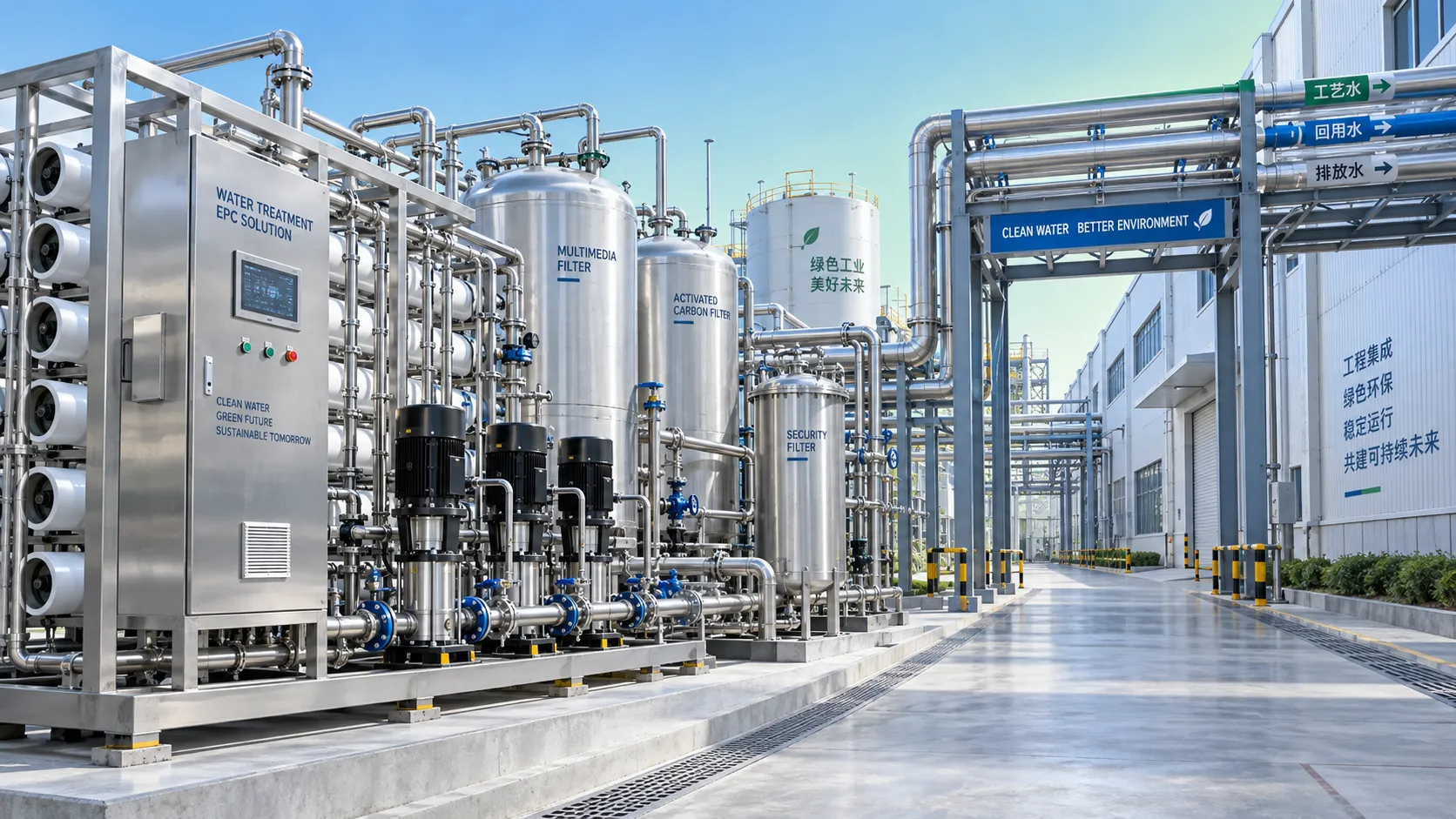
When does EPC environmental project support reduce delivery risk?
EPC environmental project support engineering reduces delivery risk by aligning design, procurement, compliance, construction, and commissioning decisions.

How nuclear plants select a radioactive waste solidification method
Radioactive waste management for nuclear plants: compare vitrification, cementation, polymers, and ceramics to select a compliant, durable solidification solution.
Comparing Upgrade Costs for Industrial Park Wastewater Treatment Systems
Compare costs for wastewater system upgrades in industrial parks with a lifecycle view of CAPEX, OPEX, compliance, resilience, and future expansion.
Biological Wastewater Oxidation Explained: Aeration Demand and Process Control
Biological wastewater oxidation explained: optimize aeration demand, DO control, nitrification, and sludge age for stable effluent quality and lower energy costs.
Activated Sludge Cost: Budgeting Energy, Chemicals, Sludge, and Labor
Activated sludge cost explained: compare energy, chemicals, sludge disposal, labor, and compliance risks to build a reliable lifecycle budget.
When Should Municipal Wastewater Plants Upgrade Treatment Capacity and Controls?
Municipal wastewater treatment upgrades: learn when capacity, controls, and resilient planning are needed to protect compliance and optimize plant performance.